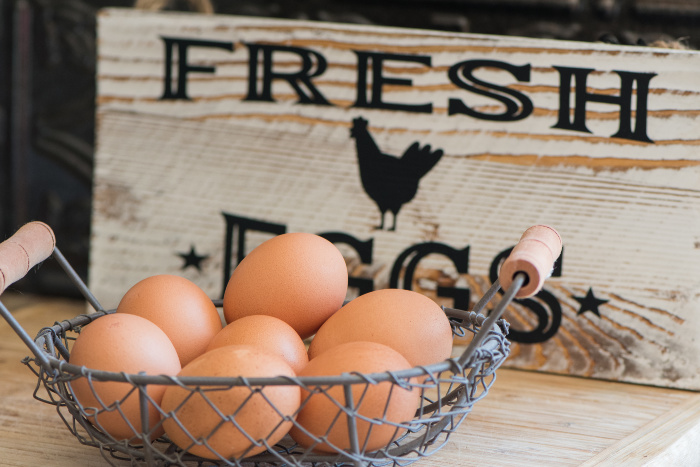
It’s no secret that fresh eggs happen to be one of the healthiest foods out there that you can eat. They come with many health benefits and are stuffed with protein and several important vitamins, making for a complete breakfast.
But have you ever stopped to consider the eggs that you’ve been buying from your local grocery store? You may be thinking, “Aren’t all eggs the same?” What’s the difference between store-bought eggs and fresh eggs?
Fresh Eggs vs. Store-Bought
Chances are, you’ve driven on country roads past “fresh eggs” signs at one time or another, and may have given little thought to what you were missing out on. This one may shock you, but there are several big differences that you want to know about.
While looking at them, you may not be able to differentiate between the two, but appearances can be deceiving. Here’s more insight into how fresh eggs are different from store-bought ones.
You Can See the Treatment of the Chickens
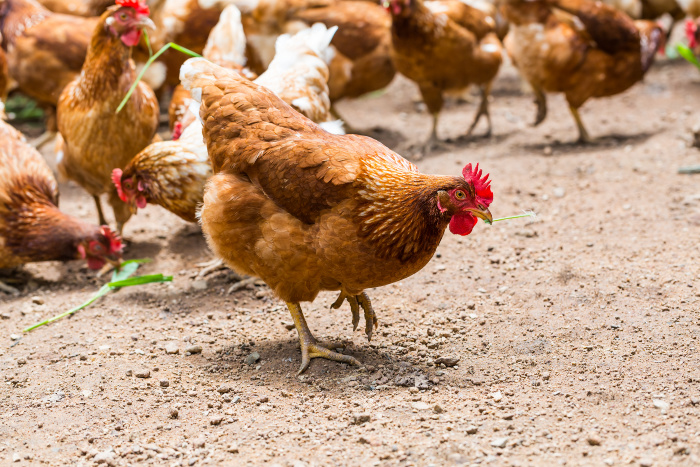
One of the biggest differences between farm-fresh eggs and store-bought ones is how the farmers treat their chickens. When you head up that farmer’s driveway, if you notice chickens out in the open pecking at the ground, you’re buying the right kind of eggs. That’s because these chickens can eat bugs for protein, along with greens, while doing all the work out in the yard.
Most store-bought eggs come from chickens with far different living conditions. These birds are kept in tiny cages, sitting in their poop while being fed pellets. Basically, they can’t live as chickens should. Which means they get very little exercise and aren’t as healthy as free-range chickens.
Maybe animal treatment isn’t that big of a concern to you, and you’re certainly entitled to your opinion. But stop and ponder the idea of eating an egg from a chicken that’s possibly unhealthy. That doesn’t sound appealing, does it? It’s a no-brainer that you want to eat an egg from a chicken that is getting plenty of exercise and lots of protein. That’s exactly what you get when you buy farm-fresh eggs.
Longer Shelf Life
Wouldn’t you prefer to buy an egg that’s not only fresher but also one you have a fairly good idea of when it was laid? For crying out loud, who wouldn’t? It’s been proven that the longer you wait to eat an egg, the fewer nutrients it contains.
Farm fresh eggs are generally only a day or two old, while the ones you pick out at the grocery store may already be well over a month old. Typically, several days pass before the eggs reach the grocery store, and then they’re given a month before their sell-by date. That’s a huge difference in freshness and quality!
Fresh Eggs Differ In Flavor
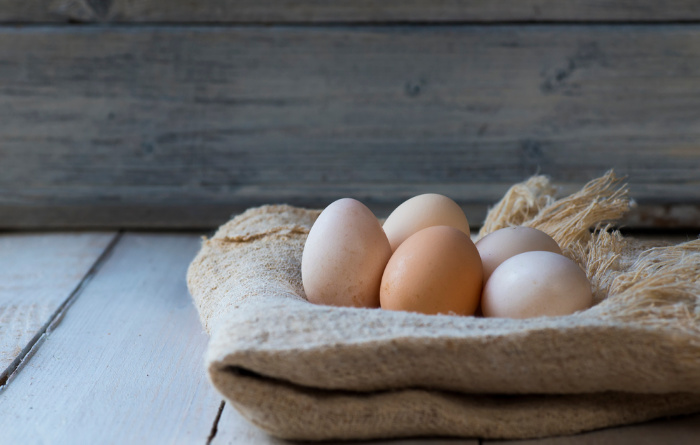
Some people will argue that there’s no difference in taste, while others say that farm-fresh eggs simply taste better. Maybe it’s just the comfort of knowing where your egg is coming from that makes them taste better?
Whatever you decide, you’ll certainly notice a difference in texture between the two. The texture of store-bought eggs is far runnier, and the yolk breaks more easily than that of fresh eggs. For those of you who prefer their eggs cooked over easy, fresh eggs are the way to go. The same holds true for the differences in the color of the yolk. Farm-fresh eggs have a darker yellow appearance than those that are bought from the store.
Fresh Eggs Have Different Nutritional Value
This one might surprise you, but farm-fresh eggs have a different nutritional value than eggs that are bought from the grocery store. They’ve been found to contain less cholesterol and saturated fats and have a higher percentage of Vitamins A, D, and E, along with omega-3’s. In other words, they contain less of the bad stuff and more of the things that you need.
Now you may wonder why that is, and it’s like we’ve been saying. Fresh eggs are usually laid by a hen that can run around, peck for insects, and get plenty of exercise, while eggs from the store are far more likely to come from hens that were cooped up in cages. Think about how healthy you would be, being cooped up all day and being fed unnatural food. It’s like this: the healthier the bird, the healthier the eggs that they produce.
Baking Comparisons
Even if you don’t notice a difference in flavor between the two, there is certainly a difference in how they bake. A farm-fresh egg not only gives you more nutrients but also provides a better baking structure, helping them hold together better. Fresh eggs are also noticeably creamier.
Food Safety
Not that long ago, there was a major Salmonella outbreak among chicken houses of some of the largest egg suppliers in the country. This was caused by poor living conditions, and what they were eating wasn’t what chickens are meant to eat. Many people were even afraid to buy eggs for a while. Unfortunately, you can’t really tell when chickens are affected by it, which only allows it to spread more easily.
In the meantime, these egg suppliers haven’t done a whole lot to fix these conditions, and it’s only a matter of time before another Salmonella scare happens again. By choosing to buy locally, you’re greatly reducing the chances of your eggs containing salmonella, because these eggs are usually from free-range chickens.
How Fresh Eggs Are Different From Store-Bought Ones
If you have ever cracked open a farm-fresh egg next to one from the grocery store, you already know something is different. The yolk stands taller and glows a deeper shade of orange. The white holds its shape instead of spreading thin. And the flavor? There is simply no comparison. But beyond what you can see and taste, fresh eggs and store-bought eggs are genuinely different when it comes to your health.
This guide breaks down everything families need to know about what sets fresh eggs apart, why those differences matter, and how to make the most of them in your kitchen.
What Makes an Egg “Fresh”?
A fresh egg typically comes from a small local farm, a backyard flock, or a farmer’s market. These eggs are usually collected daily or every few days and often reach your hands within a week of being laid. Store-bought eggs, on the other hand, can legally be sold up to 45 days after being washed and graded, and they may sit in a warehouse or on a shelf for additional weeks before you pick them up. That timeline matters more than most people realize.
The Nutritional Differences Between Fresh and Store-Bought Eggs
One of the most-cited studies on egg nutrition comes from Mother Earth News, which tested eggs from pastured hens and compared them with the USDA’s nutritional data for commercial eggs. The results showed meaningful differences that hold up across multiple research efforts.
Fresh eggs from hens that roam and forage tend to contain more vitamin E, which supports immune function and acts as an antioxidant in the body. They also tend to have higher levels of vitamin A, which is important for eye health, skin health, and a strong immune system.
Omega-3 Fatty Acid
Perhaps most notable is the omega-3 fatty acid content. Pasture-raised hens that eat a varied diet of grass, bugs, and seeds produce eggs with significantly higher omega-3 levels than hens raised in confined operations and fed grain only. Omega-3 fatty acids are linked to heart health, brain development in children, and reduced inflammation throughout the body.
Fresh eggs have also been found to contain higher levels of beta-carotene, the same antioxidant found in carrots and sweet potatoes. This is what gives the yolk that rich, vibrant orange color. The more deeply colored the yolk, the more beta-carotene and other antioxidants it is likely to contain.
Lower Cholesterol and Better Fats
Research has found that eggs from pasture-raised hens can have a more favorable ratio of omega-3 to omega-6 fatty acids. Most people in Western diets already consume far too many omega-6 fatty acids and not enough omega-3s, so a better ratio in your eggs can be a simple, everyday way to bring things back into balance.
Some studies have also found that fresh eggs from well-fed hens have lower total cholesterol than conventional eggs. While dietary cholesterol is no longer the major concern it once was, it’s still worth noting that high-quality feed and access to pasture appear to produce nutritionally superior eggs in multiple ways.
Food Safety and Freshness
One practical difference that matters to families is food safety. Fresh eggs are often unwashed and still have their natural bloom, a thin protective coating called the cuticle that seals the pores in the shell and prevents bacteria from entering. Commercial eggs are washed before sale, which removes this coating and requires refrigeration to compensate for it.
A fresh, unwashed egg can actually be stored at room temperature for several weeks without spoiling. Once washed, eggs must be refrigerated. This is why you’ll see eggs sitting out on counters in many European countries, while in the United States, store-bought eggs must stay cold.
The freshness itself also plays a role in how eggs cook and behave. Fresh eggs poach beautifully because the white is thick and cohesive. They’re better for frying for the same reason. Interestingly, older eggs peel more easily after hard-boiling because the air pocket inside grows as the egg ages, making the shell easier to remove.
What to Look for When Buying Fresh Eggs
Not every egg labeled “natural” or “cage-free” at the grocery store is the same as a truly fresh, farm-direct egg. Here are some things to look for. Look for eggs from local farms, farmers’ markets, or neighbors with backyard chickens. Ask how old the eggs are and how the hens are raised. Pasture-raised means the hens have outdoor access and room to forage, which is the single biggest driver of nutritional quality. Hens that eat grass, worms, and insects produce eggs with the most diverse nutrient profile.
The color of the yolk is a quick and useful indicator. A pale yellow yolk suggests a grain-fed hen with limited outdoor access. A deep orange yolk suggests a hen that has been eating a varied, natural diet.
A Word on Backyard Chickens
Many families across the country are discovering the joys of keeping a small flock of backyard chickens. Even three or four hens can supply a family with more eggs than they can eat. The eggs are as fresh as you can find, and children love the connection to where their food comes from.
If you have the outdoor space and local ordinances permit it, a small backyard flock is one of the most rewarding ways to ensure your family has access to truly fresh eggs year-round.
The Bottom Line
Fresh eggs aren’t just tastier than store-bought eggs. They are, in many measurable ways, more nutritious. Higher levels of vitamins A and E, higher levels of omega-3 fatty acids, more antioxidants, and a natural protective coating that keeps bacteria out are all meaningful advantages.
For families looking for simple, everyday ways to improve their nutrition, switching to fresh eggs from a local source is one of the easiest and most delicious steps you can take. The next time you see a farm stand or a neighbor selling eggs, it’s worth stopping. Your breakfast, and your body, will thank you.
Frequently Asked Questions About Fresh Eggs
How long do fresh eggs last?
An unwashed fresh egg stored at room temperature can last two to four weeks. A washed fresh egg stored in the refrigerator will stay good for about six to eight weeks.
Can you tell if an egg is fresh without cracking it?
Yes. Place the egg in a bowl of cold water. A fresh egg sinks and lies flat on its side. A week-old egg stands upright on the bottom. An egg that floats is too old to eat.
Are brown eggs healthier than white eggs?
No. Shell color is determined by the breed of the hen and doesn’t affect nutrition. What matters is how the hen was raised and what she ate.
Are eggs from backyard chickens safe to eat?
Yes, as long as basic hygiene practices are followed. Collect eggs regularly, store them properly, and wash your hands after handling. Eggs from healthy, well-cared-for hens are very safe to eat.
Do fresh eggs taste different?
Most people find that fresh eggs have a richer, creamier flavor than store-bought eggs. The difference is especially noticeable in simple preparations like scrambled eggs, fried eggs, or baked goods, where the egg flavor is front and center.
How to Freeze Eggs: Everything You Need to Know
Raising Quail: What You Need to Know
Final Word
The next time you head to the grocery store and stop by the egg section, we hope you have a better understanding of what you’re getting. Why not support farmers who treat their animals well and produce eggs with greater nutritional value?
Did any of this information surprise you about fresh eggs vs. store-bought ones? If you’ve tried both, won’t you tell us what you think and why you’d choose one over the other? Stay well, stay safe. May God bless this world, Linda
Copyright Images: Eggs Fresh AdobeStock_200973553 by nsc_photography, Chickens Cage-Free AdobeStock_67710633 by Teptong, Eggs on muslin Depositphotos_83339030_s-2019
The post How Fresh Eggs are Different From Store- Bought Ones appeared first on Food Storage Moms.
from Food Storage Moms
No comments:
Post a Comment