Estimated reading time: 30 minutes
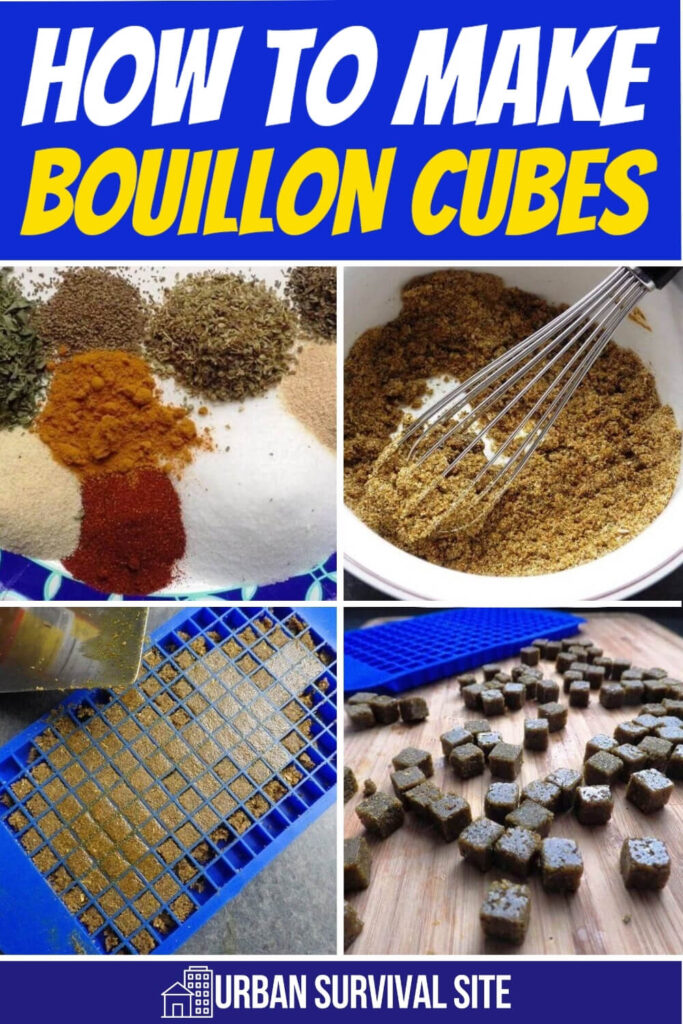
Bouillon cubes are a dehydrated broth usually preserved and packaged in a small, block form. They are typically wrapped in foil and kept in a jar for storage.
They’re sold in every grocery store and usually find themselves in most home pantries. Some flavors include chicken, beef and vegetable.
The primary benefit of any bouillon cube is its ability to add an instant, savory flavor to any recipe. But another benefit that is particularly relevant is its long and stable shelf life.
This makes it an ideal addition to any long-term food storage as a dependable and instant flavor enhancer for meals often made with the basic staples common in any food stock pile. It’s also highly portable and easy to use.
Want to save this post for later? Click Here to Pin It On Pinterest!
A Brief History of Bouillon Cubes
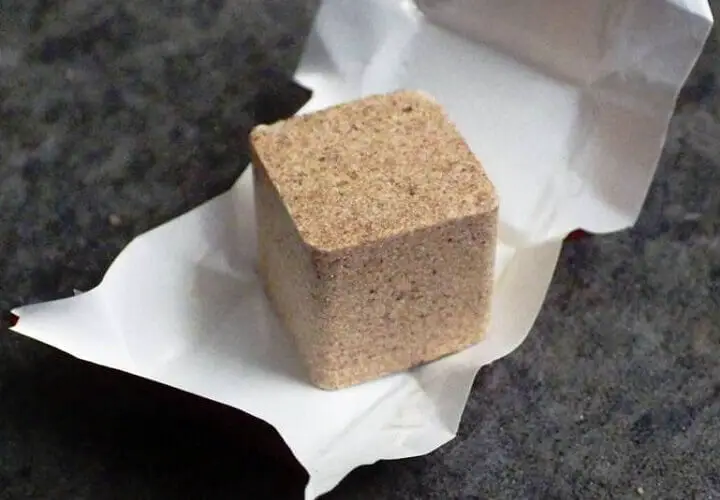
The concept of bouillon cubes was created by Julius Maggi in 1908. He was a Swiss food manufacturer and he called his new idea “Bouillonwürfel.” It wasn’t long before a British food company called OXO started producing their own variations in 1910 and introduced the term “bouillon cube.”
In a short period of time the concept spread around the world and an interesting change occurred as different cultures embraced the idea. Beyond the basic recipe of salt and concentrated meat or vegetable flavors; herbs and spices unique to various cuisines started to find their way into the cubes.
The result was bouillon cubes that brought instant flavors to recipe ingredients common in India, Asia, Mexico and other countries.
We’ll cover the basic recipes for bouillon cubes and a few ways to make them but we’ll also get into ways to add unique seasonings to create an instant flavor kick for recipes ranging from pasta sauces to chili and Mexican dishes as well.
That’s an important consideration for someone trying to make the best of the worst following a disaster when the primary food source is a stockpile of food that may present limited options.
The Keys to Long Shelf-Life in Bouillon Cubes
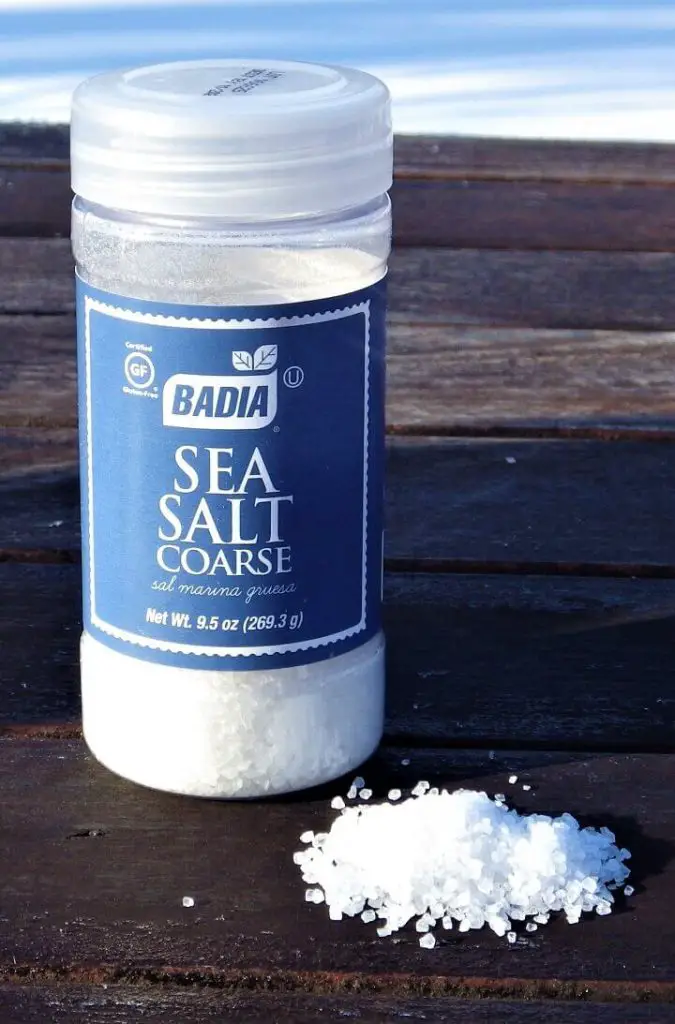
Salt is a primary ingredient in bouillon cubes, and its preservative properties have been known for centuries. Other ingredients that have some preservative properties include onion powder, cayenne, and garlic powder, along with other spices that inhibit bacterial or fungal growth.
Some recipes call for the addition of a small amount of vinegar which also has excellent food preservative properties. Perhaps the most critical factor is dehydration or freezing.
Preservation – Freeze or Dehydrate?
Many recipes out there recommend freezing bouillon cubes to extend shelf-life into years, but freezing creates a challenge. Following a disaster, electricity may be undependable or unavailable. The result is that any food dependent on a freezer will soon spoil.
Dehydration is another dependable long-term storage solution and most commercial bouillon cubes use this method.
Realistic Shelf-Life for Bouillon Cubes
Figure 2 years as an average. This assumes proper packaging and storage. Freezing can extend the shelf-life beyond 2 years, but there’s still that question of dependable electric power.
Dehydrated vegetable bouillon may be the safest bet. Any introduction of fats from chicken or beef increases the potential for bacteria or fungus or they may simply become rancid as the oils and fats deteriorate. Oils like olive oil are often used to make homemade bouillon cubes, but even they have a shelf-life (3 years).
The most common sign that a cube has gone past its shelf-life is loss of flavor. If you find yourself adding cube after cube to a recipe just to get the flavor you expect, it’s a good bet the cubes are well past their prime. Bacteria and fungus are the primary concern but without flavor you may have to just reach for the salt to make a recipe taste like anything or start over with a new batch of cubes.
A Brief Word about MSG
Don’t use it. You don’t need it to create flavor and there’s plenty of information out there offering cautions about MSG or monosodium glutamate. It was originally developed in Japan to offer a way to instantly add a savory flavor to foods.
This savory flavor is known as “umami” in Japan and it occurs naturally in foods high in natural glutamates like anchovies, black olives, tomatoes and mushrooms.
MSG was a chemically synthesized variation of these natural glutamates but there are indications that the chemical synthesis of glutamates affects the nervous system and causes allergic reactions in some people.
As always, there are varying opinions on this subject but it may be best to just skip it if you ever come across a recipe with MSG in its ingredients list. You don’t need it.
And Then There’s Nutritional Yeast

Use it. It’s a deactivated form of yeast that shows up in many bouillon cube recipes. It adds a flavor that some define as cheesy and that many define as what they expect from a chicken bouillon cube. It’s not cheap but you only use a little with any cube recipe and it really brings home the flavor. It also has an excellent shelf-life.
Understanding the Concept
To make it easier for you to understand the dynamics of how to make bouillon cubes we’re going to start by defining possible ingredients, different methods for making the cubes and conclude with specific recipe possibilities.
Basic Bouillon Cube Ingredients
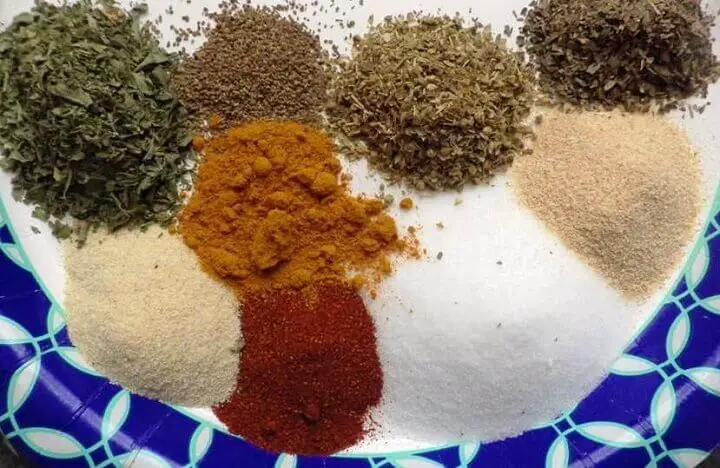
There are a number of possibilities when it comes to bouillon cube recipes. These ingredients vary depending on the recipe and can be altered to your taste. Here are some of the basic ingredients that find their way into bouillon cubes:
Foundation Ingredients for Bouillon Cubes
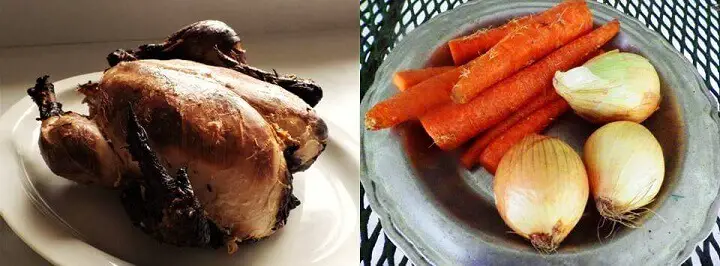
When fresh chicken or beef is used to bring flavor to a bouillon cube it’s in the form of a stock made from the meat. The actual meat is not incorporated into the cube. That will quickly lead to spoilage. However, TVP or textured vegetable protein with a beef or chicken flavor is a possibility if pulverized.
- Chicken
- Beef
- Vegetables
Salt
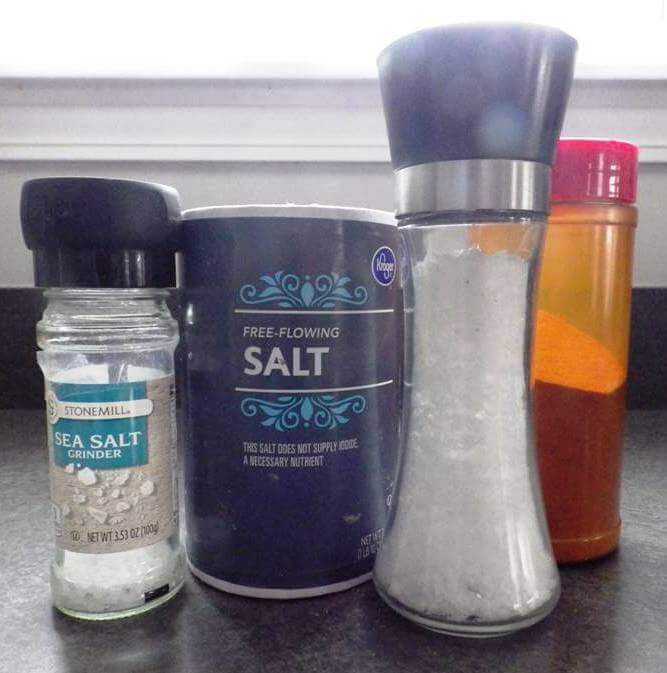
Salt is a primary foundation ingredient for any bouillon cube due to the flavor it adds plus its preservative properties. The type of salt you use is up to you and your tastes. All salt is essentially the same when it comes to preservation of foods.
- Sea salt
- Kosher salt
- Seasoned salt
- Table salt (iodized)
Herbs
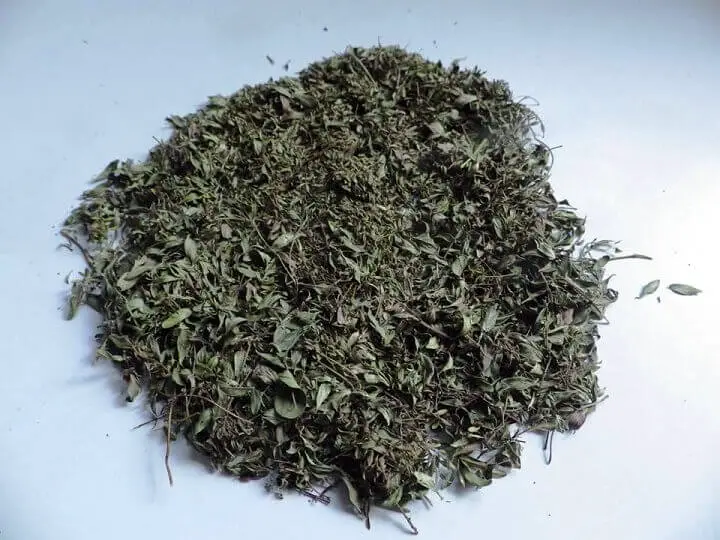
Herbs are an optional addition to bouillon cubes but can create unique and distinctive flavor profiles for certain recipes. Oregano, thyme and rosemary are the standard combination for Italian seasoning while dill and fennel is often found in seafood soups and stews like bouillabaisse.
- Rosemary
- Tarragon
- Thyme
- Oregano
- Basil
- Celery seed
- Dill
- Fennel
- Lovage
- Parsley
- Cilantro
Spices
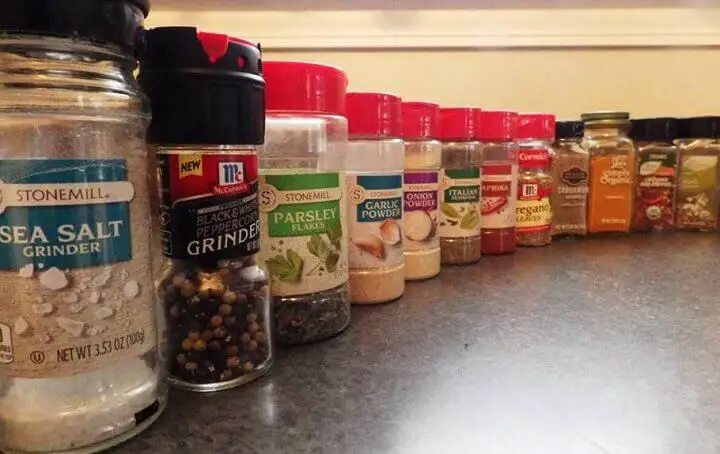
Spices are a common addition to bouillon cubes but need to be treated properly across the recipe. Like salt, many spices will dissolve in water.
That’s okay if you’re cooking and reducing a vegetable blend and processing to fill an ice cube mold, but if you only have spices and herbs you need to think about oil as the only addition. Across many of the recipes we’ll feature, we’re only using dried herbs with an occasional, fresh exception where indicated.
- Onion powder
- Garlic powder
- Turmeric
- Paprika
- Black pepper
- Cayenne pepper
- Red pepper flakes
- Chili powder
Oils
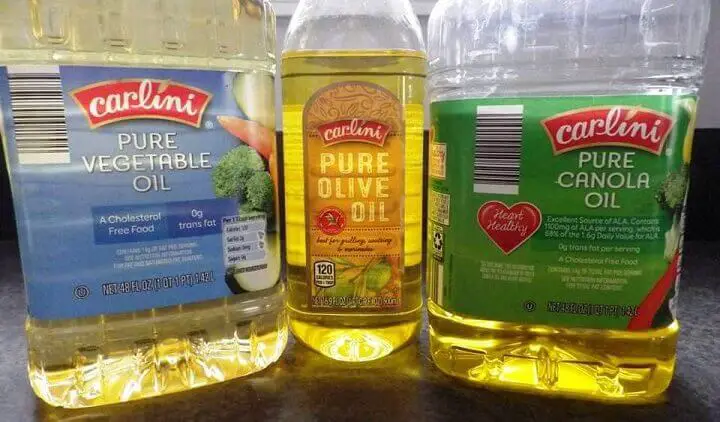
Oils act as a binder particularly when your cubes are simple combinations of herbs and spices. The only downside is that all oils have a shelf-life unlike most herbs and spices that can last for decades if stored properly.
However, oils last only for 1 to 3 years depending on the oil. The thing to remember is that any oil you use to make a bouillon cube will bring its shelf-life to the cube. Here are some general indications of shelf-life for various oils:
- Peanut oil: 3-4 years
- Olive oil: 3 years
- Palm oil: 2-3 years
- Safflower seed oil: 1-2 years
- Sunflower seed oil: 1-2 years
- Canola oil: 1-2 years
- Coconut oil: 1-2 years
- Soybean oil: 1 year
- Corn oil: 1 year
The oil you use is up to you but if you’re looking for long shelf life think about peanut oil or olive oil as a binder. Also remember that proper packaging and storage of your cubes will be the ultimate factor for shelf-life.
Vinegars
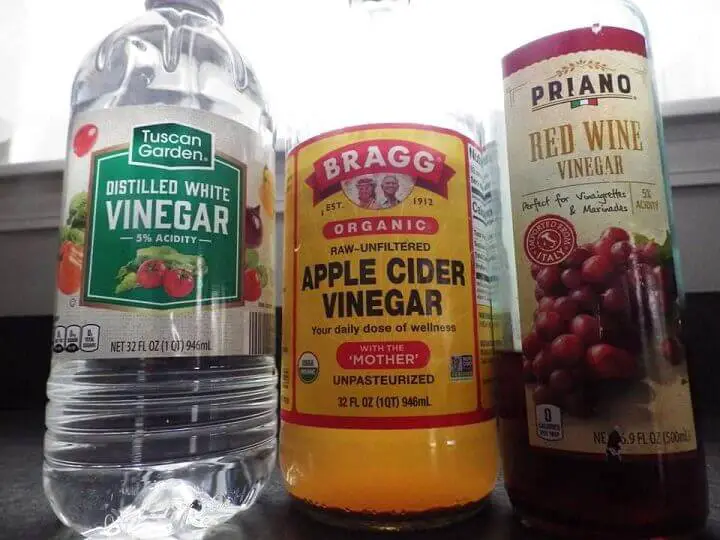
Some bouillon cube recipes call for the addition of vinegar. This is usually for vegetable based cubes to accent the flavor of the vegetable blend and the additional preservative properties of vinegar. Here again, if a recipe calls for vinegar you can choose the one you prefer although cider vinegar gets a lot of points out there for medicinal benefits.
- White vinegar
- Apple cider vinegar
- Red or white wine vinegar
Recipes Will Vary
Across all of the ingredient categories some or even none of the ingredients we just identified will find their way into the final bouillon recipe. It all depends on how you plan to use them and your concerns about shelf life.
As an example, any oil will diminish shelf life but it’s also an excellent binding agent for a cube recipe that is essentially a combination of powdered ingredients. We’ll look at the alternative ways to bind your bouillon into a cube.
And It Doesn’t Have to Be a Cube
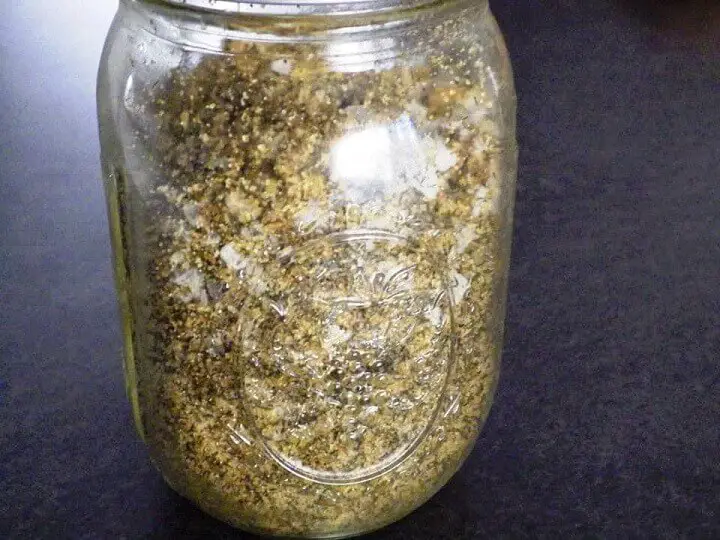
There’s no rule that says you have to form your bouillon into a cube. You can leave it in a powdered form and store in a glass canning jar and maintain a good shelf life as well. You’ll just need to use a spoon to measure instead of dropping a cube into the pot.
We’ve included a recipe for making a powdered form which is actually a preliminary step in one of the cube making processes. But the cubes are easier and highly portable so most of what we’ll cover is the cubes.
Cube Methods
There are essentially 3 methods for making a bouillon cube.
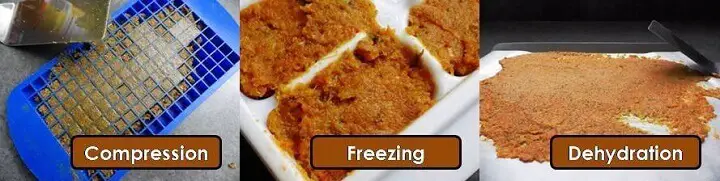
Each recipe will give you basic options appropriate to the ingredients and the best for making your cubes. We’ll cover them here and then go into specific recipes for cubes and repeat the appropriate process for each.
(Note: Each method uses freezing to varying degrees either as an optional part of the process or the final step. Freezing is sometimes done simply to make it easier to wrap the cubes in foil).
1. The Compression Method
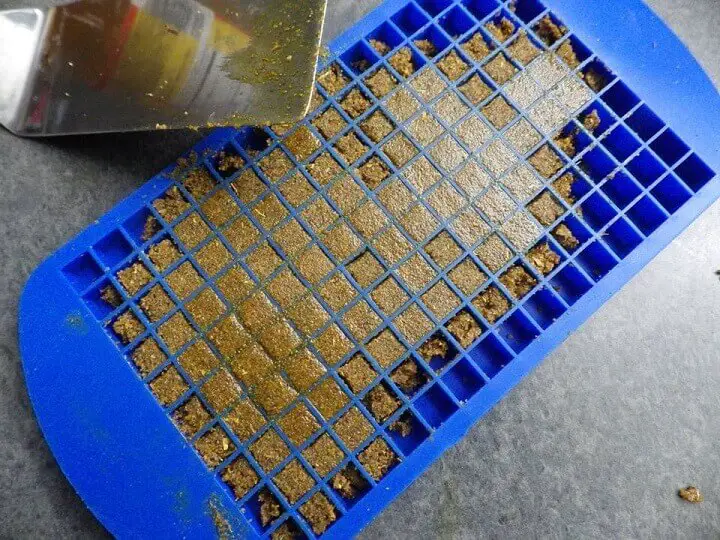
This is a cube making method mostly used for compressing a blend of spices and herbs with an oil. The cubes can be frozen to make them hold their shape better while wrapping but that’s optional.
Tools and Equipment
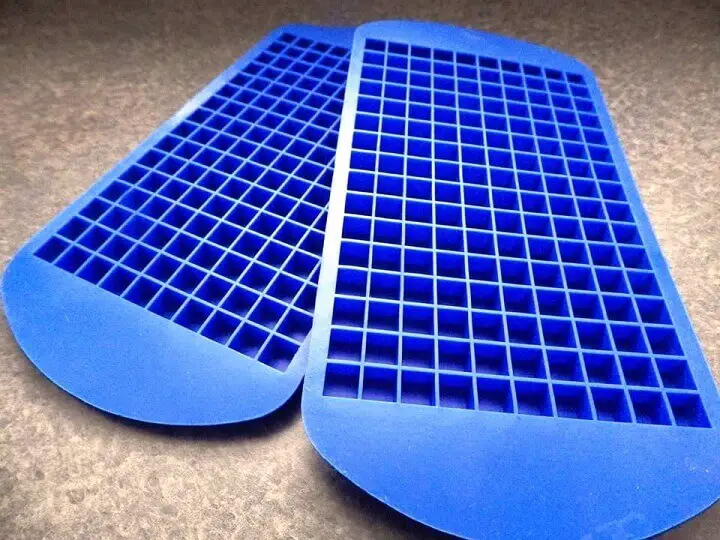
- Small Ice cube trays (small cubes are best because the ingredients are mostly spices and herbs and could be overwhelming and too salty with large cube trays).
- A food processor, blender or a bowl with a whisk
- Foil for wrapping the cubes
Method
- Combine the herbs and spices in a bowl, blender or food processor.
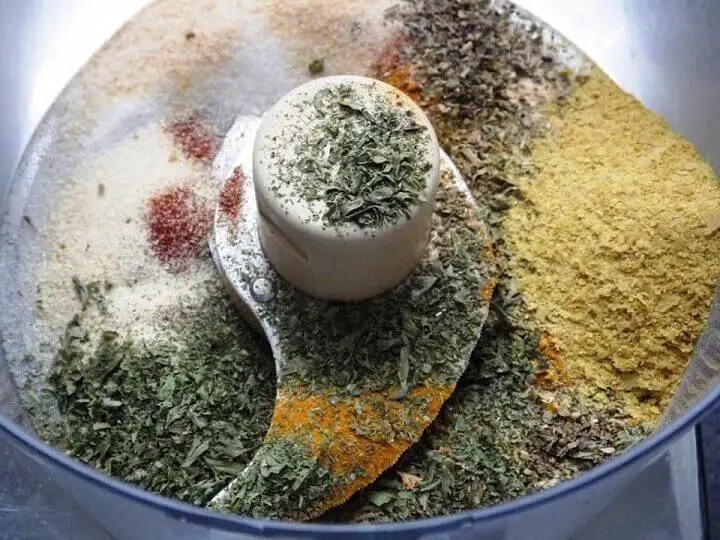
- Pulse until all herbs and spices are blended and combined.
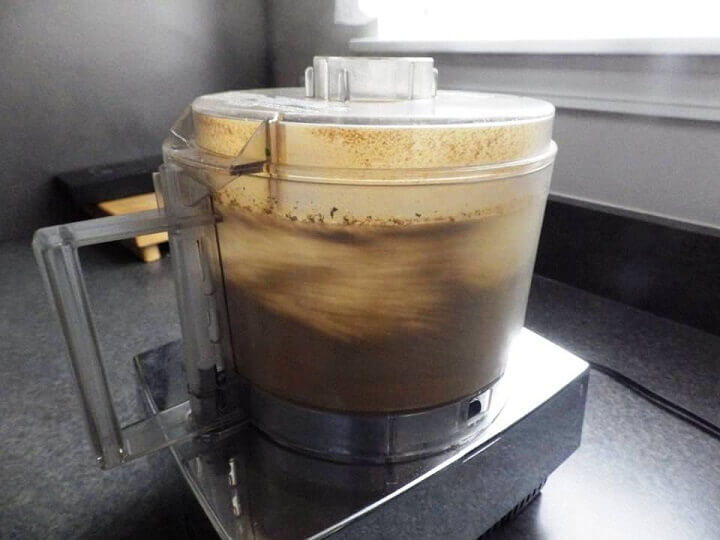
- If using a blender or processor, transfer all ingredients to a bowl.
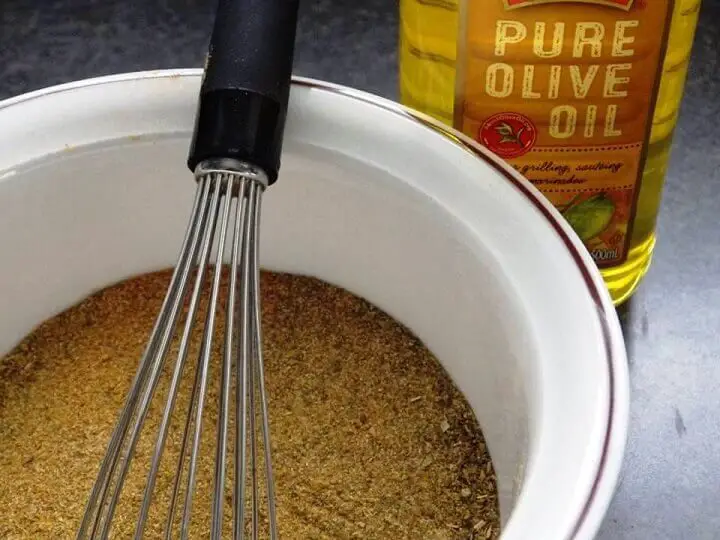
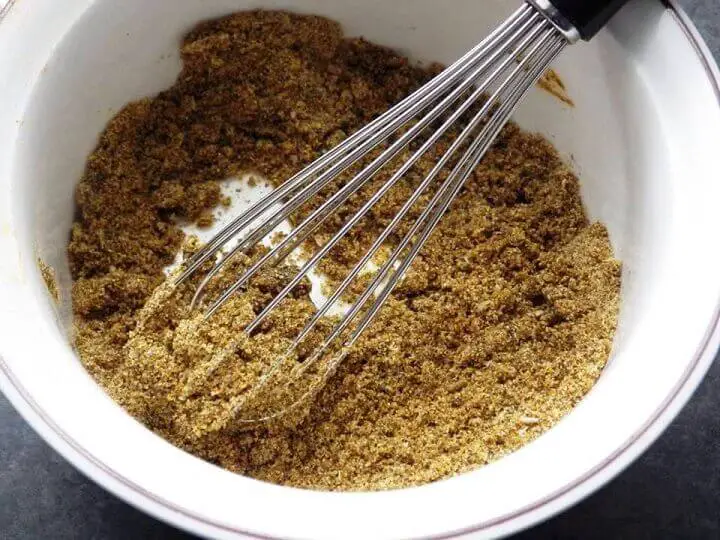
- Slowly drizzle the oil into the mixture and blend slowly until you have a grainy texture. Be careful not to add to much oil.
- Grab a small handful and compress in your palm.
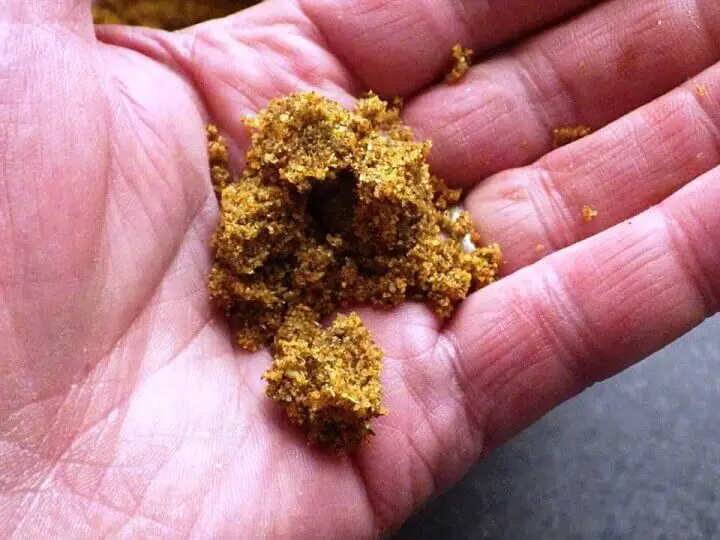
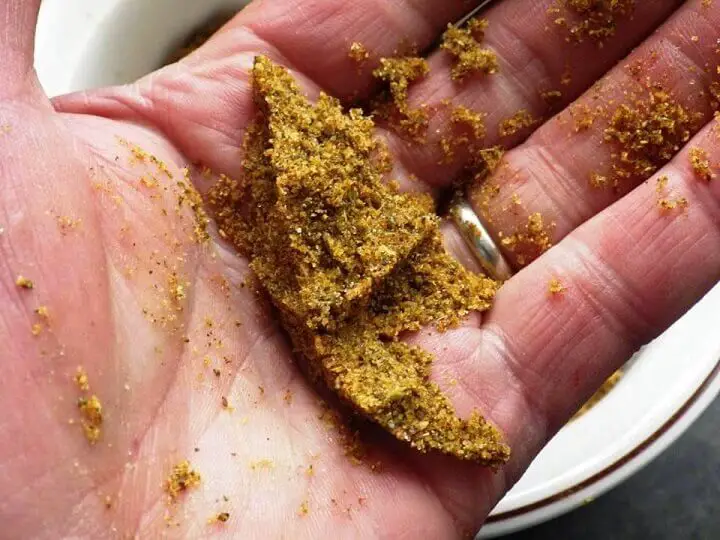
If the mixture holds together you’re ready for the next step. You also may need to use a spoon to finish blending and combining the oil with the spice blend.
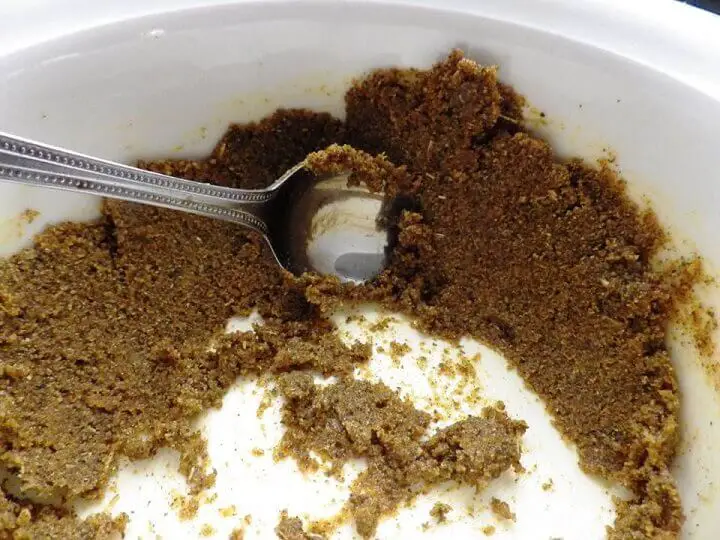
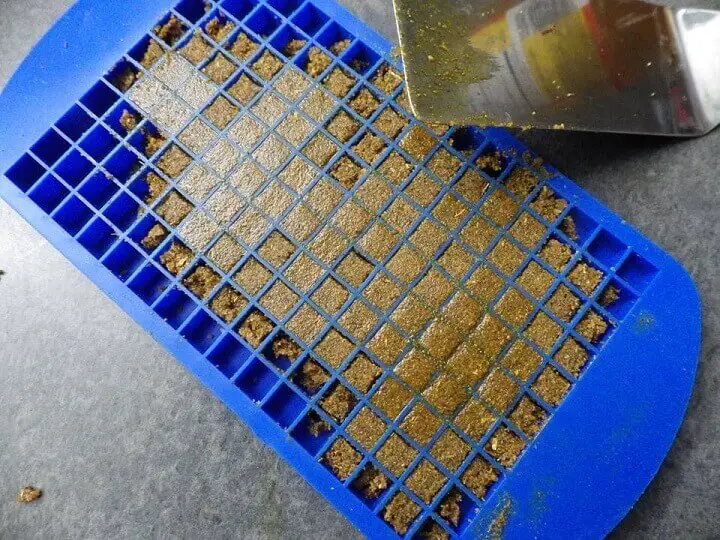
- Spoon the mixture onto the cube tray and use a spatula to press the herb/spice/oil blend into the cube compartments.
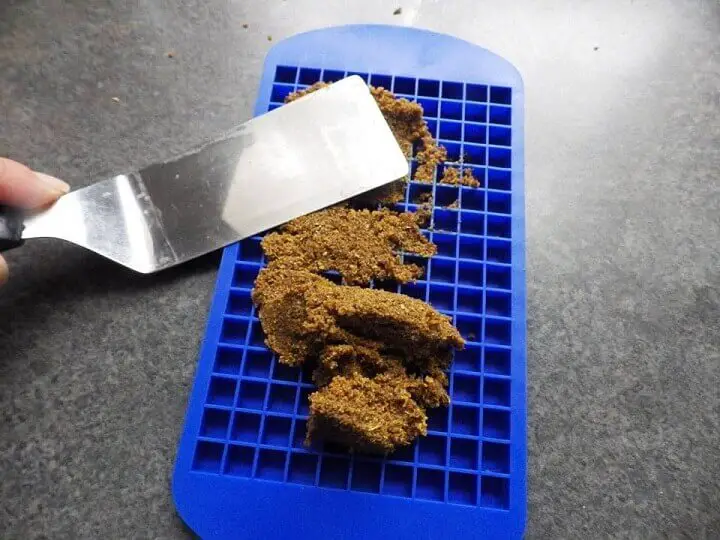
- Scrape the top of the tray and continue to compress until each cube is clearly defined.
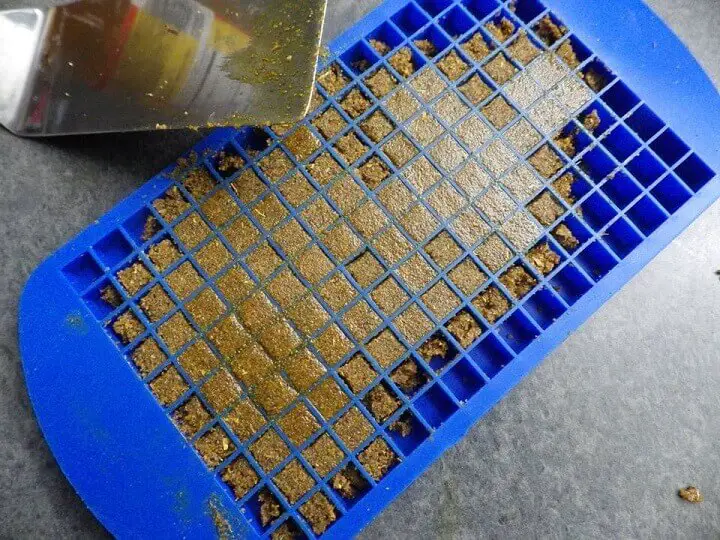
- Place in the freezer for two hours or overnight.
- Remove from the freezer and twist the cube tray to release the cubes and wrap individually in foil.
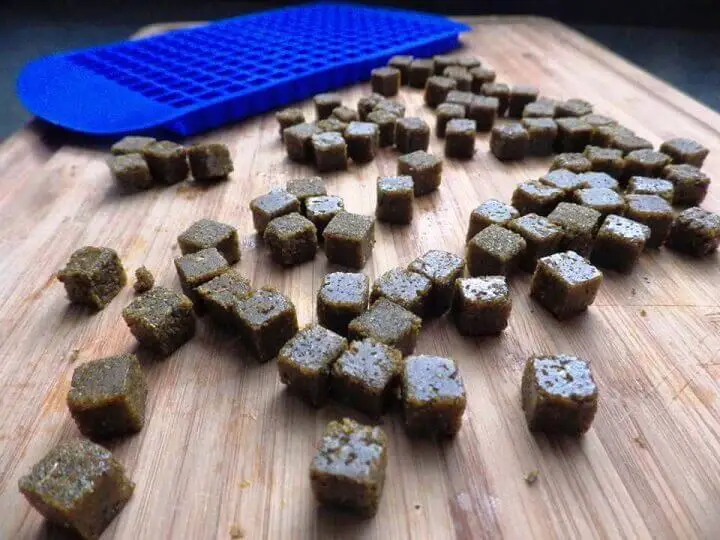
- Package in a canning jar or vacuum seal in a plastic bag.
- Store in a cool, dark place.
2. The Freezer Method
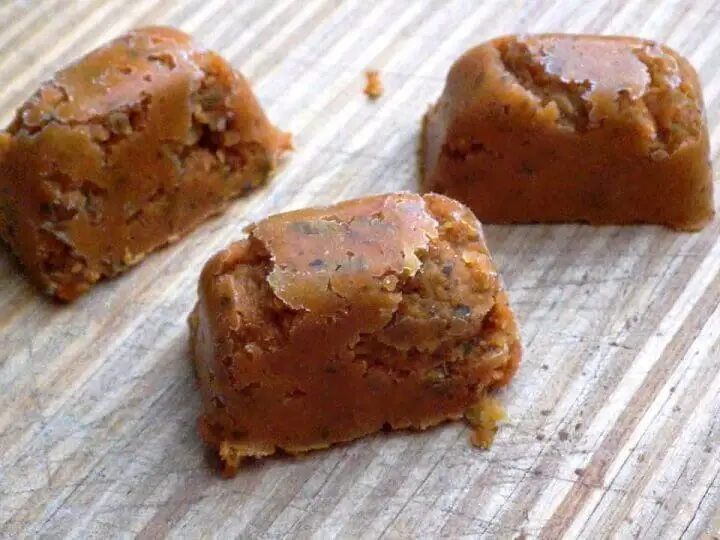
The freezer method is simpler but requires constant freezing to maintain flavor and shelf life. It uses a larger ice cube tray to make the cubes but you could also spread a puree across a baking sheet and freeze it before you slice into cubes.
Tools and Equipment
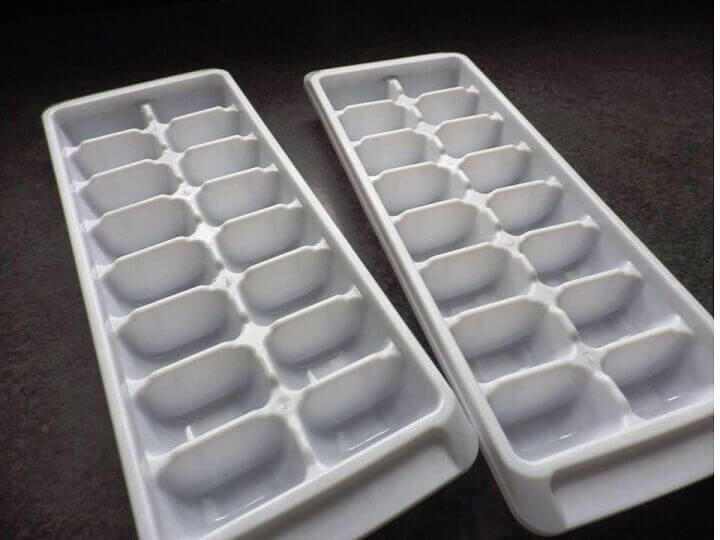
- 2 regular size ice cube trays
- Large non-stick frying pan
- Large spoon
- Food processor or blender
- Vacuum sealer and bags for freezer storage
Method
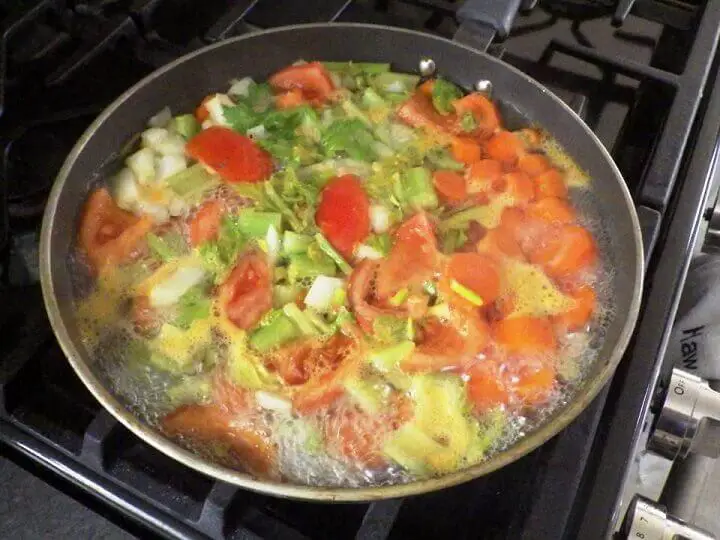
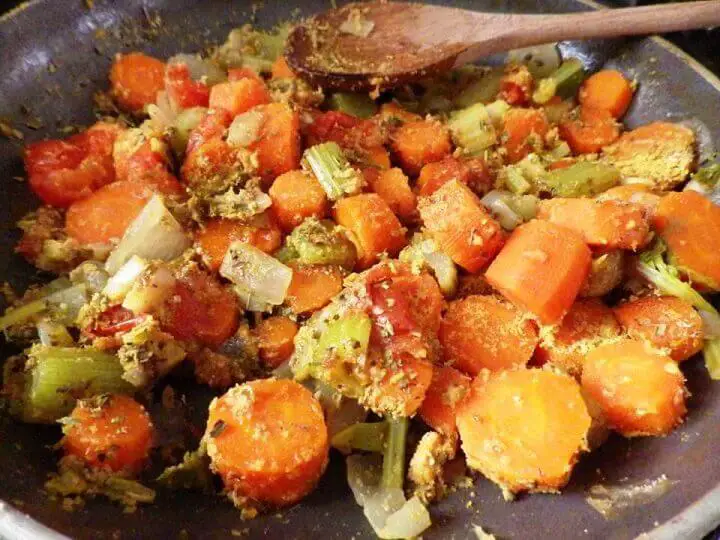
- With vegetables you’ll be cooking them in water to tenderize them and then gradually cooking away the water leaving you with cooked and tender vegetables with as little water as possible still in the pot or pan.
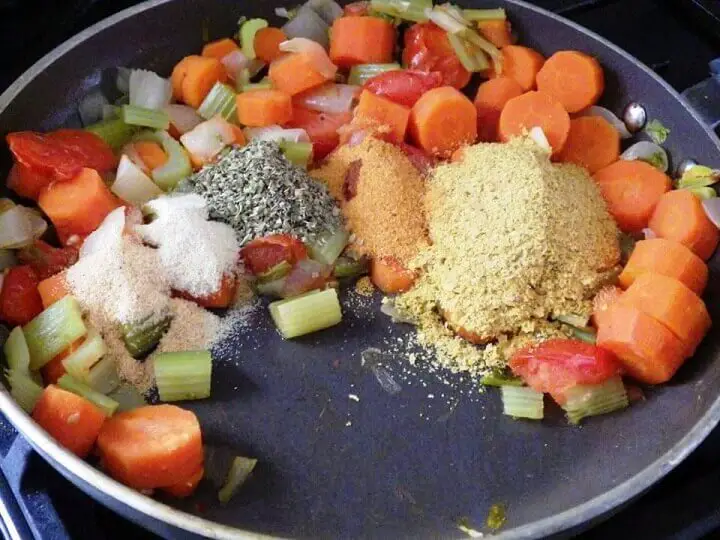
- When the water has cooked off, add your spice/herb blend and stir into the vegetables.
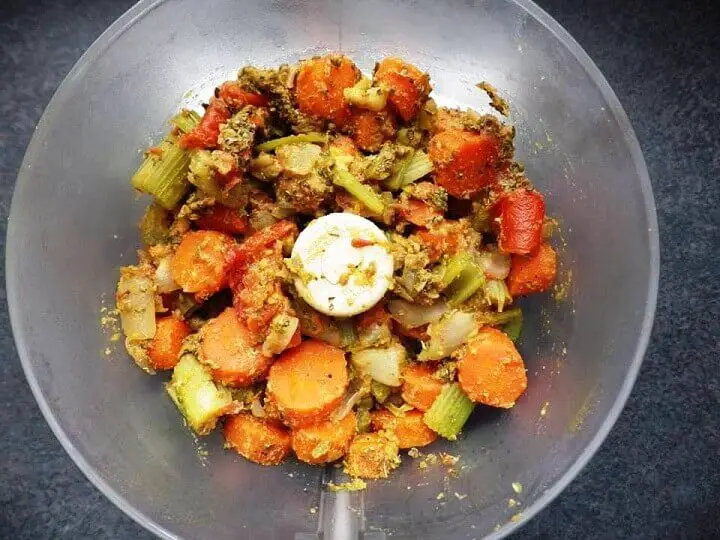
- After cooking, add your tender vegetables to a food processor or blender and pulse until you make a pasty batter. If also using meat, add the meat demi-glace to the puree and pulse again until well blended.
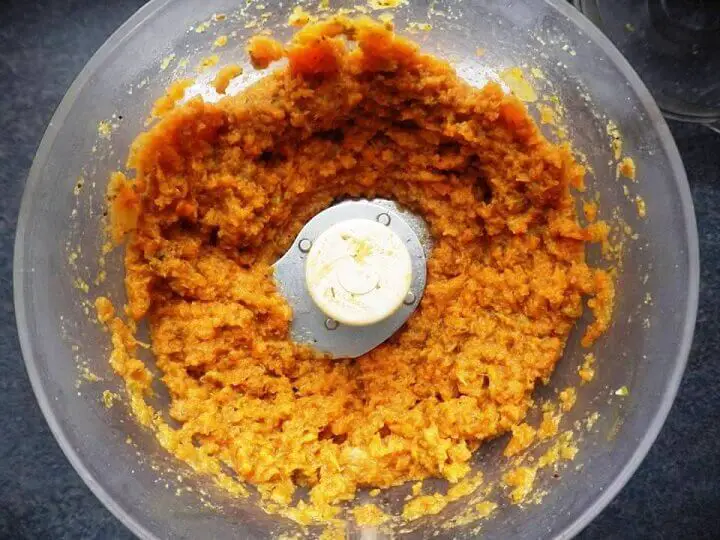
- Dollop the puree back into the non-stick pan and spread it over the bottom of the pan with a large spoon.
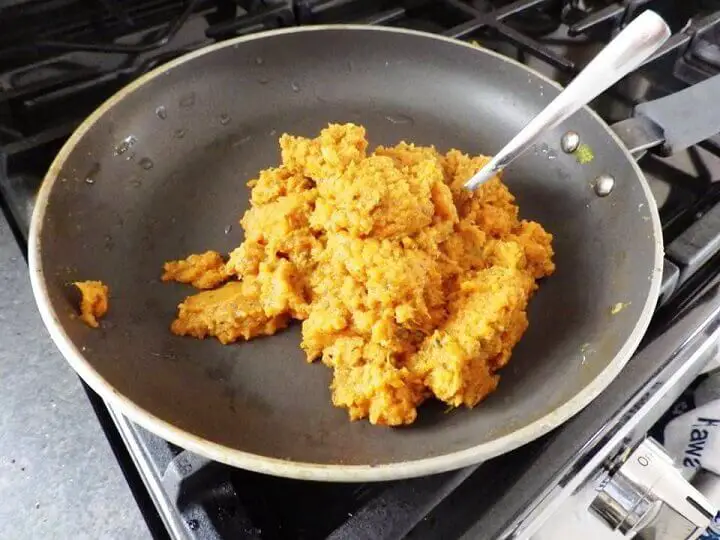
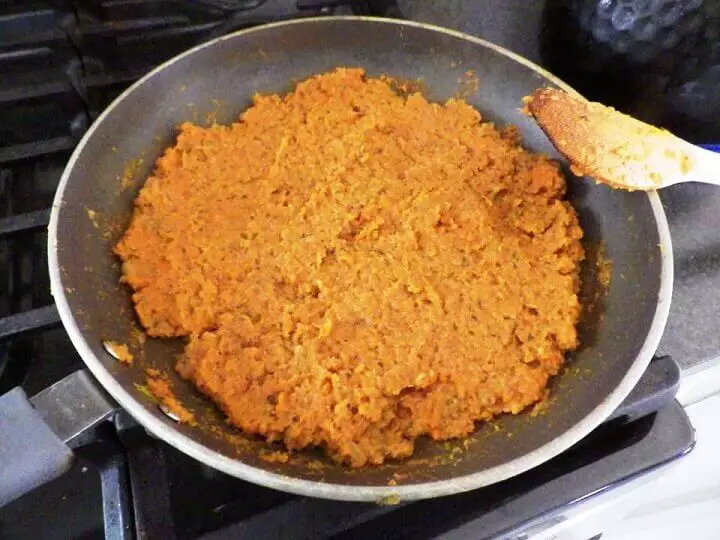
- Cook over medium heat stirring frequently.
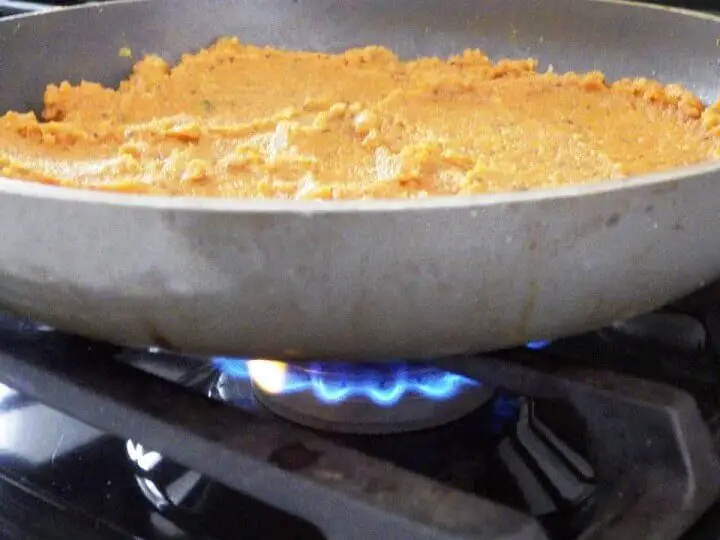
You’re trying to further reduce the moisture in the puree. Don’t burn it but when it starts to look thick with a dough-like consistency or you’re just tired of stirring, take it off the heat.
- Carefully spread the puree over and into your ice cube trays.
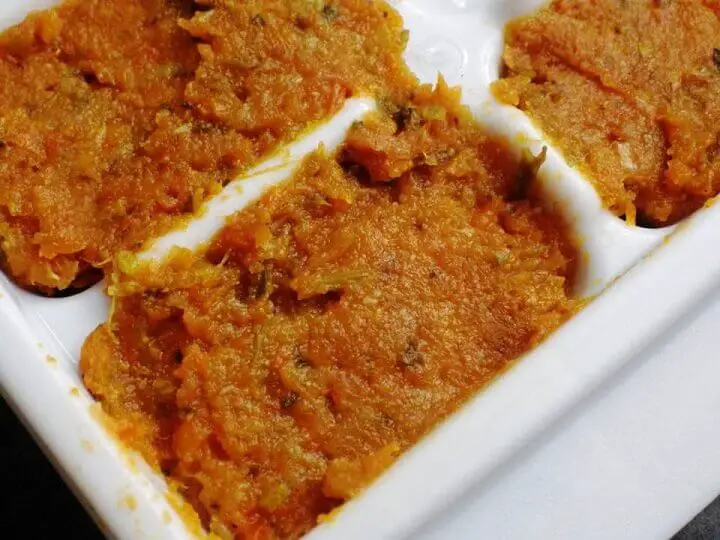
6a. An alternative is to spread the puree across a baking sheet lined with parchment paper.
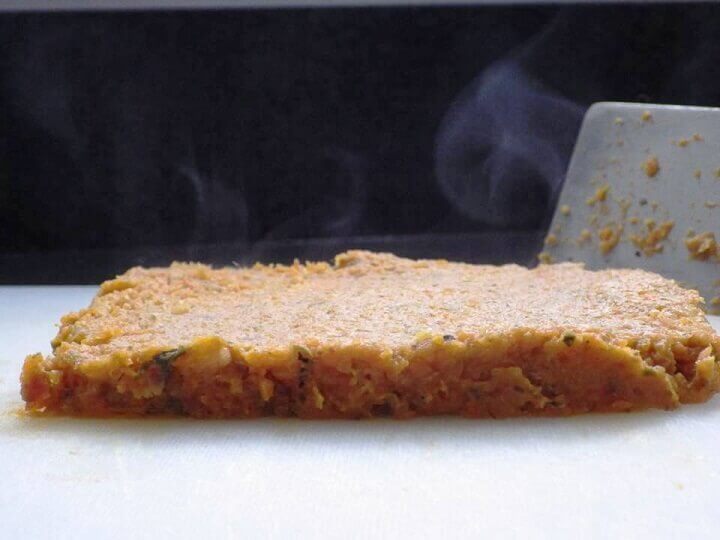
Spread until the puree is about a ½ inch thick and freeze.
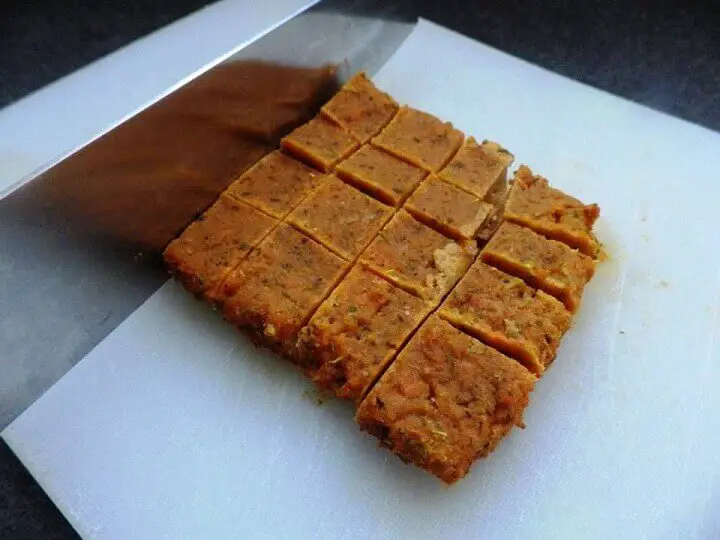
You can then cut the frozen puree into cubes…
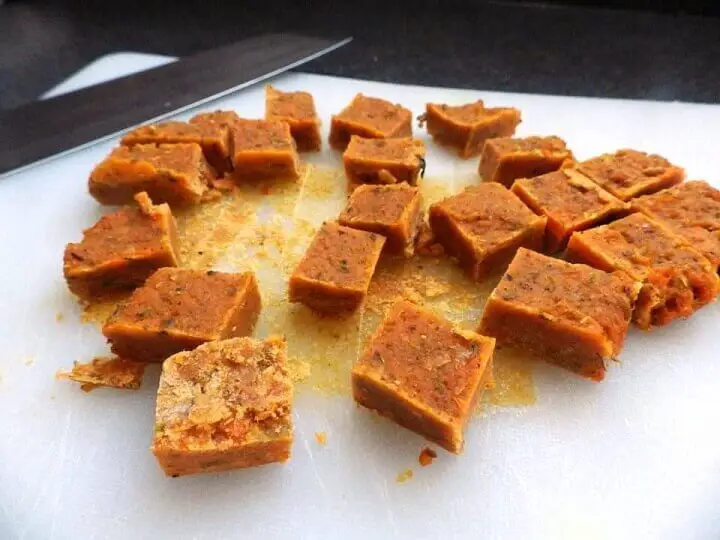
…and wrap in foil.
- If you’re making the larger ice cubes, freeze the ice cube trays for 2 hours or overnight.
- Twist the tray to release the cubes.
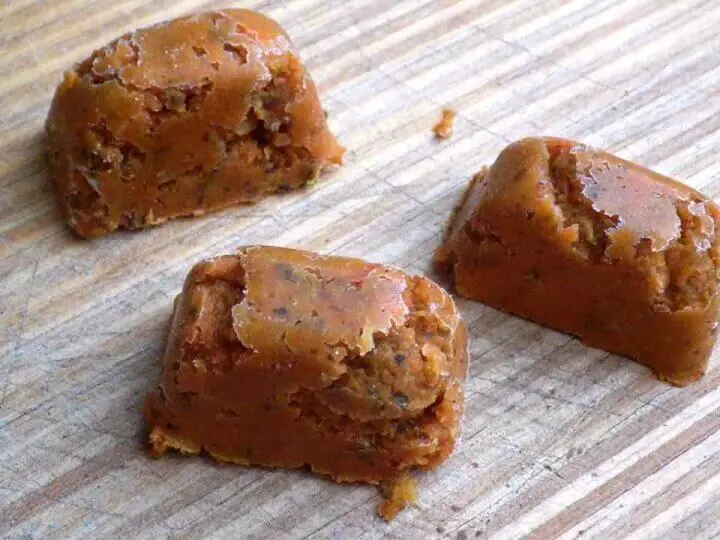
- Wrap individually in very thin foil. This is usually the cheapest foil you can buy.
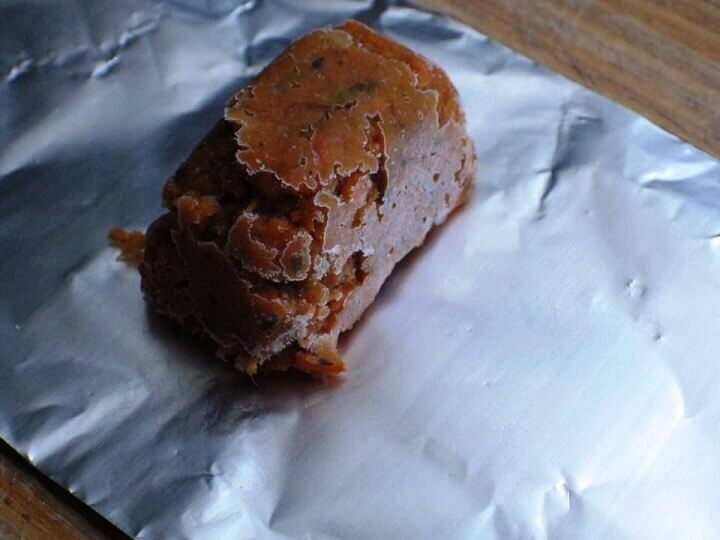
Don’t buy the “heavy duty” foil. The Dollar Store is a good place to find this kind of foil.
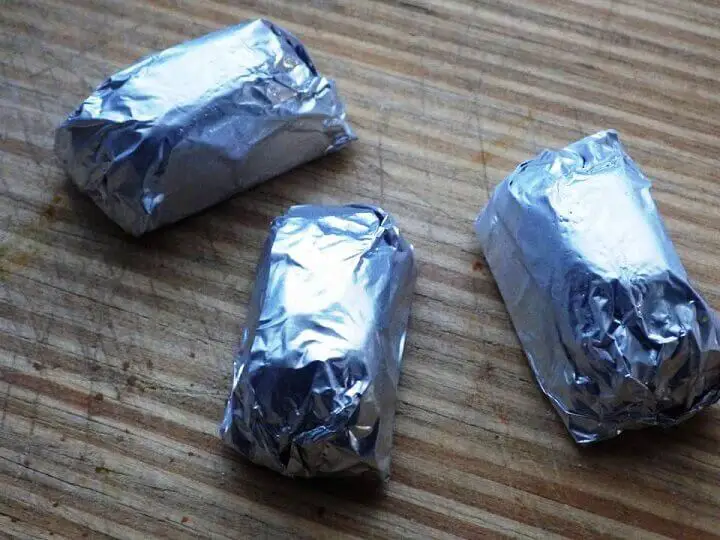
- Drop the foil wrapped cubes into a vacuum sealer bag and vacuum seal before storing in the freezer. You could also use Mylar storage bags or in a pinch, Tupperware or canning jars.
3. The Dehydration Method
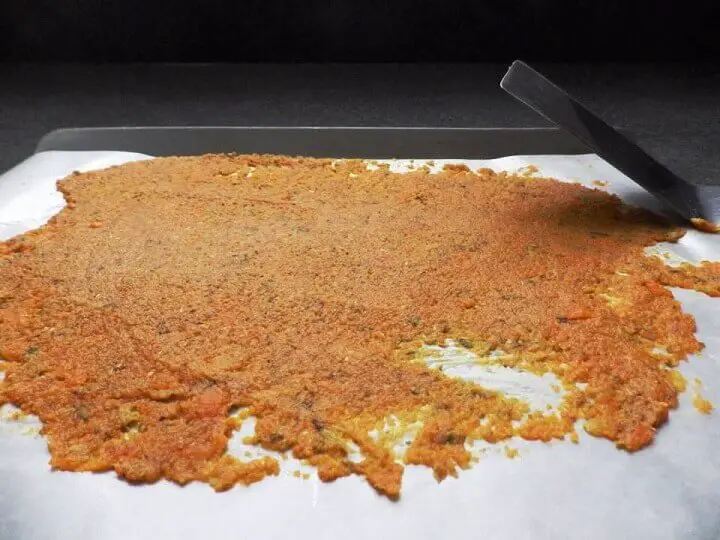
This method uses a dehydrator or a conventional oven to dehydrate a puree of vegetables, herbs and spices. The result is then pulverized into crumbs and pressed into ice cubes trays to form the cubes similar to the compression method.
The trays are once again frozen (optional) and then wrapped in foil for packaging.
Tools and Equipment
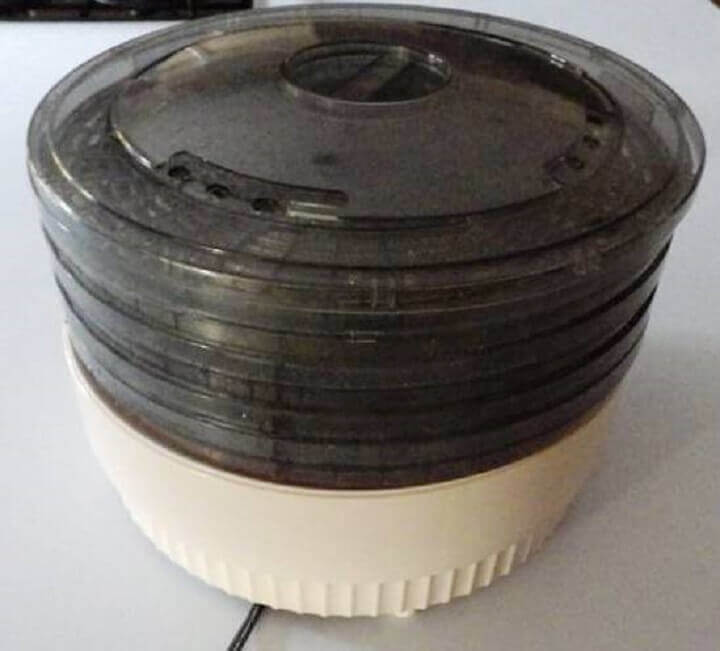
- Food dehydrator (You can also use a conventional oven at a temperature of 100° F.)
- Baking sheet
- Parchment paper
- Cake or frosting knife to smooth the puree onto the baking sheet
- Food processor or blender
- Ice cube trays (again but used differently)
- Thin foil for wrapping
- Canning jars for storage (You could also vacuum seal the cubes in plastic bags)
Method
- Cook the vegetables and/or meat as recommended in the freezing method.
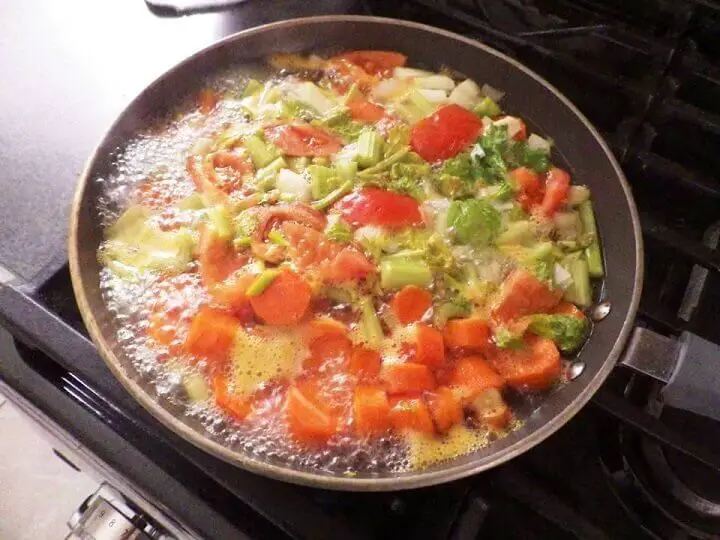
- Puree the vegetable/demi-glace blend in a food processor or blender.
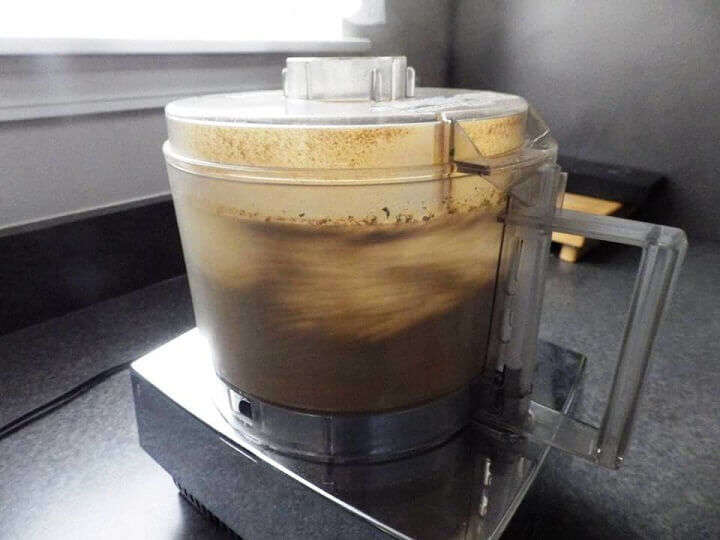
- Spread the puree onto sheets of parchment paper cut to fit in your dehydrator or on a baking sheet. Make sure the spread of puree is at least 1/4 –inch thick or it may be difficult to remove from the parchment paper.
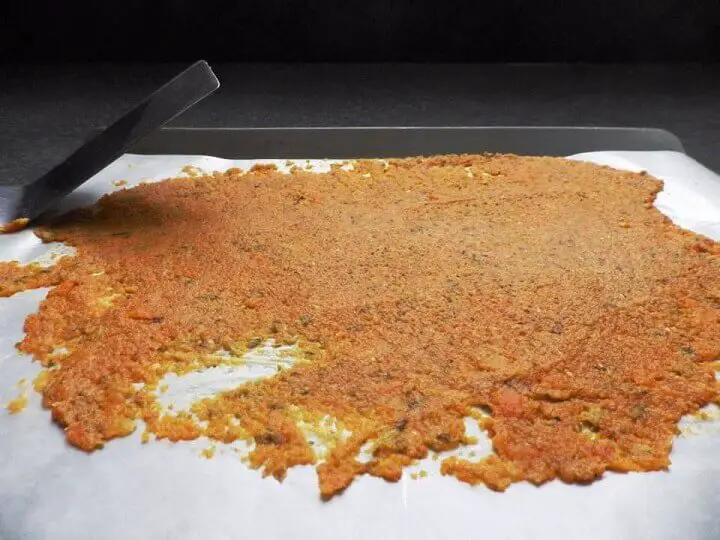
- Use your dehydrators instruction book to determine best time and temperature but sample as you go until you get a brittle result that cracks or crumbles.
4a. If using a conventional oven, place the baking sheet in the oven and set the oven to 120º to 140º F. (49º to 60º C.) If your oven won’t go that low, either set it to “warm” or at a maximum: 200º F./93.3º C. Sample as you go until you get a brittle result but don’t let it burn.
- Break up or crumble the dehydrated sheets of puree into a food processor or blender and pulverize to a coarse powder.
- You can simply store your coarse bouillon in a jar…
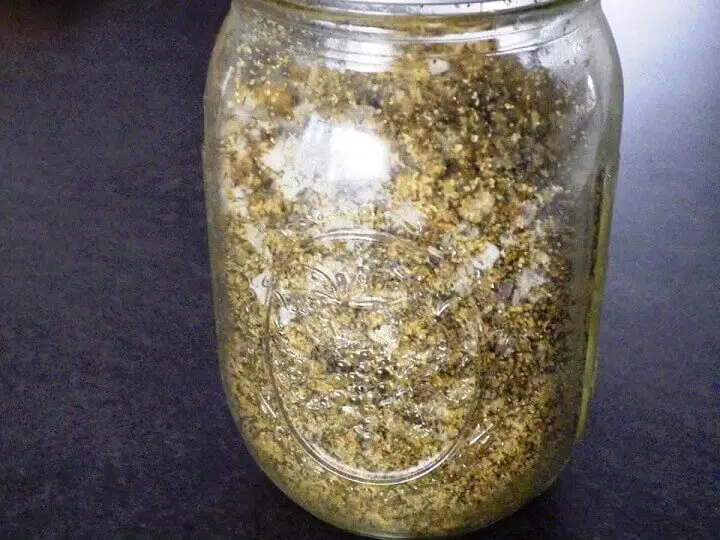
…or take the next step to make cubes.
- Spoon the coarse powder mixture into small or large ice cube trays and use the compression method and freeze for 2 hours.
- Remove the trays and twist out the cubes and wrap in foil.
- Package in canning jars, Mylar bags or vacuum seal.
And Now for Some Recipes
Beyond the methods we’ve described, recipes for bouillon cubes are defined by their ingredients and final use. Some are more complicated than others. Here’s one way to sort through your approach:
- If your ultimate goal is shelf life across any situation, use the dehydration method with a high proportion of herbs and spices and the possible addition of cooked vegetables is a possibility. You should get a 5 to 10 year shelf life if there are no meat reductions or oil added and the vegetables are well dehydrated.
- If you have reason to believe that you will always have a reliable way to freeze some foods, recipes with the freezer method and any combination of ingredients will last for years.
- If you don’t want to spend a lot of time fussing around with dehydrators and processing vegetables or making demi-glace you can use a simple blend of oil, spices and herbs with the compression method and still get excellent flavor and a decent shelf-life.
The best approach is to experiment with all of the methods and get some experience with the possibilities. It will be easy to assess the flavor or your cubes but shelf-life will only prove itself over time and with the proper choices and combination of ingredients.
Bouillon Cube Recipe #1: Herb & Spice Bouillon Cubes
(Makes 24 cubes.)
This may be the simplest in terms of ingredients and method and is the most popular basic recipe. Adding TVP is an option due to its added flavor and excellent shelf-life. This recipe and the second one uses the smaller ice-cube trays due to the high concentration of salt and spices.
Ingredients:
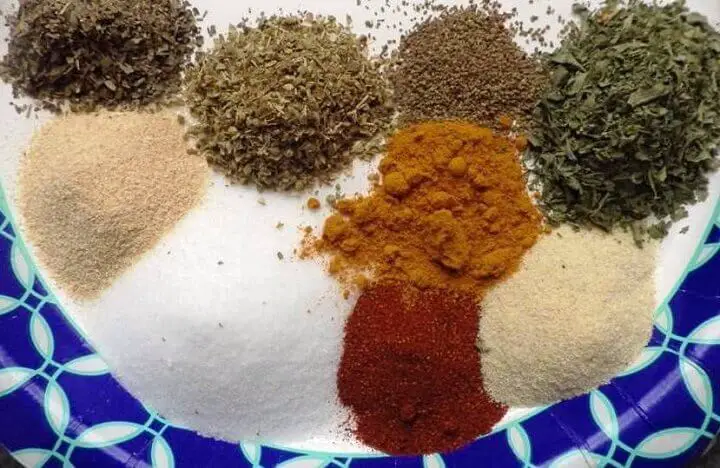
- 3 Tablespoons of nutritional yeast
- 3 Tablespoons of salt
- 2 Tablespoons pepper
- 2 Tablespoons garlic powder
- 2 Tablespoons onion powder
- 2 Tablespoons oregano
- 2 Tablespoons rosemary
- 2 Tablespoons basil
- 2 Tablespoons of Chicken TVP (optional)
- Sufficient olive oil to bind the herbs and spice
Directions:
- Place all of the ingredients in a food processor and pulse until blended. You could also use a blender or mix them by hand in a bowl with a whisk.
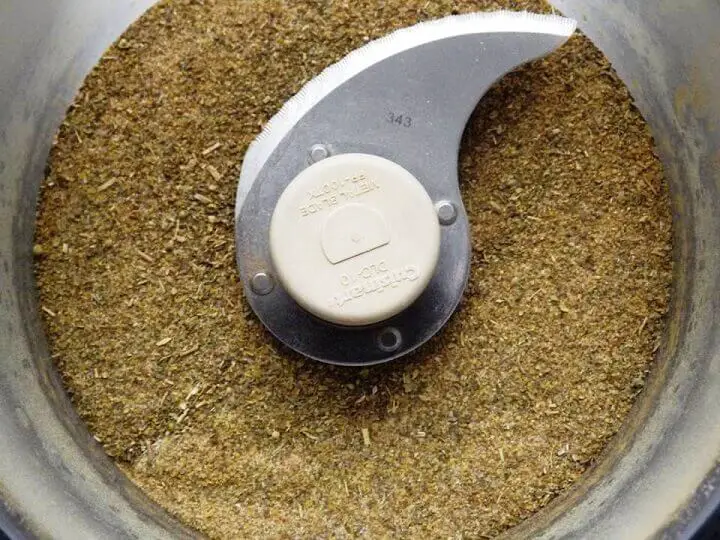
- Drizzle olive oil and either pulse, blend or whisk until you notice the powder starting to bind into crumbs.
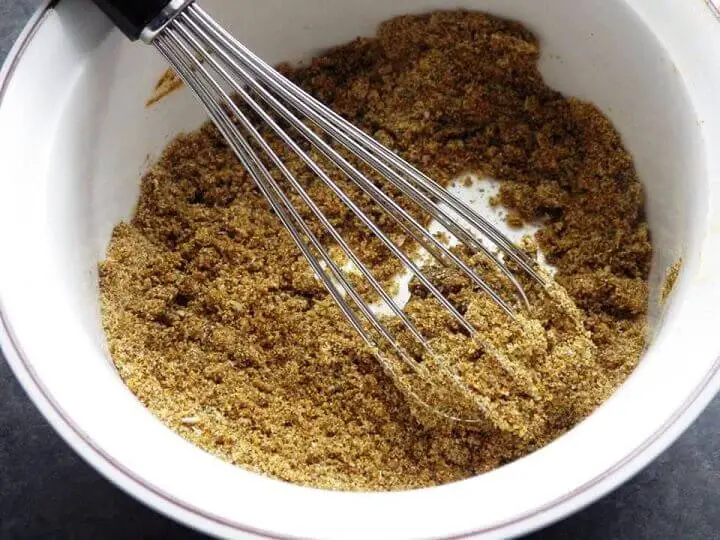
- Grab a handful and squeeze to see if the ingredients bind. If not, add a little more oil.
- Use the compression method with the small ice cube trays to press the mixture into the trays. Putting it into the freezer helps with wrapping
- Twist the tray to release the cubes and wrap in foil and store in a sterile canning jar, Mylar bag or vacuum seal in a plastic bag.
- Store in a cool, dark place.
Bouillon Cube Recipe #2: Southwestern Herb & Spice Bouillon Cubes
This recipe uses the same process as recipe #1. The only difference is the herb/spice ingredient combination. This style of bouillon cube can be used in chili, tacos, fajitas or any other kind of southwestern type of recipe.
Ingredients:
- 3 tablespoons of salt
- 1 tablespoon of chili powder
- 1 tablespoon of black pepper
- 1 teaspoon of cayenne pepper (use more or less to suit your taste)
- 2 tablespoons of cilantro
- 1 teaspoon of cumin
- 2 Tablespoons of Taco flavored TVP (optional)
- Red pepper flakes (optional)
- 1 teaspoon of ground black cardamom (optional)
Directions:
- Combine all of the ingredients and blend as indicated in recipe 1 and then follow the same steps in the directions from the previous recipe.
Bouillon Cube Recipe #3: Mixed Vegetable Bouillon Cubes
(Makes 12 to 24 bouillon cubes depending on cube size)
This recipe continues with a spice/herb blend but adds cooked vegetables as an added flavor component. It uses the freezer method to either make cubes or to freeze a spread of puree that is cut into cubes after freezing.
The cubes should be larger in standard size ice-cube trays to compensate for the bulk of the vegetables. Freezing is one possibility for preservation but you could also dehydrate the spread puree on parchment paper in a dehydrator if you want a foolproof shelf-life in a time without electricity.
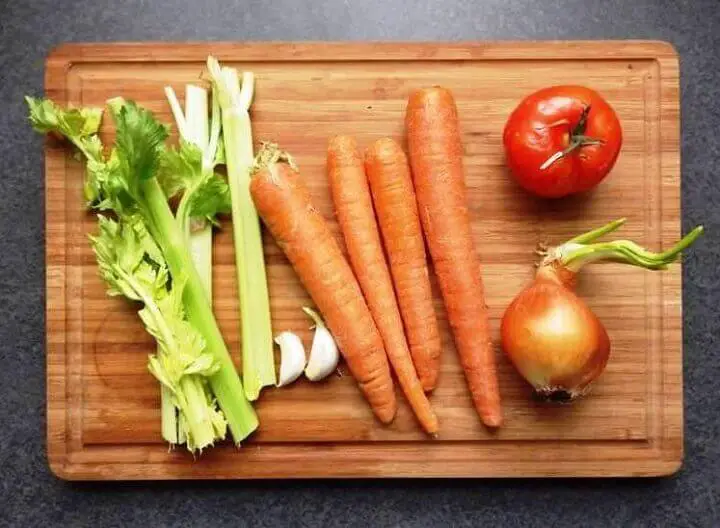
Ingredients:
- 4 medium carrots, coarsely chopped
- 1 large onion, quartered
- 2 garlic cloves
- 3 celery stalks, chopped
- 6 to 10 cherry tomatoes or one large tomato, chopped
- 1 cup fresh parsley, coarsely chopped
- 3 ½ Tablespoons of salt
- 2 Tablespoons of Nutritional Yeast
- ½ cup apple cider vinegar (optional)
- 4 cups of water
Directions:
- Coarsely chop all of the vegetables.
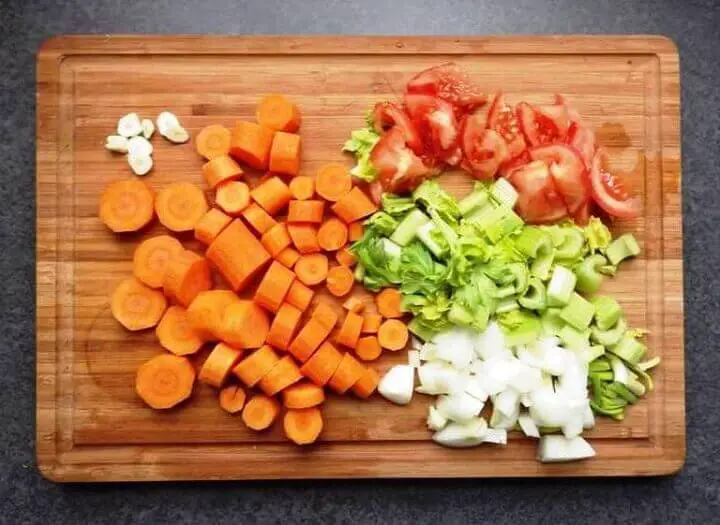
- Add the chopped vegetables to a non-stick pan with 4 cups of water.
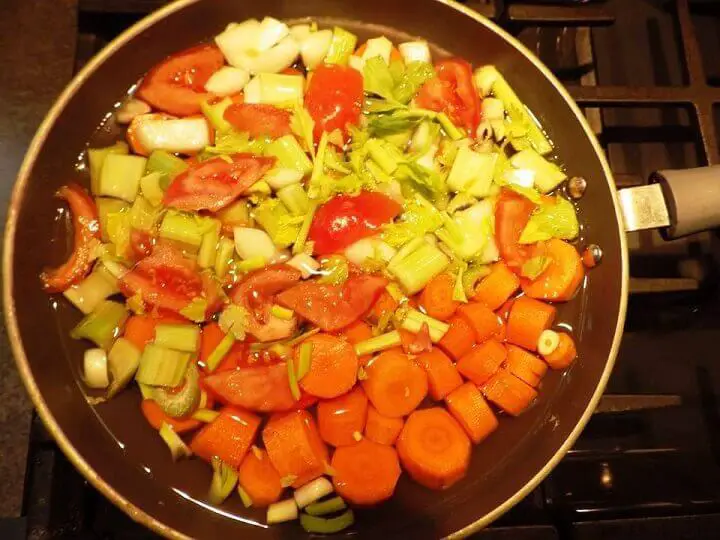
- Bring the water to a gentle boil stirring occasionally.
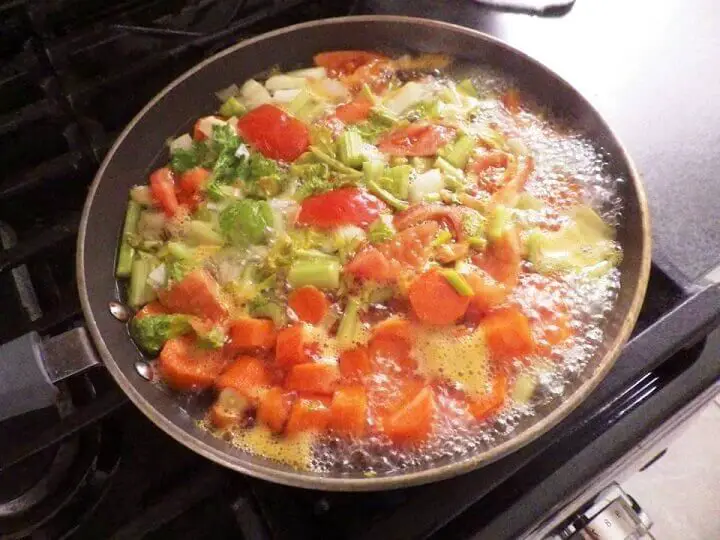
- Continue cooking until the water is evaporated.
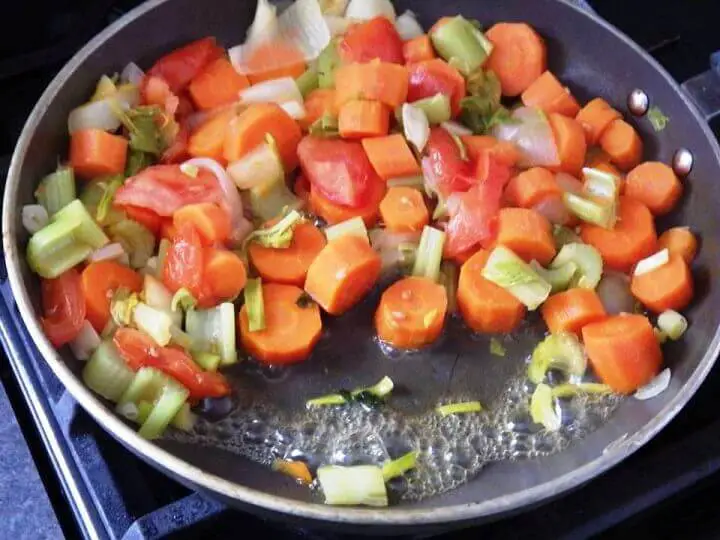
- Add the vinegar and stir around and then add the parsley, salt and yeast and blend into the vegetables.
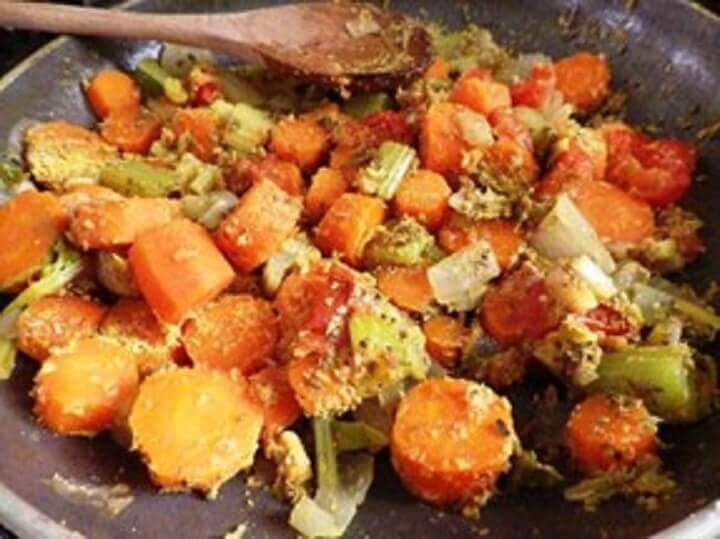
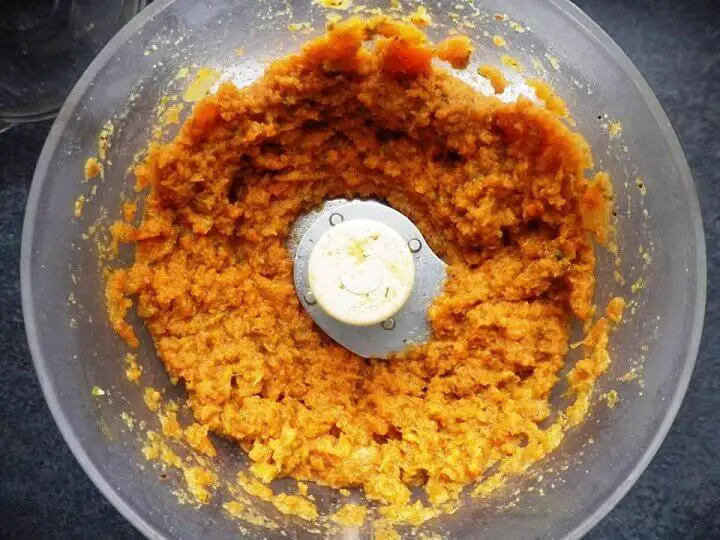
- Puree the vegetables and herb/spices in a food processor or blender.
- Spoon the puree into ice cube trays or spread about a ½-inch thick on a cutting board.
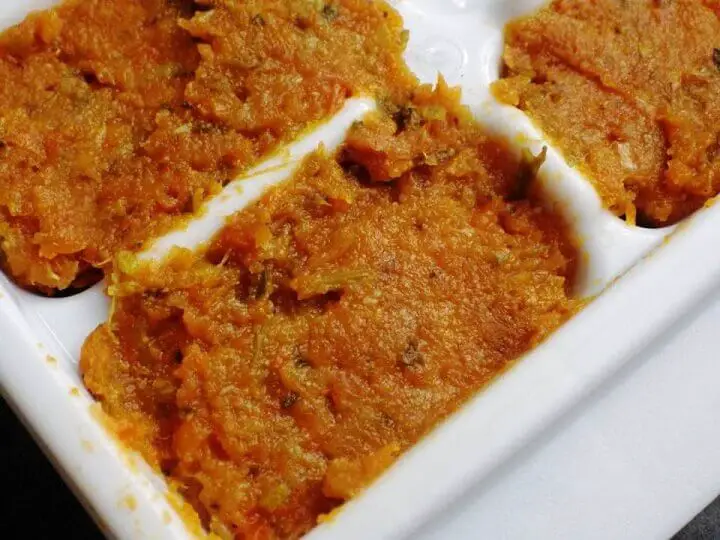
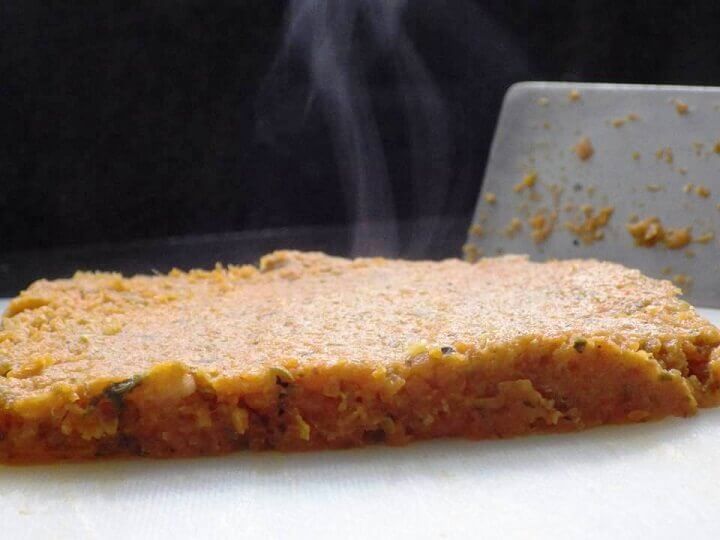
- Freeze the ice cube trays or puree/spread on the cutting board for two hours or overnight.
- Pop the cubes out of the tray or cut the frozen puree into cubes.
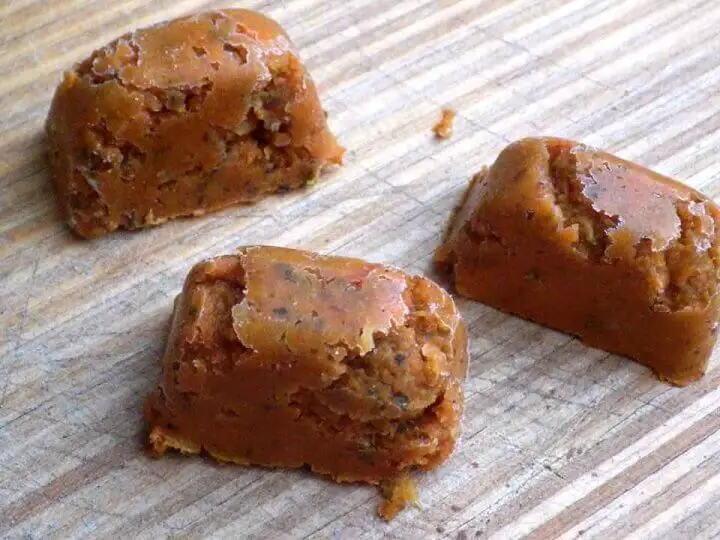
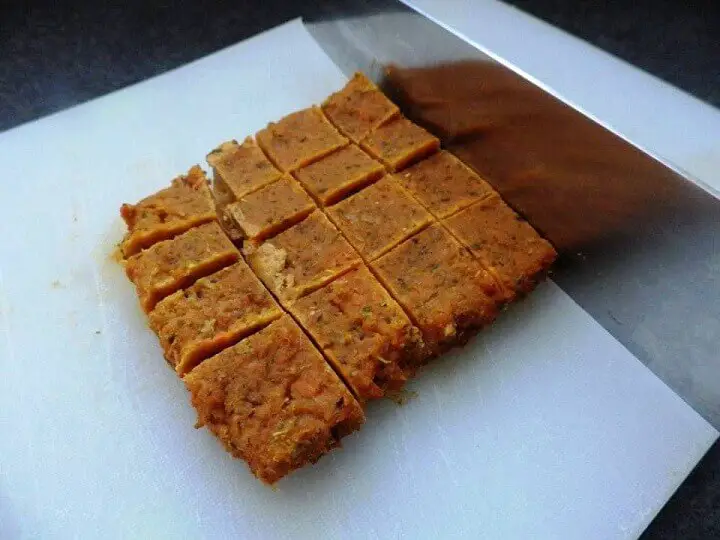
- Wrap in foil and either vacuum seal in a plastic bag or drop into a canning jar.
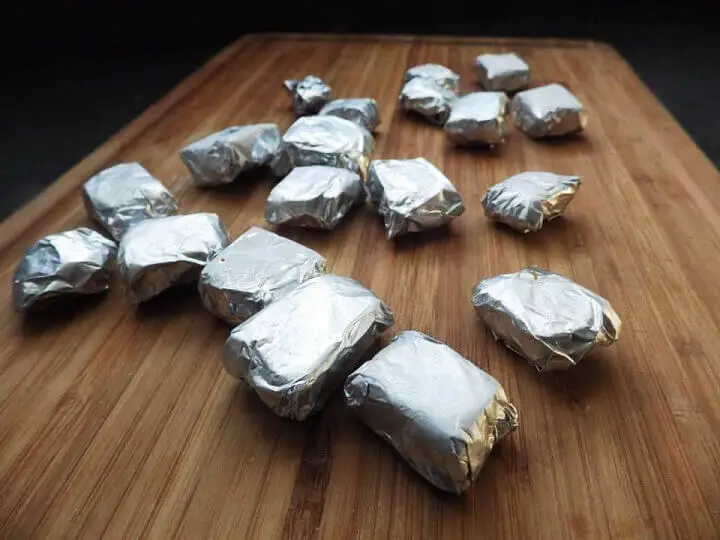
- Store in the freezer and use when needed.
Recipe Variations
Here are some ideas for customized seasonings and flavors for traditional cuisines. You can use any of the methods we’ve covered to make your cubes and now that you understand the basic concepts, you can easily experiment and develop your own recipe variations for bouillon cubes.
Here are the herbs and spices that define the flavor profiles that you can add to any bouillon cube recipe or method:
Italian Cubes
Add:
- Parsley
- Sage
- Rosemary
- Thyme
- Oregano
- Garlic powder
Seafood Cubes
Add:
- Fennel
- Saffron
- Dill
- Lemon balm
- Chives
Asian Cubes
Add:
- 5-Spice Powder
- Turmeric
- Coriander
- Chives
- Ginger powder
- Wasabi powder (optional and just a pinch)
Chili Cubes
Add:
- Cumin
- Paprika
- Oregano
- Red pepper flakes
- Cilantro
- Coriander
Greek Cubes
Add:
- Mint
- Greek oregano
- Dill
- Lemon zest
- Tarragon
You get the idea. There’s no end to all the ways you can combine and tailor herbs, spices and tastes to make an instant flavor enhancer called a bouillon cube. Just remember to wrap them in foil and store them properly and you’ll always have a great tasting meal on the table with the simple addition of bouillon cubes.
Like this post? Don't Forget to Pin It On Pinterest!
Originally published on Homestead Survival Site.
You May Also Like:
The post How to Make Bouillon Cubes appeared first on Urban Survival Site.
from Urban Survival Site