I love sharing what to stock up on in March! Here’s the deal: let’s save money when we purchase the things we need or use most often this time of year.
I call it my stock-up on savings this month! I have a post for every month during the year to help us remember the best time to buy certain things. I just picked up some really good-looking vegetables. I love buying in-season produce. It tastes so much better with a natural flavor when it is fresh from the field and garden!
You may be paying more this year than last for the same items. We’ve been hearing a lot about inflation in food prices, and I think we’ve all seen it no matter where we live and the stores we frequently visit.
In the fall, wild storms, fires, hurricanes, and cold weather have been reported in Florida, North Carolina, and California, two states we rely on for early-season food items. As farmers try to get back on track with planting and harvesting schedules, we may see some food shortages for a while.
March is also a time for some St. Patrick’s Day holiday gatherings and March Madness basketball viewing. Whether it’s full meals with pizza, pasta, rice side dishes, fish offerings like salmon, or snacks and treats like chips and dip, yogurt, and plenty of soda, we must be ready.
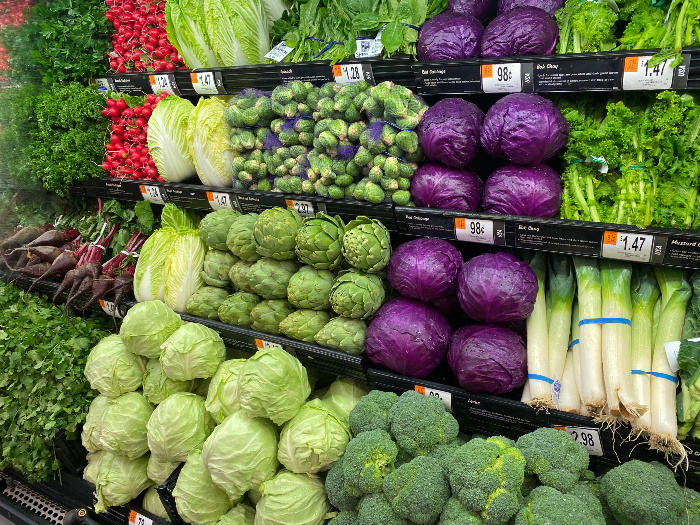
I love all of these veggies lined up on the shelves.
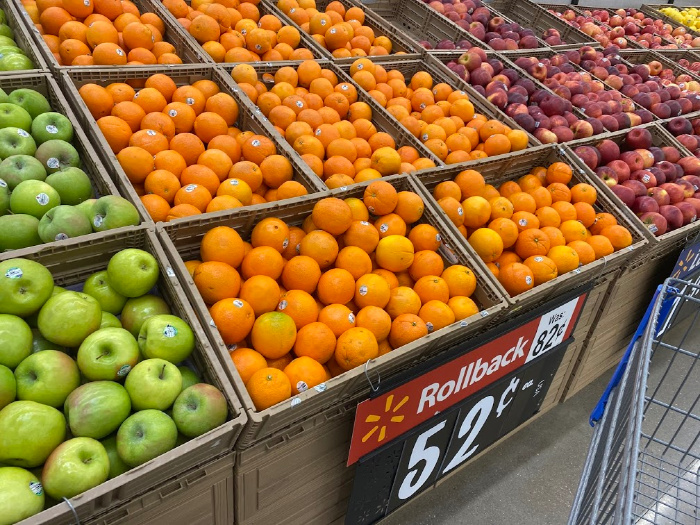
In March, look for the following fruits and vegetables at their best freshness and lowest prices:
Broccoli
Cabbage
Lettuce
Radishes
Leeks
Lemons
Limes
Oranges
Grapefruit
Artichokes
Avocados
Peas
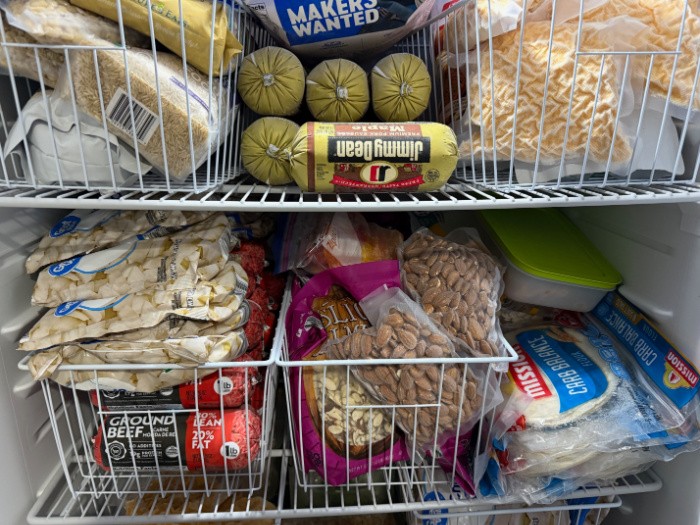
Frozen Food
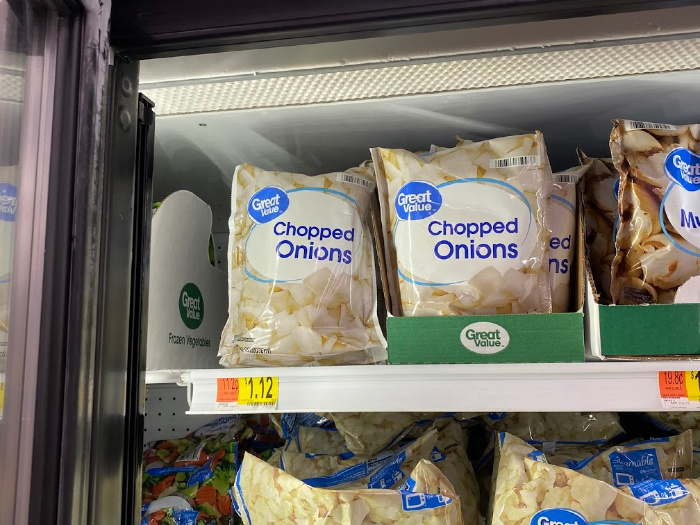
I was so glad to finally have the frozen onions in stock and on sale! Here’s the deal: I stock my freezer with frozen onions. I can toss them into omelets, Sloppy Joe’s, tacos, etc. I don’t have to wash, slice, or chop them! There is no waste ever! I also stock frozen carrots now that Chris told me about them for soups and stews!
Watch for coupons galore to stock up on frozen goods and save a few bucks. I love to buy frozen peas, corn, peppers, and chopped onions. Cooking from scratch saves me not only money but also a lot of time.
With it being National Frozen Food Month, who knows what kind of savings you’re likely to find at your local store? You might find great deals on your favorite ice cream flavor with all the parties going on. Don’t be shy about trying some store labels, too. We’ve fallen in love with Kroger’s “Death By Chocolate” ice cream; try it.
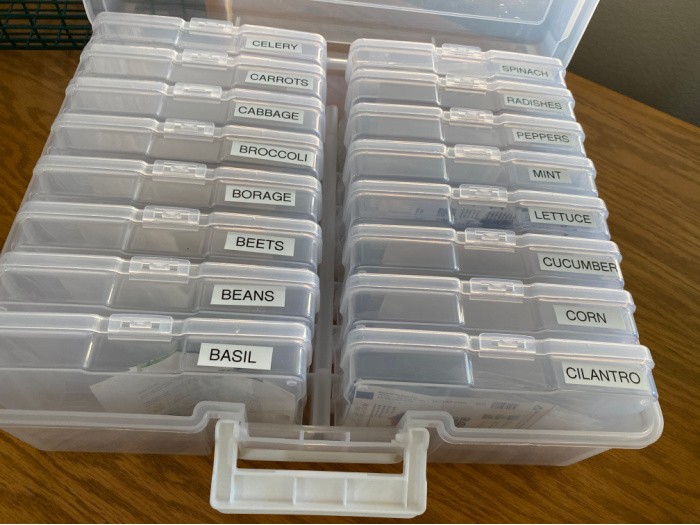
Garden Seeds
Please stock up on garden seeds. If you haven’t ever had a garden before, this is the year to start growing your food. Food prices are likely to continue rising, so save money by growing some of your own food. The weather has been erratic, the cans and jars manufacturers and packagers use are in short supply, and the challenges continue. We must grow some of our food.
Consider trying some different garden produce this year. Consider beets, cauliflower, green beans, garlic, and other herbs and spices for regular meal preparation, and when you want salads and side condiments available.
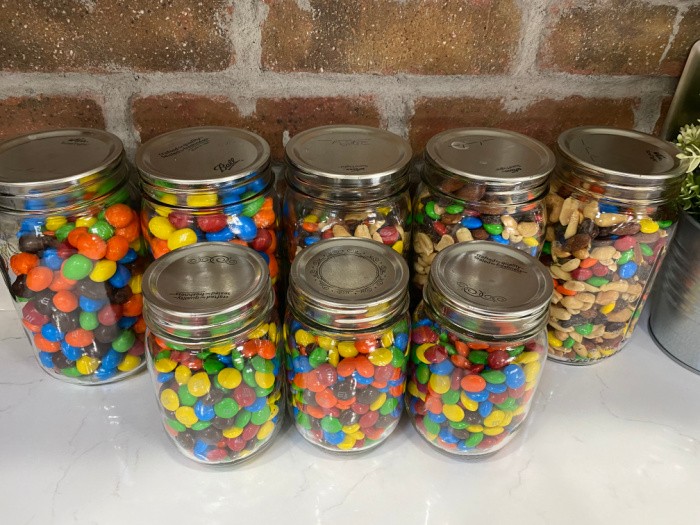
Candy aisles always make me smile. I like chocolate the best, but check out these cuties!
Many stores put candy bags on sale to attract buyers. Not just grocery stores but pharmacy-type stores have a lot of candy on sale right now.
Some of the candy products are good old bags of chocolate, but they are also gearing up for Easter.
If you wait until it’s closer to Easter, the prices will go down, but you may not be able to find the perfect candy you like for those Easter baskets. If you can be patient, you’ll save a lot of money on candy the day after Easter.
I use my Dicorain to stock up on M&M’s. I sometimes find the candy 70% off, and that’s when I stock up. I call it my sweet-food-storage-emergency stash.
If you like to munch on a piece or two of chocolate every day, look for boxed chocolates. Since March is between Valentine’s Day and Easter, the stores want to be ready for spring treats, so you’ll see some great markdowns.
Easter Supplies
I love holidays, and Easter is no different. I enjoy coloring eggs with the kids and grandkids if they visit. I’m ready for an Easter egg hunt if I have some baskets in the closet!
Countertops
If you’re remodeling your home, this is the month to look for countertops for the kitchen, laundry room, or bathroom. It may be a cosmetic update, or you may feel your house is too dated due to its age.
If you have countertops that need replacing, check out your local big-box stores or specialty stores.
In March, many communities had just finished Home Shows near the convention center or Parades of Homes, where open houses showcased the latest home designs. Some awesome countertop color and style updates include granite and quartz. Check them out before you make your decision.
Therefore, the stores specializing in countertops want to offer substantial discounts to visitors to the model homes they designed.
Flooring
This is another item after a home show-type event, where retailers offer discounts on carpeting, tile, and hardwood floors to visitors to their model homes.
You may want to check with the stores for big markdowns. It doesn’t hurt to mention you saw their work at the Home Show.
Space Heaters
If that happens to one of my neighbors or me, I like keeping one of these in my emergency preps to thaw frozen pipes. Honeywell Ceramic Space Heater (electricity needed) or my post on Mr. Buddy Heater (propane tank must be outside). Walmart has it cheaper, but you need accessories; be sure to get all of them. How To Heat Your Home In An Emergency.
This is a great month to check your local stores for markdowns on space heaters. The stores need to make room for the air conditioners and fans headed their way.
Watch for huge discounts on the space heater you may need for your desk or to thaw your frozen pipes.
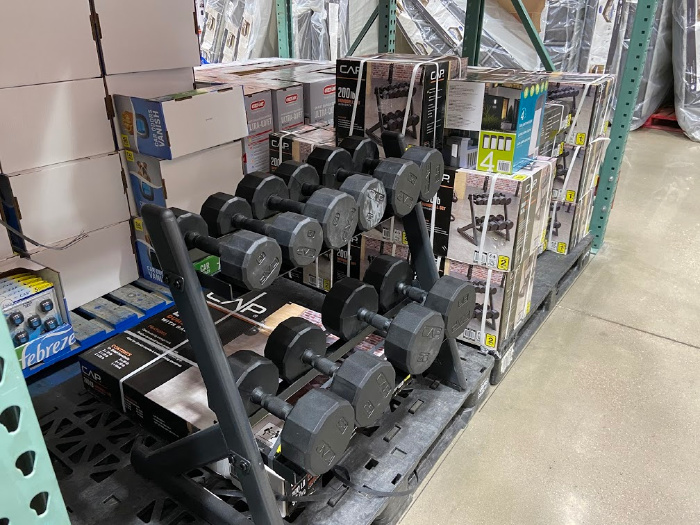
You may have reconsidered your exercise routine, and this month is one of the best times to purchase indoor exercise equipment. When the weather changes, people want to go outside to get exercise.
The weather is getting warmer, and people want to go outside to enjoy the beautiful landscapes.
This is also a great month for winter exercise apparel. Watch for clearance racks to find the outfit you want at drastically reduced prices. The stores want to clear out the old and bring in the new.
Just think, you’ll be ready for that next cold spell, and these clothing items seldom change much from year to year.
Golf Clubs
The sports stores want to unload last year’s models to make way for the new brands coming in the next month. Remember to look for rain gear, golf shoes, golf gloves, and everything left on the clearance racks.
This is the time to stock up for your golf season just around the corner. It could be a great time to get the golf clubs you’ve been dreaming about.
Winter Clothes & Equipment
The stores want to unload winter coats, parkas, gloves, and scarves. Anything warm you may need may be on sale. Check the clearance shelves and racks. Stock up for next winter.
Ski or Snowboard Equipment
If you want new skis or snowboards, check out the sports stores for big markdowns. You may want to check out ski resort shops and ski rentals for used equipment.
They want new equipment for next year, so they must clear their inventory to make room.
You know how fast kids grow out of their winter gear. You may be able to sell it for what you paid for it and use the funds to buy new equipment. If you buy it right, you can sell it for the best price in the newspaper or on Facebook.
When my girls were young, we passed down equipment, but sometimes, we couldn’t. We always looked for gently used equipment. It’s all about saving money.
Running Shoes
Who can’t use good running shoes to get in shape after winter, right?
This is the month to purchase those overpriced running shoes at a discount. The weather has been freezing for months, and now people want to get out and walk or run for exercise.
Sports stores typically have springtime sales, so this is when they want to let go of last year’s models and be ready for this year’s models.
Sandals
The stores know you are looking for something sassy for the summer, so they put a few sandals on sale to excite you for spring and summer. So get ready for summer, my friends! This is also a great time to stock up on your favorite sandals for next year.
Luggage
Whether you take road trips or fly, suitcases sometimes fall apart! After a while, the duct tape doesn’t hold it together anymore, so Gorilla tape is even better!
If you think about it, the stores are stocked with the latest and greatest holiday luggage. However, because they may be collecting dust, the stores want to unload last year’s models.
This makes for significant savings if you plan on traveling. New suitcases or luggage items will start showing up for the warmer months. You can save a lot of money by buying last year’s luggage.
Garden and Yard Supplies
I love working in my garden!
This is the time of year when seed companies send out seed catalogs, and stores send emails to customers. It is a good month for lawnmowers or other big-ticket garden items.
I have seen stores have a flash sale for ONE-DAY-Only bargains. If you missed getting gloves when they were half-price last year, you may be lucky if you watch for the big discount days.
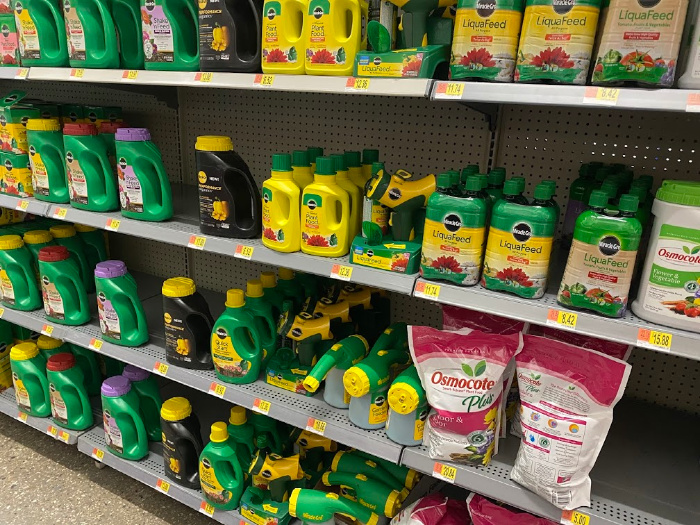
This is when you may be able to purchase garden soil, fertilizer, and all garden supplies at drastically reduced prices. If your shovel is beyond repair, check the inserts in your newspaper or mailbox.
Jewelry
After Valentine’s Day, most stores slow down their jewelry sales, so it’s a perfect time to pick up that piece of jewelry you may want for Mother’s Day or your anniversary. It’s also a perfect month for getting perfume marked down.
Craft Supplies
March is National Craft Month, so stores will entice you to pick up your favorite craft items on sale. It’s a great time to sign up for craft classes at your local craft store. You will see many items at rock-bottom prices to use in your craft projects.
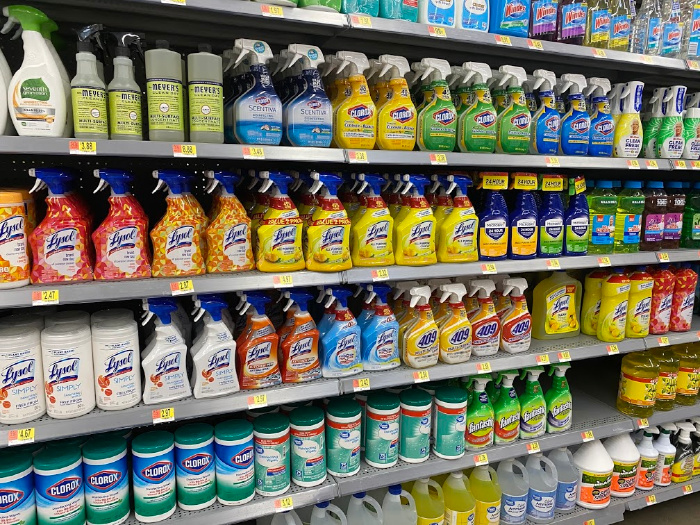
Cleaning Supplies
I’m so happy when my house is super clean!
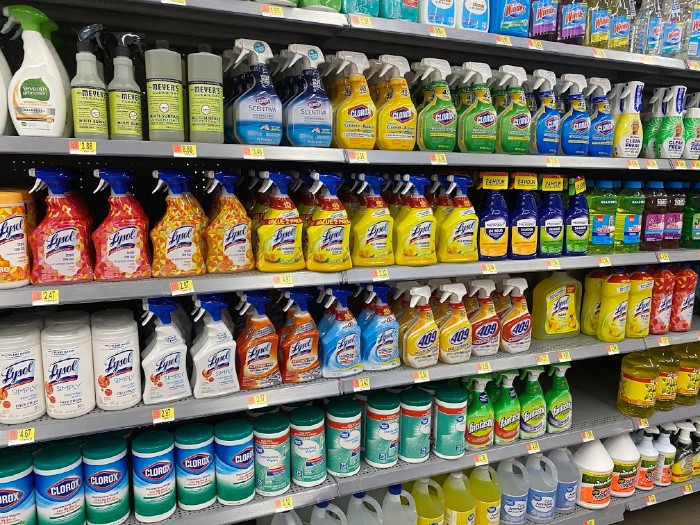
If you’re like me, spring always means deep cleaning after a long winter, as in Spring Cleaning. This is an excellent month to stock up on marked-down cleaning supplies.
Check for great coupons and mailers to give you extra savings. It’s all about saving money on the things you use every day.
St. Patrick’s Day Items
I love any holiday, and St. Patrick’s Day makes me smile big time!
This is a great month to purchase the “green” items you want to make for your family on St. Patrick’s Day. As with any holiday, the longer you stall to purchase, the more you will save.
But you may not be able to find the exact items you want, so be aware.
Of course, after the holiday, you will find drastically reduced “green” items you can store for next year’s party.
March 20th is National Ravioli Day, so watch for restaurants and stores offering coupons for discounted meals. Grocery stores will have frozen ravioli on sale.
Floor Mattresses On Sale
I saw these mattresses at Costco.
If you are looking at replacing that mattress for your bedroom, you may find some drastically reduced prices because the newer ones are heading to the stores in the spring. It’s a great time to compare the prices of the ones you have been looking at purchasing.
Stocking up in March is a great way to save our precious dollars and buy what we need when prices are at rock bottom. If I can get 50% off or more, which I need, I will snag it. Please be prepared for the unexpected. May God bless this world, Linda
Copyright Images: AdobeStock_142142188 by Benjamin Nolte
Freezer meal prep is one of the most effective strategies for saving time, reducing food waste, and sticking to a budget. Whether you’re a busy parent, a working professional, or simply someone who wants to eat better without the daily grind, mastering your freezer can completely transform how you approach mealtime.
Imagine coming home after a long day and having a delicious, home-cooked meal ready in minutes, no delivery apps, no scrambling for ingredients. That’s the power of freezer meal prep.
In this in-depth post, you’ll learn everything you need to know about freezer meal prep and long-term freezer storage, from the science behind freezing food safely to the best containers, to a complete list of freezer-friendly meals.
Introduction: Why Freezer Meal Prep Is a Game-Changer
Table of Contents
How Freezing Preserves Food
The Golden Rules of Freezer Meal Prep
Best Containers for Freezer Storage
How Long Can You Freeze Food? (Complete Storage Guide)
Step-by-Step Freezer Meal Prep Process
The Best Freezer-Friendly Meals and Recipes
Foods You Should NEVER Freeze
Tips for Organizing Your Freezer
How to Prevent Freezer Burn
Thawing Food Safely
Freezer Meal Prep for Special Diets
Frequently Asked Questions
1. How Freezing Preserves Food
Understanding the science behind freezing helps you make smarter storage decisions. When food is frozen, the water inside its cells turns to ice, which halts the growth of bacteria, yeast, and mold — the primary culprits of spoilage.
However, freezing doesn’t kill microorganisms; it only suspends their activity. Once food thaws, bacteria can resume multiplying, which is why safe thawing practices are essential (more on that below).
The quality of frozen food depends on three key factors:
Temperature: Your freezer should be set at 0°F (-18°C) or below at all times. Even slight fluctuations degrade food quality over time.
Speed of freezing: The faster food freezes, the smaller the ice crystals that form — and smaller crystals cause less damage to cell walls, preserving texture and flavor.
Air exposure: Oxygen causes freezer burn and oxidation. Proper packaging minimizes exposure to air and maintains quality.
2. The Golden Rules of Freezer Meal Prep
Before diving into recipes and containers, internalize these core principles:
#1: Start with Fresh, High-Quality Ingredients
Freezing can’t reverse spoilage. Freeze food at peak freshness for the best results when thawed.
#2: Cool Food Completely Before Freezing
Never place hot or warm food directly in the freezer. It raises the internal temperature, potentially thawing surrounding items and creating condensation that leads to ice crystals. Allow food to cool to room temperature (within 2 hours) before freezing.
#3: Portion Before Freezing
Freeze meals in individual or family-sized portions based on your needs. This makes thawing faster and reduces waste since you only defrost what you’ll use.
#4: Label Everything
Every container should be labeled with:
Contents (be specific: “Chicken Tikka Masala — 2 servings”)
Date frozen
Reheating instructions (optional but helpful)
You use something as cheap as adhesive tape on the container as a label
#5: Use the FIFO Method
FIFO = First In, First Out. Always place newer items at the back of the freezer and older items at the front. This ensures nothing gets lost or forgotten.
#6: Don’t Overload Your Freezer
A freezer works most efficiently when about 75–85% full. Too full restricts airflow; too empty wastes energy and causes temperature fluctuations.
3. Best Containers for Freezer Storage
The right packaging makes all the difference between a meal that tastes fresh and one that’s riddled with freezer burn.
Freezer-Safe Zip-Lock Bags
Best for: soups, stews, marinated meats, blanched vegetables
Pro tip: Lay bags flat to freeze, then stack vertically to save space
Look for bags labeled “freezer bags”; they’re thicker than regular storage bags
Glass Containers with Airtight Lids
Best for: casseroles, pasta dishes, individual portions
Pro tip: Leave 1 inch of headspace, liquids expand when frozen
Choose wide-mouth jars for soups and sauces
Aluminum Foil Pans
Best for: casseroles, lasagnas, baked dishes
Can go directly from freezer to oven, extremely convenient
Cover tightly with heavy-duty foil
Plastic Freezer Containers
Best for: soups, chilis, sauces
Look for BPA-free containers rated for freezer use
Avoid thin, cheap containers that crack at low temperatures
Vacuum Sealer Bags
Best for: meats, fish, and any food you want to store for 6+ months
Removes virtually all air, dramatically extending shelf life and preventing freezer burn
A vacuum sealer is one of the best investments for serious meal preppers
What to Avoid:
Regular plastic bags (not thick enough)
Glass without headspace (can crack)
Containers not labeled “freezer safe.”
Thin plastic wrap alone (insufficient barrier against air)
4. How Long Can You Freeze Food? (Complete Storage Guide)
While frozen food remains safe to eat indefinitely at 0°F, quality degrades over time. Here are the recommended maximum storage times for best quality:
Meats
Food
Freezer Life
Raw beef, pork, lamb (roasts, steaks)
4–12 months
Raw ground meat
3–4 months
Raw poultry (whole)
12 months
Raw poultry (pieces)
9 months
Cooked meat
2–3 months
Cooked poultry
4 months
Hot dogs / deli meat
1–2 months
Bacon and sausage
1–2 months
Seafood
Food
Freezer Life
Lean fish (cod, tilapia)
6 months
Fatty fish (salmon, tuna)
2–3 months
Shrimp and scallops
3–6 months
Cooked seafood
3 months
Prepared Foods & Leftovers
Food
Freezer Life
Soups and stews
2–3 months
Casseroles
2–3 months
Cooked pasta with sauce
2–3 months
Pizza
1–2 months
Cooked rice
6 months
Cooked beans
3 months
Bread and baked goods
3 months
Muffins and pancakes
2–3 months
Dairy & Eggs
Food
Freezer Life
Hard cheese (shredded)
6 months
Butter
6–9 months
Ice cream
2–4 months
Egg whites or yolks (raw)
12 months
Fruits & Vegetables
Food
Freezer Life
Blanched vegetables
8–12 months
Fruits (unsweetened)
6–9 months
Fruit purees
6 months
5. Step-by-Step Freezer Meal Prep Process
1: Plan Your Meals (1–2 Days Before)
Start with a meal plan for 2–4 weeks. Choose 5–10 recipes that freeze well. Look for:
Recipes with overlapping ingredients (buy in bulk and save)
A variety of proteins, cuisines, and cooking methods
Meals your household actually enjoys eating
Pro tip: Choose 2–3 recipes that use the same protein (e.g., chicken) so you can cook in one large batch and divide among multiple dishes.
2: Create a Master Shopping List
Organize your list by category (produce, proteins, pantry staples) to shop efficiently. Buying in bulk from warehouse stores like Costco or Sam’s Club can significantly reduce costs.
3: Prep Day Setup
Set up your kitchen as an assembly line:
Clear all counter space
Have all containers, labels, and markers ready
Preheat the oven or get pots ready
Pull out a large cutting board, a sharp knife, and mixing bowls
4: Cook in Batches
Work smartest by cooking similar items together:
Roast multiple sheet pans of vegetables at once
Brown several pounds of ground meat in one large pan
Cook multiple batches of grains (rice, quinoa) simultaneously
Simmer large pots of soup or sauce
5: Cool, Portion, and Package
Spread food in shallow containers to cool quickly (within 2 hours)
Divide into appropriate portions
Remove as much air as possible from bags
Leave headspace in containers for liquids
6: Label and Freeze
Label every item before freezing
Place items in the coldest part of your freezer (usually the back)
Lay bags flat until frozen solid, then reorganize vertically
7: Build Your Freezer Inventory
Keep a running list (on paper, a whiteboard, or a phone app) of everything in your freezer, including the date it was placed in the freezer. Update it as you add and remove items.
6. The Best Freezer-Friendly Meals and Recipes
Not all foods freeze equally well. Here are the top categories and ideas:
Soups & Stews (The Freezer Royalty)
Virtually all soups and stews freeze beautifully. Top options:
Chicken noodle soup (freeze before adding noodles; add fresh when reheating)
Small bins or dollar-store baskets group similar items together and make it easy to pull out a whole category at once without digging.
Freeze Flat, Store Vertical
Freeze soups and stews in zip-lock bags lying flat. Once frozen solid, store them upright like file folders. This maximizes space dramatically.
Keep an Inventory List
Tape a whiteboard or sheet of paper to the outside of your freezer and update it every time something goes in or comes out.
9. How to Prevent Freezer Burn
Freezer burn occurs when moisture evaporates from the surface of food, leaving dry, grayish patches. It’s not dangerous, but it severely affects texture and flavor.
Prevention Strategies:
Wrap food tightly in plastic wrap before placing it in a container or bag
Remove all air from zip-lock bags; press out manually or use a straw
Use a vacuum sealer for items stored longer than 3 months
Double-wrap meats and other vulnerable items
Keep your freezer at 0°F; temperature fluctuations accelerate freezer burn
Don’t leave the freezer door open longer than necessary
Use food within recommended timeframes; even the best packaging has limits
10. Thawing Food Safely
Improper thawing is one of the leading causes of foodborne illness. Never thaw food at room temperature. The safest methods are:
Refrigerator (Best Method)
Slow and safe; keeps food at a consistent temperature
Plan ahead: large items like whole chickens can take 1–2 days
Thawed food can be kept in the fridge 1–2 days before cooking
Cold Water
Place food in a leak-proof bag and submerge it in cold water
Change the water every 30 minutes
Cook immediately after thawing; do not refreeze
Microwave
Use the defrost setting
Cook food immediately after thawing in the microwave
Parts of the food may begin to cook during this process
Cooking from Frozen
Many foods (casseroles, soups, vegetables) can go straight from freezer to oven or stovetop
Simply add extra cooking time (usually 50% longer than the fresh version)
Never Thaw:
On the countertop at room temperature
In hot water
Left out overnight
11. Freezer Meal Prep for Special Diets
For Vegetarians and Vegans
The freezer is your best friend. Focus on:
Bean and lentil soups and stews
Veggie burgers (freeze individually)
Grain bowls (freeze components separately)
Tofu scrambles
Vegan chili
For Gluten-Free Diets
Most naturally gluten-free foods freeze wonderfully:
Rice-based dishes
Corn tortilla enchiladas
Soups and stews thickened with cornstarch
Grilled meats and roasted vegetables
For Low-Carb / Keto Diets
Cooked proteins (chicken, beef, pork)
Cauliflower rice and mashed cauliflower
Soups without noodles or starchy vegetables
Egg muffin cups
Fat bombs and keto desserts
For Families with Young Children
Mini meatballs
Mac and cheese (homemade)
Chicken nuggets (homemade)
Pancakes and waffles
Smoothie packs
12. Frequently Asked Questions
Can I freeze food in store packaging? A: For short-term storage (1–2 months), store packaging is usually fine for meats. For longer storage, rewrap in freezer-safe packaging for best quality.
Can I refreeze thawed food? A: Yes, if the food was thawed safely in the refrigerator and has not been left out at room temperature. However, quality (texture and flavor) may decrease slightly with each freeze-thaw cycle. Cooked foods that were previously frozen raw can safely be refrozen after cooking.
Why does my frozen food smell strange? A: Odor absorption is common in freezers. Keep strong-smelling foods (like fish) tightly sealed. A box of baking soda placed in the freezer can help absorb odors.
How do I know if frozen food has gone bad? A: Signs include severe freezer burn (large white patches), an off smell after thawing, unusual colors, or a slimy texture. When in doubt, throw it out.
Is it safe to freeze food in aluminum foil? A: Yes, heavy-duty aluminum foil works well for freezer storage, especially for baked dishes. For long-term storage, place foil-wrapped items inside a freezer bag for added protection.
Does freezing kill bacteria? A: No, freezing only pauses bacterial growth. Proper cooking to safe internal temperatures is required to kill harmful bacteria.
What’s the best freezer for meal prepping? A: An upright chest freezer is ideal for dedicated meal preppers. It provides more space, better organization and item viewing options, and consistent temperatures compared to the freezer compartment of a standard refrigerator.
Freezer meal prep is one of the most impactful habits you can build for your health, budget, and sanity. It takes a little investment of time upfront, but the payoff, stress-free weeknights, zero food waste, and home-cooked meals always on hand, is absolutely worth it. Start small: pick two or three recipes this weekend, batch cook, and fill your freezer. Within a month, you’ll wonder how you ever managed without it. May God bless this world, Linda
If you're new to gardening, one of the first Youtube channels you should check out is GrowVeg. Their videos are short, to the point, and incredibly helpful. No, I'm not affiliated with them in any way, I'm just really impressed with their content.
On their website, they sell a program called the Garden Planner which allows you to map out your entire garden. It tells you how much space each plant needs, when to plant them, how long their growing seasons are, which plants grow well together and which don't, and much more. Basically, if you're a beginner, this planner won't let you screw up.
In this video, they share 10 tips that are guaranteed to boost your vegetable harvest. Here they are:
1. Feed Your Soil
Give it plenty of organic matter like compost and manure. If you don’t have access to compost right away, try sheet mulching. To do that, layer cardboard, leaves, and grass clippings over the soil and let it break down. It’s a fast way to start improving soil structure.
2. Feed Your Plants
Give them fertilizer and occasionally water with comfrey tea. Foliar feeding (spraying diluted fertilizer directly on the leaves) can give plants an immediate nutrient boost, especially during critical growth stages like flowering or fruiting.
3. Grow In Beds
It's easier and more efficient to grow food this way. Use narrow beds (no wider than 4 feet) so you never have to step on the soil. This prevents compaction, which helps roots grow faster and deeper.
4. Choose Plants That Thrive
Pick plants that will do well in your region. Ask local gardeners or check your local extension office for lists of reliable crop varieties that have already been tested in your area. They often outperform generic store-bought seeds.
5. Grow More In The Shade
Make use of shady areas with plants that will grow there. Start shade-friendly crops earlier indoors or in seed trays to get a head start, since shaded areas usually mean slower growth. Asian greens and lettuces can thrive with as little as 4 hours of sunlight per day.
6. Collect Rainwater
It has fewer contaminants and is the preferred pH of most plants. Elevate your rain barrels so you can use gravity for water pressure. Also, add mosquito netting over the openings to prevent insect breeding.
7. Extend The Growing Season
Use plant protection such as cold frames and low tunnels. Don’t just use row covers in spring. Keep them handy for surprise summer hail storms or fall cold snaps. Even a simple plastic sheet draped over hoops can buy you a few more weeks of growing time.
8. Space Plants Correctly
Make sure they aren't too close or too far apart. Use square-foot gardening templates or spacing grids made of string to speed up planting and ensure proper spacing, especially helpful for beginners planting many types at once.
9. Pair Up Plants
Take advantage of companion planting, such as corn as a support for climbing beans. Add basil near tomatoes to boost growth and repel pests. Marigolds are another great companion. They help deter nematodes and attract beneficial insects.
10. Work To Prevent Pests
Place barriers over plants, remove bug hiding places, and plant flowers. Rotate your crops each year so pests and diseases don’t build up in the soil. Also, interplant herbs like dill and cilantro throughout the garden. They attract beneficial bugs like lacewings and parasitic wasps.
Watch the video below to learn more details about how to implement these harvest-boosting methods.
I’ll be honest. I did not buy Mushroom MD because I’m into trends or ancient secrets. I bought it because I do not like depending entirely on systems I can’t control. Over the past few years, I’ve watched supply chains stall, pharmacy shelves thin out, and prices climb. It made me rethink something simple: if […]
Processed food is any food that has been altered from its natural state through methods like canning, freezing, refrigerating, dehydrating, or adding preservatives, flavoring, and other chemical additives. While minimal processing, like washing, cutting, or freezing vegetables, is relatively harmless, ultra-processed foods (UPFs) are a different story entirely.
Introduction: What Is Processed Food and Why Should You Care
Ultra-processed foods are industrial formulations made mostly from substances extracted from foods (oils, fats, sugar, starch, and proteins) and additives such as artificial colors, flavors, emulsifiers, and preservatives. Think: chips, soda, packaged cookies, instant noodles, hot dogs, frozen meals, and fast food.
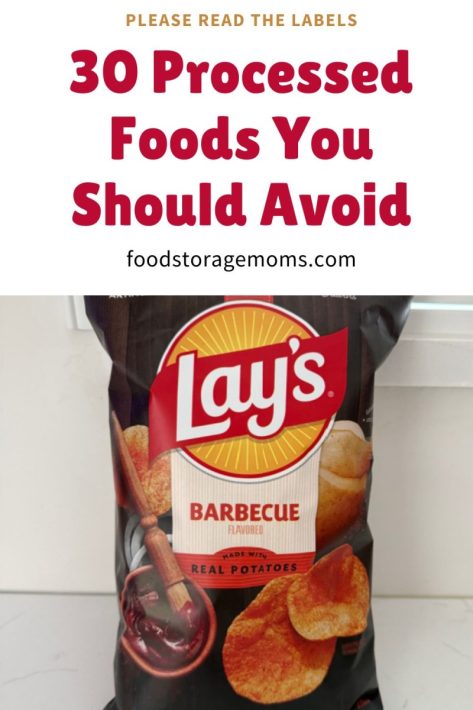
Understanding what’s in processed food and how to read food labels is one of the most powerful steps you can take for your long-term health. I confess, these are my favorite potato chips. There, I said it. They are perfect with onion dip as well.
Part 1: What’s Actually in Processed Food? Learn to Read the Label
Before diving into the 30 reasons, you need to know what you’re looking for and avoid for your long term health. Here’s what to watch out for on ingredient labels:
Hidden Sugars — Over 60 Names
Sugar hides under dozens of names on ingredient labels. Common ones include:
High fructose corn syrup (HFCS)
Cane juice / evaporated cane juice
Dextrose, maltose, fructose, sucrose
Maltodextrin
Corn syrup solids
Barley malt syrup
Fruit juice concentrate
Label tip: Ingredients are listed in order by weight. If sugar (by any name) appears in the first three ingredients, the product is high in sugar.
Unhealthy Fats to Watch For
Partially hydrogenated oils: a source of trans fats, strongly linked to heart disease
Interesterified fats: a newer trans fat replacement that may raise blood sugar
Palm oil/palm kernel oil: high in saturated fat
Cottonseed oil, soybean oil, canola oil: often highly refined and oxidized
Label tip: Even if a label says “0g trans fat,” it can legally contain up to 0.5g per serving. Check for “partially hydrogenated” in the ingredient list.
Artificial Additives: The Alphabet Soup
Additive
What It Is
Found In
MSG (E621)
Flavor enhancer
Chips, soups, fast food
BHA / BHT (E320/E321)
Synthetic preservatives
Cereals, crackers, oils
Sodium nitrite (E250)
Preservative & color fixative
Deli meats, hot dogs, bacon
Carrageenan (E407)
Thickener
Dairy alternatives, deli meat
TBHQ
Antioxidant preservative
Fast food, crackers
Artificial colors (Red 40, Yellow 5, Blue 1)
Dyes
Candy, drinks, cereals
Potassium bromate
Flour improver
Bread, baked goods
Propyl gallate
Preservative
Meat products, frying oils
Sodium Overload
Many processed foods are extremely high in sodium. The American Heart Association recommends no more than 2,300 mg of sodium per day, yet a single serving of canned soup can contain 900–1,200 mg.
Label tip: Look at the % Daily Value (%DV) for sodium. 5% or less is low; 20% or more is high.
Refined Grains and Starches
Whole grains have been stripped of fiber and nutrients to become white flour, white rice, or cornstarch. These are rapidly digested and spike blood sugar.
Label tip: “Enriched flour” means nutrients were removed, and a few synthetic vitamins were added back; it’s not the same as whole-grain flour. Look for “100% whole wheat” or “whole grain” as the first ingredient.
Part 2: 30 Reasons to Avoid Processed Food
1: It Spikes Your Blood Sugar
Ultra-processed foods are loaded with refined carbohydrates and added sugars that rapidly spike blood glucose. Over time, repeated blood sugar spikes contribute to insulin resistance and type 2 diabetes.
2: It’s Engineered to Be Addictive
Food scientists design processed foods to hit the “bliss point”, the perfect combination of sugar, fat, and salt that overrides your brain’s natural satiety signals. This activates dopamine pathways, similar to those activated by addictive substances.
3: It Causes Chronic Inflammation
Refined oils, trans fats, and artificial additives promote systemic inflammation — the root cause of heart disease, cancer, arthritis, and Alzheimer’s disease.
4: It’s Nutritionally Empty
Processing destroys naturally occurring vitamins, minerals, antioxidants, and phytonutrients. What’s added back is a poor substitute for what nature provided.
5: It’s Loaded With Hidden Sodium
Excess sodium raises blood pressure, strains your kidneys, and dramatically increases the risk of stroke and heart disease. Most Americans consume nearly twice the recommended daily sodium intake, largely from processed foods.
6: It Damages Your Gut Microbiome
Artificial sweeteners, emulsifiers, and preservatives like carrageenan and polysorbate 80 disrupt the gut microbiome, the community of beneficial bacteria essential for immunity, mood, and metabolism.
7: It Contains Harmful Preservatives
Chemicals like BHA, BHT, and TBHQ are used to extend the shelf life of food products, but are classified as possible carcinogens. BHA is listed as “reasonably anticipated to be a human carcinogen” by the U.S. National Toxicology Program.
8: Artificial Colors Are Linked to Behavioral Problems in Children
Dyes like Red 40, Yellow 5, and Yellow 6 have been linked to hyperactivity and ADHD symptoms in children. The European Union requires warning labels on foods containing these dyes.
9: It Promotes Obesity
Ultra-processed foods are calorie-dense but not filling. They bypass the hormonal signals (leptin and ghrelin) that signal to your brain that you’re full, leading to chronic overconsumption and weight gain.
10: It Increases Your Risk of Heart Disease
Trans fats, refined carbohydrates, excessive sodium, and inflammatory vegetable oils all independently raise the risk of cardiovascular disease, and processed foods often contain all of them simultaneously.
11: It Contains Endocrine Disruptors
Bisphenol A (BPA) from can linings, phthalates from plastic packaging, and certain food dyes act as endocrine disruptors, interfering with hormones responsible for reproduction, metabolism, and development.
12: Nitrites in Processed Meats Are Linked to Cancer
Sodium nitrite, used in bacon, hot dogs, and deli meats, forms carcinogenic nitrosamines during cooking and digestion. The World Health Organization classifies processed meats as Group 1 carcinogens, meaning there is sufficient evidence that they cause colorectal cancer.
13: It Causes Energy Crashes
The blood sugar spike from processed food is always followed by a crash, leaving you tired, foggy, and craving more sugar. This cycle perpetuates fatigue and poor concentration throughout the day.
14: It Contributes to Non-Alcoholic Fatty Liver Disease (NAFLD)
High fructose corn syrup is metabolized almost exclusively in the liver and converted into fat. Chronic HFCS consumption is a leading driver of fatty liver disease even in people who don’t drink alcohol.
15: It Accelerates Aging
Advanced glycation end products (AGEs) form when sugars bond with proteins or fats during high-heat processing. AGEs accumulate in the body, damaging collagen and elastin, accelerating skin aging, and contributing to chronic disease.
16: It Weakens Your Immune System
A diet high in processed foods depletes zinc, vitamin D, vitamin C, and other nutrients essential for immune function. It also disrupts the gut microbiome, which houses roughly 70% of your immune system.
17: Artificial Sweeteners May Disrupt Metabolism
Sweeteners like aspartame, sucralose, and saccharin alter gut bacteria composition and may paradoxically increase cravings for sweets and promote weight gain despite having no calories.
18: It’s Linked to Depression and Anxiety
Multiple large studies show a strong association between diets high in ultra-processed foods and increased rates of depression, anxiety, and psychological distress. Gut-brain axis disruption plays a major role.
19: It Raises Your Risk of Type 2 Diabetes
Beyond blood sugar spikes, the combination of inflammation, gut microbiome disruption, and excess body fat from processed food intake significantly elevates the risk of developing type 2 diabetes.
20: It Contains Acrylamide — A Probable Carcinogen
Acrylamide forms naturally in starchy foods cooked at high temperatures, including chips, French fries, breakfast cereals, and crackers. The International Agency for Research on Cancer (IARC) classifies acrylamide as a probable human carcinogen.
21: It Drives Overconsumption
Studies show that people eating ultra-processed diets consume, on average, 500 more calories per day than people eating unprocessed diets, even when given equal access to food and told to eat as desired.
22: It Disrupts Sleep
High sugar and refined carbohydrate intake reduces sleep quality by interfering with slow-wave (deep) sleep. Poor sleep then increases cravings for processed food the next day, creating a vicious cycle.
23: Emulsifiers Damage the Intestinal Lining
Food emulsifiers like polysorbate 80 and carboxymethylcellulose (added to extend shelf life and improve texture) have been shown in studies to erode the protective mucus layer of the intestine, increasing gut permeability (“leaky gut”) and promoting inflammation.
24: It Contributes to Tooth Decay
Sugary and starchy processed foods feed cavity-causing bacteria in your mouth. The sticky nature of many processed foods means they cling to teeth longer than whole foods, compounding the damage.
25: It Contains Genetically Modified Organisms (GMOs) — Often Unlabeled
Much of the corn, soy, and canola in processed foods comes from genetically modified crops. While GMO safety is debated, many consumers prefer to avoid them, but without careful label reading, it’s nearly impossible to do so.
26: It Harms Your Kidneys
High sodium, high phosphate additives (used as preservatives and leavening agents), and excess protein from processed meats put a significant strain on kidney function over time.
27: It Trains Your Palate Away From Real Food
Regular consumption of hyperpalatable processed foods recalibrates your taste buds. Real, whole foods begin to taste bland or unsatisfying, making it harder to maintain a healthy diet.
28: The Packaging Itself Is a Problem
Processed foods come in packaging that leaches chemicals (BPA, phthalates, PFAS, “forever chemicals”) into the food, especially when heated. The environmental impact of single-use packaging also makes processed food a major contributor to plastic pollution.
29: It’s Linked to Dementia and Cognitive Decline
Diets high in ultra-processed foods are associated with accelerated cognitive decline and increased risk of dementia. Neuroinflammation, insulin resistance in the brain, and micronutrient deficiencies all play a role.
30: It Creates a Cycle of Poor Health That’s Hard to Break
Perhaps the most insidious reason of all: processed food is designed to be eaten continuously. Its effects on gut bacteria, hormones, brain chemistry, and taste perception make it increasingly difficult to choose healthier alternatives, trapping people in a cycle of poor health.
Part 3: How to Start Eating Less Processed Food
Master the 5-Ingredient Rule
If a product has more than five ingredients, especially ones you can’t pronounce, put it back on the shelf.
Shop the Perimeter of the Grocery Store
Fresh produce, meats, fish, and dairy are typically found around the edges of the store. The center aisles are where most ultra-processed foods are displayed.
Cook More at Home
Preparing meals from whole ingredients gives you full control over what goes into your food. Batch cooking on weekends can make weeknight meals just as convenient as processed alternatives.
Upgrade Your Snacks
Replace chips and cookies with nuts, seeds, fresh fruit, hard-boiled eggs, or cut vegetables with hummus.
Read Every Label Before You Buy
Use these four checks:
Ingredient count: fewer is better
Sugar content: aim for less than 5g added sugar per serving
Sodium: less than 600mg per serving
Fat type: avoid “partially hydrogenated” and look for whole food fat sources
Final Word
The evidence is overwhelming: ultra-processed foods are one of the most significant threats to modern public health. From inflammation and obesity to cancer risk and cognitive decline, the consequences of a diet dominated by processed food are profound and far-reaching.
But the good news is that every meal is an opportunity to make a better choice. You don’t have to overhaul your diet overnight. Start by reading labels, swapping out one or two processed items per week, and cooking at home more often. Small, consistent changes add up to dramatic improvements in health over time. Your body was designed to run on real food. Give it what it deserves. May God bless this world, Linda
Most people think they have a solid emergency plan because they’ve stocked a few cases of water, stacked canned food in the pantry, and parked a generator in the garage. On the surface, that feels responsible and it looks like preparedness. But the first time something critical fails, whether it’s a dead battery, a blocked ... Read more...
When most people think about duct tape, they picture quick household fixes. Maybe you’ve used it to patch something in the garage, seal a torn tarp, or hold together a broken handle for a while. But when SHTF, duct tape becomes something much bigger than a simple repair tool. In a real emergency, when help […]
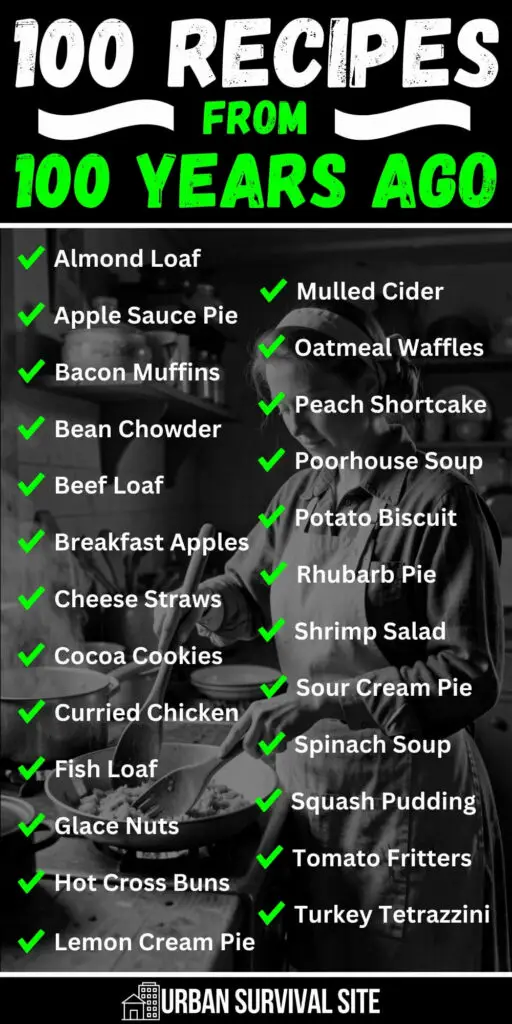
Cooking a century ago was far different from modern cooking. The kitchens of yesteryear were stocked with all sorts of ingredients people don't use anymore such as currants, citron, rhubarb, pastry flour, buckwheat flour, tapioca, and more. These ingredients create unique flavors that many of us have never even tasted.
Not only were the ingredients different back then, the language was different too. Instead of saying cup or teaspoon, they said “cupful” or “teaspoonful.” Even the spelling has evolved. For example, what we now spell as “coconut” was spelled as “cocoanut” a long time ago.
This collection of 100 recipes from 100 years ago offers a delightful journey into the past, featuring dishes that are very rare nowadays. You'll find recipes for things like bacon muffins, graham pop-overs, hot cross buns, peanut butter pancakes, lemon citron cake, Cornflake fancies, squash pudding, fish loaf, poorhouse soup, sour cream pie, breakfast apples, tomato fritters, and many other recipes few people make these days.
Most of these recipes come from old magazines like American Cooker, Good Housekeeping, and Recipes for Everyday; and they come from old cookbooks like Lowney's Cook Book, General Welfare Guild Cook Book, and The Boston Cooking School Cook Book, all of which were published over 100 years ago.
But no matter how old these recipes get, they'll always be delicious!
Beat in the milk and the apples cored, pared, and thinly sliced.
Pour into a well-oiled, shallow tin and bake in a moderate oven till the apple is well done, from thirty-five to forty minutes.
This should be served very hot with butter, or may be cooled and served crumbled in milk for the children's supper.
Source: Good Housekeeping (March, 1916)
Bacon Muffins
Ingredients:
¼ pound bacon
1 tablespoonful sugar
1 well-beaten egg
¾ teaspoonful salt
1 ½ cupfuls milk
2 ½ cupfuls bread flour
5 teaspoonfuls baking powder
Directions:
Cut the bacon into bits and fry till crips.
Cream together two tablespoonfuls of the bacon-fat and the sugar.
Add the egg well-beaten and the milk.
Mix the baking-powder and salt with the flour.
Stir into the mixture, and fold in the bacon.
Pour into greased muffin pans.
Bake twenty-five minutes in a 4° F. oven.
Source: Good Housekeeping's Book of Menus, Recipes, and Household Discoveries (1922)
Blueberry or Huckleberry Muffins
Ingredients:
2 cups flour
3 teaspoons Royal Baking Powder
1 teaspoon salt
1 tablespoon sugar
¾ cup milk
2 eggs
1 tablespoon shortening
1 cup berries
Directions:
Sift together flour, baking powder, salt, and sugar.
Add milk slowly, well-beaten eggs and melted shortening.
Mix well and add berries, which have been carefully picked over and floured.
Grease muffin tins; drop one spoonful into each.
Bake about 30 minutes in moderate oven.
Source: The New Royal Cook Book (1920), published by Royal Baking Powder Co.
Buckwheat Pancakes
Ingredients:
1 cup buckwheat flour
1 tablespoonful sugar
3 level teaspoons baking powder
1 ¼ cups cold water (or part milk)
⅓ teaspoonsful salt
Directions:
Sift together, tree times, the flour, sugar, salt, and baking powder.
Stir the water in all at once and bake immediately on a hot well-oiled griddle.
Source: The Cook's Book: KC Baking Powder (1911)
Cinnamon Toast
Ingredients (for one serving):
1 tablespoon brown sugar
½ teaspoon cinnamon
1 slice bread
Butter
Directions:
Make as many slices of nice brown toast as you want.
For each slice of toast, mix 1 tablespoon of sugar, brown preferred, and ½ teaspoon of cinnamon.
Butter the toast freely, using cold butter, and sprinkle the sugar and cinnamon over it.
Then put the slices of toast in a shallow pan in a moderate oven just a few minutes to melt the sugar, and they are ready.
Source; The Cook Book of Left-Overs (1920) compiled by the More Nurses in Training Movement
Graham Pop-overs
Ingredients:
3 eggs, beaten light
2 cupfuls milk
1 cupful Graham flour
1 cupful wheat flour
1 tablespoonful sugar
1 teaspoonful salt
2 tablespoonfuls melted Crisco
Directions:
Add the milk to the eggs.
Sift together the dry ingredients.
Gradually beat the dry ingredients into the liquid, using an egg beater.
Lastly, beat in the Crisco.
Bake in hot well-Criscoed glass or other cups nearly one hour.
Source: Recipes for Everyday (1919)
Hot Cross Buns
Ingredients:
3/4 oz yeast cake
1 tablespoon sugar + additional sugar to sprinkle on top
1/2 cup sugar
1 cup flour + 2 cups flour
1/2 teaspoon salt
2 teaspoons ground nutmeg
1/2 cup currants (raisins may be substituted for currants)
1/8 cup citron (optional)
1 cup warm milk (108-110° F)
1/4 cup butter, softened
1 egg, beaten
Directions:
Blend into one cup of warm milk one compressed yeast cake.
Dissolve in the mixture one-half a cup of sugar.
Add one cup of flour, and let rise in warm place until double in bulk.
Sift together two cups, scant, of flour, one nutmeg, grated, one teaspoonful of salt, and work into this one-fourth a cup of butter.
Add this to sponge when well risen, and knead into a soft dough with one-half a cup of currants, and, if desired, a few bits of citron.
Break off from the dough small pieces about half the size of an egg.
Roll into balls, place in baking pan, and flatten into rounds one-half inch thick.
Let rise in pan until very light, score a cross on the top of each.
Brush with a mixture of beaten egg and sugar, or water and sugar, dust with granulated sugar, and bake in hot oven.
Source: American Cookery (March, 1920)
Oatmeal Waffles
Ingredients:
1 ½ cupfuls finely ground oatmeal
½ cupful cornmeal
1 tablespoonful cooking oil
1 ¼ teaspoonfuls salt
1 ½ cupfuls milk
2 teaspoonfuls baking-powder
1 egg
Directions:
Grind the oatmeal or rolled oats in a food-chopper and then measure.
Sift the dry ingredients together and add the shortening.
Beat the egg until light, add the milk, and combine with other ingredients.
Beat well, and make on a hot greased waffle iron.
Source: Good Housekeeping’s Book of Menus, Recipes, and Household Discoveries (1922)
Peanut Butter Pancakes
Ingredients:
½ teaspoon salt
2 teaspoons baking powder
2 cups flour
1 egg
4 tablespoons peanut butter
2 cups milk
Directions:
Sift together two cups flour, two teaspoons baking powder, one-half teaspoon salt.
Add one egg and four tablespoons Larkin Peanut Butter.
Beat vigorously, add two cups milk.
Bake on a hot greased griddle.
Source: Larkin Housewives Cook Book
Potato Biscuit
Ingredients:
1 ½ cupfuls pastry flour
3 teaspoonfuls baking powder
½ teaspoonful salt
1 cupful mashed potato
¼ cupful Crisco
Milk as needed
Directions:
Sift together the flour, baking powder and salt.
Add the potato pressed through a ricer, cut in the Crisco.
Use milk, as needed, to mix to a dough that cleans the bowl.
Turn on a floured board, with the knife, to coat with flour.
Knead slightly, then pat and roll into a sheet.
Cut in rounds and bake about fifteen minutes in a quick oven.
Source: The Whys of Cooking by Janet McKenzie Hill (1924)
Cakes
Almond Loaf
Ingredients:
4 eggs
1 cupful sugar
1 cupful pastry flour
½ pound shelled almonds
¼ teaspoonful salt
Directions:
Beat the yolks of the eggs until light and lemon-colored.
Add the sugar and all except two tablespoonfuls of the flour sifted twice with salt.
Fold in the whites of the eggs beaten until stiff and dry and last the almonds chopped but not blanched and mixed with the rest of the flour.
Bake in a well-greased and floured loaf pan for about one hour in an oven which registers 325° to 350° F.
Serve sliced very thin.
Source: Good Housekeeping’s Book of Menus, Recipes, and Household Discoveries (1922)
Cocoa Angel Food Cake with Boiled Icing
Cocoa Angel Food Cake
Ingredients:
¼ cup cocoa
½ cup pastry flour
1 cup sugar
5 egg whites
½ teaspoon cream of tartar
½ teaspoon vanilla
Directions:
Beat whites of five eggs until foamy.
Add one-half teaspoon cream of tartar and beat until dry.
Sift together, one cup sugar and one-fourth cup cocoa with one-half cup Larkin Pastry Flour.
Fold into eggs and flavor with one-half teaspoon vanilla.
Bake one-half hour in a tube pan.
When cold cover with a thin boiled icing.
Boiled Icing
Ingredients:
1 cup sugar
¼ cup water
Dash of cream of tartar
2 egg whites
½ teaspoon sugar
Directions:
Put one cup of Larkin Granulated Sugar with one-fourth cup of water; add a pinch of cream of tartar.
Stir until the sugar is dissolved.
Let it boil until, when tried with a fork, the syrup will end in a fine thread-like stream.
Remove immediately from the fire and pour slowly over the stiffly-beaten whites of two eggs.
Add one-half teaspoon of any Larkin Extract.
Beat until the icing is cool; spread at once.
Source: Larkin Housewives Cook Book (1915)
Coffee Cake
Coffee Cake (main part)
Ingredients:
2 cups flour
½ teaspoon salt
3 tablespoons sugar
4 teaspoons Dr. Price's Baking Powder
2 tablespoons shortening
1 cup milk
Directions:
Mix and sift dry ingredients.
Add melted shortening and enough milk to make stiff batter.
Spread ½ inch thick in greased pan.
Add top mixture (see below).
Bake about 30 minutes in moderate oven.
Top Mixture
3 teaspoons flour + additional, if needed
1 tablespoon cinnamon
3 tablespoons sugar + additional, if needed
3 tablespoons shortening
Directions:
Mix dry ingredients.
Rub in shortening and spread thickly over top of dough before baking.
Source: The New Dr. Price Cook Book (1921)
Dutch Apple Cake
Ingredients:
2 cup pastry flour
2 level teaspoonfuls K C Baking Powder
1-2 teaspoonful salt
1-4 cup butter
1 egg
About 3-4 cup milk
About five apples (cut and pared into eighths)
1-4 cup sugar
1 tablespoonful cinnamon
1-4 cup dried currants
Directions:
Sift together, three times, the flour, salt and baking powder.
With tips of the fingers work the butter into the flour mixture.
Beat the egg, add the milk and stir into the dry ingredients.
Spread the dough in a well-buttered shallow pan.
Press the sharp edges of the pieces of apple into the dough in parallel rows.
Sprinkle the whole with the currants, sugar and cinnamon mixed together.
Make in moderate oven. Serve hot, with butter, as bread for supper or with hard sauce as a pudding.
Source: The Cook’s Book (K C Baking Powder, 1911)
Lemon Citron Cake
Ingredients:
½ cupful Crisco
1 ½ cupfuls sugar
2 egg yolks, beaten light
Grated rind ½ lemon
½ cupful milk
½ teaspoonful salt
2 cupfuls flour
3 teaspoonfuls baking powder
3 egg whites, beaten dry
2 ounces citron
Directions:
Cream the Crisco.
Beat half the sugar into the Crisco, the other half into the yolks.
Beat the two together.
Add the lemon rind, and alternately, the milk and the salt, flour, and baking powder sifted together.
Lastly, the whites of eggs.
When putting the cake into the pan add the citron here and there.
Bake in a round tube pan about forty-five minutes, or in a biscuit pan about thirty minutes.
Source: The Whys of Cooking by Janet Mckenzie Hill (1924)
Modern Pound Cake
Ingredients:
1 cupful sugar
⅔ cupful snowdrift
4 eggs
½ teaspoonful vanilla extract
½ teaspoonful lemon extract
1 tablespoonful milk
1 ⅓ cupfuls flour
½ teaspoonful baking powder
⅓ teaspoonful salt
Directions:
Cream together the Snowdrift and sugar.
Beat the eggs, one at a time, without preliminary whipping.
Add the extracts, then sift together the dry ingredients.
Add them to the first mixture with the milk.
Transfer to a medium-sized cake-pan, which has been lightly rubbed with Snowdrift.
Bake in a moderate oven, 350 degrees F., for about forty minutes.
If desired, a little mace may act as flavoring.
Source: A New Snowdrift Cook Book (1920)
Spice Cake
Ingredients:
½ cup butter
1 ½ cups brown sugar
2 eggs
½ cup milk
¼ teaspoon salt
2 cups flour
3 teaspoons baking powder
1 teaspoon cinnamon
½ teaspoon nutmeg
⅛ teaspoon clove
Directions:
Mix and sift dry ingredients.
Add butter, sugar, eggs and milk, and beat until smooth.
Bake in a moderate oven forty minutes.
One cup chopped raisins, or one cup chopped dates may be added to this cake.
Source: Lowney’s Cook Book (1912)
Sunshine Cake
Sunshine Cake
Ingredients:
1 cup sugar
5 eggs yolk
¼ teaspoon salt
¾ cup flour
½ teaspoon cream of tartar
6 egg whites
1 ½ tablespoons orange juice
1 teaspoon lemon juice
Directions:
Beat yolks until lemon-colored and thick.
Add sugar and flavoring and continue beating.
Mix and sift flour and cream of tartar four times.
Cut and fold in stiffly beaten whites, alternately with flour.
Bake in an angel cake pan one hour in a moderate oven.
Note: This recipe doesn't include frosting. You can use any frosting of your choice.
Source: Lowney’s Cook Book (1912)
Cookies
Chinese Chews
Ingredients:
1 cupful dates, chopped
1 cupful English walnuts, chopped
1 cupful sugar
¾ cupful pastry flour
1 teaspoonful baking-powder
2 eggs
¼ teaspoonful salt
Directions:
Mix all dry ingredients together.
Put in the dates and nuts.
Stir in the eggs after beating them light.
Bake in as thin a sheet as can be spread.
When done, cut in small squares and roll into balls.
Then roll them in granulated sugar.
Source: Good Housekeeping (June, 1917)
Cocoa Cookies
Ingredients:
4 tablespoons shortening
1 cup sugar
¼ cup milk
1 egg
2 cups flour
3 teaspoons Royal Baking Powder
¼ teaspoon salt
½ cup cocoa
Directions:
Cream shortening and sugar together.
Add milk and beaten egg; mix well.
Sift flour, baking powder, cocoa and salt together and add.
Roll out ¼-inch thick on floured board; cut with cookie cutter.
Bake in hot oven about 12 minutes.
Source: New Royal Cook Book (1920), published by Royal Baking Powder Co.
Coconut Cream Cookies
Ingredients:
2 eggs, beaten light
1 cup coffee C sugar
2-3 cup thick cream
1 cup coconut
1 scant teaspoonful salt
3 cups sifted pastry flour
3 level teaspoonsful KC Baking Powder
Cocoanut and nut meats.
Directions:
Sift together, three times, the flour, salt and baking powder.
To the eggs add the sugar, cream, cocoanut and the flour mixture.
Roll out the soft dough one-fourth inch thick.
Sprinkle with cocoanut, pressing same in lightly.
Cut in rounds; in each center press half a nut meat.
Bake in a moderate oven.
Source: The Cook’s Book (KC Baking Powder Cook Book) (1911)
Cornflake Fancies
Ingredients:
Two egg whites
½ cup sugar
1-3 teaspoon salt
2 cups cornflakes
½ cup shredded cocoanut
Directions:
Beat egg whites until stiff.
Add gradually sugar and salt.
Fold in cocoanut and cornflakes.
Drop mixture from teaspoon on greased tin one inch apart.
Bake in moderate oven.
Source: Ladies’ Union Cook Book compiled by the Ladies of West Concord Union Church (Concord Junction, MA) (1921)
Lemon Star Cookies
Ingredients:
1 cupful sugar
2 cupfuls pastry flour
¾ cupful margarin
½ teaspoonful salt
3 eggs
3 teaspoonfuls baking powder
1 tablespoonful lemon extract
Directions:
Cream together the margarin and sugar.
Add the eggs well-beaten, and then the flour, salt and baking-powder sifted together.
Work thoroughly, cover, and let stand for a few moments.
Roll thin, cut in star shapes and bake in a quick oven.
Decorate if desired with white icing and sprinkle with chopped walnuts.
This makes from fifty to sixty cookies, which will keep for some time. Flours vary, so in all cooky recipes use enough to give the necessary stiffness for rolling.
Source: Good Housekeeping (December, 1919)
Peanut Butter Cutout Cookies
Ingredients:
2 tablespoonfuls
½ cup peanut butter
1 cup sugar
1 egg beaten light
½ cup milk
⅓ cups flour
4 teaspoonfuls baking powder
¼ teaspoonful salt
Directions:
Beat both kinds of butter to a cream.
Gradually beat in the sugar, the egg, milk and flour sifted with the baking powder and salt.
Mix to a dough.
Roll into a sheet, cut in shapes.
Set in a buttered pan, dredge with sugar and bake in a quick oven.
Source: American Cookery (March, 1917)
Spice Cookies
One cup molasses.
One-half cup sugar.
One-half cup each lard and butter.
Four cup flour.
One teaspoon each ginger.
Salt
Baking soda
Cinnamon
One-half teaspoon
Nutmeg
Two eggs
Directions:
Heat molasses to boiling point.
Add sugar and shortening.
Mix and sift dry ingredients.
Add dry ingredients to first mixture with the eggs lightly beaten.
Chill and roll out.
In warm weather prepare the mixture over night or some hours before using so that it may be easily rolled.
Source: Larkin Housewives’ Cook Book (1917)
Walnut Brownies
Ingredients:
½ cup butter
1 cup sugar
2 squares Lowney's Premium Chocolate
2 eggs
½ cup nut meats
½ cup flour
¼ teaspoon salt
Directions:
Cream butter, add remaining ingredients.
Spread on buttered sheets, and bake ten to fifteen minutes.
Cut in squares as soon as taken from oven.
Source: Lowney’s Cook Book (1912)
Desserts
Almond Strips
Ingredients:
2 tablespoonfuls sugar
⅛ teaspoon cinnamon
⅓ cup almond slices
Pie pastry for a 1-shell pie
1 egg white
Directions:
Roll Crisco pastry as for lining a pie plate.
Cut in strips two inches wide and four inches long.
Set them on a baking sheet.
Brush over with the white of an egg, slightly beaten.
Sprinkle with thin-sliced almonds and granulated sugar mixed with a little cinnamon.
Bake to a delicate amber shade.
Baked Honey Custard
Ingredients:
4 cupfuls milk
5 eggs
½ cup honey
¼ teaspoonful cinnamon
¼ teaspoonful milk
Directions:
Beat the eggs just enough to unite white and yolk.
Add the other ingredients.
Bake in cups or in a large pan in a moderate oven.
It is best to set the baking dishes in a pan of water.
Source: American Cookery (January, 1920)
Banana Fritters
1⅓ cups flour
2 teaspoonfuls baking powder
¼ teaspoonful salt
1 egg, beaten light
⅔ cup milk
2 or 3 bananas
Ingredients:
Sift together the flour, baking powder, and salt.
To the egg add the milk and stir into the dry ingredients.
Stir in the bananas, peeled, scraped, and cut in slices or cubes.
Drop into hot fat, in compact dessert spoonfuls, taking care that the pieces of banana are covered with batter.
Source: American Cookery (March, 1919)
Directions:
Cherry Fritters with Maraschino Sauce
Cherry Fritters
Ingredients:
2 cups scalded milk
¼ cup corn-starch
¼ cup flour
½ cup sugar
¼ teaspoon salt
¼ cup cold milk
Yolks 3 eggs
½ cup Maraschino cherries, cut in halves
Directions:
Mix corn-starch, flour, sugar, and salt.
Dilute with cold milk and add beaten yolks.
Add gradually to scalded milk and cook fifteen minutes in double boiler.
Add cherries, pour into a buttered shallow tin, and cool.
Turn on a board, cut in squares.
Dip in flour, egg, and crumbs.
Fry in deep fat, and drain.
Maraschino Sauce
Ingredients:
⅔ cup boiling water
⅓ cup sugar
2 tablespoons corn-starch
¼ cup Maraschino cherries, cut in halves
½ cup Maraschino syrup
½ tablespoon butter
Directions:
Mix sugar and corn-starch.
Add gradually to boiling water, stirring constantly.
Boil five minutes.
Add cherries, syrup, and butter.
Source: The Boston Cooking School Cook Book (1921 Edition)
Coffee and Tapioca Trifle
Ingredients:
½ cup small pearl tapioca
2 cups coffee
½ cup sugar
Whipped cream
Directions:
Have ready two cups of hot, clear coffee (strain through line if necessary).
Add half a cup of pearl tapioca and let cook over boiling water, stirring occasionally, until tender. (Pearl tapioca will take at least two hours cooking. The minute and other quick-cooking tapiocas will cook in half an hour.)
When done add half a cup of sugar and turn into glass cups.
Serve with cream slightly whipped.
Source: American Cookery (June/July, 1919)
Fried Bananas with Crumbs and Lemon Sauce
Fried Bananas with Crumbs
Ingredients:
3 bananas
Salt and pepper
Juice of ½ lemon
½ cup flour
1 egg, beaten
½ cup fine plain breadcrumbs
Shortening or vegetable oil
Lemon pieces or slices
Directions:
Remove skin from six bananas.
Cut in halves length-wise an crosswise.
Sprinkle with salt and pepper and lemon juice.
Dip in flour, egg and crumbs.
Fry in deep fat.
Drain on brown paper, serve on folded napkin.
Garnish with lemon and parsley.
Lemon Sauce
Ingredients:
2 teaspoons arrowroot or cornstarch
2 cups water
1 cup sugar
Grated rind and juice one lemon
1½ tablespoons butter
Directions:
Mix arrowroot or cornstarch with sugar.
Add boiling water and cook twenty minutes.
Add flavoring and butter.
Serve hot.
Source: Lowney’s Cook Book, Revised Edition, 1921
Lemon Dumplings
Ingredients:
Grated rind 1 lemon
Juice 1 lemon
1 cupful molasses
½ cupful sugar
1 tablespoonful butter
1 cupful hot water
1 egg
1 cupful bread flour
2 teaspoonfuls baking-powder
½ teaspoonful salt
Milk
Directions:
Mix the lemon, molasses, sugar, butter, hot water, and well-beaten egg together.
Let come to a boil.
Drop in dumplings made by mixing and sifting the flour, baking-powder, and salt together.
Add sufficient milk to make a drop batter.
Cover closely and boil twenty minutes to one-half hour.
Be careful that the mixture does not burn.
Source: Good Housekeeping (June, 1917)
Maple Custard
Ingredients:
3 eggs well beaten
¾ cup maple syrup
2 cups milk
Pinch of salt
Directions:
Mix ingredients together.
Rub cups with butter, fill with mixture.
Place in pan of hot water.
Bake in oven.
Source: General Welfare Guild Cook Book (Beaver Valley General Hospital, New Brighton PA, 1923)
Marshmallow Custard
Ingredients:
2 eggs
2 tablespoonfuls sugar
2 cupfuls thin cream
½ teaspoonful vanilla
6 marshmallows
Directions:
Beat the eggs slightly.
Add the sugar, cream and vanilla.
Combine thoroughly.
Place a marshmallow in the bottom of each of six custard cups.
Pour the custard mixture over them.
Place the custards in a pan of hot water and bake at 325° F. for forty minutes or until a silver knife will come out clean when inserted in the custard.
Place in the refrigerator to cool and serve in the cups.
Good Housekeeping Book of Menus, Recipes, and Household Discoveries
Orange Fritters with Sauce
Orange Fritters
Ingredients:
6 oranges
2 cups flour—sifted with
3 teaspoons baking powder
3 eggs
½ cup butter
3 tablespoons sugar
½ cup milk
Directions:
Cream butter and sugar, add yolks of eggs.
Add flour, milk and whites of eggs well beaten.
Pare and quarter the oranges, and mix with other ingredients.
Drop by spoonfuls in boiling lard. (See that each fritter has at least three pieces of orange in it.)
Sauce
Ingredients:
2 tablespoons butter
6 tablespoons powdered sugar
2 eggs—yolks
½ cup finely cut orange
Directions:
Stir butter and sugar to a cream.
Add yolks of eggs and orange.
Put in pan of boiling water, and stir as it melts.
Source: General Welfare Guild Cook Book (1923, The General Welfare Guild, The Beaver County General Hospital. New Brighton, Pennsylvania)
Peach Shortcake
Ingredients:
2 cups flour
½ teaspoon salt
3 teaspoons baking powder
3 tablespoons butter
3 tablespoons lard
1 cup milk
Directions:
Mix and sift the dry ingredients.
Add butter and lard and chip until thoroughly blended.
Add milk.
When thoroughly mixed, dived in halves.
Put each half into a round, buttered cake tin.
Flour hand and pat to fit the tin.
Bake ten to twelve minutes in hot oven.
Separate the upper portions from the lower portions of each cake with a fork—never cut with a knife.
Spread butter, filling with filling.
Arrange in layers, with filling between.
Peel, cut in slices, and sweeten three cups of peaches.
Add two tablespoons lemon juice, spread between layers of shortcake.
Garnish top layer with peaches and beaten cream.
Source: Lowney’s Cook Book (1921 Revised Edition)
Peach Tapioca Desert “Without Cream”
Ingredients:
½ cupful granulated tapioca
3 cupfuls boiling water
½ lemon, juice and rind
¾ cupful sugar
6 large peaches
¼ teaspoonful salt
Directions:
Cook together in a double-boiler the tapioca, water, and salt until the mixture is very clear.
This will take from one-half to three-quarters of an hour.
When the tapioca is nearly done, add the peaches, pared and cut into very thin slices.
Remove from stove, add sugar and lemon-juice.
Serve very cold topped with whipped cream, sweetened, and flavored with almond.
Source: Good Housekeeping (October, 1917)
Rhubarb Tapioca Pudding
Ingredients:
⅔ cup pearl tapioca
1¼ cups boiling water
3 cups rhubarb
1⅓ cups sugar
⅔ teaspoon salt
Directions:
Soak tapioca in cold water to cover over night or several hours.
Drain, put in double boiler.
Add boiling water and salt.
Cook until tapioca has absorbed water.
Peel rhubarb, cut in three-fourths-inch pieces crosswise.
Sprinkle with sugar.
Add to tapioca and cook until tapioca is transparent and rhubarb is soft.
Turn into a fancy dish and serve with sugar and thin cream.
Source: The Boston Cooking School Cook Book (1923)
Squash Pudding
Ingredients:
2½ cups steamed and strained squash
½ cup sugar
1 teaspoon salt
¾ teaspoon cinnamon
2 eggs
2¼ cups milk
Directions:
Mix sugar, salt, and cinnamon and add to squash.
Add eggs, slightly beaten, and milk.
Turn into a buttered pudding dish and bake in a moderate oven until firm.
Cool slightly before serving.
Source: The Boston Cooking School Cook Book (1923)
Strawberry Bavarian Cream
Ingredients:
1 box (0.5 ounce) unflavored gelatin
⅓ cupful cold water
1 cupful boiling water
1 quart fresh strawberries
1 cup sugar
1 cup whipping cream
Directions:
Soak one third box gelatine in one third cup cold water one half hour.
Fill cup with boiling water and stir until gelatine is dissolved.
Add to 1 quart fresh strawberries mashed fine or one half pint of preserved ones.
When cold beat until stiff and light.
Add one half pint of whipped cream.
Stir until mixed and put in mould.
When using fresh strawberries add to the mashed berries one half pound sugar.
Source: Berwick (PA) Cook Book No. 2, The Ladies of Directory No.2 of the Aid Society of the Methodist Episcopal Church (1905)
Drinks
Country Club Shake
Ingredients:
Orange juice
White grape juice
Ginger ale
1 cup sugar, or ¾ cup honey
¾ cup warm water
Directions:
Use equal parts of orange juice, white grape juice, and ginger ale.
For each glass allow one-half a tablespoonful of sugar syrup and a tablespoonful of cracked ice.
To make the syrup, pour the warm water over the sugar or honey.
Let it stand until the sugar is dissolved.
Bring slowly to a boil, and then remove from the fire at once.
Keep in a covered jar for use when wanted.
Source: American Cookery (May, 1919)
Eggnog
Ingredients:
1 egg
1 teaspoonful sugar
⅔ cup milk
½ teaspoonful vanilla
A few grains of salt
A grating of nutmeg (if liked)
Directions:
Beat the egg until it is light.
Add the sugar, salt, and then the milk gradually.
Stir in the vanilla, mix well.
Strain into a glass and grate a little nutmeg on top.
Serve at once.
Source: Household Arts for Home and School (Vol. II) (1920) by Anna M. Cooley & Wilhelmina H. Spohr
Mulled Cider
Ingredients:
1 quart cider
4 tablespoons sugar
1 cinnamon stick
1 tablespoon whole cloves
Directions:
To one quart of fresh cider put 4 tablespoonfuls of granulated sugar.
Tie stick cinnamon and 1 tablespoonful of cloves in a cheesecloth bag.
Drop this in the cider, bring to a boil, and serve hot.
Source: General Welfare Guild Cook Book (Beaver Valley General Hospital, New Brighton, PA, published in 1923)
Pineapple and Lemonade
Ingredients:
2 cups water
1 cup sugar
1 20-ounce can of crushed pineapple
Juice of 3 lemons
4 cups mixture of ice and water
Directions:
Make syrup by boiling sugar and water.
Add fruit and juice, strain, cool.
Add ice water and serve.
Source: Order of the Eastern Star Relief Fund Cook Book compiled by the Michigan Grand Chapter (1923)
Pink Lemonade
Ingredients:
1 cup sugar
2 cups water + 6 cups water
½ cup tart red jelly (currant, crab apple, etc.)
3 – 6 lemons (depending upon size)
Mint sprigs or lemon zest for garnish (optional)
Directions:
Lemonade is richer and better if a sirup is made by boiling a pint of water with half as much sugar for three minutes.
Pour this over the strained juice of three lemons and add bits of shaved peel.
Add chipped ice to serve and dilute if desired, always remembering that lemonade is better “a little too sweet and a little too sour!”
As variations, add a sprig of mint, some sliced strawberries, some orange-juice, a few bits of pineapple, and the like.
A delicious drink is made by adding to the above when cold, half a tumblerful of any kind of bright-colored jelly broken in bits, and then whipping the whole thoroughly with an egg-beater.
Good Housekeeping (August, 1916)
Main Dishes
Baked Pork Chops with Apples
Ingredients:
½ cup bread crumbs (fine)
¼ teaspoon salt
⅛ teaspoon pepper
¼ teaspoon rubbed sage
3 pork chops
3 apples
1 tablespoon (3 teaspoons) butter
Directions:
Dust pork-chops lightly with salt, pepper, dry bread-crums, and sage.
Place in a baking-dish, put on each a halved cored apple containing a bit of butter.
Cook in a moderate oven till tender, about forty-five minutes.
When the crums are brown, add a little water.
Source: Good Housekeeping (January, 1916)
Beef Balls with Spaghetti
Ingredients:
1 can tomatoes
1 green pepper, in shreds
1 onion, in slices
2 branches parsley
2 cupfuls water
1 teaspoonful salt
1 pound steak, top of round
1 egg, beaten light
¼ cupful soft sifted bread crumbs
1 teaspoonful grated onion
½ teaspoonful salt
3 tablespoonfuls Crisco
½ pound spaghetti
½ cupful grated Parmesan cheese
Directions:
Cook the tomatoes, green pepper, onion, parsley, water, and salt half an hour then press through a sieve into a casserole.
Free the steak of all stringy portions and chop fine.
Add the egg, crumbs, onion, and salt and mix all together thoroughly.
Roll into a dozen balls of the same size.
Heat the Crisco in a frying pan and in this cook the balls until well browned on all sides.
Drain on soft paper, then transfer to the puree in the casserole.
Cover, and let cook about 45 minutes.
In the meantime, cook half a pound of spaghetti, in whole or half lengths, in boiling, salted water until done.
Drain and rinse in cold water.
When about ready to serve, take the meat balls from the casserole, turn in the spaghetti and parmesan cheese (grated).
Lift with two forks until the whole is well blended, then return the meat balls to the casserole.
Cover and return to the oven to become very hot.
Serve from the casserole.
Source: Cooking for Everyday by Janet McKenzie Hill (1919)
Beef Loaf
Ingredients:
2 pounds ground round steak
¾ cupful white rolled oats
1 dozen ripe olives, chopped
½ small white onion chopped
2 cupfuls canned tomatoes
3 teaspoonfuls salt
¼ teaspoonful pepper
Directions:
Mix in the order given.
Season with salt and pepper.
Bake in a moderate oven for one hour in a bread pan.
Remove loaf from pan and make a gravy from the liquor.
Chicken Pot Pie with Baked Dumplings
Ingredients:
1 fowl cut in joints
1-4 cup flour
1-2 teaspoonful salt
Black pepper
2 cups flour
3 level teaspoonfuls K C Baking Powder
1-2 teaspoonful salt
1-4 cup shortening
Milk or cream
Directions:
Cover the fowl with boiling water and let simmer till tender.
Remove to a baking dish.
Mix the 1-4 cup flour, salt and black pepper with cold water to a smooth paste and use to thicken the broth.
Remove the fat from the top of the broth if necessary before adding the thickening.
Pour this gravy over the fowl, until it is nearly covered, and reserve the rest to serve apart.
Sift together the flour, baking powder and salt, three times.
Into this work the shortening and use cream or milk to make a dough, less stiff than for biscuits.
Put this by spoonfuls over the fowl in the dish, which it should rest upon and completely cover.
Let bake about twenty-five minutes.
Veal or lamb may be treated likewise.
Source: The Cook’s Book: KC Baking Powder (1911)
Chicken (Turkey) a la King
Ingredients:
1 cup half and half cream
1 cup chicken broth
1 teaspoonful lemon juice
2 egg yolks, slightly beaten
¼ cup butter
¼ pound mushrooms, sliced and coarsely chopped (about 1 cup)
½ green pepper, chopped
1 tablespoon onion, chopped
1 cooked chicken breast, diced into ½ inch pieces (or use 1 cup diced left-over chicken or turkey)
3 tablespoons flour
1 teaspoon salt
¼ teaspoon paprika
Dash pepper
Directions:
Melt two tablespoonfuls of butter.
In it cook one-fourth a pound of fresh mushroom caps, peeled and broken in pieces, and half a green pepper cut in shreds.
Stir and cook until the moisture is evaporated somewhat.
In another saucepan melt two tablespoonfuls of flour, half a teaspoonful of salt and one-fourth a teaspoonful of paprika.
Add one up of thin cream and one cup of hot chicken broth and stir until boiling.
Cream two tablespoonfuls of butter, beat in two egg-yolks, one at a time, and stir into the hot sauce.
Without boiling, continue to stir until the egg is set.
Add the mushrooms and pepper, the hot breast of a large chicken, cut in pieces about an inch square, with a teaspoonful of lemon juice and if desired a few drops of onion juice.
Serve very hot with or without toast.
If desired the stems and trimmings of the mushrooms chopped fine, maybe cooked with the caps.
Source: American Cookery (Boston Cooking School Magazine), April, 1916
Chop Suey
Ingredients:
⅓ pound pork sausage
⅔ pound ground raw beef
½ cup rice or (2 cups cooked)
2 cups tomatoes
1 green pepper (chopped)
1 large onion
¼ teaspoon pepper
1¾ teaspoon salt
Dash cayenne
2 stalks celery
Directions:
Sear the mixed sausage and beef in an oiled skillet.
Season well, and add one-half cup water, chopped onion, pepper, celery, tomato and seasonings.
Let it simmer one-half hour.
Boil or steam the rice and pile on a platter.
Pour the meat mixture over the rice and serve.
The addition of mushrooms improves the dish, but increases the cost without increasing the nutritive value.
Source: One-Dish Meals (Kansas State Council of Defense, March, 1918)
Curried Chicken
Ingredients:
1 chicken, cut into pieces
Cold water
½ cup flour + 3 tablespoons flour
½ cup shortening or lard
½ teaspoon salt + ½ teaspoon salt
½ large onion, sliced
1 tablespoon curry powder
¼ teaspoon paprika
1 cup milk
½ cup light cream
2 tablespoons currant jelly
1 teaspoon lemon juice
Cooked rice
Directions:
Have young chicken cleaned, singed, and cut into pieces at the joints.
Dip each piece in cold water, then roll in flour till well coated with flour.
Heat half a cupful or more of Crisco and half a teaspoonful of salt in an iron frying pan.
In it cook the chicken very slowly until well browned on all sides and tender.
Remove from the pan and strain the Crisco into a cup.
Return three tablespoonfuls of the Crisco to the pan.
In it cook half a sliced onion till slightly browned.
Add three tablespoonfuls of flour, half a teaspoonful of salt, one tablespoonful of curry powder and one-fourth a teaspoonful of paprika and stir until frothy.
Add one cupful of milk and half a cupful of thin cream and stir until boiling.
Add two tablespoonfuls of currant jelly and a teaspoonful of lemon juice.
Stir until the jelly is dissolved then strain into a bowl.
Serve boiled rice with the chicken.
Source: Recipes for Everyday by Janet McKenzie Hill (1919)
Corned Beef Hash with Bananas
Ingredients:
1 cup cold cooked corn beef, chopped
1 cup cold boiled potatoes, chopped
2½ tablespoons shortening
3 tablespoons broth that the corned beef was cooked in or water
Paprika
Directions:
Chop fine an equal quantity of cold corned beef and potatoes. A small portion of the beef should be tender fat.
Heat two or three tablespoonfuls of Crisco in the frying pan.
Turn in the chopped material and add a few tablespoonfuls of broth and a dash of paprika.
Mix all together thoroughly, then cover and let stand until very hot.
Do not let the hash brown next the pan, stir occasionally.
Turn on a hot serving dish, pour a ring of tomato catsup on the platter around the hash, and serve at the same time baked bananas.
Source: Recipes for Everyday by Janet McKenzie Hill (1919)
Fish Loaf
Ingredients:
1 pound can fish or 2½ cupfuls flaked, cooked fresh fish
3 eggs
½ cupful soft bread crumbs
1 tablespoonful melted snowdrift
1 teaspoonful salt
⅛ teaspoonful pepper
1 tablespoonful minced parsley
Directions:
Separate the eggs, beat the yolks till lemon-colored and the whites until stiff.
Flake the fish, add it with the remaining ingredients to the egg yolks, fold in egg whites.
Transfer to a pan, rubbed lightly with Snowdrift.
Bake until firm in a moderate oven, 350 degrees F., about forty minutes.
Serve with peas, Cream or White sauce No. 2, Savory Egg Sauce, or Tomato Sauce.
Source: A New Snowdrift Cook Book (1920)
Fried Chicken with Milk Gravy
Ingredients:
1 whole chicken, cut into pieces
½ cup flour
½ teaspoon salt
⅛ teaspoon pepper
Fat or cooking oil
3 tablespoons flour
2 cups milk
Directions:
Be sure your chicken is young and tender, though a broiler is not necessary.
Clean the bird and cut it up.
Roll each piece thoroughly in flour in which salt and pepper have been mixed and drop pieces in a frying pan half full of hot fat.
Cover tightly and cook till brown on one side, turn, cover and brown the other.
Sometimes it is best to first parboil the chicken slightly to be sure it will be tender.
When done lay on a hot platter, drain off most of the fat from the pan, pour in skimmed milk, thicken with a paste of flour, stirring all the time.
Let it simmer at least five minutes.
Pour this gravy over the chicken or serve in a separate dish.
Source: The Calorie Cook Book by Mary Dickerson Donahey (1923)
For eight good-sized peppers, use one pint of cold boiled halibut or any other white fish.
Mix with a white sauce made of one and one-half tablespoons of butter, one tablespoon of flour and one-half pint of milk.
Season with Larkin Pepper and Salt and a few drops of Worcestershire Sauce.
Add one raw egg slightly beaten, cook for two minutes, and fill prepared peppers.
Put bread-crumbs and small pieces of butter on top and bake in hot oven twenty minutes.
Source: Larkin Housewives Cook Book (1917)
Lamb Curry with Rice
Ingredients:
2 pounds lamb (clear meat)
1 large onion
1 clove of garlic
1 teaspoonful salt
¼ teaspoonful pepper
1 tablespoonful curry-powder
2 tablespoonfuls shredded coconut
1 teaspoonful ground cloves
1 teaspoonful ground all-spice
1½ tablespoonfuls butter
Juice of 1 small lemon
Directions:
Boil the lamb in salted water until almost done, then cut it in small pieces.
In the meantime melt the butter, add the garlic and onion minced, and cook slowly until the onion is soft.
Then turn in salt, pepper, curry, coconut, and spices, and add to meat.
There should not be more than two cupfuls of broth; return the meat and curry mixture to this broth, and thicken as necessary with a tablespoonful of flour to each cupful of liquid.
Let cook for thirty minutes longer.
Add the lemon-juice, and serve in a border of boiled rice.
If desirable to utilize cold boiled or roast lamb for this dish, mix together the seasonings, and prepare the onion and garlic as directed.
Add to the meat, cut in small pieces, add water or broth to moisten thoroughly, simmer for thirty minutes, and thicken.
Source: Good Housekeeping (April, 1917)
Pork Chops with Dressing
Ingredients:
1½ pounds pork-chops
1 onion, ground
3 tablespoonfuls butter
1 egg
3 cupfuls stale bread-crums
⅛ teaspoonful pepper
1 teaspoonful poultry-seasoning
1¼ teaspoonfuls salt
Directions:
Place pork-chops in a dripping pan.
Soak the crums in warm water to moisten, squeeze dry, and add the ground onion and the other ingredients.
Put a mound of the dressing on each chop.
Set a slice of onion on top of each, and dot the onion with butter.
Put a little water in the pan and bake in a moderate oven till the meat is tender, about an hour.
Source: Good Housekeeping (December, 1915)
Pot Roast With Potatoes, Onions and Carrots
Ingredients:
1 Pound of Soup or Stewing Meat
1 Quart of Small Potatoes
2 Cupfuls of Cut Carrots
1 Cupful of Cut Onions
2 Teaspoonfuls of Salt
Paprika
2 Tablespoonfuls of Flour
Directions:
Put the meat in a Dutch oven or in an iron frying pan; add one cupful of water.
Cook slowly for one hour and a half, adding water as needed and turning from time to time.
Add the onions, potatoes, carrots, seasoning and two cupfuls of water.
Cook slowly for forty minutes.
Remove the meat to the center of a platter.
Put the potatoes on one side, the carrots on the other.
Then thicken the gravy and pour it over the meat and vegetables.
There should be two cupfuls of gravy after straining.
Garnish the meat with sprigs of parsley or with celery tops.
Source: Good Housekeeping (February, 1917)
Salmon Croquettes
Ingredients:
1 skirt steak
½ cupful raisins
2 cupfuls water
2 tablespoonfuls flour
½ teaspoonful salt
¼ teaspoonful white pepper
2 tablespoonfuls melted butter
Juice of ½ lemon or 2 tablespoonfuls vinegar
Directions:
Add one-half a cup of seeded raisins to one pint of cold water, set over fire.
Bring slowly to a boil and let simmer, gently, for fifteen minutes.
Blend two tablespoonfuls of flour with one-half a teaspoonful of salt and one-fourth a teaspoonful of white pepper.
Stir this into two scant tablespoonfuls of melted butter or butter substitute.
Add to the raisins and water, and let boil, keeping stirred, for three minutes.
Remove from fire and add the juice of one-half a lemon or two tablespoonfuls of vinegar.
Sausage with Apple Rings
Ingredients:
1 pound sausage links
1 cup sugar
1 cup water
4-5 tart apples
Directions:
Cover the sausage, pricked in every part with a fork, with boiling water.
Let simmer fifteen minutes, then drain and brown in the oven.
Make a syrup of a cup, each, of sugar and water.
In this cook very carefully four or five tart apples, cored, pared, and sliced in rings.
Source: American Cookery (January, 1920)
Turkey Tetrazzini
Ingredients:
2 tablespoons butter
3 tablespoons flour
1 cup cream
1 teaspoon salt
¼ teaspoon celery salt
⅛ teaspoon pepper
1 cup cold turkey cut in thin strips
½ cup cooked spaghetti, cut in ½ inch pieces
½ cup sauted sliced mushroom caps
⅓ cup grated parmesan cheese
¾ cup buttered cracker crumbs
Directions:
Make a sauce of butter, flour, cream, salt, celery salt, and pepper.
When boiling-point is reached, add turkey, spaghetti, and mushrooms.
Fill buttered ramekin dishes with mixture.
Sprinkle with cheese, and crumbs, and bake until crumbs are brown.
Source: The Boston Cooking-School Cook Book (1923)
Soups
Asparagus-and-Chicken Soup
Ingredients:
6 cups water
2 pounds chicken parts
2 bunches asparagus
1 teaspoon salt
½ teaspoon pepper
¼ teaspoon celery salt
Directions:
Put on to boil in three pints of water two pounds of chicken or fowl, cut into small pieces, and let cook for two hours.
Cut the tender tips from two large bunches of green asparagus, and set aside.
Cut the remainder of the stalks into one-inch pieces, and cook with the chicken for thirty minutes longer.
Strain, separate the asparagus from the chicken, and press through potato ricer to extract juice and coloring.
This, with seasoning of three teaspoonfuls of salt, one-half a teaspoonful of pepper, and one-fourth a teaspoonful of celery salt, is added to the chicken stock, with the tips of the asparagus previously reserved and kept in cold water.
Cook fifteen minutes longer, and serve with croutons, or with Royal Custard.
Source: American Cookery (May, 1920)
Bean Chowder
Ingredients:
1 pint navy beans
½ pound salt pork
1 quart can tomatoes
2 medium-sized onions
¼ teaspoonful pepper
2 teaspoonfuls salt
1½ tablespoonfuls sugar
Directions:
Soak the beans overnight in a quart of boiling water containing one teaspoonful of baking-soda.
Drain, rinse thoroughly, and put into a kettle containing a quart of water, with the pork cut in dice and the onion thinly sliced.
Boil gently for four hours, replenishing the water as it boils away.
Then add the tomatoes, pepper, salt, and sugar.
Simmer an hour longer.
This may also be prepared in the fireless cooker. In this case all the ingredients should be added in the beginning, and the chowder should be boiled twenty minutes before being put in the cooker.
Source: Good Housekeeping (April, 1916)
Cream of Corn Soup
Ingredients:
2 cups corn, fresh, or
1 can of corn
3 strips of bacon
2 tbsps. flour
4 cups milk
Salt and pepper
1 tbsp. bacon grease
Directions:
See that the corn is very well cooked.
Then put through a sieve or leave it “as is,” according to family tastes.
Fry or bake the bacon till crisp and break the strips into bits.
Scald the milk and thicken it with the flour rubbed into the bacon grease.
Or if you think you can handle it better another way, just thin the flour with a bit of the milk, cold, and stir in slowly, adding the grease afterward.
Some people can't handle grease and flour thickening without making the soup or gravy into which it goes lumpy—and it is such a nuisance to strain the whole thing after it's done!
However you do it, have the milk thickened, greased and seasoned.
Then stir in the corn and the bits of bacon and serve.
Source: The Calorie Cook Book (1923) by Mary Dickerson Donahey
Cream of Mushroom Soup
Ingredients:
2 cups milk
½ pound mushrooms, chopped
¼ cup onion, chopped
3 cups chicken broth
4 tablespoons butter
4 tablespoons flour
1½ teaspoons salt
¼ teaspoon pepper
Directions:
Chop stems from ½ pound mushrooms
Add skins from mushrooms, 1 slice onion and 3 cups chicken stock or 3 cups water in which carrots have been cooked, or 3 cups hot water in which 3 chicken bouillon cubes have been dissolved.
Simmer 20 minutes and strain.
Melt 4 tablespoons butter or margarine.
Add 4 tablespoons flour mixed with 1½ teaspoons salt and ¼ teaspoon pepper.
Add the strained stock and stir until soup boils.
Add 2 cups scalded milk, and when soup again boils, serve in bouillon cups.
French Onion Soup
Ingredients:
6 Medium-sized Onions
3 Tablespoonfuls Snowdrift
1 Quart Well-seasoned Soup Stock
6 Squares of Toast American Cheese
Directions:
Melt the Snowdrift in a frying-pan.
Add the onions, sliced, and fry very gently until they are tender.
Then add the soup-stock, with salt and pepper, if necessary, and simmer for five minutes.
In the meantime, put a slice of American cheese on each piece of toast and let stand in the oven until the cheese melts.
Put a piece of this cheese toast in each soup plate, pour over the soup, and serve.
Leek and Potato Soup
Ingredients:
6 leeks
6 medium potatoes
Water
1 teaspoon salt
¼ teaspoon pepper
1 cup cream
1 tablespoon parsley, chopped
2 tablespoons butter
Directions:
Wash the leeks in a bunch (six) cut off the roots and discard the coarsest leaves.
Pare and parboil for three minutes six potatoes (of medium size).
Drain the potatoes, add the leeks and boiling water to cover well the whole.
Let cook until leeks are tender.
Remove and cut in thin slices.
Then return to the potatoes.
Add salt and pepper to season, one cup of rich cream, a tablespoonful of fine-chopped parsley and two tablespoonfuls of butter a little at a time.
Serve hot.
Source: American Cookery (December, 1916)
Poorhouse Soup
Ingredients:
1 cup white beans
5 cups water for soaking
3 cups water for cooking
1 teaspoon baking soda
1 medium potato, peeled and cut into ½ inch cubes
2 medium onions, chopped
1 cup tomato juice
1 teaspoon salt
½ teaspoon cayenne (red) pepper
1 tablespoon flour
1 tablespoon butter, softened
Sliced green onions or other garnish (optional)
Directions:
Cook beans with baking soda until tender with one medium sized potato, 2 medium sized onions.
Force through sieve.
Add 1 cup tomato juice, a dash of cayenne pepper, salt to taste.
Thicken with 1 tablespoon flour rubbed into 1 tablespoon butter.
Source: Cement City Cook Book (1922), compiled by S.W.W. Class of the Baptist Sunday School, Alpena, Michigan
Spinach Soup
Ingredients:
2 quarts spinach
6 cups cold water
Bit of bay leaf
1 teaspoon salt
3 tablespoons butter
2 cups milk
1 clove of garlic or
2 tablespoons chopped onion
Cayenne pepper
Celery salt
3 tablespoons flour
½ cup cream
Directions:
Cook spinach in water thirty minutes.
Press through a sieve, scald milk with onion and bay leaf.
Add butter and flour cooked together, strain.
Add seasonings and spinach mixture.
Cook five minutes and serve.
Garnish with beaten cream.
Source: Lowney’s Cook Book (Revised Edition, 1921)
Vegetable Chowder with Meat
Ingredients:
1½ Pounds of Soup or Stewing Meat
2 Tablespoonfuls of Barley
1 Cupful Each of Finely Dice Carrots, Potatoes and Finely Cut Cabbage
½ Cupful Each of Finely Cut Onion and Celery
2 Cupfuls of Tomatoes
1 Tablespoonful of Salt Pepper to Taste
1 Tablespoonful of Cut Parsley
Directions:
Wash the meat.
Put it on to boil with four quarts of water; boil for one hour.
Then add the barley (if you do not have barley use rice)
Boil for half an hour.
Then add the carrots, cabbage, celery, onions, potatoes, and tomatoes last.
Boil slowly for one hour.
Add the seasoning and parsley.
If the chowder is too thick add rice stock to make it the consistency desired.
The meat is cut into small pieces served with the chowder.
Source: Good Housekeeping (February, 1917)
Pies
Apple Sauce Pie
Ingredients:
2 cups apple sauce
3 eggs
1 scant cup sugar
Cornstarch
Directions:
Put apple sauce, yolks of eggs and sugar in sauce pan, and thicken with cornstarch.
Put the mixture in ready-baked crust.
Beat whites of eggs, sweeten, and spread over pie.
Brown in quick oven.
Source: General Welfare Guild Cook Book (Beaver Valley General Hospital, New Brighton, PA, 1923)
Blueberry Pie with Meringue
Ingredients:
2 cupfuls canned blueberries
2 egg yolks
1 tablespoonful lemon juice
⅔ cup sugar
3 tablespoonfuls wheat flour or 2 tablespoonfuls corn starch
¼ teaspoon salt
1 8-inch pie shell
2 egg whites
4 tablespoonfuls sugar
Directions:
Line a pie plate with Crisco pastry, building up the edge as for a custard pie.
Beat two egg yolks.
Add two cupfuls of canned blueberries and a tablespoonful of lemon juice.
Mix together two-thirds a cupful of sugar, three tablespoonfuls of wheat flour or two tablespoonfuls of cornstarch, and one-fourth a teaspoonful of salt.
Combine the two mixtures and turn into the prepared plate.
Bake about half an hour.
Beat the whites of two eggs light.
Gradually beat in four tablespoonfuls of sugar and spread over the pie.
Let bake in a very moderate oven about 15 minutes.
Source: Recipes for Everyday by Janet McKenzie Hill (1919)
Boiled Cider Pie
Ingredients:
1 cupful brown sugar
1 cupful hot water
2 tablespoonfuls flour
1 tablespoonful granulated sugar
2 tablespoonfuls cold water
1 tablespoonful butter
3 eggs
Few grains salt
Flaky pastry
Directions:
Bake a shell of flaky pastry.
In the meantime make a filling as follows:
Combine the sugar and hot water, bring to the boiling-point, and thicken with the flour and salt mixed with the cold water.
Beat in the butter and then pour the mixture onto the egg-yolks well-beaten.
Pour this into the shell.
Top with a meringue made of the egg-whites and the reaming sugar.
Let the pie stand in a slow oven for ten minutes to finish cooking.
Coconut Pie
Ingredients:
2 cups milk
3 egg yolks
½ cup sugar
2 tablespoons cornstarch
¼ teaspoon salt
1 tablespoon butter melted
Grated rind and juice from 1 lemon
1 cup grated coconut
1 10-inch pie shell
Directions:
Line a plate with a Plain Paste.
Fill with following mixture: two cups milk, three egg yolks, one half cup sugar, two tablespoons cornstarch, one up grated cocoanut, one fourth teaspoon salt, grated rind and juice of one lemon, and one tablespoon butter.
The custard is baked when a knife put in center comes out dry.
Source: The New Royal Baking Powder Cookbook (1920)
Lemon Cream Pie with Meringue
Meringue
Ingredients:
2 eggs
2 tablespoons powdered sugar
½ tablespoon lemon juice or ¼ teaspoon vanilla
Directions:
Beat whites of 2 eggs until stiff.
Add gradually 2 tablespoons powdered sugar and continue beating.
Then add ½ tablespoon lemon juice or ¼ teaspoon vanilla.
Lemon Cream Pie
Ingredients:
4 eggs
2 heaping tablespoons flour
The grated rind and juice of 2 lemons
1 cup sugar
1½ cups boiling water
Pie Paste No. 2
Directions:
Best yolks and whites of eggs separately.
To beaten yolks add sugar, flour, lemon juice and rind, and lastly boiling water.
Cook in a double boiler and when it begins to thicken, add it to one-half of beaten whites.
Stir this in thoroughly and let it cook until it is as thick as desired.
Use remainder of the egg whites for the meringue on top of pie.
After your custard has cooled, fill a baked shell of pie paste No. 2, pile meringue on top.
Bake in a very slow oven until the meringue is brown.
Lemon Crumb Pie
Ingredients:
1 slice bread torn into small pieces (about 1 cup)
1 cup water
1 cup sugar
Juice from 1 lemon
Grated rind of 1 lemon
2 egg yolks
Dash salt
2 tablespoons butter, melted
1 8-inch pie shell
2 egg whites
2 tablespoons sugar
Directions:
Cover the bread with the water, leave for twenty minutes.
Add the egg yolks slightly beaten.
Juice and rind of lemon, butter, salt and sugar.
Mix thoroughly, line a pie-plate with good pastry, pour in the filling.
Bake thirty minutes in hot oven.
Cover with meringue made with whites of two eggs and two tablespoons sugar.
Source: Larkin Housewives Cook Book (1923)
Pumpkin Pie
Directions:
To a pint and a gill of strained squash, put three gills of sugar, three eggs, two crackers, pounded and sifted (or four eggs without the crackers), a teaspoonful salt, one nutmeg, a dessert spoonful of powdered cinnamon, or some essence of lemon, a teaspoonful of ginger, and a table-spoonful of butter, melted in a quart of milk.
Boil the milk.
To mix it, stir the spice and salt into the strained squash first.
Then add the cracker, and sugar, and when these are mixed, pour in half the milk.
And when this is well stirred, add the remainder, and lastly the eggs, which should be thoroughly beaten.
If you make up two quarts of milk, use five eggs, and five pounded crackers, and double the other ingredients.
Source: The Young Housekeeper's Friend, 1861
Rhubarb Custard Pie with Meringue Topping
Ingredients:
2 cupfuls rhubarb, diced
1 cupful sugar
1 cupful milk
2 eggs
2 tablespoonfuls flour
1 teaspoonful lemon-juice
¼ teaspoonful salt
Pastry
6 tablespoonfuls sugar for meringue
Directions:
Stew the rhubarb in three-fourths cupfuls of sugar until soft.
Cool and add milk and the yolks of the eggs beaten with one-fourth cupful of sugar, the flour, and the salt, mixed together.
Add the lemon-juice.
Pour into the pie pan lined with pastry with a fluted rim.
Bake at 450° F. for ten minutes and at 325° F. for twenty-five minutes.
Then cover with meringue, and return to a 300° F. oven for fifteen minutes.
To make the meringue, beat the egg-whites very stiff.
Add two tablespoonfuls of sugar to each egg-white.
Beat again, then add another tablespoonful of sugar to each egg-white.
Beat, flavor with a few drops of lemon or vanilla extract, and spread on pie.
If fresh rhubarb is not in season, and you are the fortunate possessor of some which you have canned, you may use it in place of the fresh rhubarb called for in this recipe.
Source: Good Housekeeping’s Book of Menus, Recipes, and Household Discoveries (1922)
Sour Cream Pie with Dates
Ingredients:
Plain pastry
1 cupful chopped dates
1 cupful sour cream
¼ teaspoonful salt
1 cupful sugar
1 egg
1 teaspoonful flour
Directions:
Beat the egg well and add it to the sugar and flour mixed together.
Add the cream, dates, and salt.
Bake between two crusts.
This makes enough for one small pie.
Salads
Apple and Celery Salad
Ingredients:
2 cups diced apples
2 cups cut celery
1 cup Golden Salad Dressing
Directions:
Peel the apples and cut into half-inch cubes.
Marinate with a tablespoon of lemon juice, mixing well to prevent discoloration.
Cut the celery quite finely and mix with the apples.
Mix with the Golden Salad Dressing and serve with a garnish of lettuce.
Cream Mayonnaise may be used, if preferred.
Cherry Waldorf Salad
Directions:
Remove stones from two cups cherries.
To cherries add one cup chopped English walnuts, one cup chopped celery, and three fourths cup Mayonnaise.
Chill, arrange in lettuce nests, and garnish with one whole cherry on top of each nest.
Coleslaw
Ingredients:
3 cupfuls shredded cabbage
½ teaspoonful salt
½ teaspoonful mustard
Cayenne
1 teaspoonful sugar
1 egg or 2 egg yolks
½ cupful milk
2 teaspoonfuls butter or substitute
¼ cupful vinegar
Directions:
Heat the milk in a double boiler.
Beat the eggs, add the dry ingredients.
Then add the milk to them.
Return the mixture to the double boiler and cook as a custard.
Remove from the hot water, add the fat and vinegar, and at once strain over the cabbage.
Set aside to cool. Serve cold.
Concordia Pineapple Salad
Ingredients:
8 slices canned pineapple
1 cupful diced cucumber
¼ cupful mayonnaise
Canned pimientos
Lettuce
Mayonnaise
Directions:
Lay one slice of pineapple on each individual serving of lettuce.
Fill the cavity of each slice of pineapple with a spoonful of the diced cucumbers mixed with the mayonnaise.
Cross two narrow strips of pimientos or green peppers over the center of each slice of pineapple.
Serve with more mayonnaise dressing.
This will make eight portions.
Good Housekeeping’s Book of Menus, Recipes, and Household Discoveries (1922)
Shrimp Salad
Ingredients:
1 can shrimps
1 stem celery
1 tsp. capers
Lettuce
Mayonnaise
Directions:
Was the shrimps thoroughly in very cold water.
Drain, dry well, trim, and break in pieces.
Cut the celery in pieces about as large as the shrimps.
Mix together in a bowl, add mayonnaise.
Pile on beds of lettuce, and garnish with capers.
Source: The Calorie Cook Book by Mary Dickerson Donahey (1923)
Tomato and Nut Salad
Ingredients:
1 medium tomato
2 teaspoons walnuts, chopped
2 teaspoons green pepper, chopped
2 teaspoons mayonnaise
Lettuce leaves, optional
Directions:
Remove the skin from eight tomatoes.
Scoop out the inside.
Mix the drained pulp with equal amount of chopped walnuts and one fourth cup chopped green peppers.
Add Mayonnaise Dressing or Cream Dressing.
Refill tomato shells.
Serve in lettuce nests and garnish with Mayonnaise Dressing.
Source: Lowney’s Cook Book (1912)
Snacks
Breakfast Apples
Ingredients:
4 large tart apples
¼ teaspoonful salt
¼ teaspoonful cinnamon
2 tablespoonfuls vegetable fat or butter
1 tablespoonful sugar
Directions:
Wash the apples and wipe them dry, then remove the cores and slice in quarter-inch slices without removing the skins.
Melt the fat in a frying-pan; add the salt.
When the fat is hot, dash in the apples and cover immediately.
Cook briskly for a few minutes.
Then with a broad spatula turn over the mass that all may be equally cooked.
When the apples are soft and slightly browned, sprinkle with the sugar and cinnamon mixed together.
Serve hot with such breakfast dishes as ham and eggs, or sausages and pancakes.
Source: Good Housekeeping’s Book of Menus, Recipes, and Household Discoveries (1922)
Cheese Puffs
Ingredients:
2 tablespoons butter
¼ cup boiling water
¼ cup of grated cheese
1 egg
¾ cup flour
Directions:
Put butter and water in saucepan.
When boiling add salt, a pinch of pepper and flour.
Stir until the mixture cleaves to the spoon.
Remove from the fire and add the cheese and egg; beat well.
Drop by teaspoonfuls on a buttered baking sheet.
Sprinkle with grated cheese and bake 20 minutes in a hot oven.
Serve with salad.
Cheese Straws
Ingredients:
8 tablespoons of flour
8 tablespoons of grated cheese
4 tablespoons of butter
1 teaspoon of baking-powder
1 egg
Pinch of cayenne pepper and salt
Directions:
Mix ingredients together.
Roll very thin and cut into straws.
Source: The Blue Grass Cook Book by Minnie C. Fox (1917)
Chocolate Animal Crackers
Ingredients:
½ pound sweet dipping chocolate
1 tablespoonful olive- or salad-oil
Animals crackers
Directions:
Melt the dipping chocolate in the top of the double-boiler, and add while it is melting the olive- or salad-oil.
Let the chocolate melt, stirring it frequently.
Pour about half of it into a shallow dish and manipulate the chocolate with the fingers until it has become cool, about 80° F., and has started to harden on the sides of the dish.
Then dip animals crackers, such as can be purchased in any good grocery store, into the chocolate, covering each one entirely.
Drop on paraffin paper to dry.
These chocolate animals are delicious and more wholesome than candy. Try them for children.
Source: Good Housekeeping’s Book of Recipes and Household Discoveries (1920)
Glace Nuts
Ingredients:
2 cups sugar
1 cup boiling water
⅛ teaspoon cream of tartar
Directions:
Put ingredients in a smooth saucepan, stir, place on range, and heat to boiling point.
Boil without stirring until syrup begins to discolor, which is 310° F.
Wash off sugar which adheres to sides of saucepan, as in making fondant.
Remove saucepan from fire, and place in larger pan of cold water to instantly stop boiling.
Remove from cold water and place in a saucepan of hot water during dipping.
Take nuts separately on a long pin, dip in syrup to cover, remove from syrup, and place on oiled paper.
Source: The Boston Cooking-School Cook Book (1921 Edition)
Marshmallows
Ingredients:
2 cups sugar
6 tablespoons water + 6 tablespoons water
2 tablespoons unflavored gelatin
2 teaspoons vanilla
Confectioners’ sugar
Vanilla or orange flavoring extract
Directions:
Take two cups granulated sugar, add six tablespoons water.
Stir over a moderate fire until it boils, then boil without stirring until a little dropped into cold water will form a soft ball.
Have ready two tablespoons Larkin Gelatine soaked in six tablespoons cold water about ten minutes.
Pour into the candy and stir and beat until thick.
Flavor with Larkin Vanilla or Orange Flavoring Extract.
Pour into a dish well powdered with pulverized sugar and spread to the thickness of one inch.
Sprinkle with the powdered sugar an dput in cool place over night.
Then cut into squares with knife that has been dipped in boiling water, dip edges in the sugar and pack in boxes lined with Larkin Waxed Paper.
Source: Larkin Housewives Cook Book (1915)
Vegetables
Asparagus Shortcake
Ingredients:
2 1-2 cups sifted flour
1-2 teaspoonful salt
2 1-2 level teaspoonfuls K C Baking Powder
1-2 cup shortening
Sweet milk
Butter
1 large bunch asparagus
1-4 cup butter
1-4 cup flour
1-2 teaspoonful salt
1-4 cup butter (another)
Asparagus liquid
2 hard-cooked eggs
Directions:
Sift together, three times, the flour, salt and baking powder.
Work in the shortening, and mix to a dough with milk.
Knead slightly and roll to fit a layer cake pan.
Bake about twenty minutes.
Split the cake and spread each half with butter.
Have the tender portion of the asparagus cut in inch lengths, cooked tender.
Make a drawn butter sauce of the flour, salt, butter and asparagus liquid, beating in the last fourth cup of butter after the sauce is taken from the fire, and add the asparagus.
Pour part of the asparagus and sauce over one layer of the cake.
Set the second layer in place and pour over the rest of the asparagus.
Finish with two hard-cooked eggs, cut in quarters.
Serve very hot.
Source: The Cook’s Book (KC Baking Powder Cook Book) (1911)
Cabbage with Caraway Seeds
Ingredients:
1 pound cabbage
½ small onion
½ teaspoonful salt
⅛ teaspoonful pepper
1 teaspoonful caraway-seeds
½ cupful water
2 tablespoonfuls fat
¼ cupful vinegar
Directions:
Cut the cabbage as for cold-saw, then mix thoroughly with the onion cut thin, the salt, pepper, and caraway seeds.
In a stew-pan, place the fat and the water.
Add the cabbage, and let it simmer for about one-half hour or until the cabbage has become soft.
Stir frequently.
Then add the vinegar, cook five minutes longer and serve.
Source; Good Housekeeping’s Book of Menus, Recipes, and Household Discoveries (1922)
Fried Green Tomatoes
Ingredients:
4 medium green tomatoes, cut into ½-inch slices
4 cups water
1 teaspoon salt
Sugar
Salt
Pepper
½ cup corn meal
Shortening or lard
Directions:
Slice green tomatoes and lay them in salt water.
Drain and sprinkle with sugar.
Roll in corn meal and fry in hot lard.
Salt and pepper to taste.
Source: The Blue Grass Cook Book (Compiled by Minnie C. Fox, 1917)
Scalloped Sweet Potatoes and Apples
Ingredients:
2 cups cold boiled sweet potatoes cut in ¼ inch slices
½ cup brown sugar
1½ cups thinly sliced sour apples
4 tablespoons butter
1 teaspoon salt
Directions:
Put on-half the potatoes in buttered baking dish.
Cover with one-half the apples.
Sprinkle with one-half the sugar.
Dot over one-half the butter and sprinkle with one-half the salt.
Repeat and bake in a moderate oven one hour.
Source; The Boston Cooking-School Cook Book (1923)
Spiced Sweet Potatoes
Ingredients:
3 large sweet potatoes
1 cupful chopped nut-meats
2 tablespoonfuls butter
½ teaspoonful salt
Speck nutmeg, allspice, cinnamon
Directions:
Boil potatoes in jackets until soft.
Remove skins and smash smooth, adding butter, spices, and nuts.
Shape into balls, roll in flour, and dry in hot fat until brown.
To be served with a meat course.
Source: Good Housekeeping (April, 1917)
Tomato Fritters
Ingredients:
2 cups flour
3 teaspoons baking powder
½ teaspoon salt
¼ teaspoon pepper
1 egg
½ cup water or meat/vegetable stock
1 tablespoon parsley, finely chopped
2 – 3 medium tomatoes, finely chopped
1 tablespoons grated cheese
Shortening or cooking oil
Directions:
Beat one egg.
Add one-half a cup of water or stock, one-half teaspoonful of salt, one-quarter a teaspoonful of pepper, and a tablespoonful of very fine-chopped parsley.
Add two cups of flour, sifted with three teaspoonfuls of baking powder.
Beat the whole well together, then add two or three fresh tomatoes, peeled and cut in small pieces, or one cup and one-half of canned tomatoes, and two heaping tablespoonfuls of grated cheese.
Cook by spoonfuls in butter or fat on a hot pan, and serve with a tomato sauce as an accompaniment to roast meat.