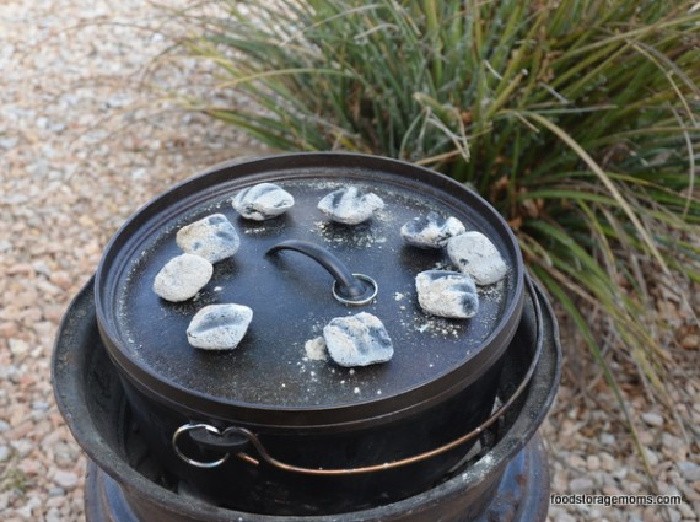
When the power goes out—or when you’re forced to cook outside due to heat, repairs, or emergencies—having the right tools makes all the difference. Outdoor cooking isn’t just for camping anymore. It’s a critical life skill during blackouts, natural disasters, grid failures, or fuel shortages.
This post covers 20 critical items you need to cook safely, efficiently, and confidently outdoors, whether you’re in your backyard or dealing with a long-term emergency.
1. Outdoor Cooking Stove or Grill
A reliable heat source is the foundation of outdoor cooking.
Options include:
- Propane grills
- Camp stoves
- Rocket stoves
- Charcoal grills
- Wood-burning stoves
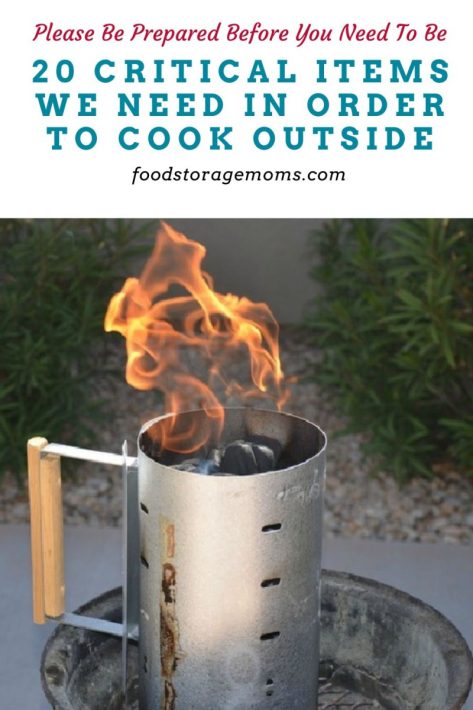
- Charcoal Starter
- Dutch Oven Stand
Choose based on fuel availability, cooking speed, and safety. For emergencies, simple stoves with minimal moving parts are often best.
Why it matters: No heat source = no hot meals, no boiled water, no sanitation.
2. Fuel Supply (Propane, Charcoal, Wood)
Your stove is useless without fuel.
Critical considerations:
- Store extra propane tanks or charcoal
- Keep dry firewood or biomass fuel
- Rotate fuel regularly
Plan for multiple cooking methods in case one fuel source becomes unavailable.
3. Fire Starters
Matches alone aren’t enough.
Best options include:
- Waterproof matches
- Lighters
- Ferro rods
- Fire starter cubes
- Fire Starters
Wind, rain, and cold make starting fires difficult; backup methods are essential.
4. Cast Iron Cookware
Cast iron works over any heat source, including open flames.
Benefits:
- Durable and nearly indestructible
- Retains heat well
- No coatings to fail
- How To Clean And Maintain Your Cast Iron Cookware
A Cast-iron Skillet and a Dutch Oven can replace an entire kitchen. Lodge Camp Dutch Oven Lid Lifter
5. Heat-Resistant Cooking Utensils
Plastic utensils melt fast outdoors.
Stock up on:
- Metal tongs
- Wooden spoons
- Stainless steel spatulas
- Stainless Steel Camping Mess Kit for Family
These tools protect your hands and make cooking safer over open flames.
6. Portable Table or Cooking Surface
You need a clean, stable place to prep food. Foldable Grill Table with Mesh Desktop
Why it’s critical:
- Prevents contamination
- Improves safety
- Keeps food off the ground
Even a folding table or sturdy crate can work in a pinch.
How To Make A Portable Kitchen
7. Wind Shield or Stove Guard
Wind steals heat and wastes fuel. Lodge Camp Cooking Table
A simple wind barrier:
- Speeds up cooking
- Conserves fuel
- Stabilizes flames
This small item makes a huge difference in outdoor efficiency.
8. Food Thermometer
Guessing can make people sick. Cooking Thermometer
Why it’s essential:
- Ensures food reaches safe temperatures
- Prevents undercooked meat
- Reduces foodborne illness
Outdoor cooking temperatures fluctuate more than indoor stovetops.
9. Cutting Board and Knife
Food prep still matters outdoors.
Choose:
- A sturdy cutting board
- A sharp, multi-purpose knife
Clean prep tools reduce waste, speed cooking, and improve food safety.
10. Pot Holders or Heat-Resistant Gloves
Outdoor cookware gets extremely hot. Silicone Gloves
Why you need them:
- Prevent burns
- Improve grip on heavy pots
- Protect hands during flare-ups
Silicone or heavy canvas gloves work best.
11. Water Supply
Cooking without water is nearly impossible.
You need water for:
- Boiling food
- Cleaning dishes
- Handwashing
- Drinking
- WaterBricks and WaterBrick Spigot and Water Preserver
Always store more water than you think you’ll need.
12. Dishwashing Setup
Sanitation prevents illness.
Basic setup includes:
- Dishpan or bucket
- Biodegradable soap
- Scrubber or cloth
Dirty dishes attract pests and bacteria—especially outdoors.
13. Aluminum Foil
Some foil is one of the most versatile tools you can own. Commercial Aluminum Foil (buy at Sam’s Club, it may be cheaper).
Uses include:
- Cooking packets
- Covering food
- Protecting cookware
- Heat reflection
It’s lightweight, inexpensive, and incredibly useful.
14. Trash Bags
Waste management matters even in emergencies. Buy at Costco or Sam’s Club for the best prices.
Why they’re essential:
- Prevent pests
- Maintain cleanliness
- Control odors
Heavy-duty trash bags have dozens of emergency uses beyond cooking.
15. Food Storage Containers
Leftovers happen—even outdoors.
Use containers to:
- Keep food safe
- Protect from insects
- Extend food life
A tight-fitting lid can save valuable calories.
16. Seasonings and Cooking Oil
Food fatigue is real.
Small seasonings make a big difference:
- Salt
- Pepper
- Oil or fat
- Basic spices
Flavor boosts morale and encourages people to eat properly during stress.
17. Lighting Source
Cooking doesn’t stop at sunset.
Reliable options include:
- Headlamps
- Lanterns
- Solar lights
- Flashlights
Hands-free lighting improves safety and reduces accidents.
18. Fire Safety Equipment
Outdoor cooking increases fire risk.
Always have:
- Fire extinguisher
- A bucket of water or sand
- Fire-safe area to cook in
- 20 Reasons to Have a Fire Extinguisher On Hand
Preparation prevents small mistakes from becoming disasters.
19. Weather Protection (Canopy or Tarp)
Weather doesn’t wait.
Protection helps you:
- Cook in the rain
- Shield from the sun
- Reduce wind exposure
A simple tarp can extend your cooking ability in harsh conditions.
20. Backup Cooking Plan
Redundancy is preparedness.
Have at least two ways to cook:
- Stove + grill
- Grill + fire pit
- Stove + solar cooker
- Fuel is Critical
If one system fails, you’re not stuck eating cold food.
Special Considerations for Families Cooking Outside
Cooking outdoors as a family isn’t just about having the right gear; it’s about safety, simplicity, nutrition, and emotional comfort, especially during stressful situations like power outages or emergencies. When kids, teens, older adults, or pets are involved, planning becomes even more important.
Safety Comes First When Children Are Nearby
Open flames, hot cookware, and unstable surfaces can be dangerous for curious kids.
Family safety tips:
- Create a clear “no-kid zone” around cooking areas
- Use sturdy, tip-resistant stoves or grills
- Assign one adult as the designated cook
- Keep pot handles turned inward
Teaching children early about fire safety can turn emergencies into learning moments rather than accidents.
Keep Meals Simple and Familiar
Stressful situations are not the time to experiment with new foods.
Why familiar meals matter:
- Kids eat better when food feels normal
- Familiar smells and flavors provide comfort
- Less food waste
Think soups, foil packet meals, grilled sandwiches, or one-pot dishes that feel like home.
Plan for Different Age Groups
Families often include people with very different needs.
Consider:
- Soft foods for toddlers or older adults
- High-protein options for teens
- Easy-to-hold foods for small hands
Offering a variety of textures and portions helps prevent hunger-related meltdowns.
Assign Age-Appropriate Tasks
Outdoor cooking is a chance to build confidence and teamwork.
Examples:
- Younger kids: washing vegetables, stirring (away from heat)
- Older kids: prepping ingredients, setting up tables
- Teens: managing timers or lighting
Involving kids keeps them engaged and reduces anxiety during emergencies.
Hydration Is Even More Critical for Families
Children dehydrate faster than adults.
Family hydration tips:
- Keep water bottles labeled by name
- Encourage frequent sips, not just at meals
- Avoid salty foods without enough water
Always plan extra water when kids are involved.
Food Safety Is Harder Outdoors
Warm temperatures and insects increase the risk.
Protect your family by:
- Keeping perishables in coolers
- Cooking smaller batches more often
- Covering food immediately after cooking
Foodborne illness hits kids harder than adults; don’t take chances.
Make Cleanup Easy and Predictable
Mess adds stress.
Family-friendly cleanup strategies:
- Use foil-lined cookware
- Choose one-pot meals
- Assign cleanup roles
Simple routines help kids feel secure when everything else feels uncertain.
Consider Emotional Comfort
Food is more than calories.
Outdoor cooking can:
- Create a routine during chaos
- Bring families together
- Offer reassurance through shared meals
Even lighting a lantern and sitting together can calm nerves.
Practice Before You Need It
The worst time to learn is during a crisis.
Practice ideas:
- Monthly outdoor family dinner
- “No power” meal night
- Kids help pack the outdoor cooking kit
Confidence grows through repetition.
Store Family-Sized Portions
Singles and families prep differently.
Think in terms of:
- Bulk ingredients
- Large pots
- Family-sized fuel supplies
Running out of food halfway through cooking is far more stressful with kids watching.
Keep a Written Outdoor Cooking Plan
In emergencies, clarity matters.
Include:
- Who cooks
- Where cooking happens
- What meals are easiest
- Backup fuel locations
A simple plan reduces confusion and arguments. When families eat well, they cope better. Prepared meals build prepared people.
Final Word
Outdoor cooking isn’t a luxury; it’s a critical preparedness skill. When the power goes out, restaurants close, or fuel becomes scarce, knowing how to cook outdoors safely helps keep your family fed, calm, and healthy. For families, outdoor cooking is about more than survival; it’s about stability, safety, and togetherness.
With proper preparation, cooking outdoors can feel calm, organized, and even comforting during difficult times. Start with what you have. Add items slowly. Practice before you need them. Preparedness always beats panic. May God bless this world, Linda
The post 20 Critical Items We Need in Order to Cook Outside appeared first on Food Storage Moms.
from Food Storage Moms
No comments:
Post a Comment