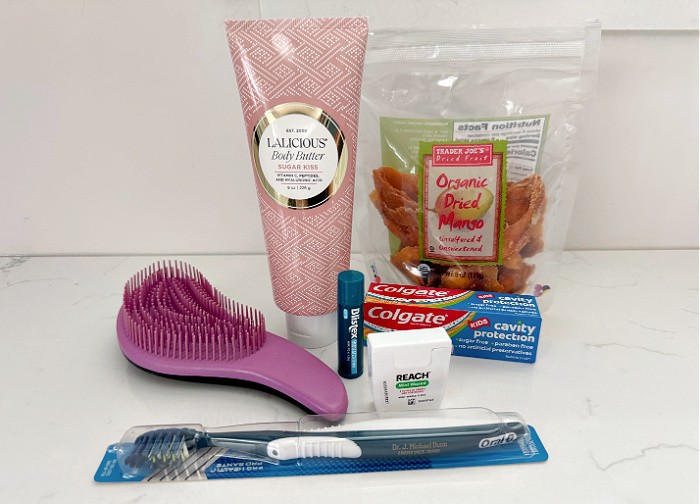
I highly recommend these 15 essential items for your hospital to-go bag. Preparing a hospital to-go bag in advance can reduce significant stress during an already emotional moment. I was transported by ambulance to a hospital in April 2024, unexpectedly. I wish I had had so many of these items in a bag that Mark could have brought to me after I was admitted to the hospital. No one plans on a hospital stay unless it’s for a scheduled medical procedure, right?
Whether you’re heading to the hospital for childbirth, needed surgery, or an unexpected emergency, having the right items packed means you can focus on what truly matters: your health and your family. Many people wait until the last minute, but hospitals are busy, unfamiliar, and not always comfortable.
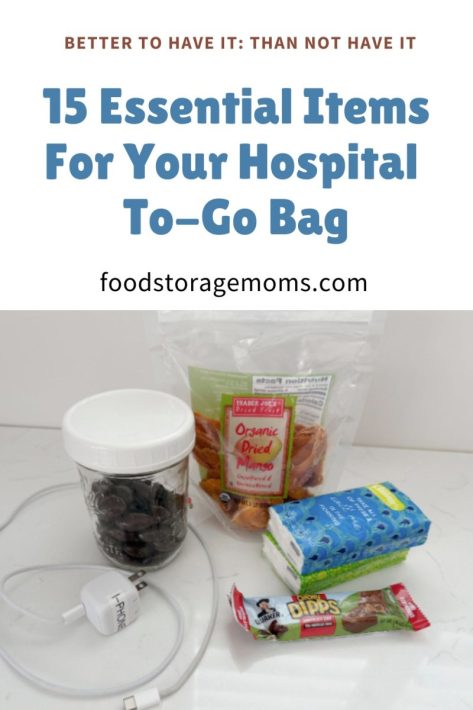
15 Essential Items For Your Hospital To-Go Bag
1. Important Documents and Identification
Your hospital bag should always start with critical paperwork. Without these items, admissions can be delayed or unnecessarily complicated. In stressful moments, details are easy to forget. Having everything in one folder or zippered pouch ensures quick check-in and prevents unnecessary frustration for you and hospital staff.
- Photo ID (driver’s license or state ID)
- Insurance cards
- Hospital pre-registration paperwork
- Birth plan or medical directives (if applicable)
- Emergency contact list
- Zippered Bag
2. Phone, Charger, and Extra-Long Charging Cable
Your phone becomes your lifeline in the hospital, for updates, photos, communication, and entertainment. Hospital outlets are often far from the bed. A long cable allows you to use your phone comfortably without stretching or getting out of bed.
- Your phone
- A wall charger
- An extra-long charging cord (6–10 feet)
3. Comfortable Clothing for Recovery
Hospital gowns are practical, but they aren’t cozy. Having your own clothing can make a huge difference. After procedures or childbirth, comfort is everything. Loose, breathable clothing helps with mobility, recovery, and dignity. You’ll likely be encouraged to walk during recovery. Proper footwear helps prevent falls and keeps your feet warm.
- Loose pajamas or a nightgown
- Soft robe
- Comfortable underwear
- Nursing-friendly tops (if applicable)
4. Non-Slip Socks or Slippers
Hospitals are cold, and floors can be slippery. You’ll likely be encouraged to walk during recovery. Proper footwear helps prevent falls and keeps your feet warm.
- Non-slip socks
- Soft slippers with rubber soles
5. Toiletries and Personal Hygiene Items
Hospitals provide basics, but they’re often generic and minimal. The last time I went to a hospital, they gave me a toothbrush that felt like it was designed for a toddler; I’m not kidding. Small comforts like washing your face or brushing your hair can dramatically improve how you feel, especially during longer stays.
- Toothbrush and toothpaste
- Face wash and moisturizer
- Deodorant
- Lip balm
- Hairbrush or comb
- Dry shampoo
6. Glasses, Contacts, and Vision Supplies
If you wear corrective lenses, don’t assume you’ll remember them on the way out the door. Clear vision helps you read paperwork, communicate with staff, and feel more in control during your stay.
- Glasses and case
- Contact lenses
- Contact solution
- Eye drops
7. Medications and a Current Medication List
Always bring a written list of medications, even if the hospital provides them. Hospitals may not carry your exact medication or dosage. A list helps prevent errors and expedite care.
- Prescription medications (if allowed)
- Vitamins or supplements
- A printed medication list with dosages
8. Snacks and Special Diet Foods
Hospital food has improved, but options may be limited, especially late at night. Hunger affects recovery and mood. Snacks are especially helpful for support partners or during long waits.
- Protein bars
- Crackers
- Trail mix
- Electrolyte drinks
- Diet-specific snacks (gluten-free, diabetic-friendly, etc.)
9. Refillable Water Bottle
Hydration is crucial for healing. It’s easier to track water intake when you have your own bottle, reducing reliance on disposable cups.
- A reusable water bottle with a lid or straw
10. Comfort Items from Home
Familiar items can provide emotional grounding in an unfamiliar environment. Hospitals are noisy and bright. Comfort items support rest, reduce anxiety, and improve overall well-being.
- Small blanket or pillow
- Eye mask
- Earplugs
- Favorite scent (roller or lotion)
11. Entertainment and Distractions
Downtime is common in hospitals. Distractions help reduce stress and pass the time, especially during recovery or waiting periods.
- Book or e-reader
- Tablet
- Headphones
- Puzzle book or journal
12. Cash and Small Change
Hospitals are cashless in many areas, but not all. Vending machines, parking meters, and hospital cafés sometimes require cash. Swelling, soreness, or medical devices can make tight clothing uncomfortable or impossible to wear.
- Small bills
- Coins
13. Going-Home Outfit
Plan ahead for discharge day.
- Loose, comfortable clothes
- Slip-on shoes
14. Items for a Support Person
If someone is staying with you, pack for them too. A comfortable support person can better support you. Hospitals typically provide limited support for overnight guests.
- Change of clothes
- Toiletries
- Phone charger
- Snacks
15. A Small Tote for Hospital Paperwork and Freebies
Hospitals often send you home with more than you expect. Discharge paperwork, prescriptions, baby items, or medical supplies can add up quickly.
- Foldable tote bag or reusable shopping bag
Frequently Asked Questions About Hospital To-Go Bags
What should I pack in a hospital to-go bag?
A hospital to-go bag should include essential documents, personal hygiene items, comfortable clothing, medications, phone chargers, snacks, and comfort items from home. Packing ahead of time ensures you’re prepared for planned procedures, childbirth, or unexpected hospital stays without added stress.
When should I pack my hospital bag?
It’s best to pack your hospital to-go bag at least 3–4 weeks before a scheduled hospital stay or due date. For emergencies, having a bag ready in advance can save valuable minutes and reduce anxiety.
Do hospitals provide toiletries and personal items?
Most hospitals provide basic toiletries such as soap, toothpaste, and disposable toothbrushes. However, these items are often minimal and generic. Bringing your own preferred products helps you feel more comfortable and refreshed during your stay.
How many bags should I bring to the hospital?
Most patients bring one main overnight bag and an optional small tote for paperwork or personal items. If a support person is staying overnight, they may want to bring a separate bag with clothing, toiletries, and snacks.
Should I bring my own medications to the hospital?
You should bring a current list of medications, including dosages and schedules. Some hospitals allow patients to bring their own medications, but always check the hospital’s policy before taking them during your stay.
What should a support person pack in a hospital bag?
A support person should pack comfortable clothing, toiletries, phone chargers, snacks, and entertainment items. Hospitals often don’t provide essentials for overnight guests, so planning ahead helps everyone stay comfortable.
Can I bring snacks and drinks to the hospital?
Yes, most hospitals allow snacks and non-alcoholic drinks. Bringing your own snacks is especially helpful if you have dietary restrictions or if hospital food services are limited late at night.
What should I wear home from the hospital?
Choose loose, comfortable clothing and slip-on shoes for going home. Swelling or soreness is common after medical procedures or childbirth, so comfort is more important than style.
Do I need to pack a hospital bag for emergencies?
Yes. A hospital to-go bag is helpful not only for childbirth but also for emergency room visits, surgeries, or sudden hospital admissions. Keeping one packed year-round ensures you’re ready for the unexpected.
Where should I store my hospital to-go bag?
Store your hospital bag in an easy-to-access place such as a bedroom closet or entryway. Make sure everyone in your household knows where it’s located so it can be grabbed quickly if needed.
Can I reuse my hospital to-go bag?
Absolutely. After each hospital stay, restock used items, update documents, and refresh clothing or snacks. Reusing a hospital bag saves time and keeps you prepared for future needs.
Is a hospital to-go bag different from a labor and delivery bag?
A labor and delivery bag focuses on childbirth-specific items, while a hospital to-go bag is designed for any hospital stay. Many items overlap, making this checklist versatile and practical for a wide range of situations.
MRSA: Everything You Need to Know
What You Need in Your Car for Winter
Final Word
A hospital to-go bag isn’t just for expectant parents; it’s smart preparation for any planned or unexpected hospital stay. Packing ahead gives you peace of mind and one less thing to worry about when emotions are high.
Store your bag in an easy-to-grab location and revisit it every few months to refresh snacks, clothing sizes, and documents. Preparedness isn’t about fear; it’s about caring for yourself and your family when it matters most. May God bless this world, Linda
The post 15 Essential Items For Your Hospital To-Go Bag appeared first on Food Storage Moms.
from Food Storage Moms
No comments:
Post a Comment