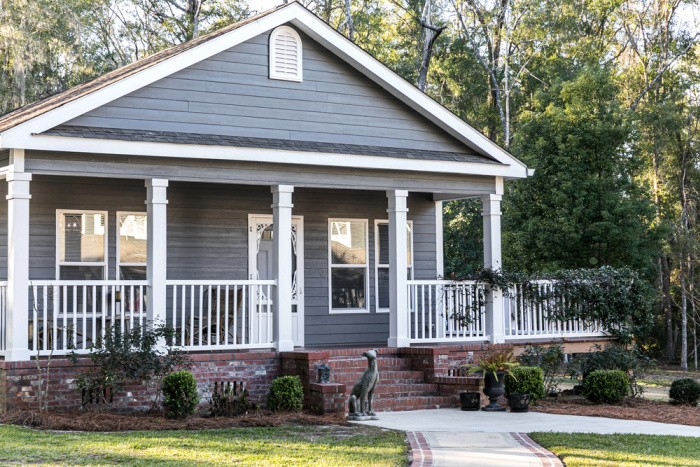
Accessory Dwelling Units, commonly called ADUs, are becoming one of the most talked-about housing solutions in the United States. Whether you’ve heard them called a granny flat, in-law suite, backyard cottage, or garage apartment, ADUs are changing how families think about space, independence, and long-term housing security.
With rising housing costs, multigenerational living, and evolving zoning laws, ADUs are no longer a niche idea; they’re a smart, flexible housing option worth understanding. They can provide a lifetime stream of income for the landowners on which they are located. Smart move.
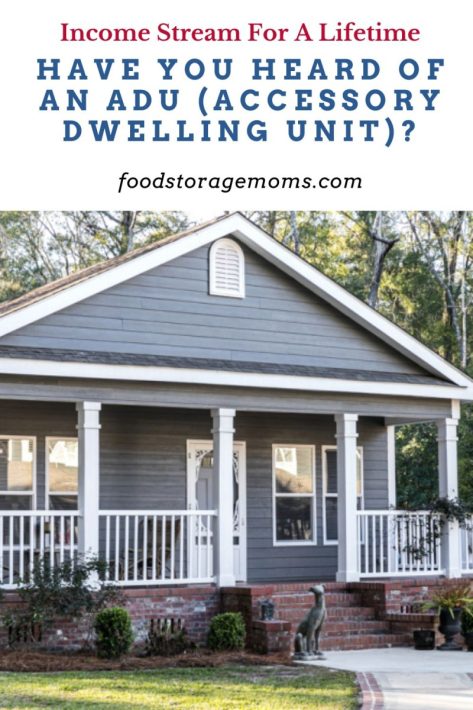
Mark and I built one of these in the backyard of our daughter’s home. They have great options now in Salt Lake City, Utah. Here is a great article, ADU Utah. Utah and other states recognize that the high cost of buying homes today is out of reach for most young families.
This program will lend up to $200,000.00 at 3% interest until funds are exhausted. This would be ideal for a Mother-in-law apartment, married children, or college students, and you can earn extra income by renting it out, depending on your local zoning requirements. We wouldn’t have qualified for this program, as we are in another city.
What Is an ADU (Accessory Dwelling Unit)?
An Accessory Dwelling Unit (ADU) is a secondary, self-contained living space located on the same property as a primary single-family home. It has its own kitchen, bathroom, sleeping area, and entrance, but remains legally tied to the main residence.
ADUs are smaller than the main home and are designed to function as a complete living unit.
Key characteristics of an ADU:
- Separate entrance
- Full kitchen, sleeping, and bathroom areas
- Independent living space
- Located on the same lot as a primary home
Types of ADUs You Should Know About
Detached ADU
A standalone structure, often built in the backyard. These resemble small cottages or tiny homes and offer the highest level of privacy.
Attached ADU
Connected to the main house, often built as an addition. This option usually shares at least one wall with the primary home.
Garage Conversion ADU
An existing garage converted into a livable unit. This is often one of the most cost-effective ADU options.
Interior ADU
Created inside the existing home, such as a finished basement or converted attic with a separate entrance.
Why Are ADUs Becoming So Popular?
ADUs solve multiple problems at once—housing shortages, affordability issues, and family care needs.
Common reasons homeowners build ADUs:
- Housing aging parents while maintaining privacy
- Providing space for adult children
- Generating rental income
- Increasing property value
- Downsizing without leaving familiar neighborhoods
In many areas, states and cities are actively loosening zoning restrictions to encourage ADU construction.
Pros of Accessory Dwelling Units
Additional Income Potential
Renting out an ADU can provide steady monthly income, whether long-term or short-term (where permitted).
Multigenerational Living Made Easier
ADUs allow families to live close together while maintaining independence, making them ideal for seniors, caregivers, and young adults.
Increased Property Value
Homes with legal ADUs often appraise at higher values and attract more buyers due to their flexibility and income potential.
More Affordable Housing Options
ADUs are typically more affordable to build than purchasing a second home or investment property.
Aging in Place
Homeowners can move into the ADU later in life and rent out the main house, allowing them to stay in their community.
Efficient Use of Land
ADUs maximize the use of existing residential land without sprawling development, benefiting neighborhoods and cities.
Cons of Accessory Dwelling Units
High Upfront Costs
Building an ADU can be expensive, especially for detached units. Costs may include:
- Construction
- Permits and fees
- Utility upgrades
- Architectural plans
Zoning and Permit Challenges
Although laws are improving, local regulations vary widely. Some areas still have strict rules regarding size, parking, or occupancy.
Privacy Concerns
Having another household on your property can feel intrusive if boundaries aren’t clearly defined.
Increased Maintenance
More living space means more repairs, utilities, and long-term upkeep.
Financing Can Be Complicated
Not all lenders offer ADU-friendly loans, and financing options may be limited depending on your location.
How Much Does It Cost to Build an ADU?
Costs vary greatly depending on size, location, and type, but general estimates include:
- Garage conversion: Lower cost option
- Attached ADU: Moderate cost
- Detached ADU: Highest cost due to foundation, utilities, and materials
Labor, local permitting fees, and utility connections can significantly impact the final price.
Are ADUs Legal Everywhere?
No, but they are becoming more widely accepted.
Many states (including California, Oregon, and Washington) have passed laws that override local zoning restrictions to allow ADUs. However, rules still vary by city and county.
Always check:
- Local zoning laws
- Building codes
- HOA rules
- Rental regulations
Who Should Consider Building an ADU?
ADUs are especially beneficial for:
- Families planning for aging parents
- Homeowners needing supplemental income
- Those interested in long-term preparedness and housing flexibility
- Property owners in high-cost housing markets
If you value independence, resilience, and adaptability, an ADU can be a powerful long-term investment.
Types of ADUs That Work Best for Homesteaders
In preparedness and homesteading communities, housing isn’t just about comfort—it’s about resilience, flexibility, and long-term survival planning. That’s where Accessory Dwelling Units (ADUs) quietly shine.
An ADU can serve as backup housing, income security, elder care space, or a self-sufficient living unit during emergencies. Whether you’re preparing for economic instability, natural disasters, or multigenerational living, an ADU can be a powerful addition to your homestead or preparedness plan.
Detached ADU (Backyard Cottage or Tiny Home)
Ideal for homesteaders who want clear separation and independence. These are excellent for:
- Aging parents
- Adult children
- Long-term guests
- Caretakers or farm help
Garage Conversion ADU
A popular choice for preppers because it:
- Uses existing space
- Requires fewer materials and related costs
- Can be completed faster than new construction
This option works well as temporary emergency housing or as a backup living space if the primary residence becomes uninhabitable.
Interior or Basement ADU
Interior ADUs are useful in colder climates and offer:
- Better insulation
- Easier utility access
- Storm protection
For preparedness families, these units can double as shelter-in-place housing during extreme weather events.
Final Thoughts on Accessory Dwelling Units
Accessory Dwelling Units are more than a housing trend; they’re a practical response to modern living challenges. Whether you’re thinking about family, finances, or future security, ADUs offer flexibility that traditional housing simply can’t.
For families focused on resilience, self-sufficiency, and long-term security, an ADU isn’t just an upgrade; it’s a smart plan. Before building, take time to research local laws, costs, and long-term goals. When done right, an ADU can enhance both your property value and your quality of life. May God bless this world, Linda
Copyright Images: Small Blue Gray Home Depositphotos_445345598_S
The post Have You Heard of an ADU (Accessory Dwelling Unit)? appeared first on Food Storage Moms.
from Food Storage Moms
No comments:
Post a Comment