Hantavirus: What It Is, how it spreads, and how to protect your family. Here’s a plain-language post to help you understand hantavirus, recognize the risks, and take simple steps to keep your household safe. Most people go their entire lives without thinking about hantavirus. Then a news story surfaces about a confirmed case, and suddenly the questions come flooding in. What exactly is hantavirus? How do people catch it? Could my family be at risk? This post answers all of those questions in plain, straightforward language so you can feel informed and prepared, not panicked.
When Mark and I lived in Southern Utah, the news would report a few cases of Hantavirus each year. We had desert rats and mice. I can’t forget the cockroaches. We had the outside of our house sprayed monthly, safe or not, I didn’t want dirty cockroaches in my house. We did have traps for the rats and mice, and our home was meticulously clean, as was our yard. These critters want to “nest” when the time is right. When you live in the desert, you get used to desert rats and mice; we took over their terrain if you think about it. We had to have a special group come and get rid of desert rats that had made a home in my pool toy container, which held life jackets; they had a heyday shredding them.
It wasn’t until I saw that Gene Hackman and his wife may have had Hatavirus that I thought about writing this post. Gene Hackman’s Wife BBC Article. Then this week, a cruise line had a Hantavirus infestation, with 3 deaths so far. Here is one article,
European Center for Disease Prevention and Control
Hantavirus: What Is It?
Hantavirus is a family of viruses carried primarily by wild rodents. The virus doesn’t make the rodents themselves visibly sick, which is part of what makes it tricky from a public health perspective. Instead, infected rodents shed the virus in their urine, droppings, and saliva throughout their lives. Humans can become infected when they come into contact with these materials, most often by inhaling airborne particles.
There are several strains of hantavirus found around the world. In North and South America, the strain that causes the most serious illness is known as Sin Nombre virus, which leads to a condition called Hantavirus Pulmonary Syndrome (HPS). In parts of Europe and Asia, different strains cause a related but distinct condition called Hemorrhagic Fever with Renal Syndrome (HFRS). This article focuses primarily on the North American context and HPS.
Key fact: Hantavirus isn’t a new disease. It’s likely existed for centuries, but it was first formally identified and described by scientists in the United States in 1993 during an outbreak in the Four Corners region of the Southwest (Utah, Arizona, Colorado, and New Mexico).
Which Animals Carry Hantavirus?
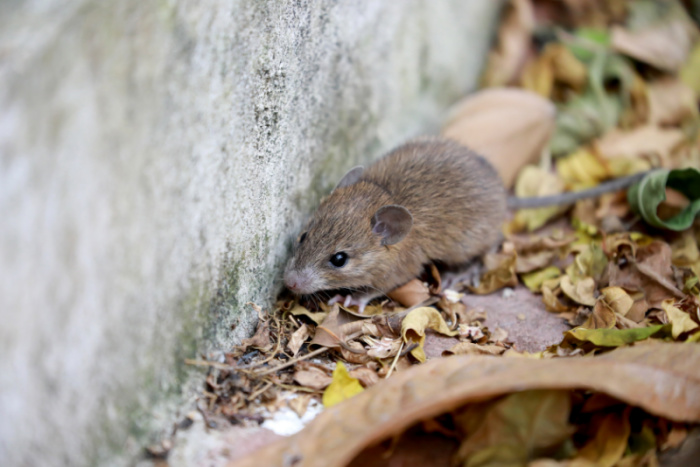
In North America, the primary carrier of the Sin Nombre hantavirus strain is the deer mouse (Peromyscus maniculatus), a small, large-eared rodent with a white belly that’s common across much of the continent. Other rodent species can carry different hantavirus strains, including the white-footed mouse, the cotton rat, and the rice rat.
Not every wild mouse or rat carries hantavirus. Infection rates in rodent populations vary significantly by region and by season. However, because you can’t tell by looking at a rodent whether it’s infected, it’s wise to treat all wild rodents and their traces as potentially hazardous. Hantavirus isn’t known to be carried by common household pets such as dogs and cats. It’s also not carried by insects, birds, or livestock.
How Does Hantavirus Spread to People?
The most common way a person contracts hantavirus is by inhaling tiny airborne particles contaminated with the virus. This happens when dried rodent urine, droppings, or nesting materials are disturbed, causing particles to become airborne. Sweeping out a dusty shed, cleaning an old cabin that has been closed for months, or moving a pile of wood where mice have nested are all scenarios that can stir up these particles.
Less commonly, a person can be infected by touching something contaminated with rodent secretions and then touching their mouth or nose, or through a bite from an infected rodent. Person-to-person transmission of North American hantavirus strains hasn’t been documented. You can’t catch hantavirus from another sick person, which distinguishes it from many other respiratory illnesses.
Higher-risk situations to be aware of
Certain activities and settings carry a higher chance of exposure than others. Opening and cleaning a building that has been closed for a long period is one of the most commonly cited risk factors, as mice may have nested inside during the off-season. Agricultural work, camping, and hiking in areas with high rodent populations also increase the risk of exposure. Construction and excavation work can disturb rodent burrows and nesting sites.
What Are the Symptoms?
One reason hantavirus is taken seriously by public health officials is that Hantavirus Pulmonary Syndrome can be severe and progress rapidly. Early symptoms, which appear one to five weeks after exposure, can resemble those of influenza and include fatigue, fever, muscle aches (particularly in the large muscle groups of the thighs, hips, back, and shoulders), headaches, dizziness, chills, and sometimes stomach upset.
Four to ten days after the early phase begins, symptoms progress to include coughing and shortness of breath as the lungs fill with fluid. This respiratory phase is the dangerous stage of the illness. Anyone experiencing these symptoms after a known or possible rodent exposure should seek medical care immediately and inform their healthcare provider about the potential exposure.
When to seek help: If you’ve been in an environment with signs of rodent activity and develop fever, fatigue, and difficulty breathing within a few weeks, contact a doctor promptly and mention the possible exposure. Early medical attention is important.
How to Protect Your Family: Prevention Tips That Work
The encouraging news is that hantavirus infection is entirely preventable. Because the virus doesn’t spread through the air between people and requires direct contact with infected rodent materials, following a handful of practical precautions greatly reduces your risk. N-95 Masks, Disposable Gloves.
Keep rodents out of your home
The single most effective strategy is preventing rodents from entering your living spaces in the first place. Seal any gaps or holes in walls, foundations, and around pipes that are larger than a pencil eraser. Store food, including pet food and birdseed, in sealed metal or heavy plastic containers. Keep firewood stacked away from the house and elevated off the ground. Reduce clutter inside and around the home, as piles of boxes, newspapers, and similar materials create attractive nesting spots.
Clean safely when rodents have been present
If you discover signs of rodents in a space such as a garage, storage shed, attic, or vacation cabin, resist the urge to sweep or vacuum immediately. Dry sweeping and vacuuming can send virus particles into the air. Instead, air out the space by opening windows and doors for at least 30 minutes before entering. Wear rubber, latex, or vinyl gloves along with a quality face mask. Spray droppings, nesting materials, and contaminated surfaces with a disinfectant solution or a bleach-and-water mixture, and let it soak for 5 minutes before wiping up with a damp cloth or paper towel. Double-bag the waste and dispose of it in a sealed trash container. After cleaning, wash your hands thoroughly with soap and water.
For heavily infested spaces, consider contacting a professional pest control service before attempting to clean. In some situations, wearing an appropriate respirator (rated N95 or higher) is also recommended.
Be cautious in outdoor settings
When camping or hiking, avoid sleeping on bare ground in areas with obvious rodent activity. Use a tent with a floor, and keep food stored in rodent-proof containers. Don’t disturb or pick up wild rodents, alive or dead.
Treatment and Outlook
There is currently no specific antiviral drug approved to treat hantavirus infection. Treatment focuses on managing symptoms and supporting the patient, often in an intensive care setting where doctors can assist with breathing and maintain blood oxygen levels. The sooner a patient receives supportive care, the better the outcome tends to be, which is why recognizing symptoms early and seeking medical help promptly is so important.
Hantavirus Pulmonary Syndrome has a significant fatality rate, historically estimated between 30 and 40 percent in the United States according to the Centers for Disease Control and Prevention. However, it’s also relatively rare. The CDC typically records fewer than 50 cases per year in the United States, and most people who spend time outdoors or encounter rodents will never be exposed to an infected animal.
Frequently Asked Questions
Can I get hantavirus from my cat or dog bringing in a dead mouse? The primary risk would come from handling the dead mouse directly, not from your pet. Pets can carry contaminated material on their fur, so washing your hands after handling them in areas where rodents are present is a good habit. Cats and dogs aren’t known to be carriers of hantavirus.
Is hantavirus contagious between people? The North American strains of hantavirus, including the one causing Hantavirus Pulmonary Syndrome, aren’t known to spread from person to person. You can’t catch it from a sick family member or coworker.
Should I be worried about my child playing outside? Every day, outdoor play carries a very low risk. Teach children not to handle wild animals or disturb burrows, and to wash their hands after playing outdoors, especially in areas where rodents may be present. Simple hygiene habits go a long way.
How do I know if my home has a rodent problem? Look for droppings (small, dark, pellet-shaped), gnaw marks on food packaging or wood, nesting materials such as shredded paper or fabric, and evidence of gnawing around entry points. Rodent activity often increases in fall and winter as animals seek warmth.
Where in the United States is hantavirus most common? Cases have been reported in most U.S. states, but the highest concentrations have historically been in rural western and southwestern Regions. States including New Mexico, Colorado, Arizona, and California have recorded the most cases, though the deer mouse range spans most of North America.
How would people on a cruise ship get hantavirus? Although the recent sickness and deaths on a cruise ship that visited some African locations are still being investigated, it’s believed that rodents may have entered the ship’s storage areas. Certain foodstuffs are often stored below decks until needed for meal preparation. It should also be noted that some variants have shown an ability to move from human to human, although very rare.
How To Love Cleaning Bathrooms
Final World
Hantavirus is a serious illness, but most people can effectively protect themselves by understanding how it spreads and taking a few common-sense precautions. Keep rodents out of your living spaces, clean contaminated areas safely, and avoid disturbing rodent nesting sites without protection. If you suspect exposure and develop respiratory symptoms, reach out to a healthcare provider right away and mention the potential contact. Awareness is the most powerful tool you have. Now that you know what hantavirus is and how to reduce your risk, you are far better equipped to keep your home and family safe. May God bless this world, Linda
Copyright Images: Rats Contagious Diseases AdobeStock_391154510 By Thongchai, Mouse Desert With Long Tail AdobeStock_364384365 By Michael
The post Hantavirus: What Is It? appeared first on Food Storage Moms.
from Food Storage Moms
No comments:
Post a Comment