Submissions     Contact     Advertise     Donate     BlogRoll     Subscribe                         

Sunday, May 31, 2026

2026 Summer Prepping Checklist. Are You Ready?

Last July, my garage hit 104°F and nature reminded me that no matter how prepared you think you are, it’ll find a way to punch holes in your plan. The flaw in my setup showed itself when a case of canned tomatoes I’d had on the shelf for about eighteen months started swelling at the seams. Not all of them, just the ones stacked closest to the south-facing wall. 

The acid in tomatoes reacts with the tin lining when temperatures climb past 95°F for extended stretches, and what looked like a perfectly good rotation suddenly turned into a biohazard sitting next to my workbench. 

That’s the kind of thing nobody warns you about when you first start building a stockpile, and it’s exactly why summer is the perfect season to have a prepping checklist.

The Truth About Rice and Other Grains

Grain weevils, rice moths, and Indian meal moths all become active when storage temperatures cross 75°F. Their eggs are already in your grain when you buy it. Every bag of flour, rice, oats, cornmeal, and pasta from any grocery store comes with microscopic eggs already deposited by the producer’s facility. Cold storage keeps them dormant, while warm storage wakes them up.

👉This Is Why You Shouldn’t Stockpile Beans and Rice!

The fix is dry ice or oxygen absorbers in sealed mylar, and it has to be done right or you’re just creating a sealed environment for the bugs to thrive in:

  • For mylar with oxygen absorbers, you need at least 5-mil thickness (most cheap mylar is 3.5-mil and pinholes will let oxygen back in within months). 
  • For dry ice treatment, you place about three ounces of dry ice per five-gallon bucket on top of the grain, let it sublimate completely with the lid resting loose for about thirty minutes, then seal. The CO2 displaces oxygen and suffocates any active insects and most eggs.

If you’re already stored and just want to check, pour a cup of your stored rice or wheat onto a white plate and leave it under a bright light for ten minutes. Any movement, any tiny dark specks crawling, you’ve got an infestation. The whole bucket is compromised. You can still salvage the grain by freezing it for a week (kills all life stages), then re-storing in properly sealed mylar, but don’t pretend it’s pristine.

What 95°F Storage Actually Does to Your Cans 

FRT bannerThe shelf life printed on a can assumes storage at around 70°F. For every 18°F above that, the chemical degradation roughly doubles.

A can rated for five years sitting in a 95°F shed is realistically giving you maybe eighteen months of true nutritional integrity before the vitamins start collapsing and the seals begin to fatigue. 

Also, high-acid foods like tomatoes, citrus, pickled goods, and anything with vinegar will go first. The acid eats through the protective lining and you’ll start getting metallic taste, then eventually botulism risk if seals fail.

Walk your stockpile this week and physically touch the tops and bottoms of every can. Any flex, any popping sound, any bulge, that one goes in the trash. Don’t compost it, don’t feed it to the chickens, bag it and bin it. Botulinum toxin doesn’t care about your livestock either.

For jars, the lid is your tell. Press the center. If it pops back, the seal is broken and oxygen has been getting in for who knows how long. Even if the contents look fine, toss it. Some preppers will tell you to reprocess, but reprocessing food of unknown age and contamination history is asking for trouble you don’t need.

What to Do With the Expired Food

An expired can isn’t automatically garbage, but it isn’t automatically safe either. 

For example, low-acid canned goods (beans, corn, peas, meats) that are within two years past their printed date, with no bulging, no rust, no dents along the seam, and that hiss properly when opened, are generally fine. 

👉Did You Know You Can Turn Food Waste Into Fuel? Here’s My Method!

It’s also important to take a smell test on a small amount and then cook thoroughly. I’ve eaten ten-year-old canned chicken from a properly stored basement. It was bland, but safe.

High-acid foods past their date go in the trash. The risk-to-reward ratio isn’t worth it. Anything with even slight rust along the seam, anything that hisses wrong (you’ll know the difference!), anything with off-color or texture, all of it gets tossed without debate.

Water Storage in Summer is a Different Animal

UV exposure breaks down plastic faster than you realize. If your blue 55-gallon drums are sitting where summer sun touches them even briefly each day, you’re getting phthalate leaching into your water supply. 

Cover them, move them, or wrap them in heavy-duty reflective material. Same applies to those stacked 5-gallon water bricks in the garage.

It’s also worth mentioning that bleach loses potency in heat.

The bottle of plain unscented bleach you bought in March for water purification has already lost a percentage of its sodium hypochlorite by July. Bleach degrades roughly 20% per year at room temperature, faster in heat. Calcium hypochlorite (pool shock) is your better summer storage option because it’s stable as a dry powder for years and a small amount treats enormous volumes of water. One pound treats about 10,000 gallons. Store it separately from anything organic because it’s an oxidizer.

Also (and I really can’t stress this enough), the best way to avoid this kind of hassle altogether is to buy or even build your own atmospheric water generator. It’s one of the most useful devices you can own, since it essentially pulls water straight out of thin air and doubles as a water filter.

Ammo and Optics 

Brass-cased ammunition stored in fluctuating humidity will develop verdigris, that green corrosion, around the case mouth. Toss a few silica gel packs into your ammo cans and replace them annually. 

Battery-powered optics, red dots especially, will drain faster in heat. Pull the batteries on anything you’re not using regularly and store them separately.

The Medicine Cabinet Gets Forgotten Every Year

This is What Happens When You Take Expired MedicationsInsulin, EpiPens, and most antibiotics lose potency rapidly above 86°F. If you’ve got a family member dependent on temperature-sensitive medication, summer is when your power-out plan gets tested whether you want it to or not.

A Yeti cooler with rotating frozen water bottles will hold safe temperatures for 72 hours if you’re disciplined about opening it.

Beyond that, you need either a generator-powered fridge or you can bury them underground – for this, you can follow this DIY Buried Fridge

Check expiration dates on your antibiotics, pain relievers, and any prescription stockpile. The often-cited military study showing many medications remain potent decades past expiration applies to dry tablets stored cool and dark. It does not apply to liquids, suspensions, or anything stored in a hot garage. Tetracycline antibiotics specifically can become toxic past expiration.

HERE’S THE LIST of medications you can still safely take after they expire.

The Actual Checklist Before You Close the Tab

Print this. Tape it to the inside of your storage room door. Walk through it with a pen in hand, not from memory.

Canned Goods

  • Touch the top and bottom of every can. Any flex, bulge, or pop means trash.
  • Inspect every seam for rust, dents, or seepage.
  • Pull anything high-acid (tomatoes, citrus, pickled) older than 18 months in hot storage.
  • Wipe down shelves and check for rodent droppings or insect frass behind the cans.
  • Rotate oldest to the front, restock the back.
  • Log what got tossed and what needs replacing before fall.

Jars

  • Press every lid center. Pops back means broken seal, throw it out.
  • Check for cloudy liquid or color shifts compared to a fresh jar – take a test after this method.
  • Confirm rings are clean and not rusting onto the jars.
  • Move anything in direct or reflected sunlight to a darker spot.
  • Wipe jar exteriors. Sticky residue attracts ants and moths fast in summer heat.
  • Date every jar with masking tape if you haven’t already.

Grains & Dry Goods

  • White plate test on rice, wheat, oats, flour, cornmeal, pasta. Ten minutes under a bright light.
  • Check mylar bags for pinholes, especially along seal lines.
  • Verify oxygen absorbers haven’t expired or been compromised (the indicator should still be pink).
  • Pull any brown rice older than six months and use it now or trash it.
  • Confirm storage temperature stays below 75°F. If it doesn’t, fix that before you fix anything else.
  • Inventory how many pounds of each grain you actually have.
  • Inspect buckets for cracks near the rim.

Water

  • Inspect drums for UV damage, algae, or sediment buildup.
  • Cover or relocate anything getting direct sun.
  • Test stored water with a TDS meter if you have one, sniff and visually check if you don’t.
  • Rotate any water stored longer than 12 months unless it’s properly treated.
  • Verify bleach hasn’t expired. Replace anything over six months old.
  • Confirm calcium hypochlorite is dry, sealed, and stored away from organics and metals.
  • Check filtration systems (Berkey, Sawyer, etc.) for cracks, mold, or worn gaskets.

Medical

  • Inventory all prescriptions and note exact expiration dates.
  • Identify everything temperature-sensitive and confirm the cool-storage plan.
  • Test the backup cooler with thermometer and frozen bottles for 72 hours.
  • Toss anything past date that’s liquid, suspension, or tetracycline-based.
  • Restock bandages, gauze, tape, and anything used in the last six months without replacement.
  • Make sure you always have these 7 medicines in your stockpile – they are crucial when SHTF!

Ammo & Firearms

  • Open every ammo can and inspect for verdigris on case mouths.
  • Replace silica gel packs.
  • Function-check every firearm in the rotation.
  • Wipe down anything in long-term storage and reapply a light protective oil.
  • Pull batteries from optics, lights, and lasers not in daily carry.
  • Confirm magazines are loaded to spec and springs aren’t taking a set.
  • Check ammo can gasket seals. Cracked rubber means moisture is already getting in.

Tools & Equipment

  • Run the generator. Actually start it. Don’t just look at it.
  • Top off fuel and add stabilizer if it’s been sitting.
  • Test every flashlight, headlamp, and lantern.
  • Make sure you check and replace old batteries lying around. Also, you can learn how to recondition old batteries instead of throwing them out.
  • Verify if your hand pumps, hand grinders, hand saws actually work.
  • Inspect any solar panels for dust, or connector corrosion under the junction box.

Perimeter & Property

  • Walk every fence line and gate.
  • Check for storm damage, washouts, and overgrowth blocking sight lines.
  • Move flammable storage at least twenty feet from propane and fuel tanks.
  • Confirm gutters and drainage paths are clear before late-summer storms.
  • Test motion lights and security cameras – here’s how!
  • Verify your bug-out vehicle starts, has fuel, and the tires hold pressure.

Documents & Cash

  • Confirm physical copies of IDs, deeds, insurance, and medical records are in your fireproof storage.
  • Refresh emergency cash. Small bills.
  • Update the family communication plan if anything’s changed (numbers, addresses, meetup points).

Get out there before the worst of the heat sets in. Bring a notebook, not just this checklist. Write down what you find, what needs fixing, and what needs replacing before September. Your future self will thank you when you’re not scrambling in October. 


You may also like:

Grid Phantom - AI Defense SystemDoomsday-Proof Medicinal Stockpile

What Every Prepper Over 60 Wishes They’d Known Before a Blackout (VIDEO)

One Month $0 A Day Prepping Ideas

DIY Gunshot Wound Kit For When SHTF

What the “Prepping Experts” Are Hiding from You

The post 2026 Summer Prepping Checklist. Are You Ready? appeared first on Ask a Prepper.


from Ask a Prepper https://ift.tt/qPFtHjZ

What To Stock Up On In June

Watermelon

Today, it’s all about what to stock up on in June! Oh my gosh, I love sharing my bargain tips with you. Nothing is better than saving money on those things we need each month. I’m updating the post today as I do every year. Life is good when we save money on those things we need, right?

Now more than ever, we must stock up on those items we need if we can find them. Please check the dates, as you may be getting old stock hitting grocery store shelves. As always, remember to rotate, donate, or discard as needed.

June is National Migraine and Headache Awareness Month, so it’s a great month to stock up on OTC medications you may often use. Be sure to look for reduced prices on aspirin, Tylenol, and sinus medications.

June 10th is National Iced Tea Day, so you’ll see a lot of tea sales! I grew up on Sun Tea—it’s the best! So, let’s get started with the best buys this month.

Please plant a garden or find a nearby farmers’ market. We must be able to grow some of our food. We can do it!

Urgent Stock Up 6-1-2026

Motor Oil will be in short supply soon if it isn’t already. Auto News. If you need new tires, buy them now! Please check the dates on your batteries for your vehicles, trucks, cars, motorcycles, etc. I think 3- 5 years is recommended. It doesn’t matter about the mileage. I am not a mechanic, I’m just being realistic. Triple AAA.

What To Stock Up On In June

Stock Up On Onions

Seasonal Produce

Fruit In Season

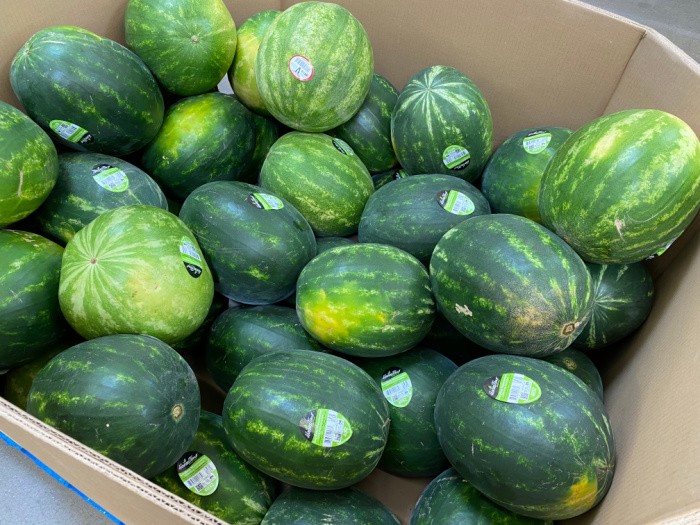
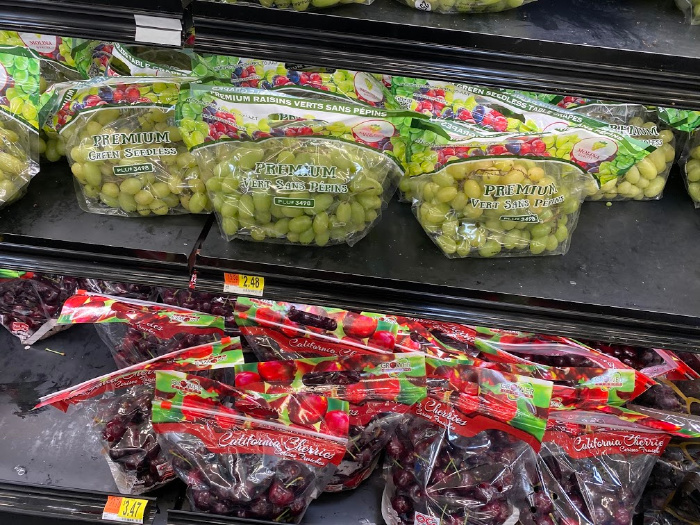
This is a great month to enjoy fresh fruits, like blueberries, strawberries, boysenberries, cherries, nectarines, grapes, peaches, oranges, honeydew, and watermelon. There is something about biting into a lovely watermelon. Mark knows how to pick them out, every single time. He does the “knock-knock” on the melon. If it sounds hollow, it’s perfect, or at least we hope so.

We’ve been eating a lot of naval oranges lately. We’ve been buying them by the box from Costco most of the time, but our local grocery store also carries some with great flavor. I’ve been trying to eat an orange as a mid-day or late-night treat.

Watermelon

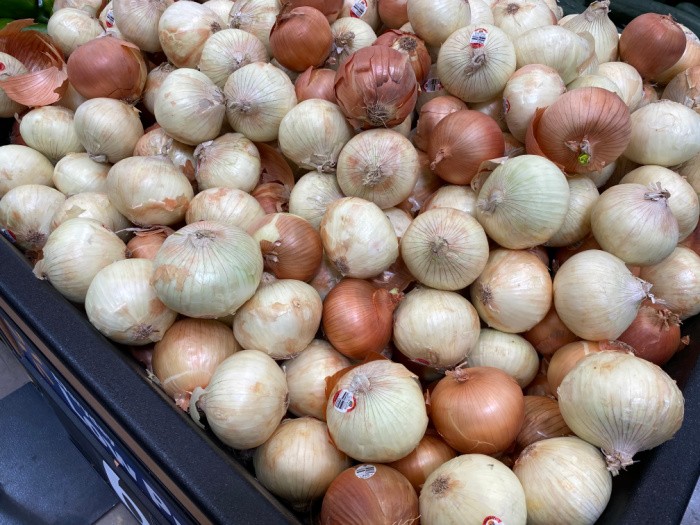
Be ready for your favorite vegetables: corn, potatoes, summer squash, sweet Vidalia onions, red onions, tomatoes, and cucumbers. Oh my gosh, eating in-season produce is the best. If you’re trying to eat healthier fruits and veggies, now is the time to stock up.

When the girls were still at home, this was the time of year when we started our annual canning projects. I fondly remember them picking the green beans, strawberries, and other items from our garden. They loved being involved, and I loved teaching them some self-reliance skills.

Onions

The fresh fruits and vegetables taste like the real deal because they are truly fresh! You are so lucky to have a farmer’s market near you!

Dairy Products

Dairy Products

June is National Dairy Month. It started in 1937 as National Milk Month to promote drinking milk. That’s an interesting tidbit.

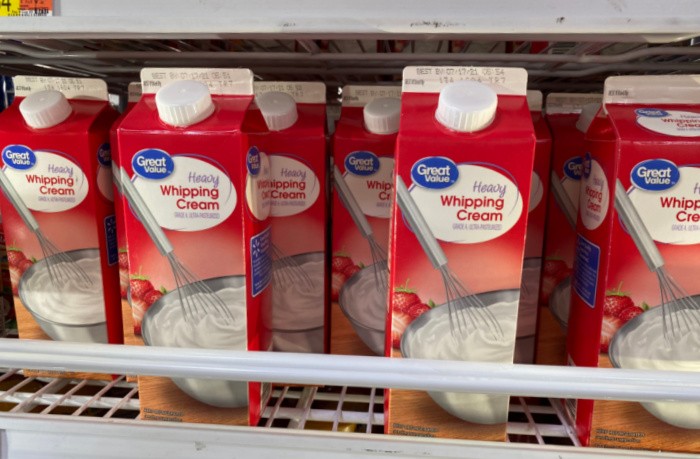
Whipping Cream

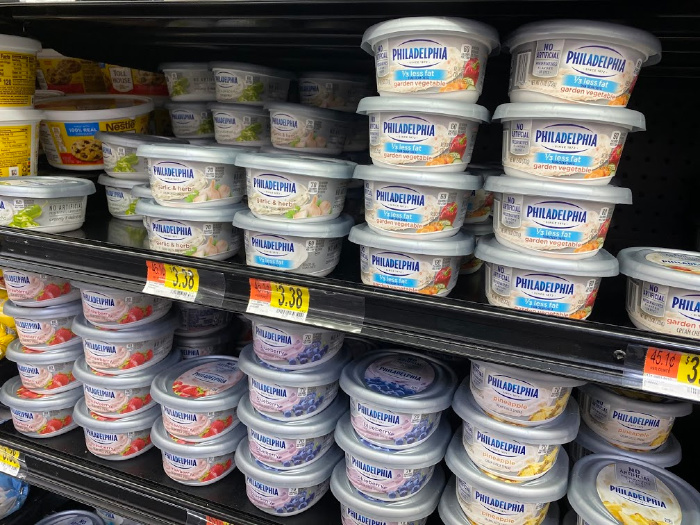
Anyway, it’s a great month to watch for deals on milk, whipping cream, cream cheese, eggs, and all varieties of cheese. It’s a great month to stock up on those items you need for those special party and reunion recipes at reduced prices. Do you remember me telling you we can FREEZE whipping cream in the cartons? SQUEAL! I do it all the time now, and I will never run out of whipping cream again! You freeze it “as is” in the cartons; how simple is that?

Donuts

Donuts

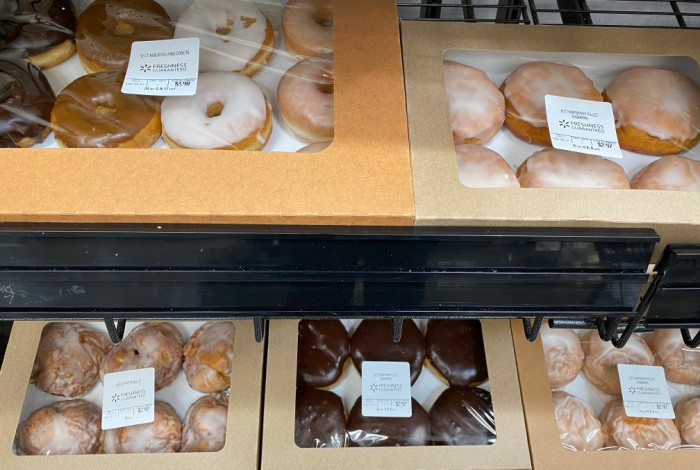
The first Friday of June is National Donut Day! Look for free donuts at some of your favorite donut outlets. You typically need to buy a drink, but a free donut is fantastic!

I always wished we had a quality donut store in Southern Utah when we lived there! We live in the Salt Lake City area and are close to the Dunford Bakery plant and its outlet store. YAY! Now I need a donut. What about you? Dunford chocolate cake donuts are my favorite!

Frozen Treats

Popsicles

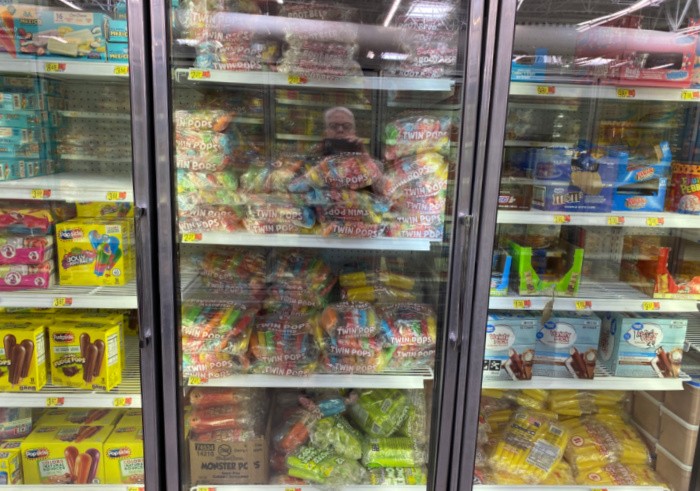
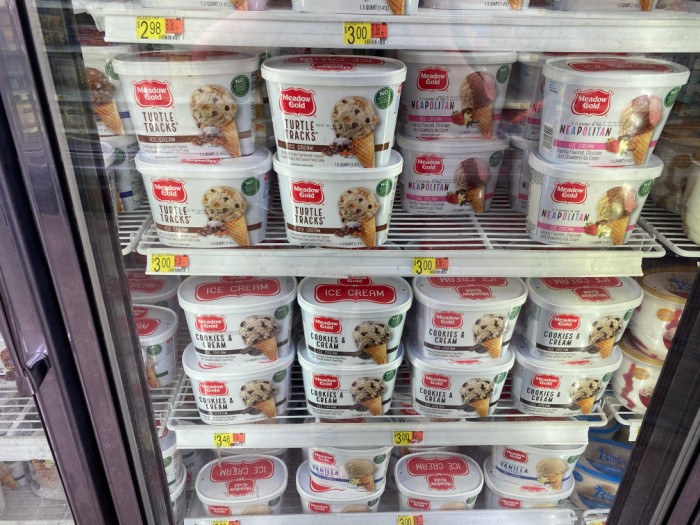
The first day of summer is officially June 21st, so watch for reduced prices on ice cream, bars, popsicles, sandwiches, and more. Nothing is quite like a cool frozen treat on those hot summer days!

Ice Cream

You can stock your freezer with the frozen treats you love and enjoy them all summer.

Check out drugstores, Target, and Big Box stores for markdowns on frozen treats. Your local grocery store chains will have coupons galore for your favorites, so watch your mailbox for those weekly ads!

Wedding Gifts

June is a great month to stock up on wedding gifts before a wedding reception. I love using online purchases, but there is something about picking out something extra special for that couple if you want to give a different type of bridal shower or wedding gift.

Unless you just plan to buy a kitchen appliance for your first apartment or home, visiting some specialty shops can be a fun adventure as you look for that unique gift you know the new couple will love.

Wedding Gifts at Dillards

Dinner For Dad

June is a great month to look for coupons to take Dad to dinner. Every year, I find coupons that say, ” Buy one dinner, get one dinner free.” You must buy one drink (typically a soda) for some meals. Mark’s birthday is in late June, so you can count on me to find a great place to celebrate this month.

Again, watch ads on Facebook, Groupon, or store apps.

Father’s Day Gifts

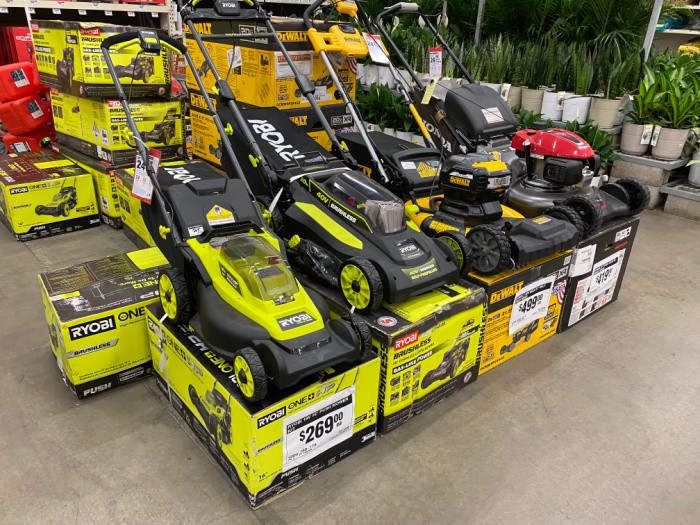
Dad loves to mow the lawn, right? If these go on sale, buy them when the price drops!

Lawnmowers

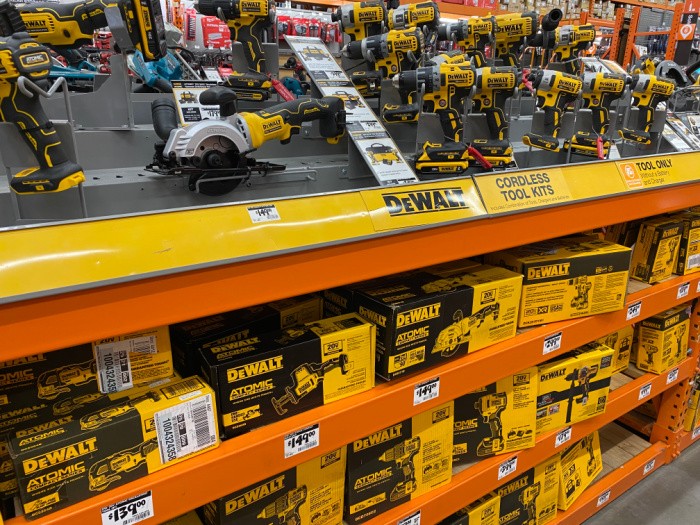
Father’s Day is in June each year, and if you are diligent before Father’s Day, you can pick up huge discounts on tools, sporting goods, and other items for dad or grandpa—or for mom, as in me. LOL! Watch for sales to buy the items you need, or you can give them as wedding gifts!

DeWalt Tools

Some fathers love to go fishing, so June is a great month to get fishing gear on sale.

Fathers Day Gifts

You can probably get some dad-friendly items before the holiday and save money. Once the big day hits, the prices go back to normal. Tools would make great wedding gifts for that young couple starting.

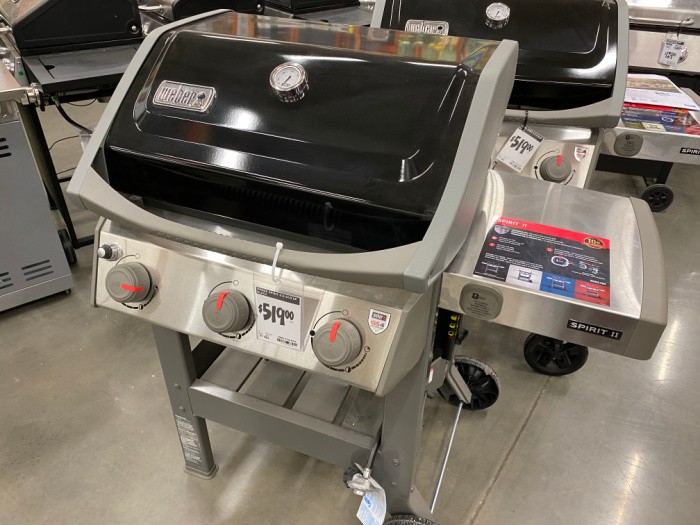
Barbecues

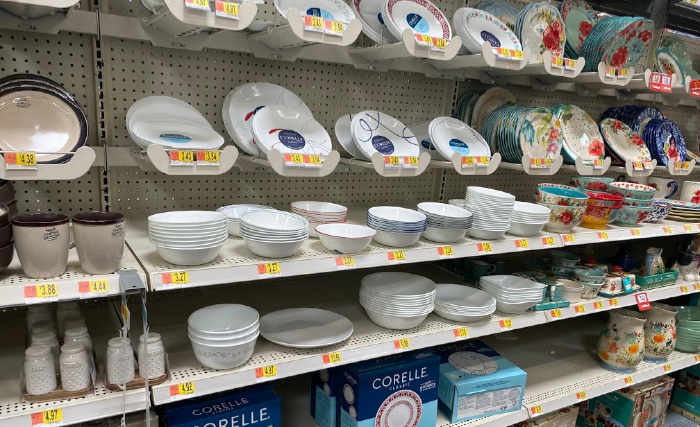
Dishes and Cookware

Dishes and Cookware

June is a big wedding month for friends and family members. You can look for discounts on everyday dishes, fine china, and small appliances.

Even if you don’t have any weddings this month, you may want to pick up a few wedding gifts for the coming months. It’s a great month to purchase some Christmas gifts as well.

You can put them in a closet and prepare them for gift-giving year-round. I recommend attaching a “gift receipt” to each box.

Gym Memberships

Gym Memberships

By June, a few people have canceled their gym memberships and forgotten their New Year’s resolutions. Therefore, gym companies will offer 30-day free trial packages with discounted membership. Please note that I have never set foot in a VASA Gym. I just needed a picture for this post. I probably should have been going to a gym for years, but it’s not me.

Be sure to try the gym first before committing to a monthly fee. Watch out for those extra fees when signing on the dotted line. It’s so fun to see what to stock up on in June!

July 4th Holiday

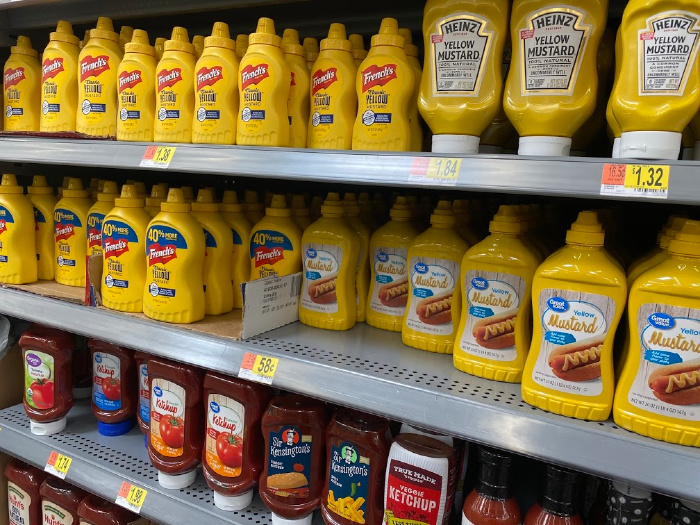
Condiments

It’s a massive month for barbecues, so stock up on condiments like mayo, Miracle Whip, ketchup, mustard, pickles, and relish. Oh my gosh, I can almost smell the barbecue cooking those discounted hot dogs and hamburgers! The other day, Mark BBQ’d some delicious chicken. What a treat!

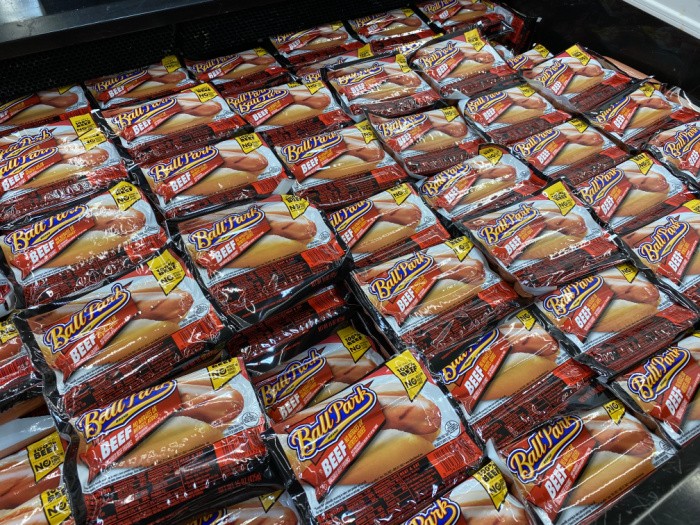
Hot Dogs

Life is so good when you bite into that first hot dog of the summer! We can stock up on our favorite barbecue sauce and soda for our summer get-togethers!

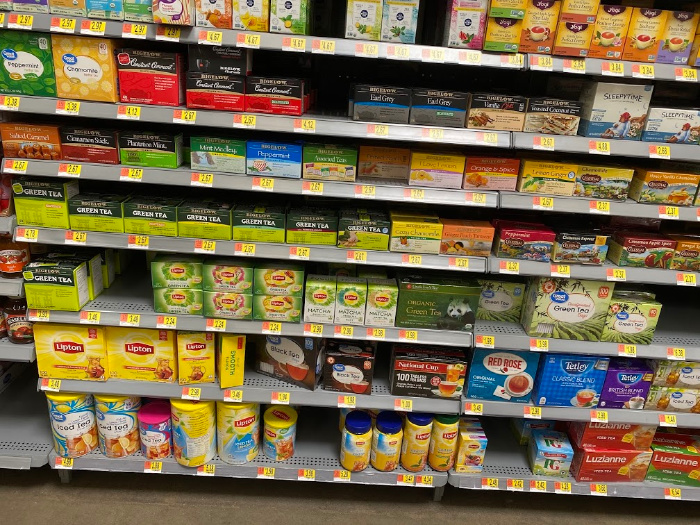
Iced Tea Products

Iced Tea Products

I mentioned that June 10th is National Iced Tea Day, so look for great deals on tea bags, loose tea, and powdered tea drinks. Black tea is fully fermented and lasts longer than green tea, making it a good option to stock up on in your pantry.

Store your tea in airtight containers on a cool, dark shelf for 18-24 months. When in doubt, throw it in the freezer and use it as needed.

Check the expiration dates on each box or container. It’s so fun to see what to stock up on in June!

First Aid Products

Bandaids and Gauze

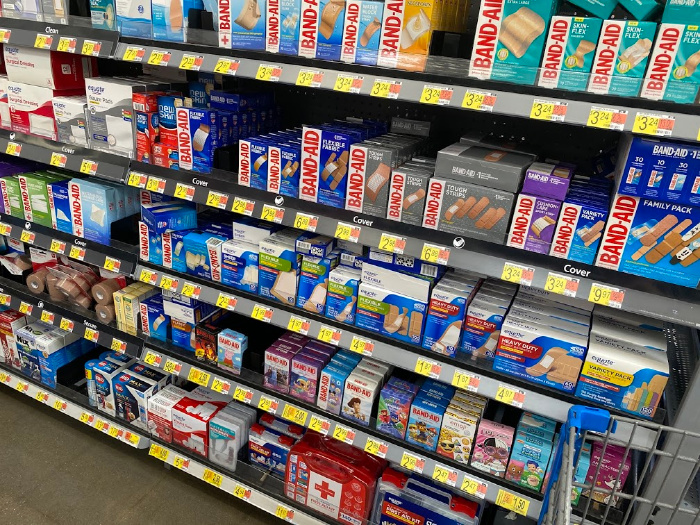
When school lets out, we may see more scrapes, cuts, and minor bruising as kids explore outside after waiting months for the good weather. This is the month to stock up on all sizes and shapes of Band-Aids, Neosporin, bandages, gauze pads, and other items you like to use when family members get hurt.

Let’s be prepared for all those issues with a first-aid kit that’s stocked and ready to go. I bought a nice, compact first-aid kit at Costco this week for one of my grandsons who works in construction. It was priced right and should do what he needs when on the job.

We don’t want to be caught without those items we need when we do need them, right? In case you missed my post: 35 OTC Medications You Should Store

Pain Relief Medication

Pain Medication

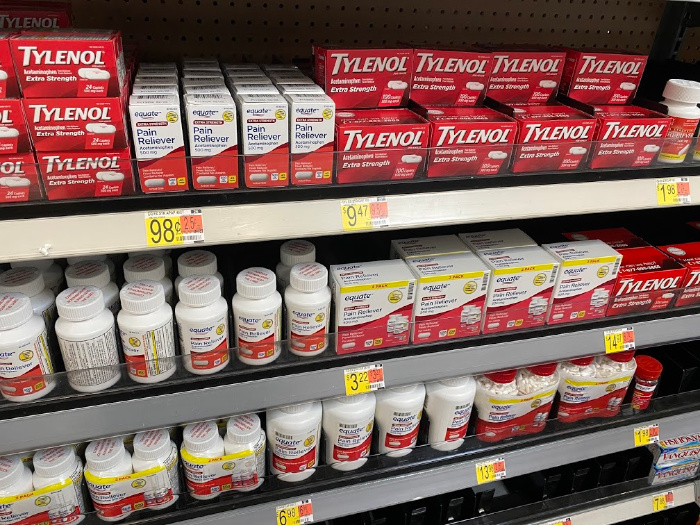
This is the month to stock up on pain relief medication. It’s National Migraine and Headache Awareness Month. You will see discounts and coupons galore for those items you may use most often.

Save money and fill your first-aid kit. Life is good when we’re prepared for the unexpected. You’ll see savings on aspirin, Tylenol, sinus medications, Motrin, and more.

What to Stock Up On Each Month:

Unique Holidays in June

  • June 1: Flip a Coin Day 
  • June 2: National Rocky Road Day 
  • June 3: World Bicycle Day 
  • June 4: Applesauce Cake Day 
  • June 5: Hot Air Balloon Day 
  • June 6: National Frozen Yogurt Day 
  • June 7: National Chocolate Ice Cream Day 
  • June 8: Best Friends Day 
  • June 9: National Strawberry Rhubarb Pie Day 
  • June 10: Iced Tea Day 
  • June 11: National Corn on the Cob Day 
  • June 12: National Peanut Butter Cookie Day 
  • June 13: Sewing Machine Day 
  • June 14: Monkey Around Day 
  • June 15: National Prune Day 
  • June 16: Fresh Veggies Day 
  • June 17: Eat Your Vegetable Day 
  • June 18: National Splurge Day 
  • June 19: National Kissing Day 
  • June 20: Ice Cream Soda Day 
  • June 21: National Selfie Day 
  • June 22: National Chocolate Eclair Day 
  • June 23: Let it Go Day 
  • June 24: National Handshake Day
  • June 25: National Catfish Day 
  • June 26: National Canoe Day 
  • June 27: National Onion Day
  • June 28: Paul Bunyan Day
  • June 29: Waffle Iron Day 
  • June 30: Meteor Day 

Final Word

I hope you enjoyed today’s post. I work hard to find the best deals for you. Life is good if we stockpile things we need at discounted prices.

It’s all about what to stock up on in June. Here’s to saving money and prepping on a shoestring. May God bless this world. Linda

Copyright Images: Deposit photos_11809299_m-2015, Donuts Deposit photos_44770105_s-2019, Popsicles Depositphotos_72235199_s-2019, Pink Bank AdobeStock_342409528 by Kanjana, Corn on the Cob Deposit photos_275331248_s-2019

The post What To Stock Up On In June appeared first on Food Storage Moms.


from Food Storage Moms

25 Foods That Can Last 25 Years

Estimated reading time: 8 minutes

25 Foods That Can Last 25 Years

No one has money to burn or waste these days. That’s why you want to be smart about the money you spend buying food you are going to put onto the shelf to store for a time that’s harder than what we’re already dealing with. It can always get worse.

The following list of foods will last forever, which means you aren’t going to be throwing anything out and wasting your hard-earned money.

It’s important to note that food storage isn’t an exact science. The best you can do is store everything in a cool, dry place. A spare room that has AC for summer days is an option. A basement is perfect. A root cellar is also an option if you can guarantee it won’t get flooded.

Baking soda

Baking soda is a prepper favorite. It is extremely useful and cheap. Baking soda is a leavening agent necessary in baking. It’s a household cleaner as well as toothpaste, shampoo and on. It’s not hard to store. Just keep it out of the sunlight and it needs to stay dry.

Bouillon

Cubes or powder are a must on any prepper shelf. It will make plain water into something to fill the belly and satisfy the hunger. It flavors beans, rice, soups and so on. A little bouillon goes a long way and it is very cheap.

Canned foods

Canned goods, such as vegetables, fruits, and meats, often have long shelf lives even if the expiration date says otherwise. Cans are fickle beasts.

The key is to use common sense. A can that is dented, leaking or bulging is an absolute no. Don’t even bother opening it. Canned goods should be kept in the same dry, dark storage as the rest of your stored food.

Cornmeal

Cornmeal is another baking staple. It can be used to bread fresh fish you catch or made into cornbread. Storing it in jars or mylar bags with oxygen absorbers will extend the shelf life long past the typical two years.

Corn syrup

Another sweetener on your shelf is a good thing. It will store forever when kept out of direct sunlight. It can be used in recipes as well as in food preservation.

Dehydrated or freeze-dried foods

Many commercially packaged dehydrated or freeze-dried foods, like fruits, vegetables, and meat, have extended shelf lives, often ranging from 10-30 years or more. If you want to dehydrate your own, it’s absolutely critical you get the food dry.

If it isn’t dry, it will mold. You can invest in a machine for freeze-drying your own fruits and veggies. It’s expensive but if you have access to plentiful produce, it could be worth it. Storing it in small, airtight containers is best.

Dried beans

Beans and legumes, such as lentils and chickpeas, can last for several years if kept in airtight containers and stored in a cool, dark place. Because a small amount of beans goes a long way, it’s better to divide bulk bags of beans into small containers. Again, mylar bags are excellent for storing beans.

Dried corn

Dried corn can be rehydrated and added to stews and soups. It can be ground into cornmeal. Store in smaller portions in an airtight container.

Gelatin

Gelatin isn’t just for Jell-o, but even if that’s what you use it for, it’s a nice comfort food. The kids will love it. Illness is bound to happen and having things like broth and Jell-o is going to be good for an icky tummy.

Ghee

Ghee is a butter substitute that unlike butter, does not need to be kept in the fridge. You can make your own ghee or buy high-quality ghee at a specialized market. Store in clean jars that are sealed tight. It needs to be kept at room temperature or cooler.

Hardtack

This is a type of hard biscuit or cracker that you can make at home with flour and water. It can last for decades if kept dry. It’s not the tastiest meal you’ll ever eat, but it will last forever. It’s best if you let it soak in soup or stew to soften it. Storing it in vacuum sealed pouches is ideal.

Honey

Honey can last indefinitely if stored properly. Honey is a huge wallop of calories and energy, which is crucial in a survival situation. A little spoonful goes a long way. And honey is an amazing anti-bacterial and can heal internal problems as well as wounds.

Glass jars, sealed and stored in a cool, dry place are the best way to store honey. If you get it in a large bucket, divide it into smaller jars to avoid air exposure when you need to use some.

Instant coffee

While it’s great for obvious reasons, instant coffee can also be used as flavoring for some cakes and other desserts. Buy the smaller containers or if you buy bulk, divide into smaller jars. The less air exposure, the longer it will last.

Liquor

Liquor like rum, vodka and whiskey may not be your thing, but it’s somebody’s thing. If you don’t want to drink it, store it to use in cooking or as an anesthetic. It’s going to be a prime bargaining tool.

Maple syrup

Pure maple syrup will last forever. It’s more expensive than the thinner stuff you’ll buy at the grocery store. If it gets hard, a little heat will melt it and make it easily spread over your pancakes. Something as simple as maple syrup can not only provide a burst of sugar but a little taste of home.

Pasta

Dried pasta, when stored properly, can have a long shelf life. Pasta is so versatile, filling and inexpensive it’s just common sense to store it.

Because it is a flour product, popping your pasta into the freezer for a couple of weeks before storing it can kill the weevil eggs. Storing in mason jars and keeping in a cool, dry place is ideal.

Powdered milk

Powdered milk can last for several years when stored in a sealed container in a cool, dry place. Powdered milk is good for thickening soups and stews as well as using as intended as a glass of milk. It is a common baking ingredient as well.

Pure vanilla extract

Pure vanilla extract is not the same as the cheaper grocery store options. The pure stuff is more expensive and will last forever when stored in a cool, dry place.

Rice

White rice, when stored in a cool, dry place, can last for 20-30 years or even longer. Brown rice has a shorter shelf life due to its higher oil content. Brown rice can and will go rancid after a year or two.

Adding an oxygen absorber and bay leaves to the rice helps keep bugs at bay. Ideally, storing rice in vacuum-sealed mylar bags is your best option. For more protection, put the bags in a five-gallon bucket.

Salt

Salt is a natural preservative and can last indefinitely. It's been used for centuries to preserve other foods like meats and fish. Salt also provides necessary electrolytes that keep your muscles healthy.

Store salt in airtight containers. Glass or plastic is fine just make sure it’s a tight seal. It doesn’t hurt to add an oxygen absorber to the container. As usual, store in a room temperature place away from sunlight.

Soy sauce

It’s not exactly a food, but it’s nice to dump a little soy sauce over plain rice. Just be careful because the sodium content is a risk in a survival situation. Your body needs salt, but not too much.

Sugar

Sugar can last indefinitely when properly stored. Sugar makes life sweeter. You can use it to preserve fruit. Sugar can get invaded by weevils. If you buy sugar in bulk, take it out of the paper bag and put it in airtight containers.

Add in a couple of bay leaves to deter pests. Sugar has to be kept dry. If humidity is an issue, have a dehumidifier in your storage area.

Unsweetened cocoa powder

Cocoa powder will last forever when kept out of the sun and is kept cool and dry. It’s not necessarily a necessity but it’s nice to have a little chocolate on hand to provide some creature comfort.

Wheat berries

Wheat berries are raw and unprocessed. You can grind them into wheat flour or serve them with some milk to eat as a cereal. Store small quantities in mylar bags or sealed jars.

White vinegar

Vinegar is an important pickling tool. It can also be used to make sauces, dressings and brines for all the meat you are going to harvest from the wild. It’s an easy one to store and doesn’t require anything special.

As with anything, you have to use your best judgement. Even if you take every precaution to properly store your food, there is always a chance of spoilage. This is why it makes more sense to divide your bulk goods into smaller portions. You won’t have to worry about losing a huge stockpile.

You May Also Like:

The post 25 Foods That Can Last 25 Years appeared first on Urban Survival Site.


from Urban Survival Site

If We Have A War: Store White Granulated Sugar

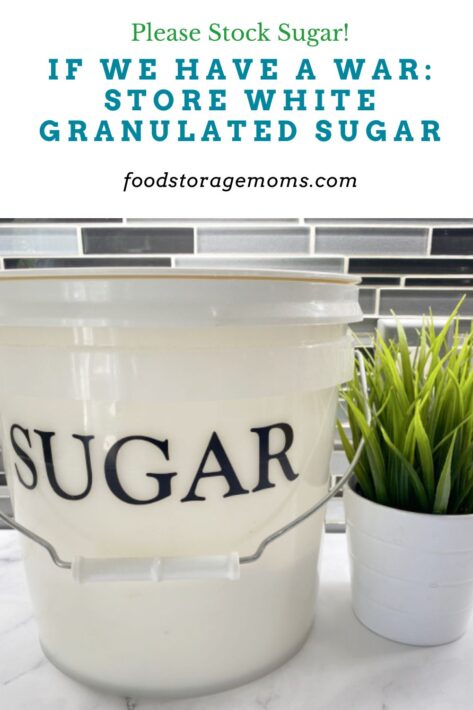
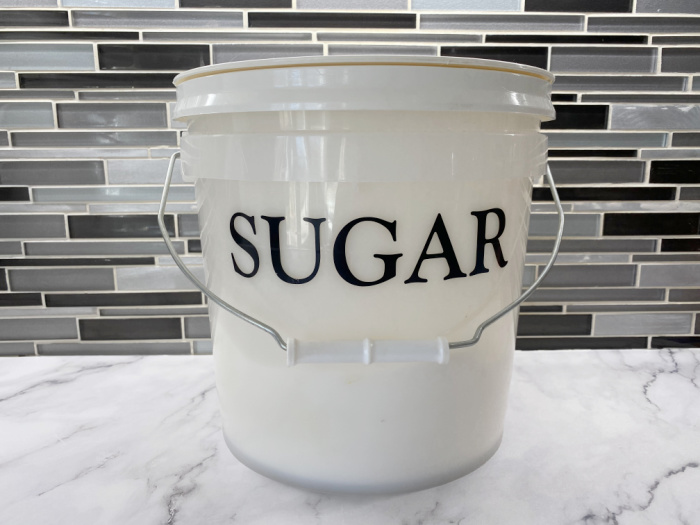
Sugar in Bucket

If we have a war, Store white granulated sugar. When people think about emergency preparedness and long-term food storage, they often focus on rice, beans, and canned goods. But one of the most overlooked and underestimated staples you can store is white granulated sugar. Whether you are preparing for a natural disaster, economic disruption, or a prolonged emergency, white granulated sugar deserves a permanent place in your preparedness plan.

This post covers everything you need to know: the remarkable history of sugar, why storing it makes practical and nutritional sense, the many ways your family can use it, and smart alternatives to consider alongside it. The reason I keep bringing up what to stock is that prices keep rising. I noticed one of my 5-gallon buckets of sugar was only half full. We picked up 25 pounds of sugar from Costco. I try to keep between 200 and 300 pounds of white sugar in my pantry at all times.

White Granulated Sugar

A Brief History of Sugar: From Ancient Luxury to Everyday Essential

Sugar has one of the most fascinating histories of any food on earth. Its story stretches back more than 8,000 years.

Sugar cane is believed to have originated in New Guinea around 8,000 BC, where ancient peoples chewed the raw stalks for their sweetness. Over centuries, cultivation spread westward through Southeast Asia and India. It was in India, around 350 AD, that people first discovered how to crystallize sugar into a solid form, a technology that changed the world.

By the time Arab traders carried sugarcane across the Middle East and into the Mediterranean during the medieval period, sugar had earned the nickname “white gold.” It was so precious that European royalty used it to display wealth and power, decorating banquet tables with elaborate sugar sculptures.

When Christopher Columbus brought sugarcane cuttings to the Caribbean on his second voyage in 1493, sugar production exploded. The Caribbean and South American climate was ideal for growing cane, and sugar became the economic engine of colonial trade, unfortunately built on the devastating foundation of enslaved labor.

By the 19th century, sugar beet cultivation in Europe enabled further expansion of sugar production, making refined white granulated sugar increasingly affordable for ordinary families. The 20th century brought industrial refining techniques that made white sugar the common household staple we know today.

Understanding this history helps us appreciate something important: for thousands of years, sugar was considered so valuable that it was traded like currency and hoarded by kings. That instinct was not misplaced.

Why Store White Granulated Sugar for Emergencies

It Has an Almost Indefinite Shelf Life

White granulated sugar is one of the very few foods that, when stored correctly, can last indefinitely. The United States Department of Agriculture and food science researchers agree that pure granulated sugar does not spoil. It may clump or harden over time due to moisture, but its safety and sweetness remain fully intact. Properly sealed in an airtight container in a cool, dry location, your sugar supply can outlast almost any other food in your pantry.

It Is a Critical Source of Quick Energy

In a crisis situation, your family will likely be more physically active than usual: hauling supplies, working on your property, managing stress, and performing tasks that demand sustained energy output. Sugar provides fast, accessible carbohydrate energy that the body can use almost immediately. While sugar is not a nutritionally complete food, it plays a critical supporting role in maintaining stable energy levels when calorie intake is limited.

It Supports Food Preservation

One of sugar’s most critical emergency functions is food preservation. Sugar draws out moisture and creates an environment hostile to bacterial growth. This is why jams, jellies, preserves, pickles, and cured meats have relied on sugar for centuries. In a prolonged emergency when refrigeration may not be available, your knowledge of sugar-based preservation could protect your family’s food supply for months or even years.

It Sustains Morale

This point is often dismissed, but experienced emergency planners know it well. During times of extreme stress, small comforts matter enormously. Being able to bake a simple sweet bread, sweeten a cup of tea, or make a treat for your children can do more for family morale than many people expect. Sugar makes difficult times feel slightly more human.

It Has Barter and Trade Value

Just as it was for thousands of years of human history, sugar would have significant trade value in a prolonged crisis. A five-pound bag of sugar could be exchanged for goods, services, or skills your family needs.

How Much Sugar Should You Store

A general recommendation from most emergency preparedness experts is to store at least 60 pounds of sugar per adult per year for a comprehensive long-term supply. For most families, starting with a three-month supply and working up to a year-long supply is a reasonable goal.

For a family of four, a one-year supply would be approximately 240 pounds of white granulated sugar. This sounds like a lot, but when you consider how sugar is used across baking, preserving, beverages, and cooking, it is a realistic figure.

Best Storage Methods

Store white granulated sugar in:

Airtight food-grade containers such as Mylar bags, sealed buckets with gamma lids, or large glass jars. I store my everyday sugar in 2-gallon buckets and long-term sugar in 5-gallon buckets with Gamma Lids. 2-Gallon Buckets with Lids. 5-Gallon Buckets with Gamma Lids.

A cool, dry location away from direct sunlight and temperature fluctuations.

An area free from strong odors, as sugar can absorb scents from its environment.

Away from moisture, which is the primary threat to stored sugar. Moisture causes clumping, but does not make sugar unsafe.

Oxygen absorbers are not necessary for white granulated sugar, and, in fact, some experts advise against using them for storing pure sugar, as they can contribute to hardening. The key factor is simply keeping moisture out. They will become like a brick, not fun to chisel.

The Health Benefits of Sugar: Understanding the Full Picture

It is important to approach sugar’s health benefits honestly and in context. White granulated sugar is not a health food, and consuming it in excessive amounts is associated with a range of health problems. However, sugar does have legitimate physiological benefits, particularly in specific circumstances.

Immediate Energy for the Brain and Body

Glucose, which is what sucrose (table sugar) breaks down into, is the preferred fuel source of the human brain. When blood sugar drops too low, cognitive function declines rapidly. In survival situations involving physical exertion, stress, or inadequate overall caloric intake, the glucose from sugar can be genuinely life-sustaining.

Wound Care and Healing

This may surprise you, but sugar has documented historical and modern medical uses in wound treatment. Pouring granulated sugar onto wounds, a practice known as sugaring or sugar wound packing, creates a high-osmolarity environment that dehydrates and kills bacteria. Field medics and nurses in resource-limited settings have used this technique for decades. In a crisis without access to antibiotics or advanced wound care, clean white granulated sugar applied to an open wound can help prevent infection and promote healing.

Oral Rehydration Support

Sugar is a key component of homemade oral rehydration solutions, which can be critical in emergencies involving diarrhea, vomiting, or severe dehydration. The World Health Organization oral rehydration formula calls for a combination of sugar and salt dissolved in clean water. This simple mixture has saved millions of lives worldwide and is something every family should know how to make.

Preserving Nutritional Foods

When sugar is used to preserve fruits, berries, and vegetables through jams, jellies, and syrups, it helps retain vitamins and nutrients that would otherwise be lost to spoilage. So while sugar itself is not nutrient-dense, it acts as a vehicle for preserving foods that are.

Caloric Density in Emergencies

Pure white sugar contains approximately 387 calories per 100 grams. In a true survival situation where caloric intake is dangerously low, sugar provides a compact and shelf-stable way to add calories to whatever food is available. It can be stirred into grain porridges, added to teas or broths, or mixed into baked goods to increase the energy density of limited food supplies.

Ways to Use Stored White Granulated Sugar

White granulated sugar is remarkably versatile. Here are practical uses your family can rely on in everyday life and in emergencies alike.

Baking and Cooking

Sugar is foundational to baking. It sweetens breads, muffins, cakes, cookies, and pastries. It also plays structural roles: it helps leaven baked goods, retains moisture to keep baked items soft, contributes to browning through caramelization and the Maillard reaction, and improves texture. Even simple no-yeast flatbreads and skillet breads benefit from a small amount of sugar.

Homemade Jams, Jellies, and Preserves

One of the most valuable emergency skills is knowing how to preserve fresh fruit. Sugar combined with fruit and natural pectin creates shelf-stable preserves that can last a year or more when properly processed. Strawberry jam, apple jelly, peach preserves, and berry syrups are all achievable with basic equipment and granulated sugar.

Fermenting and Brewing

Sugar is essential for home fermentation. It feeds yeast in homemade breads and is the foundational ingredient in homebrewing kombucha, ginger beer, and other traditional fermented beverages. In a long-term emergency, the ability to safely ferment beverages could provide a clean drinking option and a probiotic benefit.

Curing Meats

Traditional curing recipes for bacon, ham, and jerky often combine salt with sugar. Sugar balances the harshness of salt, contributes to preservation, enhances flavor, and supports the curing process. Knowing how to cure meat with salt and sugar is an invaluable long-term storage skill.

Making Syrups and Sweeteners

Simple syrup, made by dissolving equal parts sugar and water over heat, is endlessly useful. It sweetens cold beverages, forms the base of fruit syrups and flavored sauces, and can be poured over pancakes, waffles, or porridge when other sweeteners are unavailable.

Natural Skin Care and First Aid

A sugar scrub made from granulated sugar and a small amount of oil provides gentle exfoliation and can help remove debris from minor skin irritation. As noted above, sugar applied directly to wounds can have antimicrobial and healing properties in emergency first aid situations.

Feeding Bees and Pollinators

If your family keeps bees or wants to support pollinators in a crisis garden, a simple sugar syrup made from granulated white sugar and water is a safe emergency feed for honey bee colonies when natural forage is unavailable.

Preserving Fresh Herbs and Flowers

Sugar syrups infused with herbs like lavender, mint, rosemary, or lemon balm preserve the medicinal and aromatic compounds of those plants and extend their usefulness well beyond their fresh season.

Sugar-Free Alternatives Worth Storing Alongside White Sugar

For family members who need to limit sugar intake due to diabetes or other health conditions, or simply for nutritional variety, several natural sweetener alternatives store well and deserve a place in your preparedness pantry.

Raw Honey

Raw honey is arguably the single best sugar alternative to store. It has an essentially unlimited shelf life when sealed and kept dry. Archaeologists have found 3,000-year-old honey in Egyptian tombs that was still edible. Beyond sweetness, raw honey has genuine antimicrobial properties, soothes sore throats, supports wound healing, and provides trace minerals and antioxidants. Store at minimum 20 to 30 pounds per person in your long-term supply.

Pure Maple Syrup

Real maple syrup contains manganese, zinc, and various antioxidant compounds not found in refined sugar. It stores well for years in sealed glass containers and adds a distinctive depth of flavor to baked goods, oatmeal, and beverages. When purchasing for storage, opt for pure maple syrup in glass jars rather than plastic.

Blackstrap Molasses

This dark, thick byproduct of sugar refining is surprisingly nutritious. Blackstrap molasses is one of the richest plant-based sources of iron, calcium, magnesium, and potassium. A single tablespoon provides meaningful amounts of these minerals. It has a shelf life of several years in a sealed container and can be used in baking, oatmeal, sauces, and marinades.

Coconut Sugar

Coconut sugar is made from the sap of coconut palm flowers and has a slightly lower glycemic index than white sugar. It stores well in airtight containers and can be substituted one-to-one for white sugar in most recipes. It has a mild caramel flavor and provides small amounts of iron, zinc, calcium, and potassium.

Stevia

Dried stevia leaves or pure stevia powder are intensely sweet, calorie-free natural sweeteners. Pure stevia stores indefinitely in a dry environment. A very small amount goes a long way, making it one of the most space-efficient sweeteners you can store. It does not behave the same way as sugar in baking, so it works best as a beverage sweetener or in recipes specifically designed for stevia.

Dried Dates and Date Sugar

Whole dried dates store for one to two years and serve as a natural sweetener in smoothies, energy balls, and baked goods. Date sugar, made from ground dried dates, retains the fiber and nutrients of the whole fruit. It does not dissolve well in liquids but works beautifully in baked items.

Pure Cane Syrup and Sorghum Syrup

Traditional Southern American pantry staples, pure cane syrup, and sorghum syrup keep for years and provide both sweetness and rich, complex flavor. Sorghum, in particular, contains iron, calcium, and B vitamins and was a primary sweetener for many rural American families before refined sugar became widely available.

How to Make Brown Sugar

Sugar Cookies (Copycat Famous Cookies)

Final Word

White granulated sugar has been woven into the fabric of human civilization for thousands of years, not by accident, but because of its genuine utility. It preserves food, provides energy, supports healing, sustains morale, and enables the cooking traditions that make a house feel like a home.

If a war, natural disaster, economic collapse, or prolonged emergency were to disrupt the supply chains we rely on, the families who had taken the time to store white granulated sugar, along with whole grains, legumes, and other essentials, would be dramatically better positioned than those who had not.

You do not have to prepare for every worst-case scenario at once. Start with a three-month supply. Store it properly in sealed, moisture-free containers. Learn how to use it for food preservation. And consider building a complementary collection of natural sweeteners, such as honey, maple syrup, and molasses, to give your family both nutritional variety and maximum flexibility. Sugar stored wisely today is security, comfort, and resilience for your family tomorrow. May God bless this world, Linda

The post If We Have A War: Store White Granulated Sugar appeared first on Food Storage Moms.


from Food Storage Moms

Saturday, May 30, 2026

If We Have A War: Stock Unsweetened Cocoa

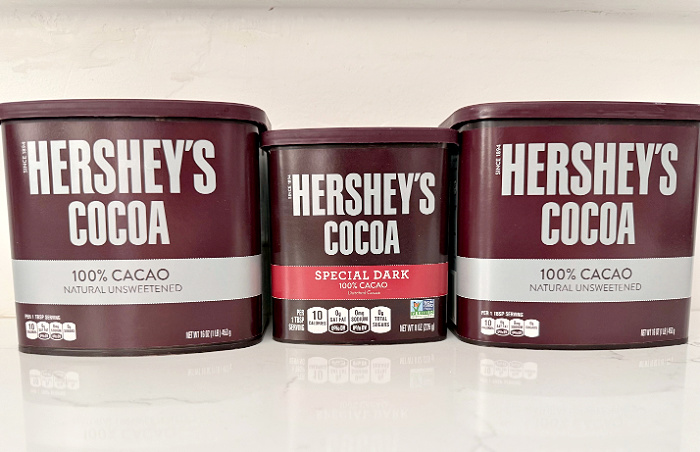
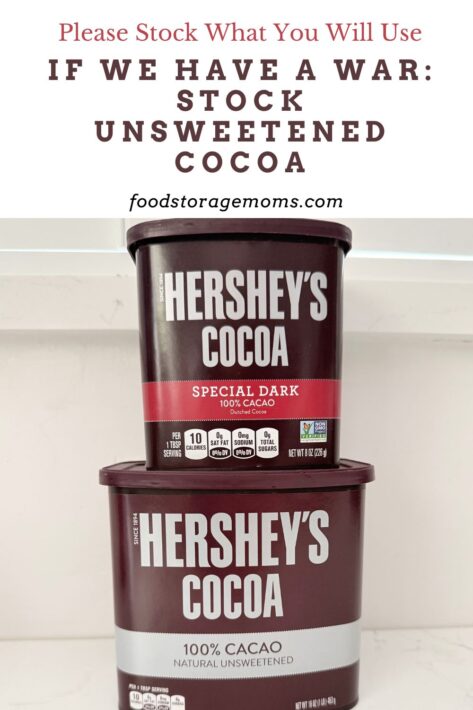
Hershey Unsweetened Cocoa

If we have a war: Stock unsweetened cocoa. If you have been paying attention to the conversations happening around emergency preparedness, you already know that families everywhere are starting to think more seriously about what belongs in a well-stocked pantry. People are buying extra rice, dried beans, canned vegetables, and water storage containers. Those are all smart choices. But there is one item that consistently gets overlooked, and it deserves a permanent place on every emergency supply list: unsweetened cocoa powder.

Yes, really. Cocoa powder. Not hot chocolate mix. Not chocolate chips. Pure, unsweetened, 100% cocoa powder. This humble brown powder punches far above its weight in terms of survival nutrition, shelf life, morale, and versatility. Let us talk about why. I found the cheapest place to purchase the one with only cocoa in it was on May 29, 2026, at Walmart.com. I’m having six delivered to my home. There is a huge difference in pricing across stores.

Kitchen Items

If We Have A War: Stock Unsweetened Cocoa

What Is Unsweetened Cocoa Powder?

Unsweetened cocoa powder is made by pressing fermented and roasted cacao beans until most of the fat (cocoa butter) is removed. What remains is ground into a fine, intensely flavored powder. It contains no added sugar, no milk solids, and no artificial flavors.

There are two main types:

Natural cocoa powder is lighter in color and slightly acidic. It reacts with baking soda in recipes and has a sharp, fruity chocolate flavor.

Dutch-processed cocoa powder has been treated with an alkali solution to neutralize its acidity. It is darker and milder, and it dissolves more smoothly. It is the variety most often used in European chocolate recipes.

For emergency preparedness, either variety works beautifully. If you can only find one, natural cocoa powder is usually more affordable and more widely available.

Why Unsweetened Cocoa Powder Belongs in a War or Emergency Supply Cache

It Has an Exceptionally Long Shelf Life

One of the most important qualities of any emergency food is how long it stays usable. Unsweetened cocoa powder, stored properly in a cool, dry place in an airtight container, can last anywhere from two to five years or longer. Some sources note that while cocoa may lose some flavor potency over time, it rarely becomes unsafe to consume well past its printed date. Compare that to crackers, cooking oils, or even pasta, and cocoa powder starts to look like a pantry superstar.

For maximum longevity, store it in a sealed glass jar or a Mylar bag with an oxygen absorber, away from heat and light.

It is nutrient-dense

Cocoa powder is not just a flavoring agent. It is genuinely nutritious. A two-tablespoon serving of unsweetened cocoa powder contains meaningful amounts of iron, magnesium, zinc, and copper, all of which are essential minerals that can become hard to obtain in a limited food environment. It also contains fiber, which supports digestive health, and flavonoids, which are plant compounds associated with cardiovascular and cognitive benefits.

In a war or disaster scenario where food variety is limited, having a concentrated source of micronutrients in powder form is genuinely valuable. You are not just adding flavor. You are adding nutritional depth to meals that might otherwise be monotonous and incomplete.

It Supports Mental Health and Morale

This point should not be underestimated. In times of genuine crisis, food is not just fuel. It is comfort. It is a signal to your brain and your nervous system that things are okay enough to enjoy something good. Hot chocolate on a cold morning during a blackout. Chocolate pudding made from shelf-stable milk and cocoa. A warm, sweet drink for the children to hold.

Research consistently shows that chocolate consumption (even in small amounts) can have a positive effect on mood, largely due to compounds like theobromine and phenylethylamine, as well as the simple psychological comfort of enjoying something that feels like a treat. When stress is high and uncertainty is everywhere, that matters more than people often admit.

It Is Incredibly Versatile

This is where unsweetened cocoa powder really earns its place in the emergency pantry. Unlike most emergency foods, which serve one purpose and one purpose only, cocoa powder can be used in dozens of ways. More on that in the next section.

It Is Affordable and Compact

A one-pound container of unsweetened cocoa powder costs just a few dollars and takes up very little space. For families with limited storage, this is a significant advantage. You are getting tremendous value in a compact package. A single pound of cocoa powder can make well over 50 servings of hot chocolate, dozens of batches of brownies, countless sauces, and much more.

15 Ways to Use Unsweetened Cocoa Powder in an Emergency

You might be surprised at just how many practical uses this one ingredient has, especially when your food options are limited, and you need to make the most of what you have.

1. Hot Cocoa

The most obvious use. Mix cocoa powder with hot water, sugar (or honey), and a pinch of salt. Add powdered or shelf-stable milk if you have it. This is warming and comforting, and it provides a small energy boost. Children and adults alike respond to it.

2. Chocolate Pudding

Combine cocoa powder with shelf-stable milk (or reconstituted powdered milk), sugar, cornstarch, and a bit of butter or oil. Stir over heat until thick. This makes a genuinely delicious dessert out of pantry staples.

3. Brownies from Scratch

If you have flour, sugar, eggs, oil, and cocoa powder, you can make brownies. Even over a camp stove or a makeshift Dutch oven, chocolate brownies are entirely possible and will do wonders for household morale.

4. Chocolate Oatmeal

Stir a tablespoon of cocoa powder into a bowl of cooked oatmeal along with sugar and a splash of vanilla extract. This transforms plain oatmeal into something children will eagerly eat.

5. Mole Sauce

In traditional Mexican cooking, mole sauce combines cocoa with chiles, garlic, cumin, and other spices. You can make a simplified version using canned tomatoes, dried chiles, and cocoa powder. Serve over rice or beans for a deeply flavorful, nutrient-rich meal.

6. Cocoa-Rubbed Meat

Cocoa powder makes an outstanding dry rub for meat. Combined with salt, pepper, garlic powder, and smoked paprika, it creates a deep, savory crust on beef, pork, or venison. The chocolate flavor is subtle in the final dish but adds remarkable complexity.

7. Chocolate Rice Pudding

Cooked rice, sugar, shelf-stable milk, and cocoa powder come together into a dessert that is both filling and satisfying. It stretches rice into something that feels like an actual treat.

8. Cocoa-Spiced Beans

A tablespoon of cocoa powder added to a pot of black beans or chili adds richness and depth without making the dish taste like chocolate. Many chili recipes call for this technique, and it works beautifully.

9. Chocolate Tortillas or Flatbreads

Mix a tablespoon of cocoa and a little sugar into your flour or cornmeal flatbread dough for a lightly sweet, slightly chocolatey bread that pairs wonderfully with peanut butter or honey.

10. Energy Balls or No-Bake Bars

If you have oats, peanut butter, honey, and cocoa powder, you can roll these together into no-bake energy balls. They require no heat, can be stored at room temperature for several days, and are packed with calories and protein.

11. Chocolate Gravy

A traditional Southern staple, chocolate gravy is made from cocoa powder, flour, sugar, butter, and milk. Served over biscuits, it is a comforting and calorie-rich breakfast that children tend to love.

12. Hot Mocha Drink

If you are storing instant coffee or coffee beans, combine a shot of strong coffee with hot cocoa for a mocha-style drink. Caffeine and warmth can help adults maintain alertness and focus during difficult days.

13. Chocolate Pancakes

Add two tablespoons of cocoa powder to your pancake batter. These cook just like regular pancakes and taste like a treat even without syrup.

14. Cocoa Body Scrub or Skin Paste

This one might seem unusual, but in a grid-down situation, cocoa powder has known benefits as a mild skin treatment. When mixed with coconut or olive oil and sugar, it can be used as a skin scrub. This is not a medical treatment, but small comforts and basic self-care matter in prolonged stressful situations.

15. Natural Food Coloring and Flavoring

In creative recipes, cocoa powder can be used to naturally tint and flavor everything from homemade pasta to bread dough, giving children something visually interesting and new when the food rotation starts to feel repetitive.

How Much Should You Stock?

For a family of four preparing for three months of disruption, a reasonable starting point is four to six pounds of unsweetened cocoa powder. That sounds like a lot until you consider that a pound costs only a few dollars and takes up less space than a large coffee mug. Spread across three months, four pounds gives you generous room to use it daily in small amounts across cooking and beverages.

If you are just beginning your emergency pantry, start with one or two pounds and rotate them into your everyday cooking now. Get comfortable using cocoa powder regularly so you know exactly how it behaves in your recipes before a crisis demands you figure it out under pressure.

What to Look for When Buying

When you shop for unsweetened cocoa powder, read the label carefully. The ingredient list should say nothing but cocoa or cocoa processed with alkali. Avoid anything with added sugar, dairy, artificial flavors, or preservatives. Those products are meant for convenient single-purpose uses, not for the flexible pantry cooking that emergency preparedness requires.

Popular brands widely available in the United States include Hershey’s Special Dark, Ghirardelli Unsweetened Cocoa, Rodelle, and Valrhona for higher-end cooking. For bulk buying, restaurant supply stores and online retailers often offer two-pound and five-pound bags at substantial savings per ounce. Please note that Ghirardelli Hot Cocoa was recalled due to Salmonella. FDA Ghirardelli Recall. Amazon contacted me to get a refund since I have purchased many packages of it over the years.

Storing Your Cocoa Powder Correctly

To get the longest possible shelf life out of your cocoa powder:

Transfer it from its original cardboard container into an airtight glass or food-grade plastic container as soon as you open it.

Store it in a cool, dark place away from heat sources. A pantry, basement shelf, or interior cabinet works well.

Keep it away from moisture at all costs. Even small amounts of water can cause clumping and accelerate spoilage.

Label your container with the purchase date so you can rotate it into regular use before it ages past its prime.

If you are buying large quantities for long-term storage, consider Mylar bags with oxygen absorbers, which can dramatically extend the usable life of dry goods.

Hot Cocoa Bombs Are Easy To Make

Chocolate: Everything You Want to Know

Best Chocolate Cake Ever

Final Word

Emergency preparedness is not about fear. It is about love. It is about taking care of the people at your table, making sure that even in the most difficult circumstances, you can offer them something nourishing, something warm, something that tastes like home.

Unsweetened cocoa powder is not a glamorous survival supply. It will not make headlines the way freeze-dried meals or water filtration systems do. But in the quiet of a difficult morning, when you stir it into a pot of hot water and hand a cup to your child, you will understand exactly why it earned a place in your pantry. Stock it. Learn to cook with it now. And do not wait until the shelves are empty to wish you had. May God bless this world, Linda

The post If We Have A War: Stock Unsweetened Cocoa appeared first on Food Storage Moms.


from Food Storage Moms