By Tom Marlowe
Showing posts with label Weather. Show all posts
Showing posts with label Weather. Show all posts
Monday, August 14, 2023
20 Super Easy Ways to Be Prepared for a Tropical Storm
By Linda Loosli

To help keep you and your family safe, I’ve taken the time to mention ways that you can prepare ahead of time, but also what you should do during and after a hurricane. My hope is that you take what I have to say very seriously because your family’s lives could very well one day depend on this kind of information and how well it is implemented in your preparedness plan. Keep reading on how you can be better prepared for a tropical storm. In case you missed this post, Hurricane Katrina And How One Family Survived
Sunday, May 28, 2023
How to Prepare Your Home for Extreme Weather Conditions
Heather Jones
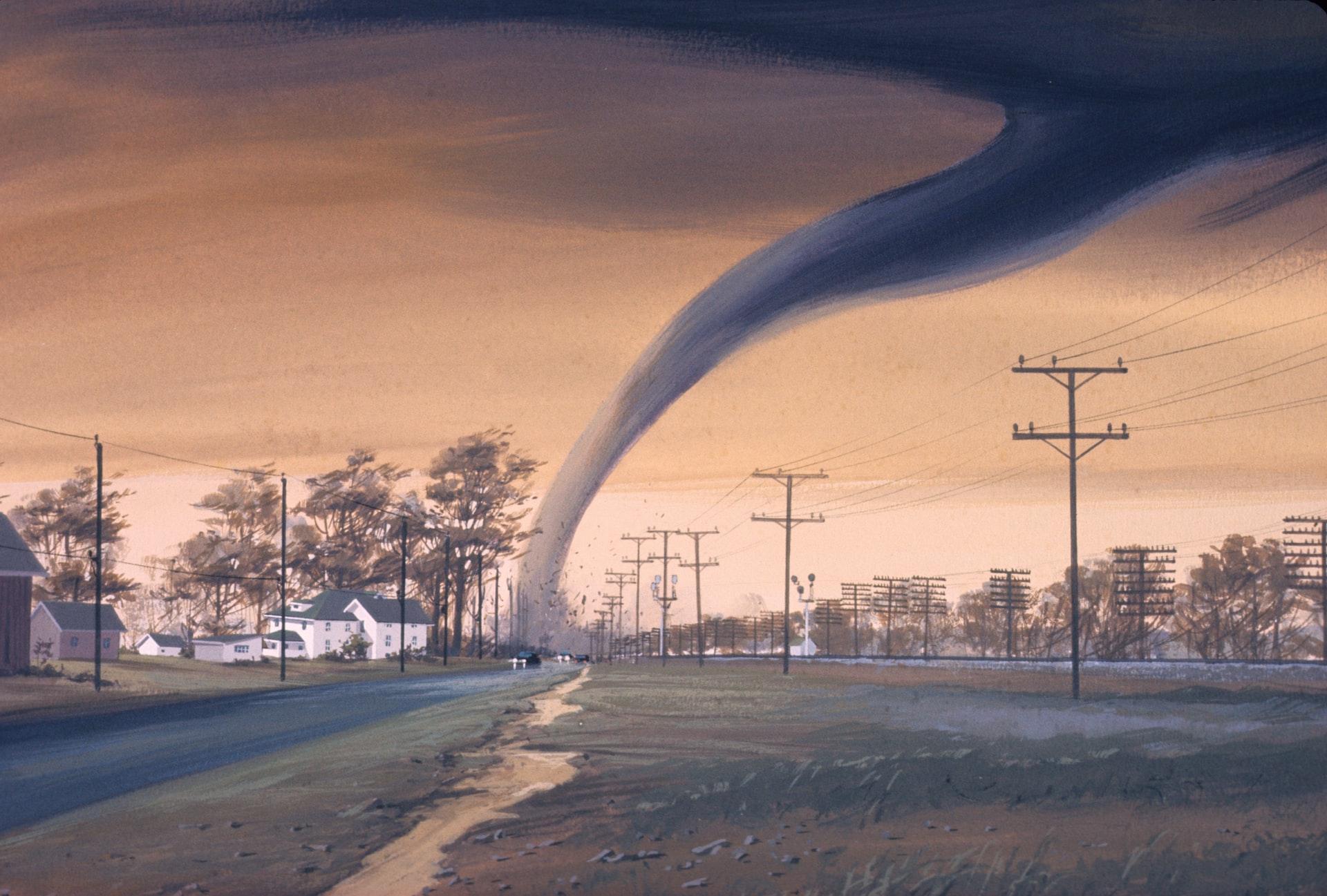
We have all experienced the situation of an inclement weather report that makes our hearts begin to pump more blood than usual. These reports can be bothersome as a homeowner because your home is valuable to you, and safeguarding it will always be your top priority. In addition, nobody wants to be accosted by home repair bills due to bad weather conditions.
The rise in global warming has brought with it a high level of extreme weather conditions. As a result, we all have experienced either more heat or cold over the past few years than usual. These changes may not be noticeable for those who are not conscious enough. But if you pay attention to the weather reports, you will discover that the hurricanes come now almost the same way the snow falls.
While it is true that weather is very unpredictable, there are steps you can take to reduce its damaging effect on your home. This blog post contains a few things you can do to prepare your home against inclement weather conditions.
What Type of Weather Are You Preparing Against?
Thursday, March 17, 2022
How Do You Stay Safe in Your Car in a Thunderstorm
Original Article:
Thunderstorms are certainly one of nature’s most impressive and most powerful displays. Getting caught in a thunderstorm might be thrilling but it is definitely dangerous.
Knowing where to take shelter as well as how to properly take shelter might mean the difference between marveling at a passing storm and literally riding the lightning. Sheltering in your home is one thing, sheltering in your car is another.

How do you stay safe in your vehicle during a thunderstorm?
Thursday, February 17, 2022
Sudden Freezes: The Cascading Problems they Cause

By
The arctic blast that blanketed the United States has hit Texas particularly hard. Being a warm state, Texas doesn’t see much cold weather.
Yet this particular cold front has broken all records, with below-freezing weather for five days in a row. That sudden cold spell has caused cascading problems, starting with power outages. Being a citizen of Texas, I had a front-row seat.
Power outages during extreme weather events are not uncommon. Our aging electrical grid is hit the hardest by any severe weather, from ice to wind. Power companies nationwide are well-versed in emergency repairs, trying to get the power back on for people. Even so, the incidence of major power outages has been on the increase for over a decade, with weather events being the leading cause of those outages.
Thursday, March 27, 2014
10 Things You Need for a Weather Emergency
Original Article

by Code Name Insight
- A bug out bag. You never know when the sheriff will show up on your doorstep and inform you that everyone needs to evacuate ASAP due to flooding, a wild fire, avalanche hazard, etc.
- A bug out plan. Should you need to leave in a hurry due to the aforementioned weather emergencies, what is your plan? Where will you go? How will you get there? Do you have the cash to sustain you while you are gone? Can you work remotely?
- Forewarning. Generally you will want to keep an ear on your local news, receive updates from NOAA on your phone, have a weather radio, etc. so you will know ahead of time if a tornado or hurricane is headed your way. This will give you enough notice so that you can take precautions/evacuate ahead of any disaster.
- Foreknowledge. No matter where you are--whether you are at home or on vacation--you need to study up ahead of time and be knowledgeable about the sort of weather-related disasters that are common to your area. You need to know what to expect and how to prepare and how to, pardon the pun, weather the storm.
- Mitigation efforts. Now that you know what to expect, say, when a tornado is heading your way, you should also be ready to mitigate the impact of any sort of weather emergency. For tornadoes and hurricanes you may want to keep plywood and screws on hand so you can board up windows if necessary, for areas prone to flooding you may want to have sandbags on hand, etc.
- Back-ups. No matter the emergency you want to have alternative sources of food, water, and shelter available in the event that your utilities are taken out by the storm.
- Clothing. You also want to dress appropriately for the weather. Sometimes the difference between being uncomfortable and having a severe case of frostbite if you are stuck out in the snow is a hat and gloves. Be sure you have appropriate clothing for any weather eventuality. Also have appropriate shoes (this could mean heavy winter boots or water shoes depending on your circumstances).
- A disaster plan. An overall disaster plan encompasses many things that may be useful during a weather emergency such as a communications plan so worried relatives will be able to find out what happened to you, knowledge of your kid's school's disaster plan so you can incorporate this into your own planning, the ability for the family to lock down the house in minutes or escape from the house in the same amount of time, etc.
- The ability to help others. Many disasters--including the planning, response, and recovery thereof--may require more than just you. Working with your immediately family is the first step in working with others to survive a weather emergency, checking on elderly or infirm neighbors before, during, and after the emergency is a nice thing to do, and being able to work with your neighbors--whether making sandbags or boarding up windows--is another ability to have.
- Recovery. After the weather emergency has passed, you will then be in recovery mode. This encompasses everything from the ability to clean up after the fact (this could be a small or overwhelming job depending on if a bit of water got into the basement or the roof of your house collapsed under the snow) to the information necessary to file insurance claims or seek community or federal resources to fix up whatever was destroyed during the weather disaster.
The most common emergency you will face on a regular basis is a weather emergency. Prepare ahead of time!

Sunday, December 16, 2012
10 Lessons from Hurricane Sandy
Original Article
Here's a quick wrap-up of lessons learned from Hurricane Sandy:- Disasters can happen anytime, anywhere. You would have expected a hurricane to demolish part of Florida, not part of New York, but it happened.
- When told to evacuate, evacuate. Attempting to "ride out" a disaster because you are prepared and tough enough to do so is dumb when you are given enough notice to evacuate and ensure you and your family's safety.
- Some people who were killed during Hurricane Sandy died from trees falling on them. During a disaster, it may not be the actual disaster (hurricane) that can kill you but the side affects of the disaster (falling trees and debris, downed power lines, etc).
- Some people decided not to evacuate thinking that they could survive a hurricane. What they didn't count on was the fires and gas leaks that came afterwards.
- The things that will be missing/hard to find/impossible to get after a disaster: electricity (8 million + people were without electricity after the storm), clean water (wells and municiple water systems were impacted by the flooding), food (most stores are closed or damaged beyond repair in some neighborhoods), gasoline (lines for gas are extensive today), transportation (it will take a while for the subway system to start working again and yesterday the roads were in gridlock).
- Sometimes your best preparations, like back-up generators, won't work and then you have a crisis (two hospitals had to be evacuated during and after the storm because their back-up generators failed).
- Don't underestimate the power of water. A mother was carrying her two children through a flooded area when they were washed right out of her arms by a wave of water. Rushing water that is more than ankle deep can carry you away in a heartbeat.
- Use common sense. A boat captain decided to head straight into the storm (two people ended up dead, 14 others needed to be rescued), a father and son were killed in their flooding basement (if you are inland during a hurricane the basement may be the safest place to be, if you are in a flood-prone area you should seek shelter in an interior room on your main or second floor).
- The technology we have come to depend on may be wiped out during a disaster.
- As in many disasters, people do tend to come together to help each other out afterwards.

Tuesday, December 11, 2012
Are You Ready Series: Snow Hurricane
Original Article
This is Why We PrepareStorms come on suddenly and have the possibility of turning into monsters. If a person is not adequately prepared, they are gambling with their lives. Prior to any type of disaster, a person should have at least two weeks of food, water and short term disaster supplies in their home for a unforeseen disaster. The aftermath of this storm has the possibility of road blocks due to the snow and flooding coastal water. If the roads are blocked, food and supplies will not be able to make it’s way into the disaster prone area until the snow and ice melt away as well as the downed power lines and debris are removed from the road.
On Februrary 9, 2010 the Northeast was hit with a major snow storm. This is what the store shelves looked like then.

Source
Let’s hope that many will be more prepared with this round of storms. Although, this author has not endured a snow hurricane, per se, she has gone through multiple tropical hurricanes. The need to be prepared for disasters is vital. A person who waits until the last minute to gather supplies will be one who walks away unprepared and may be lucky enough to leave with a few picked over items.Those that are not prepared should equip themselves with supplies and as much knowledge about the storm they will be experiencing as possible, prior to it occurring. Although a snow hurricane is rare in some cases, it does happen. Those living in the Northeast are typically used to winter storms, but not the severity of this type.
Suggestions for Preparing for a Severe Winter Storm
- Have an emergency plan in place with emergency contacts on alert in the case that a person needs to evacuate their home. If damage to the home makes in uninhabitable, evacuate to a pre-planned friend or neighbor who may be near by.
- Have some winter disaster supplies in the home such as: candles, matches/lighters, a battery operated radio, emergency food supplies, water, extra blankets, toilet paper, prescription medicines, over the counter medicines, a non electric can opener, infant/baby needs if a child is in the home.
- Be prepared for the power to go out. Be prepared for this set back by having alternative power and heating sources to go along with the extra blankets. Having an emergency generator with extra gasoline could be a life saver in this situation.
- Avoid traveling in a blizzard. If a person is on the road when a blizzard hits, look for a hotel nearby and stay off the road until there are better road conditions.
- Have a 72 hour bag in the vehicle with lots of warm insulated clothing in the case that a person is stranded in their car during a blizzard. Additionally, having an extra supply of gasoline in the car would also be a good idea.
- If a person is stranded in the car, do not leave the engine running to keep warm. Snow can block the exhaust pipe and fill with the car with fumes, thus causing carbon monoxide poisoning. Keep one window open just a bit to avoid this. Run the car in short bursts to avoid running out of gas. Turn the engine on long enough to keep the car warm and then turn it off.
- Stock up on shovels and snow removal equipment prior to the storm.
- Additionally, those who were not hit with the blinding snow flurries, but were effected by coastal water flooding, should read over guidelines for emergency flooding and know what to avoid.
- Stay inside and stay warm! The winds from this type of storm are going to be extremely dangerous. Snow drift can be a problem after a storm of this magnitude. Additionally, frostbite will be a major concern so a good rule of thumb is to keep everyone inside and warm until the threat is over.
- If a person must go outside, they should use the layered principle when dressing for the outdoors.
Best of luck to those that are going through these torrential storm systems. Stay warm and stay prepared!
Related Reading:
- Use the Snow Storm As a Test Run For the Real Thing
- Cold Weather Preparedness
- Are You Ready Series: Hurricane Preparedness
- Are You Ready Series: Floods and Flash Flooding
- Hurricane Survival
Sunday, December 2, 2012
Quote of the Day
In a survival situation, you’re either dealing with weather or
you’re preparing for weather; there’s no in between.” ~ Les Stroud in
Survivorman 10 Days.
Saturday, October 22, 2011
Weather Advisory, Watch, Warning what's the difference?
 Image by Getty Images via @daylife
Original Article
DO you know?
If the newscaster came on with those phrases which ones would get you concerned? The best thing is to familiarize yourself with the terms that are used to identify winter weather so when you hear them, you understand the differences. Hopefully you'll have prepared beforehand so you won't have to be on the roads in bad weather looking for supplies.
• Winter Weather Advisory means cold, ice and snow are expected.
• Winter Storm Watch means severe weather such as heavy snow or ice is possible in the next day or two.
• Winter Storm Warning means severe winter conditions have begun or will begin very soon.
• Freezing Rain creates a coating of ice on roads and walkways.
• Sleet is rain that turns to ice pellets before reaching the ground. Sleet also causes roads to freeze and become slippery.
• Blizzard Warning means heavy snow and strong winds will produce a blinding snow, near zero visibility, deep drifts and life-threatening wind chill.
• Frost/Freeze Warning means below freezing temperatures are expected.
When a Winter Storm WATCH is issued Listen to NOAA Weather Radio, local radio, and television stations, or cable television such as The Weather Channel for further updates. Be alert to changing weather conditions. Avoid unnecessary travel
When a Winter Storm WARNING is issued Stay indoors during the storm. If you must go outside, several layers of lightweight clothing will keep you warmer than a single heavy coat. Gloves (or mittens) and a hat will prevent loss of body heat. Cover your mouth to protect your lungs. Walk carefully on snowy, icy, walkways.
Avoid traveling by car in any storm ~ if you're out in winter weather please be sure you have winterized your car.

Friday, September 9, 2011
Ten Things To Do In Advance of a Hurricane
 Image via Wikipedia
Original Article
It looks like there is a good chance that the Northeast US is going to get hit by Hurricane Irene this weekend. Depending on your location there are several things you can do to prepare, even at the last minute:
1. Ensure you have plenty of food and water.
2. Fill the gas tanks in your vehicles. If you have gas cans fill them, too.
3. If you have a generator, do a test run and make sure you have plenty of fuel.
4. Make sure you have an ample supply of batteries for flashlights, lanterns, radios, etc.
5. If you might need to use an alternative cooking device, have plenty of fuel on hand. E.g., propane, Coleman fuel, or charcoal.
6. Have fuel and oil for chainsaws. Make sure it's working ahead of time.
7. Get some large tarps for quickly covering any roof or window damage due to wind or falling trees. You'll also need some means of securing the tarps - heavy duty cord, drywall screws, or nails.
8. Clean your gutters and make sure any drainage ditches or storm drains are clear.
9. Have a few hundred dollars in cash on hand.
10. Charge any rechargeable electric or electronic devices. E.g., drills, saws, cell phones, iPods, etc.
This is hardly an exhaustive list, but should get you started.


Monday, January 24, 2011
Guest Post: Snow Survival, by Christopher Young

Jan 17, 2011
When a person joins a survival mailing list, many
things are popular to dsscuss. Having been on many
survvial mailing lists, I have come to recognize some
of the popular subjects. Bugging out is one of the big
popular subjects. Everyone's favorite subject is toWhen a person joins a survival mailing list, many
things are popular to dsscuss. Having been on many
survvial mailing lists, I have come to recognize some
of the popular subjects. Bugging out is one of the big
grab a bag of supplies and a rifle, and head for the
woods. Doesn't matter what the problem is, some
one will want to bug out. Guns are another subject.woods. Doesn't matter what the problem is, some
Fortunately, or maybe unfortuantely. Many problems
we face are far more simple than TEOTWAWKI. You
know. The End of The World As We Know It. So far,
the world hasn't ended, at least not as I know it. We
have had plenty of problems including depressions,
recessions, and volcanos. These, and power cuts and
military insurgenes, wars, and religious conquests.
But, who considers snow, on the list of threats we
face? It isn't compelling, like parachiging Cubans
coming down from the sky in the Red Dawn movie.
Nor is it a popular subject like looting, or Mutant
Zombie Bikers.
But, in the years I've been alive, snow actually has
come closer to killing me than Cubans, or Mutant
Zombie bikers. So, I'm one to consider snow a serious
concern
fall in New York City, USA. The snow fall resulted
in at least two deaths, and untold misery for the
residents there. The poorly plowed streets had plenty
of vehicles stuck in the snow, and many people could
not get out of their own homes and apartments for
many days.
The electric stayed on. The televisions brought newsin at least two deaths, and untold misery for the
residents there. The poorly plowed streets had plenty
of vehicles stuck in the snow, and many people could
not get out of their own homes and apartments for
many days.
coverage up to the minute, of who was snowed in.
Thousands got to stay home, and watch Geraldo, and
The Price Is Right, at 11 AM. But, there was much
suffering, also. The police could barely move. Their
vehicles have ground clearance, like everyone else.
The ambulance guys in some cases could not get to the
sick people. The efforts were extreme. Crews of people
pulled stretchers over the snow. But, that can't rescue
everyone.
If you live in an area which gets snow, you would be
wise to make some simple and easy preparations before
the snow season gets bad. Figure out what your basic
needs are, and work to take care of them before things
get too bad.
The simple problems are the most common ones. The
simple safety steps are the most important ones. First,
if you can stay home, please do so. When it is snowing,
you are much safer at home. As compared to walking,
or being in your car.
Second, have a plan. Be creative. Figure out what your
needs are, and alternate ways to meet the needs.
Third, have some basic supplies. An emergency kit.
Remember James Kim?
http://en.wikipedia.org/wiki/
Rather educated fellow. Going home from a trip, andThousands got to stay home, and watch Geraldo, and
The Price Is Right, at 11 AM. But, there was much
suffering, also. The police could barely move. Their
vehicles have ground clearance, like everyone else.
The ambulance guys in some cases could not get to the
sick people. The efforts were extreme. Crews of people
pulled stretchers over the snow. But, that can't rescue
everyone.
If you live in an area which gets snow, you would be
wise to make some simple and easy preparations before
the snow season gets bad. Figure out what your basic
needs are, and work to take care of them before things
get too bad.
The simple problems are the most common ones. The
simple safety steps are the most important ones. First,
if you can stay home, please do so. When it is snowing,
you are much safer at home. As compared to walking,
or being in your car.
Second, have a plan. Be creative. Figure out what your
needs are, and alternate ways to meet the needs.
Third, have some basic supplies. An emergency kit.
Remember James Kim?
http://en.wikipedia.org/wiki/
got stuck in the snow. Died, while trying to get help
for his wife and two daughters. He was driving in snow
and went off the main roads, to take a shortcut that the
internet map showed. His car got stuck, and he eventually
died in the snow. His wife and two daughters lived, but
barely.
So, what could James have done better? What can
you do better?
First, he could have respected the power of snow.
Talk with the local folks. He could have gotten a
motel room, and stayed indoors during the storm.
In the case of severe snow, don't go out.
Second, the plan. If you do go out, tell trusted other
people. Let them know your expected route, and
arrival time. If his family had known, they would have
found him a lot sooner. Yes, his family did search for
him. Even to the point of hiring a helocopter.for his wife and two daughters. He was driving in snow
and went off the main roads, to take a shortcut that the
internet map showed. His car got stuck, and he eventually
died in the snow. His wife and two daughters lived, but
barely.
So, what could James have done better? What can
you do better?
First, he could have respected the power of snow.
Talk with the local folks. He could have gotten a
motel room, and stayed indoors during the storm.
In the case of severe snow, don't go out.
Second, the plan. If you do go out, tell trusted other
people. Let them know your expected route, and
arrival time. If his family had known, they would have
found him a lot sooner. Yes, his family did search for
Third, he could have had an emergency kit in the car.
Even going on a side road as he did, he may well have
lived to tell. That is, he had some emergency supplies
in the car.
Lets look at some things that you can do at home.
ling, do it slowly and pause often to stand, and rest.
You will actually get done sooner, if you pause and
rest after each shovel of snow, or maybe every other
one. Drink plenty of water, you'll dry out faster than
you think. What will you do if you have a medicalrest after each shovel of snow, or maybe every other
one. Drink plenty of water, you'll dry out faster than
problem at home? Do you have a good supply of your
own medications? A first aid kit
 ?
Second, consider the indoor heat. What to do if the
power goes out? Do you have backup heat of some
kind, for a couple days? A fuel based cook stove or
portable heater
 is good. A generator can wire into
your furnace, for an hour morning and night. You'll
want battery power fans to blow the heat from room
a fire extinguisher
 , in case things go wrong?

Monday, October 18, 2010
Hiking Tips: 9 Signs of a Flash Flood
You’re hiking up a narrow canyon. You look down and notice something startling about the stream that you have been following. It is now
becoming clogged with debris including twigs, sticks, needles and leaves. You know that this is a sign of an impending flash flood and warn your hiking companions to start heading to higher ground.
Anytime you are hiking in a canyon, you must be alert for such signs. A flash flood can sweep you away with little warning like a roaring freight train. Here are nine signs that should alert you to the possibility of a flash flood:
1. Heavy clouds, especially thunderclouds, are forming upstream. The origin of a flash flood may be miles upstream. Always check the weather for the complete watershed where you will be hiking.
2. Water in the stream or river is getting deeper and faster.
3. The stream is turning muddy.
4. The stream is filling with debris.
5. You notice water stains on canyon walls. These show that there has been flooding in the past.
6. You see debris hanging from bushes and low branches. This is another sign of past flooding.
7. You notice wet ground, puddles and other signs of recent rain. These signs could indicate that the soil is saturated. Soil that is saturated already increases the likelihood of another flood.
8. You are tramping on rocky ground. If you’re hiking on slabs of stone or lots of rocks, the ground beneath you may not absorb water very well. In this case, flooding is more likely.
9. You hear an approaching roar in the Canyon.
If you observe any of these signs of a flash flood you need to be vigilant and ready to head to higher ground.
Tired of paying full price for outdoor gear?

———-
We welcome comments. Please join the conversation.
Please subscribe to our RSS Feed for more great outdoors tips and issues (top right corner).
Loaded Guns Now Allowed in Our National Parks by Law
How to Treat Rattlesnake Bites
Learn to identify edible wild plants with Edible Wild Plants Cards.
Goose Down Sleeping Bags
Kid Sleeping Bags
Follow me on Twitter for more great outdoors tips and issues.
Outdoors and Hiking Tips

Anytime you are hiking in a canyon, you must be alert for such signs. A flash flood can sweep you away with little warning like a roaring freight train. Here are nine signs that should alert you to the possibility of a flash flood:
1. Heavy clouds, especially thunderclouds, are forming upstream. The origin of a flash flood may be miles upstream. Always check the weather for the complete watershed where you will be hiking.
2. Water in the stream or river is getting deeper and faster.
3. The stream is turning muddy.
4. The stream is filling with debris.
5. You notice water stains on canyon walls. These show that there has been flooding in the past.
6. You see debris hanging from bushes and low branches. This is another sign of past flooding.
7. You notice wet ground, puddles and other signs of recent rain. These signs could indicate that the soil is saturated. Soil that is saturated already increases the likelihood of another flood.
8. You are tramping on rocky ground. If you’re hiking on slabs of stone or lots of rocks, the ground beneath you may not absorb water very well. In this case, flooding is more likely.
9. You hear an approaching roar in the Canyon.
If you observe any of these signs of a flash flood you need to be vigilant and ready to head to higher ground.
by Richard Davidian, Ph.D.
Tired of paying full price for outdoor gear?
Click here now for the latest REI deals.
———-
We welcome comments. Please join the conversation.
Please subscribe to our RSS Feed for more great outdoors tips and issues (top right corner).
Loaded Guns Now Allowed in Our National Parks by Law
How to Treat Rattlesnake Bites
Learn to identify edible wild plants with Edible Wild Plants Cards.
Goose Down Sleeping Bags
Kid Sleeping Bags
Follow me on Twitter for more great outdoors tips and issues.
Outdoors and Hiking Tips
Related articles by Zemanta
- New maps give better insight into floodplains (charlotte.news14.com)
- After the Canyon Fire – Burned Area Emergency Response (yubanet.com)
- Man rescued after flash flooding (bbc.co.uk)

Friday, October 1, 2010
Steps to take before a Hurricane arrives

- Loesje (Dutch Fictional character)
As discussed yesterday, Hurricane Earl reminded me that hurricane season is upon us. Here is a not so simple list of things you should do before a storm hits.
1. Food Safety
- Set the freezer temperature at or below 0 °F. Set the refrigerator just below 40 °F.
- Fill many clean soda bottles with water and freeze them (don’t fill to the top, leave some room for ice expansion). The frozen water bottles can also be used in the refrigeration and coolers. When melted, you can drink the water.
- Freeze refrigerated items such as leftovers, milk, and fresh meat that spoil easily.
- A full freeze will stay cold longer.
- Have coolers on hand. After a hurricane, place refrigerated food you want to use in coolers and then leave the fridge and freeze closed.
- Stock up on drinking water – 1 gallon per person per day. Pets need water too. Tap water will NOT be safe to drink after a hurricane.
- Have enough ready to eat food on hand for family and pets for at least three days, preferably one week or more. You may need to feed yourself for a week with no working stove or microwave.
- Pack your food and water so you can quickly move to your car if you must evacuate.
3. Lights
- With no power the night is really dark. Stock up on flashlights, batteries, lanterns, etc. The Red Cross discourages candles - too many house fires from candle accidents. Encourage going to bed when the sun sets or you’ll run out of lighting real fast.
- Get a battery-powered or hand-crank radio. Store extra batteries if needed.
- Cell phones are great but how will you keep it charged? Consider hand crank rechargers and rechargers that plug into the car cigarette lighter. There are also solar power rechargers.
- Create a portable evacuation kit for each family member and each pet.
- Select an evacuation location – where will you go? A hotel out of the emergency region? A friend or relative’s house far away? An emergency shelter? A camp ground?
- If camping, you’ll need to pack camping gear like a tent and sleeping bags or blankets.
- Maps and/or GPS – how will you get out of town? Some roads may be closed as traffic is forced along official evacuation routes.
- Communication Plan – how can you be contacted after evacuating? Share your cell phone and email with friends, family and religious leader(s).
- Family Reunion Plan – if your family is separated by work, school, etc, how will you locate each other afterwards? Details will follow in another email.
- Pet Plan – Red Cross shelters and many hotels will not accept pets. Or the friend you’re going to stay with is allergic to cats. Will you take your pet with you?
- Keep at least a 1/2 tank of gas in your car. Don't expect to find gas if an evacuation is ordered.
- Make a list of all medications used by family members (and pets). Record the dosage and frequency. You may need this if someone is hospitalized or forgets to pack a medication.
- Make or buy First Aid Kits. Keep one in the house and another in each car. Clean any and all wounds – infection is a serious problem after floods and hurricanes.
- With no water pressure, your toilet won’t flush. Have a toilet plan be it buckets and bags, grey water for flushing, a pit in the backyard, etc. Do you have a week’s supply of toilet paper?
- Fill the bathtub and other large containers with water beforehand. Use the water for sponge baths and then use the soapy water for toilet flushing.
- Pack feminine supplies and personal hygiene items. Stress does funny things to bodies.
- Make copies of important documents: driver's license, Social Security card, proof of residence, insurance policies, wills, deeds, birth and marriage certificates, tax records, etc. Take these with you if you evacuate.
- Write down the name and phone number for insurance policies, bank accounts, family physicians, etc. Who might you need to call after the emergency and away from home?
- Have a photograph of each family member and pet. You may need this if they become lost or separated.
- Make copies of irreplaceable family photos.
- Take a video or photographs of your house BEFORE the hurricane to show an insurance agent when you make claims. This way you can prove that big hole was not in the roof beforehand.
- Pack cash and credit/debit cards. During the Katrina evacuation some cash stations refused cash because they feared being robbed. In areas without power, you’ll need cash or barter items.
- Emergencies are stressful, especially for young children who don’t understand. Have comfort food and comfort items on hand and ready to go. Include favorite books and toys. Include a Book of Mormon and song books.
- Keep children busy with tasks or coloring books. Ask older siblings to entertain younger ones.
- Pack plenty of aspirin or equivalent for headaches and pain. (Aspirin can be dangerous for young children).
- Don’t forget diaper rash ointment, teething gels, and other items to ease a crying infant.
- Sleep is essential to maintain strength. Pack a favorite pillow or anything else that will help you sleep.
9. Prepare your Home
- Cover all of your windows with pre-cut ply wood or hurricane shutters to protect your windows from high winds. No plywood? Crisscross the windows with duct tape.
- Bring in all outdoor furniture, decorations, garbage cans and anything else not tied down.
- Trim trees and shrubs to make them wind resistant.
- Turn off propane tanks and gas lines.
- Store your boat if you have one.


Tuesday, July 27, 2010
Hurricane Readiness, by T. in South Florida
I have lived in Florida all of my life. I was born here, went to school here, and my chosen profession is here. I have bugged in through every hit and near miss in my 30+ years of existence from North Florida to South Florida. I was never scared of hurricanes as a child because my parents made sure we were prepared. I do not have fear of a hurricanes now because I understand what can happen and what I need to do for myself and my family. Don't mistake lack of fear for lack of respect. A hurricane is an immense and powerful storm that will leave devastation, destruction, and death in its path.
If you are planning on riding out a hurricane you need to assess your personal situation. Is your home hurricane hardened, do you live in an area that is prone to floods with even a normal thunder shower, at what predicted category of hurricane do you stay or evacuate? My personal situation is high and dry during even the worst rain storms and torrential down pours, I am not in the storm surge zone and my home has been upgraded to the latest Miami-Dade County Building Code. I am comfortable staying and riding out a hurricane up to and including a Category 3, anything larger and I evacuate. If you decide to evacuate, this is when to activate your G.O.O.D. plan. I will focus on bugging in.
First and foremost monitor the activity throughout the hurricane season but don't ever fall into the hype of your local television station. Make your own formed opinions from all of the available information on the Television, Radio, and Internet. Deciphering all of this information can be overwhelming, but it is in your best interest to understand it.
The Week Before Hurricane Season
In the beginning of the season I go through my hurricane supply list (below the article) and make sure I haven't raided any of the items for projects. I also go through my pantry and restock (I do this quarterly). The government says you should have at least three days of nonperishable food and water. I would suggest a minimum of a week. I have substantially more than a week stored for my family's use. Downed trees, debris, and power poles can make roads impassable for much longer than the 3 days. Also make a video or picture documentation of all of your possessions including interior and exterior of your home. Know where your power, water, and gas shutoffs are and how to shut them off if you need to. I also slather silicon grease that I use for my SCUBA mask on all fridge and freezer seals (there may be a form of this at your hardware store). This saves you money during the rest of the year as well. Check with your family, friends, and neighbors to decide on how you will communicate before, during, and after the storm.
Monthly
I check my generator. I get it running and put a load on it. I run a resistive item like a coffee pot or toaster and a high wattage device like a microwave for 10-15 minutes (I have an old working microwave in the shed). After this time, I turn off the fuel valve and run it dry. I store a minimal amount of gas in the generator tank with Sta-Bil.
Three Days Before a Storm Hits
I go fill my gas cans and top off my vehicles. I never let any of my vehicles go below a half tank. You can fill them earlier than three days just make sure you have enough Sta-Bil for all of the gas you plan to store. Don't wait till the day before or even the day of a hit to get fuel. Either nothing will be open, the line will be around several blocks, or everyone will be out of gas. I don't store more than 5-10 gallons at the house at any time. I don't have enough outside storage without taking up too much [floor] space in my shed for too long. I fill 14 5-6 gallon cans. This gives me approximately two full weeks of generator power based on the loads I have previously used for my house. If I am certain the effect of the storm will last longer, I can start cutting out creature comforts and extend that time by another week and maybe two. If the storm doesn't hit, I have the fuel available for the next storm or to transport to friends or family that do get hit. During Hurricane Wilma my brother drove down from Central Florida to me in South Florida with 14 gas cans. I got six, my neighbor got six and my brother kept two for the return trip. I was without grid power for a little over four weeks for Wilma. I also fill as many jugs of water as I can and put them in the deep freeze and the refrigerator freezer. This helps maintain the temperature for when the power is out during the storm and at night after the storm when I am I not running the generator. Turn all of your freezers and refrigerators to maximum cold setting. Wash all of your clothes, everything. You will be going through plenty of shirts, pants and underwear with all of the clean up and repair work you will be doing after the storm. Fill up your bath tubs and plug them closed.
The Day Before a Hit
I put up my shutters. Even if you have hurricane resistant windows I would suggest shutters on the large and expensive to replace windows. I have the wing nut type shutters. There is an adapter at home depot that lets you use a drill to put these on, definitely get a couple or three. Also make sure you have at least two egress points from your house in the event of an emergency. I have the front door, Garage door, and a side window that is protected by the neighbors house. When I put up my shutters I also leave a small gap in one panel of my front window shutters in front and a small gap in the back window so I can see outside. This helps with morale during a storm and keeps anybody from trying to open a door too see "what's going on." After this is done I call up my friends and see what help they need. If any of my friends are out of town I make sure their houses are battened down. I also get as much ice as I can. I fill every cooler I have with ice. I also put two block ice chunks (gallon or half gallon frozen jugs) per cooler so that it stays colder longer. Ice is cheap enough even better if you know someone with an industrial ice machine. Lube up your cooler hinges with silicon or petroleum jelly. This helps when someone opens the drink cooler in the middle of the night so you don't get that loud creaking.
Park your car/truck in the most sheltered position possible if you don't have a garage to put it in. I have an L shape on my house to do this. If you can, park between two houses if you are unfortunate enough to live in suburbia. If you have a concrete parking garage near your house park one of your cars there. Park it on at least the second level in case of flooding. Don't go to the top floor as that is usually open to the elements. Shelter your vehicle as best as possible. This gives you a better chance of at least having one vehicle that isn't destroyed in case you have to G.O.O.D.
During the Storm
Stay inside. Monitor the storm via any media means possible. Watch the weather radar on your computer. Listen to the radio or television. Know what is happening. Take bets with friends on which reporter gets hit with debris first it's inevitable and comical). Do not leave your house unless your structure has been compromised. Once you have lost power shut off your main breaker or switch to the house. I have one inside and one outside. This inside main gets switched off after power is lost during the storm. Power surges can occur periodically throughout the storm. I go out during the eye. Everybody says not to go outside and if you aren't comfortable going outside, then don't. Its a small window of opportunity to assess damage to your house and vehicles and an opportunity to move your vehicle to a more protected area depending on the wind direction. The wind after the eye will shift. Depending on where you end up in the hurricane will dictate where the wind will be coming form. The eye can last from minutes to a half an hour or more depending on if you end up [centered] in the eye and the size of the eye. Get inside before the rear wall gets you. Do not use candles, oil lamps, or any other open flame item in your house during the storm. If you have a structural failure the last thing you need is to have an open flame ready to burn down everything you have. Glow sticks, florescent lanterns and LED lights are your friends. Play games, read books together, pray together, stay calm, and monitor the media.
Pets During the Storm.
My pets are well trained and do not spook easily and are not afraid of strong storms. But, if your pets are easily spooked, you can go to the veterinarian and get a sedative [such as Acepromazine (ACP or "Ace")] for your pet during the storm. Many of my friends have to do this even during the Independence Day celebrations.
After the Storm
Assess the damage after the storm has passed. Document everything with pictures and video. Assuming your house is still livable and after you have documented all of the damage and all friends and family are safe, you need to set up your living conditions and assign tasks to family members. Stay clear of down power lines. Do not walk in puddles or standing pools of water unless absolutely necessary.
Posting a watch. If you end up doubling or tripling up with other friends and families posting a watch at all hours is an excellent idea. Posting a watch may be even more important if local government and law enforcement has broken down due to the effects of the storm. I'm sure many of you have seen the pictures after Hurricane Andrew of the guy on his lawn with a "Street Sweeper." There were no looters bothering him. I don't recommend sitting in a chair on your front lawn with a shotgun for all to see. But, having someone whose only job is to watch ingress and egress points of your property is cheap insurance. If you have the manpower, rotate shifts. If you are sticking it out in your neighborhood and are a lone family, work together with your neighbors to put an effective neighborhood watch together.
Set up your generator and get it running. After the generator is running begin to load it up. I have a 240 VAC outlet behind my house just for this. I shut of my main and turn on only the circuits that I want to run one at a time. I listen to the generator and let it settle before switching on another load. Before having the transfer switch setup, I ran extension cords to The Fridge, Deep Freeze, television, a couple lights and portable fans. Having the transfer switch allows me to run what I want just like I had grid power, but you need to only use what is necessary. Fuel is a hot commodity before and after a storm and burning through it on power you don't need is a waste. Protect your generator form the elements and from thieves. I set my generator under a fold up/down hurricane awning and chain/lock it to the house. I also set up a noise barrier between the generator and the house. Always run your generator outside and away from the entrances to your house. Make sure to have carbon monoxide detectors and fire alarms in every room as well as multiple ABC fire extinguishers.
Set up a cooking area outside. Even if you have a gas stove inside, the heat given off during cooking can be unbearable. Under normal conditions your air conditioner makes living indoors enjoyable, but after the power goes out you need to do everything possible to make the inside of your house hospitable. Also, cooking indoors can lead to a build up of carbon monoxide. Without the Air Conditioning running and proper ventilation this can be a deadly hazard. I use a propane gas grill and a Coleman propane two burner stove with a large tank adapter. This allows me to have a large reservoir of propane that has a shutoff valve that won't leak to the atmosphere like the little 1lb cans will. Make use of the items in your list set up the kitchen just like you would inside. Set it up under a tarp, tent, or porch. Even after the storm has passed rain bands and other storms are always a possibility. Set up one large cooler for items that are frequently accessed like drinks and condiments. This allows you to keep the fridge closed and use less power. Do not open your fridge or deep freeze unless you need to. I also put 10-20 lbs of stuff on top of my deep freeze to make sure the seal is good and tight.
Sleeping arrangements. I try to do everything in one room. My living room has cross flow which helps keep it cooler when the windows and doors are open. I usually set up the living room with air mattresses that I can move out of the way during the day. If you are running a portable air conditioning unit off of your generator close off all other rooms that you do not want to cool. Having a small quiet Honda generator chained down outside and running a portable AC can make sleeping at night much more bearable (sleeping at night in a closed up house in 90 degree heat is not sleeping it's passing out). This does two things. It allows you to completely close your house at night for security and you won't sweat to death. If you hook it up to your transfer switch you can also leave your home security system and outside lights on. I don't advocate running any generator at night that isn't quiet. Your neighbors will be much happier with you this way. Sleeping at night in the pitch dark can be unsettling. If you are not running a quiet generator at night, I have a few tips to help you be more comfortable. Cyalume or similar light sticks are excellent night lights and can be bought in bulk fairly inexpensively. I keep one in the main bathroom, one in the sleeping room, one inside the drink cooler (you remembered to lube the hinges right?). You can use low wattage LED lanterns, but the Cyalumes are much better for your night vision. I like green and blue as they last the longest and are the brightest. Battery operated fans will make sleeping in the heat much more comfortable. Sleeping on an air mattress as close to the ground as possible is much cooler than sleeping on a traditional mattress. My floors are terrazzo and are very cool in the summer. I have slept with my windows open to allow for a breeze to come through the house, but unless you post a watch you will not get much sleep worrying about looters/crime.
Showers, toilets, and water. Fortunately, I have never lost municipal water or gas where I live so I have had plenty of water and heat for showers. If you are on a well, you will need to know if your generator can power it and know how much load it will take to pump the water. My sister in law ran a separate smaller generator just for the well pump and one for the house. A five gallon bucket left out during the summer heat will be plenty hot for an evening shower. Also the black camp shower bags are excellent for this task as well. You can hang the bag on an eve on a pulley system (for ease of filling) and run the hose inside through the bathroom window if you don't want to set up an outside temporary shower. If you still have running water cold showers during the summer are a welcome treat. I store enough water for my family to drink for a month. This does not include the juices and Gatorade that I have as well. If I am under a boil water order, I use my stores until it is deemed safe. I also have two 55 gallon drums from a car wash, the bath tub, a hot tub and a canal for non-drinking water . The bath tub is not for drinking, it is for flushing the toilet if the water is out. I keep a small 1-2 gallon pail just for flushing. If it's yellow let it mellow, if its brown flush it down. Hopefully, the sewage or septic system is up and running and you will not have to worry about setting up a latrine outside or honey buckets.
Laundry. My washing machine is 120 VAC and my clothes dryer is 120VAC/Gas. So I can do laundry without much load on the generator. But why waste power if you don't need to. There are quite a few articles in Survival Blog on how to wash and dry clothes without power. I use two five gallon buckets. One bucket to wash and one to rinse. Once the clothes are washed hang them to dry. Make sure to have clothes pins. No point in having to re-wash clothes after they been blown down from the drying line.
Keep in mind that the storm may have greatly affected where you live but usually a 30-60 minute drive and you can find untouched areas to re-supply. If you decide to do a re-supply run, make sure to include family, friends, and neighbors. Make a caravan so you can bring back more than you would all by yourself. If your land line or cell phone is working let your fingers do the walking. This way you are not driving aimlessly. I stay in touch with family and friends throughout the state that can bring me supplies if it looks like I am going to be low or run out. Never leave your house unattended if it isn't absolutely necessary.
After you have your situation squared away, it's time to help friends, family, and neighbors. Tree removal is usually number one, roof repair number two, then windows, etc. I help where I can and within my abilities. I know most of my neighbors and usually have more than enough supplies to help and do when I can. I have given tools, food, water, ice, and labor. If you have not lost power at all or have everything squared away at home and have the opportunity to help at your local church, town government, or even the Red Cross do so. Helping others is good for the soul.
Once I have the opportunity, I follow my power line (assuming its safe) from my transformer in both directions to the main feeder and to the end of the line and note any trees on the lines, open switches, down lines, and down poles then call the power company with this information. They know you probably don't have power but this helps with their damage assessment and triage. The closer you are to a hospital or government building the faster you get power as well. If you see a power truck moving through your neighborhood or power crews working. Offer them a good meal and cold drinks. They have usually have come from around the country to help, work extremely long hours and welcome the small break and the food and drinks. Its not all bad if they get a chance to inspect the service to your house while you are distributing charity.
Eventually power will be restored. I have a light on the power pole outside my house to know if power has been restored at night. During the day you will notice your neighbors being excited because power has been restored. Most people leave their main breaker on, waiting for power to be restored. Do not do this!!! If you think power may be back to your home, turn off your generator and disconnect any items plugged into it. Switch all of your breakers to off, your main should already be off remember. Inspect your service line from the pole to your house. If it looks like there has been no damage, switch on the main. After the main is on I switch on one and only one circuit. I then measure the voltage with a voltmeter. It should be at 120VAC +/- 10% in Florida. It should also be fairly steady within 2-to-4 volts and not jumping around 5, 10 or 20 VAC. If your voltage is correct and steady, then start switching on breaker one at a time. Go to the room that is turned on. Look, Listen and Smell for a few minutes. If all seems good move to the next breaker and repeat Look, Listen, and Smell until all breakers are on.
Life will return to normal and usually resembles normality within a month. This is not always the case as some hurricanes can devastate a community and normalcy can take years to return.
My Hurricane Preparedness Checklist
Many SurvivalBlog readers will already have these items and much more, but this list represents a good collection of items that I have used and make certain I have available before every hurricane season. I am sure there may be more items to add to the list below that may be specific to your situation and some of these items you may not need. Just being aware and prepared will make living through a natural disaster more comfortable.
Cooking
Portable Camp-Stove, Stove fuel, and large propane tank adapter
Grill and Propane
Charcoal and lighter fluid
Aluminum foil
Zipper bags
Oven mitts
Manual can opener
Disposable plates, cups & eating utensils
Napkins & paper towels
Matches and/or Lighters
Non-Perishable Foods - The idea is to have easy to make meals. I save the MREs to pass out to people that need a quick meal.
Canned meats, fruits, vegetables
Bread in moisture-proof packaging
Cookies, candy, dried fruit
Canned soups & milk
Powdered or single serve drinks
Cereal bars
Cereals
Granola bars
Condiments
Peanut butter & jelly
Instant coffee & tea
MREs
Equipment & Other Items
Flashlight (one per person LED preferred)
Cyalumes or Glow sticks (I use three to four a night)
Portable battery powered lanterns
Hurricane Lanterns and ultra pure oil (only for use after the storm)
Glass enclosed candles (only for use after the storm)
Battery powered radio or television
Battery operated alarm clock
Extra batteries, including hearing aids
Mosquito repellent (lots and lots I can't stress to have enough)
Sun screen (I use the Neutrogena SPF 70)
Waterproof matches/butane lighters
Bleach or water purification tablets
Maps of the area with landmarks (street signs will be gone and many landmarks as well)
Buckets and lids
Sewing Kit
Generator (Fuel, oil, spark plugs)
Documents
Home Owners Insurance
Car Insurance
Photo copies of prescriptions
Photo identification
Proof of residence (utility bills)
Medical history
Waterproof container for document storage
Back up discs of your home computer files
Camera & film or memory cards and batteries
Pets
Dry & canned food
Litter box supplies
Collars and Leashes
Muzzle (most shelters will not allow a dog without a muzzle)
Other Necessities
Tools: hammer, wrenches, screw drivers, nails, saw
Chainsaw : extra chains, chain sharpener, bar lube, two stroke oil, fuel
Work Gloves
Knife/Utility knife
Scissors
Trash bags (lots of them)
Cleaning supplies
Plastic drop cloth
Mosquito netting
ABC rated fire extinguishers
Duct tape or strong masking tape
Outdoor heavy gage heady duty extension cords
Spray paint
Rope
Personal Supplies
Money (ATMs and Banks don't give out money without power)
Prescriptions (1 month supply)
Toilet paper
Soap, shampoo & detergent
Deodorant
Body Wipes
Glasses/Contacts and cleaning Solutions
Toiletries & feminine hygiene products
Changes of clothing
Extra glasses or contacts
Bedding: pillows, sleeping bag
Rain ponchos & work gloves
Entertainment: books, magazines, card games, etc.
Water, Ice Chest & Ice
One gallon of water per person per day
Block and Cube Ice
First Aid Kit
OTC Meds
Alcohol or Alcohol cleansing pads
Antibacterial ointment
Antiseptic cleansing wipes
Burn relief pack
Cotton-tipped applicator
Emergency blanket
Finger splint
First aid tape
Instant cold compress
Itch-relief cream
Latex-free exam quality vinyl gloves
Thermometer
Gauze and Various Bandages
Tweezers
Super Glue (the magic wound closer)
Communications
Land Line Phone that doesn't require wall power
Cell Phones, charged batteries, car chargers
FRS two way radios
I also have portable VHF marine radios that can monitor NOAA and coast guard activity since I am near the coast
Firearms
This is an area that I am leaving blank. Not because it isn't important, but it is something that is very personal. I've prepared in this area, and so should you. - T. in South Florida
Subscribe to:
Posts (Atom)