Submissions     Contact     Advertise     Donate     BlogRoll     Subscribe                         

Thursday, July 2, 2026

Substitute for Eggs – The Complete Guide for When You Cannot Get to the Store

Eggs are one of those ingredients you do not think about until they are gone. A supply chain hiccup, an avian flu outbreak that wipes out regional flocks, a grid-down situation, or simply a homestead flock that stops laying through the short days of winter, and suddenly a recipe that calls for three eggs is dead in the water. The good news is that eggs are not magic. Every job an egg does in a recipe, binding ingredients, adding moisture, or lifting a batter, can be replicated with something you likely already have on the shelf, once you understand which job needs replacing.

This guide breaks down real substitutes by function, gives exact ratios instead of vague suggestions, and covers what preppers actually need beyond a single emergency substitution: how to store powdered eggs correctly, why one popular egg preservation method your grandparents used is no longer considered safe, and how to build an actual contingency plan so an egg shortage never derails your kitchen again.

Why Eggs Are Hard to Replace With Just One Ingredient

Eggs are not a single-purpose ingredient, which is exactly why so many people try one substitute and end up with a flat, gummy, or crumbly result. A Montana State University Extension breakdown of egg function explains that eggs typically act as a binder holding ingredients together, a source of moisture, a leavening agent that traps air for rise, and a structural protein that sets during baking, sometimes all at once in the same recipe. Understanding which of these roles matters most in your specific recipe is the single most important step before choosing a substitute, since a moisture-focused swap like applesauce will not fix a recipe that actually needed an egg for lift.

A dietitian with Colorado State University Extension puts it plainly: no single ingredient replicates everything an egg does at once, so the smart move is matching your substitute to the job the egg was doing, not just grabbing the first swap you remember from a recipe blog.

Substitutes for Binding: Holding Your Recipe Together

Binding matters most in cookies, meatballs, veggie burgers, and quick breads where ingredients need to stay together rather than crumble apart.

  • Flax egg: 1 tablespoon ground flaxseed mixed with 3 tablespoons water, rested for 5 to 10 minutes until gel-like. Replaces 1 egg.
  • Chia egg: 1 tablespoon chia seeds mixed with 3 tablespoons water, rested for 5 minutes. Works identically to a flax egg but leaves visible specks unless ground fine.
  • Gelatin egg: 1 tablespoon unflavored gelatin powder dissolved in 3 tablespoons hot water, used immediately before it sets. Strong binder for cookies and bars.

According to University of Illinois Extension’s breakdown of egg substitutes by function, both the flax and gelatin methods work well specifically for binding applications like meatloaf and cookies, while contributing little to no leavening, so do not expect a flax egg to help a cake rise.

Substitutes for Moisture: Keeping Baked Goods From Drying Out

When an egg’s main job is adding liquid and richness, as in muffins, quick breads, and dense cakes, these swaps work at a 1-to-1 ratio for each egg:

  • 1/4 cup unsweetened applesauce
  • 1/4 cup mashed ripe banana
  • 1/4 cup pumpkin puree or mashed sweet potato
  • 1/4 cup silken tofu, blended smooth
  • 1/4 cup plain yogurt or buttermilk

A Kansas State University food scientist notes that these moisture-based swaps work well for banana bread, muffins, and other dense baked goods, but cautions that fruit and vegetable purees add their own flavor and sweetness, so you may need to reduce added sugar slightly and accept a hint of banana or pumpkin flavor in the final product. Applesauce and banana also make baked goods denser and flatter than the original recipe, which matters for delicate cakes but is barely noticeable in muffins or brownies.

Substitutes for Leavening: Getting Baked Goods to Rise

If an egg’s job is trapping air to help a batter rise, as in sponge cakes, pancakes, and light quick breads, reach for one of these instead:

  • 1 teaspoon baking soda plus 1 tablespoon white vinegar, combined right before adding to the batter
  • 1/4 cup carbonated water or club soda, added at the end of mixing to preserve the bubbles
  • 1 1/2 teaspoons commercial egg replacer powder mixed with 2 to 3 tablespoons warm water, following the product’s specific instructions

A University of Wyoming Extension nutrition and food safety educator recommends combining leavening substitutes with a binding substitute in recipes calling for more than one egg, since no single swap does both jobs at once. A four-egg cake, for example, might use one vinegar-and-baking-soda combination for lift alongside a couple of applesauce eggs for moisture and a gelatin egg for structure.

Aquafaba: The Only Real Substitute for Whipped Egg Whites

Meringue, macarons, and recipes that call for stiffly whipped egg whites are the hardest category to substitute, and almost nothing works except aquafaba, the thick liquid drained from a can of chickpeas. Whip 3 tablespoons of aquafaba with an electric mixer for 8 to 10 minutes, the same way you would whip egg whites, and it will hold stiff peaks well enough for meringues, macarons, and mousse. Aquafaba is also the closest match for a whole egg in recipes needing both moisture and light structure, such as brownies and cupcakes, though it produces a slightly chewier, denser crumb than a real egg.

Save the aquafaba from every can of chickpeas you open for cooking. It keeps in the refrigerator for about a week or freezes indefinitely in ice cube trays, giving you a free, shelf-stable-adjacent egg substitute that costs nothing extra.

Substitutes for Savory Cooking: Scrambles, Quiches, and Omelets

Baking substitutes do not translate to savory egg dishes like scrambles and quiches, which need their own approach. University of Maine Cooperative Extension notes that extra-firm tofu, crumbled and seasoned with turmeric for color and black salt for an eggy flavor, is the standard replacement for scrambled eggs, while silken tofu blended smooth works well folded into sauces that would normally rely on egg for richness.

  • Scramble substitute: crumble extra-firm tofu, season with turmeric, garlic powder, nutritional yeast, and a pinch of black salt, and pan-fry as you would eggs
  • Omelet substitute: a thin batter of chickpea flour whisked with water and a pinch of baking soda cooks up into a pancake-like base that folds like an omelet
  • Quiche and casserole substitute: 1 1/2 teaspoons commercial egg replacer powder plus 2 to 3 tablespoons warm water per egg, which holds up to baking better than tofu alone

When No Substitute Will Actually Work

Be honest about the limits here. University of Minnesota Extension is direct on this point, stating that egg substitutes do not perform well in recipes calling for more than three eggs, since at that point eggs are doing serious structural work that plant-based swaps cannot replicate. Classic French macarons, soufflés, and traditional choux pastry depend on the specific chemistry of whipped or cooked egg proteins in a way that no combination of substitutes reliably reproduces. If you are missing eggs for one of these recipes, your best move is finding a recipe built to be egg-free from the start rather than trying to force a substitute into one that was not designed for it.

Powdered Eggs: The Prepper’s Real Long-Term Answer

None of the substitutes above are truly meant for long-term food storage, they are stopgaps for a single recipe. If your goal is having real egg content on the shelf for months or years, powdered eggs are the actual answer, but the shelf-life claims floating around prepper circles deserve a closer look before you stock up.

Marketing on many egg powder products claims 10, 15, even 25 year shelf lives, but this is not universally true of every product on the market. According to the manufacturer of OvaEasy egg crystals, the American Egg Board states that plain dried whole egg solids have a shelf life of about one month at room temperature and about a year refrigerated, and the same manufacturer’s own accelerated lab testing found that standard powdered eggs show significant browning and nutritional degradation after just 1.5 years, which is part of why the U.S. military stopped using older powdered egg formulations. Specially processed egg crystal products claim considerably longer shelf lives, but read the fine print on any brand you buy rather than assuming every egg powder performs the same.

  • Store powdered eggs in a cool, dry spot between 50 and 70 degrees Fahrenheit, ideally in mylar with an oxygen absorber for the longest realistic shelf life
  • Keep powdered eggs away from light and temperature swings, both of which accelerate the browning reactions that degrade flavor and nutrition
  • Rotate your stock. Do not assume a decade-old container is still good just because the label claims a long shelf life
  • Standard reconstitution ratio is about 1 tablespoon of powder to 2 to 3 tablespoons of water per egg, though this varies by brand, so check your specific product

A Safer Bet Than Substitutes: Preserving Real Eggs

If you keep laying hens or can buy eggs in bulk when they are cheap, preserving real eggs may serve you better than stocking substitute ingredients. Freezing is the method actually endorsed by food safety authorities. Crack eggs individually to inspect each one, beat them lightly, and freeze in an airtight container or ice cube tray, where they will keep for eight to twelve months and work well in baking once thawed.

You may also come across water glassing, a method using pickling lime or sodium silicate to seal an egg’s shell and store it at room temperature for up to a year. It has a long history and plenty of homesteaders still swear by it, but current food safety guidance does not support it. Penn State Extension states plainly that water glassing is not recommended, explaining that the eggshell membrane is porous enough to let the alkaline solution and any pathogens present pass through, and Utah State University Extension confirms that USDA and extension services no longer consider it a safe storage method, partly because Salmonella can already be present inside an egg before it is even laid, and neither water glassing nor freezing eliminates that risk without thorough cooking. If you choose to water glass eggs anyway, understand you are following a traditional method against current safety guidance, and always cook the eggs thoroughly before eating them.

Building Your Own Egg Contingency Plan

A little preparation now means you are never stuck mid-recipe wondering what to do. Work through this once, before you need it:

  1. Stock the raw ingredients for at least two substitute types, one shelf-stable binder like ground flaxseed or gelatin, and one moisture option like a case of applesauce or canned pumpkin.
  2. Test each substitute in a recipe you actually make regularly, before an emergency, so you know what to expect instead of experimenting under pressure.
  3. Keep a small container of powdered eggs on hand for savory cooking needs that baking substitutes cannot cover, and check the label’s real shelf life rather than trusting marketing claims.
  4. If you keep chickens, learn to freeze eggs properly during high-production months so you have real eggs during winter slowdowns instead of relying on substitutes at all.
  5. Save aquafaba from every can of chickpeas you use. It costs nothing and covers the one job, whipped egg whites, that almost no other substitute can handle.

Learn the Amish Secrets to a Well-Stocked Kitchen

For generations, Amish families have relied on practical kitchen wisdom to weather shortages, stretch ingredients, and keep wholesome meals on the table no matter the season. The Amish Ways shares the timeless skills behind traditional food preservation, pantry management, self-sufficient cooking, and resourceful living that helped families thrive long before modern grocery stores.

Whether you’re raising chickens, preserving your harvest, or simply preparing for uncertain times, these proven methods will help you build a more resilient kitchen and a more self-reliant lifestyle.

👉 Discover the simple traditions that can help your family become more prepared with The Amish Ways!

Final Word on Going Egg-Free When You Have To

Running out of eggs does not have to mean giving up on baking or cooking a real meal. Once you understand whether your recipe needs binding, moisture, or lift, matching the right substitute becomes simple math instead of guesswork. Keep a small stock of flaxseed, a jar of applesauce, and a can of chickpeas in your pantry rotation, and you will always have a working substitute on hand, no grocery run required.


You may also like:

The Most Powerful Survival Food You Can Make at Home (20+ Years Shelf Life) NGP

Don’t Forget To Join Our WhatsApp Community For Daily Prepping Tips!

Break Free from the Water Grid with Just $270 and One Hour of Your Time (Video)

Instant Eggs: The Survival Protein They Don’t Want You to Have

Cowboy Candy Pickled Eggs


The post Substitute for Eggs – The Complete Guide for When You Cannot Get to the Store appeared first on Ask a Prepper.


from Ask a Prepper https://ift.tt/lmQHi9O

Wednesday, July 1, 2026

The Natural Painkiller Map for Every State

In 1928, a researcher named Frances Densmore published a 122-page report, titled Uses of Plants by the Chippewa Indians, through the Smithsonian’s Bureau of American Ethnology. She had spent three decades collecting it – traveling to White Earth, Red Lake, Cass Lake, and Mille Lacs, recording nearly 200 plants and their uses from people who still knew them firsthand. The Bureau understood what was happening. The generation that carried this knowledge was dying, and once it was gone, it was gone.

The US Army’s FM 21-76, first published in 1957, drew on exactly this kind of ethnobotanical record when it compiled its sections on edible and medicinal plants. The manual was written for soldiers who might find themselves stranded with nothing. The plant knowledge in it was old before the Army ever touched it.

Most of those plants are still growing in the same places they always were – and most of them are probably in your backyard right now. 

The Northeast: Wild Lettuce

Start in the Northeast, where wild lettuce colonizes the edges – roadsides, abandoned lots, the margins of fields where mowing stops. It grows tall, sometimes six feet, with spiny leaves along a central stem that bleeds milky white sap when cut. That sap is called lactucarium, and it’s where the medicine is.

medicinal plants NAmerica

The compounds lactucin and lactucopicrin act on the central nervous system in a way researchers have compared to mild sedation. Analgesic effects in animal studies came in comparable to ibuprofen. Traditional uses run toward headaches, muscle pain, and the kind of deep nerve ache that doesn’t respond to surface treatments.

Harvest the leaves before the plant flowers, when potency is highest in the foliage. After flowering, the useful compounds migrate toward the seeds and roots. A tea from dried leaves is the most accessible preparation – tincturing the sap in alcohol concentrates the effect considerably.

But by far my favorite way to use it is by making the famous Painkiller in a Jar. And what surprised me the most was that it contains… vodka. Yes, that’s right. Very potent, very powerful, but deinfetly nit for kids. The tincture method was approved by a doctor and it’s a simple yet unique way to have all the properties of these amazing plant.

Try it yourself and tell us what you think:

painkiller in a jar FHA

The Pacific Northwest: Devil’s Club

Cross the Rockies and drop into the wet old-growth forests of Washington, Oregon, coastal Alaska, and northern Idaho, and the landscape changes completely. So does the medicine cabinet. Devil’s club (Oplopanax horridus) is hard to miss: enormous maple-like leaves, stems covered in brittle yellow spines that break off in skin and fester. It grows in the deep shade of old-growth forest, along stream banks, in the understory where almost nothing else does.

Coast Salish, Haida, Tlingit, Tsimshian, and dozens of other Northwest peoples used the inner bark as a poultice for joint pain, arthritis, and deep muscle injuries.

Click on the map below for more info:

The anti-inflammatory compounds are chemically related to those found in American ginseng – devil’s club sits in the same plant family, Araliaceae. The connection isn’t coincidental. Indigenous healers on both coasts identified similar properties in related plants centuries before Western pharmacology had a framework for explaining why.

Preparation requires removing the spines carefully before working with the bark, because they cause real injury and the reaction can be severe. This is not a plant for casual field experimentation. But for anyone spending serious time in Pacific Northwest terrain, knowing what it is and what it does is worth the study.

The South and Southeast: Prickly Ash

Drop down through the mid-Atlantic states into the South and you start finding prickly ash – called the toothache tree by the Cherokee, the Creek, the Choctaw, and over a dozen other tribal groups documented by the USDA.

This map shows you the wonders of the South:

south and southeast prickly ash

It grows along fence rows, woodland edges, and roadsides from Texas and Florida north through Arkansas and Virginia. Two species divide the territory: Zanthoxylum clava-herculis covers the Gulf states, Zanthoxylum americanum pushes north through the Midwest into the Great Lakes.

Chew a piece of bark and within a minute your mouth goes numb. Genuinely anesthetized -the kind of local effect that handles dental pain, sore gums, and mouth injuries better than most things in a bathroom cabinet. The Cherokee poulticed the inner bark for rheumatism and sharp joint pain. The Chippewa used bark infusions for back pain and cramps. Densmore documented both uses in her 1928 report.

Look for a multi-stemmed shrub or small tree with corky, warty bumps on the bark and compound leaves alternating along the stem. The identification is tactile as much as visual – chew a small piece of bark to confirm. If your tongue goes electric, you have the right plant.

Find out more about the uses of Prickly Ash here. You will find out how to use it, what for and a few amazing recipes that will give you valuable knowledge for life.

The Midwest and Plains

midwest echinachea

The tallgrass and shortgrass prairies stretch from the Dakotas down through Kansas and Oklahoma, cut through with rivers and creek bottoms where a different set of plants takes over.

The Lakota, Omaha, Pawnee, and other Plains tribes pulled real medicine from both worlds, prairie roots built for drought and fire, and waterside bark and leaf suited to wet ground. Two of those remedies went on to shape modern medicine cabinets more than most people realize.

Echinacea

Move west into the open grasslands and two plants dominate the medicine map. The first is echinacea – the purple coneflower that blankets the prairies of Kansas, Nebraska, the Dakotas, Oklahoma, and Missouri. American garden culture has absorbed it so completely that its wild history barely gets mentioned anymore.

The Lakota called it the toothache plant. Fresh root held against an aching tooth produces a tingling, numbing sensation within minutes – the same local anesthetic effect as prickly ash, different chemistry.

For wildcrafting the root, harvest from large established stands and take sparingly. The fresh root is the most potent form for pain. Dried root loses potency faster than most people realize.

Even if it’s so common, practices such as landscaping may destroy this plant in your area. So, if you don’t want to hunt the perfect day in spring to pick it, then I have a better idea for you.

Dr. Nicole Apelian has this amazing kit inspired by her wide experience with 10 medicinal seeds that can also be found in the USA Seed Vault in Sweden. They are on that list because of their medicinal value. And now you can have them in your backyard.

Here’s what Nicole told us when we asked her about the story behind it:

I made this Medicinal Garden Kit because I wanted people to take their health into their own hands, the way I learned to. Picture stepping into your backyard and smelling lavender and chamomile, knowing you can pick any of those plants and turn it into a remedy. That garden is your pharmacy when regular ones are closed or looted. I’ve gathered 10 herbs inside the kit, every seed handpicked for quality.” 

Dr. Nicole’s medicinal kit puts that whole list within reach of your back door, so you’re not depending on whether echinacea survived this year’s landscaping crews near you. ➡ Plant your own painkiller patch with the Medicinal Garden Kit

Willow Bark

The second plant needs no introduction to anyone who has spent time near water. Willow grows in every state, in creek banks, marsh edges, drainage ditches, pond margins, anywhere water pools or runs. 

The medicine is in the inner bark, in a compound called salicin, which the body converts to salicylic acid. Same pathway as aspirin. Willow bark was the raw material that eventually led to aspirin’s synthesis in the 1890s, and the Chippewa, the Cherokee, and dozens of other tribes were using it centuries before any chemist isolated the active compound.

Strip the green inner bark in spring, when sap is running and the bark peels easily from young branches. Simmer a small handful in water for twenty minutes. The taste is bitter. For headaches, joint pain, and fever it does real work. Don’t give it to children with fevers – the same contraindication that applies to aspirin applies here.

Everywhere – Plantain

The last plant on this map grows in all fifty states, and the odds are good it’s within a hundred yards of wherever you’re reading this. Broadleaf plantain (Plantago major) colonizes compacted soil, lawn edges, gravel paths, cracks in pavement, and trailsides. It came over with European settlers, spread so aggressively that some tribes called it “white man’s footprint,” and hasn’t stopped since.

Chew a fresh leaf into a paste and press it against a sore tooth, an inflamed cut, a sting, or an infected wound. It won’t replace stitches or a root canal, but as an immediate response to acute pain or infection while you figure out what comes next, nothing beats it for availability. 

Edible, non-toxic, and impossible to misidentify once you know the parallel veins running the length of each blade – three to five prominent ribs that distinguish it from every lookalike.

So, next time you’re out on a hike or foraging and a bug or nettle gets you, make sure you’ve learned the anti-itch plantain method. Trust me, this is the kind of information that pays off right when you expect it least! 

Other Plants Worth Mentioning

The six plants above cover the most documented options, but the ethnobotanical record runs deeper. Several regions have plants with equally strong histories that rarely get mentioned in the same conversation.

medicinal plants USA Map

  • In the Appalachians and across the Northeast, black cohosh grows in rich woodland soils under mature forest canopy. The Iroquois and Cherokee used the root for rheumatism and joint pain. It was listed in the US Pharmacopeia from 1820 to 1926. Prepare the root as a decoction. It builds slowly and suits chronic pain better than emergencies.
  • Passionflower grows across the Southeast into Texas and up through the Appalachians. The Cherokee used it for headaches and tension pain. The aerial parts, leaves and stems, prepared as a tea. Works best for the kind of pain that sits behind the eyes or across the shoulders.
  • In the Southeast and lower Midwest, spilanthes produces a numbing effect within thirty seconds of chewing the flower heads. Faster than prickly ash, stronger on mucous membranes. For dental pain specifically, it is one of the most effective plants on the continent.
  • In the Rocky Mountain meadows, arnica is strictly topical. Prepared as an infused oil or poultice, it works on bruising, muscle soreness, and joint inflammation. The Blackfoot used it for swelling and muscle pain. Do not take it internally.
  • In the Southwest, yerba mansa grows in the alkaline wetlands of the Rio Grande corridor. The Pueblo peoples used it for inflammation and infected wounds. Spanish colonial records document its use further back than almost anything else on this map.
  • California poppy grows wild across California and Oregon. The analgesic properties come from different alkaloids entirely. The Luiseño used it for toothache and sleeplessness. The whole aerial plant prepared as a tea.

What Densmore Knew

The knowledge in her 1928 report came from people who used these plants the way anyone uses a medicine cabinet. The reason it had to be documented at all is the same reason most people reading this don’t already know it. It nearly disappeared in a single generation.

Luckily, it didn’t. So, to preserve this knowledge, find one plant from this map that grows in your region. Learn it well enough to identify it in every season.

And you can start by keeping one of the best foraging atlases ever put together within arm’s reach.

Dr. Nicole Apelian’s Forager’s Guide to Wild Foods is what pulled me into herbal remedies in the first place. The day I really looked, I saw how much of this country’s medicine was sitting untouched in my own backyard. That’s how I knew I couldn’t go another day without learning to recognize these native miracles for myself.

400 plants, each with a range map so you’re only matching what grows where you stand, color photos from several angles, and a poisonous-lookalike section that names the twin that’ll put someone in the ground. That’s what makes it the foraging atlas I reach for first, and right now it’s 70% off.

Get the Forager’s Guide this month and explore the natural remedies that make our country one of the richest medicine cabinets on earth!


You may also like:

warning signs

23 Medicinal Plants the Native Americans Used on a Daily Basis

The Antibiotic That Probably Grows in Your Own Backyard (VIDEO)

12 Poisonous Plants That Might Be Growing on Your Property

10 Medicinal Seeds You Must Plant for a Complete Backyard Pharmacy

The post The Natural Painkiller Map for Every State appeared first on Ask a Prepper.


from Ask a Prepper https://ift.tt/4KuvGMV

Chicken Salad Recipe

Easy Chicken Salad Recipe

I’ve been wanting to share my chicken salad recipe with you again. I’m updating this 2016 recipe because it needed some revisions. I’m making this for my family on July 4th, so if you want to make it for the holiday, you have the recipe ready.

This recipe features tender chicken pieces, sliced red grapes, chopped green onions, chopped celery, finely chopped apples, and dill weed, making it perfect for everyone.

Here’s the deal: we can buy chicken salad at the grocery store deli section, Costco, and even Sam’s Club. But it’s not as fresh, and with this recipe, we know exactly what we’re eating. If desired, you can modify the recipe to suit your family’s tastes; everyone will love it.

We boiled some chicken tenderloins, let them cool, and placed them in the mixer to shred the chicken pieces into the perfect size and texture for a chicken salad.

What I love about chicken salad is that you never know what you’ll get when someone makes it. It can be ground-cooked chicken or big chicken pieces, and it can be full of onions, nuts, craisins, or even raisins.

When you make this salad, the sky is the limit. Everyone has their favorite way of making it, and I love hearing how others put theirs together. Please share your add-ons; I love learning new ideas.

Chicken Salad with grapes, apples, and celery.

Items You May Need In Your Kitchen:

Chicken Salad Ingredients

  • Chicken (I used rotisserie chicken): I love using a rotisserie chicken purchased at the store. I usually buy packages at Costco. It’s cooked and has a delicious roasted flavor! It’s ready to be cut up into bite-sized pieces or shredded! Your own cooked chicken can also be used. An excellent source of protein and calcium!
  • Grapes: A berry fruit grown on a flowering woody vine. They add a delicious, bittersweet crunch to this salad recipe! A great source of fiber and potassium.
  • Celery is a refreshingly crisp, light, and delicious veggie! It is high in antioxidants, and its fiber is great for the digestive and cardiovascular systems.
  • Dill Weed is my secret ingredient! The weed portion of the dill plant is comprised of fern-like leaves and stems. It has a mild, grasslike flavor with a lemony tang.
  • Apples: This recipe works great with any apple variety. It is high in vitamin C, fiber, and antioxidants.
  • Green Onions: Green onions, or “scallions,” are typically described as long, thin, tubular edible plants with an oniony flavor.
  • Mayonnaise: Also known as “mayo.” A thick and creamy sour dressing made of eggs, oil, vinegar, or lemon juice.
  • Salt and Pepper: Both spices add flavor and help bring everything together.

Chicken Salad Recipe

Step One: Gather the Ingredients

Gather the ingredients so you’re ready to make this recipe. Do you love to use mayo, or is Miracle Whip your choice when you make chicken salad?

Ingredients

Step Two: Shred The Cooked Chicken

One thing I want to share is a picture of me “shredding” the chicken in my KitchenAid mixer using the wire whip. When using this mixer, you can shred your cooked chicken pieces in minutes, literally. It’s almost magical—it’s so fast! Today, I used the rotisserie chicken from Costco in a package. I love the convenience of those chicken pieces off the bones.

Shredding Chicken

Step Three: Combine Ingredients

Combine the cooked, shredded chicken, chopped apple, celery, green onion, and sliced red grapes.

Ingredients ina Bowl

Step Three: Make The Dressing

Grab a small mixing bowl, and combine the mayo or Miracle Whip with the dill weed, salt, and pepper until thoroughly mixed. I call this the “chicken salad dressing.”

Dressing

Step Four: Scoop The Dressing Onto the Salad

Scoop the “chicken salad dressing” over the chicken mixture. Stir well.

Combine The two Mixtures

Finished Product

Serve on a bed of lettuce or a roll/croissant. We love these sandwiches!

Easy Chicken Salad Recipe

Chicken Salad Recipe

Easy Chicken Salad Recipe
Print

Chicken Salad Recipe

Course Main Course
Cuisine American
Prep Time 30 minutes
Cook Time 0 minutes
Total Time 30 minutes
Servings 6 people
Author Linda Loosli

Ingredients

  • 3 cups cooked shredded chicken breasts
  • 1 cup chopped apple
  • 1/2 cup chopped celery
  • 2-3 chopped green onions
  • 1 cup sliced red grapes
  • 1 cup Mayo or Miracle Whip (I used Mayo)
  • 1/2 teaspoon dill weed
  • salt and pepper to taste

Instructions

  • Shred the cooked chicken.
  • Combine the cooked shredded chicken, chopped apple, chopped celery, chopped green onion, and sliced red grapes.
  • Mix everything together in a large bowl.
  • Grab a small mixing bowl, and combine the mayo or Miracle Whip with the dill weed, salt, and pepper until thoroughly mixed.
  • Scoop the "dressing" over the chicken mixture. Stir well. Serve on a bed of lettuce or in a roll/croissant.

How long can I store uncooked chicken?

According to the USDA and the U.S. Food and Drug Administration, you can store raw chicken in your refrigerator for 1-2 days. To be safe, this doesn’t matter if the chicken consists of legs, breasts, or a whole chicken.

What is the best way to cook chicken breasts?

I love to use cooked rotisserie chicken for this recipe. It eliminates a step. I am all about simplicity! If you would like to cook your chicken, I recommend cooking it as follows:

Rinse four raw chicken breasts in cold water. Cut off any fat that you observe. In a large pot, bring 6 cups of water to a boil. Once the water boils, turn the heat down to medium. Simmer the chicken breasts for about 45 minutes. Once they have cooked, remove them from the water and let the chicken cool before cutting it into bite-sized chunks.

How do I store this chicken salad?

I store mine in Tupperware-type containers in the refrigerator.

Can I freeze it after making it?

I would worry about the mayo; I think fresh is best. You could try it and then see how it turns out.

How long is it safe to store in the refrigerator?

If packaged correctly in airtight containers in the refrigerator, the chicken salad will last 2-3 days.

Can I add nuts to this recipe?

We love this recipe with chopped pecans or slivered almonds! Be sure to alert guests to the nuts in case someone has an allergy.

What about dried cranberries or raisins?

Oh yes, I have made this salad with both of those, and it’s super yummy!

Can I use green grapes?

You can use both green and purple or just green. Either way, it’s delicious.

Can I use fresh dill weed?

Now, we’re talking; I love fresh dill! I didn’t have any today, but I often use fresh dill. It’s like having a slight dill pickle flavor without the overpowering taste of pickles.

Can I add some leftover chopped bacon?

Well, bacon is always a good add-on in my book! It’s yummy with bacon bits.

Can I use rotisserie chicken?

Yes, I used rotisserie chicken in this recipe. As mentioned, I get it from Costco in packages. It’s deboned and ready to eat, as it’s pre-cooked before packaging. I typically pick up 4-5 packages and freeze them. Then, when I need some chicken, I thaw a package in the refrigerator the day before.

Can I substitute Greek yogurt or sour cream for the mayo or Miracle Whip?

That’s why this recipe is so awesome: almost any ingredient listed is interchangeable! Go for it; it works! This is why I love teaching people to cook from scratch: We can cook and mix outside the box, literally.

Can I add other spices or fresh herbs?

I have added sweet basil, and even freshly chopped basil from my garden. Cilantro is another herb that I love to add to it.

Which apples work best?

Whatever apple variety is in season is the perfect apple to use. I have used Pink Lady, Jazz, Fuji, and Honeycrisp, to name a few. As you know, some apples have a more “crisp” texture, and our family likes those the best. It also seems like the crisp varieties have a slight “tartness” to the flavor, and we enjoy that aspect, too.

In case you missed this post, Apples: Everything You Need To Know

Are there any additional ingredients I can add?

I love the recipe as is! If you are interested in adding any additional ingredients, the following may be good options:

  • Dried cranberries (Craisins) or Raisins
  • Fresh Basil
  • Fresh Cilantro
  • Red Onions
  • Chopped Walnuts, Pecans, or Almonds
  • Bacon
  • Dijon Mustard

How can I serve this chicken salad?

This chicken salad is delicious as a low-carb snack on your favorite crackers. It can also be served as a lettuce wrap or as a chicken salad sandwich on your favorite bread, roll, or croissant. I love eating a dollop of it on top of a bed of lettuce! The options are endless!

I have served this at various luncheons, picnics, and family get-togethers. It is always a hit!

Check out these other delicious chicken recipes!

Final Word

I hope you enjoyed reading about my chicken salad and that you will give it a try. It is the best chicken salad recipe! Let me know what you add to yours. I love to hear from you. You may also want to try eating this “salad” as a topping on your favorite crackers. We’ve used Triscuit, Wheat Thins, and others. Give it a try. May God bless this world, Linda

The post Chicken Salad Recipe appeared first on Food Storage Moms.


from Food Storage Moms

How Much Land Do You Need to Be Self Sufficient?

Estimated reading time: 10 minutes

How Much Land Do You Need to Be Self Sufficient?

How much land would it take to live an entirely self-sufficient life? A life so self-sufficient that you never had to leave your land? It is quite a thought-provoking question. When I was asked to write about this topic, I was immediately intrigued and began pondering variables in my head.

Because the lifestyle described in the question is our primary goal, I am going to use our homestead as not just an example, but as a way to prove my point and give a rock-solid answer about what it would take to be 100 percent self-reliant.

I spent the better part of two decades running non-stop. I was an educator by trade, but I also coached several sports, ran two youth leagues, was a local elected official, and was involved in a whole host of community groups.

Now I prefer not to leave our homesteading survival retreat any more than absolutely necessary. I love our patch of sustainable heaven on Earth, and leaving it more than once a week tends to put me in a foul mood. So, you can see why a question about how much land it would take to live a self-sufficient life truly resonated with me.

We own 56 acres of land, yet we are not entirely self-sufficient and do have to leave in order to meet some of our needs. That much acreage sure seems like enough land for a family to live on… if it boasts the right features.

The features I'm talking about go beyond just square footage. Things like soil quality, water access, sun exposure, climate zone, and topography can make a 5-acre property more productive than a 50-acre one. A flat, south-facing parcel with rich loam soil and a reliable water source will run circles around a shaded, rocky hillside twice its size. So before you fixate on acreage numbers, take a hard look at what the land is actually made of.

Our survival homesteading retreat has a natural spring, a pond, a clear and running creek that has never gone dry in nearly three years, and a well. I say we can firmly put a check in the water resources column.

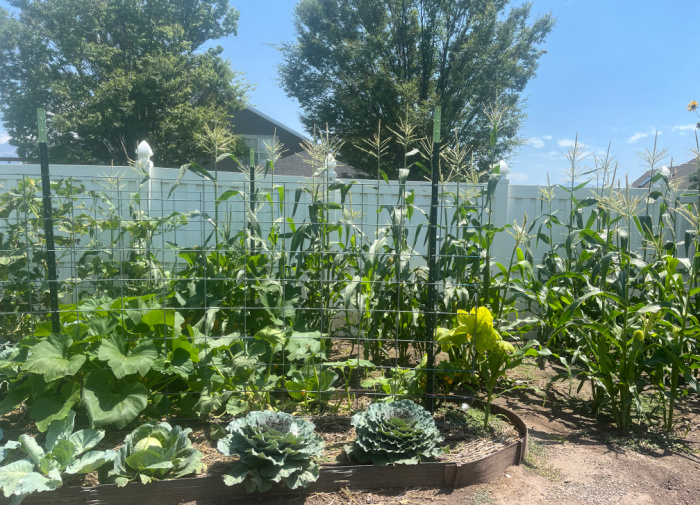
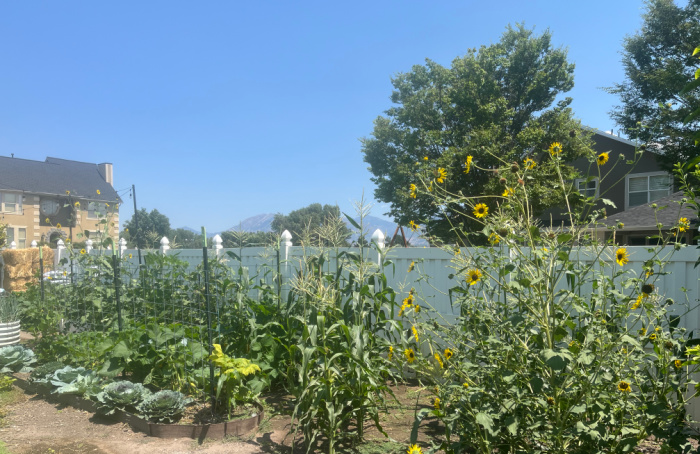
The property has great dirt thanks to all the livestock that have lived on it for the past 100 years or so. We have ample gardening space, a nutrient compost pile, raised beds and container gardening areas, and a greenhouse. All dirt is not created equal, so we are blessed and can put a check in the food cultivation column as well.

We grow in multiple locations both indoor and out to avoid having our entire crop wiped out by an insect infestation, flooding, drought, or inclement weather. It might seem like it would take a ton of space to garden this way, but it can be done on less than an acre if you grow vertically, use containers, and perhaps enclose a porch and turn it into a solar-powered greenhouse.

Extending your growing season is another piece of the puzzle that doesn't require extra land. It just requires planning. Cold frames, row covers, and root cellars can stretch a harvest by weeks or even months on either end of the season. In some climates, that's the difference between feeding your family year-round and running out of home-grown food by February.

People also need protein in order to remain strong and survive. Another check in the food cultivation column for us. We raise chickens, ducks, and goats, so there is a constant supply of meat, eggs, and milk. We have space ready for cattle and rabbits and have moved them to the top of the prepping budget this year.

Homestead Chicken Coop

We have barns and coops and space to build plenty more if we feel the need to increase our herd and flock populations. We could run a herd of six cattle easily and still own enough pasture and hayfields to meet their dietary needs.

We raise our own turkeys and have plenty of them–along with deer–in our woods. Sustainable land should be a mixture of wooded areas for hunting and flat space for growing crops and cultivating hay for livestock.

Oddly, possessing all of this, my weekly trip off our hill always includes a grocery store stop.

Our home, which was a hunting lodge before we bought the place and turned it into a house, came complete with a professional grade butcher shop. There is even a hoist to lift up large livestock and transport it first into the butcher shop and then into the walk-in cooler. This was a huge bonus. Having space to butcher your own meat is a requirement if you want to never leave your homestead and don't plan on living a vegetarian lifestyle.

We heat our home using a wood stove – the house came with an extra one, another added bonus. The house also came with a 2-year-old electric furnace, but we never really use it. The once-a-year hauling in of propane and all the wood in our forest allow us to heat sustainably.

Energy is one of the most overlooked pillars of self-sufficiency, and it's worth addressingn. Heating with wood is one thing, but what about electricity? Solar panels, a small wind turbine, or a micro-hydro setup (if you have moving water on the property) can go a long way toward cutting the cord with the utility company.

We're not fully there yet, but it's on the list. The point is, energy production doesn't require more land. It requires investment and know-how.

We grow our own natural home remedy ingredients and are thankfully all in good health. Not one of us is reliant on a doctor’s care or prescription medication.

Old Homestead

So let’s recap. We are a family of seven – counting our daughter’s family that also lives on our hill in a different home. We own 56 acres with every one of the necessary natural attributes that land must possess in order to allow a self-sustainable lifestyle.

Wow, if 56 acres won’t get it done, how much land do you need to never have to leave your land?

The answer…

Size doesn’t matter. Yep, that is right. In this likely one instance in your entire life, the size absolutely does not matter.

Confused? I am not trying to skirt the actual questions I was asked to answer – I swear.

The more I thought about the amount of land necessary and what type of natural assets it contains, I kept coming back to that same answer.

Let me explain before you shake your head in disgust and rush back to Google to find some numerical acreage answer – which will be wrong.

I know folks who can and have lived off their land and would not have to leave to get their basic needs met. One rural couple lives on less than five acres and owns land with fewer natural resources than we possess on our land.

Another acquaintance is a suburban family of four that lives on about 1/4 acre. They too grow, raise, and process enough of their own food to never have to go to a grocery store.

Yet another family friend owns 200 acres. Obviously, they are rural and are a family of nine. They do not need to leave their home except in cases of a severe medical emergency.

The amount of land each family owns varies substantially in size. So, why can they live a self-sustainable life and we cannot on our 56 acres?

It boils down to this, folks: time and skills.

Those two short words make all the difference when the parcels of land being compared all boast natural resources.

Working the land to a degree where it produces all the groceries you need takes a lot of time and skill. We have the skills we need to meet the task, but only a little more than half the time it takes to raise or grow, harvest, process, and preserve the food.

You can own any amount of resource-rich land, but if the limits on your time or skills don't allow you to work it properly, off to the grocery store you will go.

I give my husband and I an “A-” on our self-reliant skill set, our daughter a “B-” and her husband an “A-”, and I was always a tough grader. Whether we lived on 1/4 acre or 1,400 acres, we would still not be 100 percent self-sustainable as long as our time was split with outside work, there were still tools or equipment lacking, and we weren't earning a 4.0 on our skill sets.

Family On Homestead

Is it unrealistic to expect to never leave your land? Not necessarily, but you would have to live a simple life, never need surgery or chemo, and own the tools necessary to make your own fabric, thread, leather, etc. Alright, Amazon delivers, even way out in the woods where we live, so maybe you won’t have to make your own clothing material and thread, but I bet you get the point about the importance of developing a self-reliant skill set…on steroids.

I paint a stringent picture of what it would really take to live off your land, not to dampen your dreams of buying your dream homestead, but to help you avoid an epic disappointment. Or worse yet, becoming so overwhelmed or disenfranchised that you throw in the towel and go back to being an avid consumer.

Most homesteads fail because the eager and dedicated owners simply miscalculated the amount of time and knowledge required to run it. I can plant enough food to feed a family of 25 on our land, but it would all wilt and die because I wouldn't have the time to work a garden that large.

This is where community comes in, and it's something the self-sufficiency crowd doesn't talk about enough. Building relationships with skilled neighbors can fill in the gaps that time and skill shortages leave behind.

The old-timers called it neighboring. We'd do well to revive it. A tight-knit community of partially self-sufficient families is often more resilient than any single homestead trying to go it completely alone.

Never give up on the worthy dream of becoming entirely self-reliant. Instead, look at it as a long-range goal that will be a work in progress for many years. Every day that you are working your land, whether it is simply a corner lot in town or double-digit acres, you are improving the lives of your loved ones and preparing to survive a long-term disaster.

The skills you possess and the time you can put into your land matter far more than the number of acres on a deed.

If you're just getting started and feeling overwhelmed, here's a practical way to think about it: instead of trying to do everything at once, pick one system and master it before moving to the next.

Get your garden dialed in before you add livestock. Get comfortable with chickens before you take on goats. Learn to preserve what you grow before you worry about growing more. Progress that sticks is worth a whole lot more than ambition that burns out.

Start small, build skills, and let the land teach you what it needs. The acres will take care of themselves.

You May Also Like:

The post How Much Land Do You Need to Be Self Sufficient? appeared first on Homestead Survival Site.


from Homestead Survival Site https://ift.tt/aB8UZm9

Life Skills for Teens – 10 Essential Skills Every Prepper Family Should Teach

Most teenagers can navigate a smartphone faster than most adults, but hand that same teen a fuse box, a stovetop, or a checkbook and you will often see a blank stare. That gap is not their fault. Schools rarely teach practical, hands-on life skills, and busy households often default to doing things for teens instead of teaching them how to do things themselves. For a prepper family, that gap is dangerous. A self-reliant household is only as strong as its weakest member, and a teenager who cannot cook a meal, stop a bleeding wound, or make a decision under pressure is a liability in a real emergency.

The good news is that teens are wired for this. Adolescence is a developmental window built for testing independence, taking on responsibility, and learning by doing. Waiting until your kid moves out to teach these skills is waiting too long. Below are ten life skills every teen needs, why each one matters for preparedness and everyday life, and how to start teaching them this month, not someday.

1. Financial Literacy and Budgeting

Money management is the single most requested life skill missing from formal education, and it shows. Teens who never handle real money rarely understand the difference between a want and a need until they are drowning in credit card debt at twenty-two. Start with something concrete: give your teen a monthly budget for a category they care about, like clothing or entertainment, and let them run out of money once. That single failure teaches more than a decade of lectures.

From there, layer in real tools. Help them open a teen checking account, show them how a paycheck stub breaks down taxes and deductions, and walk through the difference between saving, investing, and spending. The Consumer Financial Protection Bureau’s youth financial education program offers free, age-appropriate lesson plans and activities you can work through together at the kitchen table, covering budgeting, credit, saving for emergencies, and spotting scams.

For a prepper household, financial literacy also means understanding barter, resale value, and building a small emergency fund of their own. A teen who has practiced saving three months of allowance for a goal has already built the muscle memory needed to save for real emergencies later.

2. Cooking and Food Preparation

A teenager who can only make cereal is one missed grocery trip away from going hungry. Cooking is not just a survival skill, it is a confidence builder. Start with five basic meals they can make from memory: scrambled eggs, a simple stir fry, pasta with sauce, a sandwich with real ingredients, and rice with beans. Once those are automatic, teach knife safety, how to read a recipe, and how to cook meat to safe internal temperatures.

Food safety matters just as much as the cooking itself. Cross contamination, improper storage, and undercooked meat cause more household illness than most people realize. Walk your teen through the four basic rules of food safety: clean, separate, cook, and chill, all outlined clearly by FoodSafety.gov, a joint resource from the USDA and FDA. Once they understand these basics with fresh ingredients, extend the lesson to cooking with pantry staples, canned goods, and shelf-stable food, since that is what a real emergency kitchen looks like.

For families who dehydrate, can, or store bulk food, bring your teen into that process too. Understanding how to rotate stock, read expiration dates, and prepare meals from stored food is a skill that pays off long after they move out on their own.

3. First Aid and Emergency Medical Response

Every teen should be able to handle the injuries that happen most often: cuts, burns, sprains, choking, and allergic reactions. Beyond bandaging a scrape, they need to know when a wound requires stitches, how to control severe bleeding, how to perform the Heimlich maneuver, and how to recognize the signs of shock. These are not abstract skills. They are the difference between a scary afternoon and a tragedy.

The most efficient way to build this skill is formal training. The American Red Cross offers first aid, CPR, and AED certification courses designed specifically for teens and available in-person, online, or as a blended course, and most teens can complete certification in a single day. Many employers, from lifeguard positions to camp counselor jobs, require this certification anyway, so it doubles as a resume builder.

Once certified, keep the skill sharp. Practice scenarios at home: what would they do if a sibling cut themselves badly, if a grandparent collapsed, or if someone had a severe allergic reaction with no EpiPen in reach. Rehearsed responses beat panicked improvisation every time.

4. Emergency Preparedness and Situational Planning

A prepper household already has a plan, but does your teen actually know it? Many parents build a comprehensive family emergency plan and never walk their kids through the details. Teens should know the family meeting points, out-of-area contact person, evacuation routes, and where the emergency kit is stored, and they should know it well enough to explain it to a younger sibling.

Give them ownership of a piece of the plan. Ready.gov’s Build a Kit guide lays out exactly what belongs in a basic emergency supply kit, and having your teen assemble and maintain their own personal go bag builds both competence and buy-in. Rotate the food and check the batteries with them every six months instead of doing it alone.

Older teens can go further. Ready.gov’s Teens page outlines how teenagers can join or start a Teen Community Emergency Response Team, learning search and rescue basics, disaster medical operations, and fire safety alongside trained adults. It turns preparedness from a family chore into a skill they own for themselves.

5. Basic Home and Vehicle Maintenance

Knowing how to shut off the water main, reset a breaker, unclog a drain, and check tire pressure sounds basic, but plenty of adults never learned it. Walk your teen through your own home’s systems: where the main water shutoff is, how the circuit breaker panel is labeled, how to light a pilot light safely, and how to use a basic tool kit without destroying a screw head.

Vehicle basics matter just as much, especially once a teen starts driving. They should be able to check and add oil, change a tire, jump a dead battery, and recognize warning dashboard lights that mean stop driving now versus get it checked this week. None of this requires a mechanic’s knowledge, just enough competence to avoid being stranded or making a small problem worse.

These skills also build the mindset preppers rely on: the instinct to diagnose a problem calmly instead of freezing or calling someone else the moment something breaks.

6. Situational Awareness and Personal Safety

Situational awareness is a habit, not a personality trait, and it can be taught. Teach your teen to notice exits when they enter a building, to keep their head up instead of buried in a phone while walking, and to trust their gut when a person or situation feels wrong. Role-play scenarios: what do you do if someone follows you from a parking lot, if a rideshare driver takes an unfamiliar route, or if a stranger asks for help finding a lost pet.

This extends to knowing basic de-escalation and boundary-setting language, and understanding that walking away from a fight is a sign of maturity, not weakness. Mental and emotional resilience matters here too. The CDC’s guidance on coaching teens to manage emotions and build independence offers a research-backed framework for helping teens regulate stress and make sound decisions under pressure, both of which are core to staying safe.

A confident, aware teen is a harder target for predators and a calmer decision maker in a crisis, which is exactly the outcome preparedness training is meant to produce.

7. Digital and Online Safety

Teens live online, which means their financial identity, personal safety, and reputation are all exposed to risks most adults did not grow up navigating. Teach them to use strong, unique passwords, recognize phishing attempts, and understand that anything posted publicly can resurface years later in front of a college admissions officer or employer.

The Federal Trade Commission’s guidance on protecting teens online emphasizes keeping communication open rather than relying purely on monitoring software, since teens who feel surveilled tend to hide activity rather than stop it. Talk through real scenarios: what to do if a stranger messages them, how to spot a scam offering free gift cards or gaming currency, and why sharing location data publicly is a security risk, not just a privacy preference.

For a prepper family, digital safety also covers operational security: teens should know not to publicly post the family’s home address, travel dates, or details about stockpiled supplies, since that information can make a household a target.

8. Communication and Conflict Resolution

The ability to make a phone call, order food for the table, ask a teacher for help, or push back respectfully on an unfair decision is a skill many teens never practice because texting has replaced most direct interaction. Push your teen to make their own appointments, call to ask a store about their hours, or introduce themselves to a new coworker instead of hiding behind a screen.

Conflict resolution deserves specific attention. Teach the difference between avoiding a problem, exploding over it, and actually resolving it. A simple framework helps: state the issue calmly, listen to the other side, and look for a solution both people can live with. This skill translates directly into working with a team during a real emergency, when clear, calm communication can prevent a bad situation from becoming worse.

9. Time Management and Work Ethic

A teen who cannot manage their own schedule will struggle with everything from schoolwork to a first job to running a household of their own. Teach basic tools: a planner or calendar app, breaking large projects into smaller deadlines, and prioritizing urgent tasks over easy ones. Let natural consequences do some of the teaching. If they procrastinate on a project and turn in weaker work, that lesson sticks harder than a reminder ever will.

A first part-time job accelerates all of this. It teaches punctuality, following instructions from a non-parent authority figure, and the direct link between effort and a paycheck. Before they start, review basic teen employment rules together, including hour limits and permitted job types for their age, so both of you know what is legally allowed.

10. Basic Self-Defense and Physical Confidence

Physical confidence is a life skill, not just a fitness goal. A teen who has trained in even basic self-defense, whether through a martial art, a dedicated self-defense course, or structured strength training, carries themselves differently. That composure alone deters a large percentage of opportunistic threats, since predators generally target people who look distracted or unsure of themselves.

You do not need to turn your teen into a fighter. Focus on a few practical fundamentals: how to break a wrist grab, how to create distance and get to a phone or safe location, and how to use their voice loudly and effectively to draw attention. Pair this with basic physical fitness, since stamina and strength both matter if a real emergency requires hiking out, carrying gear, or simply staying alert through a long, stressful night.

Want to Raise More Self-Reliant Kids?

Modern life doesn’t teach the practical skills that once came naturally. If you want your family to become more capable, confident, and prepared, The Amish Ways shares timeless lessons on self-reliance, work ethic, food preservation, traditional craftsmanship, and raising resilient children—all inspired by generations of Amish wisdom.

These aren’t complicated survival techniques—they’re practical, everyday habits that build independence one skill at a time. Whether it’s teaching your teen to grow food, repair broken tools, preserve the harvest, or solve problems without relying on technology, these old-world principles create capable adults who can adapt to whatever life throws their way.

👉 Discover how simple, old-fashioned skills can help your family thrive in today’s uncertain world!

Building the Habit: How to Start Teaching These Skills This Month

Trying to teach all ten skills at once will overwhelm both of you. Instead, pick one skill per month and build it into normal life instead of treating it as a lecture.

  • Assign one real responsibility this week, such as cooking dinner once or managing their own budget for gas money.
  • Sign up for one formal class this season, whether that is first aid certification or a defensive driving course.
  • Walk through one section of the family emergency plan together and quiz them on it afterward.
  • Let them fail safely at least once a month. A burned dinner or an overdrawn allowance teaches more than a warning ever will.
  • Praise competence, not just effort. Teens notice when confidence is earned versus handed to them.

The goal is not a perfect teenager who can survive alone in the wilderness by sixteen. The goal is a young adult who can think clearly, act calmly, and take care of themselves and the people around them when it counts. That is the entire foundation of preparedness, and it starts with skills you can begin teaching at your own kitchen table this week.


You may also like:

The U.S. Army's Forgotten Food MiracleJoin Our WhatsApp Channel For Weekly Actionable Tips And Tricks!

Unaired News Report Exposes MASSIVE Military Preparations All Across the US (VIDEO)

7 Life Skills I Wish I Knew Sooner

How Financial Literacy Skills Can Make or Break Your Survival Plan

How Do Chores Teach Life Skills? The Answer Every Prepper Parent Needs to Hear


The post Life Skills for Teens – 10 Essential Skills Every Prepper Family Should Teach appeared first on Ask a Prepper.


from Ask a Prepper https://ift.tt/dsXANGV