What will happen to your stuff after you die? None of us loves thinking about the day we’ll no longer be here. But here’s the truth. If you don’t tell your family what you want done with your things, they’ll have to guess. And guessing during grief is hard on everyone. Today, I want to walk you through why this conversation matters so much, and I’m going to give you a simple list you can use to talk with your family about your wishes.
Sid Dickens Memory Blocks
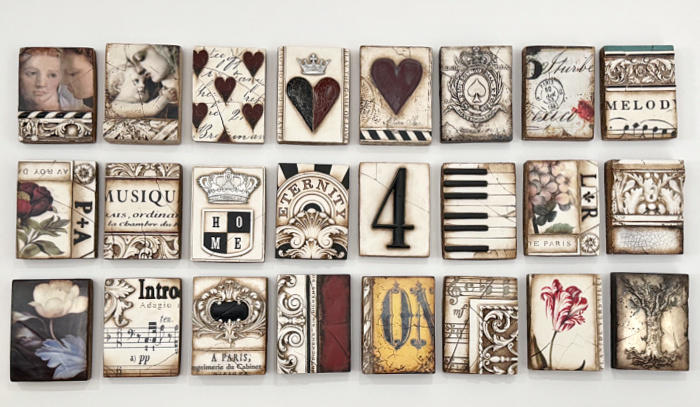
The Sid Dickens tiles you see in this post are handmade tiles I have collected for about 20+ years. Each one has a saying on the back. Some have been gifted to me; most I’ve purchased over the years because I love the sayings and the designs on tiles or memory blocks. They are hung on my wall, and they give me joy every single day.
What Will Happen To Your Stuff After You Die?

Why This Conversation Matters
Most of us don’t avoid this topic because we don’t care. We avoid it because it feels uncomfortable. Nobody wants to sit around the dinner table talking about who gets Grandma’s quilt. But I promise you, having this conversation now is a gift to the people you love. It saves them from confusion, arguments, and second-guessing themselves during a time when they’re already hurting.
I’ve talked before about wills and trusts, and those legal documents are so important. But a will or a trust doesn’t always cover the personal side of things. It might say who inherits the house or the savings account. It usually won’t tell your daughter that you wanted her to have your recipe box, or tell your son that the old fishing tackle box was supposed to go to his son someday. That’s where a personal conversation and a written list fill in the gaps.
There’s also a practical reason to have this talk. Families sometimes end up in painful disagreements after a loved one passes, not because anyone is greedy, but because nobody knows what mom or dad actually wanted. A misunderstanding over a small item can create hurt feelings that could last for years. A short conversation now can prevent that, in most cases.
Start With A Conversation, Not Just A Document
Paper is important, but paper can’t answer questions unless things are spelled out in detail. A conversation lets your family ask you things in real time. It also lets them hear your reasoning, which often matters more than the item itself. When you explain why something matters to you, it becomes easier for your family to honor that wish later, even if there’s a disagreement.
Pick a calm moment for this talk. It doesn’t need to be heavy or sad. Some families do this over a Sunday dinner. Others bring it up during a holiday visit when everyone is already together. The goal is simply to open the door so nobody feels blindsided.
If your family tends to get emotional or uncomfortable with this subject, consider breaking the conversation into smaller pieces over time rather than covering everything at once. You might talk about funeral wishes one week and household items another week. There’s no rule that says all of this has to happen in one sitting.
It also helps to invite questions. Your children or grandchildren may have things they’re curious about but feel awkward asking. Permitting them to ask questions openly often brings relief to everyone in the room.
A Simple List To Guide The Conversation
Here’s a list of topics to walk through with your family. You can use this as an outline for your talk, and then write down the answers during the dialogue or afterward so nothing gets forgotten.
- Sentimental items. Talk about specific belongings that carry meaning, such as jewelry, photographs, quilts, tools, or family heirlooms. Explain who you’d like to receive each item and why. Sharing the story behind an item often means more to your family than the item itself.
- Digital accounts and passwords. Let your family know where to find a list of your important accounts, including email, banking, and social media. Decide whether you want any accounts deleted, memorialized, or kept active. Many families are surprised by how much time it takes to close out digital accounts without this information.
- Important documents. Tell your family where you keep your will, trust, insurance policies, deed, and other paperwork. A locked box or a folder in a filing cabinet only helps if someone knows it exists. Consider giving a trusted family member a spare key or the combination in advance.
- Pets. If you have animals, decide who’ll care for them and make sure that person has agreed in advance. Include information about your pet’s routine, medical needs, and their veterinarian so the transition is easier on the animal as well.
- Funeral or memorial preferences. Share whether you want a burial or cremation, a specific location, particular songs or readings, or a simple gathering instead of a large event. This single conversation can lift an enormous weight off your family. Many families report that funeral planning is one of the hardest parts of losing someone simply because they were never told what their loved one wanted.
- Charitable wishes. If there are causes or organizations close to your heart, let your family know so they can consider a memorial donation or ongoing support in your name.
- Family recipes and traditions. Many of us keep recipes in our heads or on scraps of paper. Write them down and decide who’ll carry them forward. Consider including small notes about why a recipe was special, such as whose birthday it was always made for.
- Photos and family history. Talk about who’ll keep photo albums, journals, or genealogy records so your family story doesn’t get lost. If you’ve done any family history research, write down where that information is stored.
- Final messages. Some people like to write letters or record videos for children or grandchildren to open later. This is entirely personal, but it’s worth mentioning as an option. A short letter can bring comfort for years to come.
- Household and everyday items. Furniture, tools, kitchen items, and other everyday belongings often get overlooked, yet they can cause tension if nobody knows your wishes. A simple written note prevents confusion.
- Vehicles and equipment. If you own a car, tractor, boat, RV, or other equipment, decide who will take ownership or whether it should be sold. Include information about maintenance records or where the title is kept.
- Collections and hobbies. If you’ve collected coins, stamps, tools, quilting fabric, gardening supplies, or anything else over the years, let your family know whether these items should be kept, sold, or given to someone who shares your interest.
- Outstanding debts or financial obligations. While your will or trust may address this, it can help to give your family a general idea of any loans, subscriptions, or recurring payments so nothing catches them off guard.
- Home and property care. If you own land, a garden, or livestock, explain what ongoing care is needed and who might be willing to take that on, even temporarily, while the family figures out next steps.
Write It Down
Once you have talked through the list, take time to write everything down. This doesn’t need to be fancy or formal. A notebook, a typed document, or even a letter works fine. The important part is that it exists somewhere your family can find it, and that more than one person knows where to look.
Consider keeping a copy with your important documents and giving a second copy to someone you trust who doesn’t live in your home. This way, if something happens to your house or your records, the information isn’t lost.
Update this list every so often, especially after a big life change like a move, a new grandchild, or the loss of an item you once listed. A list from ten years ago may no longer reflect your current wishes. Many families choose to revisit this list once a year, perhaps around the new year or a birthday, simply as a gentle reminder to keep it current.
Involving Younger Family Members
It can feel strange to include children or grandchildren in these conversations, but doing so in an age-appropriate way can be valuable. Younger family members often carry forward traditions, recipes, and family stories long after older generations are gone. Even a simple explanation, such as why a certain quilt has been in the family for generations, can help a child understand and appreciate their family history.
What Happens If You Don’t Have This Conversation
Families who never have this talk often end up relying on assumptions. One sibling may assume an item was meant for them, while another sibling remembers a different conversation entirely. Without something written down, there’s no way to settle these differences, and disagreements can linger long after the funeral. Taking the time now to have an open conversation, paired with a written list, removes this uncertainty and protects relationships during an already difficult time.
A Gift Of Peace
Talking about what happens after you’re gone isn’t a morbid task. It’s an act of love. When you take the time to share your wishes clearly, you protect your family from unnecessary stress and give them the freedom to grieve without added pressure. That’s one of the most caring things you can do for the people you love.
11 Things You Should Do Before You Die
Have You Thought About a Will and a Trust?
Final Word
None of us knows exactly when our time here will end, but we do know that a little preparation now can spare our families a great deal of heartache later. Sitting down and sharing your wishes is not about focusing on death. It’s about focusing on the people you love and making their path a little easier during a season that’ll already be hard. A conversation, paired with a written list, is one of the simplest and most meaningful gifts you can leave behind. Take the time to complete it soon. Your family will be grateful you did. May God bless the world, Linda
P.S. No one in my family will want any of my food storage or emergency preps! LOL! I’m being honest!
The post What Will Happen To Your Stuff After You Die? appeared first on Food Storage Moms.
from Food Storage Moms
No comments:
Post a Comment