Power Outage Survival: What to Do in the First 24 Hours! There’s nothing quite like the moment the lights flicker, hum, and then go dark. Whether it’s a summer storm, a winter ice event, or an overloaded grid on a hot afternoon, power outages can occur with little warning. The good news is that the first 24 hours are the most important window you have, and if you know what to do, you can keep your family safe, your food protected, and your stress level much lower than it would be otherwise.
Power Outage Survival: What to Do in the First 24 Hours
The First Few Minutes
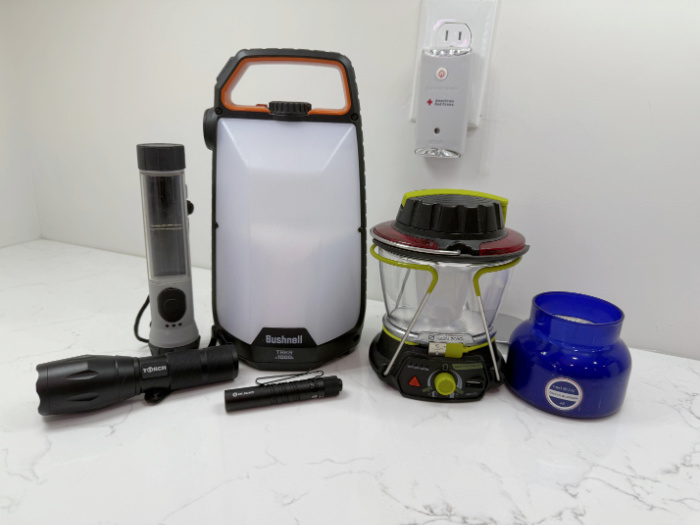
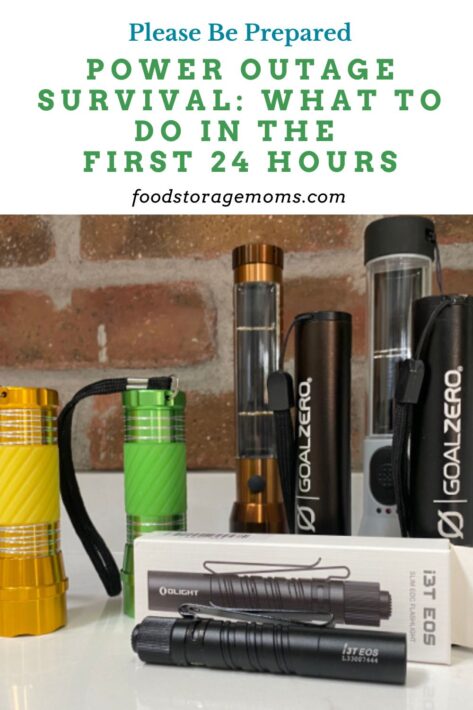
As soon as you realize the power is out, take a deep breath. Panicking won’t bring the lights back on any faster, but a calm and clear head will help you make good decisions. Grab a flashlight or headlamp rather than lighting candles right away. Candles are a fire hazard, especially with kids or pets in the house, and a good flashlight gives you plenty of light without the risk.
Check whether the outage is just your home or the whole neighborhood. Look outside to see if your neighbors have lights on. If they do, it may be a tripped breaker or a blown fuse, something you may be able to fix yourself in minutes. If the whole street or town is dark, you’re likely looking at a utility outage, and it’s worth calling your power company or checking their outage map online if you have cell service.
Take a moment to unplug or turn off major appliances and sensitive electronics, such as computers, televisions, and window air conditioning units. When power is restored, it sometimes comes back with a surge, and this simple step can protect your equipment from damage. Leave one lamp switched on so you know the instant power returns.
Protecting Your Refrigerator and Freezer
This is one of the biggest concerns in the first 24 hours, and it’s one people often get wrong. Keep the refrigerator and freezer doors closed as much as possible. A full freezer will hold its temperature for about 48 hours if left unopened, while a half-full freezer will last about 24 hours. A refrigerator will generally keep food safely cold for about 4 hours if the door stays shut.
If you know a severe storm is coming, freeze water in containers ahead of time and place them in your fridge and freezer. These act like ice blocks and buy you extra hours. If the outage continues, a cooler with ice can help you keep your most important refrigerated items, like milk, eggs, and medications, safe.
It helps to know which foods are the most forgiving and which ones you need to watch closely. Hard cheeses, butter, and condiments like mustard and ketchup can typically handle several hours without refrigeration. Milk, soft cheeses, eggs, leftovers, and anything with mayonnaise are more delicate and should be the first things you eat, move to a cooler with ice, or plan to toss if the outage lasts too long. A good rule of thumb passed down for generations still holds true today. When in doubt, throw it out. It’s always better to lose a bit of food than to risk a foodborne illness.
If you have a food thermometer on hand, use it once power is restored. Refrigerated food is safe as long as it stayed at 40 degrees or below, and frozen food that still has ice crystals or feels like it’s at 40 degrees or below can safely be refrozen.
Keeping Everyone Warm or Cool
Depending on the season, temperature control quickly becomes a real concern. In cold weather, close off rooms you’re not using, dress in layers, and use extra blankets. Gather the family into one smaller room to share body heat, and keep everyone away from drafty windows and doors. Never use a generator, camp stove, or charcoal grill indoors, including in garages, even with the door open, since carbon monoxide poisoning is a serious risk.
In hot weather, keep blinds and curtains closed to block the sun, drink plenty of water, and, if you have a battery-powered fan, use it. Wearing light, loose clothing and keeping a damp cloth on the back of your neck can also help your body regulate its temperature. If the heat becomes dangerous and lasts for many hours, it may be worth heading to a cooling center, a relative’s home, or anywhere with working air conditioning, especially if you have young children, older family members, or anyone with a health condition at home.
Communication and Safety
Turn on a battery-powered or hand-crank radio to stay informed about the outage and any weather warnings. Keep your phone in low-power mode and avoid unnecessary use so you have it available for a longer period in an emergency. Consider keeping a small battery pack or power bank charged and ready at all times, since it can give you several phone charges without needing to plug in.
If you have a car, don’t leave it running in a closed garage while charging, as this poses a carbon monoxide risk. If you do need to charge a device in your car, pull it out into the open with the garage door up, or better yet, park it in the driveway.
Let a family member or a trusted neighbor outside the affected area know your situation, especially if you have young children, older family members, or anyone with medical needs at home. If someone in your household relies on medical equipment that requires power, such as an oxygen concentrator or refrigerated medication, have a backup plan in place well before an outage happens, whether that’s a generator, a battery backup system, or a location you can travel to.
Keeping Kids and Pets Calm
An outage can be an adventure for kids, or it can be frightening, and a lot of that depends on how the adults around them respond. Keep your voice calm and steady, and if it’s safe to do so, let older kids help by holding flashlights or checking on the pets. Board games, cards, and simple storytelling by flashlight can turn a stressful evening into a memory the family looks back on fondly.
Pets pick up on stress just as easily as children do. Keep them on a regular schedule as much as possible, make sure they have access to water, and keep leashes and carriers nearby in case you need to evacuate on short notice.
What to Have Ready Before It Happens
The best time to prepare for a power outage is before one ever happens. A simple kit can make all the difference and should include a flashlight or headlamp for each family member, extra batteries, a battery-powered or hand-crank radio, a battery pack for charging phones, a manual can opener, and a supply of non-perishable food and water. Add a first-aid kit, any necessary medications, cash in small denominations since card readers may not work, and a paper list of important phone numbers in case your phone dies.
It’s also worth doing a walkthrough of your home to identify what runs on electricity that you rely on every day. Garage doors, well pumps, sump pumps, and security systems often rely on power more than people realize, and knowing this ahead of time lets you plan a backup for each unit. Keep this kit somewhere easy to grab in the dark, because that’s exactly when you’ll need it.
The First 24 Hours in Review
The first 24 hours of a power outage are all about keeping calm, protecting your food, staying safe with heating and cooling, and having a way to get information. With a little bit of planning ahead of time, you can turn a stressful situation into one that your family handles with confidence, whether it lasts an hour or stretches into the next day.
Generator Safety and Regulations During a Power Outage
When the power goes out, a generator can feel like the answer to almost every problem, keeping the lights on, the refrigerator running, and the furnace or air conditioner working. But generators come with real risks and real rules, and understanding both before you ever need to use one can protect your family, your neighbors, and even the utility workers trying to restore power to your area.
Please note that I’m not an electrician or an attorney, and local codes vary widely from one city or county to the next. Always check with your local fire department, building department, or a licensed electrician for the specific rules in your area.
Where Generators Should Never Be Used
This is the single most important safety rule, and it can’t be repeated enough. A generator should never be run inside a home, garage, basement, crawl space, or any partially enclosed area, even with the doors and windows open or fans running. Carbon monoxide is a colorless, odorless gas, and opening a door or running a fan won’t clear it out fast enough to prevent poisoning. Every year, people die from generator-related carbon monoxide poisoning, and the majority of those deaths happen during storm outages when families are trying to stay warm or keep food cold.
A generator should be placed at least 20 feet away from your home, with the exhaust pointed away from windows, doors, and vents. Even at that distance, wind patterns can carry fumes back toward the house, which is why a working carbon monoxide detector on every level of your home is essential, not optional.
The Backfeeding Rule
One of the biggest legal and safety issues with generators involves something called backfeeding. This happens when a portable generator is plugged directly into a wall outlet to power the whole house. When this is done, electricity can flow backward through the home’s wiring and out onto the utility lines. This can seriously injure or kill utility workers who are out repairing lines, believing them to be dead, and it can also damage your home’s electrical system.
If you want your generator to power your home’s circuits rather than just a few devices plugged directly into it, you need a transfer switch or an interlock device installed by a licensed electrician. Many cities and counties require a permit and inspection for this kind of installation, especially for larger standby generators that are permanently wired into a home. This is one of the few generator rules that are genuinely legal requirements rather than just safety recommendations, so it’s worth taking seriously.
Fuel Storage Rules
Gasoline and propane used to fuel a generator need to be stored properly, and this is another area where local fire codes often apply. Fuel should be kept in approved safety containers and stored outside the home’s living areas, ideally in a locked shed or other protected structure, away from any source of ignition. Many local fire departments set limits on how much fuel a homeowner can legally store, so it’s worth a quick call to ask.
Never refuel a generator while it’s running or still hot. Spilled fuel on hot engine parts can ignite instantly, so always allow the unit to cool completely before adding more fuel.
Weather and Electrical Safety
Generators and water don’t mix. A generator should always be operated on a dry surface, ideally under an open, canopy-like structure that allows airflow but keeps rain off the unit. Touching a generator or anything connected to it with wet hands can cause a serious electric shock, so dry hands and a dry ground are both important.
Only heavy-duty, outdoor-rated extension cords should be used to connect appliances to a generator, and cords should be checked for cracks or damage before each use.
Load Limits
Generators are designed for emergency standby power, not for running an entire home the way utility power does. It helps to know in advance what your generator can handle. Add up the wattage of the appliances and devices you plan to run, and compare that number to what your generator actually produces, keeping in mind that some appliances draw significantly more power when they first start up than they do once running. Overloading a generator can cause it to fail or overheat, so it’s often necessary to stagger which appliances are running at any given time.
Should You Get a Permit
If you’re considering a permanently installed standby generator rather than a portable one, most areas require a permit before installation and an inspection once the work is complete. This typically applies to the electrical connection, the fuel line if it runs on natural gas or propane, and sometimes the placement of the unit itself relative to windows and property lines. A licensed electrician or generator installer will usually know exactly what your local jurisdiction requires and can handle the permitting process for you.
The Bottom Line
A generator can be a wonderful tool during a power outage, but it’s not something to figure out on the fly in the middle of a storm. Take the time now to understand the safety rules, check with your local fire department about any fuel storage or permit requirements, and if you’re installing a standby unit, hire a licensed electrician to do it right. A little bit of preparation now means your generator will be a source of comfort during an emergency rather than a source of danger.
Final Word:
Power outages often show up at the most inconvenient times, but they don’t have to catch you off guard. A little preparation now means a lot less worry later, and it means you can be the calm, steady presence your family needs when the lights go out. May God bless this world. Linda
The post Power Outage Survival: What to Do in the First 24 Hours appeared first on Food Storage Moms.
from Food Storage Moms
No comments:
Post a Comment