Cooking from scratch is one of the best gifts we can give our families. It saves money, it stretches our food storage, and it lets us know exactly what’s going into the meals we put on the table. But let me be honest with you, my friends: cooking from scratch is so much easier when you have the right tools in your kitchen. You don’t need a fancy gourmet setup or a kitchen full of gadgets. You just need a handful of dependable, hardworking items that will serve you well for years.
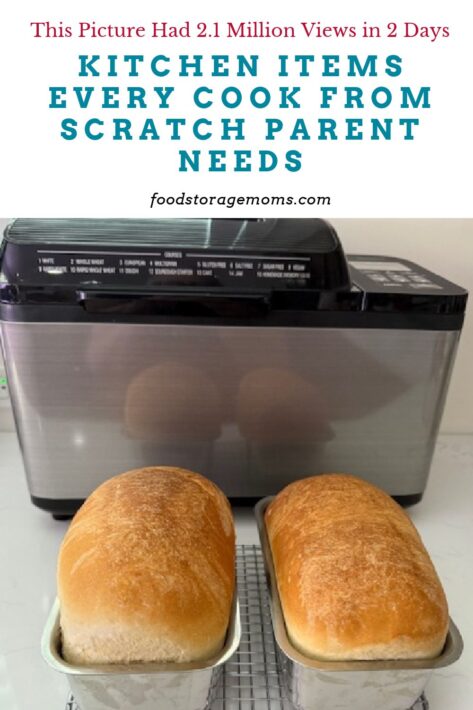
Today I want to share the kitchen items every cook-from-scratch mom or dad needs. These are the tools I reach for again and again, and many of them have been with me for a very long time. Whether you’re just starting your scratch-cooking journey or have been at it for years, I hope this list helps you build a kitchen that works for your family. This picture below had 2.1 million views in two days on FaceBook/Instagram. That has never happened to me. I really feel like people want to learn to make bread, right?
Why the Right Kitchen Tools Matter for Scratch Cooking
When you cook from scratch, you make bread, soups, casseroles, cookies, and sauces using basic pantry ingredients. That means more chopping, mixing, baking, and storing than if you were opening a box. Good tools save you time and energy, and they help you turn your stored flour, sugar, beans, pasta, and rice into meals your family will love.
Quality tools are also part of being prepared. If the grocery store shelves are thin or money is tight, a well-equipped kitchen lets you make nearly anything from the basics you already have on hand.
- Bread Maker
A bread maker is one of my favorite tools for busy families. You simply add your flour, yeast, water, salt, sugar, and oil, choose your setting, and walk away. A few hours later, your home smells like a bakery.
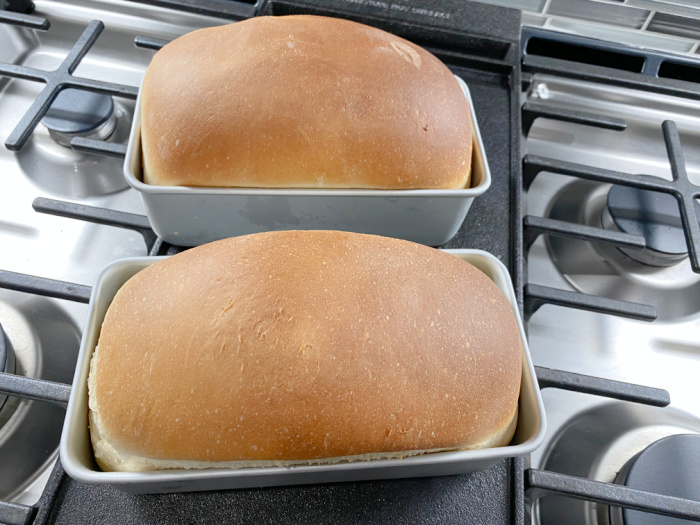
I love that a bread maker takes the guesswork out of kneading and rising. Many machines also have a dough setting, so you can let the machine do the hard work, then shape your dough into dinner rolls, cinnamon rolls, or pizza crust, and bake them in your oven. If you store wheat or flour for long-term food storage, a bread maker helps you actually use it. Homemade bread costs a fraction of store-bought bread, and you control every ingredient. My good friend has this one: Cuisinart Bread Maker. I have this one: Zojirushi Virtuoso Plus 2 Lb Breadmaker. We set ours on “Dough” and then bake two loaves in our kitchen stove when the bread maker finishes mixing, resting, and rising. I use these pans (one pound each). Size: 7.75 x 3.75 x 2.5. Fat Daddio Bread Pans.
- Hand Mixer, KitchenAid Stand Mixer, or Bosch Bread Mixer
Not everyone has the counter space or budget for a large stand mixer, and that’s perfectly fine. A good hand mixer can handle most of your everyday mixing jobs. I use mine for whipping cream, mashing potatoes, beating eggs, and mixing cake batter and cookie dough.
A hand mixer is lightweight, easy to store in a drawer or cupboard, and quick to clean. Look for one with several speed settings and sturdy beaters. It’s a small investment that makes a big difference.
If you have the counter space and the budget, a KitchenAid Stand Mixer is a wonderful upgrade from a hand mixer. It handles heavy jobs like mixing large batches of cookie dough and whipping frosting, leaving your hands free for other tasks. I love that it can run on its own while I measure the next ingredients or wipe down the counter. KitchenAid also offers attachments like a pasta roller, meat grinder, and shredder, so one machine can do the work of several. With good care, a KitchenAid Stand Mixer can last for decades, and many families pass theirs down to the next generation. Please note: I DON’T recommend it for making bread. They go on sale at Costco and Sam’s frequently, so keep your eyes open for a special deal.
A Bosch bread mixer is a favorite among serious home bread bakers, and for good reason. Its powerful motor sits beneath the bowl, giving it the strength to knead large batches of heavy whole-wheat dough without straining. You can mix enough dough for several loaves at once, which is perfect for busy families who want to bake for the whole week or stock the freezer. Many families who store wheat love the Bosch because it pairs so well with freshly ground flour, and attachments like a blender, slicer, and grain mill make it even more useful. If homemade bread is a regular part of your kitchen, a Bosch bread mixer is an investment that’ll serve you well for many years.
I need my Bosch when I’m making dinner rolls, cinnamon rolls, or anytime I need to use 14 cups of flour. My 6-quart KitchenAid would burn up the motor with that much flour. My six-quart works great for what I need it for. Now I see they have 7-quart and 8-quart units.
- Whisks and Danish Whisks
Every scratch kitchen needs a few whisks. I like to keep a large balloon whisk for eggs and batters, a smaller whisk for sauces and gravies, and a flat whisk for getting into the corners of a skillet. Whisks and Danish Whisks.
A whisk helps you make smooth gravy without lumps, blend dry ingredients evenly, and whip up a quick salad dressing. They’re inexpensive, they last forever, and they never need electricity. That makes them a wonderful tool for preparedness too.
- Cast Iron Pans
If I could only keep one type of pan, it would be cast iron. A well-seasoned cast iron skillet will last for generations. Many families still cook with the same skillets their grandmothers used, and I just love that.
Cast iron goes from the stovetop to the oven, and it can even be used over a campfire or on a grill if the power goes out. It holds heat beautifully, which makes it perfect for searing meat, frying potatoes, baking cornbread, and making skillet cookies.
To care for your cast iron, wash it with hot water and a brush, dry it completely right away, and rub a thin layer of oil on it while it’s still warm. With a little love, your cast iron pans will get better every year.
- Bread Pans
Even if you own a bread maker, you’ll want a few good bread pans. Baking loaves in the oven gives you that classic shape that’s perfect for sandwiches and toast. Bread pans are also wonderful for banana bread, zucchini bread, pumpkin bread, and meatloaf.
I recommend having at least two bread pans so you can bake a double batch. Freeze one loaf and enjoy the other right away. Glass, metal, and stoneware all work well, so choose the style you like best. I use these pans (one-pound loaves per pan). Size: 7.75 x 3.75 x 2.5. Fat Daddio Bread Pans.
- Casserole Pans
Casserole pans are the backbone of family dinners. A standard 9-by-13-inch pan is a must for lasagna, enchiladas, baked chicken, breakfast casseroles, brownies, and sheet cakes. I also like to keep an 8-by-8-inch pan for smaller meals and side dishes.
Casseroles are a wonderful way to use what you have in your pantry and freezer. You can assemble one in the morning, refrigerate it, and bake it at dinnertime. Many casseroles also freeze beautifully, making them perfect for stocking your freezer or for taking a meal to a neighbor who needs a little help. This is my favorite casserole dish; it cleans up so easily. Emile Henry Casserole Pan
- Dutch Oven
A Dutch oven is one of the most versatile pieces in my kitchen. It’s a heavy pot with a tight-fitting lid, usually made from cast iron or enameled cast iron. You can brown meat, simmer soups and stews, braise roasts, cook beans, and even bake crusty artisan bread in it.
A Dutch oven works on the stove, in the oven, and outdoors over a charcoal fire. That makes it an excellent tool for emergency cooking. If you only buy one large pot, I truly believe a Dutch oven is worth it. It’s one of those kitchen items every cook-from-scratch mom or dad will use week after week.
Please note: the Ceramic Dutch Ovens can only be used indoors, not on charcoal.
- Butter Bell for Butter
Have you ever tried to spread cold butter on a soft slice of homemade bread and torn it right in half? A Butter Bell solves that problem. It’s a two-piece crock that keeps butter soft and spreadable on your counter without letting it spoil quickly.
You pack softened butter into the bell-shaped lid, add a little cool water to the base, and place the lid upside down into the base. The water creates a seal that keeps air out and helps keep the butter fresh. Just change the water every few days. I love having soft butter ready for warm rolls, toast, and pancakes. Butter Bell
- Souper Cubes for Storage
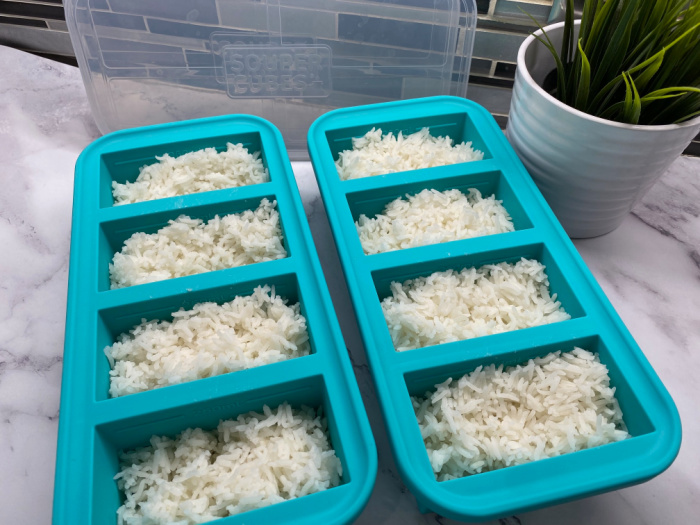
Souper Cubes are silicone freezer trays with lids that let you freeze soups, broths, sauces, and leftovers in perfectly portioned blocks. They come in several sizes, and each compartment has fill lines so you know exactly how much you’re freezing.
Here is how I use them. I make a big pot of soup, chili, or homemade bone broth, ladle it into the Souper Cubes, and freeze it. Once the portions are frozen solid, I pop them out and store them in a freezer bag or container. Then I can pull out just what I need for a quick lunch or dinner. This saves freezer space, reduces waste, and makes scratch cooking feel so much easier on busy days. Souper Cubes I freezer my rice, buttermilk, my homemade dog food, encore meals, etc. You can even bake in them (please read the directions; I have never cooked in them).
- Stashers for Making Food Ahead of Time
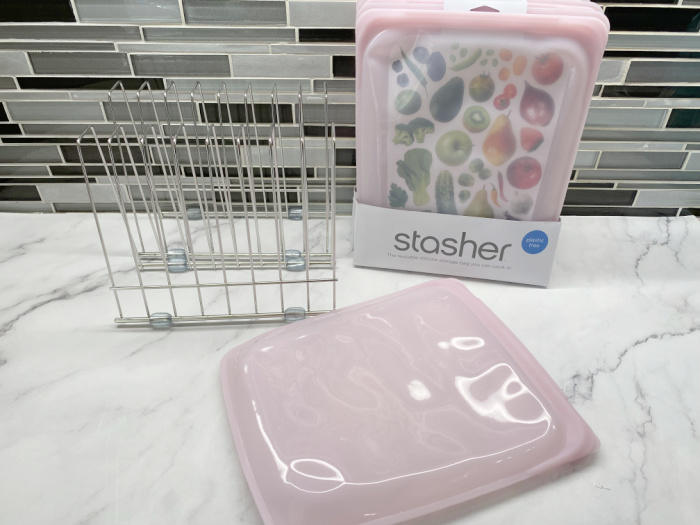
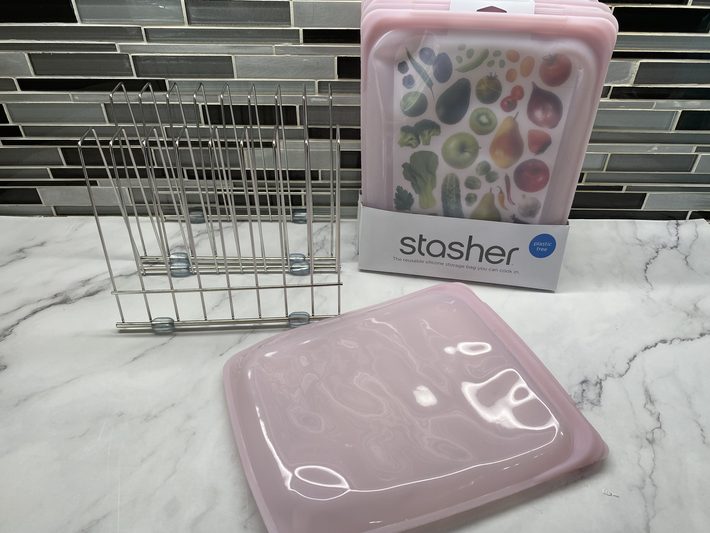
Stasher bags are reusable silicone storage bags, and I use them all the time for meal prep. They can go in the freezer, the refrigerator, and the dishwasher, so they’re wonderful for making food ahead of time. Stashers for my Bread Mixture and the Stasher Racks
I use Stashers to marinate meat, store chopped vegetables, freeze homemade freezer meals, pack snacks, and keep cookie dough ready to bake. Because they’re reusable, they save money on disposable plastic bags over time. When you spend an afternoon prepping meals for the week, having good storage bags makes the whole process go more smoothly.
- Cookie Sheets
Good cookie sheets aren’t just for cookies. I use mine for roasting vegetables, baking chicken, making sheet pan dinners, toasting nuts, drying herbs, and freezing berries or meatballs before I bag them.
I recommend having at least two or three heavy rimmed baking sheets. Thin, flimsy pans can warp in the oven and burn the bottoms of your cookies. A sturdy pan bakes evenly and will last for years.
- Parchment Paper
Parchment paper is one of those simple things that makes life so much easier. Line your cookie sheets, cake pans, and bread pans with parchment, and your baked goods slide right off. Cleanup becomes almost effortless.
I also use parchment paper to separate layers of cookies or burger patties in the freezer, to roll out pie crust, and to wrap foods for baking. It’s an inexpensive item worth keeping in your pantry at all times.
- Kitchen Drawer Organizers
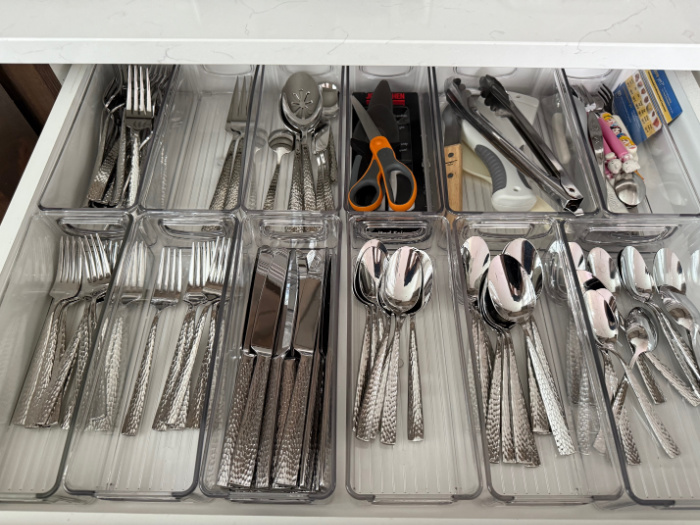
In case you didn’t know, I am OCD. I have to have “stuff” organized. I have kitchen drawer organizers. When you cook from scratch, you collect measuring cups, measuring spoons, spatulas, whisks, peelers, and wooden spoons. If your drawers are a jumbled mess, you waste precious time digging for what you need.
Drawer organizers keep everything in its place so you can grab the right tool quickly. I like adjustable dividers because they can be rearranged as my needs change. An organized kitchen is a calmer kitchen, and when the kitchen is calm, cooking becomes a joy rather than a chore. IDesign Kitchen Drawer Organizers
14. Instant Pot/Zavor Pressure Cooker
An Instant Pot is an electric pressure cooker that has become a real workhorse in many scratch cooking kitchens, including mine. It can pressure-cook, sauté, steam, slow-cook, and keep food warm, all in one pot. That means fewer dishes and more time with your family. Please note, I have a Zavor pressure cooker. I taught classes, and that’s the one I used to teach people before the Instant Pot became so popular. I bought an Instant Pot to try and gave it away to someone. A lot of people love them. Instant Pot
What I love most about the Instant Pot is how it helps me use my food storage. Dried beans that would normally need to soak overnight and simmer for hours can be cooked in a fraction of the time. Brown rice, steel-cut oats, and tough cuts of meat become tender and delicious in under an hour. I also use mine to make homemade bone broth, yogurt, applesauce, and hard-boiled eggs that peel so easily.
The sauté function is a wonderful bonus. You can brown your meat and onions right in the pot, then add your liquids and pressure cook your soup or stew without dirtying another pan. On those busy evenings when dinner needs to happen fast, the Instant Pot is a true blessing.
One quick note for my canning friends: even though the Instant Pot is a pressure cooker, it isn’t recommended for pressure canning. Please continue to use a proper pressure canner to preserve low-acid foods safely.
15. Slow Cooker
A slow cooker is one of the simplest and most dependable tools a busy mom or dad can own. You add your ingredients in the morning, set it to low or high, and come home to a hot, hearty meal ready to serve. There’s something so comforting about walking in the door to the smell of dinner already cooking.
Slow cookers are perfect for soups, stews, chili, pot roast, pulled pork, shredded chicken, and even oatmeal overnight. They turn inexpensive cuts of meat into tender, flavorful meals, which helps stretch your grocery budget. I often use mine on Sundays so dinner is waiting for us after church.
A slow cooker is also wonderful for feeding a crowd. Take it to potlucks, family gatherings, and church dinners, or use it to keep food warm during holidays when your oven is full.
For food safety, always thaw meat before adding it to your slow cooker, and boil dried red kidney beans for at least 10 minutes before slow-cooking them. With those simple steps, your slow cooker will serve your family well for many years.
16. Can Opener
A good can opener may seem small, but it’s one of the most important tools in any scratch-cooking or food-storage kitchen. Whether you’re opening canned tomatoes for a pot of chili or reaching for canned beans from your pantry, you need an opener that works every single time. I always recommend keeping a sturdy manual can opener on hand, even if you own an electric unit, because it’ll still work when the power goes out. Look for one with comfortable handles and a sharp cutting wheel, and consider keeping an extra in your emergency kit. After all, your food storage is only helpful if you can open it.
Why It’s Important To Know How To Cook From Scratch
Tips for Building Your Scratch Cooking Kitchen on a Budget
You don’t have to buy everything at once. Start with the items you’ll use most, like a cast iron skillet, a casserole pan, and a cookie sheet. Then add one item at a time as your budget allows.
Check thrift stores, yard sales, and estate sales for cast iron and Dutch ovens. You can often find older pieces that only need a good cleaning and a fresh coat of seasoning.
Ask for kitchen tools as birthday or Christmas gifts. Family members are often happy to give something practical that you’ll use every day.
Buy quality when you can. A well-made pan or Dutch oven may cost a little more up front, but it will outlast cheaper options many times over.
Frequently Asked Questions
What is the most important kitchen item for cooking from scratch?
If I had to choose just one, I would pick a cast iron skillet or a Dutch oven. Both are incredibly versatile and will last a lifetime with proper care.
Do I really need a bread maker to make homemade bread?
No, you can absolutely make bread by hand. A bread maker simply saves time and effort, which is a big help for busy parents.
Are Souper Cubes worth it?
If you make soups, broths, or sauces in large batches, Souper Cubes make freezing and portioning so much easier. They help you use what you cook and reduce waste.
How do Stasher bags help with meal prep?
Stashers are reusable and safe for the freezer and dishwasher, so they’re perfect for marinating, storing prepped ingredients, and freezing make-ahead meals.
Final Word
Cooking from scratch is a beautiful way to care for your family, stretch your grocery budget, and make the most of your food storage. With these kitchen items every cook-from-scratch parent needs, you’ll be ready to bake bread, simmer soups, roast dinners, and prep meals in advance with confidence.
Remember, you don’t need everything today. Build your kitchen slowly, take care of your tools, and enjoy the time you spend cooking for the people you love. Some of my sweetest memories have happened right there in the kitchen, with flour on the counter and family gathered around the table.
What kitchen tools do you use most when cooking from scratch? I would love to hear about your favorites in the comments below. May God bless this world, Linda
The post Kitchen Items Every Cook From Scratch Parent Needs appeared first on Food Storage Moms.
from Food Storage Moms
No comments:
Post a Comment