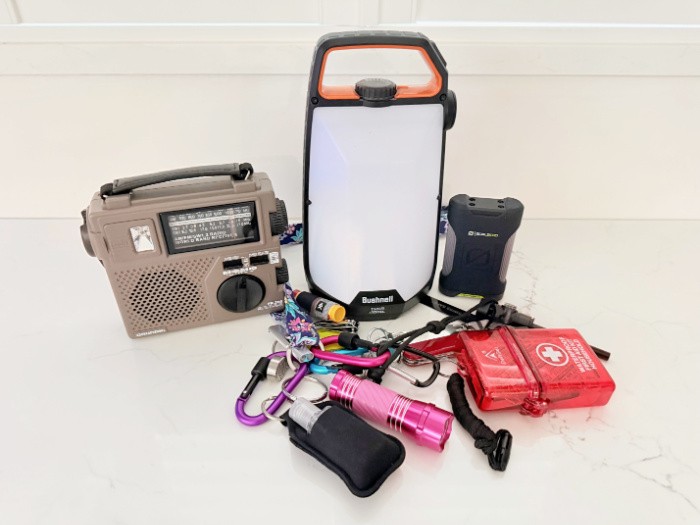
Power outage preparation should be included in your home survival plan. Power outages can strike without warning and last anywhere from a few hours to several weeks. Whether caused by severe storms, hurricanes, winter weather, wildfires, damage to power poles from an auto accident, or grid failures, losing electricity disrupts nearly every aspect of daily life. The good news is that with the right preparation, you can keep your family safe, comfortable, and fed, no matter how long the power is out.
This post covers everything you need to know about power outage preparation, from building your emergency supply kit to protecting your home and managing medical equipment. If you’re teaching classes on emergency preparedness, please share this information
Why Power Outage Preparation Matters
The U.S. experiences more power outages than any other developed nation. According to the U.S. Energy Information Administration, the average American experiences more than seven hours of power interruptions per year. That number is rising as extreme weather events become more frequent.
Extended outages create serious risks, including food spoilage, hypothermia or heat stroke, loss of medical equipment function, carbon monoxide poisoning from improper generator use, and security vulnerabilities. Preparation is what separates a manageable inconvenience from a life-threatening situation.
Phase 1: Before the Outage — Build Your Preparedness Foundation
Stock an Emergency Power Outage Kit
Every household should have a dedicated power outage kit stored in an accessible, central location. Your kit should include:
Lighting:
- LED flashlights with extra batteries (one per person). Consider having solar flashlights.
- Battery-powered or hand-crank lanterns
- Glow sticks for children
- Candles and waterproof matches (use with caution around children and pets)
Power and Communication:
- Portable battery banks (10,000–20,000 mAh) to charge phones and devices
- Battery-powered or hand-crank NOAA weather radio
- Spare batteries in common sizes (AA, AAA, D-cell)
- Solar-powered charger for extended outages
Food and Water:
- Minimum three-day supply of water (one gallon per person per day)
- Non-perishable foods that require no cooking or refrigeration
- Manual can opener
- Paper plates and utensils to minimize cleanup without running water
Warmth and Comfort:
- Blankets or sleeping bags rated for cold temperatures
- Hand warmers and chemical heat packs
- Extra clothing layers for each family member
Tools and Safety:
- First aid kit
- Whistle and emergency signaling device
- Duct tape and plastic sheeting
- Copies of important documents in a waterproof bag
- Cash in small bills (business card readers won’t work without power)
Choose the Right Backup Power Solution
One of the most important decisions in preparing for a power outage is selecting the right backup power source for your household’s needs.
Portable Generators: Portable generators are the most common backup power solution. They run on gasoline or propane and can power essential appliances like refrigerators, fans, medical devices, and lights. Critical safety rules include never running a generator indoors, in a garage, or within 20 feet of windows or doors, as carbon monoxide poisoning is the leading cause of generator-related deaths.
Standby Generators: Whole-home standby generators are permanently installed and kick on automatically within seconds of a power failure. They run on natural gas or propane and can power your entire home for days or weeks. While they cost significantly more than portable units (typically $3,000–$20,000 installed), they are the gold standard for households with medical equipment or those in high-risk outage areas.
Portable Power Stations: Portable power stations (such as those from Jackery, EcoFlow, or Bluetti) are rechargeable battery units that can power small devices, lights, fans, and some medical equipment. They are silent, safe for indoor use, and rechargeable via solar panels. They are an excellent choice for apartments or smaller households.
Manage Your Food Supply
Food safety is one of the most overlooked aspects of power outage preparation. The USDA guidelines are straightforward: a full refrigerator will keep food safe for about four hours, a half-full refrigerator for two hours, and a full freezer for 48 hours (24 hours if half full).
To maximize food safety before and during an outage:
- Keep an appliance thermometer in your fridge and freezer at all times
- Fill your freezer with water jugs; they act as ice blocks and extend safe temperatures
- Keep a cooler and ice packs ready to transfer critical refrigerator items
- Stock a two-week supply of shelf-stable pantry foods as your outage baseline
- Never taste food to determine if it is safe. When in doubt, throw it out
Best shelf-stable foods to stockpile: Canned beans, canned vegetables, canned fish and chicken, peanut butter, crackers, oats, rice, dried pasta, jerky, trail mix, protein bars, instant coffee, and powdered milk.
Protect Your Home and Appliances
Before an outage-causing storm arrives, take these protective steps:
- Install surge protectors on all major electronics to guard against power surges when electricity is restored
- Unplug sensitive electronics like computers and televisions before a known outage event
- Fill your bathtub with water using the WaterBOB or simply the drain-plugged tub for flushing toilets if water service is disrupted
- Charge all devices to 100% as soon as a storm warning is issued
- Know how to manually open your garage door — the release cord disengages the automatic opener
- Locate your electrical panel and know how to safely shut off circuits
Phase 2: During the Outage — Stay Safe and Conserve Resources
Temperature Management
Extremes of heat and cold are the most dangerous consequences of extended power outages.
During a winter outage, layer clothing and use sleeping bags designed for cold conditions. Gather the family into one room and close doors to conserve heat. Use draft stoppers under doors. If the home drops below 55°F, go to a warming shelter, community center, or family member’s home.
During a summer outage: Stay on the lowest floor of your home, as heat rises. Use battery-powered fans and wet towels to manage body temperature. Drink water consistently. Recognize heat exhaustion symptoms: heavy sweating, weakness, cold or pale skin, nausea, and seek medical attention if they appear.
Conserve Battery and Power Resources
During an outage, prioritize how you use your backup power:
- Use phones for emergency communication only, avoid streaming or gaming
- Keep flashlights off when not needed
- Charge the most critical devices first (phones, medical equipment)
- Use one central light source rather than multiple individual lights
- Check in with neighbors, especially older neighbors, who may need assistance
Stay Informed
A battery-powered or hand-crank NOAA weather radio is your most reliable source of emergency information when cell towers are overloaded or the internet is unavailable. Tune to your local emergency broadcast station and follow all official guidance on sheltering, evacuation, and utility restoration timelines.
Phase 3: After the Outage — Restore Power Safely
When power returns, take a careful, systematic approach:
- Wait a few minutes before turning everything back on to avoid tripping breakers from a sudden load surge
- Check your food using the appliance thermometer — discard anything above 40°F that has been unrefrigerated for more than two hours
- Inspect your home for damage, including water intrusion, gas smells, or structural issues, before resuming normal activity
- Restock your kit immediately, replace used batteries, water, food, and other supplies before the next outage
Special Considerations
Medical Equipment and Power Outages
If anyone in your household relies on electrically powered medical equipment, such as a CPAP machine, home oxygen concentrator, infusion pump, or powered wheelchair, power-outage planning is critical.
Steps to take now:
- Contact your medical equipment provider about battery backup options for your specific device
- Register with your utility company as a medical baseline customer. Many utilities prioritize restoration for medically vulnerable households and may offer advance notification of planned outages. I checked with South Jordan, Utah, where I live, and they don’t have anything in place to help those in need of electricity. The woman suggested I get a generator. I would get one if I could afford it. But when the fuel is gone, then what?
- I do have extra batteries and a car charger for my portable oxygen tank. If you know anyone who uses oxygen, please check whether their equipment is up to date. I have a unit that provides 18 hours of usage right now.
- Talk to your doctor about a short-term plan if the equipment can’t be powered.
- Identify the nearest hospital or medical facility in case of an emergency.
Apartments and Renters
Renters face unique challenges during outages, including elevator outages in high-rise buildings, limited space for generators, and dependence on building management. Portable power stations are the best backup power solution for renters. Know your building’s emergency procedures and identify stairwell locations before you need them.
Households with Pets
Keep a 72-hour supply of pet food and water in your outage kit. Be aware that extreme temperatures affect pets more quickly than adults. Know the location of pet-friendly warming and cooling centers in your community.
Power Outage Preparation Checklist
Use this quick checklist to assess your readiness:
- Emergency kit assembled and stored accessibly
- Backup power solution selected and tested
- Portable battery banks are charged and ready
- NOAA weather radio in kit
- Two-week supply of shelf-stable food stocked
- Water supply stocked (1 gallon/person/day for a minimum of 3 days). I prefer 4 gallons per person per day for cooking, hydration, personal hygiene, and limited laundry tasks
- Appliance thermometer in fridge and freezer
- Surge protectors are installed on all major electronics
- Manual garage door release located and tested
- Family communication plan established
- Medical equipment backup plan in place
- Utility company notified of medical needs (if applicable)
- Neighbors checked on, especially older or vulnerable
Frequently Asked Questions
How long do most power outages last? Most residential outages last under four hours. However, outages caused by major storms, hurricanes, or ice events can last days to weeks. It is prudent to plan for at least 72 hours of self-sufficiency.
Is it safe to use a gas stove during a power outage? Most modern gas stoves require electricity to ignite, but can be lit manually with a match or lighter at the burner. Never use a gas stove, charcoal grill, or propane camp stove indoors for heating, as these produce deadly carbon monoxide.
What should I do if my sump pump loses power during a storm? A battery backup sump pump is an essential investment in flood-prone areas. Without it, keep sandbags ready and move valuables off the basement floors when heavy rain is forecast.
How do I keep my phone charged during an outage? A fully charged portable battery bank (power bank) is the most reliable solution. Keep one charged at all times. A solar charger can extend your phone’s life during a multi-day outage.
Should I open my refrigerator during a power outage? Open it as little as possible. Every time you open the door, cold air escapes. A closed refrigerator maintains safe temperatures for approximately four hours.
Supplies Needed for a Power Outage
Final Word
Power outage preparation is one of the highest-return investments you can make in your family’s safety. Most of the steps are inexpensive, one-time actions that provide years of protection. Start with the basics: a flashlight, a battery bank, and a few days of food and water — and build your preparedness inventory from there. The time, effort, and modest cost of preparing now are nothing compared to the stress and danger of being caught completely unprepared. May God bless this world, Linda
The post Power Outage Preparation: For Home Survival appeared first on Food Storage Moms.
from Food Storage Moms
No comments:
Post a Comment