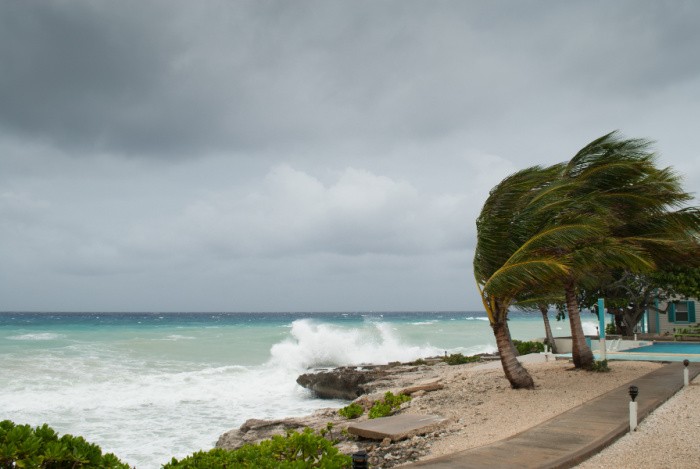
Hurricane vs Tsunami: Which One is More Destructive? Natural disasters are powerful forces of nature that can cause mass destruction, but when it comes to hurricanes vs tsunamis, there’s often confusion about which is stronger. Both can cause significant damage and loss of life, but they differ in their origins, how they form, and the types of damage they can cause. So, which one is more destructive?
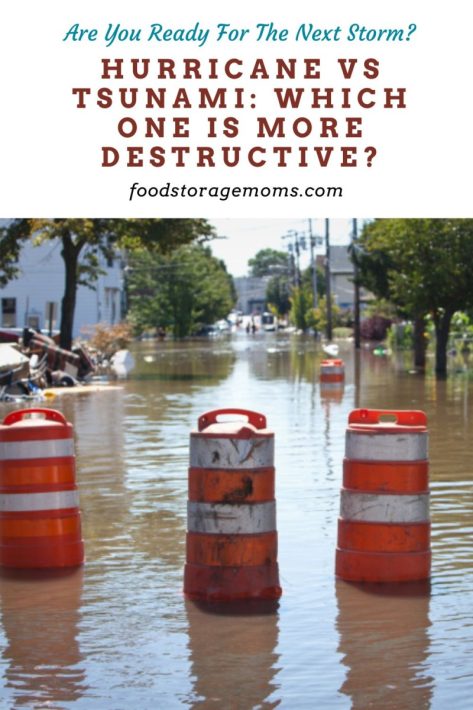
Hurricane vs Tsunami
Understanding Hurricanes
Hurricanes, also known as tropical cyclones, are massive storms characterized by a rotating spiral of thunderstorms. They form over warm ocean waters and are driven by the heat energy from these waters. The storm system intensifies as it moves, producing heavy rainfall, high winds, and flooding. We’re just entering the hurricane season, so it’s important to understand how best to understand them and how to prepare your home and other property.
The Strength of Hurricanes
The strength of a hurricane is measured using the Saffir-Simpson Hurricane Wind Scale, which ranges from Category 1 (winds of 74-95 mph) to Category 5 (winds of 157 mph or higher). The destructive power of a hurricane primarily comes from its high winds, which can cause significant structural damage, and heavy rainfall, which can lead to severe flooding.
Understanding Tsunamis
Tsunamis are large waves triggered by underwater activity such as earthquakes, volcanic eruptions, or landslides. Unlike normal ocean waves, a tsunami generally consists of a series of waves that can travel across entire ocean basins at high speeds, like the ones that hit Japan and Indonesia several years ago. That part of the world seems to experience tsunami activity more frequently than others, and that’s certainly been the case during 2026.
You’d be hard-pressed to equate tsunami activity with the effects of climate change in any way. Underwater earthquakes and volcanic activity are more closely related to shifts in Earth’s physical makeup. Hurricanes relate to changing temperatures worldwide and the influence those temperatures have on wind currents and ocean water.
The Strength of Tsunamis
A tsunami’s strength isn’t measured by wind speed, unlike a hurricane’s. Instead, it’s determined by the size of the waves and the amount of water displaced. The destructive power of a tsunami stems from the immense volume of water that can inundate coastal areas, causing widespread flooding and destruction.
We often hear about the importance of a tsunami warning system. The sirens blasting over the area where the anticipated tsunami will reach landfall are designed to give the population an immediate alert since the tsunami generally doesn’t take long to form and travel to land. That has been one of the recent complaints about wildfire damage in some areas, since residents don’t always receive any warning or notice of danger.
Destructive Power: Hurricane vs Tsunami
Comparing the strength of a hurricane versus a tsunami isn’t straightforward because they impact areas in different ways. While hurricanes primarily cause wind damage and flooding from rainfall, tsunamis cause damage through flooding from sea surges.
A powerful hurricane can cause widespread damage over a large area for several days, while a tsunami can cause catastrophic damage in a matter of minutes. However, the extent of a tsunami’s damage is often confined to coastal areas, whereas a hurricane can affect larger regions, including inland areas.
Can a hurricane turn into a tsunami?
No, a hurricane can’t turn into a tsunami. While both are powerful and destructive natural phenomena, they are fundamentally different. Hurricane Items You Must Have Before It Hits
Can a hurricane hit a volcano?
Yes, a hurricane can hit a volcano, but the outcomes aren’t as wild as one might imagine. If a hurricane hits an active volcano, it usually doesn’t trigger an eruption or stop one that is already erupting. Be Prepared for a Hurricane. What it might do is carry the smoke or ash from the volcanic eruption a further distance than normal.
Can a hurricane destroy an island?
Yes, a hurricane can cause severe property destruction on an island, depending on its intensity and the island’s resilience to such disasters. There’ve been instances in history where hurricanes have caused significant damage to islands. How to Prep for Hurricane Season
Hurricane vs Tsunami: What damage can a hurricane do?
- Wind Damage: The strong winds of a hurricane can damage or destroy office buildings, homes, infrastructure such as the power grid, and vegetation. Winds can tear off roofs, uproot trees, and turn loose debris into dangerous projectiles. These aren’t just gusts of wind; they’re sustained winds that stay at high speeds for hours. It’s the continuation of the winds with no letup that ultimately shakes things apart.
- Rainfall-Induced Flooding: Hurricanes often bring torrential rain, leading to significant flooding. This flooding can cause water damage to homes and other buildings, disrupt transportation, and often result in loss of life. Flooding: Everything You Need to Know. The rainfall totals anticipated from Hurricane Hilary on the West Coast some time ago were between 2 and 10 inches. States like Nevada and Arizona don’t get much more than 10 inches of rain in a full year, so to get it in just a few hours or days is significant.
- Storm Surge: A storm surge is a rapid rise in sea level that occurs when a hurricane pushes a large volume of ocean water onto land. This can lead to severe coastal flooding, beach erosion, and damage to coastal properties and infrastructure. This is the one area of destruction that is similar between hurricanes and tsunamis since they both bring high volumes of water as they make landfall.
- Landslides and Mudslides: In hilly or mountainous terrain, heavy rain from a hurricane can saturate the ground, triggering landslides or mudslides and causing further destruction. How to Use Rain Water at Home
- Economic Impact: Beyond the physical damage, hurricanes can also have a significant economic impact. They can disrupt local economies by causing business closures, job losses, and damage to key industries like tourism and agriculture.
- Environmental Impact: Hurricanes can also cause environmental damage. For example, they can lead to oil spills, damage to wildlife habitats, and changes in landscapes.
Hurricane vs Tsunami: What damage can a tsunami do?
- Flooding: Tsunamis generate massive waves that can inundate coastal areas, flooding homes, buildings, and infrastructure like utilities. The force of the water can submerge entire communities and cause extensive damage.
- Destruction of Infrastructure: The powerful waves of a tsunami can destroy or severely damage buildings, bridges, roads, power grid substations, and other critical infrastructure. Structures may collapse or be swept away by the force of the water, leading to significant losses.
- Loss of Life: Tsunamis pose a significant risk to human life. The force and speed of the waves can drown and injure individuals caught in their path. Sadly, tsunamis have claimed countless lives throughout history. The Largest tsunami in U.S. history.
- Coastal Erosion: Tsunamis can erode coastlines and strip beaches of sediment, altering the natural landscape. The powerful currents and debris carried by the waves contribute to the erosion process. 13 Prepping Tips if You Live By the Beach
- Environmental Impact: Tsunamis can have severe environmental impacts. They can damage coral reefs, destroy coastal habitats, and introduce pollutants into the marine ecosystem. The disruption to ecosystems can have long-lasting effects.
- Economic Consequences: The economic impact of a tsunami can be extensive. It can result in the loss of businesses, disruption of industries such as fishing and tourism, and require substantial financial resources for recovery and rebuilding efforts.
Which areas are more prone to experiencing hurricanes?
The number and duration of hurricanes around the world vary each year, but we typically see approximately 80 tropical cyclones globally, with about 25 reaching hurricane status. From an activity standpoint, the western Pacific Ocean is the most active due to the huge size of warm ocean water. On the other side of the continental United States is the Atlantic Ocean, which has a much smaller geographic area and fewer hurricanes. The North Atlantic Ocean seldom experiences hurricanes because the water is much cooler year-round.
As we hear on the radio and TV, Southern Florida, the Caribbean, the Gulf of Mexico, and the Gulf areas of Louisiana and Texas are the most prone to severe hurricanes each year. You seldom hear of any hurricane activity in the Northwest Pacific region.
What does the term El Niño mean and what does it have to do with hurricane formation?
I’m not a scientist, but it’s my understanding that El Niño is a weather phenomenon in which ocean surface temperatures become warmer than normal, and it usually starts near the equator in the tropical East Pacific. Weather experts use the term to describe a period when hurricane activity is higher in the eastern Pacific and lower in the Atlantic Ocean, Caribbean Sea, and Gulf of Mexico.
Hurricanes and tsunamis are both terrifying displays of nature’s power, but they form in completely different ways and cause damage in different patterns. Understanding those differences can help you prepare for each one properly.
Hurricanes
A hurricane is a massive rotating storm system that forms over warm ocean water. It develops when warm, moist air rises, creating a cycle of evaporation and condensation that fuels ever-stronger winds. Hurricanes can stretch hundreds of miles across and often take days to fully form, which usually gives forecasters time to track them and issue warnings well in advance. Their destruction comes from several sources at once: sustained winds that can exceed 150 miles per hour, torrential rainfall that causes widespread flooding, and storm surge, which is the wall of ocean water pushed ashore by the storm’s winds. In many hurricanes, storm surge causes more death and property damage than the wind itself.
Tsunami
A tsunami is something entirely different. It is a series of massive ocean waves caused by a sudden displacement of water, usually from an undersea earthquake, though volcanic eruptions and landslides can also trigger one. Unlike a hurricane, a tsunami can strike with almost no warning. In open water, a tsunami wave might only be a foot or two tall and can pass under a ship without anyone noticing. But as it approaches shallow coastal waters, the wave slows and dramatically increases in height, sometimes reaching 30 feet or more. When it hits land, it doesn’t behave like a normal wave that rolls in and out. Instead, it acts like a fast-moving wall of water that keeps pushing inland for several minutes, dragging cars, buildings, and everything else in its path.
Hurricanes Tend To Cause More Damage
So which one is more destructive? It depends on how you measure destruction. Hurricanes tend to cause damage over a much larger geographic area and can last for many hours or even days as they move across land. Because of the size and duration, total economic losses from hurricanes are often higher over the course of a full season.
Tsunamis Are Sudden
Tsunamis, on the other hand, tend to be more sudden and can be more deadly per event because there’s so little time to evacuate. The 2004 Indian Ocean tsunami killed over 230,000 people in a matter of hours, which is a scale of loss that few hurricanes have matched. The lack of warning time is really what makes tsunamis so dangerous compared to hurricanes, which are almost always tracked for days before landfall.
For families thinking about preparedness, this difference matters a great deal. Hurricane preparedness can include boarding up windows, stocking up on food and water in advance, and planning an evacuation route days in advance. Tsunami preparedness looks different. It means knowing the natural warning signs, such as a strong earthquake near the coast or a sudden, unusual retreat of the ocean, and having a plan to get to higher ground immediately without waiting for an official alert.
Both disasters remind us why having emergency supplies ready at all times is so important, since there’s rarely a convenient moment to start preparing once disaster strikes.
More Natural Disaster Tips
Final Word
Determining whether a hurricane or a tsunami is stronger depends on how you define ‘strength.’ Given the speed and volume of water involved, a tsunami can be considered stronger. However, if we consider duration and impact, a hurricane might take the lead. Both are powerful forces of nature, awe-inspiring and terrifying. I sure hope we’re all prepared in time, no matter what type of emergency is most common in our respective locations. May God bless this World, Linda
Copyright Images: Hurricane on the Beach AdobeStock_160614893 by drew, Flooded Street AdobeStock_125238233 by bartsadowski
The post Hurricane vs Tsunami: Which One is More Destructive? appeared first on Food Storage Moms.
from Food Storage Moms
No comments:
Post a Comment