Tropical Storms: When Do They Become Hurricanes? Learn when a tropical storm becomes a hurricane, how storms are rated, and simple ways your family can prepare before hurricane season brings trouble to your door.
Every year from June through November, many of us find ourselves glued to the weather report, watching swirling shapes move across the ocean on the radar map. One day it’s a tropical depression; the next it has a name; and before long, forecasters are talking about a hurricane. If you’ve ever wondered exactly when a tropical storm crosses the line into hurricane territory, you aren’t alone. Understanding how these storms grow helps our families make calm, wise decisions instead of rushed, frightened ones.
Today I want to walk you through the life of a tropical storm, explain the numbers the weather experts use, and share practical ways to get your home and family ready before the wind starts to howl.
What’s a Tropical Storm?
A tropical storm is a rotating, organized system of clouds and thunderstorms that forms over warm ocean waters. These storms have a closed circulation, meaning winds spin around a low-pressure center. In the Northern Hemisphere, they spin counterclockwise, and in the Southern Hemisphere, they spin clockwise. I didn’t know that.
Meteorologists classify a storm based on its maximum sustained wind speed. Sustained winds are winds measured over a period of time, not the quick gusts that come and go. This is an important difference, because gusts can be much stronger than the sustained winds forecasters report.
The Stages of a Tropical Storm
Tropical systems usually grow in stages. Not every storm moves through all of them, and many fizzle out early. Here’s how the progression typically works.
- Tropical disturbance. This is a cluster of thunderstorms over warm water with no closed circulation yet. Think of it as a seed that may or may not sprout.
- Tropical depression. Once the storms organize and begin rotating around a center, with sustained winds of 38 miles per hour or less, the system is called a tropical depression. It receives a number, not a name.
- Tropical storm. When sustained winds reach 39 miles per hour, the system becomes a tropical storm. This is the point where it receives an official name from the World Meteorological Organization’s list.
- Hurricane. When sustained winds reach 74 miles per hour or higher, the tropical storm officially becomes a hurricane.
So the simple answer to our question is this: a tropical storm becomes a hurricane when its maximum sustained winds reach 74 miles per hour.
What Helps a Storm Grow Stronger?
A tropical storm doesn’t become a hurricane by chance. It needs the right ingredients, much like a recipe. When these conditions come together, a storm can strengthen quickly.
Warm ocean water is the main fuel. Sea surface temperatures of about 80 degrees Fahrenheit or warmer, extending well below the surface, give the storm the heat and moisture it needs.
Moist air in the middle levels of the atmosphere helps thunderstorms continue to build. Dry air, like dust blowing off the Sahara Desert, can choke a storm and weaken it.
Low wind shear is another key ingredient. Wind shear is when winds change speed or direction at different heights. Strong shear tears a storm apart, while calm upper winds allow it to stack up neatly and grow.
Distance from the equator matters too. Storms need the spin created by the Earth’s rotation, which is why hurricanes rarely form right at the equator.
When all of these line up, a storm can go through what forecasters call rapid intensification. That means the sustained winds increase by at least 35 miles per hour within 24 hours. This is one reason it’s so important not to wait until the last minute to prepare. A storm that looks manageable on Monday can be a serious threat by Wednesday.
The Saffir-Simpson Hurricane Wind Scale
Once a storm becomes a hurricane, it’s rated on the Saffir-Simpson Hurricane Wind Scale. This scale uses five categories based on sustained wind speed.
Category 1 hurricanes have winds from 74 to 95 miles per hour. These winds can damage roofs, gutters, siding, and large tree branches, and power outages may last several days.
Category 2 hurricanes have winds from 96 to 110 miles per hour. Expect major roof and siding damage, numerous uprooted trees, and power outages lasting days to weeks.
Category 3 hurricanes have winds from 111 to 129 miles per hour. This is the first level considered a major hurricane. Homes may suffer significant damage, and electricity and water may be unavailable for days or weeks.
Category 4 hurricanes have winds from 130 to 156 miles per hour. Severe damage to well-built homes is possible, and many areas may be uninhabitable for weeks or months.
Category 5 hurricanes have winds of 157 miles per hour or higher. A high percentage of homes can be destroyed, and affected areas may be unlivable for a long time.
One thing I always want families to remember is that the category only measures wind. It doesn’t tell you about storm surge, rainfall, or flooding, which are often the most dangerous aspects of a hurricane. A slow-moving tropical storm that never reaches hurricane strength can still drop enough rain to flood entire neighborhoods. Please never brush off a storm just because it is “only” a tropical storm or a Category 1.
Why Water Is the Biggest Danger
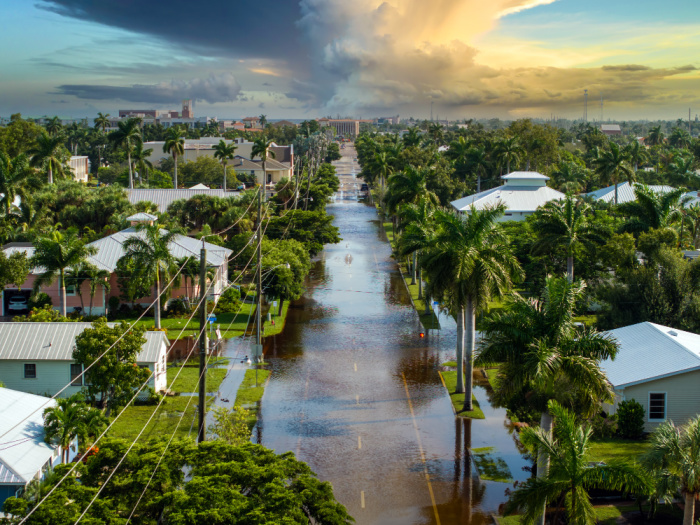
Many people picture hurricanes as wind events, but water causes the majority of storm-related deaths. Storm surge is the rise in sea level caused by a storm’s winds, and it can flood coastal communities in minutes. Inland flooding from heavy rain can reach areas hundreds of miles from the coast.
The National Weather Service reminds us that just six inches of fast-moving water can knock an adult off their feet, and about twelve inches can carry away a small car. That’s why they’re saying “Turn Around, Don’t Drown” is one directive every family should teach their children. If you see water over a road, find another way. Cars often get stalled under an overpass where it’s prone to accumulating water that can’t be escaped.
Hurricanes by Other Names
Depending on where you live in the world, these storms go by different names. In the Atlantic and the northeastern Pacific, we call them hurricanes. In the northwestern Pacific, they’re called typhoons. Whereas in the South Pacific and Indian Ocean, they’re called cyclones. They’re all the same type of storm, just with different local names.
How Storms Get Their Names
Children especially love learning about storm names. The World Meteorological Organization keeps six rotating lists of names for Atlantic storms, so a list is reused every six years. When a storm is especially deadly or costly, its name is retired out of respect for those affected and replaced with a new one. That’s why you will never see another Atlantic hurricane named Katrina or Sandy.
Understanding Watches and Warnings
Knowing the difference between a watch and a warning can help your family act appropriately at the right time.
A tropical storm watch means tropical storm conditions are possible in your area, usually within 48 hours. A tropical storm warning means those conditions are expected, usually within 36 hours.
A hurricane watch means hurricane conditions are possible within about 48 hours. A hurricane warning means hurricane conditions are expected within about 36 hours.
I like to think of a watch as the time to get ready and a warning as the time to act. If local officials tell you to evacuate, please go. Your belongings can be replaced, but your family can’t.
When Is Hurricane Season?
The Atlantic hurricane season officially runs from June 1 through November 30. The busiest stretch usually falls between mid-August and mid-October, with activity peaking around early to mid-September. The eastern Pacific season begins a little earlier, on May 15. Even though most storms happen during these months, preparing early in the year gives you time to shop wisely and spread out the cost.
How to Prepare Your Family Before a Storm
Here’s where being a prepared family really pays off. The calmer and more organized you are before a storm, the more peaceful your home will feel when the weather turns.
- Know your evacuation zone and route. Check with your local emergency management office and practice the drive before the storm arrives with your family so everyone knows where to go.
- Store water. Plan on at least one gallon per person per day, and aim for a two-week supply if you can. Don’t forget your pets. You know by now, I advise 4 gallons of water per day.
- Stock shelf-stable food. Canned meats, beans, vegetables, peanut butter, crackers, oatmeal, and freeze-dried meals are great choices. Keep a manual can opener in your kit.
- Gather lighting and power. Flashlights, extra batteries, solar lanterns, and a battery- or hand-crank weather radio are must-haves. Never use candles if you can avoid them, and never run a generator indoors or in a garage.
- Protect important documents. Keep copies of insurance policies, identification, medical records, and bank information in a waterproof container, and store digital copies in a safe place.
- Refill prescriptions and first aid supplies. Pharmacies may close for days after a storm.
- Prepare your home. Trim trees, clean gutters, bring in outdoor furniture, and know how to shut off your utilities.
- Keep some cash on hand. When the power’s out, card readers and ATMs often stop working.
- Make a family communication plan. Choose an out-of-state contact everyone can check in with, since local phone lines often get overwhelmed.
Helping Children Feel Safe
Storms can be scary for little ones. Talk with your children in simple, honest terms about what a hurricane is and what your family will do to stay safe. Let them help pack a comfort bag with a favorite stuffed animal, books, card games, and snacks. When children feel included in the plan, they feel more in control and less afraid. Keeping their usual routine as much as possible, even during a power outage, can also bring a sense of normal to an unsettled time.
Final Word
A tropical storm becomes a hurricane when its sustained winds reach 74 miles per hour, but the real lesson is that every tropical system deserves our respect. Wind, rain, storm surge, and flooding can all bring serious harm, no matter what the storm is called. The good news is that we usually have days of warning, and that time is a gift. Use it to fill your water containers, check your pantry, talk through your plans, and keep an eye on reliable sources like the National Hurricane Center and your local news.
Preparation isn’t about living in fear. It’s about having peace of mind, knowing that you’ve done what you can to care for the people you love. Stay safe, stay informed, and keep those supplies ready. May God bless this world, Linda
Copyright Images: Tropical Storm Angry Ocean In Florida AdobeStock_707799850 By parkerspics, Tropical Storm In Florida AdobeStock_1853263395 By bilanol
The post Tropical Storms: When Do They Become Hurricanes? appeared first on Food Storage Moms.
from Food Storage Moms
No comments:
Post a Comment