Remember the last time the power went out? Thirty minutes in, you were probably already standing in front of the fridge trying to figure out what to save. That was me a few winters back. Three refrigerators in the house and not one backup plan for the day they all went quiet. I kept telling myself I’d sort it out tomorrow, and tomorrow turned into years of trusting a machine that runs on somebody else’s power lines.
That was the winter I started taking this seriously. And the best teachers I found weren’t modern preppers at all. They were cowboys and ranch cooks, the original survivalists of this country, who fed whole crews through winters with no electricity and no store within a two-day ride.
But comfort became America’s middle name, so we forgot it all. Folks bought refrigerators and stopped keeping cattle, and the young ones moved to the city until half those ranching towns were empty. The old-timers who stayed behind had no one to hand the knowledge to.
Luckily, a good deal of it got written down in Man’s Survival Library, which is where I went digging for the twelve methods below. God knows we’ve gotten soft, and we’re a long way from self-reliant.
12. Burying Cabbage Head-Down
When the first hard frost threatened, ranch cooks and farm wives pulled their cabbages up roots and all rather than cutting them at the stem. They dug a shallow trench, set the heads upside down inside it with the roots pointing up, and covered everything with soil and straw. Buried this way, cabbages stayed crisp well into the cold months, and they could dig out one head at a time as needed.
You can use the same trick in your own garden if the soil drains well, as long as the trench sits higher than any spot where water collects after rain. And to remember where each cabbage is buried, just put a stake at both ends of the row.
But buried cabbage wasn’t only meant for the dinner table. Folks also used the leaves to make cabbage socks for inflammation, wrapping them around a sore joint and pulling a sock over the top to hold them in place overnight. Turns out there’s a good reason it works. Cabbage leaves are rich in sulfur compounds and antioxidants that help calm inflammation, and the cool, damp leaf pulls heat away from the skin while it sits against the sore spot.
Also, cowboys on the trail dealt with plenty of gut trouble. Their meals leaned hard on beans, salt pork, biscuits, and strong coffee, with almost nothing fresh for weeks at a stretch, and the water they drank from creeks and stock tanks wasn’t always clean. That’s why they made Liberty Cabbage, a fermented cabbage that’s still one of the most useful natural probiotics you can make at home today. I came across the recipe in The Lost Skills of Independence (p.152), and after years of trying one over-the-counter probiotic after another, I decided to give it a shot. I’ve been eating it for almost a week now, and so far the bloating feels like something from the past.
11. Packing Root Vegetables in Wood Ash
Carrots, beets, and turnips shrivel quickly in dry air, so ranch cellars held boxes of damp sand to pack them in. The sand held just enough moisture to keep the roots firm while stopping them from touching and passing rot to each other. A layer of vegetables went in first, then a layer of sand, and the pattern repeated until the box was full.
A plastic storage tote in a cool basement or garage does the same job today. The leafy tops should be twisted off first, since the greens pull moisture out of the root and speed up spoilage.
But wood ash is a gem on any homestead. Since ranch families kept kitchen gardens, they spread ash over the beds, the same way you’d use garden lime today. Just test your soil first, though, because too much ash pushes the pH too high.  Here’s how to use it.
Then there’s lye water, made by pouring rainwater through hardwood ash. And at around pH 12 to 13, it turned animal fat into soap and dried corn into hominy. So when SHTF and store shelves empty out, the ash from your woodstove can still give you soap and better nutrition from stored corn.
When ranchers made lye water, they had an odd habit of dropping a fresh egg into the bucket. And it turns out there was a good reason for it:

On top of that, a dry ring of ash around your plants keeps slugs and snails away. And mixed into a chicken dust bath, it helps smother mites and lice in their feathers.
10. Potato Clamps
Ranches without a proper cellar often stored potatoes in a clamp, a mound built on bare ground and covered against the cold. The potatoes were piled on a bed of straw, topped with another thick layer of straw, and then buried under several inches of soil. A twist of straw poking out of the top acted as a vent, letting moisture escape so the pile wouldn’t sweat and rot.
A clamp still makes sense for anyone who grows more potatoes than a basement can hold. Rodents are the biggest threat, and a layer of hardware cloth under and around the pile keeps them out.
09. Sealing Meat Under Lard
If you’ve ever butchered a hog, you know it leaves you with more meat than you can eat fresh. So back then, cooks fried up the sausage and chops, packed them into crocks, and poured a thick layer of lard over the top. Once the fat hardened, it formed an airtight cap, and the crock sat in the coolest corner of the cellar until the family needed it. Then every time they dug out a portion, they smoothed the lard back over what was left.
This recipe has been all but lost, and it’s time you brought it back to your own kitchen. Seed oils stay liquid at room temperature, so they’ll never seal and protect your meat the way a solid cap of lard does. That’s why you should learn how to make and stockpile lard now, so you always have enough on hand to put up meat whenever you need to.
Just keep your crock in the refrigerator and eat the meat within a short time, though. Since sealed, low-oxygen conditions can let botulism bacteria grow, modern food safety experts don’t consider this method safe at room temperature.
08. Keeping Eggs in Limewater
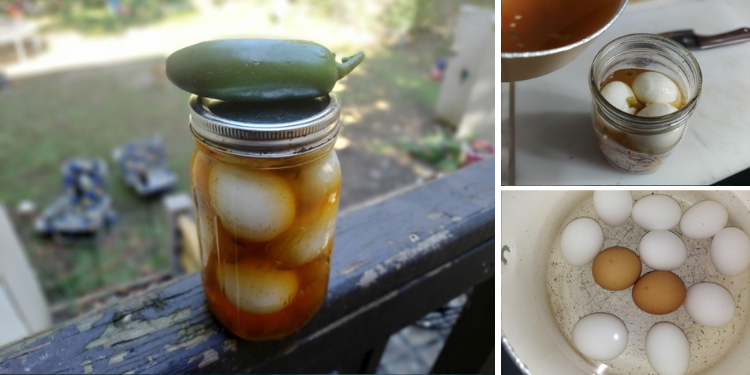
Your hens lay like crazy in spring and then slow down once the days get short, so ranch families stored that spring surplus in crocks of limewater. Most people have never heard of it, but this one old trick is how you can keep whole eggs fresh for 12+ months without a fridge.
Just make sure you only put clean, fresh, unwashed eggs into the crock, because washing strips away the natural coating that keeps bacteria out. That’s why store-bought eggs won’t work here, since they’ve already been washed, so stick to eggs from your own backyard flock.
Before you cook one, you’ll want to do this quick check every time, since it tells you right away whether the egg is still safe to eat.
07. Salt Pork in a Brine Barrel
Salt pork was a staple on nearly every ranch and chuckwagon, and it earned that place by lasting for months in a barrel of strong brine. Cooks judged the brine by floating a fresh egg in it, and when the egg bobbed to the surface, the brine held enough salt. The pork went in tightly packed, with a weighted board on top to keep every piece under the liquid.
Salt pork needs a soak in fresh water before cooking, or the dish turns out far too salty to eat. A slab of it can still flavor a pot of beans the way chuckwagon cooks did it, and a brine crock works just as well in a cool modern basement.
06. Butter in Brine
Your milk cow gives the most in spring and summer, so ranch families saved the extra butter in crocks of salty brine. But first, they worked the butter hard to press out every last trace of buttermilk, since leftover milk solids are what turn it rancid. And once it was well washed and fully covered, that crocked butter lasted through the lean months when the cow went dry.
Then again, brine only buys you a season or so. If you want something that lasts a lot longer, there’s a little-known method that lets you keep butter stored for 25+ years, and it doesn’t need a crock or a cellar at all. Click here to see the method
05. Jerking Beef
Jerky may be the best-known cowboy food of all, and the word itself comes from charqui, a Quechua term for dried meat. Ranch cooks sliced lean beef into thin strips, salted it, and hung it in the sun and wind until it dried hard. Dried properly, jerky weighed little and traveled well in a saddlebag for weeks.
The USDA now recommends heating meat to 160°F before drying it, since sun and air alone don’t reliably kill harmful bacteria. A home dehydrator or a low oven makes that step easy, and lean cuts like eye of round dry best because fat turns rancid.
04. Drying Apples on a String
Dried fruit was one of the few sweet things on the frontier, and dried apples showed up in ranch pantries and chuckwagon boxes alike. The apples were peeled, cored, sliced into rings, and threaded onto strings that hung near the stove or in a warm, airy attic. Once the rings turned leathery and dry, they went into cloth sacks or tins until someone wanted a pie.
Hanging strings still work in a dry climate, although a dehydrator does the job faster in humid parts of the country. Dipping the slices in lemon water first keeps them from turning dark brown.
03. Crock Sauerkraut
Sauerkraut kept cabbage on the table long after the fresh heads were gone, and it needed nothing more than shredded cabbage and salt. Natural bacteria in the salted cabbage turned its sugars into lactic acid, which preserved it and gave it that sour bite. Families with German roots brought the habit west, and many ranch cellars held a crock or two by fall.
A weighted plate keeps the cabbage under its own brine, and a cool corner of the kitchen gives the best flavor. Kraut also brings vitamin C to the table, which mattered a great deal when fresh fruit was scarce.
02. Keeping a Sourdough Crock Alive
Chuckwagon cooks guarded their sourdough starter the way other men guarded a good horse, since that crock of bubbling dough meant biscuits every morning. The starter was a simple mix of flour and water that had captured wild yeast, and a spoonful of it raised bread without any store-bought yeast. On freezing nights, many cooks are said to have taken the crock into their bedrolls to keep the yeast alive.
Today, you can keep your starter in the refrigerator and feed it fresh flour and water about once a week. That also makes it a smart prep, because dry yeast packets run out while a healthy starter keeps going for years. And your starter is the secret behind this Bark Bread recipe too, an old famine recipe that stretches your flour with tree bark when supplies run low, so it’s one you’ll want to know before you ever need it.
If you’d rather have bread that’s ready to eat without baking every day, there’s an old way to make Crispy Bread in a Jar, that lasts 12+ months in the freezer. So you can bake one big batch, put it away, and still pull out a crunchy slice months down the road.
01. Smokehouse Curing
Hams and bacon hanging in the smokehouse were the pride of many ranches, and curing them took skill passed down from one generation to the next. First, the meat was rubbed with salt, often mixed with sugar and saltpeter, and left to cure before it ever went into a slow, cool smoke. Then the smoke dried the surface and added flavor, while also helping to keep insects away.
If you want to try this today, follow a tested curing recipe that uses modern curing salt, since guessing at the amount is risky. And you don’t need anything fancy either, because a small backyard smokehouse built from scrap lumber can handle a few hams or slabs of bacon just fine. Still, even experienced folks slip up here, so before you fire it up, check out these 5 mistakes you can make when smoking your meat that could ruin a whole batch.
Bringing the Old Skills Home
Ranch cooks lived through their own small TEOTWAWKI every winter, snowed in for months with the nearest store a two-day ride away. So if the world as you know it ends, the same skills that kept their crews fed can keep your family fed too.
And the easiest way to start is by trying one or two of these methods this season, because cabbage in a trench or eggs in limewater make gentle first projects. Once you know how to cure pork and keep roots through winter, you’ve got one less thing to fear if the grid goes down for good.
But these skills are only a small part of what earlier generations knew.
For decades, Claude Davis has worked to keep that old knowledge from disappearing – the practical skills that once helped families preserve food, solve problems with their own hands, and depend less on systems outside their control. His dream was simple: to gather as much of that knowledge as possible in one place and make it accessible to people around the world.
Not for fame. Not to turn himself into a public personality. Anyone familiar with Claude knows how low-key he is. What matters to him is that these skills survive – and that ordinary people can actually use them.
That work has now been brought together in a hardcover book that became a #1 Amazon bestseller. And it was made to be something you can actually keep on your shelf, return to for years, and eventually pass down. No annoying PDFs or low-quality paper. Just a proper physical reference built for the kind of knowledge worth keeping.
If the methods above made you think, “I should know more of this,” don’t stop here. Have a look at the book and see how much of the old knowledge has been brought back together in one place.
Take a look inside and get your hardcover copy here.
You may also like:
 How To Make Depression-Era Bread Pudding
The Lost Art of Lard Making, by Claude Davis
The Cowboy Antibiotic That You Can Smoke (VIDEO)
Let’s Make Medicinal Pickled Garlic
Dutch Oven Recipes Cowboys Survived On
The post 12 Cowboy Food Storage Secrets You Must Learn Before TEOTWAWKI appeared first on Ask a Prepper.
from Ask a Prepper https://ift.tt/OoRMbgL
No comments:
Post a Comment