Today, I want to talk about some serious stuff concerning why we must prepare now! We have discussed it for years and had some interesting horrific situations in our country and the world continue to happen frequently! Preparedness at home should be front and center for all of us.
Here are some thoughts to contemplate: we have had hurricanes, tornadoes, school shootings, church shootings, wildfires, earthquakes, and illegal people crossing into our country and doing unimaginable crimes. Some of these people are arrested, and some disappear without being prosecuted.
We often think about necessary preparations due to these extraordinary situations, and forget that being prepared should include times when we get sick and can’t work, have a devastating accident, lose our job, and more.
New Orleans Attack
I’ve been listening to the news all day about the horrific death toll in New Orleans from a terrorist driving a truck into a New Year’s Eve celebration. Not only will some families have lost a breadwinner loved one, but others have personally been seriously injured. Who is left to take care of family members?
My gut tells me that in the next 3-40 days, we may experience things we have never seen before. I hope I’m wrong. Most of us are prepared with food, water, antibiotics, OTC medications, and first aid kits. You also need a team; by this, I mean choose your neighborhood “team” wisely, if you haven’t already. We need to help look out for each other during the tough times!
This team will be your backup; your team will share and trade items with you and watch your back. You’ll need physical ways to protect your family; yes, I’m talking about protecting your family. No one else will.
The Government Will Not Deliver Food or Water
After a major disaster, the government will not deliver food, water, or first aid supplies to your home or community as quickly as you may think. We saw what happened after Hurricane Helene and all the people who are still struggling with housing and medical care. The Federal Emergency Management Agency (FEMA) can only do so much.
If possible, can you divide your team? I don’t have a team; I have Mark and me. But if you have a team, get together with your team and make assignments. We must be ready. Please keep your gas tanks at least 3/4 to full during this time.
I must be honest with you; I’m not physically going to be able to evacuate, and I will be “bugging in.” Years ago, I was ready and equipped to bug out, but then I realized I had nowhere safely to do so. Everyone is different, so we must make a plan ahead of time based on our circumstances.
We Must Prepare Now
Food:
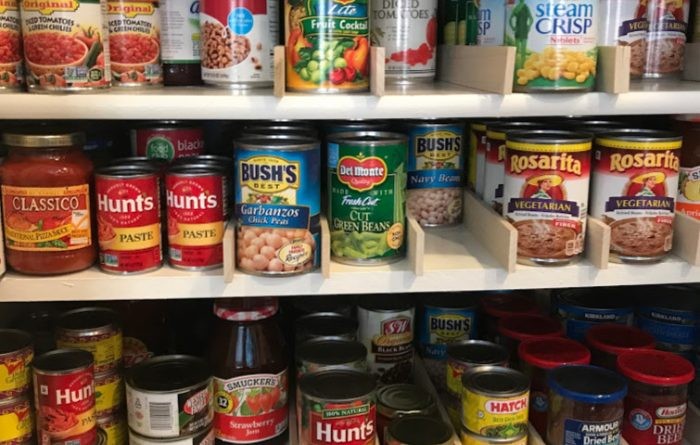
Everyone will be responsible for providing the food needed for their family. Canned Foods I Highly Recommend You Store Don’t forget a manual can opener for all those cans. Consider the needs of the older people and infants in your family. Having infant formula is critical if it applies to you.
Water:
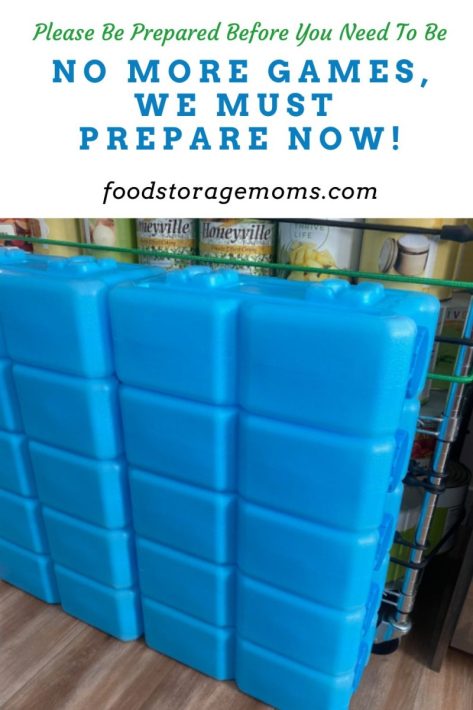
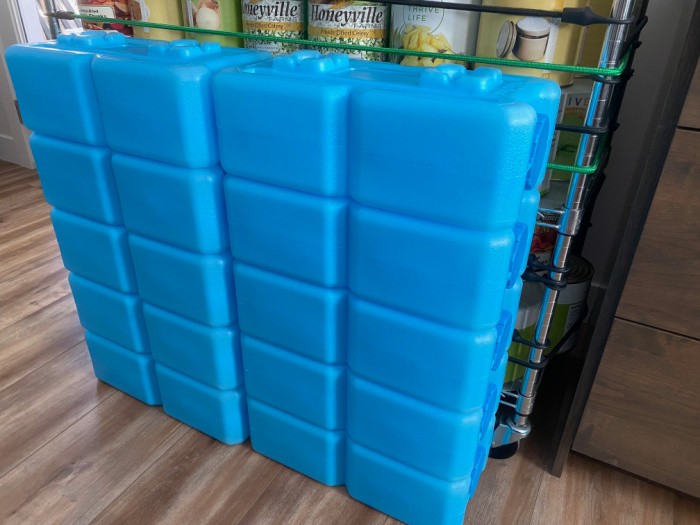
Most government agencies and groups like the American Red Cross suggest one gallon of water per person per day. I get thirsty thinking about only one gallon a day. Please consider four gallons of water per person daily for drinking, personal hygiene, washing dishes, washing your underwear, etc.
Don’t forget the water we need for our pets. For pets, you will need one ounce (30 ml) per pound. If your dog weighs ten pounds, you will need at least 10 ounces of water each day to stay hydrated. WaterBricks
Paper Products:
As I write this, I think about the fight over toilet paper at Costco a few years ago. I have the giggles because I remember neighbors who only had one roll. Who only has one roll of toilet paper? My cute friend was delivering toilet paper to several people. I had ten cases in my garage ceiling.
I’m not a hoarder. Those days are gone, and we no longer have a large garage space to store stuff. My food storage does fit into my tiny home. Oh well, life has changed since we moved up north.
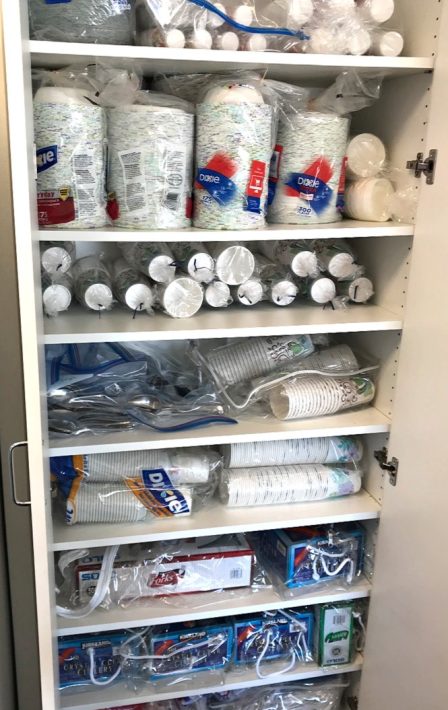
Please stock paper plates, bowls, utensils, and cups for hot and cold drinks. I don’t like waxed cups because they do not last as long as heavier paper cups. They tend to melt together in the heat as well. Straws are fantastic; trust me and get some. Paper towels, toilet paper, and baby wipes. Another excellent item is Bathing Wipes.
Cleaning Supplies:
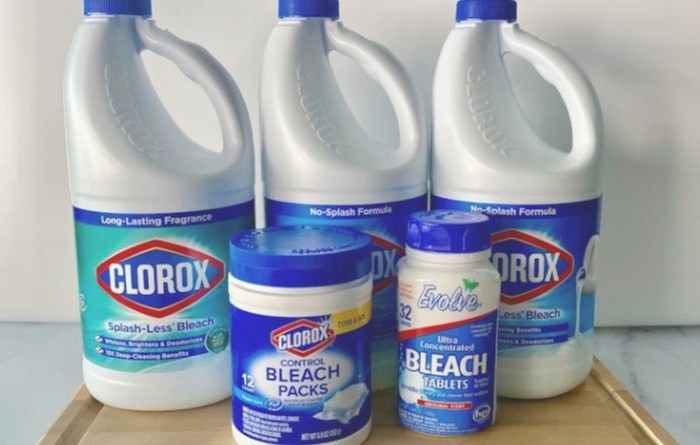
Bleach would be number one; if you have a septic tank, you will be in better shape than the rest of us. If your sewer backups, be prepared to sanitize and disinfect the area. Dawn soap is my favorite, but you should stock up on your favorites. I have about eight bottles of Dr. Bronner soap, which is fantastic. You can add water and make a great bottle of soap. Store buckets, rags, and garbage bags, you can never have too many.
Personal Hygiene Items and Feminine Supplies
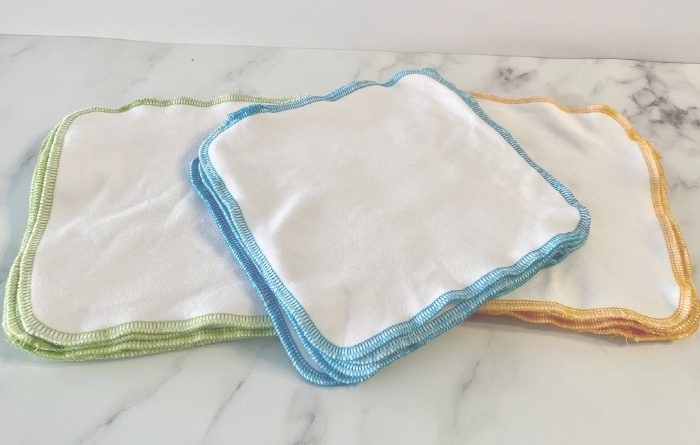
Menstrual pads, tampons, butt wipes, baby wipes, shampoo, bar soap, body wash, or whatever you use, get it in case stores are closed for weeks or months. Get extra for adult diapers, baby diapers, paper, or cloth. Fabric toilet wipes are fantastic since they can be washed and used again; my girls were raised with cloth diapers, so it’s not an issue for me in an emergency. Cloth Wipes
Cooking Devices:
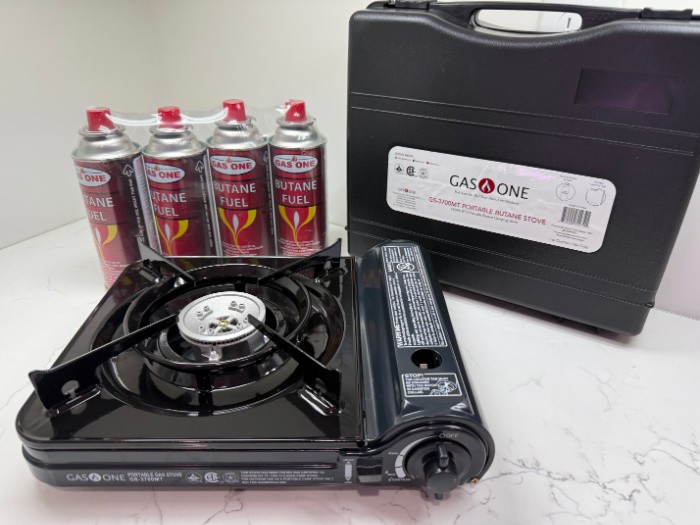
If you purchased MREs that only require hot water, please remember that you’ll still need a way to boil that water and cook meals if we have a power outage from storms or our power grids are sabotaged. Please stock fuel if you can cook outside if you have lost power. Dutch Ovens are great in fire pits. How to Store Fuel. Butane stoves are reasonably priced. Butane Stoves and Butane Fuel.
What Are Some Other Items We Need to Consider?
As we’ve mentioned, every family is different and requires different preparation items, but here are a few additional items to consider for your home emergency kit:
Blankets- a warm blanket for all family members can be a lifesaver
Change of clothing – if you get wet or covered with mud you’ll be glad you have these
Whistle
Extra Batteries
Hand Sanitizer
Chargers for your cell phone and other devices
Duct Tape
Fire Extinguisher(s) – there are different kinds of fires to deal with
Plastic Sheeting for shelter
Prescription Medications
Important Family Documents: could include deeds, insurance policies, bank and health records, etc.
Basic hand tools like a hammer, screwdrivers, pliers, and wrenches
Communication Device – NOAA weather radio, hand-crank radio, and walkie-talkies beside your cell phone
Evacuation Plans
Final Word
This is a very short post about why we need to be prepared now, but I will be grateful if just one family thinks about stocking up tomorrow. Please pray for the families and first responders In New Orleans, Las Vegas, and other areas going through attacks. May God Bless this world.
When it comes to preparing for the eventual breakdown of society, we all know how important it is to ensure we are staying off the radar of our neighbors. The last thing we want is for them to know what we have and where we keep it. In a world where resources will undoubtedly be […]
Growing good in buckets many advantages. You can control the growing environment, avoiding the pesticides found on most produce. You can lower your grocery bill, especially with how expensive food as gotten. Plus, you can’t beat the taste and satisfaction of eating home-grown food.
Whether you’re new at growing your own food or not, you may be surprised to know that it doesn’t have to be a seasonal interest. You can grow many foods indoors all year round. And you don’t need lots of space or special equipment either.
In addition to your starter plants or seeds, you’ll need food-grade buckets (adding drainage holes as required), drainage trays, potting soil, and a sunny location or some grow lights.
When it comes to watering indoor veggies, less is more. With your plants not having the heat of direct sunlight to contend with, there is more of a danger of over-watering than under-watering. Still, be sure to check the moisture level of the soil on a regular basis.
What are some of your best bets for growing food indoors in buckets or other containers? This article lists the 20 best foods for indoor bucket gardening.
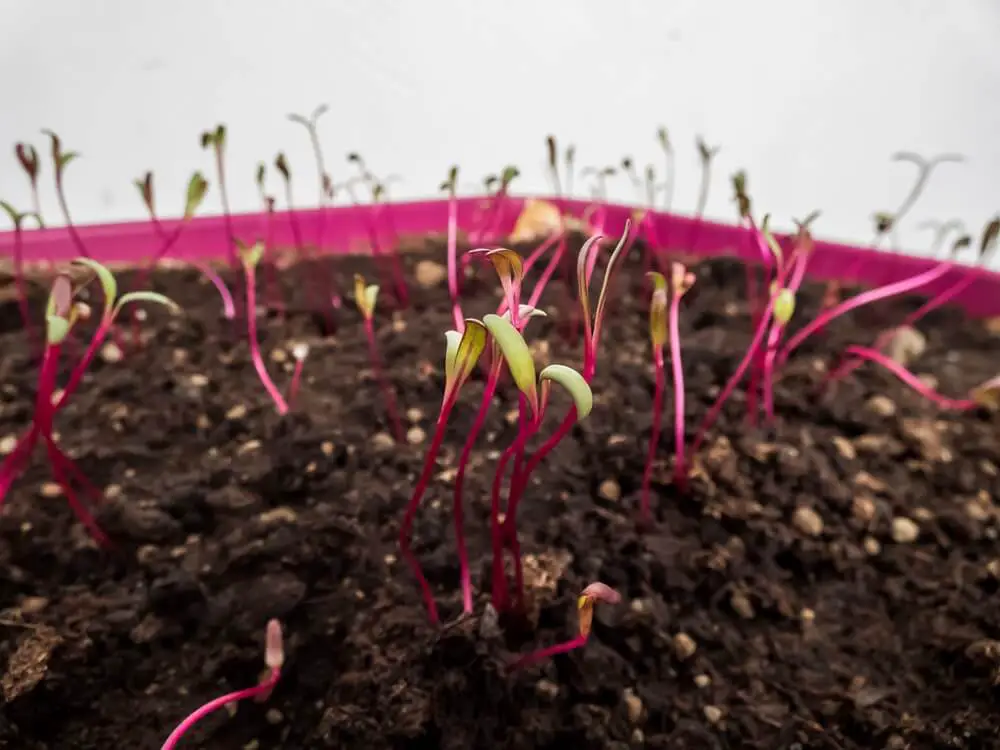
Beets are a great choice for indoor gardening thanks to their small space requirements. They have a compact root system that fits well inside a bucket, but it needs to be a deep bucket as the roots will reach down at least 10 inches.
Beets need cool temperatures and 6-8 hours of sunlight a day, so you'll need to put them in front of a sunny window or get some grow lights. Choose compact varieties like ‘Detroit Dark Red' and ‘Babybeat' which have shorter root systems ideal for containers.
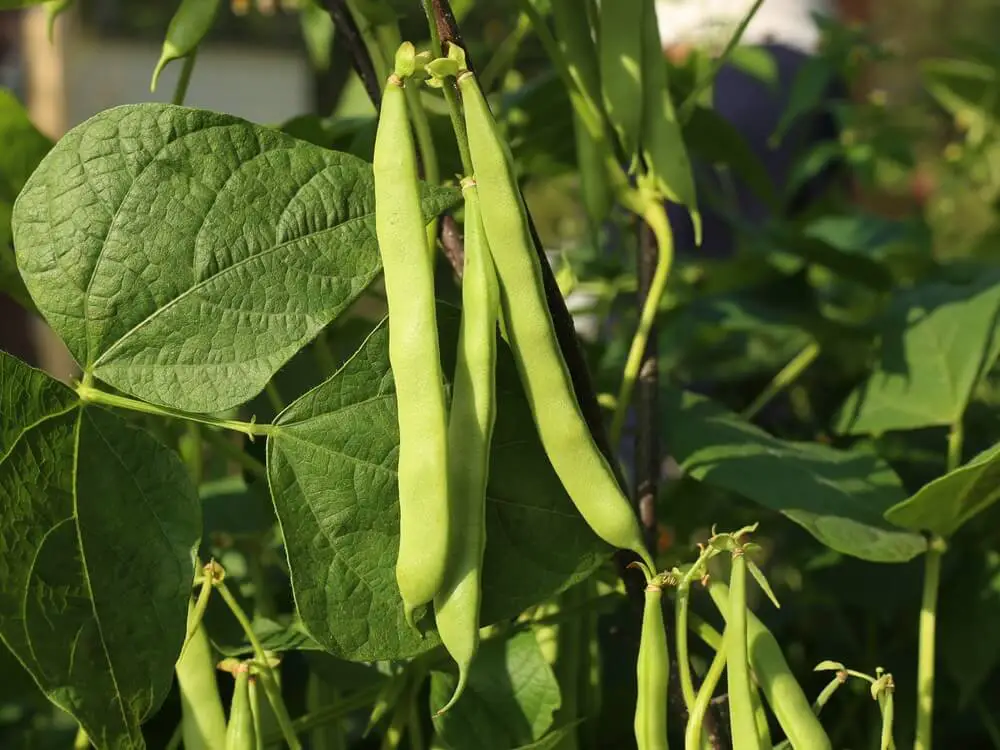
Bush beans do well in buckets and other containers thanks to their small root system. You can grow them very close together and get a substantial yield from just one bucket. They also have a fast growth cycle, so you can get multiple harvests throughout the year.
You'll want to make sure they have well-draining soil and at least 6 hours of light per day, so be sure they're under a grow light or in front of a sunny window. Some of the best varieties for indoor or container gardening include Topcrop, Provider, and Contender.
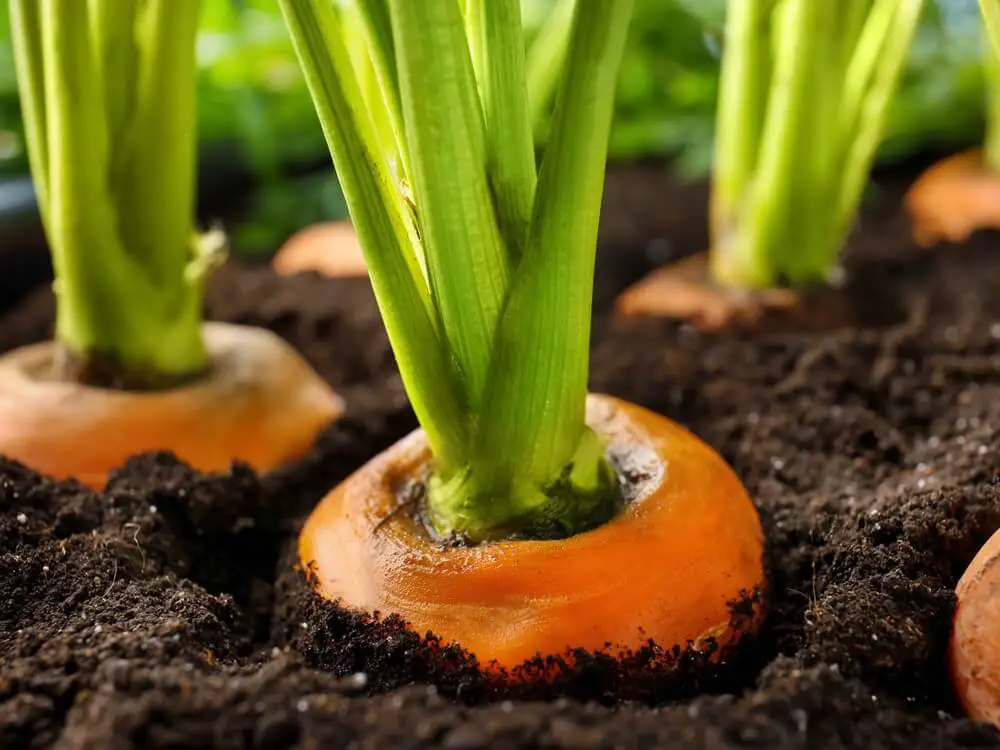
Carrots thrive in deep containers like five-gallon buckets since they need plenty of space for root development. Like most vegetables, they need about 6-8 hours of sunlight, so keep them in front of a sunny window or under grow lights with a timer.
Be sure to use well-draining soil and keep the soil moist without overwatering. When you plant them, make sure there's plenty of space between the seeds, and thin the seedlings if necessary as they need space to grow large. Some varieties that do particularly well indoors include Parisian, Little Finger, and Nantes.
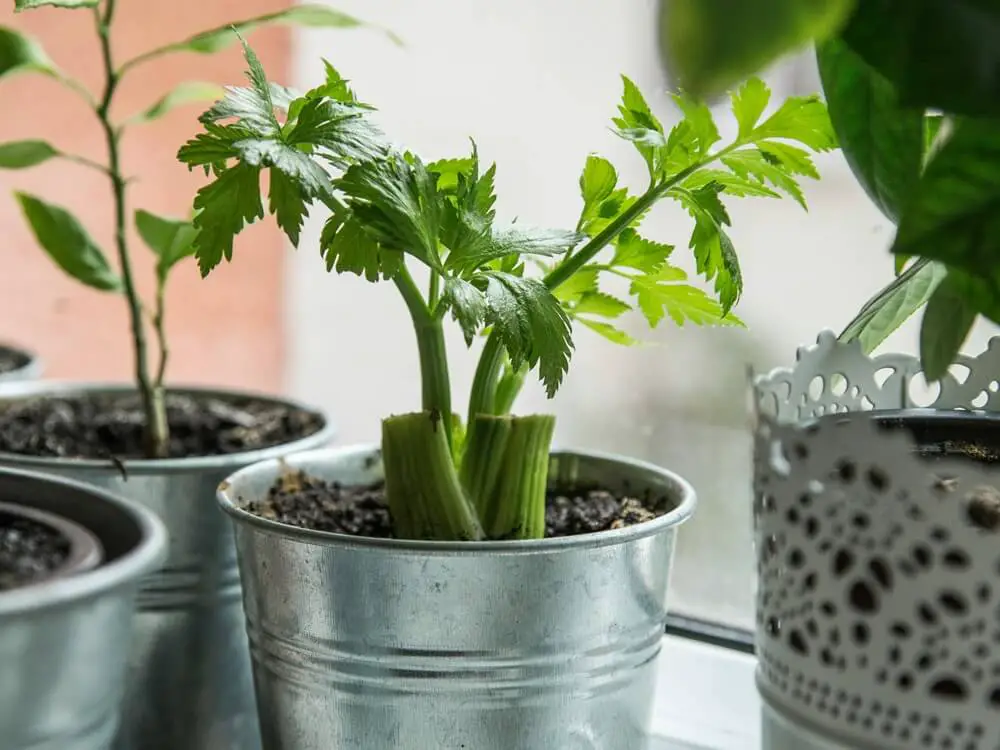
Celery is an easy-to-grow vegetable that thrives in buckets. It requires a container at least 8 inches deep and about 6 inches wide per plant to allow enough room for the root system. Celery needs about 6-8 hours of sunlight a day, so keep it near a sunny window or use grow lights.
For best results, keep the soil moist but not soggy, as celery likes consistent moisture. You can start celery from seeds or regrow it from the base of a store-bought stalk. Varieties like ‘Tall Utah' or ‘Golden Self-Blanching' are excellent choices for container gardening.
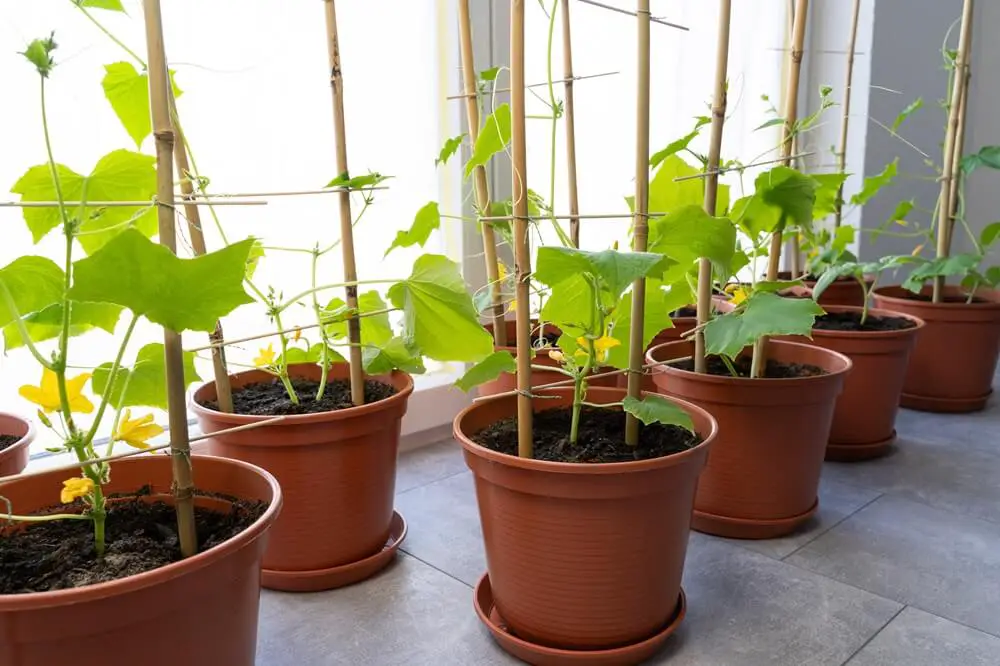
Cucumbers adapt well to bucket gardening if you choose compact or bush varieties such as ‘Bush Champion' or ‘Spacemaster'. Use a bucket that’s at least 12 inches deep and wide, and provide a trellis or stakes for support, as cucumber vines need something to climb.
Cucumbers require at least 8 hours of sunlight daily, so a south-facing window or grow light is essential. Keep the soil moist but ensure good drainage. Regularly harvest cucumbers to encourage continuous growth throughout the season.
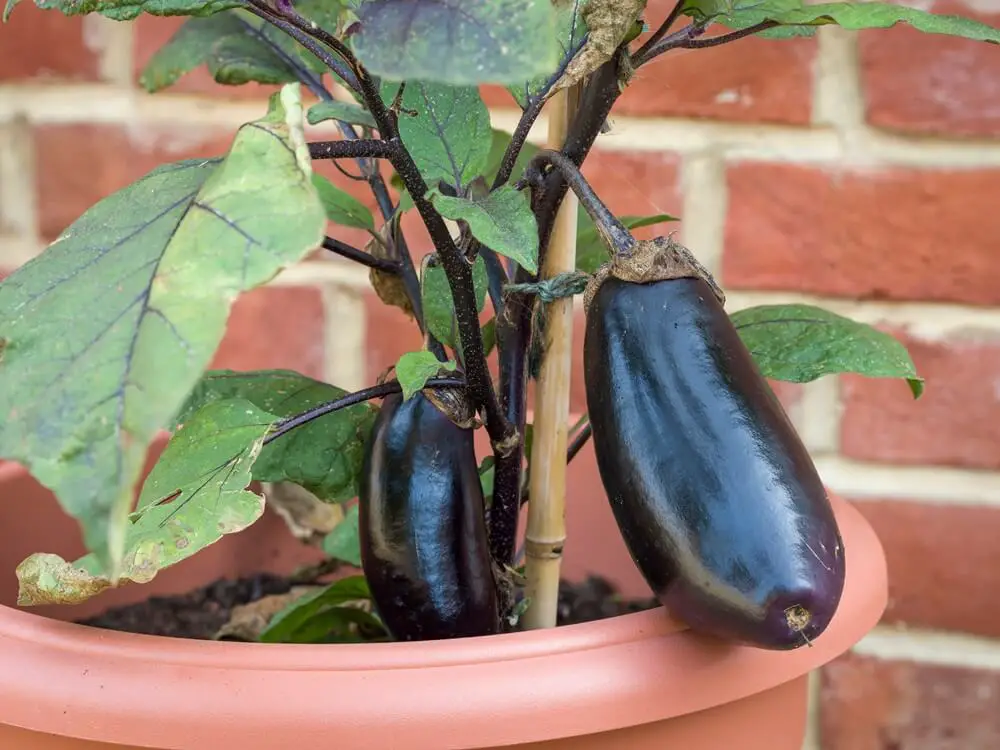
Eggplants do great in buckets as long as you choose compact varieties such as Fairy Tale, Hansel, and Patio Baby. Eggplants need a bucket that’s at least 12 inches wide, which is about the width of a typical five-gallon bucket.
Eggplants need at least 6 hours of sunlight a day, so be sure you have a sunny window or grow lights. They also need consistent moisture and occasional fertilizer. It's a good idea to use small stakes or tomato cages to keep them upright as they grow fruit, which can be a bit heavy for the branches. Choose compact varieties like ‘Fairy Tale', ‘Hansel', and ‘Patio Baby' for successful bucket gardening.
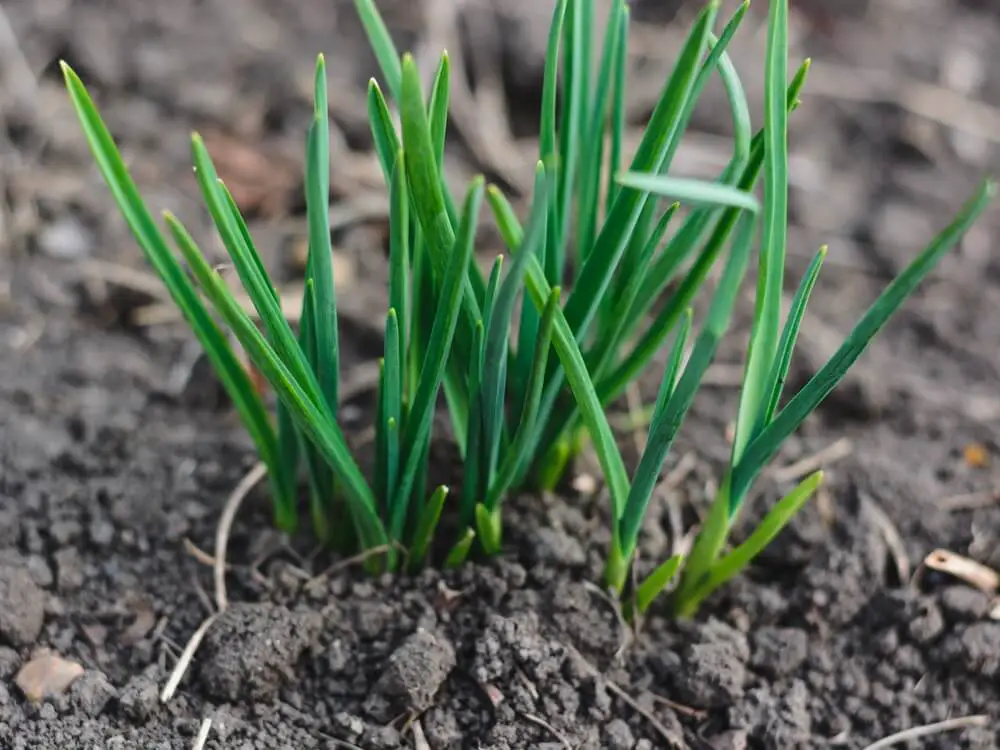
Garlic is perfect for bucket gardening because it has a compact root system that thrives well in the deep space of a bucket. Garlic also needs at least six hours of direct light every day, so sunny windows or grow lights are a must.
Garlic has a very long growing season, so you'll have to be patient, but it's worth the wait. Not only is it a useful ingredient, it also has antibacterial properties. Hardneck varieties such as ‘Music' and ‘German Extra Hardy' are best because you can harvest the scapes, which are delicious.
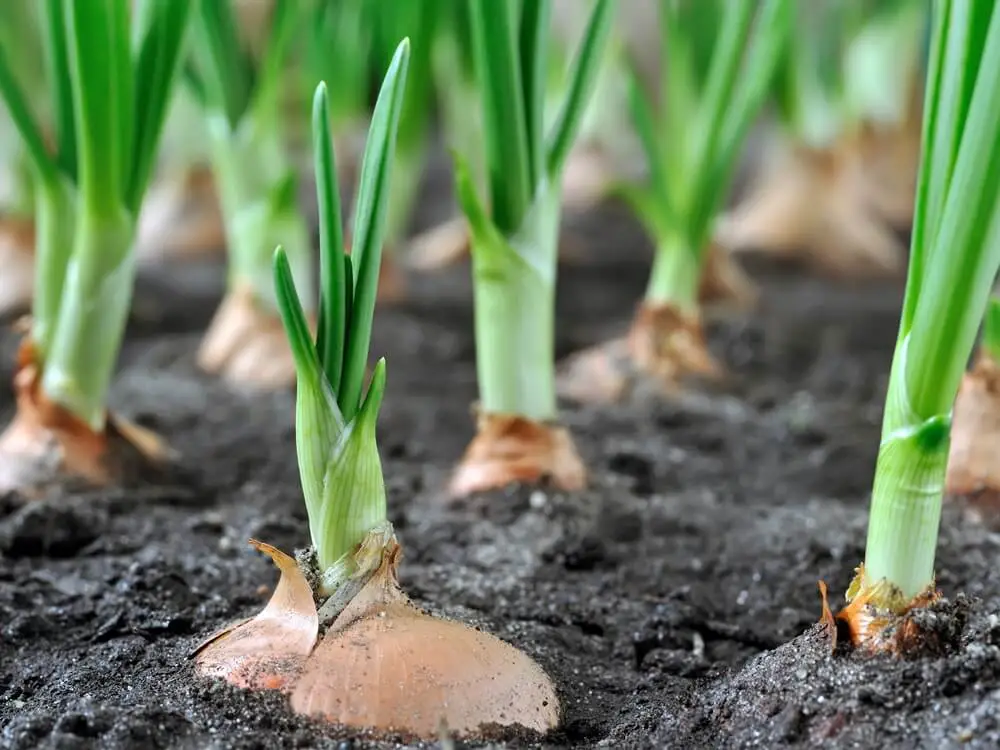
Green onions are very easy to grow. They don't need a lot of space, and they only need 4-5 hours of sunlight per day. They do especially well in containers, but be sure to use well-draining soil. Also, you can use smaller buckets if necessary as they roots only go down 6-8 inches or so.
After you harvest and use one, you can take the leftover roots, place them in water, and the green onion will regrow and can be harvested again. By doing this, you can get several harvests from just one plant. Varieties like ‘Evergreen Hardy White' and ‘Tokyo Long White' are ideal since they need very little space.
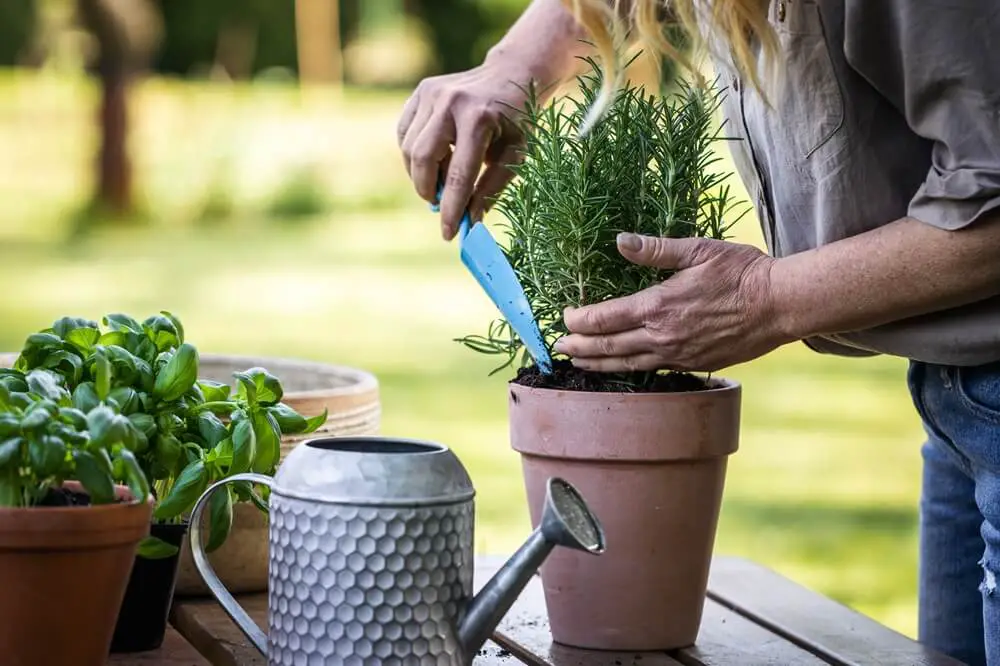
Many herbs grow well in buckets indoors, and they don't take up much space. A standard 5-gallon bucket can hold multiple herbs if spaced properly. Most herbs require 4-6 hours of light daily, making them perfect for a sunny kitchen window or grow lights.
Herbs like basil, parsley, and rosemary thrive in well-draining soil with consistent watering. Just trim leaves as needed, and they’ll continue to grow. Compact varieties like ‘Genovese Basil', ‘Plain Leaf Parsley', and ‘Santo Cilantro' are especially suited to container growing.
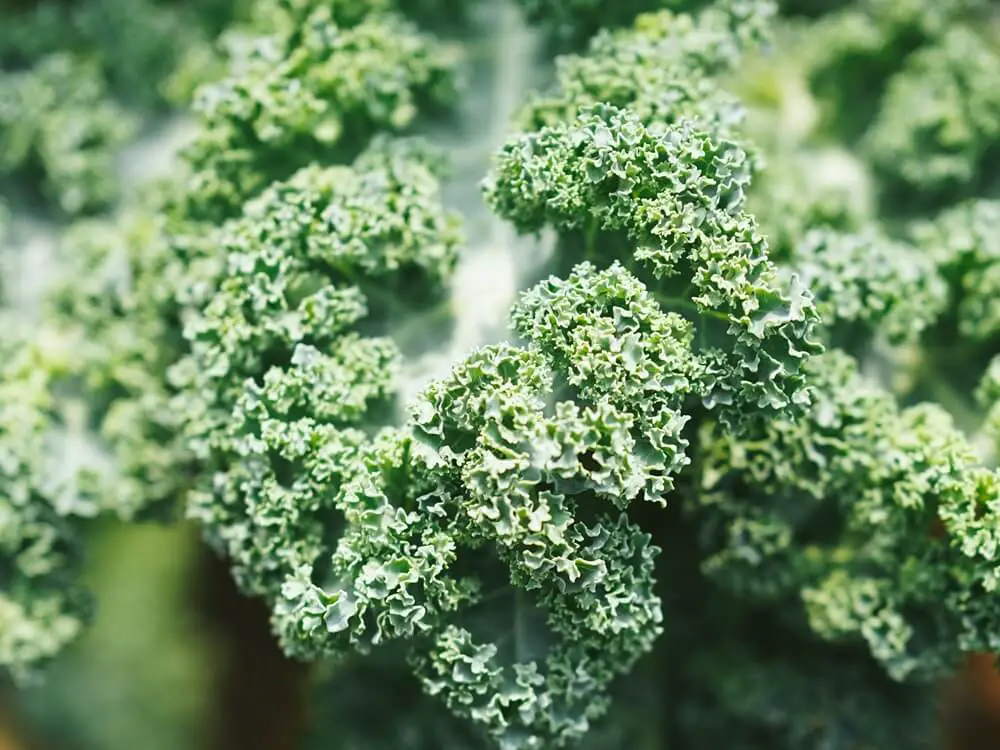
Kale is ideal for indoor gardening. It's a hardy plant that thrives in cooler temperatures, making it easy to care for indoors. However, it needs about 6-8 hours of sunlight per day, so you'll need a sunny window or grow lights.
The great thing about kale is you can harvest leaves and they'll keep growing back, providing you with a steady supply of nutritious leaves. Choose compact varieties such as ‘Lacinato', ‘Red Russian', or ‘Dwarf Blue Curled'. Keep the soil nice and moist without overwatering, and occasionally fertilize the plant for healthier growth.
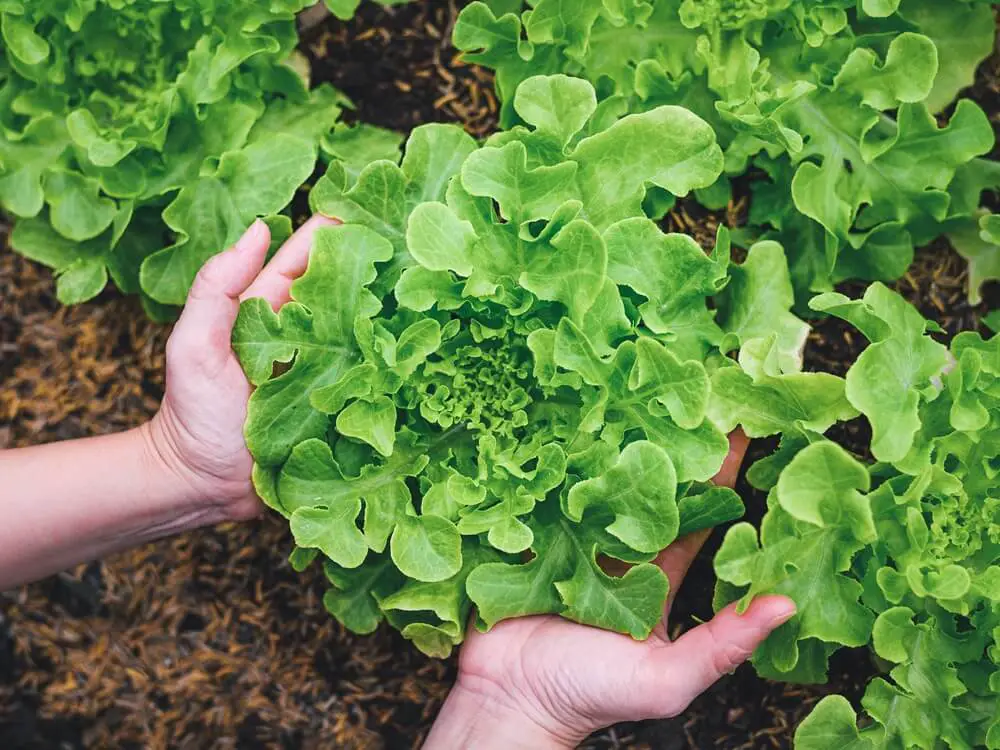
Lettuce is great for indoor gardening thanks to its shallow root system, so you don't need a deep bucket, but make sure it's at least 6 inches wide and preferably larger. Be sure to choose loose-leaf varieties as they mature quickly and can be harvested continuously.
Lettuce needs about six-hours of sunlight per day so be sure they're in a sunny window or under a grow light. Keep the soil most but not water logged, and try to keep your home's temperature 70°F or below so it doesn't bolt (go to seed), which makes the leaves bitter.
Choose loose-leaf varieties like ‘Salad Bowl' and ‘Lollo Rossa' for bucket gardening as they mature quickly and can be harvested continuously.
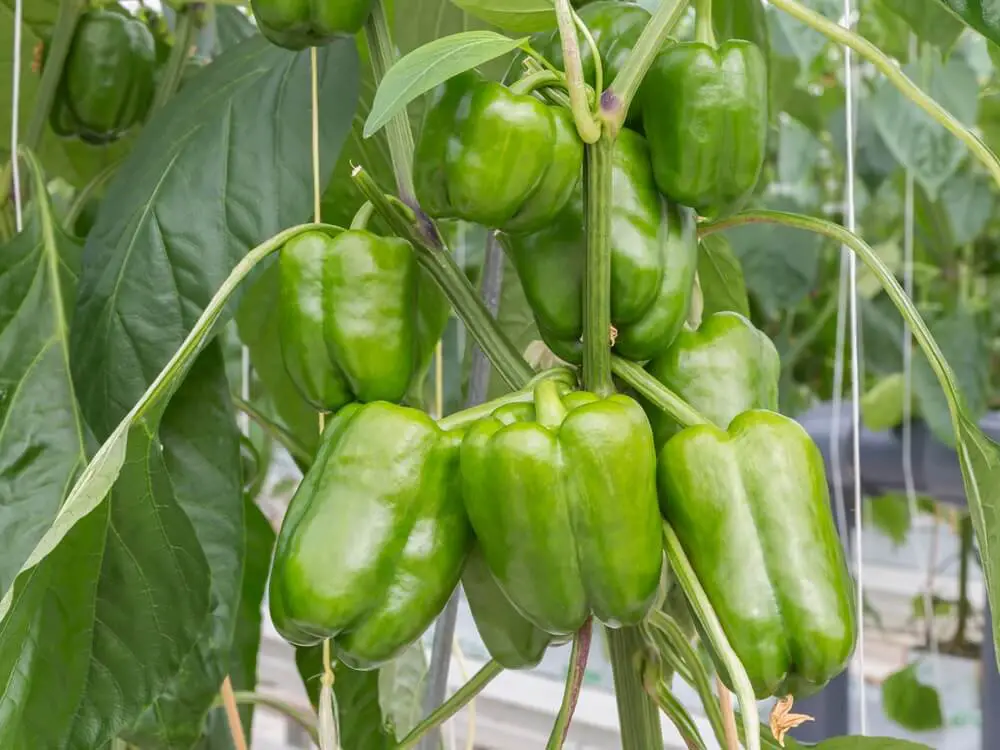
Peppers are a great choice for bucket gardening. They thrive in controlled environments where you can manage soil moisture. They need plenty of light, ideally six to eight hours a day, which means you'll probably need grow lights.
Certain compact varieties of peppers such as ‘Jalapeño', ‘Baby Belle', and ‘Cherry Bomb', are particularly suited to bucket gardening. For more variety, go ahead and grow two or three types in one bucket.
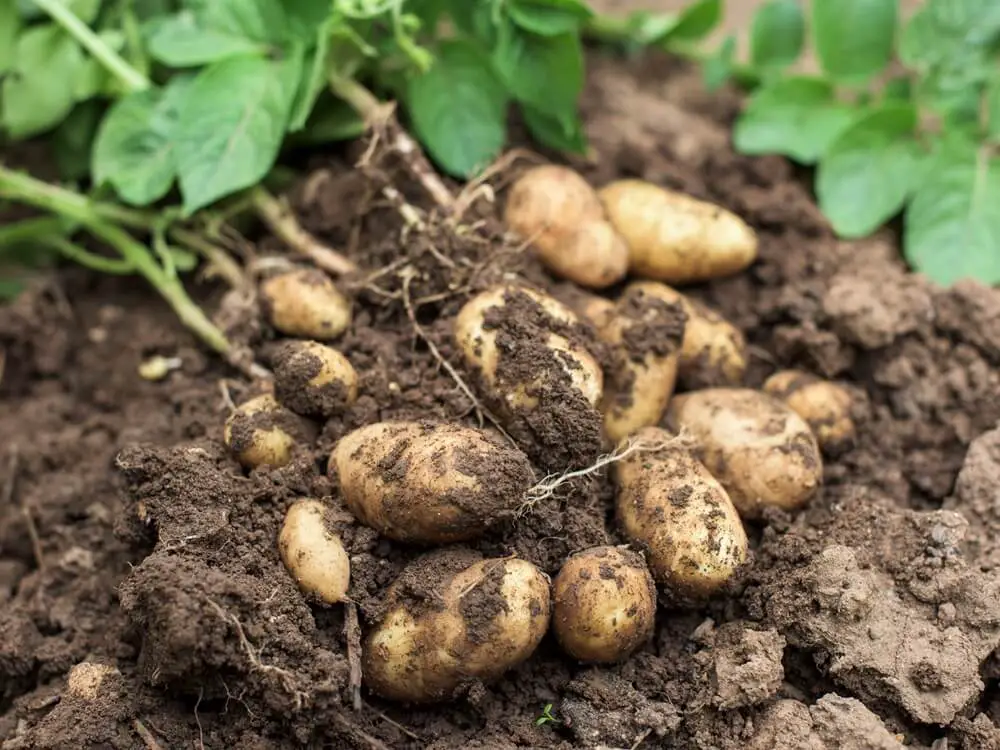
Potatoes are another excellent choice for indoor growing. A five-gallon bucket can yield several pounds of potatoes. If you need more to feed your family, you can add more buckets or try larger buckets.
Make sure the buckets have enough drainage holes and that you don't overwater them or your potatoes could rot. You can harvest them once the foliage starts dying back. Varieties such as ‘Yukon Gold' and ‘Red Pontiac' can be successfully grown in buckets due to their adaptability to container environments.
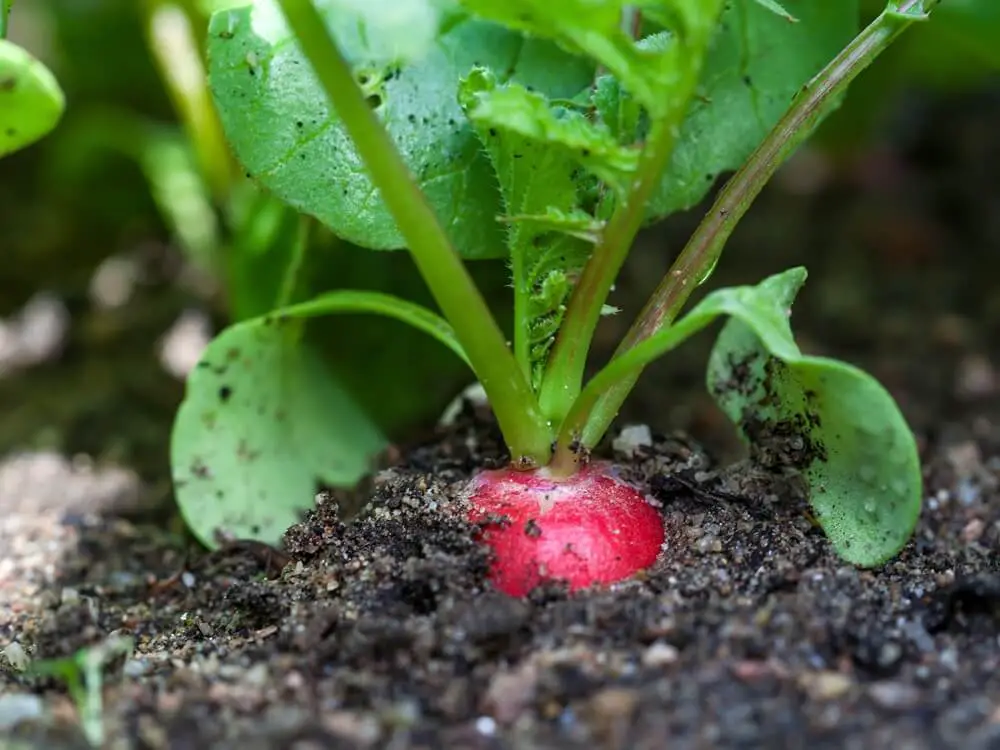
Radishes are ideal for bucket gardening because they have shallow roots and mature quickly. They thrive in five-gallon buckets with good drainage and can be sown directly into the soil. Radishes prefer cooler temperatures but require 4-6 hours of sunlight daily, so place them near a sunny window or under grow lights.
For best results, use loose, well-draining soil and plant seeds about an inch apart. Keep the soil moist but not waterlogged. You can harvest them as soon as they reach a good size. Varieties like ‘Cherry Belle' and ‘French Breakfast' are excellent choices for bucket gardening.
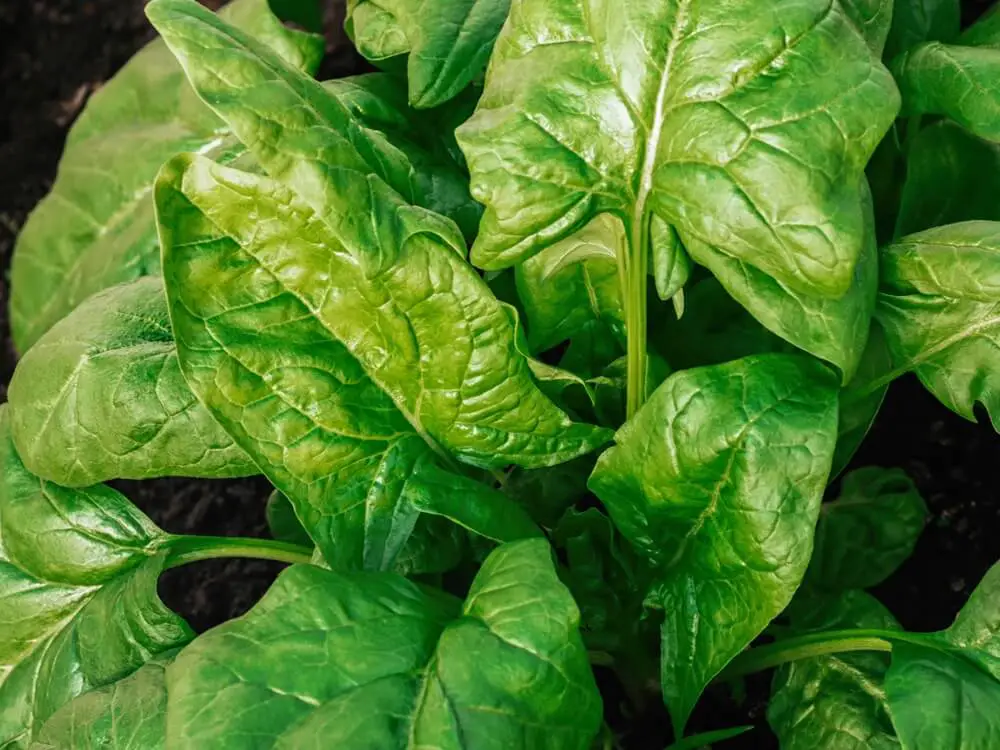
Spinach is a versatile leafy green that grows well in buckets, especially in cool temperatures, so they're great if you like keeping your home cold. They need a bucket at least 6-8 inches deep about 4-6 hours of sunlight per day.
Plant the seeds about a half-inch deep and a few inches apart. Keep the soil moist, especially as spinach can bolt (flower and go to seed) if it dries out or if temperatures are too warm. Harvest leaves from the outside, allowing the plant to continue producing new growth from the center. ‘Baby's Leaf' and ‘Bloomsdale Long Standing' are great varieties for buckets.
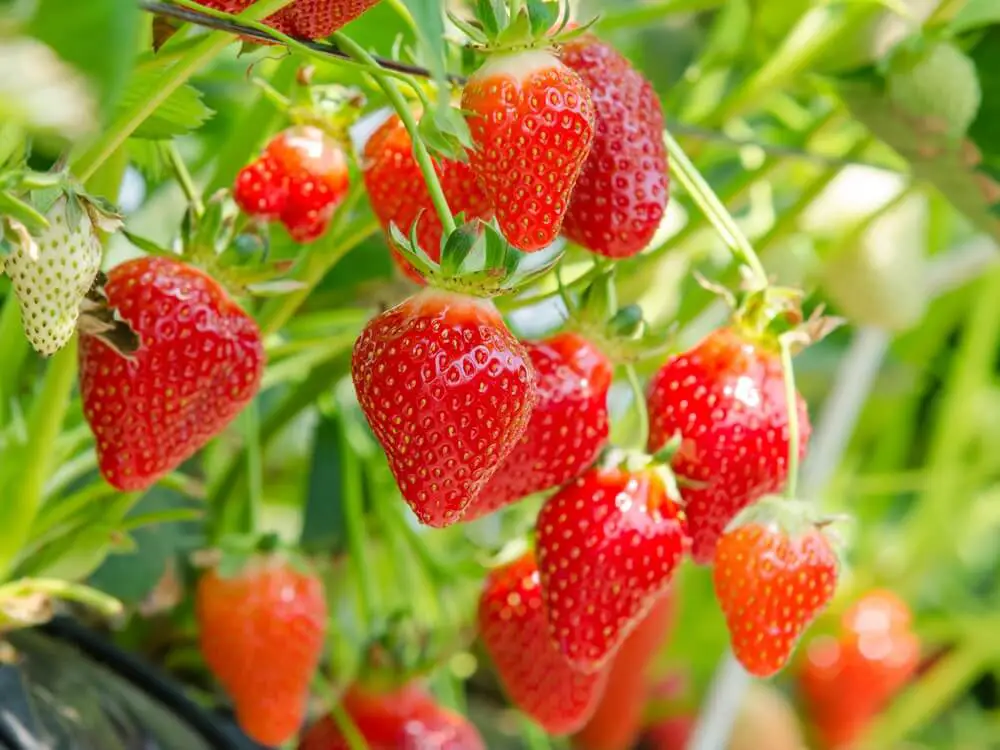
Strawberries are a great addition to any indoor garden and grow very well in buckets. Choose a sunny spot as strawberries need about 6-8 hours of sunlight daily. Make sure the bucket has ample drainage and fill it with loamy, well-draining soil.
Plant strawberry runners or crowns, ensuring the roots are well covered but the crown remains above the soil. Water them regularly to keep the soil moist, and feed them with a balanced fertilizer every few weeks to encourage fruiting. Consider varieties like ‘Sequoia' or ‘Albion' for their adaptability to container living and sweet, bountiful harvests.
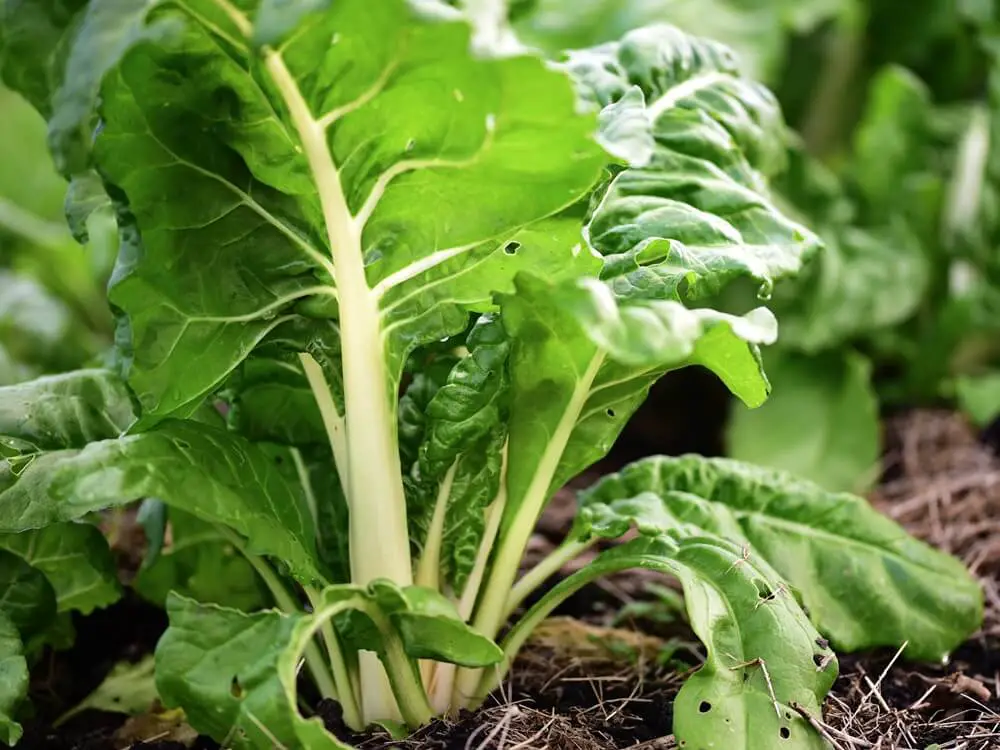
Swiss chard is a hardy vegetable that does great in buckets. It needs a bucket at least 10 inches deep, and it does best in cool temperatures with 4-6 hours of sunlight a day. Use well-draining soil and space seeds or seedlings about 6 inches apart.
Water it consistently to keep the soil moist, and apply a balanced fertilizer every month to encourage growth. Swiss chard can be harvested by cutting outer leaves, allowing the center leaves to continue growing. Varieties like ‘Bright Lights' and ‘Fordhook Giant' add both color and robust flavor to your indoor garden.
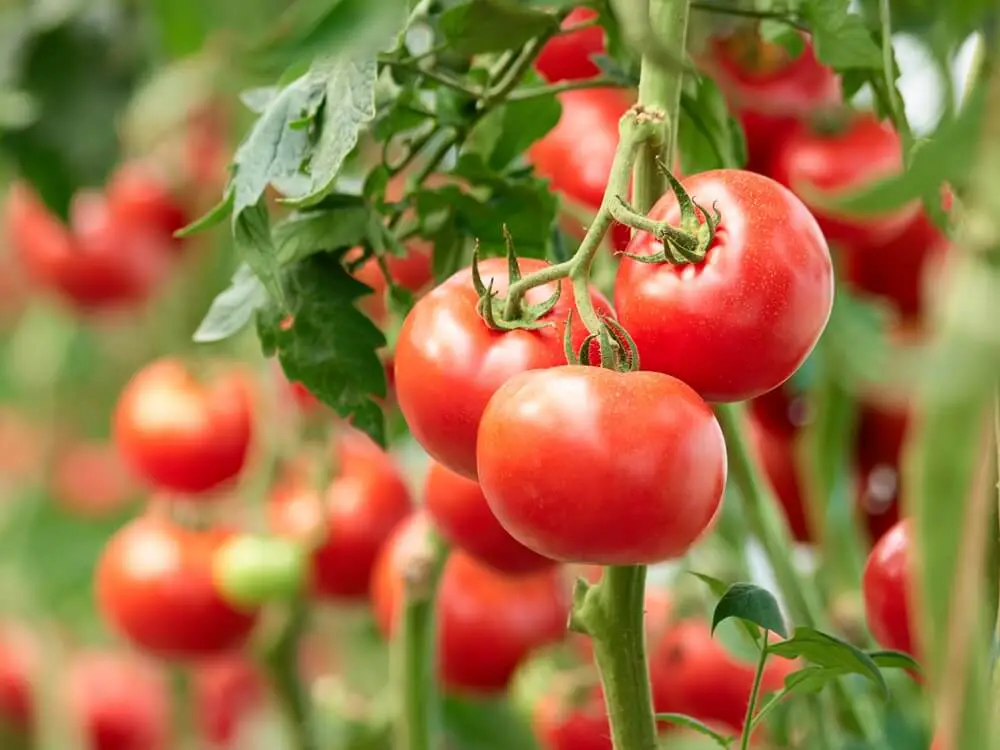
Tomatoes like things hot and sunny. So, if you provide them with a warm spot near a sunny south-facing window, you can have tomatoes all year long.
Smaller tomato varieties tend to grow better indoors. The time between planting and harvesting varies depending on the types you plan. Most are ready to harvest in a range between 55 and 85 days. Smaller varieties such as ‘Tiny Tim', ‘Patio Princess', and ‘Balcony' are ideal for growing in buckets.
Turnips are an underrated choice for bucket gardening, as they have shallow root systems and grow quickly. A 5-gallon bucket can hold several plants, provided you space them a few inches apart. They prefer cool temperatures and about 4-6 hours of sunlight daily.
Choose varieties like ‘Purple Top White Globe' or ‘Tokyo Cross' for fast growth and reliable results. Harvest the greens for a bonus crop while waiting for the roots to mature.
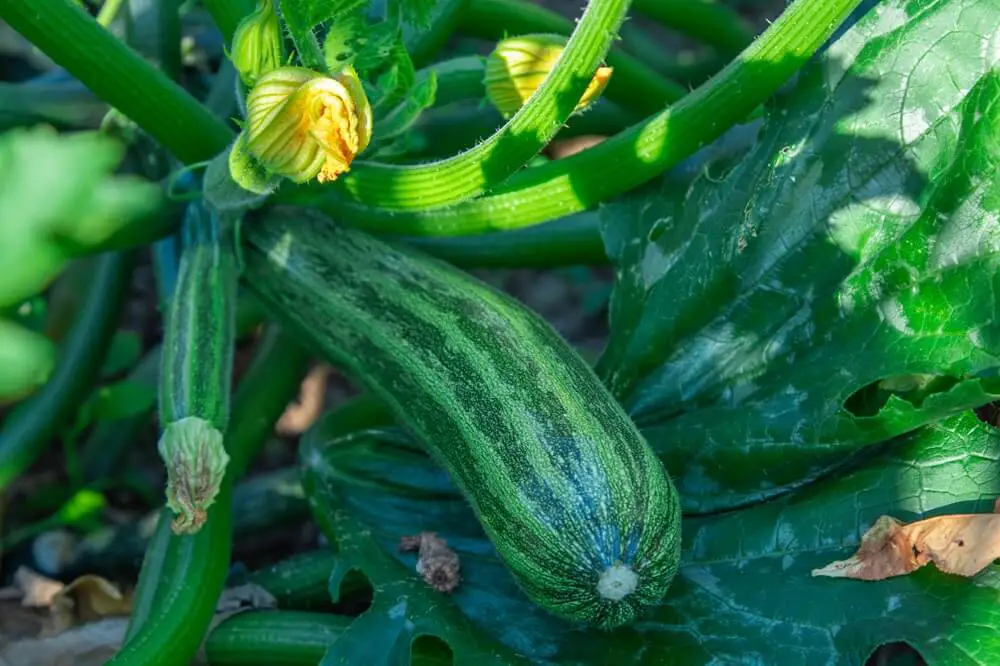
Zucchini may seem too large for indoor gardening, but bush varieties such as ‘Black Beauty' or ‘Patio Star' are perfect for buckets. Use a deep bucket (at least 12 inches wide) to accommodate its root system. Zucchini needs 6-8 hours of sunlight a day, so use grow lights if natural light is limited.
This plant grows fast and can produce a surprising amount of fruit indoors. Be sure to keep the soil moist and fertilize regularly to encourage healthy growth and fruit production.
If you’re used to growing food outdoors and dealing with the whims of Mother Nature, you may think indoor gardening is trouble-free. You’d be wrong. Indoor gardeners must deal with some of the same variables as outdoor gardeners.
Here is a run-down of some of the common problems associated with growing food indoors and what to do about them.
Lack of Sunlight
Insufficient light is the number one problem indoor gardeners face. While you may be able to treat some of your container plants to sunshine from a south-facing window, most of us will have to supplement with artificial lighting. Many options are available, from special fixtures to installing different bulbs to the lighting fixtures you already have.
Temperature
Many fruiting and vining summer vegetables prefer temperatures of around 65 degrees at night and 80 degrees during. If you're germinating seeds, it will go a lot faster if the temperature is closer to 80 degrees.
Since your indoor temps may fall out of that range, you may want to experiment with heat pads and grow lights to offer plants like tomatoes and peppers the warmth they need.
Dry Air
Heated and air-conditioned air can play havoc with indoor plants. Low humidity can show plant growth and makes it harder for your plants to absorb the water they need from the soil.
A solution is to use a mister on your plants or run a humidifier near your indoor garden.
Pests and Diseases
You won’t escape pests and diseases by growing your food inside. Just like with your outdoor plants, fungi, bacteria, viruses, and insects can invade your indoor food.
Aphids and whiteflies can be troublesome as well.
Inspecting your plants regularly can head off many troubles. And here are some tips to help prevent pest problems from happening in the first place.
Lack of Pollination
Without insects or the wind to transport pollen to different flowers, indoor vegetables will produce few or even no fruit. What can you do?
You can gently shake your self-pollinating plants to distribute the pollen. Or you can use a small paintbrush or a cotton swab to hand-pollinate flowers that rely on insects. Here’s how.
Too Much or Too Little Water
Overwatering and underwatering can stress plants, causing all kinds of problems from brown leaves to rotting roots. Test the soil for dryness before watering, and make sure your containers have adequate drainage.
Overcrowding
Another issue that can arise with indoor gardening comes from placing containers where they can get knocked over or otherwise harmed by pets, children, furniture, or even the vacuum cleaner.
Overturned pots and damaged plants can result in delayed or diminished harvests. If you have a crowded household, consider placing your containers in a less-trafficked area of your home or shielding them from foot traffic with a baby gate or room divider.
For more on year-round indoor vegetable gardening, here are a few additional resources:
As we say goodbye to one year and welcome the next, I want to take a moment to thank you for being part of the Apartment Prepper community. Your support,