When people hear the words Strait of Hormuz they think about oil, which makes sense, since roughly a quarter of the world’s seaborne oil trade normally passes through it along with enormous volumes of liquefied natural gas. But oil is only half the food story. Something else moves through Hormuz that gets far less attention, […]
from Survivopedia
Tuesday, November 24, 2026
Congress Risks a Government Shutdown Before Christmas: Is Your Household Ready?
Washington has less than three weeks to keep the federal government running. Current funding expires at the end of December 11, and if Congress and the White House can’t agree on a new spending bill, parts of the government could shut down just as families head into Christmas.
For preppers, the politics matter less than the timing. A mid-December shutdown would hit paychecks, benefits and federal services during the most expensive stretch of the year.
What’s Holding Up a Deal
According to Reuters reporting carried by TRT World, the main sticking points are the war with Iran and President Trump’s request for $350 billion in new Pentagon spending. A bipartisan funding bill needs 60 votes in the Senate, so neither party can pass one alone.
Democrats, who won control of both chambers in the November midterms and take over in January, are divided over whether to demand limits on Iran war funding even at the risk of a shutdown. Senate Republicans haven’t agreed on passing the full $350 billion through a party-line budget maneuver, and are instead negotiating a $1.1 trillion defense bill that includes $69 billion of the request.
Senate Majority Leader John Thune has called another shutdown a colossal mistake. Some Democrats, including Rep. Rosa DeLauro, argue that closing the government won’t stop the war, while others, like Sen. John Hickenlooper, say the stakes could justify it.
Signs of Movement
Over the weekend, Thune and Sen. Susan Collins, who chairs the Senate Appropriations Committee, signaled they were open to language restricting Iran war money in exchange for keeping the government funded, The Washington Post reported. Leaders in both parties have also floated a short-term stopgap that would push the fight into early 2027.
A December 1 vote on Senate Democratic leadership between Chuck Schumer and challenger Chris Van Hollen could shift the talks. Van Hollen has pushed to use the funding deadline as leverage on the war.
Why This One Deserves Your Attention
Shutdowns are no longer rare or short. As NerdWallet notes, the 2025 shutdown lasted 43 days, the longest in history, and a partial shutdown of the Department of Homeland Security ran 76 days earlier this year. A December lapse would be the fourth shutdown of Trump’s second term.
The last full shutdown showed how fast the damage spreads. ABC News reported that roughly 42 million SNAP recipients lost benefits, about 670,000 federal workers were furloughed and around 730,000 more worked without pay. Air traffic staffing problems also canceled or delayed thousands of flights.
Who Gets Hit First
Federal employees face missed paychecks, though the law guarantees them back pay once the government reopens. Federal contractors usually get no such guarantee, and the businesses that depend on federal workers’ spending feel the squeeze too.
SNAP and WIC run on contingency funds that can run short after about a month. Social Security and Medicare payments continue, but new applications, IRS income verification for mortgages and loans, and some tax refunds can stall. Holiday travelers could also see flight delays if air traffic controllers and TSA staff are stretched thin.
How to Prepare Before December 11
A shutdown is not certain, and both parties say they want to avoid one. But the steps below cost little and protect you either way.
Build a Cash Cushion
Aim for at least one month of essential bills in savings, more if your household depends on a federal paycheck or contract. Pause nonessential spending now instead of after the deadline passes. Keep some cash at home in small bills in case payment delays ripple through.
Stock the Pantry
If your family relies on SNAP or WIC, use this month’s benefits to build a buffer of shelf-stable staples like rice, beans, canned meat and powdered milk. The Ready.gov supply list is a solid baseline for food and water. A long-shelf-life food bucket from Augason Farms or ReadyWise can cover gaps if benefits are delayed.
Handle Government Business Now
If you need a passport, a Social Security application, an SBA loan or tax paperwork processed, file it this week. Anything that requires a federal employee to act can sit untouched during a lapse.
Talk to Creditors Early
If a shutdown would affect your income, call your lender, landlord and utility providers before you miss a payment. Many offered hardship plans to federal workers during past shutdowns, but you usually have to ask.
Protect Your Paperwork
Keep pay stubs, benefit letters, loan documents and IDs together where you can find them fast. A fireproof, waterproof document box like the SentrySafe CHW20221 keeps the originals safe, and copies on a flash drive make them easy to share.
The Bottom Line
Congress may well find a deal or punt the fight into the new year. Preppers shouldn’t bet the holidays on it.
A month of savings, a stocked pantry and your paperwork in order turn a shutdown from a crisis into an inconvenience. Do it now, while you still have three weeks instead of three days.
You may also like:
 9 Useful Prepping Lessons I’ve Learned After 60
What’s the Limit of Your Morality in a Crisis?
How to make Pemmican, the Ultimate Survival Super-Food
The 101 Essential Items That Helped Rebuild America After the Great Depression
The post Congress Risks a Government Shutdown Before Christmas: Is Your Household Ready? appeared first on Ask a Prepper.
from Ask a Prepper https://ift.tt/gQ5CWdu
Americans Are Suddenly Stockpiling These Emergency Supplies: Are You Missing Any?
A string of tech failures this month did something years of preparedness campaigns never managed. It sent ordinary Americans to the store for generators, water and canned food. Retailers and Wall Street analysts are now tracking the surge in real time.
For preppers, this is not a reason to panic. It is a reason to check your own shelves before everyone else finishes checking theirs.
What Shoppers Are Grabbing Right Now
The clearest signal came from Costco. Mizuho Securities analyst David Bellinger found that 21 of the 26 higher-priced generators on Costco’s website were sold out as of November 15, including a Kohler unit priced around $7,000, according to ConsumerAffairs. Costco’s CFO said the chain saw stronger sales of rice, canned goods, water, paper products, generators and batteries starting in late October.
Walmart told analysts it is selling more soup, water and ready-to-eat food, while Tractor Supply reported higher demand for generators, liquid storage tanks, propane and accessory tanks. Circana data reported by CBS News shows sales of water germicidal tablets jumped 154% year over year in the four weeks ending November 1. Disinfecting wipes rose 72% and moist towelettes climbed 20%.
Why the Rush Started
The trigger was a cluster of outages in quick succession. A widespread Microsoft Outlook failure, a nationwide FAA ground stop, banking software problems at JPMorgan Chase, a United Airlines glitch and a network outage at the National Security Agency all landed within days of each other.
Federal officials say the incidents are unrelated and were not cyberattacks. RBC Capital Markets analysts also trace part of the buying to a Pentagon readiness initiative in late September that social media twisted into rumors of a coming nationwide blackout.
Whatever the cause, the reaction proves a point preppers have made for years. When people suddenly realize how much of daily life runs on fragile systems, they all head for the same aisles at once.
The Real Lesson: Waiting Costs You
Generators were the first casualty, and they will not be the last if anxiety keeps building. Once a threat feels widely anticipated, you are competing with millions of shoppers for the same limited stock. Online orders start showing backorder notices and long shipping windows.
The prepper who builds a supply slowly pays normal prices and picks the right gear. The late buyer takes whatever is left, at whatever price it is.
Are You Missing Any of These?
Use this round of panic buying as a free audit. FEMA’s Ready.gov emergency supply list is the baseline, and the items flying off shelves this month line up closely with it.
Water and a Way to Treat It
Ready.gov calls for one gallon per person per day for several days, covering both drinking and sanitation. Stackable jugs like the Reliance Aqua-Tainer 7-gallon container make that easy to store. Add Aquatabs or Potable Aqua tablets plus a Sawyer Squeeze filter as backup treatment, since germicidal tablets are exactly what shoppers are clearing out right now.
Backup Power and Fuel
If you already own a generator, confirm it starts and that your stored fuel is treated with stabilizer and rotated. Propane is moving fast at Walmart and Tractor Supply, so top off your tanks now rather than during the next rumor cycle. A portable power station like a Jackery Explorer or a couple of Anker power banks will keep phones and lights running with no fuel at all.
Food You Can Eat Without Power
Canned soup, rice, beans and ready-to-eat meals are what retailers say is selling. Stock foods your family already eats so you can rotate them, and keep a manual can opener with them. Freeze-dried pouches from Mountain House or ReadyWise cover longer outages.
Light, Radio and Batteries
Batteries are on Costco’s list of hot sellers, so buy them before your local shelf thins out. A hand-crank weather radio like the Midland ER310 keeps you informed if cell service and the internet go down. Pair it with LED headlamps that run on the same battery size.
Cash and Paper Backups
This wave hit banks and payment systems, not just power. Keep a modest supply of small bills at home, along with printed copies of key phone numbers, account details and insurance documents in a waterproof pouch.
Sanitation Supplies
Wipes and towelettes are selling fast for a reason. Stock trash bags, toilet paper, hand sanitizer and disinfecting wipes so a water outage does not turn into a hygiene problem.
Generator Safety Is Not Optional
A rush of first-time generator owners means more carbon monoxide risk. The CDC warns that generators and other fuel-burning devices must never run inside a home, garage or carport, or near doors, windows and vents, and that carbon monoxide kills more than 500 Americans every year. Keep the unit at least 20 feet from the house and install a battery-operated CO alarm from Kidde or First Alert.
Buy Steadily, Not in a Panic
None of the recent outages lasted long, and officials see no evidence of a coordinated attack. That makes right now the best time to prepare, while stores still have stock and you can think clearly.
Add a few items each shopping trip, rotate what you store and close the gaps on this list one at a time. When the next headline sends everyone running, you will already be home.
You may also like:
 Why I Regret Stockpiling These 21 Popular Items
The 3 Sure-Fire Signs That It’s About To Hit The Fan In 2026 (VIDEO)
Read This Before Stockpiling Your Fuel!
Why You Should Stop Stockpiling Water
Read This Before Stockpiling Seeds
Read This Before Stockpiling Water In Blue Barrels
The post Americans Are Suddenly Stockpiling These Emergency Supplies: Are You Missing Any? appeared first on Ask a Prepper.
from Ask a Prepper https://ift.tt/7JFNU4y
Monday, November 23, 2026
9 Survival Uses for “Purple Powder”
The jar looks like it holds coarse black sand, and you wouldn’t think it belongs anywhere near a first aid kit. Shake a few grains into a glass of water, though, and the whole glass turns pink in seconds. Add a little more, and it goes deep purple, the color of grape juice.
That jar has been sitting on hardware store shelves for over a century, mostly bought by folks who wanted to make their well water drinkable.
Old-timers knew it as Condy’s crystals, and soldiers carried it in their kits long before anyone sold fancy survival gear.
But the younger generations hardly seem to know what it does anymore, which is a shame, because a single small jar covers fire, water, wounds and food storage.
What This Purple Powder Really Is
The purple powder is potassium permanganate, or KMnO4 if you remember your high school chemistry. It’s a strong oxidizer, meaning it rips electrons away from whatever it touches. That one property explains almost every use below, from killing germs to setting a pile of tinder on fire.
Every one of those uses depends on getting the strength right, yet old instructions talk in pinches and grains instead of real measurements. A few crystals too many can turn a gentle skin soak into a chemical burn, while too few leave a wound wash that barely kills anything. Colors help, but pale pink in a white bowl looks very different from pale pink in a steel pot.
I keep the old dilution chart for potassium permanganate taped inside the lid of my jar, and it takes the guessing out of every batch. It matches each use to an amount you can measure with a kitchen spoon, from foot soaks to produce washes. The chart also shows the exact shade to aim for, which helps a lot when you’re mixing by lantern light.
You can buy it at pool and pond supply stores, aquarium shops and hardware stores that carry well-water treatment supplies. A one-pound container goes a long way, since most uses call for just a few crystals. Pharmacies in some countries also sell it as 400 mg tablets for skin soaks, which makes measuring much easier.
Keep in mind that potassium permanganate is a DEA-listed chemical because drug labs have used it. Small containers stay easy to buy, but big orders get tracked, so there’s no reason to stock more than a pound or two.
9. Snow Signal
A bright purple stain on fresh snow shows up from a long way off, and that’s the oldest trick in the book for this stuff. If you’re stranded in winter, a handful scattered on open snow marks your position for anyone searching from the air. The color spreads as the crystals melt into the snow, so a little covers more ground than you’d expect.
Did you know a pilot reads the shape on the snow as a message? In the standard ground-to-air code, a single X means you need medical help, while a V asks for general assistance. An arrow shows which way you’ve moved, which matters if you have to leave your shelter to look for water.
Lay out the wrong symbol and you might get the wrong kind of help, or none at all if the shape is too small to read from up there. Pilots flying over miles of white ground get only a few seconds to spot you, so the message has to land the first time.
That’s why you’ll want the 5 ground-to-air symbols search pilots look for in your head before winter sets in. Then the crew knows whether to bring a medic or a stretcher before they ever touch down. You’ll also see how big to make the letters and which open ground reads best from the air.
Whichever symbol you pick, lay it out in straight, sharp lines rather than a blob. Search crews look for shapes nature doesn’t make, and a straight line catches the eye fast.
8. Pond and Fish Care
Plenty of homesteads keep a pond for fish, ducks or irrigation, and potassium permanganate has long been a standard pond treatment. Fish farmers use weak doses to knock back external parasites and bacteria on their fish. Gardeners with water plants dip new plants in a weak bath before adding them, which kills snails and their eggs hitching a ride.
Treating a healthy pond does more harm than good, though, because the chemical stresses fish even at the right dose. It also kills off some of the good bacteria that keep the water clean. Catching real trouble early is the whole game, before half your fish are floating belly up one morning.
To make sure you only treat when your fish truly need it, you need a backyard fish-raising guide that covers the 4 signs your pond fish are sick and what each one points to. Low oxygen and parasites look a lot alike from the bank, though one needs a pump and the other needs a chemical.
This way you will learn:
- Why fish rubbing against rocks usually means parasites
- What gasping at the surface at dawn tells you about your oxygen levels
- How to dose a pond by its gallons so you don’t overdo it
Once you do treat, the dose matters a great deal, because too much will harm the fish you’re trying to help. Follow the label on a pond-grade product exactly, and keep an aerator running during treatment, since the chemical uses up oxygen as it works.
7. Keeps Stored Fruit Fresh Longer
Apples, bananas and pears give off ethylene gas as they ripen, and that gas makes everything stored near them ripen and rot faster. Potassium permanganate destroys ethylene, which is why commercial produce shippers use it. Those little ethylene absorber packets you see in fruit boxes are usually potassium permanganate soaked into small beads of clay or alumina.
You can buy those packets online and tuck them into bins of stored fruit and vegetables. In a root cellar, a few packets near the apples can add weeks to how long the rest of your harvest keeps. The beads turn from purple to brown once they’re used up, so you’ll know when to swap them.
Picture opening the cellar door in February and finding your potatoes covered in long white sprouts. More often than not, the apples on the shelf above did that. Ethylene doesn’t only ripen fruit, since it also sprouts potatoes and turns carrots bitter.
The packets can’t keep up when the worst offenders sit right next to the crops they ruin. So make sure you never store these 10 fruits and veggies together, and the packets will have far less work to do. You’ll also see which temperature and humidity each crop wants, so nothing rots in the wrong corner.
6. Washing Produce and Wild Greens
After a flood, a garden can end up coated in mud that carries sewage and bacteria. A light pink soak has been used in many countries to clean lettuce and other raw vegetables. You let the produce sit in the pale pink water for a few minutes, then rinse it well in clean water before eating.
The same trick works for wild greens you’ve gathered from ditches, creek banks or the edge of a field. Those spots can pick up runoff from roads and farms, so a wash makes sense before anything goes in the salad bowl.
A pink wash cleans the dirt and germs off wild greens, but it does nothing about a plant that’s poisonous to begin with. Water hemlock, for example, likes the same wet ground as wild carrot, and a single bite can kill. The two look close enough that people have died picking one for the other.
Before your first foraging trip, go through the 7 roadside weeds safe to eat after a good wash in a guide with clear photos of each plant and its look-alikes. Every entry shows the leaves, stems and roots up close, plus the season when it tastes best. With that in your pocket, everything that goes into your pink soak is food in the first place.
5. Fixing Foul-Smelling Well Water
This is the job most people actually buy potassium permanganate for today. Well water with a rotten-egg smell carries hydrogen sulfide, and water that stains your sink orange is loaded with iron. Many rural homes run a greensand filter that uses potassium permanganate to pull both of those out.
There’s a catch with these filters, though, because they depend on an electric pump to push water through. Once the grid goes down, the pump stops and the filter sits there useless. Your well might hold thousands of gallons of good water, and you’d have no way to reach a single cup.
A generator can run the pump for a while, but fuel goes fast in a long outage. From there you’re down to a bucket on a rope, and that water comes up raw, sulfur and iron and everything the filter used to catch. Boiling won’t touch the smell or the orange stain either, so find out how to make well water drinkable without a filter system before you need it.
The filter media itself soaks up permanganate and then oxidizes the iron and sulfur as water passes through. Every so often, the system flushes itself and recharges with fresh permanganate from a small tank. If you’re on a well and keep a filter like that, it would be a smart idea to have an extra bag of permanganate.
4. Backup Water Disinfection
Another role of this purple powder is killing bacteria in water. The method has been around a long time, especially in WWI, when soldiers used it in the field to make their water drinkable. Even so, it belongs at the bottom of your water plan rather than the top, since health agencies don’t list it as a primary disinfection method.
The bigger problem is that it won’t reliably kill Giardia or Cryptosporidium. Crypto is the toughest of the two, and it even shrugs off bleach at normal doses. One swallow of bad water can leave you sick for weeks.
That makes your real water setup far more important than the crystals themselves. Most folks only have a filter and a few jugs, though, and that runs dry by the third day. Before you lean on a last resort like this one, first you need to find the 3 water sources on your property you’ve never used – two of them are probably sitting in plain sight and you didn’t even know about them.
If the purple jar is truly all you have, aim for a very pale pink color and never purple. Filter the water first if you can, then give the treated water time to sit before drinking. Still, a good gravity filter, boiling or plain unscented bleach all do a better job.
3. Athlete’s Foot and Fungal Soaks
Wet boots for days on end lead straight to athlete’s foot, and in a long emergency that can turn into cracked, infected skin. A weak potassium permanganate foot soak has been a standard treatment for fungal infections and weeping skin for generations. Doctors in the U.K. still prescribe it, usually as one 400 mg tablet dissolved in about four liters of warm water.
Those same wet boots can lead to something far more serious than a fungus, though. Trench foot starts with numb, swollen, blotchy feet, and a pink soak won’t touch it. Left alone, the skin starts to die, and people have lost toes to it without ever seeing snow.
For plain athlete’s foot, the 400 mg tablet gives you a light pink color, and you soak your feet for 10 to 15 minutes. Dry them completely afterward, especially between the toes. Stronger solutions can burn the skin, so if the water looks dark purple, add more water before you start.
2. Cleaning Wounds and Sores
A very weak solution, about one part in ten thousand, has been used to clean cuts, sores and weeping wounds for well over a hundred years. The World Health Organization even lists potassium permanganate on its list of essential medicines for skin conditions. At that strength, the water looks pale pink rather than purple.
You can rinse a dirty wound with it or soak a cloth and lay it over a weeping sore for a few minutes. Your skin will turn brownish where the solution touches it, which is harmless and wears off in a few days. Keep it away from the eyes, and never pour a strong, dark solution on an open wound.
A clean wound can still go bad over the next few days, and with no doctor around, you’re the one who has to spot it. Most cuts look a little red and sore while they heal anyway, which makes the early signs easy to miss.
What helps a lot here is to check the cut every morning and watch for the 5 signs a wound is turning septic, then mark the edge of the redness with a pen so you’ll know by the next day whether it’s spreading. Red streaks running up the arm or leg mean the infection is moving, and by then every hour counts.
1. Fire Starter
Of all its uses, this is the one that surprises people most. Pour a teaspoon of potassium permanganate into a small pile on dry tinder, add a few drops of glycerin, and wait. After a short delay, the mixture starts to smoke, then bursts into a hot purple-white flame.
The reaction slows down a lot in the cold, so on a freezing day you might wait a full minute or more. Warming the glycerin in your pocket beforehand speeds things up. Engine antifreeze works too, since it’s chemically close to glycerin, which helps if your truck is the only thing nearby.
That flame lights the tinder, but it dies fast if the wood above it is damp. You get one hot burst for a minute or so, and the kindling has to catch before it fades. Fires usually fail right at that moment, because the sticks are too thick or packed too tight for air to get in.
Another trick uses plain sugar. Mixed with potassium permanganate and ground hard with a flat stick or rock, the friction can set it off without any liquid at all. Keep your face back either way, because the flame flares fast and the fumes are nasty.
But it’s better (and safer) to practice on a dry afternoon than to learn it with numb fingers in the rain. Enroll in this bushcraft online class and you’ll see how to get a fire going in snow, rain or wind, with every method built to feed a small flame like this one. You’ll also find out which trees hold dry dead branches after days of rain.
Store It Safely
Potassium permanganate keeps for years, as long as you store it away from anything it can react with. The crystals pull moisture out of the air too, and once they clump up they’re hard to measure. A few minutes spent setting the jar up right saves you both problems.
Store it like this:
- In its original sealed container, since the label carries the strength and the warnings
- On a shelf of its own, well away from glycerin, sugar, antifreeze, oil and brake fluid
- Somewhere cool and dry, because damp air turns the crystals into a solid lump
- Out of direct sunlight, which breaks it down over time
- In a plastic or glass container if you repack it, never metal
- Out of reach of kids and pets, because swallowing the crystals burns the mouth and throat
One pound costs a few dollars and takes up less room than a can of beans. Few things you keep around can start a fire, clean a wound and keep your apples fresh, so it’s worth making room for a jar.
The Underrated Items in Your Stockpile
Permanganate isn’t the only cheap jar that does more than its price suggests. Food-grade diatomaceous earth mixed into stored grain kills weevils without any chemicals, and a line of it around the chicken coop handles mites. Plain borax sits in the laundry aisle for a couple of dollars, yet it kills roaches and ants better than most sprays. Powdered lime keeps an outhouse or a compost pile from going sour, and a bag of it costs less than a tank of gas.
Then there’s agricultural sulfur for dusting fruit trees, plain baking soda for everything from burns to scouring pots, and boric acid for roaches in the walls. None of these show up in the gear videos or the big prepping books, because nobody makes money filming a $7 bag of powder.
Watch or read enough of them and you’ll notice they all cover the same ground. Water, rice, beans, a generator, maybe a bug-out bag. Most of us knew all that twenty years ago, so you’d think yeah, my job here’s done.
The Stockpile Savior broke that streak for me..
It has plans adapted for most possible SHTF scenarios, and a big part of it goes to the stockpile saviors that many of us forget about.

It also promises, and delivers, 100 days worth of stockpile for a whole family in only 10 days, on a small budget and without a lot of space.
This isn’t an ordinary prepper guide, and The Stockpile Savior will make you the ultimate prepping expert. Caught your attention? See a preview here.
You may also like:
15 Types of Powders You Should Add to Your Stockpile
The 3 Sure-Fire Signs That It’s About To Hit The Fan In 2026 (VIDEO)
How to Make “Cowboy Black Powder” at Home
Can You Substitute Baking Powder for Baking Soda?
The post 9 Survival Uses for “Purple Powder” appeared first on Ask a Prepper.
from Ask a Prepper https://ift.tt/aLrq7wd
What to Ask for Christmas for Emergency Preparedness
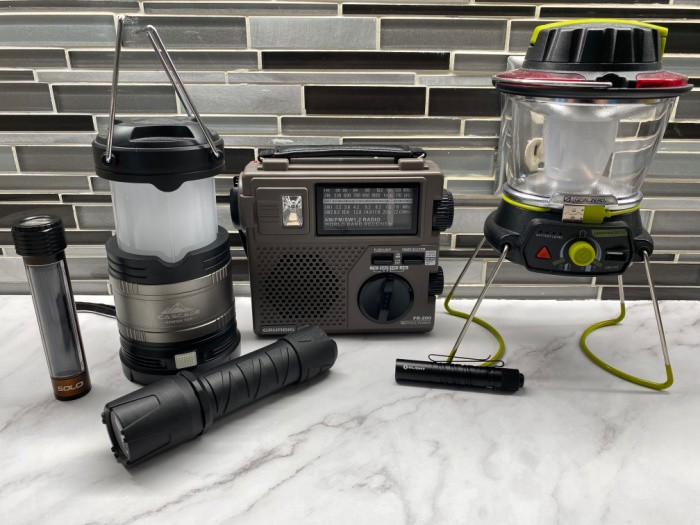
The holiday season is a time of joy and celebration, but it’s also essential to consider the unexpected. Being prepared for emergencies is so important. Why not ask for gifts this Christmas to contribute to your emergency preparedness plan? So, if you’re on the fence about what to ask for Christmas for emergency preparedness, I have you covered! Emergency Preparedness Gift Guide

What are emergency preparedness tools?
Emergency preparedness tools are items or equipment that help individuals and households prepare for unexpected emergencies or disasters. These tools can include survival kits, portable power sources, water filtration systems, NOAA weather radios, first aid kits, multi-purpose tools, and cooking devices, among others.
1. Emergency Survival Kit
An emergency survival kit, or family emergency kit for each family member, is an excellent gift for every household. It includes essential supplies such as food, water, first aid items, flashlights, batteries, a multi-tool, and a radio. Asking for a pre-packaged survival kit or individual components can ensure you have the essentials during an emergency. Check for reputable brands and kits that meet your specific needs. Flashlights with Batteries and Solar Flashlights
2. Portable Power Bank
During emergencies, power outages and related blackouts are common. A portable power bank can charge your electronic devices, such as your cell phone, allowing you to stay connected with loved ones and access important information. Look for power banks with high capacity and multiple charging ports to accommodate various devices simultaneously. Power Outage: What to do Next
I like the products from Goal Zero. Having a unit to run your CPAP, nebulizer, and other chargers is vital. Having a portable power station can be life-saving. It would be wise to also have a car charger so you can have another source to charge that cell phone.
3. Water Filtration System and Water Storage Containers
Clean drinking water is vital during an emergency. Requesting a water filtration system, such as a portable water filter or purification tablets, ensures access to safe drinking water when regular sources may be compromised. Look for filters that are easy to use, durable, and remove common contaminants. How to Barter with Food and Water
Some systems are designed to remove bacteria and viruses from the water. I like the products from Big Berkey, AquaRain, and PortaWell. I’ve written some posts about these options since each approach has advantages. Check my archive above for more information, such as the need for a power source to run the system. Having enough water to stay hydrated, cook, do limited laundry, and do simple personal hygiene tasks is important. Water storage is critical, and having extra water makes sense.
Some groups, such as the American Red Cross, suggest 1 gallon of water per day per family member. I have always told my readers to try to store 4 gallons of water per person per day. It’s surprising how much clean water we need for everyday use.
Storing water can take you on an extraordinary journey of preparedness. From small bottles of water to large storage tanks, planning and having the right containers for your family are vital.
4. Emergency Weather Radio
Staying informed about weather conditions is crucial during emergencies. An emergency weather radio, such as a NOAA weather radio, can provide real-time updates on severe weather alerts, evacuation notices, and other critical information. Opt for radios with multiple power sources (e.g., solar panels, a hand-crank radio, or a battery-powered radio) and include NOAA weather bands. 30 Ways to Stay Warm When It’s Cold Outside
I like having multiple power options. The hand-crank option may sound unusual, but you can still get weather information even during a power outage. If you choose battery power, be sure to stock extra batteries and test and rotate them as needed.
5. Emergency Food Supplies
A stockpile of non-perishable food items can sustain you during an emergency when access to fresh food from your grocery store may be limited. Ask for long-lasting food supplies like canned goods, freeze-dried meals, energy bars, and snacks. Ensure you rotate the food periodically to maintain freshness. How To Be Prepared For Extreme Cold Weather
Double-check your inventory periodically and look for expired or damaged cans and packages. Your emergency food plan should take into account family members’ support needs, and having extra food never hurts. Right now, many stores are running case-lot sales. You can fill your inventory with basic supplies like canned fruits, veggies, and meats at a discount. Don’t forget to plan on meals for your pets. Also, don’t forget at least one manual can opener.
6. First Aid Kit
A comprehensive first aid kit is essential in any emergency preparedness plan. Request a well-stocked kit with bandages, antiseptics, gauze pads, medical tape, gloves, hand sanitizer, and medications. Consider adding personal medications or specific medical supplies for individuals with pre-existing conditions. Types of Medicines You Need for a First Aid Kit
Be sure to include items such as a sling, splinting materials, and blood-clotting products in case of cuts.
7. Emergency Cash and Documents
In emergencies, ATMs may be non-functional, and access to digital payment methods may be limited. Asking for emergency cash in small denominations can help you purchase necessary supplies when credit and debit cards aren’t working. Include a waterproof container for important documents like identification, insurance policies, medical records, and emergency contact information.
8. Multi-Purpose Tools
Having reliable multi-purpose tools can be invaluable during emergencies. Requesting items like a Swiss Army knife, a sturdy multi-tool, or a versatile pocket knife can assist with various tasks such as opening cans, cutting ropes, or repairing equipment. Ensure the tools are high quality and offer multiple features. Invaluable Tools Necessary for Transporting Emergency Supplies
Other basic tools would include pliers, various screwdrivers, an ax, a hand saw, and waterproof matches.
9. Cooking Equipment and Supplies
We all need to eat even after an earthquake, tornado, hurricane, or severe storm. The challenge comes when trying to feed your family and the power is out. I have multiple ideas as options based on the situation. If it’s sunny outside, I can use my Sun Oven to cook just about anything. I have a butane stove, a propane stove, and a BBQ.
You need to think about the types of meals you can most likely prepare, based on your emergency food supply, the climate where you live, and the fuel required. I used a butane stove in my kitchen for a few weeks when we were waiting for a gas line to be run to our new gas stove. Of course, I kept all the windows open for proper ventilation. I could have cooked on the patio table, but having it on the kitchen counter made it so convenient.
How often should I update and maintain my emergency preparedness tools?
It is important to review and update your emergency preparedness tools regularly. Check the expiration dates of food, water, and medications in your survival kit. Test and replace batteries in radios and flashlights. Ensure that your water filtration system is in good working condition. Regularly inspect and replenish the items in your first aid kit. It is recommended to review and update your emergency preparedness tools at least once a year.
If you take inventory of what you have and additional items you’d like as emergency preparedness gifts, you are way ahead of most of your neighbors. The gift of preparedness will be greatly appreciated whether you are the giver or receiver.
Can multi-purpose tools be helpful in emergencies?
Yes, multi-purpose tools can be incredibly helpful in emergencies. They are super easy to use and can assist with tasks such as opening cans, cutting ropes, and performing minor repairs. Swiss Army knives, multi-tools, and pocket knives are examples of tools that offer multiple functionalities in a compact design.
If you expect to face a time when your natural gas valve and/or meter need to be shut off, that takes a special tool. Check with your utility provider and find out what’s necessary in your area. Be aware that the gas company will need to come to your home to properly turn things back on.
You need to know how to shut off the water entering your house and where your electrical panel box is, so you can shut down those utility-provided services if necessary.
What Are Some Other Items I Should Consider as Preparedness Gifts?
Some other items you should research and consider are:
- Fire Extinguishers
- Blankets and Quilts – include a fire blanket and other items to keep you warm and dry
- Sturdy shoes in case you have to shovel snow, walk to get help, or help rescue a neighbor
More Tips
Final Word
This holiday season, prioritize your family’s safety and well-being by requesting prepper gifts that contribute to emergency preparedness. Remember, being prepared is a gift that keeps on giving, providing peace of mind throughout the year. If you’re not sure what others might need or don’t want your gift givers to stress about what to buy, getting a gift certificate works well too. There are so many great gift options for preppers. What are your ideas for gifts this time of year?
Now that you know what to ask for in emergency preparedness for Christmas, you’ll appreciate having this list and know what to ask for this year! May God Bless this World, Linda
The post What to Ask for Christmas for Emergency Preparedness appeared first on Food Storage Moms.
from Food Storage Moms
Subscribe to:
Posts (Atom)