Estimated reading time: 5 minutes
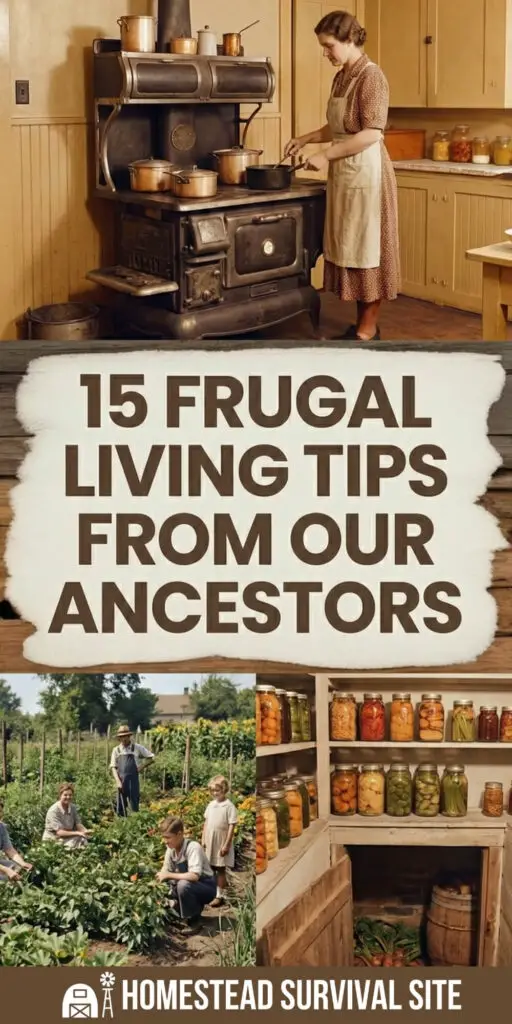
During hard times like the Great Depression, the Dust Bowl, and the Gilded Age in the late 19th century, people had to stretch every penny, reuse everything they could, and find creative ways to get by with very little. The idea of wasting food, tossing old clothes, or buying new things instead of fixing things was unthinkable.
Back then, frugality wasn’t a lifestyle trend. It was survival. And while some of their old-fashioned habits may seem outdated today, many of them are surprisingly relevant, especially for anyone trying to save money, become more self-sufficient, or prepare for hard times.
In this article, we’ve gathered 15 frugal living tips inspired by the past, many of which you’ve probably never heard before. These aren’t your typical “clip coupons and shop sales” suggestions. These are time-tested habits from people who knew how to make do, use it up, and live well with less.
1. Barter for Goods and Services
Cash wasn’t always available, especially in rural communities. People traded eggs for milk, sewing for firewood, or labor for produce. Bartering built strong communities and kept everyone supplied without spending a dime.
2. Collect Rainwater
Water wasn’t taken for granted. Families collected rainwater for washing clothes, watering gardens, or even bathing in a pinch. With basic tools like barrels and gutters, it’s still a smart way to reduce your water bill and increase self-reliance. Here's how to get started.
3. Keep a “Mend and Repair” Basket
Before tossing anything out, older generations would patch it, sew it, or repurpose it. Socks, pants, and even sheets were routinely repaired. A small sewing kit and the will to fix things saved families countless dollars over time.
4. Layer Clothing Instead of Heating the Whole House
Before central heating, families wore extra layers indoors, used hot water bottles, and closed off unused rooms to conserve heat. It was all about warming people, not spaces. This mindset can save a surprising amount on utility bills.
5. Make Bone Broth from Scraps
Every animal bon was simmered for hours to extract every bit of nutrition. Bone broth was the base for soups and stews, giving flavor and nourishment from something most people today would throw away. It stretched meat further and provided valuable minerals.
6. Make Your Own Cleaning Products
Long before store-bought cleaners, people used things like baking soda, castile soap, and white vinegar to clean. In fact, you can clean your entire home with just those 3 things. People also used lemon juice, leftover soap slivers to clean their homes. These ingredients are cheap, effective, and still do the job today, without all the chemicals.
7. Repurpose Glass Jars and Tins
Glass jars from canned goods and metal tins from things like lard or tobacco were washed and reused to store food, seeds, buttons, or hardware. Nothing with a lid was ever thrown away. It was early zero-waste living without the marketing.
8. Reuse Tea Bags and Coffee Grounds
People would use a single tea bag multiple times, or stretch coffee grounds by rebrewing or mixing in roasted grains like chicory. It wasn’t ideal, but it kept the comfort of a hot drink going longer. In tight times, every little bit counts.
9. Salvage and Reuse Nails, Screws, and Wood
Nothing from a broken chair or torn-down shed went to waste. Old nails were pulled and straightened, and scrap wood was repurposed for kindling or building projects. Hardware was too valuable to toss.
10. Stretch Meat with Fillers
Meat was often mixed with breadcrumbs, oats, beans, or vegetables to make it go further. Meals like meatloaf, casseroles, and stews were designed to feed more people with less meat, a habit worth reviving as prices rise.
11. Turn Flour Sacks into Clothing
During the Great Depression, flour companies started printing floral patterns on their sacks because families were turning them into dresses, aprons, and kids’ clothes. It was a creative way to stretch resources, and it worked. Nothing was wasted, and utility came before fashion.
12. Use Ashes for Cleaning
Wood ash wasn’t just waste, it was a valuable resource. It was mixed with water to make lye soap, used as a scouring powder, or even to clean glass and deodorize outhouses. It’s an old-school cleaning solution that cost nothing.
13. Use Fabric Scraps for Quilts or Rags
Old clothing, flour sacks, and fabric scraps were turned into patchwork quilts, cleaning rags, or braided rugs. Nothing was thrown away if it could be repurposed. This not only saved money but added comfort and color to the home.
14. Use Homemade Remedies First
Instead of running to the doctor or pharmacy, people relied on simple home remedies: onion syrup for coughs, mustard plasters for chest congestion, or herbal teas for stomach issues. These time-tested treatments often worked and cost next to nothing. Here's how to build an herbal medicine chest.
15. Use the Ends of Everything
Whether it was a bar of soap, a loaf of bread, or a candle, nothing was wasted. Soap slivers were melted together into a new bar, stale bread became croutons or pudding, and candle stubs were remelted into new tapers.
You May Also Like:
The post 15 Frugal Living Tips from Our Ancestors appeared first on Homestead Survival Site.
from Homestead Survival Site https://ift.tt/ZeJBuP9
No comments:
Post a Comment