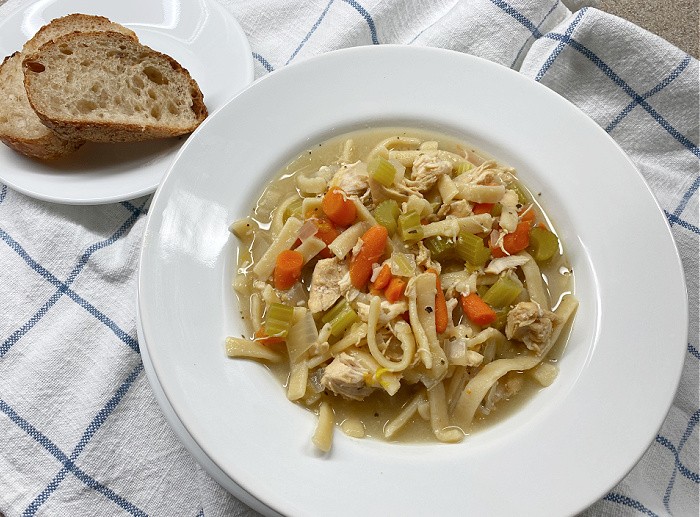
Here are 50 reasons to cook at home. Cooking used to be a skill passed naturally from one generation to the next. Children learned by watching grandparents knead dough, parents stir soup, and neighbors share recipes over fences. Today, that chain has been broken. Fast food, delivery apps, and ultra-processed meals have replaced kitchens as the heart of the home.
Teaching others how to cook is no longer optional; it is essential. Cooking skills affect physical health, financial security, emotional well-being, cultural preservation, and even national resilience. When people don’t know how to cook, they become dependent on systems that are often expensive, unhealthy, and fragile.
Below are 50 in-depth reasons why we must actively teach others how to cook, with expanded explanations that reveal why this skill matters now more than ever.
50 Reasons to Cook at Home
Essential Cooking Items
- 8-Quart Sauce Pans
- 6-Quart Sauce Pans
- Fry Pans
- Danish Whisk
- Hand Mixer
- Mixing Bowls
- Measuring Spoons
- Measuring Cups
- Rolling Pin
Cooking Is a Foundational Life Skill
1. Cooking creates independence
Knowing how to cook means you aren’t dependent on restaurants, fast food chains, or prepackaged meals. Independence in the kitchen translates into autonomy in life.
2. It reduces reliance on convenience culture
Convenience foods are designed for speed, not nutrition. Teaching cooking helps people step away from unhealthy shortcuts.
3. Cooking teaches responsibility
Preparing meals requires planning, timing, and follow-through—skills that carry into every area of life.
4. It prepares people for adulthood
Many young adults leave home without knowing how to cook, leading to poor diets and financial strain.
5. Cooking builds confidence
Successfully preparing a meal gives people a sense of accomplishment and self-trust.
Cooking Saves Money and Builds Financial Stability
6. Home cooking costs less than eating out
Even simple home meals are far cheaper than fast food or restaurant dining.
7. Cooking reduces grocery waste
People who cook know how to use leftovers instead of throwing food away.
8. It teaches budgeting
Cooking encourages meal planning, price comparison, and intentional shopping.
9. Cooking stretches limited resources
Simple cooking techniques allow people to turn inexpensive ingredients into filling meals.
10. It reduces impulse spending
When meals are planned and cooked at home, last-minute food purchases decline.
Cooking Improves Physical Health
11. Home cooks consume fewer processed foods
Cooking at home naturally reduces intake of preservatives, additives, and artificial ingredients.
12. It lowers sodium and sugar intake
Restaurant and packaged foods often contain excessive salt and sugar.
13. Cooking supports weight management
Home-cooked meals tend to be more balanced and portion-controlled.
14. It helps prevent chronic illness
Cooking is linked to lower risks of heart disease, diabetes, and obesity.
15. Cooking encourages whole foods
People who cook use more vegetables, grains, legumes, and fresh proteins.
Teaching Children to Cook Shapes Their Future
16. Kids who cook develop healthier eating habits
Children involved in food preparation are more willing to try new foods.
17. Cooking improves motor skills
Chopping, stirring, and measuring strengthen coordination.
18. It reinforces math and science
Fractions, temperatures, chemical reactions, and timing are all part of cooking.
19. Cooking builds patience
Waiting for food to cook teaches delayed gratification.
20. It creates self-reliant adults
Children who learn to cook grow into adults who can effectively care for themselves.
Cooking Preserves Culture and Tradition
21. Recipes carry history
Every traditional recipe tells a story of survival, migration, and cultural heritage.
22. Cooking connects generations
Teaching cooking allows elders to pass down knowledge that might otherwise disappear.
23. It keeps regional foods alive
Local cuisines vanish when people stop cooking traditional dishes.
24. Cooking strengthens cultural identity
Food is one of the strongest expressions of who we are.
25. It honors ancestors
Cooking the foods of those who came before us keeps their memory alive.
Cooking Is Essential for Food Security
26. Cooking helps people survive shortages
Those who know how to cook can make meals from limited ingredients.
27. It supports pantry cooking
Cooking skills allow people to rely on shelf-stable staples during hard times.
28. Cooking reduces hunger
Teaching basic cooking can help families feed themselves more affordably.
29. It prepares people for emergencies
Power outages, disasters, and supply disruptions demand cooking knowledge.
30. Cooking skills build resilience
Resilient households are those that can adapt and feed themselves.
Cooking Strengthens Families and Relationships
31. Shared cooking creates connection
Preparing meals together encourages teamwork and communication.
32. Family meals improve emotional health
Studies show that families who eat together communicate better.
33. Cooking creates lasting memories
Many of our strongest memories center around food.
34. Teaching cooking shows love
Cooking is one of the most basic ways humans care for each other.
35. It establishes family traditions
Weekly meals, holiday dishes, and special recipes strengthen bonds.
Cooking Benefits Mental and Emotional Health
36. Cooking reduces stress
Many people find chopping, stirring, and baking calming.
37. It provides structure
Planning and preparing meals gives daily rhythm and purpose.
38. Cooking boosts creativity
Recipes allow experimentation and personal expression.
39. It builds pride
Serving a homemade meal brings a sense of achievement.
40. Cooking promotes mindfulness
Being present in the kitchen encourages focus and awareness.
Cooking Supports Sustainability and Responsibility
41. Home cooking reduces packaging waste
Less reliance on takeout and packaged foods means less trash.
42. Cooking encourages seasonal eating
People who cook learn to work with what’s available.
43. It supports local farmers
Home cooks are more likely to buy fresh, local ingredients.
44. Cooking reduces food waste
Leftovers are repurposed instead of discarded.
45. It promotes thoughtful consumption
Cooking makes people more aware of food choices.
Why Teaching Cooking Is a Responsibility
46. Cooking skills are disappearing
Many people were never taught how to cook at all.
47. Teaching cooking empowers communities
Knowledge shared multiplies and strengthens communities.
48. Cooking builds generational resilience
Each person taught to cook can teach the next.
49. It reduces dependence on broken systems
Cooking restores personal control over food.
50. Teaching cooking ensures a healthier future
A society that cooks is healthier, stronger, and more self-reliant.
Why Teaching Cooking from Scratch Matters
Cooking from scratch means preparing meals using basic ingredients rather than relying on boxed, frozen, or ready-made foods. Teaching this skill helps people:
- Gain independence
- Eat healthier meals
- Stretch food budgets
- Reduce reliance on processed foods
- Build confidence and self-trust
Learning to cook from scratch isn’t about perfection—it’s about progress.
Start with the Right Mindset
1. Create a judgment-free environment
Many beginners are afraid of messing up. Let them know mistakes are part of learning.
2. Be patient and encouraging
Cooking confidence grows slowly as yoy apply what you learn. Praise effort, not just results.
3. Keep lessons simple
Overwhelming someone early can discourage them.
4. Teach skills, not just recipes
Understanding why things work is more valuable than memorizing steps.
5. Cook together, not for them
Hands-on experience is the fastest way to learn.
Step 1: Teach Kitchen Basics First
Before cooking full meals, start with the fundamentals.
6. Kitchen safety
Teach:
- How to hold a knife safely
- How to avoid cross-contamination
- Stove and oven safety
- Fire safety basics
7. Kitchen tools and their uses
Introduce:
- Knives and cutting boards
- Measuring cups and spoons
- Pots and pans
- Baking sheets and mixing bowls
8. Reading a recipe
Explain:
- Ingredients vs. instructions
- Prep time vs. cook time
- Why are the steps written in order
9. Measuring ingredients
Teach the difference between dry and liquid measuring and why accuracy matters.
10. Cleaning as you go
Good habits prevent new cooks from becoming overwhelmed and keep cooking enjoyable.
Step 2: Start with Simple Scratch Recipes
Begin with recipes that use few ingredients and basic techniques.
11. Eggs
Eggs teach heat control and timing.
- Scrambled eggs
- Fried eggs
- Hard-boiled eggs
12. Rice and pasta
These teach measuring, boiling, and timing.
13. Basic soups
Soups teach chopping, simmering, and seasoning.
14. Simple roasted vegetables
Great for learning to use the oven and for seasoning.
15. Pancakes or biscuits
Baking basics help beginners understand measurements and texture.
Step 3: Teach Core Cooking Techniques
Instead of rushing through recipes, focus on techniques that apply everywhere.
16. Chopping and knife skills
Practice with onions, carrots, and potatoes.
17. Sautéing
Teach how to control heat and stir properly.
18. Boiling and simmering
Explain the difference and when to use each.
19. Baking basics
Teach preheating, rack placement, and timing.
20. Seasoning food
Show how salt, pepper, herbs, and spices affect flavor.
Step 4: Teach Ingredient Basics
Understanding ingredients builds confidence and flexibility.
21. Fresh vs. pantry ingredients
Explain which foods last longer and how to store them.
22. Proteins
Teach basic handling and cooking of:
- Eggs
- Chicken
- Ground beef or beans
23. Vegetables
Teach how different vegetables cook at different speeds.
24. Fats
Explain oils, butter, and when to use each.
25. Herbs and spices
Teach how to start simple and build flavor gradually.
Step 5: Teach Meal Planning from Scratch
Cooking from scratch becomes easier with planning.
26. Planning simple meals
Start with 3–5 meals per week.
27. Building meals around staples
Teach how rice, beans, pasta, and potatoes stretch meals.
28. Grocery shopping skills
Teach reading labels and comparing prices. Also teach seasonal purchases, case lot sales, coupon use, and more.
29. Cooking once, eating twice
Show how leftovers save time and money.
30. Using what you already have
Teach pantry cooking to reduce waste.
Step 6: Teach Budget-Friendly Cooking
Scratch cooking doesn’t have to be expensive.
31. Buying whole ingredients
Whole foods are often cheaper than pre-packaged ones.
32. Batch cooking
Teach how to cook larger portions and freeze extras.
33. Stretching proteins
Use beans, grains, and vegetables to stretch meat usage.
34. Avoiding convenience traps
Teach how boxed meals cost more in the long run.
35. Cooking seasonal foods
Seasonal ingredients are usually cheaper and tastier.
Step 7: Teach Problem-Solving in the Kitchen
Confidence grows when people know how to adapt.
36. Substituting ingredients
Teach simple swaps when ingredients are missing.
37. Fixing mistakes
Too salty? Too dry? Show how to adjust.
38. Trusting taste over perfection
Please encourage them to taste and adjust as they cook.
39. Letting go of fear
Remind them that most meals are forgiving.
40. Learning from failure
Every mistake is a lesson, not a failure.
Step 8: Make Cooking Enjoyable
Cooking should feel rewarding, not stressful.
41. Cook foods they enjoy
Start with familiar favorites.
42. Play music or talk while cooking
Make it social and relaxed.
43. Celebrate small wins
A successful meal deserves recognition.
44. Avoid rushing
Allow time so learning feels enjoyable.
45. Create routines
Regular cooking builds comfort and confidence.
Step 9: Teach Cooking as a Life Skill
Help them see cooking as empowerment, not a chore.
46. Emphasize independence
Cooking means never relying on fast food for survival.
47. Teach food safety and storage
Knowing how to store leftovers safely matters.
48. Encourage teaching others
Sharing knowledge reinforces confidence.
49. Build pride in homemade meals
Cooking from scratch is an achievement.
50. Remind them this skill lasts a lifetime
Once learned, cooking never goes away.
Cream Chipped Beef: Step-by-Step Pictures
Final Word
Teaching someone to cook from scratch is one of the most generous gifts you can give. It provides independence, confidence, health, and resilience. Cooking doesn’t need to be complicated—it just needs to be taught with patience, encouragement, and simplicity. Every meal cooked from scratch builds skills. Every recipe shared builds confidence.
And every person taught to cook becomes more capable, prepared, and empowered. Cooking from scratch isn’t old-fashioned; it’s essential. May God bless this world, Linda
The post 50 Reasons to Cook At Home appeared first on Food Storage Moms.
from Food Storage Moms
No comments:
Post a Comment