Estimated reading time: 15 minutes
When you or a member of your family gets a runny nose, a sore throat, aching muscles, a minor burn, or a scraped knee, do you reach for popular over-the-counter medications?
You’re not alone. Most people have a medicine cabinet filled with conventional store-bought remedies such as Benadryl, Tylenol, Advil, Robitussin, and Neosporin or their generic equivalents.
You can take care of many common ailments effectively, inexpensively – and most importantly, naturally – by stocking the ingredients in an herbal medicine chest. Many herbs and oils can be combined to create healing salves, poultices, and other remedies.
You can grow herbs in your summer garden and on your windowsill year-round. Another option is to dry your summer bounty for use throughout the seasons. What’s rewarding is that the more you get accustomed to using herbs, the more ways you will find to use them. Plus, they taste great in your meals and as juices and teas.
If you are new to natural home treatments, here is a list of basic ingredients to get you started.
Want to save this post for later? Click Here to Pin It On Pinterest!
Essential Herbs
Basil
Although it is perhaps best known as a mainstay for Italian chefs, basil has impressive antibacterial and anti-inflammatory properties that can be used treat a headache, soothe the stomach, calm a cough, or take the pain out of an insect bite.
How to Make a Basil Salve
Ingredients:
- Dried basil leaves (about ½ jar)
- Carrier oil (olive, almond, or coconut)
- Beeswax (about 1 tbsp per ¼ cup of infused oil)
- Small jar or tin for storage
Instructions:
- Make the infused oil:
- Fill a small jar halfway with dried basil leaves.
- Pour in your carrier oil until the basil is fully covered.
- Let it infuse:
- Fast method: Gently heat the jar in a double boiler or warm area for 2–3 hours.
- Slow method: Let the jar sit at room temperature for 2–4 weeks, shaking occasionally.
- Strain out the basil leaves and reserve the oil.
- Make the salve:
- In a double boiler, melt about 1 tablespoon of beeswax per ¼ cup of basil-infused oil.
- Stir until fully combined, then remove from heat.
- Store:
- Pour the mixture into a clean, dry jar or metal tin.
- Let it cool and harden completely before sealing.
Use:
Apply to minor cuts, scrapes, bug bites, or dry skin. Basil has natural anti-inflammatory and antibacterial properties, making it a great addition to your herbal medicine chest.
Chamomile
Best known in tea form, chamomile can treat an upset stomach, including nausea and vomiting. Chamomile can promote relaxation and sleep.
How to Make Chamomile Tea
Ingredients:
- 1–2 teaspoons of dried chamomile flowers (or 2–3 tablespoons fresh)
- 1 cup of hot water
Instructions:
- Boil water:
Heat water until it reaches a gentle boil, then remove from heat. - Steep the chamomile:
- Place the chamomile flowers in a tea infuser, tea bag, or directly in a cup.
- Pour the hot water over the flowers.
- Let it steep:
- Cover the cup and let the tea steep for 5–10 minutes, depending on how strong you like it.
- Strain and serve:
- If the flowers are loose in the cup, strain them out before drinking.
- Add honey or lemon if desired.
Use:
Chamomile tea is known for its calming effects. It can help with stress, insomnia, upset stomach, and minor inflammation. Keep dried chamomile in your herbal kit for a gentle, multipurpose remedy.
Echinacea
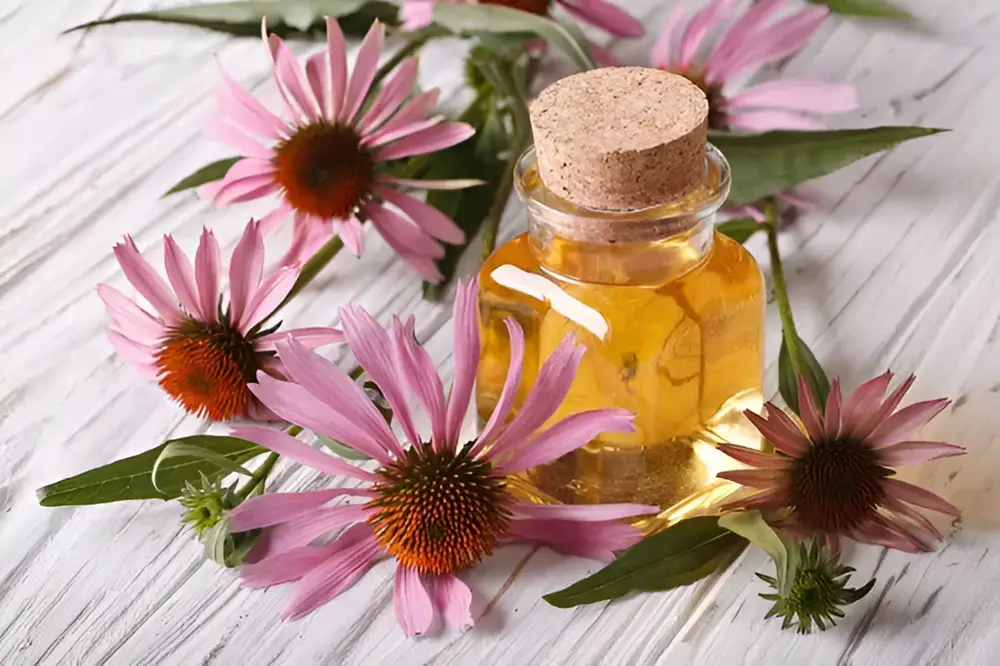
Whether you use it as a tincture or a tea, echinacea can work magic on cold and flu symptoms.
How to Make an Echinacea Tincture
Ingredients:
- Fresh or dried echinacea root (or a mix of root, leaf, and flower)
- Use about 1 part dried herb or 2 parts fresh herb
- 80–100 proof vodka (or another high-proof, food-safe alcohol)
- Glass jar with tight-fitting lid
- Dropper bottle for storage (optional)
Instructions:
- Prepare the herb:
- Chop the echinacea into small pieces to expose more surface area.
- Fill a clean glass jar about halfway with dried echinacea or two-thirds full if using fresh.
- Add the alcohol:
- Pour vodka over the herb until it’s completely covered by at least 1–2 inches.
- Seal the jar tightly.
- Let it infuse:
- Store the jar in a cool, dark place for 4–6 weeks.
- Shake it gently every few days to mix.
- Strain and bottle:
- After 4–6 weeks, strain the mixture through a fine mesh or cheesecloth.
- Transfer the liquid (your tincture) into a clean glass bottle or dropper bottle.
Use:
Take 1–2 dropperfuls (roughly 30–60 drops) at the first sign of illness. Echinacea is believed to boost the immune system and may help shorten colds or infections when taken early.
Elderberry
Elderberry syrup can help boost your immunity when a cold is coming on, and it helps increase bronchial secretions when you are congested. Plus, it tastes great, which helps when offering it to children.
How to Make Elderberry Syrup
Ingredients:
- 1 cup dried elderberries (or 2 cups fresh)
- 3 cups water
- 1–2 tablespoons fresh ginger (grated or sliced)
- 1 teaspoon cinnamon (optional)
- ½ teaspoon cloves (optional)
- 1 cup raw honey (adjust to taste)
Instructions:
- Simmer the berries:
- Combine elderberries, water, ginger, and optional spices in a saucepan.
- Bring to a boil, then reduce heat and simmer for 30–45 minutes, uncovered, until the liquid reduces by about half.
- Strain the mixture:
- Remove from heat and let cool slightly.
- Strain the liquid through cheesecloth or a fine mesh strainer, pressing the berries to extract as much juice as possible.
- Discard the solids.
- Add the honey:
- Once the liquid is lukewarm (not hot), stir in the honey and mix thoroughly.
- Store the syrup:
- Pour into a glass jar or bottle and refrigerate.
- It should last up to 2–3 months in the fridge.
Use:
Take 1 tablespoon daily for immune support, or up to 3 times a day at the first sign of illness. Elderberry syrup is rich in antioxidants and traditionally used to fight colds and flu.
Lavender
Lavender oil has antiseptic and anti-inflammatory properties that can help heal minor burns and insect bites. It also can help ease anxiety and insomnia.
How to Make Lavender Oil
Ingredients:
- Dried lavender flowers (enough to fill a jar halfway)
- Carrier oil (olive, almond, jojoba, or coconut)
- Glass jar with a tight-fitting lid
- Cheesecloth or fine strainer
Instructions:
- Prepare the lavender:
- Lightly crush or chop the dried lavender to help release the oils.
- Fill a clean jar halfway with the lavender.
- Add the carrier oil:
- Pour your chosen carrier oil over the lavender until fully covered, leaving about 1 inch of space at the top.
- Seal the jar tightly.
- Infuse the oil:
- Place the jar in a warm, sunny windowsill or warm area.
- Let it steep for 2–4 weeks, shaking gently every few days.
- Strain and store:
- After infusing, strain the oil through cheesecloth or a fine strainer.
- Store the finished lavender oil in a dark glass bottle, away from light and heat.
Use:
Lavender oil can be used for calming stress and anxiety, promoting sleep, easing headaches, soothing skin irritations, and even as a gentle insect repellent. Apply topically or use in homemade salves, massage oils, or bath blends.
Lemon Balm
Lemon balm, which is part of the mint family, can help treat anxiety, sleeplessness, indigestion, and minor wounds. You can make a simple lemon balm tea by steeping one-fourth to one teaspoon of dried lemon balm in hot water.
How to Make a Lemon Balm Tincture
Ingredients:
- Fresh or dried lemon balm leaves (roughly 2 parts fresh or 1 part dried)
- 80–100 proof vodka or other food-safe alcohol
- Glass jar with a tight-fitting lid
- Dropper bottle for storage (optional)
Instructions:
- Prepare the lemon balm:
- Chop or crush the lemon balm leaves to help release their oils.
- Fill a glass jar about two-thirds full with fresh lemon balm (or one-half full if dried).
- Add alcohol:
- Pour vodka over the herb until it’s completely submerged by 1–2 inches.
- Seal the jar tightly.
- Infuse:
- Store in a cool, dark place for 4–6 weeks.
- Shake gently every few days to keep the herbs mixed.
- Strain and bottle:
- Strain through cheesecloth or a fine mesh strainer.
- Transfer the liquid to a clean glass dropper bottle or jar.
Use:
Take 1–2 dropperfuls (about 30–60 drops) as needed to ease anxiety, promote sleep, or support digestion. Lemon balm is calming and mildly antiviral, making it a gentle, multi-use remedy.
Oregano
This tasty herb has antiseptic and antifungal properties, and it can be used to treat menstrual cramps, respiratory tract, and urinary tract disorders. Applied topically in a salve, oregano may help heal skin conditions, including acne and dandruff.
How to Make Oregano Oil
Ingredients:
- Fresh or dried oregano leaves (enough to fill a jar halfway)
- Carrier oil (olive oil is most common)
- Glass jar with a lid
- Cheesecloth or fine strainer
Instructions:
- Prepare the oregano:
- Lightly crush the leaves to release natural oils.
- Fill a clean glass jar halfway with oregano.
- Add the carrier oil:
- Pour in olive oil until the oregano is fully covered by about 1 inch.
- Stir gently to remove air bubbles, then seal the jar.
- Infuse the oil:
- Slow method: Place the jar in a warm, sunny spot and let it infuse for 2–4 weeks, shaking occasionally.
- Fast method: Heat the jar gently in a double boiler for 1–2 hours (do not boil), then let cool.
- Strain and store:
- Strain the oil through cheesecloth or a fine mesh.
- Pour the finished oil into a dark glass bottle and store in a cool, dark place.
Use:
Apply topically to cuts, fungal infections, or sore muscles. For internal use, consult a professional. Oregano oil is very potent and should be diluted if ingested.
Parsley
Parsley is so much more than just a decoration on a restaurant dinner plate. Parsley is a natural detox remedy, diuretic, antiseptic, and anti-inflammatory agent.
How to Make Parsley Tea
Ingredients:
- 1–2 tablespoons fresh parsley (or 1 teaspoon dried)
- 1 cup boiling water
- Optional: lemon or honey for flavor
Instructions:
- Prepare the parsley:
- Chop fresh parsley leaves (and stems if desired) to help release the oils.
- Steep the tea:
- Place the parsley in a mug or teapot.
- Pour 1 cup of freshly boiled water over the herb.
- Cover and steep:
- Let it steep for 5–10 minutes.
- Covering the cup helps retain the beneficial oils.
- Strain and serve:
- Strain out the parsley.
- Add honey or lemon if desired for taste.
Use:
Drink 1–2 cups per day as needed. Parsley tea may help with digestion, reduce bloating, and support kidney and urinary health. However, avoid excessive use if pregnant or breastfeeding.
Rosemary
Fragrant and tasty rosemary has antibacterial properties and can help fight stress, ease headaches, and boost memory.
How to Make Rosemary Tea
Ingredients:
- 1 teaspoon dried rosemary (or 1 tablespoon fresh)
- 1 cup boiling water
- Optional: lemon, honey, or mint for flavor
Instructions:
- Prepare the rosemary:
- If using fresh rosemary, lightly crush the leaves to release the oils.
- Steep the tea:
- Place the rosemary in a cup or teapot.
- Pour 1 cup of freshly boiled water over the herb.
- Cover and steep:
- Let the tea steep for 5–10 minutes.
- Covering the cup helps trap the beneficial essential oils.
- Strain and serve:
- Strain out the rosemary leaves.
- Add honey, lemon, or mint if desired.
Use:
Drink up to twice daily to support memory, improve digestion, or relieve mild headaches and fatigue. Rosemary tea also has mild stimulating properties and can help boost circulation.
Sage
Sage, which is an easy-to-grow perennial plant, can help ease anxiety, digestive problems, bloating, diarrhea and heartburn.
How to Make Healthy Sage-Infused Water
Ingredients:
- 4–5 fresh sage leaves (or 1 teaspoon dried)
- 1–2 cups cold or room temperature water
- Optional: lemon slices, cucumber, or a bit of honey
Instructions:
- Prepare the sage:
- Lightly crush fresh sage leaves to release their natural oils.
- If using dried sage, consider placing it in a tea infuser or cheesecloth to avoid loose bits in your water.
- Infuse the water:
- Place the sage in a pitcher or glass jar.
- Pour in 1–2 cups of water.
- Let it sit:
- Refrigerate or let sit at room temperature for 1–4 hours to allow the flavor and beneficial compounds to infuse.
- Strain and serve:
- Remove the sage leaves (and any optional add-ins).
- Pour into a glass and enjoy.
Use:
Drink throughout the day as a gentle digestive aid or calming tonic. Sage-infused water is also a great alternative to sugary drinks, and it pairs well with lemon or mint for added flavor and health benefits.
Thyme
Thyme is a Mediterranean herb that can help treat diarrhea, stomachache, sore throat, and arthritis.
How to Make Thyme Tea
Ingredients:
- 1 teaspoon dried thyme (or 2 teaspoons fresh)
- 1 cup boiling water
- Optional: honey, lemon, or ginger for added flavor and benefits
Instructions:
- Prepare the thyme:
- Lightly crush the leaves to help release the oils, especially if using fresh thyme.
- Steep the tea:
- Place the thyme in a mug or teapot.
- Pour 1 cup of freshly boiled water over the herb.
- Cover and steep:
- Let it steep for 5–10 minutes.
- Covering the tea helps retain its essential oils and therapeutic compounds.
- Strain and serve:
- Strain out the thyme leaves.
- Add honey or lemon if desired, especially if using for cold or cough relief.
Use:
Drink 1–2 cups per day to support the immune system, soothe coughs, ease sore throats, and aid digestion. Thyme tea is especially helpful during cold and flu season.
Carrier Oils
You’ll notice that you will need carrier oils for many herbal recipes.
Beeswax will come in handy for making healing salves and oils.
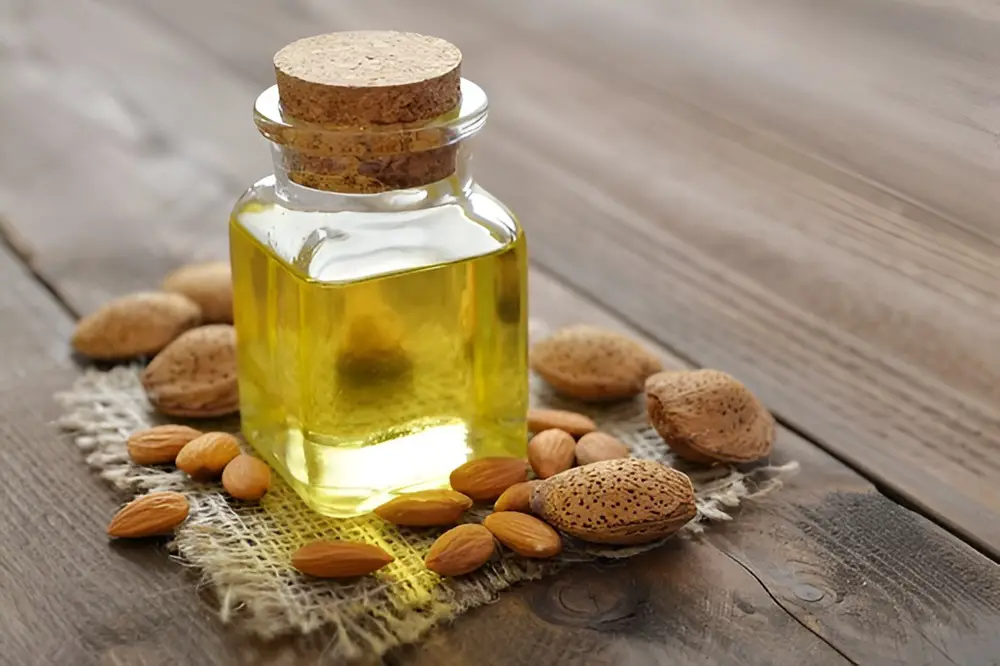
Also, having olive oil and coconut oil on hand is a good idea for the beginning herbalist. Other good options are Jojoba oil, avocado oil, and almond oil. Almond oil is excellent for the skin.
How to Make Almond Oil
Ingredients:
- 2 cups unroasted almonds
- 2 to 3 TB extra-virgin olive oil
- Mixer or blender
Instructions:
- Using the mixer or blender, grind the almonds. Start on a low speed and gradually increase the speed as the pieces get smaller. The resulting paste will stick to the sides of the blender, so you may need to stop to wipe it off the sides as you go.
- Continue to grind until the paste becomes creamy in texture.
- Add olive oil in small increments and continue mixing in the blender.
- Remove mixture from blender and store the mixture in an air-tight container in a dry place for two weeks.
- After two weeks, open the container. The oil should have separated from the cream. Place the oil in a sieve to separate out any loose almond parts.
- Store the oil in an air-tight bottle.
Healthy Foods
Food is medicine, so some items you probably already have at home are great for healing recipes.
Garlic
Garlic is a natural antibiotic that can help boost the immune system to fight colds and flu. Its compounds help reduce blood pressure, lower cholesterol and promote brain health. That's why it's probably the best plant a survivalist can grow.
How to Make Garlic Soup
Ingredients:
- 40 garlic cloves, peeled
- 1/4 cup olive oil, divided
- 1 medium onion, chopped
- 1 medium potato, peeled and chopped
- 4 cups organic chicken broth
- 1/2 tsp dried thyme
- Salt and pepper to taste
- 1 TB lemon juice
Instructions:
- Place two TBS of olive oil in a large saucepan.
- Preheat oven to 350 degrees F.
- Place 30 garlic cloves in a small oven-proof casserole dish along with the remaining oil.
- Cover with foil and roast the garlic until soft and brown (about 35 minutes).
- Meanwhile, coarsely chop remaining garlic and add to the saucepan with onions and potatoes.
- Cook the garlic and onion mixture over medium heat until vegetables soften and begin to brown (about five minutes).
- Add the broth, thyme, salt, and pepper and bring it to a boil.
- Reduce heat to a simmer and cook until the potatoes are tender (about 15 minutes).
- Let soup cool to room temperature.
- Once the garlic has roasted, remove it from the oil with a spoon and place in a saucepan. (Reserve garlic oil for another use.)
- Puree the soup in several batches until it is thick and smooth.
- Return soup to the saucepan. Then reheat it and stir in lemon juice.
- Serve soup topped with a garnish of your choice.
Ginger
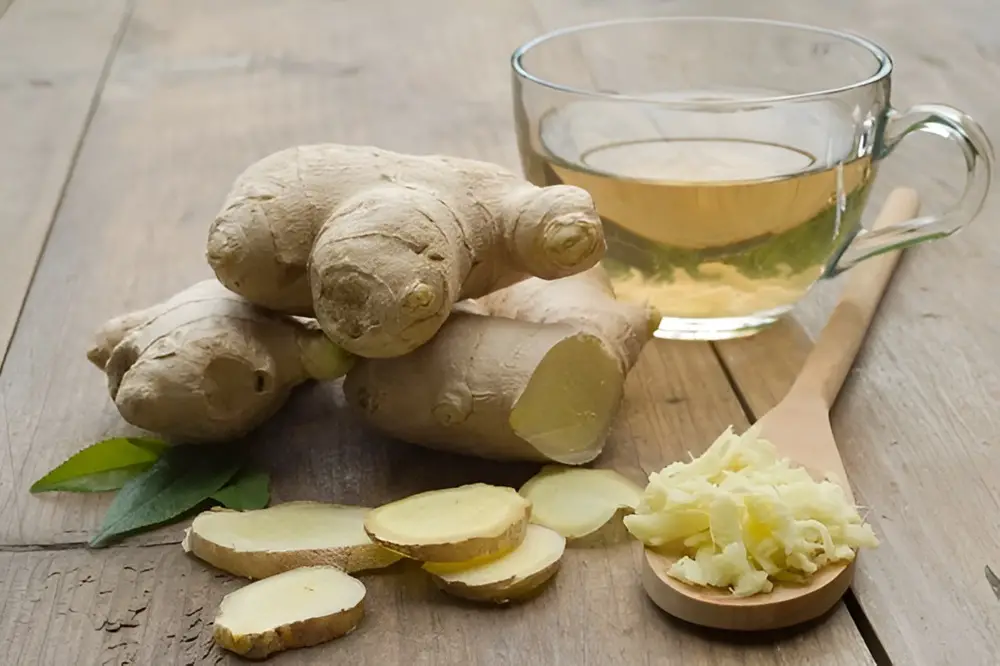
Often called ginger root, ginger can aid digestion, ease nausea, and help fight flu and cold symptoms. You may use ginger fresh, dried, powdered, or as an oil.
How to Make Ginger Tea
Ingredients:
- 2 TB ginger root (about 2 inches or more of fresh, raw ginger root)
- 1 1/2 to 2 cups water
- 1 to 2 TB honey (or agave nectar)
- 1 TB fresh lime juice (optional)
Directions:
- Peel and thinly slice the ginger.
- Boil the ginger in water for at least 10 minutes. For stronger tea, boil for 20 minutes or more.
- Remove ginger from the heat and then add lime juice and honey to taste.
- Sip your tea slowly.
Tip: Leftover ginger root freezes well for later use.
Building your own herbal cabinet can be done in stages. Don’t feel as if you have to get everything all at once. Take the time to experiment with different recipes that work for your family.
The benefits of having herbal remedies on hand include saving time and money on purchasing supplies from the pharmacy, boosting your natural immunities, and peace of mind knowing you are not exposing yourself or your family to unwanted harsh chemicals.
Here are some resources on herbal remedies that you might find helpful:
- Richters is an online retailer that sells quality herbal plants in small and large quantities.
- Mountain Valley Growers is another online retailer. Their website is a great resource for learning about growing conditions and care of your plants.
- Check out Strictly Medicinal Seeds for herbs, oils, and other healing plants and seeds for your garden.
- iHerb, an online retailer that offers herbal supplements and other herbal products.
- Amazon has a wide variety of herbal supplements.
- The Herbal Kitchen: 50 Easy-to-Find Herbs and Over 250 Recipes to Bring Lasting Health to You and Your Family by Kami McBride.
Here are a few book resources for the beginning herbalist:
- Do-It-Yourself Herbal Medicine: Home-Crafted Remedies for Health and Beauty by Sonoma Press.
- The Healing Power of Herbs: Medicinal Herbs for Common Ailments by Tina Sams.
- The Herbal Apothecary: 100 Medicinal Herbs and How to Use Them by JJ Pursell.
Finally, it is important that you choose your plants and seeds with care for health and purity. As with anything you consume, it is a good idea to check with a qualified herbalist or your healthcare practitioner for guidance.
Originally published on Urban Survival Site.
Like this post? Don't Forget to Pin It On Pinterest!
You May Also Like:
The post How To Make An Herbal Medicine Chest appeared first on Homestead Survival Site.
from Homestead Survival Site https://ift.tt/EnZlgH3
No comments:
Post a Comment