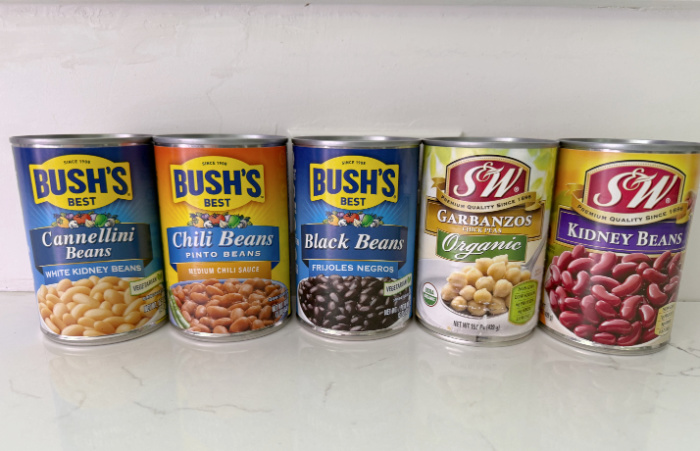
5 cans of beans I would stock. If you’re building a pantry that can carry you through a busy weeknight, a tight budget, or an extended emergency, canned beans deserve a permanent place on your shelf. They’re shelf-stable, affordable, rich in plant-based protein and fiber, and endlessly versatile in the kitchen. Whether you follow a plant-based diet or simply want to eat more whole foods without a lot of effort, canned beans are one of the smartest investments you can make at the grocery store, especially when building your pantry inventory and food storage stash.
How To Build A Food Storage Supply You’ll Use
Here are the five cans I would always keep stocked, why each one earns its spot, how to use them, and what nutritional value they bring to the table. You can always purchase bags of beans, but in an emergency, canned beans will be a blessing. Can Openers, one is none, and two is one when it comes to essential kitchen tools. I have manual ones, but I use this one right now. Electric Can Opener.
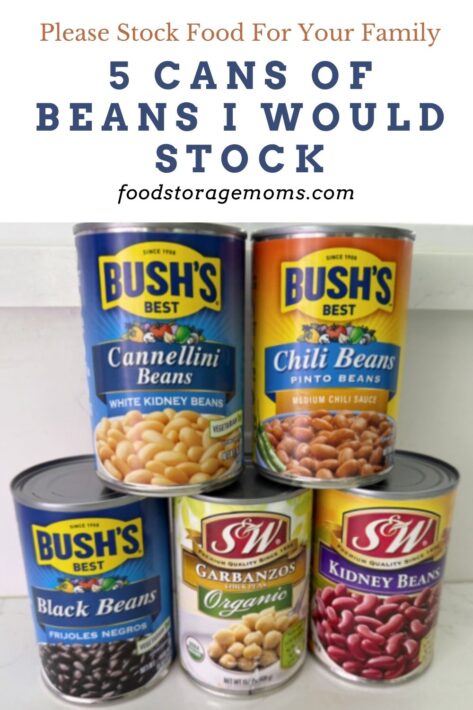
5 Cans Of Beans I Would Stock
Black Beans
Why You Need Them
Black beans are the backbone of countless cuisines, from Latin American cooking to Southern American comfort food. Their earthy, slightly sweet flavor goes well with a wide range of ingredients, and their dense, creamy texture holds up beautifully in everything from soups to salads. They’re one of the most widely recognized and loved beans in the world, and for good reason. A can of black beans can become a complete meal in minutes, making them indispensable for anyone who values both nutrition and convenience.
How to Use Them
Black beans work wonderfully in tacos, burritos, burrito bowls, and enchiladas. They can be mashed and spread onto toast or used as a base for black bean burgers. Stir them into rice for a classic combination, simmer them into a hearty soup with garlic and cumin, or toss them into a fresh salad with corn, avocado, and lime juice. They also blend smoothly into dips and can be added to brownie batter for a protein-rich dessert with a surprisingly fudgy texture.
Nutritional Value
A half-cup serving of cooked black beans provides approximately 114 calories, 7.6 grams of protein, 20 grams of carbohydrates, 7.5 grams of dietary fiber, and less than 0.5 grams of fat. They’re an excellent source of folate, which supports cell growth and DNA repair. They also deliver magnesium for muscle and nerve function, iron for healthy red blood cells, potassium for heart health, and zinc to support immune function. The high fiber content promotes digestive health and helps maintain steady blood sugar levels.
Pinto Beans
Why You Need Them
Pinto beans are among the most widely consumed beans in the United States and a foundational ingredient in Mexican and Tex-Mex cooking. Their mild, nutty flavor makes them incredibly adaptable, and their naturally creamy texture means they can be used whole or mashed without losing their appeal. When you keep a can of pinto beans in your pantry, you have the makings of a satisfying, protein-packed meal available at any moment. They are economical, filling, and remarkably nutritious.
How to Use Them
Pinto beans are the traditional choice for refried beans, where they’re cooked down with fat and spices into a smooth, savory spread for tacos, tostadas, and quesadillas. They can be served whole alongside Mexican rice, added to chili, or simmered in broth with onion and garlic for a simple but deeply satisfying side dish. They also work well in soups, stews, and grain bowls. Try mixing them with smoked paprika, chipotle, and tomatoes for a quick smoky bean dish that tastes like it was cooked all day.
Nutritional Value
A half-cup serving of cooked pinto beans contains approximately 122 calories, 8 grams of protein, 22 grams of carbohydrates, and 7.7 grams of dietary fiber. Pinto beans are particularly rich in folate, thiamine, and manganese. They also provide a meaningful amount of iron, phosphorus, magnesium, and copper. The combination of protein and fiber makes them one of the most satiating foods available, supporting weight management, stable energy levels, and long-term cardiovascular health.
Chickpeas (Garbanzo Beans)
Why You Need Them
Chickpeas, also known as garbanzo beans, are perhaps the most versatile legume in existence. Their mild, slightly nutty flavor and firm, satisfying texture make them a natural fit in cuisines from the Mediterranean to the Middle East to South Asia. They hold their shape remarkably well during cooking, which means they can be roasted until crispy, simmered into stews, or blended into silky smooth hummus. A can of chickpeas opens the door to an enormous range of dishes and cooking techniques, and their nutritional profile is nothing short of impressive.
How to Use Them
The most well-known use for chickpeas is hummus, a creamy dip made by blending chickpeas with tahini, lemon juice, garlic, and olive oil, perfect for bread or vegetables. They’re also the main ingredient in falafel and can be tossed with olive oil and spices and roasted in the oven until crunchy for a satisfying snack. Add them to curries such as chana masala (a popular Indian chickpea curry), toss them into pasta with garlic and greens, or include them in grain salads with feta and cucumber.
Nutritional Value
A half-cup serving of cooked chickpeas provides approximately 134 calories, 7.3 grams of protein, 22 grams of carbohydrates, and 6 grams of dietary fiber. Chickpeas are a strong source of manganese, folate, copper, iron, phosphorus, and zinc. They contain moderate amounts of several B vitamins, including thiamine and B6. Research has consistently linked regular chickpea consumption to improved blood sugar regulation, reduced cholesterol levels, and better digestive health. They’re also among the more protein-dense legumes, making them a favorite in plant-based diets.
Kidney Beans
Why You Need Them
Kidney beans are built for hearty, robust cooking. Their deep red color, firm texture, and rich, slightly earthy flavor make them the ideal bean for dishes that simmer low and slow, where they absorb the flavors of everything around them without falling apart. They are the classic choice for chili and are widely used in Creole, Indian, and Italian cooking. Keeping a can on hand means you’re always prepared to add substance and nutrition to whatever meal you are building.
How to Use Them
Kidney beans are most famously used in chili con carne, where they beautifully absorb the spiced tomato broth. They are also essential to red beans and rice, a Louisiana classic traditionally served with smoked sausage. Stir them into minestrone soup, add them to a three-bean salad with green beans and cannellini, or mix them into a spiced Indian rajma curry served over basmati rice. Their sturdy structure means they also hold up well in cold pasta salads and grain bowls, where you want beans that keep their shape.
Nutritional Value
A half-cup serving of cooked kidney beans contains approximately 112 calories, 7.7 grams of protein, 20 grams of carbohydrates, and 5.7 grams of dietary fiber. Kidney beans are among the richest plant sources of iron, providing a significant contribution toward daily needs. They’re also high in folate, thiamine, potassium, and phosphorus. Their antioxidant content, including anthocyanins that give them their deep red color, supports cardiovascular health. The combination of slow-digesting starch, protein, and fiber makes kidney beans particularly effective at stabilizing blood sugar.
Cannellini Beans
Why You Need Them
Cannellini beans, sometimes called white kidney beans, are the elegant choice in this list. They have a delicate, mildly nutty flavor and a buttery, creamy texture that makes them feel refined even in simple preparations. They’re a staple of Italian cooking and bring a sense of comfort and richness to dishes without heavy cream or butter. Their neutral flavor profile allows them to adapt to a wide range of seasonings, making them one of the most culinarily flexible beans you can keep in your pantry.
How to Use Them
Cannellini beans are the classic choice for Italian white bean soup, often paired with rosemary, garlic, olive oil, and crusty bread. They are essential in pasta e fagioli and make a wonderful addition to ribollita, the Tuscan bread soup. Mash them with olive oil and lemon for a creamy white bean dip, or toss them whole with sauteed greens such as kale or Swiss chard for a quick and nourishing side dish. They also work beautifully pureed into soups to add body and creaminess without dairy, and they work exceptionally well with roasted garlic and fresh herbs.
Nutritional Value
A half-cup serving of cooked cannellini beans provides approximately 110 calories, 8 grams of protein, 20 grams of carbohydrates, and 6 grams of dietary fiber. Cannellini beans are a notable source of iron, folate, magnesium, potassium, and zinc. They contain meaningful amounts of calcium compared to other beans, supporting bone health. Like all legumes, they’re cholesterol-free and very low in fat. Their high-fiber, high-protein combination promotes satiety, supports healthy digestion, and helps maintain stable blood sugar levels over time.
A Well-Stocked Pantry Starts with These Five Cans
Black beans, pinto beans, chickpeas, kidney beans, and cannellini beans each bring something distinct to the kitchen. Together, they represent a comprehensive foundation for plant-based eating, emergency preparedness, budget cooking, and everyday convenience. They’re among the most nutrient-dense foods you can buy at any price point, providing substantial amounts of protein, fiber, vitamins, and minerals per serving. If you’re going to prioritize five items for your pantry shelves, these five cans should be at the top of your list.
Final Word
Canned beans are one of those rare pantry items that deliver on every front. They’re inexpensive enough to buy in bulk, nutritious enough to anchor a complete meal, and simple enough to use on even the most exhausting evenings. The five varieties covered here, black beans, pinto beans, chickpeas, kidney beans, and cannellini beans, represent a range of flavors, textures, and culinary traditions that’ll keep your cooking interesting and your body well-fed. You don’t need a complicated meal plan or an expensive grocery haul to eat well. You just need a few good cans, a little creativity, and the knowledge that these humble legumes have been nourishing people around the world for thousands of years. Stock them, use them, and enjoy every bite. May God bless this world, Linda
The post 5 Cans Of Beans I Would Stock appeared first on Food Storage Moms.
from Food Storage Moms
No comments:
Post a Comment