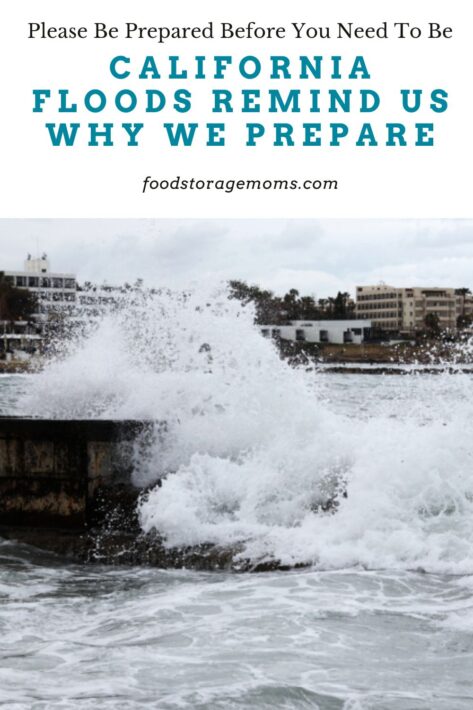
California Floods Remind Us Why We Prepare! My heart’s been heavy this week watching the news out of Southern California. Seeing photos of flooded streets, waves crashing into beachfront homes, and families wondering what they’ll find after the water goes down reminds me how quickly life can change. Many of us think of California as sunny and dry, especially in October. So why’s this happening right now? Let’s talk about what’s behind this flooding, and then what it teaches all of us, no matter where we live.
Some of you’ve checked with me because my daughter, her son, and his family live in California. They’re okay for now. Thank you, my sweet friends, for asking about them.
What’s Happening in California Right Now
The flooding is being driven by the leftovers of a Pacific storm named Rachel. The remnants of Tropical Storm Rachel, along with a separate storm system over the Western United States, continued to sweep across the West on Sunday, fueling flooding in several Southern California coastal communities. abcnews
This isn’t something Californians see very often. For the second time ever, national forecasters issued a tropical storm watch for Southern California as Tropical Storm Rachel headed toward the region, bringing high tides, coastal flooding and drenching rain. Think about that for a moment. Only twice in history has that coast been placed under such a watch. theconversation
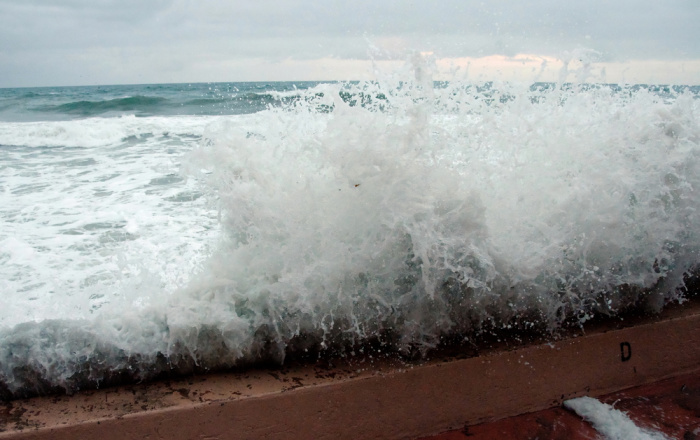
The damage has been real. The City of Newport Beach declared a local emergency on Saturday in response to the flooding caused by Tropical Storm Rachel. All beaches and piers in Newport Beach, California, are closed, officials said. Farther up the coast, from Newport Beach to Malibu, residents are surveying damage to their homes after high tides and waves inundated coastal communities, including Long Beach. Some California beaches forced to close after ‘unusually high’ ocean water levels from Tropical Storm Rachel – ABC News +2
The rain has been heavy too. San Diego and Las Vegas could see an inch or more of rainfall from this storm, which is about double the rainfall they usually see in all of October in San Diego, and triple that in Las Vegas. And the trouble isn’t over yet. The National Weather Service issued a coastal flood advisory through 2 p.m. Tuesday for beaches in Los Angeles and Orange counties as large waves, strong winds and high tides combine. CNNabc7
Why Is This Happening Now
When something unusual like this happens, it’s usually because several things line up at the same time. That’s exactly what we’re seeing here. Let me walk you through the pieces in plain language.
The first piece is the ocean itself. Normally, the water off the California coast is cool, and cool water weakens tropical storms before they ever get close. This year is different. El Niño conditions and an ongoing marine heat wave have pushed ocean temperatures approximately 10 to 13 degrees above normal, creating conditions that could help Rachel maintain or gain strength. Warm water acts like fuel for these storms, so instead of fizzling out, Rachel kept her punch longer than storms usually do. rollingout
The second piece is about El Niño. You’ve probably heard that term on the evening news. This natural climate pattern, characterized by unusually warm sea surface temperatures in the eastern tropical Pacific, increases the frequency of storms in the eastern North Pacific. This year’s El Niño is a big one. The Climate Prediction Center said Thursday that a strong-to-very-strong El Niño is likely through March. That means this may not be the last storm we hear about this season. theconversationsmdp
The third piece is something most of us have never heard of, called a Kelvin wave. It sounds complicated, but the idea is simple. The high tides are being pushed up in part by a Kelvin wave, a slow-moving bulge of warm ocean water that forms when El Niño weakens the equatorial trade winds. In other words, the sea level along the coast was already sitting higher than normal before Rachel ever arrived. While the wave itself isn’t considered dangerous, scientists say its effects can be amplified when combined with high tides, powerful surf and storm surges. smdpktla
High Tides
The fourth piece is the tides. Forecasters said high tides were expected to reach 7 to 7.5 feet over the weekend, 1 to 1.5 feet above astronomical predictions. When you add higher-than-normal tides on top of a raised sea level and then pile storm waves on top of that, the water has nowhere to go but onto streets, parking lots, and into homes along the coast. smdp
The final piece is timing. One climate scientist explained that this was an unusual event made possible by the coincidence of an early-arriving low-pressure trough off the coast of California and record-warm ocean temperatures off the coast. Any one of these things alone might have caused minor problems. All of them together caused a serious flood. yahoo
It’s also worth noting that the whole Pacific has been busy this year. Reporters noted that the last five Pacific hurricanes, Nolo, Odalys, Polo, Rachel and Simon, have all reached major status with winds of at least 111 mph. That tells me this season deserves our attention. laist
It’s Not Just California
Floodwater doesn’t stop at a state line. The flash flood threat was expected to continue on Sunday, with the greatest risk to parts of Southern California, northwestern Arizona, southern Nevada, and southwestern Utah, where a level 3 of 4 threat for flash flooding is in place. Families in desert communities can be caught off guard because dry ground doesn’t soak up water quickly. Rain runs off quickly, fills washes and low-lying roads, and becomes dangerous in minutes. abcnews
Why We Prepare
This is the part of the story I really want you to hear. Most of the families affected this week didn’t wake up a month ago expecting a tropical storm. Many of them had been dealing with a heat wave just days earlier. One local paper described the region going from scorching to soaked almost overnight. That’s exactly why we prepare. We don’t prepare because we know what is coming. We prepare because we aren’t sure at any given time.
Here are a few lessons I’m taking from this week, and I hope you will too.
- Know your flood risk. You don’t have to live on a beach to flood. Low spots in your neighborhood, nearby creeks, washes, and storm drains can all overflow. Take a walk around your home and notice where water would collect.
- Have a go bag ready for every family member. Include water, snacks, medications, copies of important papers, phone chargers, a flashlight, a change of clothes, and something comforting for the little ones. If you have to leave quickly, you won’t have time to think.
- Protect your food storage. Water damage can ruin years of careful work in a single afternoon. Keep food off the floor on sturdy shelves, store items in waterproof buckets with tight lids, and if you live in a flood-prone area, avoid keeping your main stash in a basement.
- Store plenty of clean drinking water. Floods can contaminate wells and city water systems. Aim for at least one gallon per person per day, and more if you can manage it. Don’t forget your pets.
- Never drive through flooded roads. It only takes a small amount of moving water to sweep a car away. Turn around and find another route, even if it takes longer.
- Have a plan to stay informed. Power often goes out during storms. A battery-powered or hand-cranked weather radio will keep you updated when your phone is low on battery and the internet is down.
- Make a family communication plan. Decide ahead of time where you’ll meet and who you’ll call if you get separated. Write phone numbers on paper, because many of us don’t know them by heart anymore.
- Check your insurance. Most standard homeowner policies don’t cover flood damage. It’s worth calling your agent to find out what you have and what you might need.
A Word of Encouragement
When I see news like this, I’m reminded that preparedness is really an act of love. It’s love for our families, love for our neighbors, and a way of being good stewards of what we have been given. Preparing doesn’t mean living in fear. It means we can face hard days with a little more peace because we’ve done what we can in advance.
If you have loved ones in California, Arizona, Nevada, or Utah, reach out to them this week. Ask how they’re doing and whether they need anything. Sometimes a simple phone call means more than we know. And please keep the families who are cleaning up from this storm in your prayers. Many of them are facing damaged homes, closed businesses, and a long road ahead.
What to Do Before a Tropical Storm Hits
Super El Niño vs. El Niño: How to Prepare Your Home and Pantry
Final Word
With a strong El Niño expected to stick around through the winter, this is a perfect time to take stock of your supplies, refresh your water, check your go bags, and talk with your family about your plan. Start small if you need to. Every step you take today makes tomorrow a little easier. Thank you for being here and for caring enough to prepare. Stay safe, my friends. May God bless this world, Linda
Copyright Images: California Beaches High Tide Depositphotos_94301638_S, California Strong Winds With Huge Waves Depositphotos_379477474_S
The post California Floods Remind Us Why We Prepare appeared first on Food Storage Moms.
from Food Storage Moms
No comments:
Post a Comment