Submissions     Contact     Advertise     Donate     BlogRoll     Subscribe                         
Showing posts with label Recipes. Show all posts

Sunday, June 18, 2023

Could You Stomach Any Of These Great Depression Meals?

 Original Article


By 

Do you know?

With all the talk about food storage and growing our own food, I did a little digging around to find out what food people ate during America’s Great Depression of the 1930s.

Surprisingly, a few of these were made by my mother and grandmother, traditions, I’m sure, from those frugal years. Cookbooks like this one document many of these meals.

I still have a soft spot in my heart for Chipped Beef on Toast!

wrinkled hands using wooden spoon to stir food in blue bowl; great depression meals


As you read this list, you’ll notice how simple and basic they are.

Sunday, May 14, 2023

Garlic Scapes (Tips for Harvest & Use)

 Original Article


By Laurie Neverman

Garlic scapes are one of the first garden harvests of the season. We'll share what they are, when to harvest, and how to use them.


garlic scapes

What are Garlic Scapes?

Garlic scapes are the flower stalk and bud of hard necked garlic. You can find them in late spring and early summer at your local farmers market – or in your garden.

Scapes have a fresh, green garlic flavor, similar to garlic bulbs. You can use them as a substitute for garlic cloves in recipes, but the green stalks also work well as a vegetable in stir fries and other dishes.

When to Harvest Garlic Scapes – How and When to Cut Them

Tuesday, May 2, 2023

How To Pickle Watermelon Rind The Amish Way

 Original Article


by VIRGINIA


 The Amish are known for a few things: their no-tech lifestyle, sustainability, and their amazing recipes.

The Amish simplistic lifestyle is combined with their need to be more self-sufficient. This is due to their belief in God.

The Amish are a religious community who look towards a bishop as to what rules they follow. Unlike their counterparts, Mennonites, Amish are typically unable to use electricity, cars, and most other conveniences that we are accustomed to in the modern era.

By using canning techniques, they are best able to store their food long-term, which is really important when you do not have a fridge to turn to! Amish communities live off the land. Because they have a lot of kids, preserving food is a must to ensure that everyone eats as well.

⇒ Learn How To Get 295 Pounds Of Extra Food For Just $5 A Week

Their lifestyle can show us ‘English’ that it is truly possible to live a life without modern conveniences and to use everything that is available.

Watermelon rind pickles are just that. These sweet and salty pickles make a fantastic addition to salads, and sandwiches, or even eaten as a refreshing snack.

Now, let’s get to the recipe.

Thursday, April 13, 2023

Food-Stretching Tips From The Great Depression

 Original Article


by CHRISTINE C.


The great depression was a time of intense fear and uncertainty for America – and the world. The economy was completely destroyed. Families struggled to survive through sickness, poverty, and hunger.

Unemployment and homelessness skyrocketed. Food was scarce and finding creative ways to make meals stretch and last longer was the only way to secure steady meals for your family.

While we all have high hopes of never seeing an economic crisis of this magnitude in our lifetimes, people who lived during the great depression know to never say never. This is probably because people who survived that time didn’t think it could happen to them either.

The cost of food has increased 8.3 percent globally in the past year alone. Here in the USA, prices for groceries have risen by almost 11 percent. Seeing National food prices soar to the highest they’ve been in 40 years is enough to make anyone look for practical ways to stretch their meals further.

One of the best things we can do now is look to the past at how our ancestors stretched their food during some of the hardest times in history. If they can do it, we certainly can too.

Friday, March 31, 2023

25 Recipes from the Great Depression we’ve Lost to History

 Original Article


Do you ever wonder what people ate during the Great Depression? It was a time of great hardship, and food was often scarce.
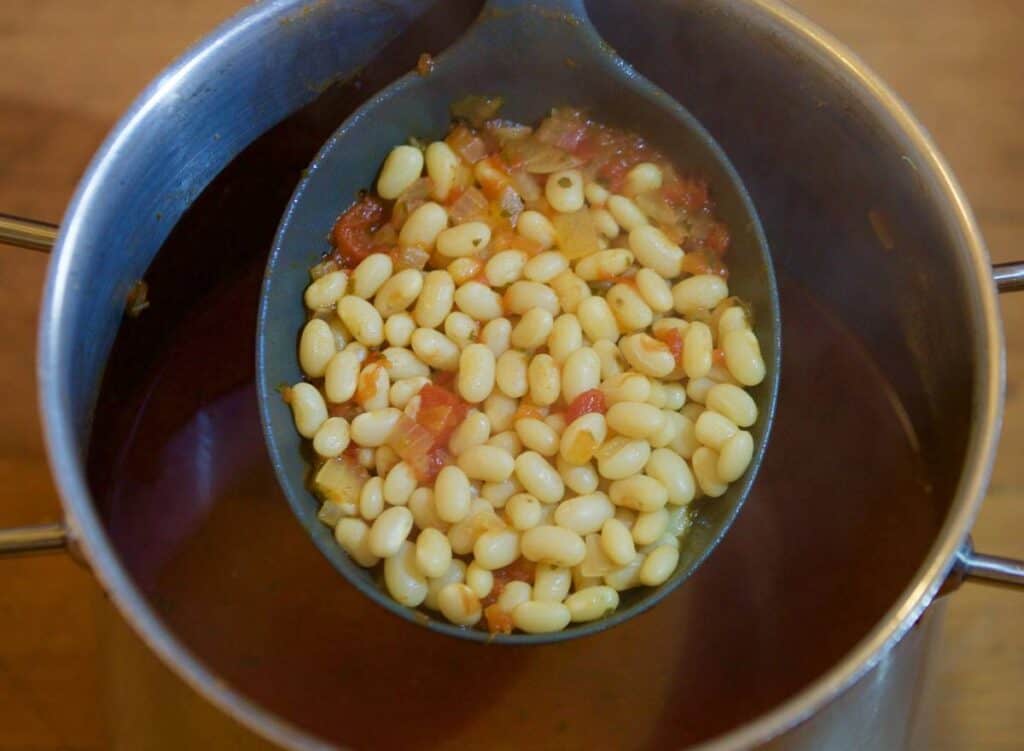
white kidney beans soup

However, people still had to eat, and they found ways to make do with what they had.

With resources scarce and money often scarcer, the bountiful pantries and kitchens of previous eras were only fond memories for most who lived through this time.

Preppers might be well served to memorialize some of these recipes and reboot them for our modern era.

Whether you are trying to pad a post-collapse menu with decidedly limited ingredients or just stave off boredom from the same old dish every meal, these recipes still have some life in them.

In this article, we will explore 25 recipes from the Great Depression that have been lost to history. Some of them may sound Spartan, strange or unappetizing, but they were all popular during that time period!


Tuesday, July 19, 2022

Simplify Meal Preparation for Difficult Days Ahead—Biscuit Mixes


Our mothers’ methods for simplifying meal prep meant convenience foods—packaged pie crusts, biscuit mixes, packages of Rice-a-Roni, macaroni and cheese, Hamburger Helper, and so on, not to mention TV dinners and frozen pizzas. 

 Oh, and cans of everything, but especially soups and chili. Even if we didn’t object to the additives, preservatives, and other mystery ingredients, after a while we simply won’t have the luxury of these items, time savers that they are. 

 Meal preparation in TEOTWAWKI Town is going to require a lot more time. Unfortunately, the new normal when society collapses means we will have a lot less spare time.

One of the ways we can save time in the kitchen is by making our own mixes. Magic Mix is probably the most frequently used mix in my kitchen. It is used in everything from Hamburger Helper and cream-of-whatever soup to cream pies and puddings. SOS Mix runs a close second, but isn’t used for desserts. They are both huge time savers for me.

Some of the first pre-packaged mixes sold in stores were for biscuits and pancakes. The main ingredient is flour, with just a little baking soda or baking powder, salt, and perhaps some vegetable oil mixed in. 

 The companies producing them easily made a significant profit. Of course, they also had to add in some preservatives or other stuff, things we don’t really want in our food. The trade-off is that our mixes won’t have the shelf-life of the store-bought stuff.

True confession time: I love Bisquick biscuits. I refuse to buy the mix, however. It’s probably been at least 20 years, but I still remember the taste. More true confessions: the Biscuit mix recipes below are not going to duplicate the taste of Bisquick biscuits.

So here we have two different recipes for biscuit mixes. The first includes butter and thus has a shorter shelf-life. The second utilizes more long-term food storage ingredients and has a longer shelf-life.

Biscuit Mix (adapted from Better Than Store-Bought, by Witty and Colchie)

4 ½ cups all-purpose flour

5 teaspoons baking powder

½ teaspoon salt

5 tablespoons vegetable shortening

3 tablespoons butter, cut into tiny pieces

Whisk together the dry ingredients in a large bowl. Cut in the shortening and butter with a pastry cutter, until the mixture resembles cornmeal. Seal and refrigerate for up to one month.

Biscuits

Scant 2 cups of Biscuit Mix (see above)

2/3 cup milk

Preheat oven to 475°F. Place the mix in a bowl and make a well in the center of the mix. Add the milk to the well and stir in quickly, working from the center out, just until all the dry mix is incorporated.

Turn the dough onto a lightly floured surface and pat it out until it is about ½” thick. Cut out biscuits and place them on an ungreased baking sheet. Place biscuits in oven and reduce heat to 425°F. Bake for 12-15 minutes, until lightly browned.

To make shortcakes, follow the directions above with the following changes: Add 2 tablespoons of sugar to the mix. Replace half of the milk with heavy cream (so 1/3 cup heavy cream, 1/3 cup milk), and add 1 tablespoon melted butter.

Quick Mix (from Make-a-Mix Cookery by Eliason, Harward, and Westover)

8 ½ cups all-purpose flour

1 tablespoon baking powder

1 tablespoon salt

2 teaspoons cream of tartar

1 teaspoon baking soda

1 ½ cups dry milk

2 ¼ cups vegetable shortening

Sift all dry ingredients together in a large bowl. Cut in shortening with a pastry blender or fork until mixture resembles cornmeal in texture. Store in a large, airtight container in a cool, dry place. Use within 10-12 weeks.

Variation. Replace half of the flour with whole wheat flour. Increase baking powder to 2 tablespoons.

Drop Biscuits

3 cups Quick Mix (see above)

¾ cup milk or water

Preheat oven to 450°F. Combine Quick Mix and milk or water in a medium bowl, stirring just until blended. Drop dough by tablespoonfuls onto greased baking sheet. Bake 10-12 minutes, or until golden brown. Yields about 12 large biscuits.

Rolled Biscuits

3 cups Quick Mix (see above)

2/3 cup milk or water

Preheat oven to 450°F. Combine Quick Mix and milk or water in a medium bowl and blend well. Let stand 5 minutes. On a lightly floured surface, knead dough 10-15 times. Roll out to ½” thickness. Cut biscuits with cookie cutter or glass and place 2 inches apart on an ungreased baking sheet. Bake 10-12 minutes, or until golden brown. Yields about 12 biscuits.

Links to related posts:

Magic Mix

SOS Mix

Sunday, July 17, 2022

More Depression-Era Cooking: Rice Pudding


Despite being born within seven weeks of each other, my husband and I had significantly different upbringings. My parents were 19 when they married and 20 when they had me. My mother is half Mexican; her mother’s family settled New Mexico before the Mayflower landed at Plymouth Rock. Tortillas and beans were what she and her children were raised with. Treats from my grandmother involved dried fruit, fruit rolls, and jerky. My grandmother was raised eating sheep and goat meat; the jerky she made for us was beef. We didn’t get a lot of sweet treats.

My husband, on the other hand, comes from solid German, Irish, and English stock. His parents are also several years older than mine and old enough to remember the Depression and the food that went along with it. Treats they were raised with included standard fare like pudding—rice, tapioca, and bread pudding—all very cheap eats. (Or they used to be. Have you seen the price of tapioca? It’s through the roof.) Rice pudding was often on the menu at his house. I was not raised with any of those and they have never touched my lips, though not for lack of effort from my paternal grandmother. She quit trying to serve any of those pretty quickly and opted to make us more acceptable treats—Jell-O gelatin and chocolate pudding.

But as we face the advent of Great Depression 2.0, I think it would be worthwhile to consider frugal options for desserts that use ingredients we already have on hand.

I had some leftover rice in the refrigerator and thought I might make my husband some rice pudding. As I am still trying to shed a few pounds, I thought it would be a perfect dessert—enticing to him and not at all to me. (Besides, it has raisins in it.)

Rice Pudding

2 cups milk, divided

1 ½ cups cooked rice

¼ teaspoon salt

2/3 cup raisins, optional

1 egg, beaten

1/3 cup granulated sugar

1 tablespoon butter

½ teaspoon vanilla extract


Combine 1 ½ cups milk, rice, and salt in saucepan over medium heat. Cook, stirring frequently, until thick and creamy, about 15-20 minutes. Stir in remaining ½ cup milk, raisins, egg, and sugar. Continue cooking and stirring until egg is set, 2-3 minutes. Remove saucepan from heat and stir in butter and vanilla. Refrigerate until ready to serve. Makes 5 ½-cup servings.

Family reviews: First off, it’s very easy to make, so I liked that. Aaron ate half of his serving right after dinner. Because he is diabetic, he’s careful about eating too much rice—it spikes his blood sugars pretty quickly. However, he misjudged the carbohydrate count last night and needed to eat some more pretty quickly. He headed straight back to the fridge for his remaining dessert and was saddened to find I had already packed it in his lunch. He was happy to be given another serving. Jared also scarfed some down. Lydia, being my daughter, eyed it with skepticism and decided to pass. Me? I don’t do rice pudding.