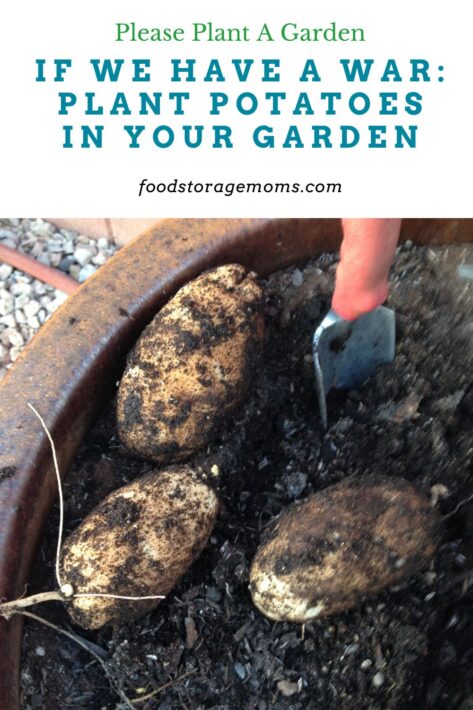
If we have a war, plant potatoes in your garden. Throughout history, the humble potato has fed families through famine, war, and hardship. It’s not a glamorous crop. It grows underground, out of sight, quietly doing its work. But when times turn difficult, the family with a potato patch has something most people don’t: a steady, filling, nutritious source of food they grew themselves. This post is for every family that wants to be ready.
I learned at a very young age from my great-grandmother: “If you plant potatoes, you’ll never be hungry.” She was Norwegian, so she had a beautiful accent, if you know what I mean. When I plant seed potatoes, they are usually Yukon Gold. I love their texture, and they grow well in large pots. Once you bake or mash a freshly pulled potato, you’ll taste the difference from store-bought ones. They’re so creamy, with an unbelievable flavor. Please wear gloves when working in the soil. You never know what you may find or get bitten by. Digz Gloves
Update here: finally, on March 29th, 2026, Mark and I picked up soil and all the amendments we need to start a small garden. Now we need to locate the best raised gardens we can afford. We may do buckets, not the best option, but that’s life. I can’t wait to plant tomatoes, zucchini, and yellow staightneck squash. Oh, and Cilantro, YES!! Fresh Cilantro! We have a very small area, and at our age, this is all we can physically handle. Life is good when we pick that first red tomato, right?
Soil Amendments To Plant Potatoes In Your Garden
Earthworm Castings Organic Fertilizer
Why Potatoes Belong in Every Family Garden
Potatoes are one of the most calorie-dense crops a home gardener can grow per square foot of soil. A single ten-foot row can yield twenty to fifty pounds of food, depending on the variety and care given. They are easy enough for children to help plant, satisfying to dig up as a family, and versatile enough to feed everyone at the table in dozens of ways.
If you’re thinking about food security, whether because of economic uncertainty, supply chain concerns, or simply a desire to be more self-sufficient, the potato patch should be the first thing you dig. This post will walk your family through every step: from choosing and preparing your seed potatoes to planting, hilling, harvesting, and storing them for months to come. 15 Ways To Use Cheap Potatoes, Funeral Potatoes aka The Best Cheesy Potato Casserole, How To Make Mashed Potatoes
Choosing Your Seed Potatoes
Potatoes aren’t typically grown from true seeds the way tomatoes or carrots are. Instead, they are grown from what gardeners call seed potatoes, small whole potatoes, or pieces of larger potatoes that carry the eyes from which new plants sprout. You can purchase certified seed potatoes from garden centers or farm supply stores, and this is strongly recommended over planting grocery store potatoes, which are often treated to prevent sprouting.
Varieties Worth Growing at Home
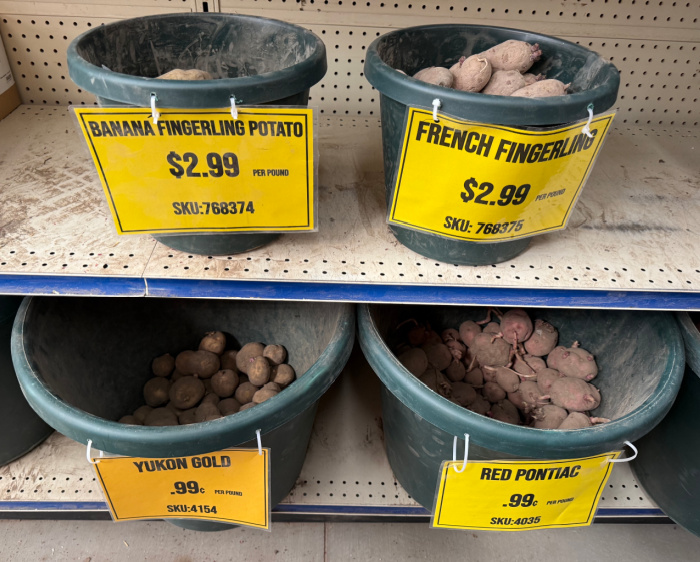
Russet potatoes are the classic choice; starchy, filling, excellent for baking and mashing. Yukon Gold varieties are smooth and buttery, store well, and have thin skins that your children will enjoy. Red potatoes have waxy flesh, cook quickly, and hold up beautifully in soups and stews. For long-term food storage goals, russets and other starchy varieties will serve your family best.
Family Tip: Let your children help choose two or three varieties to plant. When harvest time comes, they’ll be far more excited to dig up potatoes they helped select and plant. Ownership over the process builds lifelong gardening habits.
Preparing Your Seed Potatoes
A few days before planting, examine your seed potatoes. Each one should have at least one or two eyes, which look like small dimples or sprouts beginning to emerge. If you have large seed potatoes, you can cut them into pieces, making sure each piece has at least two eyes. Cut pieces should be allowed to dry and cure at room temperature for one to three days before planting. This drying process seals the cut surface and protects against rot in the soil.
Smaller seed potatoes, the size of a golf ball or smaller, can be planted whole without cutting. Whole seed potatoes tend to resist rot slightly better than cut pieces, making them a good choice for beginners or gardens in wetter climates.
How to Plant Potatoes
Potatoes grow best when nighttime temperatures are consistently above 40 degrees Fahrenheit, and the soil can be worked without freezing. In most regions, this means planting in early spring, two to four weeks before your last expected frost date. Potatoes are surprisingly tolerant of light frost, so planting at the early end of this window is perfectly safe and often yields the best results.
Preparing the Soil
Potatoes thrive in loose, well-drained soil with a slightly acidic pH between 5.0 and 6.0. Before planting, loosen the soil to a depth of at least twelve inches. If your soil is heavy clay, work in compost or aged manure to improve drainage. Sandy or loamy soils that allow tubers to expand freely produce the largest yields. A light application of a balanced garden fertilizer worked into the soil before planting will give your plants a strong early start.
Digging the Trenches and Planting
- Dig a trench four to six inches deep. If planting multiple rows, space them at least thirty inches apart to allow room for hilling later.
- Place your seed potato pieces cut-side down, eye-side up, every twelve inches along the trench. This spacing gives each plant enough room to develop a full cluster of tubers.
- Cover the seed potatoes with three to four inches of soil. Don’t bury them too deep at this stage; you’ll add more soil as the plants grow.
- Water gently and thoroughly after planting. The soil should be moist but not waterlogged.
- Sprouts should begin breaking through the soil surface within two to four weeks, depending on soil temperature.
The Importance of Hilling
Hilling is one of the most important practices in potato growing, and it’s something the whole family can participate in. Once your potato plants are about eight inches tall, mound soil up around the base of each plant, covering the lower stems and leaving only the top few inches of foliage exposed. Repeat this process every few weeks as the plants continue to grow taller.
Hilling serves two important purposes. First, it encourages the buried stems to produce more tubers, increasing your overall yield. Second, it keeps developing potatoes covered and out of direct sunlight. Potatoes that are exposed to sunlight turn green and develop solanine, a mildly toxic compound that makes them bitter and unsafe to eat in large amounts. A well-hilled potato patch produces cleaner, larger, and more plentiful tubers.
Watering Guide: Potatoes need consistent moisture, roughly one to two inches of water per week. The most critical watering period is during flowering, when tubers are forming underground. Uneven watering during this stage can cause hollow or misshapen potatoes. Drip irrigation or soaker hoses work especially well for potato beds.
Harvesting Your Potatoes
Potatoes can be harvested at two different stages, depending on your needs. New potatoes are small, thin-skinned, and tender; they’re ready about two to three weeks after the plant stops flowering. These don’t store well, but are absolutely delicious when eaten fresh. For storing potatoes, wait until the plants have fully died back and the skins have hardened.
Knowing When Full-Size Potatoes Are Ready
The clearest sign that your potatoes are ready to harvest is when the green tops of the plants yellow, wither, and die back completely. This usually happens 70 to 120 days after planting, depending on the variety. After the foliage dies, leave the potatoes in the ground for an additional two weeks. This curing period allows the skins to toughen and thicken, which dramatically improves their storage life.
How to Dig Without Damaging Your Crop
Choose a dry day for digging. Wet soil clings to potatoes, making them harder to clean without causing nicks and bruises. Use a garden fork rather than a spade, inserting it about a foot away from the base of each plant to avoid puncturing the tubers beneath. Lift gently and let the cluster come up out of the ground. Then let your children run their hands through the loosened soil to find every last potato hiding beneath the surface; this is genuinely one of the most joyful moments in the entire garden year.
Handle harvested potatoes gently. Even small cuts or bruises on the skin can lead to rot during storage. Set them aside on the soil surface or in a basket, keeping them out of direct sunlight.
Curing After Harvest: Before storing, cure your potatoes by laying them in a single layer in a cool, dark, well-ventilated space for one to two weeks. A garage, shed, or covered porch works well. During this time, the skin hardens, small cuts heal over, and the starch converts slightly, improving both flavor and storage quality. Don’t wash potatoes before curing; brush off loose dirt and leave them be.
Storing Potatoes After Harvest
Properly stored potatoes can last four to six months or longer, which is what makes them such an extraordinary food security crop. The enemies of stored potatoes are warmth, moisture, and light. All three cause sprouting, shriveling, or rot. The ideal storage conditions are temperatures between 38 and 45 degrees Fahrenheit, darkness, and airflow.
Best Storage Methods for Families
A root cellar, if you have one, is the traditional and ideal solution. Cool basements, unheated garages, or insulated storage sheds can also work well in most climates. Store potatoes in wooden crates, cardboard boxes, or burlap bags that allow air to circulate. Never store them in sealed plastic bags or airtight containers, as trapped moisture accelerates rot.
Don’t store potatoes near apples or other fruit. Fruit produces ethylene gas as it ripens, which causes potatoes to sprout prematurely. Keep potatoes separate from onions as well; storing them together shortens the life of both.
Check your stored potatoes every few weeks through the winter. Remove any that are soft, shriveled, or showing signs of rot immediately. One rotting potato left unchecked can quickly spread to its neighbors. A well-tended storage bin, checked regularly, will feed your family well into the following spring.
What to Do With Potatoes That Begin to Sprout
If stored potatoes begin to sprout, simply snap off the sprouts and use the potatoes as soon as possible. A slightly sprouted potato is still perfectly safe to eat as long as the flesh is firm and there’s no green coloration. Once a potato begins to feel soft or hollow, it’s past its best condition and should be discarded or composted rather than eaten.
Sprouted potatoes that are still firm can also be saved and used as next year’s seed potatoes, closing the loop on your family’s growing cycle and reducing the cost of next season’s garden.
The Nutritional Power of the Potato
Potatoes have an undeserved reputation in modern diet culture as unhealthy. The truth is that a plain potato is one of the most nutrient-dense foods that exists. It’s the additions of heavy butter, sour cream, and processed toppings that add calories without nutrition. A potato eaten simply is a genuinely excellent food for the whole family.
A medium-sized potato with the skin on contains approximately 160 calories, 4 grams of protein, and 37 grams of complex carbohydrates. It’s naturally fat-free and provides a remarkable array of vitamins and minerals that support the health of growing children and adults alike.
Vitamin C: A single potato provides nearly half the daily recommended intake. Essential for immune defense and healing.
Potassium: Potatoes contain more potassium than a banana, supporting heart health and proper muscle function.
Vitamin B6: Supports brain development in children and helps the body convert food into usable energy.
Iron: Provides meaningful iron, especially important for growing children and pregnant mothers.
Magnesium: Supports bone health, nerve function, and healthy blood pressure regulation.
Dietary Fiber: The skin is rich in fiber, which supports digestive health and helps the family feel full longer.
Folate: A B vitamin critical for cell repair and healthy development, particularly important during pregnancy.
Resistant Starch: Cooked and cooled potatoes contain resistant starch that feeds beneficial gut bacteria.
The protein in potatoes, while modest in quantity, is actually quite high in quality. It contains a favorable range of amino acids, making it more nutritionally complete than the protein found in many grains. Historically, populations that relied heavily on potatoes, along with dairy products like milk, maintained their health during very difficult periods. This isn’t an accident. The potato is, by design of nature, a remarkably complete food.
Always leave the skins on when possible. The skin of the potato contains a significant portion of its fiber, vitamins, and minerals. Scrubbing and cooking potatoes with the skins intact, rather than peeling them, preserves far more of their nutritional value for your family.
Passing This Knowledge to Your Children
There is something quietly profound about watching your children understand where food comes from. The potato patch is one of the best places to begin that education. When children plant a wrinkled, unimpressive-looking seed potato in cold spring soil, tend the growing green tops through the summer, and then plunge their hands into the loosened earth and pull out potatoes in autumn, something changes in them. They begin to understand effort, patience, and reward in a way no classroom can fully teach.
Whether times become difficult or remain comfortable, the skills and habits your family builds in the garden have value that can’t be measured in pounds per row. Knowing how to grow, harvest, and store food safely is one of the most genuinely useful things you can pass on to the next generation.
Start this season. Find a patch of ground, loosen the soil, and plant your seed potatoes. Your family will eat well from them, and the act of growing them together is worth more than any harvest.
Final Word
Quick Reference Summary: Plant in early spring, 4 to 6 inches deep, 12 inches apart in rows 30 inches wide. Hill when plants reach 8 inches tall, and again every few weeks. Water consistently, especially during flowering. Harvest when tops die back completely, wait 2 more weeks, then dig on a dry day. Cure for 1 to 2 weeks before storing. Store at 38 to 45 degrees F, in a dark, ventilated area. Check monthly and remove any rotting potatoes promptly. Growing food is an act of hope, and potatoes are one of the most hopeful things you can plant. May God bless this world, Linda
The post If We Have A War: Plant Potatoes In Your Garden appeared first on Food Storage Moms.
from Food Storage Moms
No comments:
Post a Comment