Fires in the summertime: How every family can stay safe. Summer is the season of backyard cookouts, camping adventures, and long evenings spent outdoors. But it’s also the season when wildfires ignite, dry brush becomes fuel, and a single careless moment can turn a fun afternoon into a dangerous emergency. Whether you live near the wilderness or in the heart of a neighborhood, fire safety in summer is something every family needs to take seriously. This guide covers the most common fire risks families face during the warmer months and gives you simple, practical steps to keep everyone protected.
Why Summer Fire Risks Are Higher Than You Think
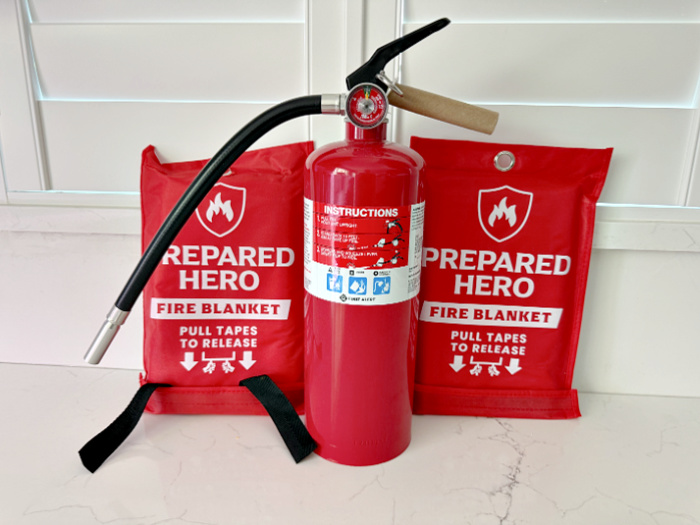
Heat, low humidity, winds, and dry vegetation create the perfect conditions for fires to start and spread quickly. According to the National Fire Protection Association, outdoor fires spike dramatically between May and September each year. The combination of dry grass, warm winds, and human activity outdoors means that everyday tasks like trimming the yard or grilling dinner carry a higher risk than most families realize. Being informed is the first and most important step toward being safe. Fire Extinguishers and Fire Blankets.
Clearing Brush Around Your Home: The Defensible Space Every Family Needs
One of the best things a family can do before summer arrives is to create what fire safety experts call a defensible space around the home. This means removing or reducing the dry vegetation and debris that could carry a fire directly to your house.
Start by walking the perimeter of your property and identifying areas where dry leaves, dead grass, overgrown shrubs, or piled wood sit close to your home. Experts generally recommend keeping a clear zone of at least 30 feet around your structure and, where possible, a reduced-fuel zone extending to 100 feet beyond the clear zone.
Here are simple steps for responsible brush clearing:
Mow your lawn regularly throughout the summer, especially during dry spells. Dry, tall grass ignites easily and spreads flames fast. Trim tree branches so they’re at least 10 feet away from your chimney and at least 6 feet off the ground, which helps prevent ground fires from climbing into the tree canopy. Remove dead plants, dried leaves, and accumulated pine needles from gutters, porches, around tree trunks, and against the home’s exterior walls. Stack firewood away from the house, ideally at least 30 feet away and away from fences.
Never burn yard debris on windy days or during dry conditions, and always check local ordinances before doing any open burning. Many counties and municipalities have seasonal burn bans in place during the summer months. Dispose of clippings properly. Piling dry brush on your property without removing it simply creates a hazard elsewhere. Taking a weekend to complete these tasks as a family not only reduces the risk of fire but also helps children understand why it matters. It’s also a good idea for those who have compost piles to keep them a safe distance from your home.
Campfire Safety: Enjoying the Outdoors Responsibly
Camping is a beloved summer tradition, and a crackling campfire is part of the experience. But campfires are one of the leading causes of wildfires in the United States, and nearly all of those fires are preventable. Before you head into the woods or a campground, review these campfire safety fundamentals with every member of your group, including kids.
Always use designated fire rings or pits when they’re available. Building fires on bare ground, away from established rings, increases the risk of spread. Clear a 10-foot area around your fire site of any dry leaves, grass, or sticks before starting a fire. Keep your fire small. A large fire is harder to control and produces embers that can travel significant distances in the wind. Never leave a campfire unattended, not even for a few minutes. Assign someone to watch the fire at all times.
Bucket of Water
Keep a bucket of water and a shovel at the campsite whenever a fire is burning. To extinguish your campfire correctly, pour water on the fire, stir the ashes, and pour more water until everything is completely cold to the touch. The standard rule is this: if it’s too hot to hold your hand over it, it’s too hot to leave. Don’t burn trash, cardboard, or plastics in a campfire. These materials often produce dangerous embers that can escape the ring and spark a wildfire.
Be aware of current fire conditions wherever you’re camping. Most national forests and state parks post fire danger ratings at entrances. When conditions are rated high or extreme, consider skipping the campfire entirely and using a propane camp stove for cooking instead. Teach your children never to throw anything into a campfire and to always stay at least 3 feet away from the flames.
Backyard Barbecue Safety: Keeping Cookout Season Fun and Safe
Nothing says summer like a backyard barbecue. Whether you use a charcoal grill, a gas grill, or a smoker, the same principles apply: fire needs your attention and respect. Set up your grill in an open area away from your home’s exterior walls, deck railing, overhanging trees, or dry grass. A minimum of 10 feet from any structure is a good rule of thumb.
Never use a grill inside a garage, on a covered porch, or underneath any overhang. Carbon monoxide buildup and fire risk make indoor grilling extremely dangerous. Check your gas grill hoses and connections at the start of every season for cracks, leaks, or blockages. A simple way to check for gas leaks is to apply a soap-and-water solution to the connections and watch for bubbles when the gas is turned on.
For charcoal grills, use only the amount of charcoal necessary for your cooking needs, and never add lighter fluid to coals that are already burning. Wait until the charcoal is entirely cold before disposing of the ashes, which can take 24 hours or more. Keep children and pets at least three feet away from the grill at all times. Designate a kid-free zone around the cooking area.
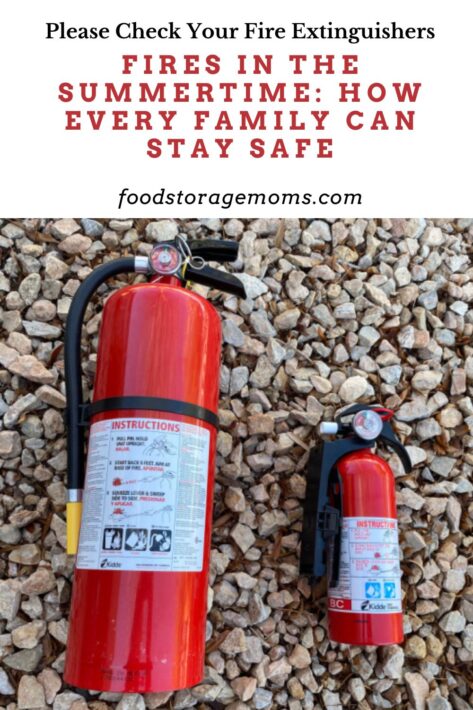
Never leave a lit grill unattended. Turn off the gas at the source when you’re done cooking. Keep a fire extinguisher accessible near your grilling area and make sure every adult in your household knows how to use it. The acronym PASS is easy to remember: Pull the pin, Aim at the base of the fire, Squeeze the handle, and Sweep from side to side.
If You See a Fire, Report It Immediately
One of the most important things any family member can do is know what to do when they spot a fire. If you see smoke, flames, or signs of an uncontrolled fire, call 911 immediately. Don’t assume someone else has already called. Don’t wait to see if the fire grows before reporting it. Early reporting saves lives, homes, and forests.
When you call, be ready to provide:
Your location as precisely as possible, including nearby landmarks, mile markers, or GPS coordinates if you have them. A description of what you see, including the size of the fire, what appears to be burning, and which direction it’s moving. Whether anyone appears to be in immediate danger is also important information.
In many states and counties, you can also report wildfires through dedicated apps or online portals maintained by your state’s forestry or fire agency. These tools are worth downloading to your phone before you head into fire-prone areas for camping or hiking. Teach your children that reporting a fire isn’t an overreaction. It’s the right thing to do, and it can make the difference between a small incident and a large-scale disaster.
Creating a Family Fire Escape Plan
Every family should have a fire escape plan in place, not just for wildfires, but for any fire emergency. Walk through your home with your children and identify two exit routes from every room. Choose a meeting spot outside your home where everyone will gather if you need to evacuate quickly.
Practice the plan at least once a year. Make sure every child knows their home address so they can give it to emergency responders, if needed. If you live in a wildfire-prone area, sign up for your local emergency alert system so you receive evacuation notices and fire updates directly to your phone. Consider taking a CERT class with family and friends. CERT stands for Community Emergency Response Team. Mark and I took the class several years ago, and a critical part of the training dealt with how to deal with a fire.
Quick Summer Fire Safety Checklist for Families
Review this checklist each summer to make sure your family is prepared:
Defensible space around your home has been cleared and maintained.
Gutters and the roof are free of dry leaves and debris.
Firewood is stored at least 30 feet from the house.
The grill is clean, properly positioned, and inspected before use.
A fire extinguisher is accessible and in working condition.
Every family member knows the home escape plan and meeting point.
Local emergency alerts have been activated on family phones.
Campfire safety rules have been reviewed before any camping trip.
Children know to immediately tell an adult if they see fire or smoke.
Everyone knows to call 911 if they see an uncontrolled fire.
The Bottom Line
Summer is meant to be enjoyed. Backyard cookouts, camping trips, and yard work are all wonderful parts of the season. But fires can start quickly, spread faster than most people expect, and cause devastating losses in minutes. The good news is that a little preparation and consistent habits make a tremendous difference. Teach your family these principles now, practice them together, and you’ll be far better equipped to keep everyone safe all season long.
There are four classes of fires as follows:
Class A: These fires involve ordinary combustible materials such as paper, wood, cloth, and some types of plastics. These materials are often referred to as solid materials.
Class B: Fires in this class involve flammable liquids such as alcohol, ether, oil, gasoline, and grease. Actually, smothering these fires is often the best approach, but it may not be feasible.
Class C: A fire in this class involves energized electrical equipment, appliances, and wiring. In electrical fire situations, use a nonconductive extinguishing agent to put out the fire and prevent electrical shock injuries. Never use water.
Class D: There are certain flammable metallic substances, such as sodium and potassium, that make up this class. These materials aren’t as commonly found in a home or office environment.
The different types of fire extinguishers to be used also fall into classifications, and some cover multiple types of fires:
Type A: These extinguishers use pressurized water to put out the fire and should only be used on a Class A fire. When used on Class B or Class C fires, they may cause the fire to spread or cause an electrical shock.
Type B: This one is used for combustible and flammable liquids such as grease, gasoline, oil, and oil-based paints.
Type ABC: This extinguisher uses a dry chemical to suppress the fire. The dry powder in dry chemical extinguishers works on all classes of fires.
Type BC: A Type BC extinguisher uses carbon dioxide as the fire suppressant and is used on chemical and electrical fires. The carbon dioxide tends to smother the fire and keep oxygen from being a factor.
Type D: For use with flammable metals.
Type K: You use a Type K unit to fight kitchen cooking oils and grease fires.
20 Reasons to Have a Fire Extinguisher On Hand
20 Critical Items We Need in Order to Cook Outside
Final Word
Summer belongs to your family. Protect it. A cleared yard, a watched grill, a properly extinguished campfire, and the courage to dial 911 the moment you spot smoke are four simple acts that can save a home, a forest, or a life. Fire doesn’t wait, and neither should you. Stay safe out there. Stay cool. Stay aware. And if you see a fire, call 911 right away. Keep your family safe this summer with essential fire prevention tips for backyard barbecues, camping, and brush clearing. Learn how to reduce fire risk at home and what to do if you spot a wildfire. May God bless this world, Linda
The post Fires in the Summertime: How Every Family Can Stay Safe appeared first on Food Storage Moms.
from Food Storage Moms
No comments:
Post a Comment