Estimated reading time: 10 minutes
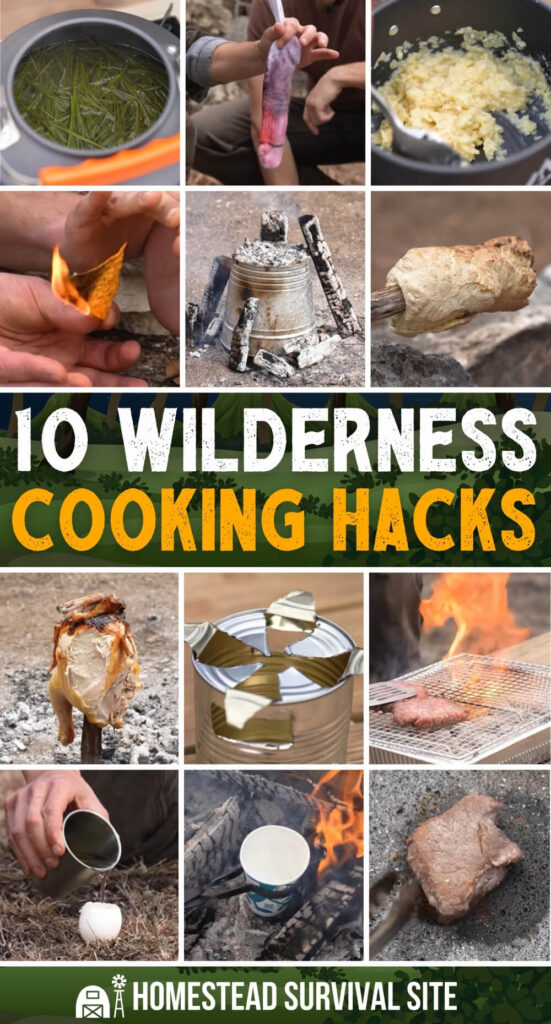
When you're out in the wild, food means the difference between surviving and not making it home. The challenge is that most of us don't carry a full kitchen into the back country. That's where wilderness cooking hacks come in: clever, improvised techniques that use whatever you have on hand to cook food, boil water, and keep your energy up when it matters most.
The internet is full of these claimed survival hacks, but how many of them actually work? Wilderness and survival expert Coyote Peterson and chef Joshua Weissman from the YouTube channels Brave Wilderness and Joshua Weissman put a collection of popular hacks to the test. You can watch their video and read about the hacks below.
1. Starting a Fire with Doritos
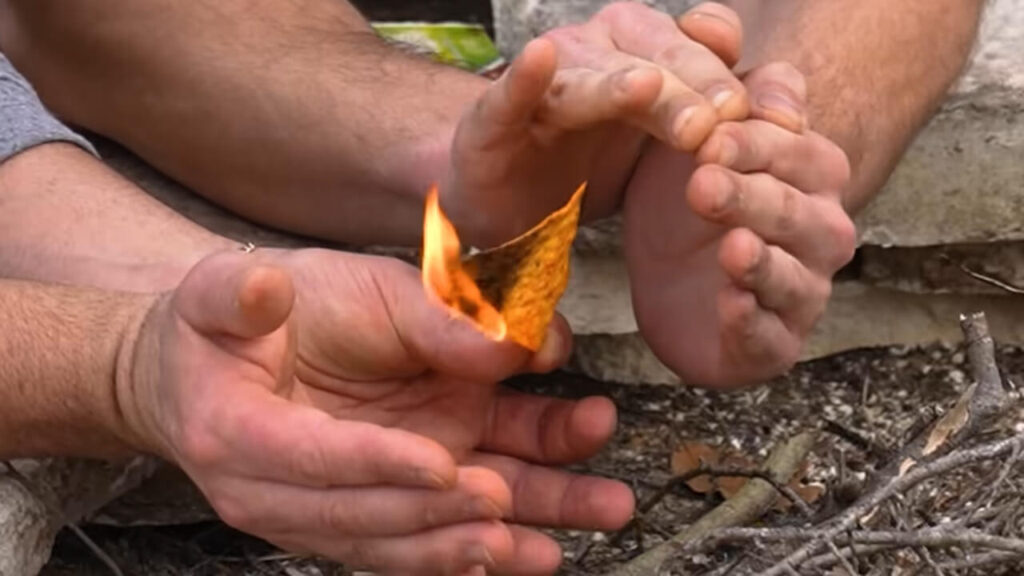
The hack: Use Doritos chips as a fire starter.
It sounds ridiculous, but it works. Doritos are loaded with oil and compressed starch, making them surprisingly flammable. In testing, a single chip caught flame quickly and sustained it long enough to get a fire going. The verdict: it actually works, and it's relatively safe.
As a bonus, the silvery interior of a Dorito bag has several survival uses beyond the chips themselves. It can be used to signal for help by flashing sunlight toward aircraft or rescuers, it can hold water, and it can be wrapped around an injured hand to keep cuts clean and dry.
Verdict: Thumbs up.
2. Bread on a Stick
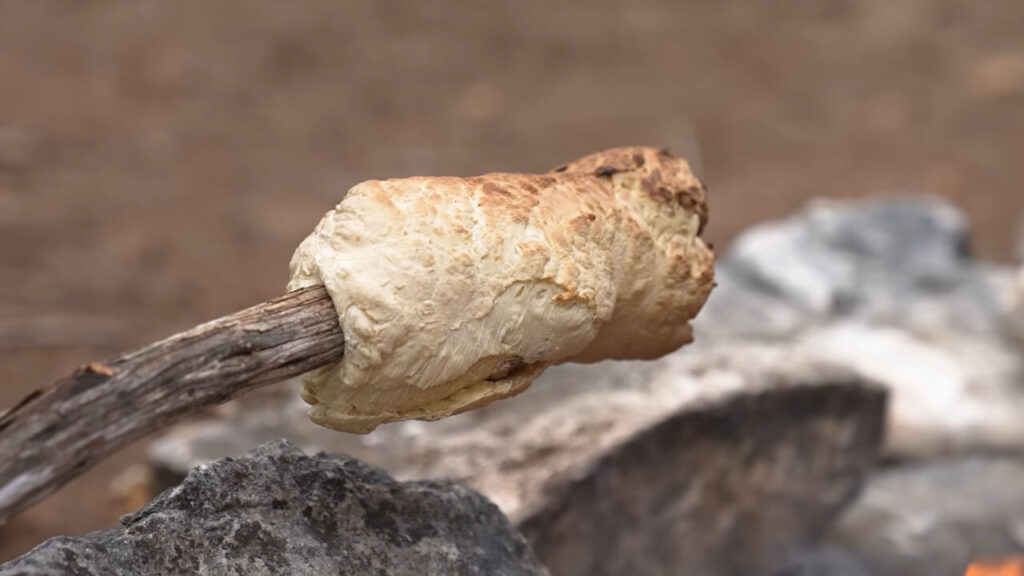
The hack: Mix flour, water, salt, and baking powder in a Ziploc bag, knead it into dough, wrap it around a stick, and cook it over an open flame.
This one works, though it's better described as a camping hack than a true survival hack. You'd need to have flour and baking powder on hand, which is unlikely in a genuine emergency. The bread takes about 20 to 30 minutes to cook through. It comes out soft, with some smoky bitterness from the fire, but it's edible and safe. Add something to eat it with and it becomes genuinely satisfying.
Verdict: Thumbs up (as a camping hack).
3. Cooking a Whole Chicken Under a Metal Bucket
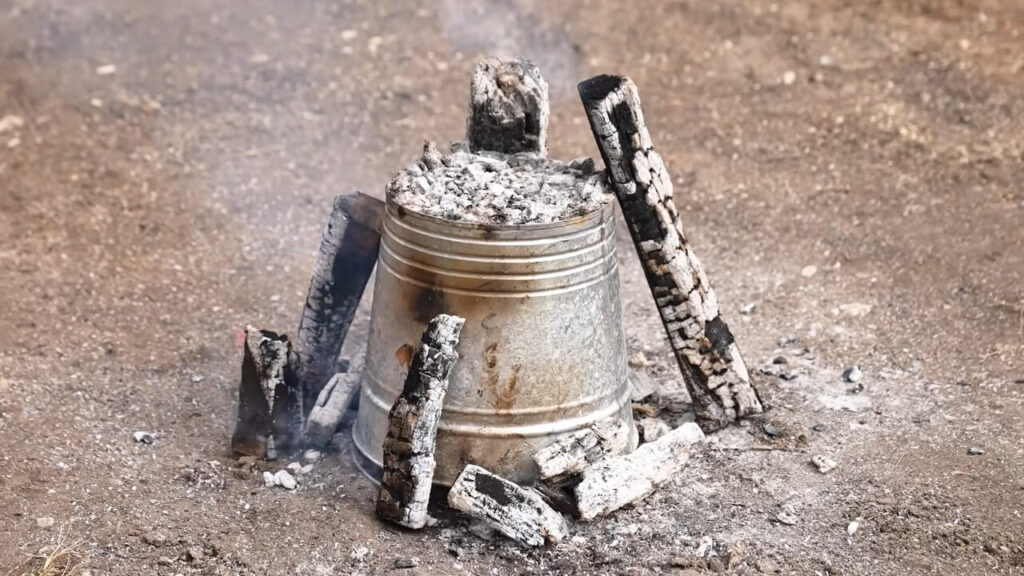
The hack: Impale a whole chicken on a stick, place a metal bucket over it, and lean burning logs against the bucket to trap heat and cook the bird.
This one generated the most skepticism going in. The concern was that the heat wouldn't distribute evenly, leaving parts of the chicken burnt and parts raw, which is a real food safety risk with poultry. After 45 minutes of cooking, though, the results were better than expected. The breast and wings cooked through nicely and were juicy and tender. The lower portions were slightly underdone, but finishing those over direct coals would solve the problem.
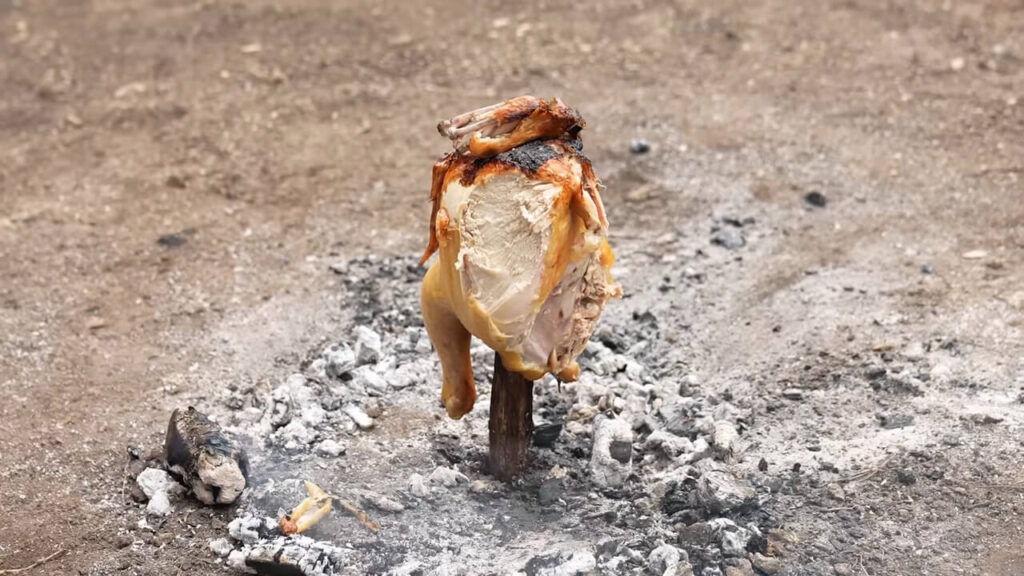
The takeaway: the method works, but plan for a full hour of cooking time and finish any undercooked sections separately before eating.
Verdict: Thumbs up (with patience).
4. Using a Tin Can as a Camp Stove
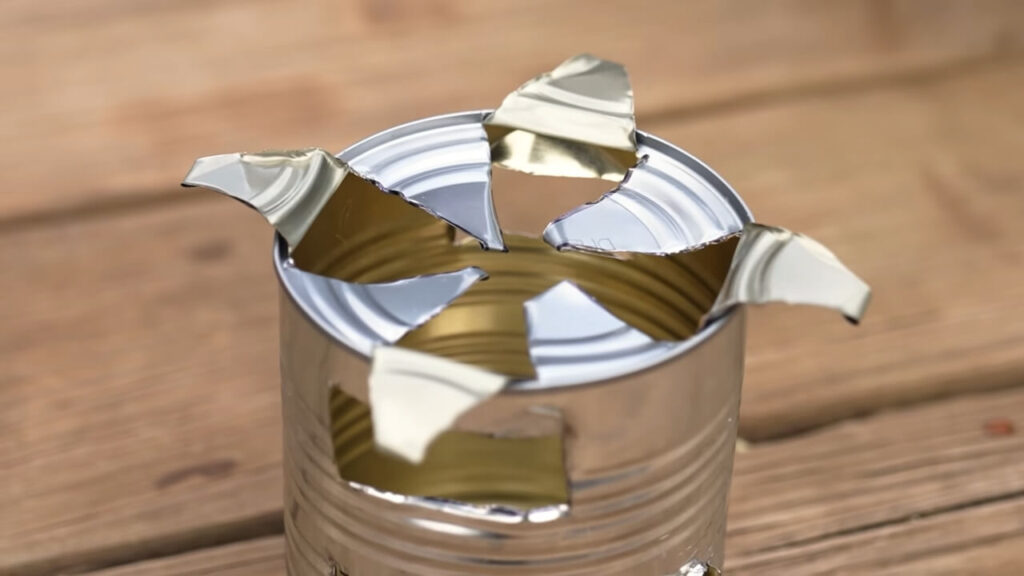
The hack: Cut open a tin can, place coals and wood inside, and use it as a small stove to heat food or boil water.
The concept is sound in theory. A small metal container can hold burning coals and generate enough heat to warm soup or boil water. In practice, though, cutting open the can creates a sharp-edged weapon that's more likely to slice your hand open than improve your situation. When tested, the improvised stove produced a lot of smoke, made a mess of the cookware, and felt more dangerous than useful.
If you already have the can open, it can function as a heat source in a pinch, but the risks involved in prepping it aren't worth it.
Verdict: Thumbs down.
5. Makeshift Grill with a Sheet Pan and Wire Rack
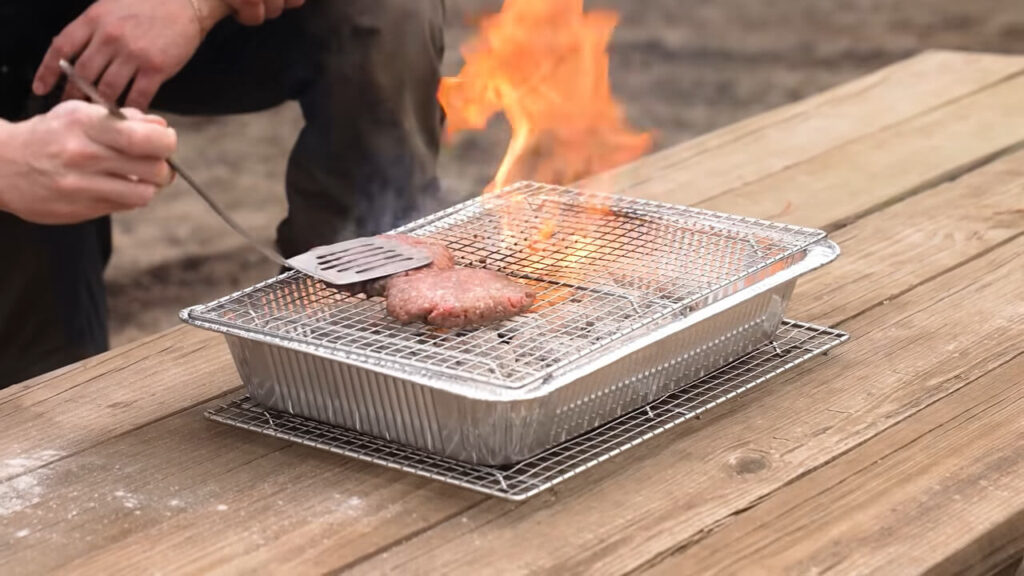
The hack: Set a disposable sheet pan over hot coals, place a wire rack on top, and use it as a grill.
This one performed surprisingly well. The fat from the burger patties dripped onto the coals and helped generate real flame, creating the kind of high heat needed for a proper sear. The burgers came out juicy with solid browning on the outside. The method is safe, effective, and produces food that's genuinely good.
The catch is that you'd need to have these items with you. This is more of a car-camping solution than a wilderness survival technique. But if you're heading somewhere without grill access and you plan ahead, it's a solid option.
Verdict: Works well for camping, less applicable in true survival situations.
6. Boiling Water in a Paper Cup
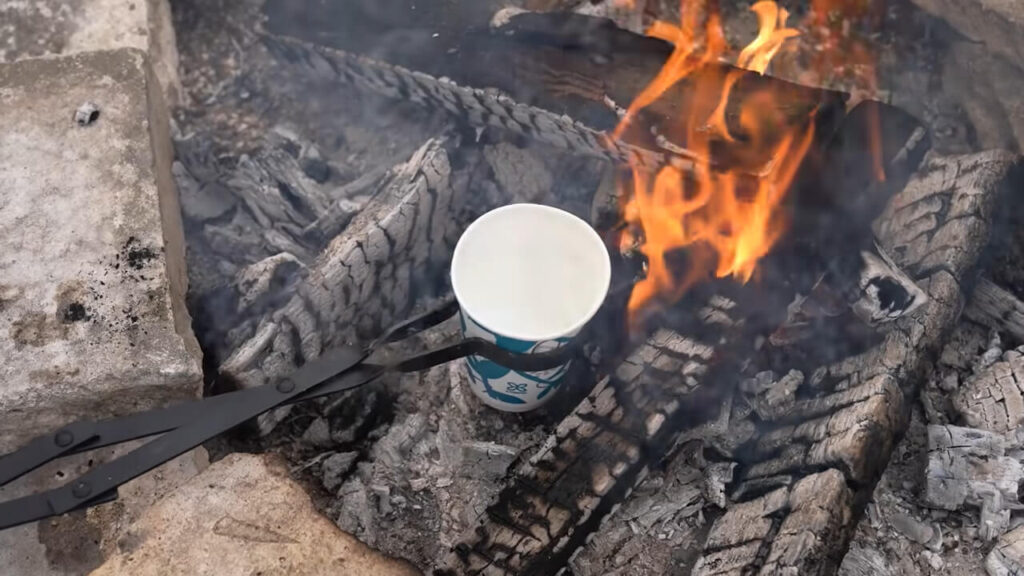
The hack: Fill a paper cup with water and hold it over a fire to boil the water for drinking.
The science here is real: the water inside the cup absorbs heat and prevents the paper from reaching its ignition temperature, so the cup won't burn as long as there's water in it. The water does get hot and will technically boil.
The problem is the cup itself. Paper cups are coated with chemicals, and those chemicals leach into the water as it heats up. The water may be microbiologically safer after boiling, but it's been contaminated by the cup in the process. Not a recommended method when better options exist.
Verdict: Thumbs down.
7. Cooking an Egg Inside Its Own Shell
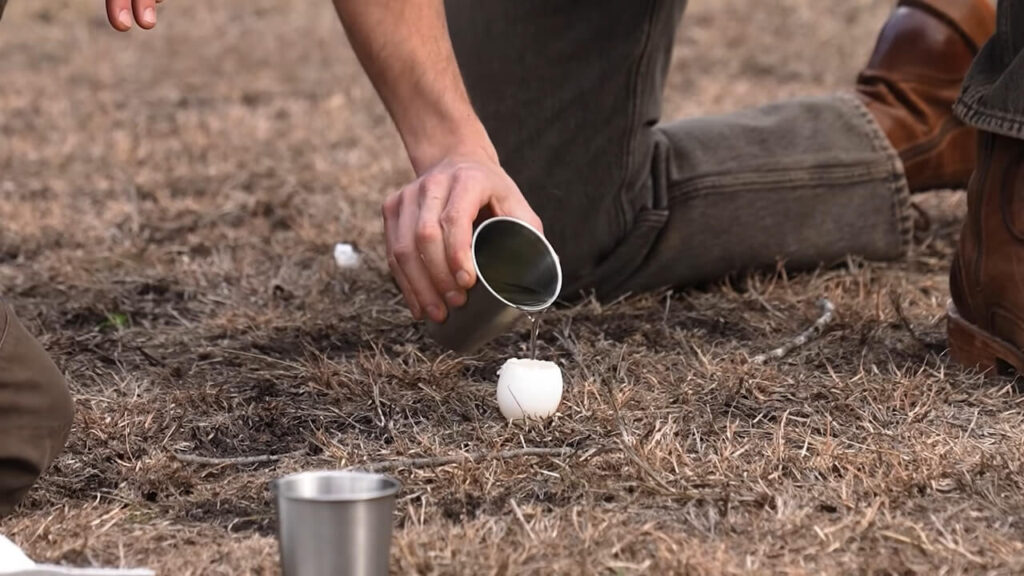
The hack: Remove the top of an eggshell, add a small amount of oil and a paper towel wick, light the wick, and use the burning oil to cook the egg inside the shell.
This one is more of a novelty than a practical skill. Getting the top of the shell off cleanly requires a specialized tool or a lot of luck. The flame from the wick is small and inconsistent. The egg does cook. It soft-scrambles and is technically safe to eat, but the process is fiddly, unreliable, and requires you to have both an egg and a source of cooking oil, which is an unlikely combination in an actual emergency.
Worth knowing about, but you'd have to be in a very specific situation for this to be your best option.
Verdict: Mid — functional but impractical.
8. Cooking Meat on a Hot Rock
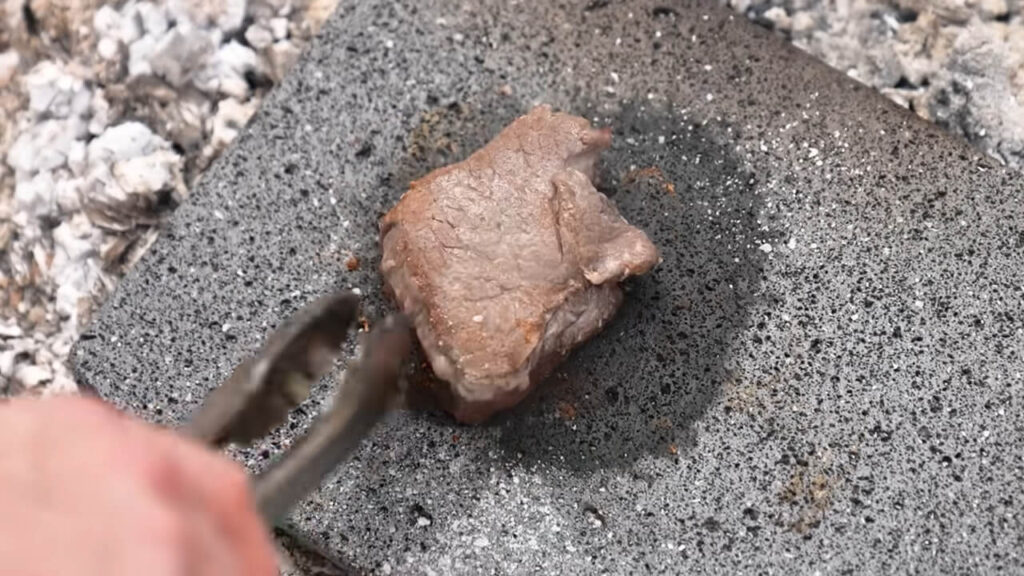
The hack: Heat a flat rock in a fire until it's very hot, then use it as a cooking surface for meat.
This one is a genuine wilderness skill with real practical value. The rock retains heat well and cooks meat through, though it won't produce a proper sear the way a metal surface would. The meat comes out gray rather than browned, but it's juicy, cooked through, and safe to eat. Season with salt if you have it, and you've got a real meal.
Hot rock cooking is one of the more reliable techniques on this list because rocks are available almost anywhere in the wild and require no preparation beyond heating.
Verdict: Thumbs up.
9. Making Mashed Potatoes from Pringles
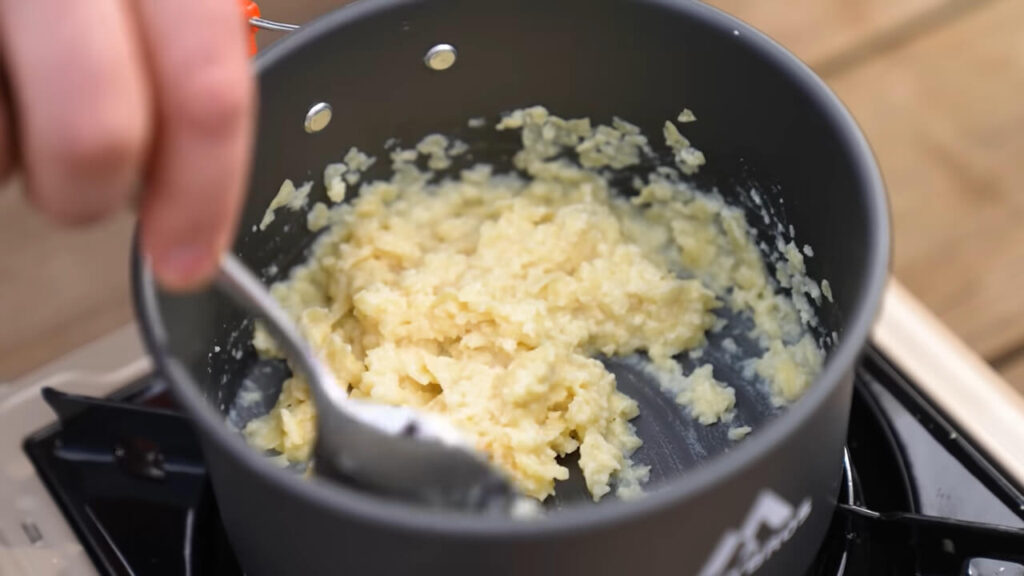
The hack: Crush Pringles chips, add water, and heat the mixture to create improvised mashed potatoes.
Pringles are made from compressed, dried potato, so the logic of rehydrating them isn't completely wrong. In practice, the result is a gluey, starchy paste that tastes like a diluted version of the original chip. It's safe to eat, and the water does absorb into the potato starch, but it resembles mashed potatoes in name only.
More importantly, you could just eat the Pringles. Consuming them dry gives you more calories, more flavor, and a better use of your energy in a survival situation. This hack takes a perfectly good food and makes it worse.
Verdict: Thumbs down — just eat the chips.
10. Pine Needle Tea
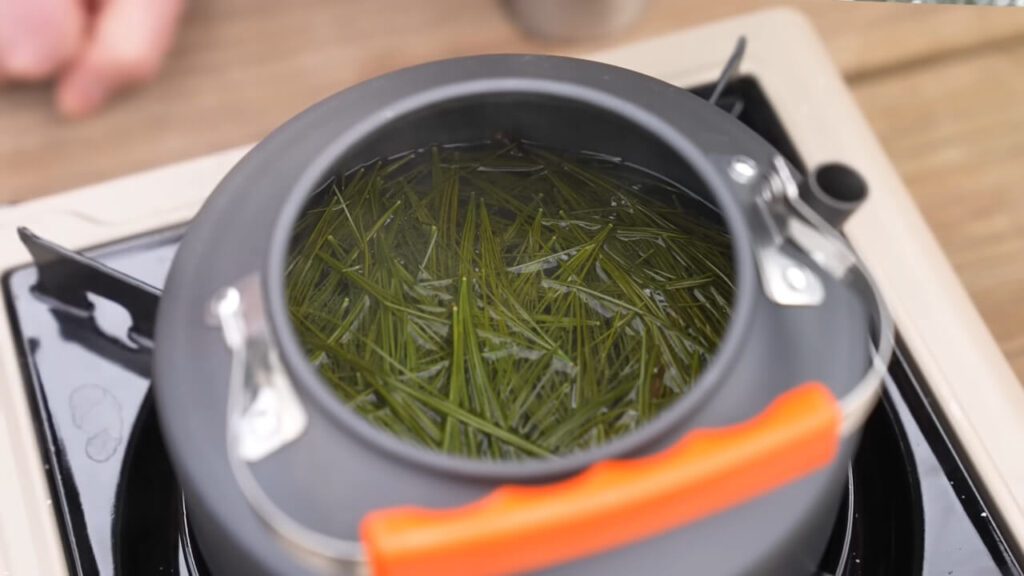
The hack: Steep fresh pine needles in boiling water to make a simple tea.
This is one of the more legitimate survival techniques on the list. Pine needles contain vitamin C and other nutrients, and steeping them in hot water produces a drinkable tea that's both safe and mildly beneficial. The flavor is subtle and adding more needles after the initial steep improves the aroma. A little honey, if you have it, makes it genuinely enjoyable.
Beyond nutrition, there's a psychological benefit to having a warm drink in a stressful situation. It's calming, and morale matters in survival scenarios.
Verdict: Thumbs up.
Bonus: Extracting Prickly Pear Juice Through a Sock
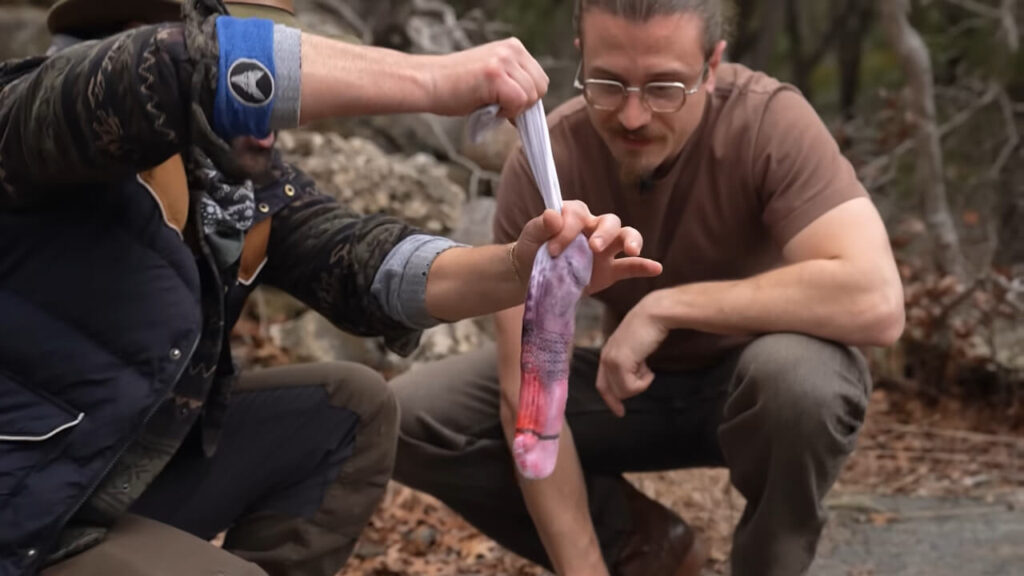
The hack: In desert environments, place prickly pear fruit inside a sock, crush it, and wring the sock to strain out the juice while filtering the spines.
Prickly pear is a nutritious desert food, but the tiny spines covering the fruit make it dangerous to handle or eat directly. Straining the crushed fruit through a sock removes the spines and delivers drinkable juice that's sweet, hydrating, and full of vitamins. It works well, it's safe, and a sock is something most people actually have on them.
This is one of the most genuinely useful hacks on the list for desert survival situations.
Verdict: Thumbs up.
You May Also Like:
The post 10 Wilderness Cooking Hacks appeared first on Homestead Survival Site.
from Homestead Survival Site https://ift.tt/goXxM4h
No comments:
Post a Comment