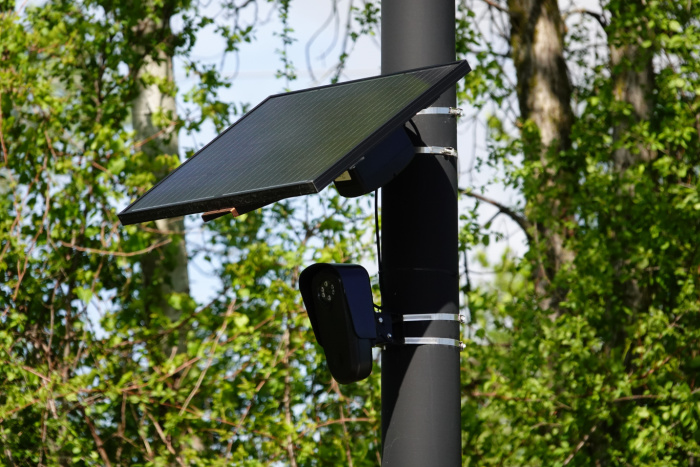
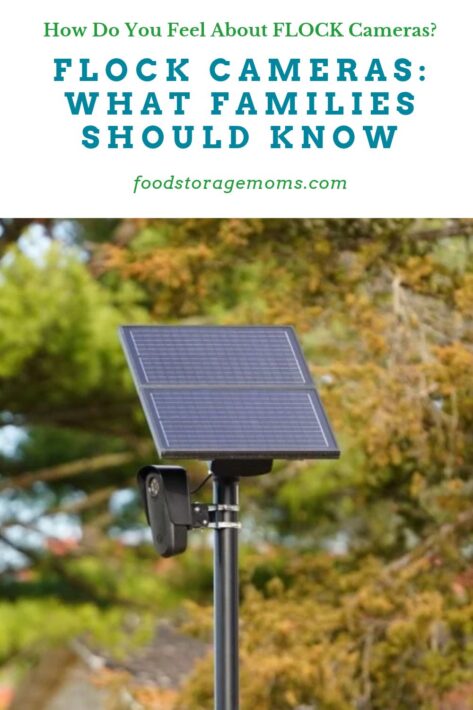
Flock Cameras: What Families Should Know! Have you noticed a small black camera mounted on a tall pole with a little solar panel near your neighborhood entrance, a busy intersection, or even the parking lot of your favorite home improvement store? If so, there’s a good chance you’ve seen a Flock camera. These cameras have popped up in thousands of communities across the country, and they’ve become one of the most talked-about topics in many towns.
As a mom who’s spent years encouraging families to be prepared and informed, I believe this topic is worth understanding. Being prepared isn’t only about having water stored and a pantry full of food. It’s also about knowing what’s happening in our communities, understanding the tools used around us, and taking part in local decisions with a calm, informed heart. Let’s talk about what Flock cameras are, how they work, why some people love them, why others are worried, and what you can do to stay informed. Please note: I’m against them. Texas Article About Removing Them. Go Texas! You may want to check this out: https://deflock.org/, https://maps.deflock.org
I went Saturday to get a pedicure, my only luxury in life, really. I quit getting my hair cut, so there you have it. Well, one of the young Vietnamese girls showed us a letter she received: $100.00 fine, correct name, correct address, wrong license plate, and wrong car. Now, she has to fight this erroneous mistake. Really, who has time for this, right?
What Are Flock Cameras?
Flock cameras are made by a company called Flock Safety. They’re known as automated license plate readers, often shortened to ALPR cameras. Unlike traffic cameras that issue tickets, these cameras capture images of passing vehicles and convert them into searchable data.
Flock cameras use artificial intelligence to identify details about a vehicle. This can include the license plate number, the state on the plate, the make and color of the vehicle, and other features such as a roof rack, bumper stickers, or damage. That information is stored in a database that law enforcement agencies, and in some cases private businesses or homeowners associations, can search.
Many of these cameras are solar-powered and wirelessly connected, which makes them easy to install almost anywhere. That’s one reason they’ve spread so quickly. Today, Flock cameras are used by thousands of law enforcement agencies, as well as by neighborhoods, schools, and retail stores. Please note: they’re not cheap.
How Do Flock Cameras Work?
Here’s a simple way to picture it. A car drives past the camera. The camera snaps a photo. The system reads the plate and notes details about the vehicle. That record is then saved with the date, time, and location.
If police are looking for a stolen car, a missing person, or a vehicle connected to a crime, they can search the system. If the vehicle passes a camera, officers may receive an alert. Because many agencies share data with one another, a vehicle can sometimes be followed across several towns or even across state lines.
Flock Safety has said its cameras are focused on vehicles rather than people and that it doesn’t use facial recognition in these cameras. The company has also said that data is typically deleted after a set period, often around 30 days, unless it’s connected to an investigation. However, policies can vary by agency and local laws, so it’s wise to check what applies in your own community.
The Safety Benefits Supporters Point To
Many police departments and community members strongly support Flock cameras, and their reasons deserve a fair hearing.
Supporters say the cameras help solve crimes faster. When a car is stolen, or a home is burglarized, having a record of vehicles in the area can give investigators a starting point. Some departments credit the cameras with helping locate stolen vehicles, recover missing children, and find older people with dementia who wandered away from home in a car.
Flock Safety claims its technology helps solve many crimes every year. Police in many communities report that the cameras give them leads they simply wouldn’t have had otherwise. For small departments with limited officers, a camera network can feel like an extra set of eyes.
Many families also say the cameras give them peace of mind. Knowing that a neighborhood entrance is monitored can make people feel safer, especially in areas that have struggled with car break-ins or package theft.
The Privacy Concerns Critics Raise
On the other side, many people, including privacy advocates, civil liberties groups, and everyday citizens, have serious concerns about these cameras.
The biggest concern is that the cameras record nearly everyone, not just people suspected of a crime. Critics point out that the vast majority of plates scanned belong to ordinary people going about their day, driving to work, church, school, or the grocery store. Over time, this kind of data could create a detailed picture of where someone goes and when.
Another concern is data sharing. Because many agencies can search one another’s data, people worry about who has access, how searches are tracked, and whether the information could be misused. There have been news reports raising questions about how some searches were conducted and whether proper limits were in place. In response to months of public scrutiny, Flock Safety has announced changes to its database system, which shows these concerns are being taken seriously.
Some people also worry about cameras owned by private businesses or homeowners associations. When a store or neighborhood group installs a camera, the rules about who can see the data may be less clear to the public.
Finally, many citizens feel that these cameras were installed with little public discussion. In some towns, residents only learned about the cameras after they were already up and running. That’s led to heated city council meetings across the country.
Finding a Balanced View
As families who value both safety and freedom, many of us feel pulled in two directions on this topic. We want our children safe. We want criminals caught. At the same time, we value our privacy and the freedom to move about our communities without being tracked.
I believe it’s possible to hold both values at once. A healthy community can use tools to fight crime while also implementing strict rules to protect the privacy of law-abiding citizens. The key is transparency, accountability, and an engaged public.
I also want to say this clearly. Some people have responded to their frustration by damaging or disabling these cameras. That isn’t the answer. Destroying property is illegal; it can put people at risk and take away from the honest conversations communities need to have. The better path is to get informed, ask good questions, and use your voice through the proper channels.
How to Find Out if Your Town Uses Flock Cameras
If you’re curious whether there are Flock cameras in your area, here are some simple steps to check.
Look around. Flock cameras are usually black, mounted on a pole, and often have a small solar panel attached. They’re commonly placed at neighborhood entrances, major intersections, and store parking lots.
Check your police department website. Many departments post information about their camera programs, including policies on how data is used and stored.
Look for a transparency portal. Some agencies that use Flock publish a public page showing how many cameras they have, how long data is retained, and how many searches have been conducted.
Review city council agendas and minutes. Camera contracts are often approved by city councils or county commissions, so meeting records can tell you when and how the cameras were approved.
Ask your homeowners association. If your neighborhood has cameras, ask who owns them, who can see the data, and how long it’s kept.
Questions Worth Asking Your Local Leaders
If you decide to attend a city council meeting or contact your local officials, here are some thoughtful questions you might ask.
How many cameras are in our community, and where are they located?
How long is the data stored before it’s deleted?
Who has access to the data, and is it shared with other agencies or states?
Are searches logged, and does anyone review them for misuse?
Is there a written policy, and is it available to the public?
How’s the program measured to show whether it actually reduces crime?
Asking these questions calmly and respectfully helps local leaders understand what matters to residents. Whether you support the cameras or have concerns, your input is valuable.
Teaching Our Families About Privacy
This topic is a wonderful opportunity to talk with our children and grandchildren about privacy in a world full of technology. Kids today are growing up surrounded by cameras, smartphones, and apps that collect information.
Talk with them about what kind of information is collected about them, from their phones to their social media accounts. Teach them to think before they share personal details online. Help them understand that privacy is worth valuing and protecting, and that being a good citizen means staying informed and speaking up respectfully.
Being prepared means thinking ahead, and teaching the next generation to be thoughtful about technology is part of that preparation.
Happiness: Do You Feel Happy Where You Live?
Emergency Car Kits: What to Pack Before Winter Hits
Final Word
Flock cameras aren’t going away anytime soon, and the conversation around them will likely continue for years. Whether you see them as a helpful safety tool, a privacy concern, or a little of both, the most important thing is to stay informed.
Learn what’s happening in your own community. Read the policies. Ask questions. Attend a meeting if you can. Share what you learn with your family and neighbors. An informed community is a stronger community, and that’s something we can all work toward together.
I would love to hear from you. Have you noticed Flock cameras in your area? How do you feel about them? Please share your thoughts in the comments below, and remember to keep the conversation kind and respectful. May God bless this world, Linda
Copyright Images: FLOCK SAFETY Camera AdobeStock_1504987482 By Aaron, FLOCK Cameras Police Department AdobeStock_1111650749 By Aaron
The post Flock Cameras: What Families Should Know appeared first on Food Storage Moms.
from Food Storage Moms
No comments:
Post a Comment