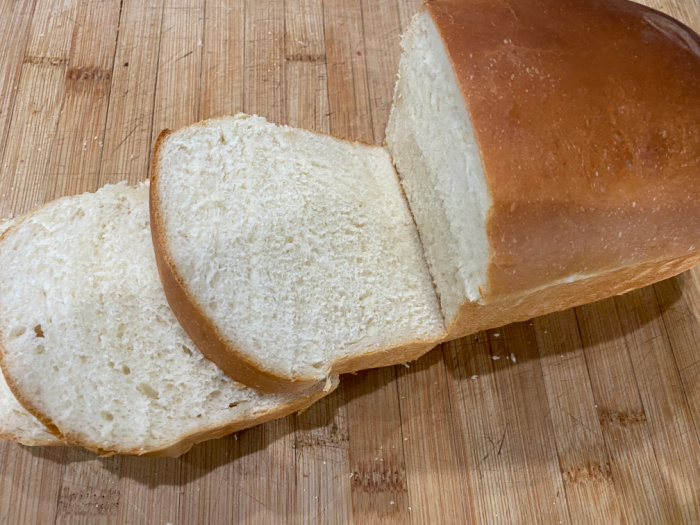
Bread making is easier than you may think. There is something deeply reassuring about knowing how to make bread. Long before grocery stores and packaged goods existed, families fed themselves by combining a few humble ingredients and transforming them into something nourishing and life-sustaining. In times of war, famine, or hardship, that knowledge becomes far more than a kitchen hobby. It becomes a survival skill.
The good news is that bread is not complicated. Once you understand what each ingredient does and why it is there, the whole process begins to feel natural, even simple. You do not need fancy equipment or a culinary education. You need a handful of staples, a little patience, and the confidence to try. Please store your yeast, wheat gluten, instant milk, and dough enhancer in the refrigerator or freezer to keep them fresh. The pantry will compromise the quality of these ingredients. I never use white flour that is older than 12-18 months. Typically, I only buy enough white bread flour for 12 months.
A Few Kitchen Tools:
- Bread Pans (7.75 x 3.75 x 2.5 Inch)
- Dough Scrapers
- Dutch Oven (for No-Knead Bread)
- Artisan Bread Bags
- Parchment Paper
- Large Silver Bowl
- 4-Quart Glass Bowl with Lid (No-Knead Bread)
Bread Making Is Easier Than You May Think
White or Whole Wheat Flour
Flour is the foundation of every loaf of bread, and choosing between white and whole wheat is one of the first decisions a baker makes. White flour has been milled to remove the bran and germ, leaving behind a fine, starchy powder that produces a lighter, softer bread with a mild flavor. Whole wheat flour retains all parts of the grain, which means it contains more fiber and nutrients and has a heartier, nuttier taste. In a survival situation, whole wheat flour is especially valuable because it holds more of the grain’s original nutrition.
Some Blend White and Wheat Flour
Many experienced bread makers blend the two flours to get the best of both worlds: a loaf that is nutritious yet light enough to rise well and please a hungry family. I used to blend two flours; I haven’t done that for 40 years. I worked in a Bosch kitchen store, and I learned many tricks about making bread. Fresh ingredients are critical. If you grind the whole wheat berries, freeze the flour the same day in heavy-duty freezer bags until you are ready to use it. Please note, I only use hard white wheat from Lehi Mills in Utah. They clean their wheat six times. I can’t risk a rock in my wheat grinders.
Yeast
Yeast is what brings bread to life. It is a living organism, a microscopic fungus that feeds on the sugars present in your dough and releases carbon dioxide gas as a byproduct. That gas gets trapped within the dough’s structure, causing it to rise and giving the finished bread its airy, open crumb. Without yeast, you would end up with a dense, flat brick rather than a soft, risen loaf. Active dry yeast and instant yeast are the two most common forms available for home baking, and both work beautifully in a standard bread recipe. Yeast is sensitive to temperature; it thrives in warm conditions and dies in extreme heat, so understanding how to work with it gently is one of the most important early lessons in bread making. I only use SAF Instant Yeast.
Salt
Salt may seem like a minor player, but it is absolutely essential to a well-made loaf of bread. On the most basic level, salt enhances flavor and makes the difference between bread that tastes alive and bread that tastes flat and dull. Beyond taste, salt plays a structural role in the dough by strengthening the gluten network, which helps the bread hold its shape during rising and baking. Salt also slows fermentation just enough to keep the yeast from working too quickly, giving the dough time to develop deeper, more complex flavors. The balance of salt in a bread recipe is carefully considered, and even small adjustments can noticeably change the final result. Redmond Salt is my favorite.
Dough Enhancer
Dough enhancer is a blend of ingredients, often including ascorbic acid, lecithin, and various enzymes, that work together to improve the texture, rise, and shelf life of homemade bread. It strengthens the gluten structure, helps the dough retain gas more efficiently, and produces a loaf with a finer, softer crumb. For home bakers who are not yet confident in their technique, a dough enhancer can be a real game-changer, adding a layer of insurance to the process. The bread rises higher, holds together better, and stays fresh longer than it might without this addition. In a preparedness context where every loaf matters, dough enhancer is a worthwhile addition to your pantry. Dough Enhancer.
Wheat Gluten
Wheat gluten, sometimes sold as vital wheat gluten, is the protein that gives bread dough its elasticity and strength. When flour is mixed with water, the proteins naturally present in the grain begin to form gluten strands, but adding extra vital wheat gluten significantly boosts this process. The result is a dough that is more elastic, easier to handle, and capable of trapping more gas during fermentation, which leads to a better rise and a chewier, more satisfying texture. Vital wheat gluten is particularly helpful when baking with whole wheat flour or other heavy grain flours that tend to produce dense loaves on their own. A small addition of wheat gluten can dramatically improve the final outcome without changing the bread’s flavor. Vital Wheat Gluten.
Instant Milk
Instant milk, also known as powdered or dried milk, adds richness, tenderness, and a slight sweetness to homemade bread. The milk solids contribute to a softer crumb and help the crust brown beautifully during baking. Milk also provides a small amount of fat and protein, both of which enrich the dough and add nutritional value to the finished loaf. From a practical standpoint, instant milk is an ideal pantry staple because it stores for a long time without refrigeration, making it perfect for emergency food supplies. It dissolves easily into the dry ingredients and requires no advance preparation, so it fits seamlessly into the bread-making process without any extra effort. Please note, I still store my instant milk in the refrigerator.
Eggs
Eggs bring both structure and richness to bread dough. The proteins in egg whites help strengthen the gluten network and contribute to a better rise, while the fat in the yolks adds tenderness and a golden color to the crumb. Bread made with eggs tends to have a soft, almost cake-like texture, especially in enriched loaves and sweet breads. Eggs also act as a binding agent, helping to hold the ingredients together and creating a more cohesive dough. While not every bread recipe calls for eggs, their inclusion noticeably improves the texture and nutritional profile of the finished loaf, and they are a particularly valuable addition in recipes designed to be filling and sustaining.
Oil of Choice
Oil adds moisture and tenderness to bread, making a noticeable difference in both texture and shelf life. When fat is incorporated into dough, it coats some of the gluten strands and prevents them from developing too tightly, which produces a softer, more tender crumb that does not become stale as quickly as fat-free bread. Vegetable oil, olive oil, and coconut oil are all commonly used in bread baking, each contributing its own subtle character to the finished loaf. In a survival or preparedness scenario, oil is a valuable addition to your bread because the fat content adds calories and energy to each slice. Even a modest amount of oil in a recipe can extend a loaf’s life by a day or two, which matters when resources are limited.
Honey
Honey serves multiple purposes in a bread recipe and earns its place for reasons that go well beyond simple sweetness. It feeds the yeast, providing an easily accessible sugar that helps the fermentation process get underway quickly and vigorously. Honey also acts as a natural humectant, meaning it attracts and retains moisture, which keeps bread soft and fresh longer than sugar alone might. The flavor honey imparts is subtle but distinctive, adding a gentle warmth and complexity to the finished loaf. Raw honey, in particular, has antimicrobial properties that may contribute slightly to the bread’s shelf life. For families preparing to be self-sufficient, honey is also a long-lasting pantry staple that keeps indefinitely when stored properly.
Sugar
Sugar in bread dough does more than add a hint of sweetness. Like honey, it feeds the yeast, accelerating fermentation and helping the dough rise more reliably. Sugar also contributes to the browning of the crust through caramelization and the Maillard reaction, giving the finished loaf an appealing golden color that signals it is fully baked. In recipes that already include honey, sugar may appear in smaller amounts, working with the honey to balance flavor and support the yeast. For beginning bakers, sugar is a forgiving and helpful ingredient that makes the whole process more predictable and consistent.
Lemon Juice
Lemon juice might seem like an unexpected addition to a bread recipe, but it plays a quiet and important role. The acidity in lemon juice strengthens the gluten structure, much like commercial dough conditioners, resulting in a more elastic dough that rises better and holds its shape more reliably. It also acts as a natural preservative, slightly extending the shelf life of the finished bread by inhibiting mold growth. Some bakers add lemon juice specifically to improve the texture of whole wheat bread, which can sometimes be dense and crumbly without a little extra help. The amount used is small enough that you will not taste it in the finished loaf, but its effect on the dough is real and measurable.
Why You Need To Store Wheat For Survival
Final Word
Making bread at home is one of the most practical and empowering skills a person can develop. When you understand what each ingredient brings to the process, the whole endeavor becomes less mysterious and far more manageable. Whether you are baking for the simple pleasure of it on a quiet afternoon or preparing your family to be resilient in uncertain times, the ability to turn a few basic ingredients into a nourishing loaf of bread is a skill that will never go to waste. Start simple, pay attention to how the dough feels and behaves, and trust that with a little practice, you will find your rhythm. Bread has been feeding humanity for thousands of years, and it is waiting to feed yours, too. May God bless this world, Linda
The post Bread Making Is Easier Than You May Think appeared first on Food Storage Moms.
from Food Storage Moms
No comments:
Post a Comment