Dangerous heat dome with El Niño brewing. What you need to know and how to stay safe. If it feels like this summer has been brutal, you’re not imagining things. A powerful heat dome has settled over the western half of the country, and it’s being fueled by one of the strongest El Niño events in decades. Understanding what’s happening, and what’s likely coming next, can help your family stay safe through the rest of this summer and into the fall.
Cooling Items To Consider
Dangerous Heat Dome With El Niño Brewing
What is a dangerous heat dome?
A heat dome forms when a large area of high pressure gets stuck in place over a region and traps hot air underneath it, almost like a lid on a pot. The eastern United States experienced one of these heat domes from the end of June through the Fourth of July, and now a second heat dome has formed over the western half of the continent, bringing heat advisories to the southwestern United States and Alaska. These domes can sit over an area for days or even weeks, which is part of what makes them so dangerous.
What is happening with El Niño
El Niño is a natural climate pattern that develops when the surface waters of the central and eastern Pacific Ocean warm up. This year’s El Niño is turning out to be historic. The World Meteorological Organization says El Niño conditions have already set in and are forecast to strengthen rapidly between July and September. NOAA’s Climate Prediction Center reported on July 9th that there is now an 81% chance of a very strong El Niño by fall, up from 63% just the month before, and a 97% chance the event will last through early spring of next year. A NOAA scientist noted that only seven El Niño events over the last seventy five years have been classified as very strong, so this one is expected to rank among the strongest ever recorded.
Why this matters for the heat we’re feeling
El Niño tends to raise global temperatures, and scientists expect them to reach record levels during El Niño years. Right now, the western United States is under a serious heat threat. Parts of Arizona, Nevada, New Mexico, Texas, Arkansas, and Florida are forecast to see triple-digit or near-triple-digit temperatures, with the hottest conditions expected in southern California’s Coachella Valley, where Palm Springs could reach 117 degrees. Even areas that rarely see this kind of heat, like Montana and Wyoming, have been dealing with temperatures near 110 degrees, and many homes in those states simply aren’t set up with air conditioning for that kind of heat.
Climate researchers point out that El Niño usually influences weather more strongly later in the year. El Niño is expected to lead to a record warm year in 2027, while boosting temperatures to some extent this year as well, though its biggest impacts on land heat waves typically show up a few months after it strengthens rather than right away. In other words, what we’re feeling now may just be the beginning.
What is likely coming next?
Forecasters expect this pattern to continue building through the summer and into fall. The latest seasonal prediction models indicate an El Niño strength competitive with the strongest events of the past century, with the event expected to weaken through winter and into spring. That means more extreme heat waves are likely in the coming weeks, along with an increased risk of drought in some regions. El Niño years often bring drier conditions to parts of North America, so families who garden or store food from their own harvest may want to plan for a potentially tougher growing season.
There’s also a bigger picture concern beyond the heat itself. Very strong El Niño events have historically affected agricultural regions around the world, and a commodities analyst recently warned that global agricultural supply is highly concentrated geographically, with the top three exporting countries controlling sixty to ninety percent of global trade in crops like soybeans, corn, rice, sugar, and palm oil, leaving markets vulnerable to weather-related shocks. This is one more reason why having a well-stocked pantry and some home-grown food storage gives your family a real cushion if prices rise or certain items become harder to find later this year.
How to keep your family safe in extreme heat
Stay hydrated throughout the day. Don’t wait until you feel thirsty. Water is best, and you can add a pinch of salt or an electrolyte packet if you’re sweating heavily or spending time outdoors.
Keep your home as cool as it’s comfortable. Close blinds or curtains during the hottest part of the day, run fans to move air, and avoid using the oven or stove if you can help it. If you don’t have air conditioning, identify a cooling center, library, or shopping center nearby where your family can spend a few hours during peak heat, if necessary.
Heat Exhaustion and Heat Stroke
Watch for signs of heat exhaustion and heat stroke. Heavy sweating, weakness, dizziness, nausea, and a headache can signal heat exhaustion. Confusion, a rapid pulse, hot, dry skin, and a body temperature above 103 degrees can signal heat stroke, which is a medical emergency. Move the person to a cool place, apply cool cloths, and call for emergency help right away if you suspect heat stroke.
Check on older neighbors and family members. Older adults, young children, and people with chronic health conditions are at the highest risk in extreme heat. A quick phone call or visit can make a real difference.
Never leave children or pets in a parked car, even for a few minutes. Temperatures inside a car can climb dangerously fast, even with the windows cracked.
Plan outdoor activities and chores for early morning or evening. Avoid strenuous activity during the hottest hours of the day, generally between eleven in the morning and six in the evening.
Be careful when taking dogs for walks, as concrete sidewalks and asphalt streets can blister their paws in the heat. If you put your bare hand on the sidewalk and street, and if it doesn’t burn, you should be okay unless the temperature rises. That is the heat their paws will feel. DO NOT base it on the air temperature. Concrete sidewalks and asphalt heat up quickly.
Protect your food storage and garden. Extreme heat can be hard on a vegetable garden, so consider shade cloth for tender plants and water deeply in the early morning to reduce evaporation. Check that your stored food is in a cool, dry location, since extended heat can shorten the shelf life of some pantry items.
Change Your HAVC/AC Filters
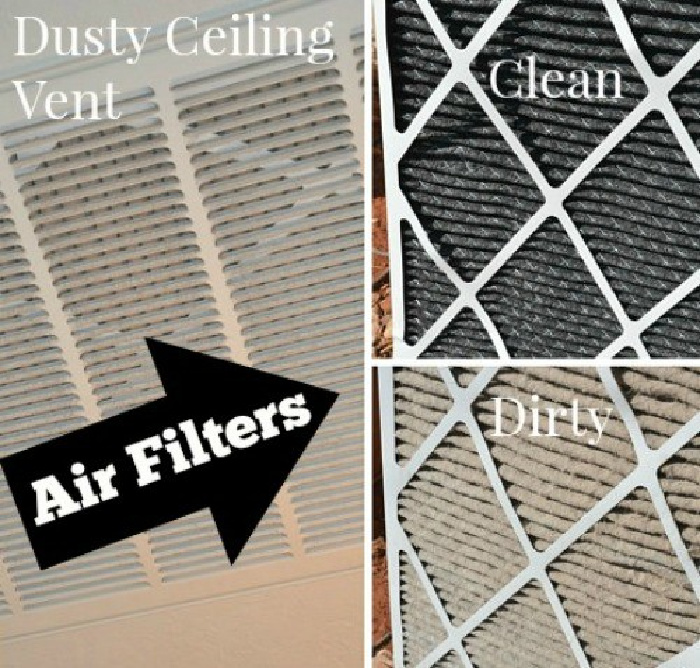
Make sure you change out your A/C and furnace filters. My neighbor in Southern Utah called me and said her A/C wasn’t working. I said, “When was the last time you changed your filters?” She had no idea. Mark and I brought a ladder over, changed the filters, and the air conditioner started working again. She was lucky; she could have had a fire.
Prepare for possible power outages. Heat waves put a heavy strain on the power grid, and outages can happen without warning. Keep a battery-powered fan, extra water, and a way to charge your phone on hand.
Build a heat emergency kit. A simple kit with extra water, electrolyte packets, a battery-powered or hand-crank fan, sunscreen, and a list of nearby cooling locations can save you valuable time if the heat becomes dangerous.
Water Storage: How Much Do You Really Need?
125 Preparedness Items You Need To Stock
Final World
This summer’s heat dome and the historic El Niño building behind it aren’t something to brush off. Taking a few simple steps now-staying hydrated, keeping your home cool, checking on vulnerable neighbors, and keeping your food storage in good shape-can help your family weather whatever the rest of this year brings.
Extreme heat can sneak up on even the most prepared families, but a little planning goes a long way. Fill your water bottles, check on your neighbors, and keep your pantry stocked with foods that store well in the heat. Staying calm and staying ready is what self-reliance is all about. May God bless this world, Linda.
Copyright Images: Heat In Summer With High Temperatures Depositphotos_481425168_S, Thermometer Depositphotos_446688500_S a Author allanwoolwine
The post Dangerous Heat Dome With El Niño Brewing appeared first on Food Storage Moms.
from Food Storage Moms
No comments:
Post a Comment