In this guide, we’ll break down 10 tips for cooking from scratch, explained in detail and written for real-life busy schedules, limited budgets, and everyday families.
Cooking from scratch is more than a trend; it’s a powerful life skill that saves money, improves health, and builds confidence in the kitchen. Whether you’re trying to cut grocery costs, avoid ultra-processed foods, or become more self-reliant, learning how to cook from scratch is one of the most valuable skills you can master.
Kitchen Items You Need
- Slow Cooker
- Soup Pot
- Rice Cooker
- Danish Whisk
- Can Openers, Hand Crank, and Electric
- Mixing Bowls
- BreadMaker
- Dicorain Food Sealer
- Frying Pan
I have the instructions listed after tip #10 below for making a Roux. If you can make a Roux, your meal possibilities will expand a lot. You can make so many things with a Roux. Here are a few ways I use my Rouxs:
Why Cooking From Scratch Matters More Than Ever
With rising food prices, ingredient shortages, and growing concerns about additives and preservatives, more people are returning to homemade meals. Cooking from scratch allows you to:
- Control ingredients and portion sizes
- Reduce food waste
- Stretch your grocery budget
- Improve nutrition
- Build kitchen confidence
- Create meals your family actually enjoys
Let’s dive into the essential skills every home cook should know.
1. How to Read Recipes Properly Before You Start
One of the biggest mistakes beginners make is jumping into a recipe without reading it fully.
Why this matters:
Many recipes require prep steps, resting time, or ingredients that need to be added at specific stages. Missing these details can ruin the final dish.
What to do instead:
- Read the recipe from start to finish
- Check prep time vs cook time
- Look for phrases like “divided,” “room temperature,” or “set aside.”
- Prepare all ingredients before turning on the stove
This single habit prevents stress, mistakes, and wasted food.
2. How to Build Simple Meals From Basic Ingredients
Cooking from scratch doesn’t mean fancy meals — it means starting with whole ingredients.
Core scratch cooking ingredients include:
- Flour, sugar, salt
- Eggs
- Rice, pasta, potatoes
- Dried or canned beans
- Fresh or frozen vegetables
- Basic oils and fats
Once you understand how these staples work together, you can create hundreds of meals without a recipe.
Example:
Chicken + vegetables + seasoning + starch = endless dinner options.
3. How to Prep Ingredients Like a Pro
Proper food prep saves time and makes cooking enjoyable instead of overwhelming.
Key prep skills to learn:
- Chopping onions evenly
- Mincing garlic
- Washing and storing produce correctly
- Pre-measuring spices
Batch prep tip:
Chop vegetables for several meals at once and store them in airtight containers. This makes cooking from scratch faster than ordering takeout.
4. How to Season Food Correctly
Seasoning is what separates bland food from delicious food.
Scratch cooking rule:
Season in layers, not all at once.
Must-know seasoning tips:
- Salt enhances flavor (not just “saltiness”)
- Acid (vinegar or lemon) brightens dishes
- Herbs add freshness
- Spices add warmth and depth
Taste as you cook and adjust slowly. You can always add more, but you can’t take it away.
5. How to Cook Without Relying on Boxed Mixes
Boxed mixes are convenient, but they often contain preservatives, excess sodium, and fillers.
Scratch alternatives you should know:
- Homemade pancake batter
- Simple bread dough
- DIY seasoning blends
- Basic sauces like gravy, white sauce, and tomato sauce
Once you learn these basics, boxed mixes become unnecessary and expensive.
6. How to Make Simple Sauces From Scratch
Sauces are the backbone of scratch cooking.
Essential sauces to master:
- Pan sauce
- Basic tomato sauce
- Cream or white sauce
- Simple vinaigrette
Learning sauces allows you to transform plain ingredients into restaurant-quality meals using what you already have on hand.
7. How to Cook Proteins Properly
Overcooked protein is one of the biggest frustrations for new cooks.
Scratch cooking protein tips:
- Let meat rest before and after cooking
- Don’t overcrowd the pan
- Use medium heat more often than high heat
- Learn visual doneness cues, not just time
Properly cooked proteins mean tender chicken, juicy burgers, and flavorful meals every time.
8. How to Use Leftovers Creatively
Cooking from scratch saves money, but only if food doesn’t go to waste.
Leftover transformation ideas:
- Roast chicken → soup, casseroles, sandwiches
- Cooked vegetables → omelets or stir-fries
- Rice → fried rice or rice bowls
Thinking in terms of “ingredient reuse” rather than “leftovers” changes everything.
9. How to Stock a Scratch-Cooking Pantry
A well-stocked pantry makes cooking from scratch easy, even on busy nights.
Essential pantry items:
- Flour, sugar, baking powder, baking soda
- Rice, pasta, oats
- Canned tomatoes and beans
- Oils and vinegars
- Spices and dried herbs
When your pantry is ready, meals come together quickly without extra grocery trips.
10. How to Build Confidence Cooking Without Recipes
The ultimate scratch cooking skill is cooking without strict instructions.
How to get there:
- Start with simple meals
- Repeat recipes until comfortable
- Pay attention to smell, texture, and color
- Trust your instincts
Confidence grows with practice, not perfection.
Common Mistakes When Learning to Cook From Scratch
Avoid these beginner pitfalls:
- Trying overly complicated recipes too soon
- Skipping prep steps
- Not tasting while cooking
- Expecting perfection immediately
Scratch cooking is a journey; every meal teaches you something.
How to Make a Roux (The Complete Beginner’s Guide)
Learning how to make a roux is one of the most important skills in cooking from scratch. A roux is the foundation for countless classic dishes, from creamy gravies to rich soups and hearty sauces. Once you master it, you unlock a whole new level of confidence in the kitchen.
This guide will walk you through what a roux is, why it matters, the different types of roux, and exactly how to make one step by step, with tips to avoid common mistakes.
What Is a Roux?
A roux is a simple mixture of fat and flour cooked together and used to thicken sauces, soups, and gravies. Despite its simplicity, the technique behind it creates smooth, flavorful results rather than lumps or a raw-flour taste.
Basic Roux Ratio:
- Equal parts fat and flour (by weight or volume)
Common fats include:
- Butter
- Oil
- Bacon fat
- Lard
Why a Roux Is Important in Cooking
A roux does more than just thicken food.
A roux helps:
- Create smooth gravies and sauces
- Prevent lumps in soups
- Add depth and richness
- Improve texture and mouthfeel
Without a roux, many classic comfort foods simply wouldn’t exist.
Types of Roux (And When to Use Them)
The color of a roux determines both flavor and thickening power. The longer it cooks, the darker it becomes.
White Roux
- Cooked briefly (1–2 minutes)
- Mild flavor
- Strong thickening power
Best used for:
- White sauces
- Cream soups
- Sausage gravy
Blond Roux
- Light golden color
- Slight nutty flavor
- Medium thickening power
Best used for:
- Chicken gravy
- Turkey gravy
- Cream-based sauces
Brown Roux
- Medium brown color
- Rich, toasted flavor
- Less thickening power
Best used for:
- Beef gravies
- Stews
- Gumbo bases
Dark Roux
- Deep brown, almost chocolate-colored
- Very rich, nutty flavor
- Minimal thickening power
Best used for:
- Cajun and Creole dishes
- Gumbo
- Deeply flavored sauces
How to Make a Roux Step by Step
Making a roux requires attention but not complicated tools.
Step 1: Heat the Fat
Place a heavy-bottomed pan over medium heat and add your chosen fat. Allow it to melt or heat fully, but don’t let it smoke.
Step 2: Add the Flour
Sprinkle in an equal amount of flour while stirring continuously.
Important:
Stir immediately to prevent clumping.
Step 3: Stir Constantly
Use a whisk or wooden spoon to stir the mixture continuously. This prevents burning and ensures even cooking.
Step 4: Cook to Desired Color
- White roux: Cook just until bubbly and smooth
- Blond roux: Cook until lightly golden
- Brown roux: Cook until medium brown
- Dark roux: Cook slowly until deep brown
Never walk away, roux can burn quickly.
Step 5: Add Liquid Slowly
Once your roux reaches the desired color, slowly add warm liquid (broth or milk), whisking constantly to keep it smooth.
Best Liquids to Add to a Roux
The liquid you add determines the final dish.
Common options include:
- Milk or cream
- Chicken broth
- Beef broth
- Vegetable stock
Tip: Warm liquids combine more smoothly than cold ones.
Common Roux Mistakes to Avoid
Even experienced cooks can struggle with roux if they rush.
Burning the Roux
If it smells bitter or looks speckled, it’s burned. There’s no fixing it, start over.
Adding Liquid Too Fast
Pouring liquid too quickly can cause lumps. Add gradually while whisking.
Using High Heat
High heat increases the risk of burning. Medium heat is ideal.
Not Cooking the Flour Long Enough
Raw flour taste means the roux wasn’t cooked long enough before being added to the liquid.
Can You Make Roux Ahead of Time?
Yes! Roux can be made in advance and stored.
Storage tips:
- Refrigerate for up to 1 week
- Freeze in small portions for up to 3 months
A pre-made roux is a time-saver on busy cooking days.
How Much Roux Do You Need?
A general guideline:
- 1 tablespoon fat + 1 tablespoon flour thickens about 1 cup of liquid
Adjust based on how thick you want the final dish.
Why Every Home Cook Should Learn to Make a Roux
A roux is the backbone of scratch cooking. It teaches:
- Patience
- Heat control
- Flavor development
Once mastered, you’ll rely less on packets, mixes, and store-bought sauces.
How To Make A Roux
Ingredients
- 1 cup Butter
- 1 cup Flour
- 1/2 Gallon of Milk
Different Meal Options with Roux
- Add cooked sausage (makes sausage gravy)
- Add grated cheese and cooked macaroni to taste for Mac & Cheese
- Add Chipped beef
- Cooked broccoli for soup
- Cooked cauliflower for soup
Instructions
-
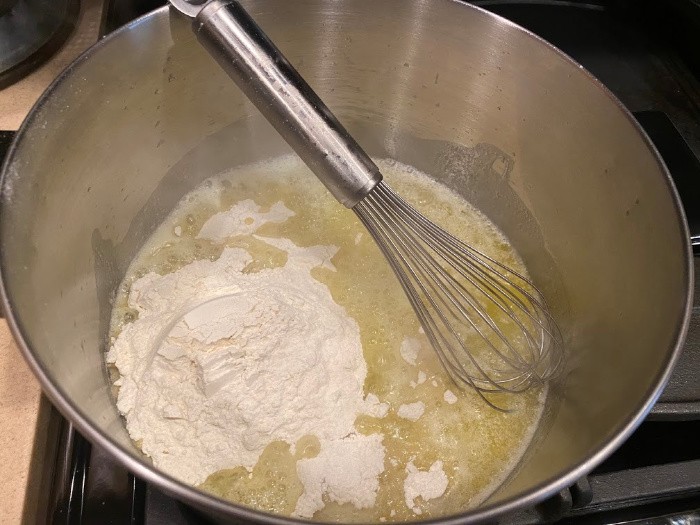
Grab a large saucepan and melt the butter, stirring constantly.
-
Add the flour and blend until smooth. This is called a Roux.
-
Add the milk slowly and stir constantly until the mixture thickens.
-
Add more milk if it's too thick.
-
Add salt and pepper to taste. Stir constantly.
-
I add a little sugar, it's just me, it tastes better.
Final Thoughts: Cooking From Scratch Is a Life Skill Worth Learning
Learning how to make a roux may seem simple, but it’s a powerful skill that transforms everyday meals into comforting, homemade classics. With just flour, fat, and a little attention, you can create gravies, sauces, and soups that taste rich, smooth, and satisfying every time.
Cooking from scratch is not about being fancy or perfect; it’s about being authentic. It’s about control, confidence, and care for your budget, your health, and your family. Start small. Master the basics. Build confidence one meal at a time. The more you cook from scratch, the easier and more rewarding it becomes. May God bless this world, Linda
The post 10 Tips For Cooking From Scratch appeared first on Food Storage Moms.
from Food Storage Moms
No comments:
Post a Comment