Storing water now is one of the most straightforward, most affordable, and most overlooked preparedness steps you can take. Below are 75 reasons, thoroughly explained, why storing water now is essential, practical, and wise.
Water is the single most critical resource for survival. While food shortages, power outages, and supply chain disruptions make headlines, water loss brings life to a halt faster than any other emergency. You can survive weeks without food, but only days without water, sometimes less.
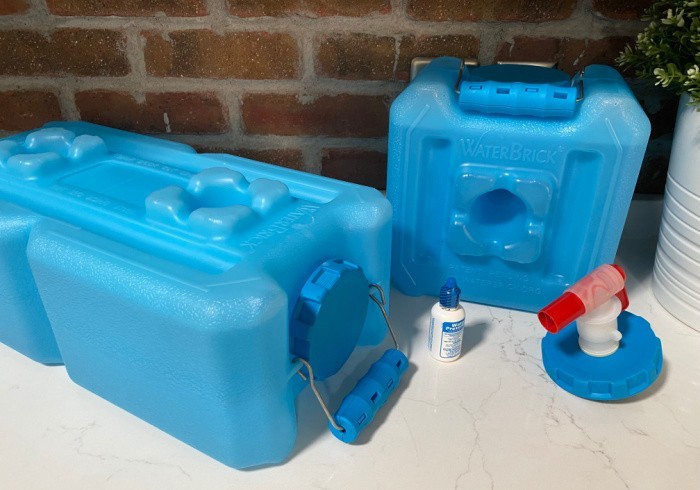
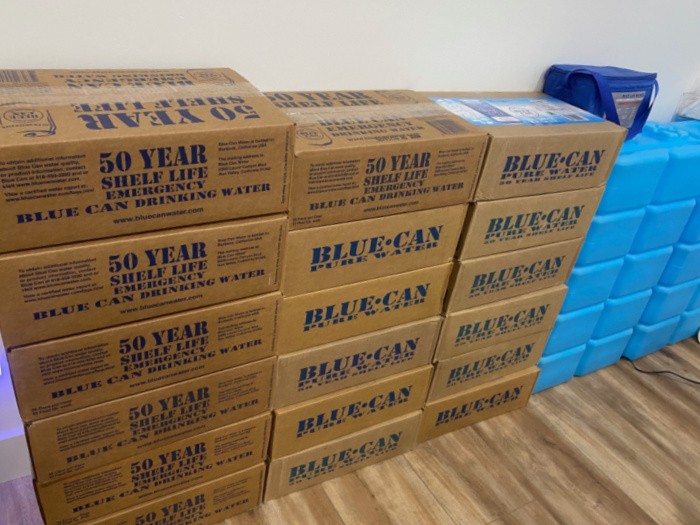
Storing water now is one of the most straightforward, most affordable, and most overlooked preparedness steps you can take. Below are 75 reasons why storing water now is essential, practical, and a wise decision. Please note that as of today, January 4, 2026, Blue Can Water is backordered worldwide. There are other brands. Prices have escalated due to shortages. Thank you for following my advice and buying this product when it was available. Hopefully, they will restock soon. Here is another brand: Aqua Emergency. WaterBricks are available for now. Water Preserver is great since you only have to rotate the stored water every 5 years.
Emergency & Disaster Preparedness
1. Natural disasters shut down water systems without warning
Earthquakes, hurricanes, floods, and wildfires can instantly damage treatment plants, pipelines, and pumping stations. Once damaged, water may be unavailable for days or weeks. Stored water ensures immediate access when systems fail.
2. Power outages disable municipal water pumps
Most water systems rely on electricity. When the power goes out, pumps often stop working, even if pipes are intact. Stored water bridges the gap until power is restored.
3. Boil-water advisories limit safe use
When contamination is suspected, authorities issue boil-water advisories. During these times, tap water may not be safe for drinking, cooking, brushing teeth, or washing dishes. Stored water keeps daily life functioning safely.
4. Flooding contaminates clean water
Floodwaters introduce sewage, chemicals, bacteria, and debris into water supplies. Even after floods recede, water may remain unsafe. Stored water protects your health during recovery.
5. Wildfires damage infrastructure
Wildfires destroy pipelines, wells, and treatment facilities while introducing ash and toxins into reservoirs. Water pressure may be diverted for firefighting, leaving homes without access.
6. Hurricanes overwhelm treatment plants
Storm surges and heavy rainfall flood treatment facilities, often forcing shutdowns. Stored water helps families stay safe and hydrated during prolonged outages.
7. Winter storms freeze pipes
Extreme cold can freeze or burst water lines, cutting the supply even when electricity remains on. Stored water prevents emergency scrambling in freezing conditions.
8. Earthquakes break underground water mains
Water pipes are especially vulnerable to seismic activity. Repairs can take weeks, leaving entire neighborhoods without running water.
9. Tornadoes destroy utilities
Tornadoes often tear through infrastructure, including water pipes and lines, and treatment facilities. Water storage ensures survival while recovery begins.
10. Droughts strain public water supplies
Extended droughts reduce reservoir levels and access to groundwater, leading to restrictions or outages. Stored water reduces dependence during shortages. Right now, over 90% of my state of Utah is rated as being in a drought condition. I’m worried about available water for personal consumption and agricultural needs this summer.
Health & Survival
11. Dehydration can occur within hours
Dehydration impacts concentration, heart rate, blood pressure, and organ function. Stored water prevents rapid health decline during emergencies.
12. Children and older adults need water more frequently
Young children and older adults are more vulnerable to dehydration. Reliable water storage ensures their safety and comfort.
13. Medications require water
Many medications must be taken with water. Without stored water, medical routines can become dangerous or impossible.
14. Clean water prevents illness
Unsafe water causes gastrointestinal infections, dehydration, and disease. Stored potable water helps prevent illness.
15. Wound care requires safe water
Cleaning cuts, burns, and injuries requires clean water. Without it, minor wounds can become life-threatening infections.
16. Heat exhaustion risk increases without water
In hot conditions, dehydration leads to heat exhaustion or heat stroke. Stored water is critical for temperature regulation.
17. Food preparation depends on water
Most foods, even shelf-stable ones, require water for preparation. Stored water ensures meals remain possible.
18. Hygiene reduces infection risk
Handwashing and general personal hygiene significantly reduce the spread of illness. Water storage maintains cleanliness when services fail.
19. Water supports immune function
Proper hydration is essential for immune response, circulation, and detoxification—especially during stressful events.
20. Pets cannot safely ration water
Animals dehydrate faster than humans. Stored water ensures pets remain healthy and calm during emergencies.
Supply Chain & Infrastructure Concerns
21. Water delivery relies on electricity
From treatment plants to pumps, electricity powers the entire system. Any disruption stops the flow of needed water.
22. Chemical shortages halt water treatment
Treatment plants rely on specific chemicals. Supply chain disruptions can prevent proper purification.
23. Aging infrastructure increases failure risk
Many water systems are decades old. Breakdowns are becoming more frequent.
24. Pipe repairs take time
Major water line repairs can take days or weeks, especially after disasters. I’ve been surprised by how many reported water main breaks have been experienced in local neighborhoods during 2025.
25. Urban systems are vulnerable
High population density means rapid depletion and delayed repairs.
26. Rural wells can run dry
Drought, pump failure, or contamination can leave rural homes without water entirely.
27. Contamination incidents happen unexpectedly
Chemical spills, algae blooms, and industrial accidents can render water unsafe instantly.
28. Emergency response may be delayed
First responders prioritize life-threatening situations. Water restoration may not be immediate.
29. Population growth strains systems
Growing populations increase demand on already stretched infrastructure.
30. Cyberattacks can disrupt utilities
Modern water systems are increasingly digital, making them vulnerable to cyber disruptions.
Financial Protection
31. Bottled water prices spike
During emergencies, water prices rise sharply.
32. Emergency deliveries are expensive
Truck deliveries cost significantly more than stored water.
33. Stored water prevents panic buying
Avoid long lines and empty shelves by preparing early.
34. Prevents last-minute spending
Prepared households avoid rushed, costly purchases.
35. Disaster pricing inflates costs
Water shortages invite price gouging.
36. Saves money long-term
Buying and storing water is far cheaper than emergency purchases.
37. Bulk storage is cost-effective
Large containers reduce per-gallon cost.
38. Reduces store dependency
You remain self-sufficient during crises.
39. Protects emergency savings
Stored water prevents unnecessary financial strain.
40. Helps fixed-income households
Preparation avoids financial hardship during emergencies.
Everyday & Short-Term Emergencies
41. Water main breaks cut supply
Common and unpredictable, main breaks can last days.
42. Plumbing failures happen at home
Burst pipes or repairs require shutoffs.
43. Renovations require shutoffs
Home projects can temporarily prevent water access.
44. Well pumps can fail
Mechanical issues with home wells leave homes without water instantly.
45. Septic systems require water
Without water, sanitation becomes dangerous.
46. Firefighting requires water access
Stored water can support emergency response.
47. Contamination notices are sudden
Immediate alternatives are necessary.
48. Seasonal maintenance disrupts service
Scheduled or unscheduled work can halt supply.
49. Construction accidents affect supply
Digging underground frequently damages water lines.
50. Emergencies don’t give notice
Preparedness eliminates scrambling.
Food Security & Cooking
51. Cooking dry goods requires water
Beans, rice, and pasta depend on hydration.
52. Dehydrated foods need rehydration
Emergency foods are useless without water.
53. Washing produce requires clean water
Food safety depends on cleanliness.
54. Canning and preserving need water
Long-term food preservation requires reliable water.
55. Baking requires water
Bread, pastry dough, and mixes need hydration.
56. Dishwashing prevents illness
Clean dishes prevent bacterial growth.
57. Coffee and tea boost morale
Comfort beverages improve mental well-being.
58. Infant formula requires safe water
Unsafe water puts infants at serious risk.
59. Food safety depends on sanitation
Water ensures safe meal prep.
60. Cooking improves morale
Warm meals provide stability during crises.
Hygiene, Sanitation & Dignity
61. Handwashing prevents disease
One of the most effective methods for disease prevention.
62. Toilets require water
Without it, sanitation becomes a health hazard.
63. Cleanliness reduces stress
Hygiene improves mental resilience.
64. Laundry prevents infections
Clean clothing protects skin health.
65. Dental hygiene requires water
Oral health impacts overall health.
66. Bathing maintains comfort
Physical comfort improves coping.
67. Menstrual hygiene requires water
Essential for dignity and health maintenance.
68. Cleaning surfaces prevents contamination
Reduces illness spread.
69. Waste management depends on water
Sanitation failures escalate quickly.
70. Dignity matters in emergencies
Preparedness preserves normalcy.
Peace of Mind & Preparedness
71. Stored water reduces anxiety
Knowing you’re prepared brings calm.
72. Confidence improves decision-making
Prepared families respond better under stress.
73. Helps family and neighbors
You can share responsibly.
74. Encourages self-reliance
Preparedness builds resilience.
75. You will never regret storing water
But you may deeply regret not doing it.
What You Need To Survive A Disaster
Recent Boil Water Events in Utah (2024–2025)
1. Escalante City — 2025
In late 2025, the town of Escalante issued a boil water order after residents reported muddy water in the system. Officials advised all residents to boil water for at least one minute before drinking, cooking, brushing teeth, etc., while crews investigated and repaired the issue. FOX 13 News Utah (KSTU)
2. Draper — mid-2025
Approximately 1,300 customers in Draper were under a boil water order earlier in 2025 after untreated water entered the drinking system via a cross-connection. The Utah Division of Drinking Water issued the order as a precaution, and it was later lifted once tests showed the water was safe. FOX 13 News Utah (KSTU)
3. Glendale — late 2025
A boil water order was issued for Glendale in November 2025 due to confirmed E. coli contamination in the public water system. Residents were advised not to drink water without boiling it first until further notice. Utah
How to Survive a Boil Water Notice
What This Means
These notices are localized (not statewide) and occur when water quality tests indicate potential contamination or infrastructure problems that could affect public health. Boil orders are issued by local utilities or the Utah Division of Drinking Water to protect residents until the water supply is confirmed safe. Utah Department of Environmental Quality
Final Word
Water storage is not fear-based—it’s responsibility-based. You don’t store water because a disaster is guaranteed. You store water because access is never guaranteed. Emergencies don’t wait for convenient timing. Storing water now is proactive, responsible, and empowering. You’re not just preparing for worst-case scenarios—you’re protecting your family’s health, comfort, and safety.
You can always use stored water later.
You can’t store water once the taps run dry.
Start today. Even a little water storage is better than none. Please don’t be one of those families we see on the news waiting in line for a case of water at your local city and county building. May God bless this world, Linda
The post 75 Reasons Why You Should Store Water Now appeared first on Food Storage Moms.
from Food Storage Moms
No comments:
Post a Comment