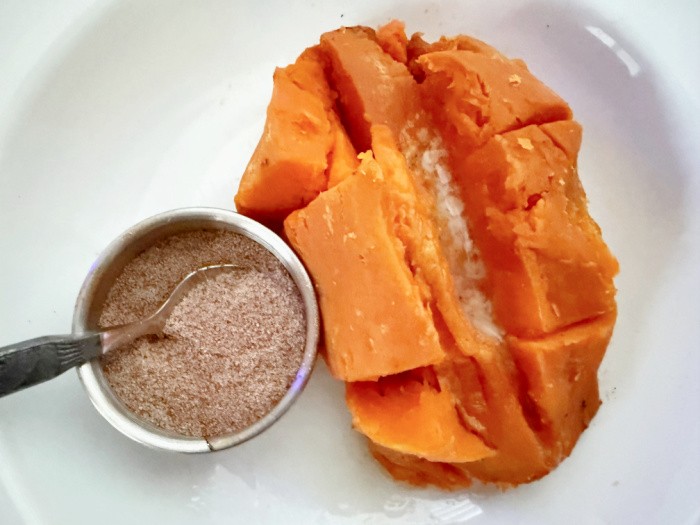
When it comes to effortless comfort food, easy slow-cooker sweet potatoes are hard to beat. Naturally sweet, tender, and incredibly versatile, sweet potatoes transform beautifully in the slow cooker with minimal hands-on effort. Whether you’re planning a holiday meal, a busy weeknight dinner, or prepping sides ahead of time, this method delivers perfectly cooked sweet potatoes every time.
Slow cooking allows sweet potatoes to soften gently, enhancing their natural sweetness while preserving moisture. No boiling, no oven space required, just set it and forget it.
Why Make Sweet Potatoes in the Slow-Cooker?
Using a slow-cooker for sweet potatoes is one of the easiest and most reliable cooking methods available. The low, steady heat cooks them evenly and prevents drying out or scorching.
Benefits of slow-cooker sweet potatoes include:
- Hands-off cooking with minimal prep
- No need to heat the oven
- Naturally tender, fluffy texture
- Ideal for meal prep and holidays
- Easy to keep warm for serving
This method works equally well for whole sweet potatoes or those prepared for mashing, casseroles, or side dishes.
Items You May Need In The Kitchen
- Slow Cooker
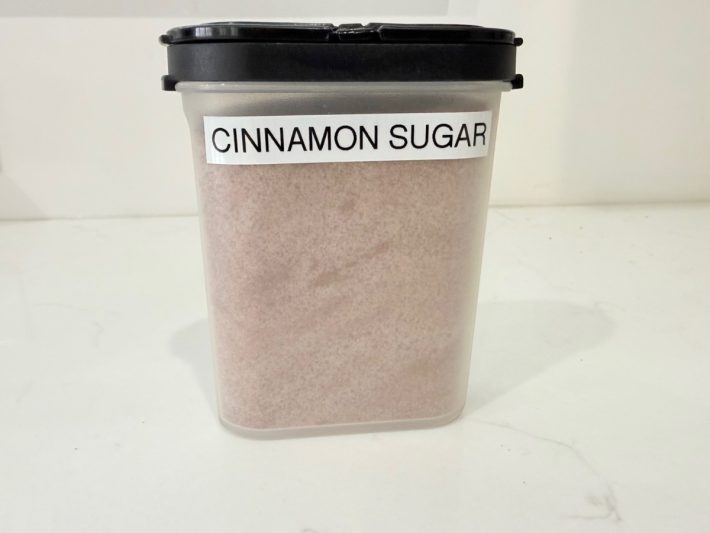
- Jar/Container for Cinnamon Sugar Mixture
- One Cup Glass Measuring Container
- Measuring Cups
Ingredients That Make It Simple
One of the best things about this dish is how few ingredients it uses.
Sweet Potatoes
The star of the dish. Choose firm sweet potatoes with smooth skin and deep orange flesh for the best flavor and texture.
Butter (Optional)
Adds richness and enhances the natural sweetness, primarily when serving as a side dish.
Brown Sugar or Honey (Optional)
Perfect if you prefer a sweeter finish, especially for holiday meals.
Cinnamon or Nutmeg (Optional)
Warm spices complement sweet potatoes beautifully without overpowering them.
Salt
A small amount balances the sweetness and brings out the natural flavor.
Flavor Variations to Try
Slow-cooker sweet potatoes can easily be customized depending on how you plan to serve them.
- Savory Style: Add butter, salt, pepper, and fresh herbs
- Sweet & Cozy: Brown sugar, cinnamon, and a touch of vanilla
- Healthy Option: Serve plain or with olive oil and sea salt
- Holiday-Inspired: Butter, maple syrup, and warm spices
They’re neutral enough to pair with both sweet and savory meals.
What to Serve With Slow Cooker Sweet Potatoes
Sweet potatoes are one of the most versatile side dishes you can make.
They pair perfectly with:
- Roast chicken or turkey
- Ham or pork dishes
- Beef roasts
- Grilled or baked fish
- Holiday spreads and potlucks
They can also be mashed, sliced, or cubed after cooking for use in other dishes.
Storage and Make-Ahead Tips
Slow-cooker sweet potatoes are ideal for prepping in advance.
Refrigerator:
Store cooked sweet potatoes in an airtight container for several days.
Freezer:
They freeze well, especially mashed. Store in freezer-safe containers for more extended storage.
Reheating:
Reheat gently in the microwave, oven, or slow cooker, adding a little moisture if needed.
Frequently Asked Questions
Do I need to add water?
Sweet potatoes release natural moisture as they cook, so added liquid is usually unnecessary.
Can I leave the skins on?
Yes. The skins soften during slow cooking and are entirely edible.
Are slow-cooker sweet potatoes healthy?
Absolutely. Sweet potatoes are rich in fiber, vitamins, and antioxidants, and slow cooking helps retain nutrients.
Vitamins in Sweet Potatoes
Vitamin A (Beta-Carotene)
Sweet potatoes are one of the richest natural sources of vitamin A, thanks to their high beta-carotene content.
Benefits:
- Supports healthy vision and eye function
- Strengthens the immune system
- Promotes healthy skin and cell growth
Just one medium sweet potato can provide well over 100% of your daily vitamin A needs, making it especially beneficial for eye and immune health.
Vitamin C
Sweet potatoes contain a moderate amount of vitamin C, an important antioxidant.
Benefits:
- Helps support immune defenses
- Aids in collagen production for skin and joints
- Supports wound healing
- Helps protect cells from oxidative stress
Cooking slightly reduces vitamin C content, but sweet potatoes remain a valuable source.
Vitamin B6 (Pyridoxine)
Vitamin B6 plays a crucial role in metabolism and brain health.
Benefits:
- Helps convert food into energy
- Supports brain development and function
- Assists in the production of neurotransmitters like serotonin
- Promotes red blood cell formation
Sweet potatoes are an easy, natural way to boost daily B6 intake.
Vitamin E
While present in smaller amounts, vitamin E contributes to antioxidant protection.
Benefits:
- Helps protect cells from damage
- Supports immune function
- Promotes skin health
When paired with healthy fats like butter or olive oil, vitamin E absorption improves.
Folate (Vitamin B9)
Sweet potatoes provide folate, which is essential for cell division and DNA formation.
Benefits:
- Supports healthy cell growth
- Important during pregnancy
- Helps with red blood cell production
Vitamin K (Small Amounts)
Sweet potatoes contain small amounts of vitamin K.
Benefits:
- Supports blood clotting
- Contributes to bone health
Why Sweet Potatoes Are a Vitamin Powerhouse
The bright orange color of sweet potatoes is a visual clue to their nutrient density—especially antioxidants and vitamin A precursors. Slow cooking, baking, or steaming helps retain many of these vitamins while enhancing natural sweetness.
Sweet potatoes are:
- Naturally nutrient-dense
- Low in fat
- High in fiber
- Rich in antioxidants
Sweet potatoes are a nutritional powerhouse, offering a wide range of vitamins that support vision, immunity, skin health, and energy production. Whether baked, slow-cooked, or mashed, they’re an easy way to add more vitamins and antioxidants to your meals, without sacrificing flavor.
Sweet Potatoes vs. Regular Potatoes: Nutritional Comparison
Both sweet potatoes and regular potatoes are nutritious, budget-friendly, and versatile. While they’re often grouped, they differ in vitamin content, antioxidants, and glycemic impact. Choosing one over the other depends on your health goals and how you plan to prepare them.
Vitamin Content
Sweet Potatoes
Sweet potatoes are especially known for their high vitamin A content, thanks to beta-carotene.
- Extremely high in Vitamin A
- Good source of Vitamin C
- Rich in Vitamin B6
- Contains Vitamin E and folate
Regular Potatoes
White potatoes shine in different areas nutritionally.
- Excellent source of Vitamin C
- High in Vitamin B6
- Provides Folate
- Contains small amounts of Vitamin K
Winner: Sweet potatoes (for vitamin A), regular potatoes (for vitamin C)
Antioxidants
Sweet Potatoes
- High in beta-carotene, a powerful antioxidant
- Orange and purple varieties offer additional antioxidant compounds
- Supports eye health and immune function
Regular Potatoes
- Contain antioxidants such as flavonoids and carotenoids
- Purple potatoes are especially rich in antioxidants
- Lower antioxidant levels compared to orange sweet potatoes
Winner: Sweet potatoes
Fiber Content
Both potatoes contain fiber, especially when eaten with the skin on.
- Sweet potatoes: slightly higher fiber per serving
- Regular potatoes: similar fiber when skin is included
Fiber supports digestion, gut health, and blood sugar balance.
Winner: Slight edge to sweet potatoes
Carbohydrates & Glycemic Index
Sweet Potatoes
- Contain complex carbohydrates
- Generally, they have a lower glycemic index than white potatoes
- It causes a slower rise in blood sugar, especially when cooked with the skin on
Regular Potatoes
- Higher glycemic index, especially when baked or mashed
- Can raise blood sugar more quickly
- Cooling after cooking can reduce glycemic impact (resistant starch)
Winner: Sweet potatoes
Mineral Content
Sweet Potatoes
- Good source of potassium
- Contains manganese and magnesium
Regular Potatoes
- Excellent source of potassium
- Higher in iron and phosphorus
Winner: Regular potatoes (for potassium and iron)
Calories & Fat
Both are natural:
- Low in fat
- Cholesterol-free
- Similar in calorie content per serving
Preparation methods (butter, oil, frying) matter more than the type of potato.
Winner: Tie
Which Is Healthier?
The answer depends on your nutritional needs:
Choose sweet potatoes if you want:
- More vitamin A
- Higher antioxidant content
- Better blood sugar control
Choose regular potatoes if you want:
- More vitamin C and potassium
- A neutral flavor for savory dishes
- Lower cost and wider availability
Slow-Cooker Sweet Potatoes & Cinnamon Sugar Recipe
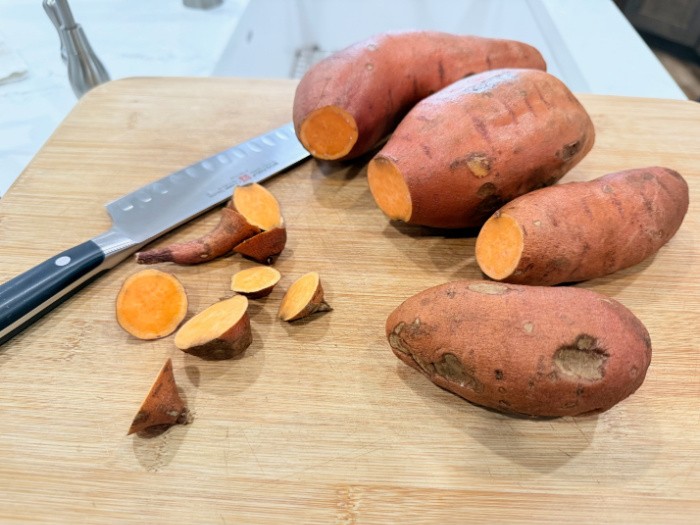
One: Wash the Potatoes/Cut Ends off
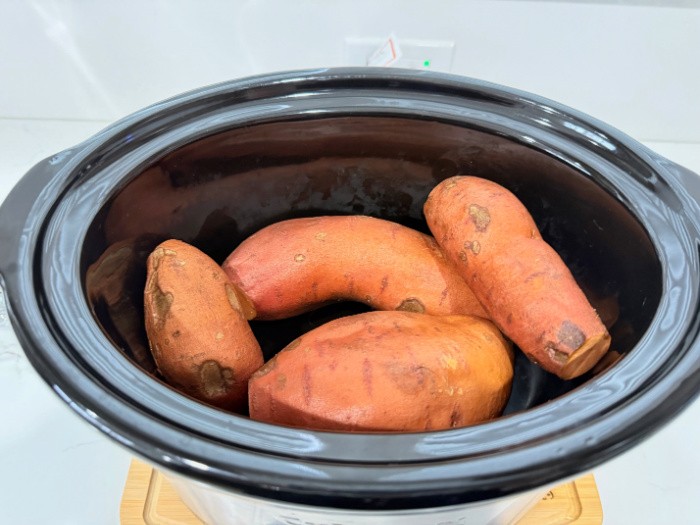
Two: Place in Slow-Cooker
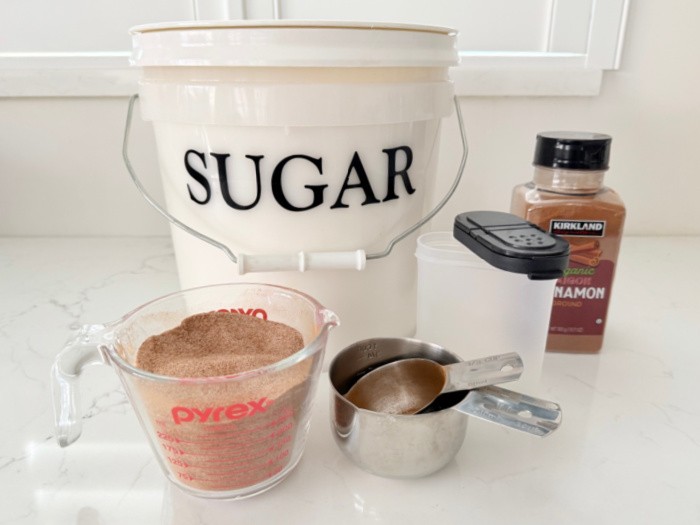
Three: Make Cinnamon Sugar, if Desired
Four: Ready To Sprinkle
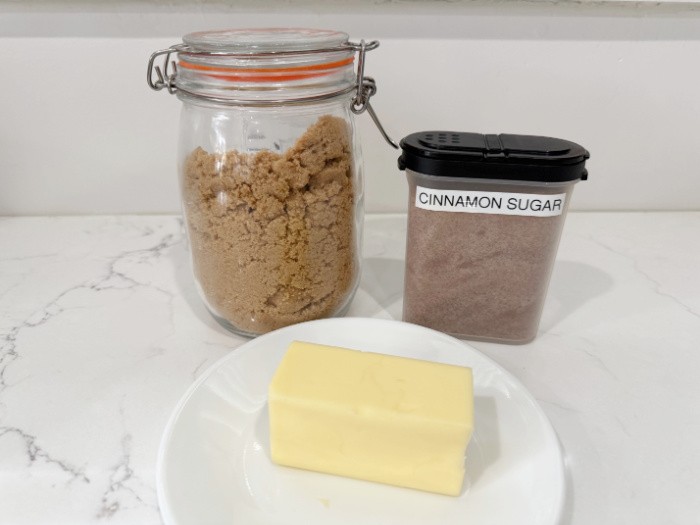
Five: My Favorite Sweet Potato Toppings
Finished Product
Slow-Cooker Sweet Pototoes
Ingredients
- 1-4 Sweet Potatoes
Toppings
- Brown Sugar
- Butter
- Cinnamon Sugar
Cinnamon Sugar Recipe
- 1/3 cup Cinnamon
- 1 cup White Granulated Sugar
- Stir the mixture thoroughly
Instructions
-
Wash the sweet potatoes and cut off the ends. You do not have to peel them. No water or foil needed.
-
You can prick the potatoes with a fork, but you really do not have to in a slow-cooker.
-
Turn the slow-cooker to low for 6-8 hours, and high for 3-4 hours or until the potatoes are cooked as desired.
Sweet Potatoes vs. Yams: What’s the Difference?
Although sweet potatoes and yams are often used interchangeably in grocery stores and recipes, they are not the same vegetable. They differ in origin, appearance, taste, texture, and nutritional profile.
What Are Sweet Potatoes?
Sweet potatoes are root vegetables from the morning glory family and are widely grown in the United States.
Characteristics:
- Smooth, thin skin (tan, orange, or reddish)
- Flesh ranges from orange to white or purple
- Naturally sweet flavor
- Soft, creamy texture when cooked
Most “yams” sold in U.S. grocery stores are actually sweet potatoes, especially orange-fleshed varieties.
What Are True Yams?
True yams are tubers from the Dioscorea family and are commonly grown in Africa, Asia, and the Caribbean.
Characteristics:
- Rough, bark-like brown skin
- White, purple, or reddish flesh
- Mild, starchy flavor (less sweet)
- Dry, firm texture when cooked
- Can grow very large (several feet long)
True yams are rarely found in typical U.S. supermarkets.
Appearance Differences
| Feature | Sweet Potatoes | Yams |
|---|---|---|
| Skin | Smooth, thin | Rough, scaly |
| Flesh | Orange, white, purple | White, purple |
| Shape | Tapered ends | Cylindrical |
| Size | Medium | Often very large |
Taste & Texture
- Sweet Potatoes: Sweet, moist, and creamy after cooking
- Yams: Neutral, starchy, and dry—similar to regular potatoes
Sweet potatoes caramelize when cooked, while yams retain their firm, earthy texture.
Nutritional Differences
Sweet Potatoes
- Extremely high in Vitamin A (beta-carotene)
- Rich in antioxidants
- Good source of fiber, vitamin C, and B6
- Naturally sweet and nutrient-dense
Yams
- Lower in vitamin A
- Higher in complex starch
- Good source of fiber and potassium
- Fewer antioxidants than orange sweet potatoes
Nutritional Winner: Sweet potatoes (especially for vitamin A and antioxidants)
Why the Confusion?
In the U.S., orange-fleshed sweet potatoes were labeled “yams” decades ago to distinguish them from white sweet potatoes. The name stuck, even though they are not true yams.
If you buy “yams” at the grocery store in the U.S., you’re almost always buying sweet potatoes.
Cooking Uses
Sweet Potatoes Are Best For:
- Baking and roasting
- Slow cooker dishes
- Casseroles and holiday sides
- Sweet and savory recipes
Yams Are Commonly Used In:
- African, Caribbean, and Latin American cuisine
- Savory stews and boiled dishes
- Sliced or mashed preparations
The Best Sweet Potato Casserole
Sweet Potatoes: Everything You Need to Know
Final Word
Easy slow-cooker sweet potatoes are the definition of simple, comforting, and reliable. With minimal ingredients and almost no effort, you get a side dish that works for everyday meals and special occasions alike.
Sweet potatoes and yams are completely different vegetables, despite the common name mix-up. Sweet potatoes are sweeter, softer, and richer in vitamin A, while true yams are starchier and more neutral in flavor. For most U.S. kitchens and recipes, sweet potatoes are what you’re actually using—and they’re a nutritional powerhouse.
Whether you serve them sweet or savory, whole or mashed, this slow cooker method delivers consistent results and frees up your time and your oven. If you’re looking for a stress-free way to prepare sweet potatoes, this is one method you’ll come back to again and again. May God bless this world, Linda
The post Easy Slow-Cooker Sweet Potatoes appeared first on Food Storage Moms.
from Food Storage Moms
No comments:
Post a Comment