In a world driven by convenience, many of the skills that once sustained families have quietly faded into the background. Yet as food prices rise, supply chains falter, and uncertainty becomes the norm, pioneer skills are making a powerful comeback. Here are 30 Pioneer Skills We Need To Know Today (And Why They Matter More Than Ever).
Pioneers didn’t survive because life was easy; they survived because they were capable, resourceful, and resilient. These skills are not about living in the past; they are about being prepared for the future.
Below are 30 essential pioneer skills that every household can benefit from learning today.
Why Pioneer Skills Matter Now
Modern life has taught us to rely heavily on systems we don’t control, such as grocery stores, municipal electricity, and fuel stations, as well as the constant availability of these services. Pioneer skills restore balance by teaching us how to:
- Provide for ourselves
- Reduce dependence on fragile systems
- Save money
- Build confidence and resilience
- Strengthen families and communities
Learning even a few of these skills can dramatically improve household preparedness.
1. Cooking From Scratch
Pioneers cooked every meal from raw ingredients. Knowing how to cook from scratch allows you to feed your family without relying on boxed or processed foods. This skill makes meals healthier, cheaper, and possibly even during shortages.
2. Baking Bread
Bread baking was a daily task, not a special occasion. Understanding yeast, sourdough, and basic dough techniques enables you to transform simple pantry staples into filling, comforting food that stretches your supplies. How To Make A Sourdough Starter + Bread.
3. Food Preservation
Without refrigeration, pioneers relied on canning, drying, fermenting, salting, and smoking to survive winters. Food preservation prevents waste, saves money, and ensures year-round food security.
4. Gardening
Gardening wasn’t optional; it was survival. Even a small garden can provide vegetables, herbs, and medicinal plants. Gardening teaches patience, planning, and respect for the food we eat. We all love that first red tomato or strawberry when we see them, right?
5. Seed Saving
Pioneers saved seeds from the strongest plants to guarantee future harvests. Seed saving reduces dependence on seed companies and preserves hardy, locally adapted varieties. Heirloom seeds passed on through generations produce strong, healthy, and tasty food products we’ve all grown to appreciate.
6. Water Storage and Purification
Clean water is life. Pioneers carefully stored water and knew how to purify it by boiling and filtering. This skill is essential during emergencies, power outages, or natural disasters. Sometimes I feel like I am talking too much about storing water, and then I see or hear that water has become unsafe or unavailable somewhere in the US.
My friend, Chris, in New York, recently told me her subdivision was without water for 48 hours due to a water main break (common in frigid weather). It was interesting because the subdivision isn’t that old. Luckily, she and her family had water. We never know when we won’t be able to just turn on that water faucet, right?
I highly recommend keeping up on your laundry; I’m sure most of you do. But it makes us aware of what others are dealing with. I highly recommend these Rinse Free Shower Wipes.
7. Animal Husbandry Basics
Raising chickens, goats, or rabbits provided steady sources of eggs, milk, and meat. Understanding basic animal care builds food independence and valuable skills for long-term self-reliance.
8. Hunting and Fishing
Hunting and fishing supplemented diets when crops failed. These skills teach patience, responsibility, and respect for nature while providing protein when grocery access is limited. Besides, they provide fun family activities that we all can enjoy.
9. Foraging
Pioneers recognized edible plants, berries, and roots. Learning basic foraging skills can supplement your food supply and increase your awareness of the natural world around you.
10. Fire Building
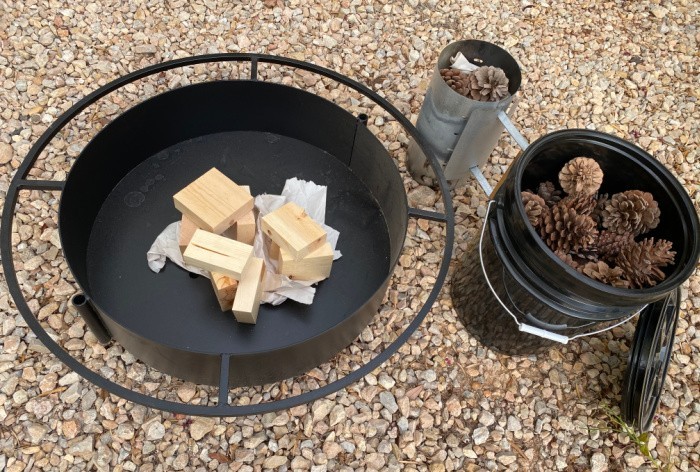
Fire provided warmth, light, and the ability to cook food. Knowing how to build and maintain a fire without modern tools remains critical during emergencies. How To Start A Fire In A Fire Pit. Another great tool, Fire Chimney Starter.
11. Soap Making
Soap was made from fats and lye and used for everything from laundry to bathing. Learning to make simple soap options ensures hygiene when commercial products are unavailable.
12. Sewing and Mending
Clothing was expensive and carefully maintained. Sewing and mending extend the life of garments and reduce the need for constant replacement. It’s interesting, I’ve sewn things my entire life, once my feet could reach the sewing machine pedal. Now, I have granddaughters who love to sew, and it makes me so happy! As my girls were growing up, I made the majority of their school, play, and sleeping clothes. What a blessing it was to our family, and I loved and took pride in those clothes.
13. Knitting and Crocheting
Handmade socks, blankets, and hats kept families warm. These skills turn inexpensive yarn into essential items and provide warmth during cold seasons.
14. Woodworking
Pioneers built furniture, tools, and storage from raw materials. Basic woodworking skills allow you to repair and create functional household items. DIY projects build morale and make us more self-sufficient while saving money without having to call in the “professionals.”
15. Tool Repair and Maintenance
Tools were sharpened, oiled, and repaired instead of replaced. This mindset saves money and ensures equipment stays usable when replacements aren’t available.
16. Candle Making
Candles provided light after sunset. Knowing how to make candles ensures reliable lighting during power outages and emergencies.
17. Herbal Remedies
Before modern medicine, pioneers relied on plants for basic healing. While not a replacement for medical care, herbal knowledge supports the treatment of minor ailments and self-care.
18. Basic First Aid
Injuries were handled at home. Knowing how to clean wounds, treat burns, and recognize infection can save lives when help is delayed.
19. Cleaning Without Chemicals
Pioneers cleaned with vinegar, boiling water, baking soda, and sunlight. These methods are effective, affordable, and safe when store-bought cleaners are unavailable.
20. Bartering and Trading
Money wasn’t always useful. Skills, food, and labor were exchanged instead. Bartering builds community resilience and reduces reliance on cash systems.
21. Map Reading and Navigation
Without GPS, pioneers relied on maps, landmarks, and the stars. Navigation skills are invaluable during travel disruptions or technology failures.
22. Weather Reading
Cloud formations, wind shifts, and animal behavior warned pioneers of storms. Understanding weather patterns helps protect crops, livestock, and families.
23. Fence Building and Repair
Fences protected crops and animals from predators. Learning basic fencing ensures food security and property protection.
24. Meal Stretching
Large families survived on limited supplies. Soups, stews, casseroles, and one-pot meals turned small amounts of food into filling meals.
25. Waste-Nothing Mindset
Seldom was anything still usable thrown away. Scraps became broth or compost, fabric became quilts, and leftovers fed animals. This mindset reduces waste and increases preparedness.
26. Building Community
Pioneers relied on neighbors for survival. Community provided labor, support, and shared knowledge; something still vital today.
27. Time Management Without Technology
Daily routines kept households running efficiently. Without reminders or devices, pioneers relied on discipline and planning.
28. Teaching Children Practical Skills
Children learned responsibility early. Teaching practical skills ensures knowledge is passed down and preserved for future generations.
29. Emotional Resilience
Pioneer life was difficult and uncertain. Mental toughness, patience, and faith helped families endure hardship; these qualities are still needed today.
30. Adaptability
Conditions changed constantly. Those who adapted survived. Flexibility remains the most important survival skill of all.
Duct Tape: Why You Need to Store It
10 Important Pioneer Skills That We Need
Final Word
Pioneer skills are not about rejecting modern life; they are about having options. Every skill learned reduces dependence, increases confidence, and strengthens your household against uncertainty. You don’t need to learn everything at once. Start small. Pick one skill. Practice it. Teach it to someone else. That’s how resilience is built; one skill at a time. May God bless this world, Linda
The post 30 Pioneer Skills We Need To Know Today appeared first on Food Storage Moms.
from Food Storage Moms
No comments:
Post a Comment