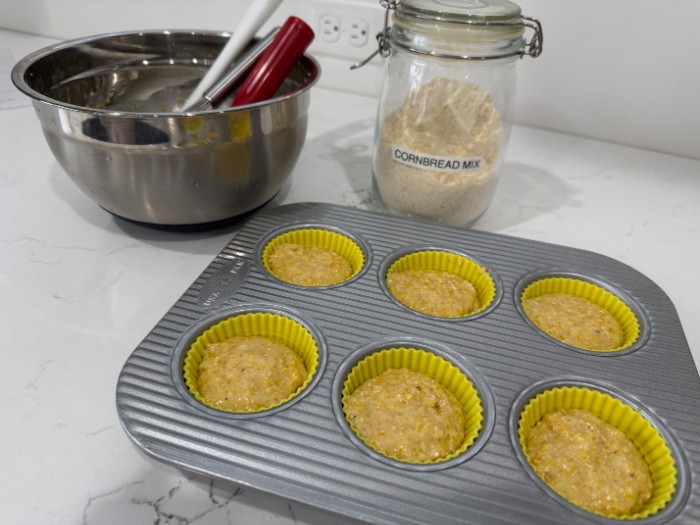
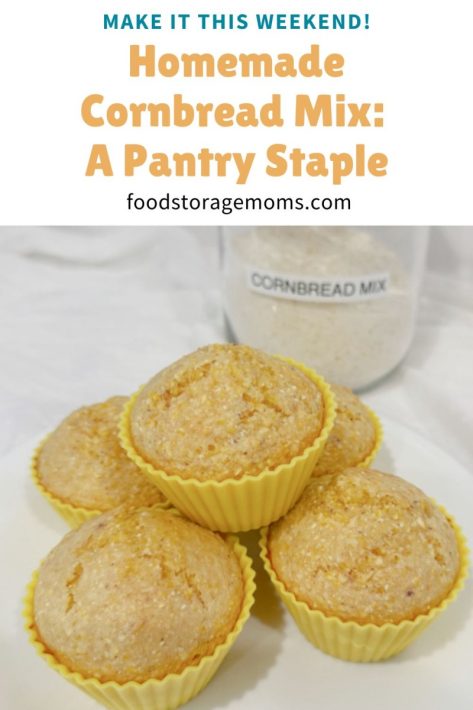
Homemade cornbread mix is one of those old-fashioned kitchen essentials that quietly saves time, money, and stress. Whether you’re feeding a busy family, cooking from scratch more often, or building a dependable pantry, having a ready-to-use cornbread mix on hand makes comfort food effortless. Thank you, Janet, for sharing this recipe.
Unlike store-bought mixes, a homemade cornbread mix gives you full control over ingredients, flavor, and freshness, without preservatives, artificial colors, or unnecessary additives. It’s also incredibly versatile and shelf-stable, making it a smart choice for everyday cooking and long-term food storage.
Kitchen Items You May Need
- Muffin Pan
- 8-Inch Cast Iron Pan
- Whisk
- Mixing Bowl
- Measuring Cups and Spoons
- Airtight Jar
- Muffin Scoop
- Silicone Muffin Holders
Why Make Homemade Cornbread Mix?
Cornbread has been a staple in American kitchens for generations, especially in rural and pioneer households where simple, filling foods mattered most. Creating your own cornbread mix continues that tradition while offering modern benefits.
Benefits of Homemade Cornbread Mix
- Saves time on busy days
- More affordable than boxed mixes
- No preservatives or fillers
- Customizable sweetness and texture
- Ideal for meal planning and food storage
- Perfect for emergency preparedness and homesteading
By pre-mixing dry ingredients, you eliminate the need to measure everything each time you want cornbread, muffins, or skillet bread.
In-Depth Look at Cornbread Mix Ingredients
Each ingredient in a homemade cornbread mix plays a specific role in flavor, texture, and structure.
Ready To Make Cornbread Mixture
Yellow Cornmeal
Yellow cornmeal is the heart of cornbread. It provides:
- Classic corn flavor
- Slight natural sweetness
- A tender but hearty crumb
- Important minerals like iron and magnesium
Stone-ground cornmeal offers a deeper flavor, while finely ground cornmeal creates a smoother texture.
Flour
Flour balances the cornmeal and helps give cornbread structure. It:
- Softens the crumb
- Prevents cornbread from being too dense
- Creates a more cake-like texture, if desired
Using all-purpose flour keeps the mix versatile for a variety of uses.
Sugar
Sugar adds just enough sweetness to enhance the corn flavor. It:
- Balances savory dishes like chili or beans
- Encourages browning
- Improves moisture retention
The amount can be adjusted depending on whether you prefer Southern-style or slightly sweet cornbread.
Salt
Salt is essential for:
- Enhancing flavor
- Balancing sweetness
- Activating other ingredients
Without salt, cornbread tastes flat and bland.
Dry Instant Milk
Dry instant milk is a pantry powerhouse. In cornbread mix, it:
- Adds richness without refrigeration
- Improves browning
- Enhances flavor
- Extends shelf life when stored properly
It’s especially valuable for long-term storage and emergency cooking. Please note* Janet used non-instant dry milk powder. I only stock dry Instant milk, and it worked.
Baking Powder
Baking powder is the leavening agent that helps cornbread rise. It:
- Creates a light, fluffy texture
- Prevents dense, heavy bread
- Works quickly once liquids are added
Always check freshness to ensure proper lift.
Oil
Oil contributes moisture and tenderness. It:
- Keeps cornbread soft
- Prevents dryness
- Helps with even baking
Including oil in a mix makes it quicker to prepare when time is short.
Eggs
Eggs provide structure and richness. They:
- Bind ingredients together
- Add protein
- Improve texture and crumb stability
Eggs can often be substituted if needed, making the mix adaptable.
Water
Water activates the mix and:
- Hydrates dry ingredients
- Triggers leavening
- Creates the final batter consistency
Using water instead of milk keeps the mix flexible and shelf-stable.
How Homemade Cornbread Mix Is Used
This mix isn’t just for traditional cornbread. It can be used to create:
- Corn muffins
- Skillet cornbread
- Cornbread stuffing
- Cornbread pancakes
- Topping for casseroles
- Side dishes for soups, stews, and chili
Having one mix that serves multiple purposes simplifies meal planning.
Storage and Shelf Life
Proper storage is key to keeping homemade cornbread mix fresh.
Best Storage Practices
- Store in airtight containers
- Keep in a cool, dark place
- Label with date made
- Avoid moisture exposure
- I store mine in the freezer
When stored correctly, a homemade cornbread mix can last several months, and even longer if vacuum-sealed or stored with oxygen absorbers. I store mine in the freezer, that’s how I roll.
Why Cornbread Mix Is Perfect for Preparedness
Cornbread mix checks all the boxes for smart pantry stocking:
- Shelf-stable ingredients
- Minimal preparation required
- Filling and calorie-dense
- Familiar comfort food during stressful times
- Works with limited resources
It’s a valuable addition to emergency food supplies, homesteads, and off-grid kitchens.
Homemade vs. Store-Bought Cornbread Mix
| Homemade Mix | Store-Bought Mix |
|---|---|
| No preservatives | Often contains additives |
| Customizable | Fixed flavor |
| Budget-friendly | More expensive |
| Better for storage | Shorter shelf life |
| Cleaner ingredients | Artificial ingredients |
Once you try homemade, it’s hard to go back.
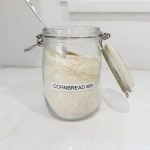
Janet’s Cornbread Muffin Mix
Ingredients
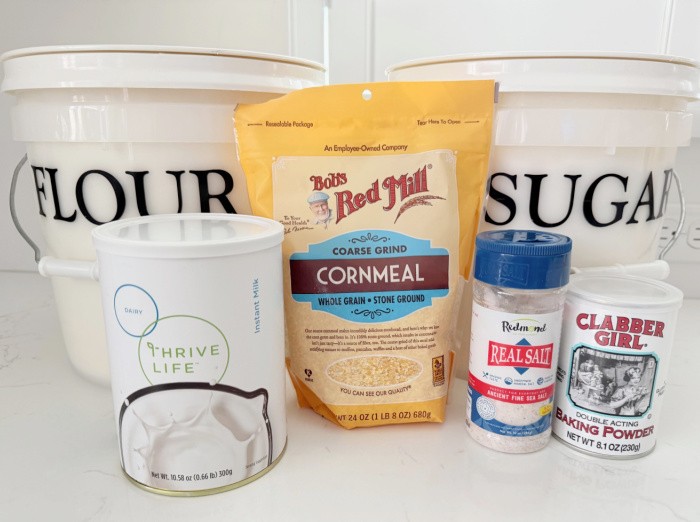
- 1 cup Yellow Cornmeal (I used Coarse)
- 1/2 cup Flour
- 3 tablespoons Sugar
- 1 scant teaspoon Salt
- 2 tablespoons Instant Dry milk (Janet used non-instant powdered milk)
- 1 scant tablespoon Baking Powder
Instructions
-
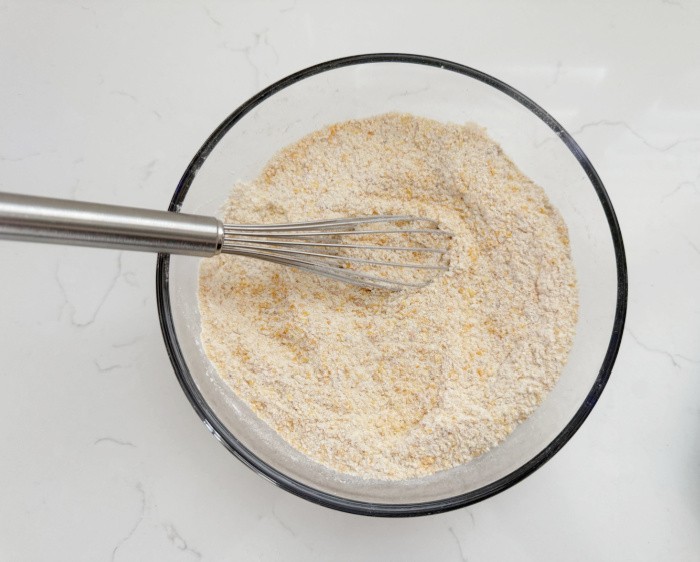
Combine all of the ingredients listed above and mix thoroughly until it's evenly distributed. Store in an airtight jar. I store mine in the freezer because of the cornmeal. This recipe makes about 1-1/2 cups of cornbread mix.
SIX CORN MUFFINS
-
Preheat oven to (400°F) = (204°C) Grease a six-muffin pan or use paper baking cups. I used some silicone ones today. Scoop 1-1/2 cups of the cornmeal mixture into a bowl and add the following: 1 Tablespoon Oil 1 Egg 1/3 Cup Water The batter will be lumpy. Let this mixture sit for 3 to 4 minutes. Then, scoop into muffin tins about 3/4 full. Bake until golden brown, about 13-16 minutes or until the middle bounces back.
CORN PANCAKES
-
1-1/2 cups cornbread mix 2 Tablespoons oil 1 Egg 1/3 Cup flour Add about 1/2 cup of water to reach the consistency of pancake batter. Cook pancakes on a greased griddle.
CAST IRON 8 INCH PAN
-
Preheat your oven to (425°F) = (218°C) DOUBLE THE RECIPE of the muffin recipe Grease an 8-inch cast-iron pan or 9-inch round cake pan. I would place the cast-iron pan in the oven to heat while you mix all the ingredients. Remove the cast-iron pan from the oven. Spread the batter evenly in the pan and bake for 20-25 minutes until golden brown.
How To Make Cornbread From Scratch
Different Types of Cornmeal Explained
Cornmeal is made from dried corn kernels that have been ground to varying textures. While it may seem simple, the type of cornmeal you choose can significantly impact flavor, texture, nutrition, and shelf life.
1. Stone-Ground Cornmeal
What it is:
Stone-ground cornmeal is produced by grinding whole dried corn kernels between large stones. The germ, bran, and endosperm remain intact.
Characteristics:
- Coarser texture
- Rich, robust corn flavor
- Slightly yellow or off-white color
- Contains natural oils from the germ
Best Uses:
- Traditional cornbread
- Skillet cornbread
- Rustic baking
- Polenta-style dishes
Pros:
- More flavorful
- Higher nutritional value
- Less processed
Cons:
- Shorter shelf life due to natural oils
- Can taste bitter if stored too long
Storage Tip:
Store stone-ground cornmeal in the refrigerator or freezer for long-term freshness.
2. Degerminated Cornmeal (Steel-Ground)
What it is:
Degerminated cornmeal has the germ and bran removed before grinding. This is the most common type found in grocery stores.
Characteristics:
- Smooth, consistent texture
- Mild corn flavor
- Pale yellow color
- Longer shelf life
Best Uses:
- Classic boxed-style cornbread
- Corn muffins
- Pancakes
- Breaded coatings
Pros:
- Shelf-stable
- Predictable baking results
- Widely available
Cons:
- Less nutrition
- Milder flavor
Why It’s Popular:
Its long shelf life makes it ideal for everyday cooking and food storage.
3. Fine-Ground Cornmeal
What it is:
Cornmeal is ground to a very fine, flour-like consistency. It may be stone-ground or degerminated.
Characteristics:
- Soft texture
- Less gritty mouthfeel
- Lighter crumb in baking
Best Uses:
- Cornbread with a cake-like texture
- Corn cakes
- Thickening soups or sauces
- Baking blends
Pros:
- Smooth texture
- Appeals to those who dislike coarse cornbread
Cons:
- Less traditional texture
- Can feel dense if overmixed
4. Medium-Ground Cornmeal
What it is:
A balance between fine and coarse grinding.
Characteristics:
- Slight texture without being gritty
- Classic cornbread crumb
- Balanced flavor and structure
Best Uses:
- Everyday cornbread
- Muffins
- Corn sticks
- Cornbread stuffing
Why It’s Versatile:
This is the most commonly recommended grind for traditional cornbread.
5. Coarse-Ground Cornmeal
What it is:
A chunky grind that produces a hearty texture.
Characteristics:
- Noticeable grit
- Chewy, rustic mouthfeel
- Strong corn presence
Best Uses:
- Skillet cornbread
- Polenta
- Grits-style dishes
- Artisan baking
Pros:
- Hearty and filling
- Excellent for savory dishes
Cons:
- Too gritty for some people
- Longer cooking time may be needed
6. White Cornmeal
What it is:
Made from white corn varieties rather than yellow.
Characteristics:
- Milder flavor
- Pale color
- Slightly sweeter taste
Best Uses:
- Southern-style cornbread
- Corn fritters
- Dumplings
Cultural Note:
White cornmeal is traditionally preferred in many Southern and Appalachian recipes.
7. Blue Cornmeal
What it is:
Ground from dried blue corn, commonly used in Native American and Southwestern cooking.
Characteristics:
- Blue-gray to purple hue
- Earthy, slightly nutty flavor
- Higher antioxidant content
Best Uses:
- Specialty cornbread
- Tortillas
- Pancakes
- Artisan baking
Pros:
- Unique flavor
- Visually striking
- Nutrient-rich
Cons:
- More expensive
- Less widely available
8. Self-Rising Cornmeal
What it is:
Cornmeal that already contains salt and leavening agents.
Characteristics:
- Convenient
- Pre-seasoned
- Limited flexibility
Best Uses:
- Quick cornbread
- Traditional Southern recipes
Important Note:
Not ideal for long-term storage or for homemade mixes, as the leavening can lose strength over time.
Choosing the Right Cornmeal
| Goal | Best Cornmeal |
|---|---|
| Long-term storage | Degerminated |
| Rich flavor | Stone-ground |
| Smooth cornbread | Fine-ground |
| Rustic texture | Coarse-ground |
| Southern recipes | White cornmeal |
| Specialty baking | Blue cornmeal |
Final Word
Cornmeal may seem like a simple ingredient, but the type you choose can completely change the outcome of your dish. Understanding the differences helps you bake better cornbread, store food longer, and cook more intentionally from scratch.
Homemade cornbread mix is more than just a convenience—it’s a practical, nourishing, and timeless pantry staple. Whether you’re cooking from scratch, preparing for emergencies, or simply wanting better control over what your family eats, this mix delivers reliability and comfort in every batch. Keeping a jar or two on hand ensures that warm, satisfying cornbread is always nearby. May God bless this year, Linda
The post Homemade Cornbread Mix-A Pantry Staple appeared first on Food Storage Moms.
from Food Storage Moms
No comments:
Post a Comment