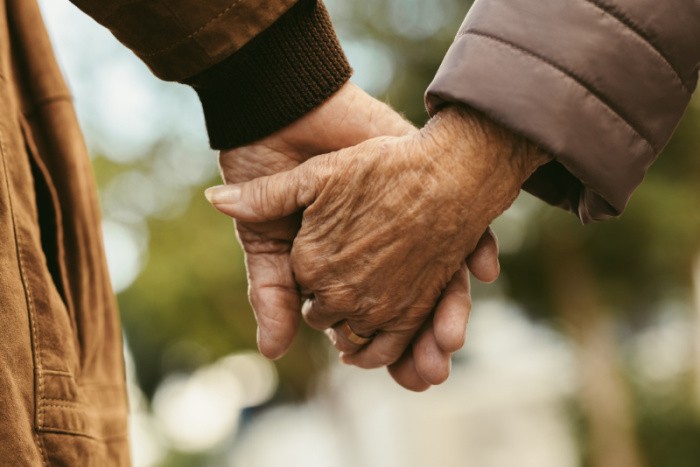
Let’s talk about the 9 major threats seniors may face after a natural disaster. Natural disasters, such as hurricanes, floods, wildfires, earthquakes, winter storms, and heatwaves, can be devastating for anyone, but seniors face unique and often overlooked risks in their aftermath. Aging bodies, chronic health conditions, mobility challenges, fixed incomes, and social isolation can quickly turn a disaster into a life-threatening situation.
Understanding these risks is the first step toward prevention, preparedness, and protection. Below are nine major threats seniors may face after a natural disaster, explained in depth, along with why awareness matters now more than ever.
Items To Stock

1. Lack of Access to Medical Care and Medications
One of the most immediate dangers seniors face after a disaster is disrupted medical care.
Many older adults rely on:
- Daily prescription medications
- Medical devices (oxygen, CPAP machines, insulin pumps)
- Regular treatments such as dialysis or physical therapy
After a disaster, pharmacies may be closed, hospitals may be overwhelmed, transportation may be unavailable, and power outages may render medical equipment unusable.
Why this is dangerous for seniors:
- Missing even a few doses of heart, blood pressure, or diabetes medication can cause serious complications.
- Oxygen-dependent seniors are at extreme risk during power outages.
- Emergency shelters may not be equipped to manage complex medical needs.
Without fast access to care, manageable health conditions can become life-threatening within days.
2. Dehydration and Malnutrition
After a disaster, food and clean water are often in short supply. Seniors are especially vulnerable to dehydration and malnutrition, even when resources appear to be available.
Contributing factors include:
- Reduced thirst sensation with age
- Difficulty chewing or swallowing certain foods
- Limited mobility makes food preparation difficult
- Disruption of special diets (low sodium, diabetic, soft foods)
Dehydration can lead to:
- Confusion
- Dizziness and falls
- Kidney problems
- Dangerous electrolyte imbalances
Malnutrition weakens the immune system and slows recovery, increasing the risk of illness and hospitalization.
3. Increased Risk of Falls and Injuries
Natural disasters often leave behind damaged homes that include debris, uneven flooring, broken stairs, and poor lighting—all of which significantly increase the risk of falls.
For seniors, falls can be catastrophic.
Why falls are especially dangerous after disasters:
- Emergency response times may be delayed
- Hospitals may be overcrowded
- Injuries like hip fractures or head trauma can lead to long-term disability or death
Even minor injuries can become serious if infection sets in or medical care is delayed.
4. Extreme Temperature Exposure
Power outages after disasters often leave seniors without heating or air conditioning for extended periods.
Temperature-related risks include:
- Heat exhaustion and heat stroke during summer disasters
- Hypothermia during winter storms
- Worsening of heart and lung conditions
Older adults regulate body temperature less efficiently, and many take medications that interfere with hydration or heat tolerance.
Without climate control, seniors may not recognize warning signs until the situation becomes critical.
5. Social Isolation and Abandonment
Disasters can sever communication lines and displace families, leaving many seniors alone and forgotten.
Isolation may occur when:
- Family members evacuate separately
- Phone and internet services are down
- Neighbors are displaced
- Caregivers are unable to reach them
Consequences of isolation include:
- Delayed medical attention
- Increased anxiety and depression
- Higher mortality rates after disasters
Seniors living alone are particularly at risk if no one checks on them regularly after a disaster.
6. Mental Health Decline and Emotional Trauma
The emotional impact of a natural disaster can be just as dangerous as the physical aftermath.
Seniors may experience:
- Acute stress reactions
- Anxiety and panic attacks
- Depression
- Worsening dementia or confusion
- Post-traumatic stress symptoms
Loss of a home, routine, independence, or a spouse can be emotionally devastating. For seniors with cognitive impairment, changes in environment and routine can lead to rapid decline.
Mental health support is often scarce after disasters, leaving seniors to cope alone.
7. Financial Exploitation and Scams
After disasters, scammers and predators often target seniors, knowing they may be vulnerable, confused, or desperate for help.
Common post-disaster scams include:
- Fake contractors demanding upfront payment
- Phony disaster relief offers
- Identity theft during aid applications
- Overpriced or unnecessary repairs
Seniors on fixed incomes can suffer devastating financial losses that may never be recovered, jeopardizing their ability to rebuild or meet basic needs.
8. Unsafe Living Conditions and Mold Exposure
Flooding and water damage often lead to mold growth, structural instability, and poor air quality.
Why is this dangerous for seniors?
- Mold can worsen asthma, COPD, and other respiratory conditions
- Weak immune systems increase infection risk
- Seniors may continue living in unsafe homes due to a lack of alternatives
Exposure to contaminated water, spoiled food, and damaged electrical systems further increases the risk of illness and injury.
9. Displacement and Loss of Independence
Many seniors are forced to leave their homes after disasters and may never return.
Displacement can lead to:
- Long stays in shelters or temporary housing
- Loss of familiar routines and support systems
- Increased dependence on others
- Permanent placement in assisted living or nursing facilities
For many older adults, loss of independence is one of the most devastating outcomes of a natural disaster, affecting both physical and emotional health.
Why Preparation and Community Support Matter
Natural disasters don’t affect everyone equally. Seniors often face greater risks with fewer resources, underscoring the importance of preparation, awareness, and community involvement.
Family members, neighbors, caregivers, and local communities can help by:
- Checking in regularly on older adults
- Helping them prepare emergency kits and evacuation plans
- Ensuring medication lists and medical information are up to date and accessible
- Advocating for senior-friendly disaster response planning
How Caregivers Can Help Seniors After a Natural Disaster: A Complete Guide
When a natural disaster strikes, caregivers play a critical role in protecting seniors from serious harm. While first responders focus on immediate rescue and infrastructure, caregivers are often the lifeline that determines whether an older adult recovers safely or faces long-term decline.
From medical needs and emotional support to safety, housing, and financial protection, this guide explains exactly how caregivers can help seniors after a disaster, with practical steps that make a real difference during the most vulnerable time.
Why Caregivers Are Essential After Disasters
Older adults often face challenges that make disaster recovery especially difficult:
- Chronic medical conditions
- Mobility and sensory limitations
- Cognitive decline or dementia
- Fixed incomes
- Social isolation
Caregivers, whether family members, neighbors, or professionals, help bridge the gap between emergency response and long-term recovery.
1. Ensure Immediate Safety and Basic Needs
The first responsibility of a caregiver is to make sure the senior is safe.
Key actions:
- Check for injuries, even if the senior says they feel fine
- Remove hazards such as debris, broken glass, or unstable furniture
- Ensure access to clean water and food
- Help them move to a safer location if their home is damaged
Seniors may minimize pain or confusion, so careful observation is critical in the first 24–72 hours.
2. Restore Access to Medications and Medical Care
Disrupted medical care is one of the most dangerous post-disaster risks for seniors.
Caregivers should:
- Inventory all required medications immediately
- Contact pharmacies, doctors, or emergency clinics for refills
- Assist with transferring prescriptions to open pharmacies
- Keep a written list of medications, dosages, and conditions
- Ensure medical devices are functioning or find alternatives
If electricity is unavailable, prioritize solutions for oxygen, refrigeration for insulin, and battery-powered medical equipment.
3. Monitor Hydration and Nutrition Closely
Seniors are highly susceptible to dehydration and malnutrition after disasters.
How caregivers can help:
- Offer water regularly, even if the senior says they aren’t thirsty
- Provide easy-to-eat, nutrient-dense foods
- Maintain special diets as closely as possible
- Watch for signs of dehydration, such as confusion, dark urine, or dizziness
Proper hydration and nutrition significantly reduce hospitalizations and speed recovery.
4. Reduce Fall and Injury Risks
Post-disaster environments are often dangerous, especially for seniors.
Caregiver safety steps:
- Clear walkways of debris and cords
- Improve lighting with flashlights or battery lamps
- Secure rugs and unstable furniture
- Encourage the use of mobility aids
- Stay nearby when seniors move around damaged areas
Preventing one fall can prevent months or years of disability.
5. Provide Emotional Support and Reassurance
Disasters are traumatic, and seniors may struggle emotionally long after physical dangers pass.
Caregivers should:
- Listen without minimizing fears or grief
- Maintain routines as much as possible
- Offer reassurance and a calm presence
- Watch for signs of depression, anxiety, or confusion
- Seek professional help if emotional distress worsens
For seniors with dementia, patience and repetition are especially important during recovery.
6. Prevent Social Isolation
Isolation increases mortality rates after disasters, particularly among older adults.
Caregivers can help by:
- Checking in frequently, even after the initial crisis
- Reconnecting seniors with family and friends
- Helping them attend community or relief gatherings
- Ensuring they aren’t left alone for extended periods
Human connection is a powerful form of medicine.
7. Protect Seniors From Scams and Financial Exploitation
Disaster zones attract scammers who often target seniors.
Caregivers should:
- Review all contracts or repair offers
- Warn seniors about upfront payment scams
- Assist with legitimate disaster relief applications
- Monitor unusual financial activity
- Encourage “no decision without help” policies
A single scam can permanently derail a senior’s recovery.
8. Assess Living Conditions and Environmental Hazards
Returning home too soon can expose seniors to serious health risks.
Caregivers should watch for:
- Mold or water damage
- Structural instability
- Electrical hazards
- Poor air quality
- Contaminated food or water
If conditions are unsafe, help arrange temporary housing with family, friends, or verified relief organizations.
9. Advocate for the Senior’s Needs
After disasters, seniors are often overlooked.
Caregivers can advocate by:
- Communicating with relief agencies on the senior’s behalf
- Ensuring accessibility in shelters
- Requesting priority assistance for medical needs
- Speaking up when services are inadequate
Strong advocacy often determines whether a senior receives timely help or falls through the cracks.
10. Help Plan for Long-Term Recovery
Disaster recovery doesn’t end after a few days—it can take months or years.
Long-term caregiver support includes:
- Helping replace lost documents
- Assisting with insurance claims
- Rebuilding routines and independence
- Updating emergency plans for the future
- Encouraging preparedness improvements
Each step strengthens resilience for future emergencies.
The Caregiver’s Role Saves Lives
Caregivers are often the difference between survival and decline for seniors after disasters. Your presence, advocacy, and attention to detail provide protection when systems are overwhelmed and resources are limited.
By staying informed, prepared, and compassionate, caregivers can help seniors not just survive disasters but also recover with dignity and hope.
Final Word
As natural disasters become more frequent and severe, it is essential to recognize the unique dangers seniors face in their aftermath. From medical disruptions to emotional trauma and financial exploitation, these threats can have lasting consequences.
Natural disasters test families, communities, and relief systems, but they also highlight the power of caregiving. Seniors need more than emergency aid; they need people who know them, care for them, and stand beside them through recovery. Caregivers are that lifeline.
By understanding these risks and taking proactive steps, families and communities can help protect seniors not just during a disaster, but long after the headlines fade. Preparedness saves lives, and for seniors, it can mean the difference between recovery and irreversible loss. May God bless this world, Linda
Copyright Images: Elderly Couple AdobeStock_216277978 By Jacob Lund
The post 9 Major Threats Seniors May Face After a Natural Disaster appeared first on Food Storage Moms.
from Food Storage Moms
No comments:
Post a Comment