These 30 tips on how to cook from scratch will help you build confidence in the kitchen;one meal at a time.Cooking from scratch isn’t about being perfect; it’s about taking control of your food, your budget, and your health. In a world filled with ultra-processed convenience foods, learning how to prepare meals using basic ingredients is one of the most valuable life skills you can develop. Whether you’re new to scratch cooking or looking to sharpen your skills, we can all use tips.
We must show our kids and grandkids, by example, how much fun it is to cook from scratch. We have all made a soup too salty or a roast that was too tough. But I call these learning curves. We learn how to “fix” it, and we can laugh about it later. Life is good.
I’ve made bread literally my entire life; my girls would watch me mix it by hand in a bowl until I could afford a Bosch mixer. I always gave them chunks of dough. You may ask why? Once you feel the texture of bread dough in your hands, you’ll love making bread forever. I promise. You just need fresh ingredients. The girls would make their creations, and we would bake them in the oven. I did the very same thing with some of my grandkids.
Kitchen Items You Need
- Slow Cooker
- Soup Pot
- Rice Cooker
- Danish Whisk
- Can Openers, Hand Crank, and Electric
- Mixing Bowls
- BreadMaker
- Dicorain Food Sealer
- Frying Pan
What Does “Cooking From Scratch” Really Mean?
Cooking from scratch means preparing meals using whole, basic ingredients instead of relying on boxed mixes, frozen meals, or pre-made sauces. You don’t need fancy tools or gourmet training; just simple ingredients, a few kitchen gadgets, and a willingness to learn.
30 Tips for Cooking From Scratch (With Recipes)
1. Start With Simple Recipes
Don’t overwhelm yourself. Begin with meals that have 5–7 ingredients.
Simple Recipe: Basic Scrambled Eggs
- Eggs
- Butter
- Salt
- Pepper
This teaches timing, heat control, and seasoning—skills you’ll use everywhere.
2. Learn How to Read a Recipe First
Always read the recipe all the way through before starting. This prevents mistakes and missed steps.
3. Keep a Well-Stocked Pantry
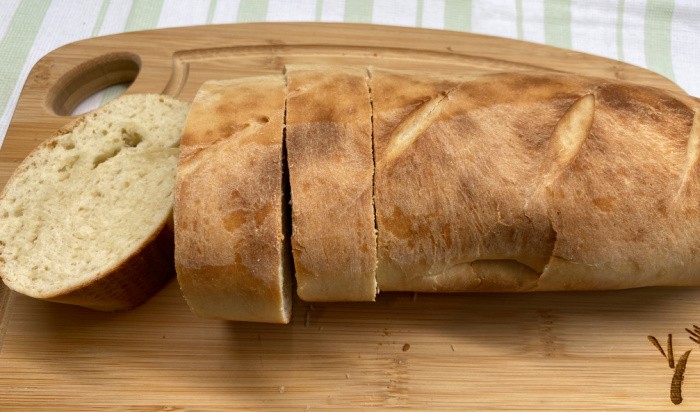
A solid pantry inventory makes scratch cooking easy. French Bread In An Hour
Pantry Staples:
- Flour
- Sugar
- Salt
- Baking powder
- Oil
- Vinegar
- Canned tomatoes
- Beans
- Rice
4. Cook One Meal at a Time
Master one recipe before moving on. Confidence builds fast this way.
5. Make Your Own Seasoning Blends
Store-bought blends are expensive and often full of fillers.
DIY All-Purpose Seasoning
- 2 tbsp salt
- 1 tbsp black pepper
- 1 tbsp paprika
- 1 tsp garlic powder
- 1 tsp onion powder
6. Learn Basic Knife Skills
You don’t need chef skills; just consistent cuts for even cooking.
7. Cook With Real Butter and Oils
Use butter, olive oil, or avocado oil instead of margarine or sprays.
8. Roast Vegetables for Easy Flavor
Roasting brings out natural sweetness.
Simple Roasted Vegetables
- Carrots, potatoes, or broccoli
- Olive oil
- Salt & pepper
Roast until golden and tender.
9. Make Homemade Soups
Soup is one of the easiest from-scratch meals.
Simple Chicken Soup
- Chicken
- Onion
- Carrots
- Celery
- Salt & pepper
10. Use Fresh Garlic and Onions
They form the flavor base of countless meals.
11. Cook Dried Beans
They’re cheaper, healthier, and taste better than canned.
Basic Cooked Beans
- Beans
- Water
- Salt (added after cooking)
12. Bake Simple Breads
You don’t need yeast to start. Easy To Make Bread For One (this has yeast)
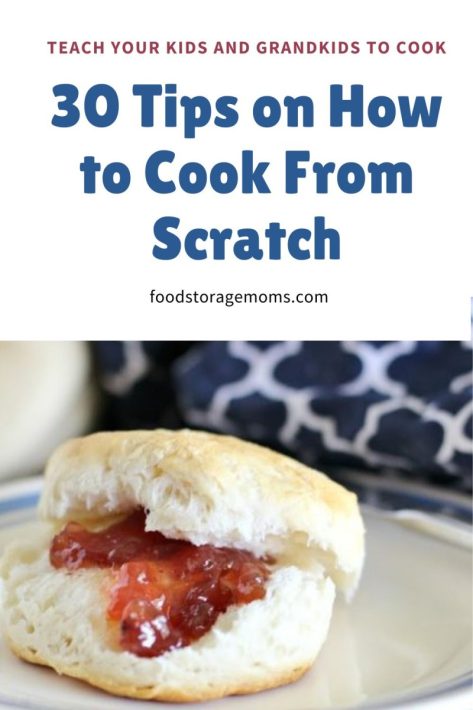
Quick Skillet Bread (Biscuits are so Easy To Make)
- Flour
- Baking powder
- Salt
- Milk
- Oil
13. Make Your Own Salad Dressings
Homemade dressing takes minutes. Linda’s Salad Dressing Mixes
Simple Vinaigrette
- Olive oil
- Vinegar
- Salt
- Pepper
14. Don’t Fear Salt
Salt enhances flavor; use it thoughtfully.
15. Cook With Seasonal Ingredients
Seasonal foods taste better because they are fresher, and they also cost less.
16. Use Leftovers Creatively
Roast chicken becomes soup, tacos, or casseroles.
17. Learn One Sauce at a Time
Sauces elevate simple meals.
Basic White Sauce
- Butter
- Flour
- Milk
- Salt & pepper
18. Make Breakfast From Scratch
Breakfast is the easiest place to start.
Simple Pancakes
- Flour
- Baking powder
- Milk
- Egg
- Butter
19. Control the Sugar
Scratch cooking helps you reduce hidden sugars.
20. Cook Once, Eat Twice
Double recipes to save time.
21. Use Cast Iron or Stainless Steel
They last forever and cook evenly.
22. Make Homemade Tomato Sauce
Skip jarred sauces when possible.
Simple Tomato Sauce
- Canned tomatoes
- Garlic
- Olive oil
- Salt
23. Learn to Taste as You Cook
Adjust seasoning slowly and intentionally.
24. Don’t Chase Perfection
Every mistake is a lesson.
25. Make Desserts Simple
From-scratch desserts don’t need to be fancy. Easy Sugar Cookies
Basic Sugar Cookies
- Butter
- Sugar
- Egg
- Flour
- Vanilla
26. Freeze Extras
Scratch cooking pairs perfectly with freezer meals.
27. Teach Kids to Cook Early
Cooking from scratch is a life skill worth passing on.
28. Avoid Overcomplicated Recipes
If it has 30 ingredients, skip it, for now.
29. Trust Your Instincts
Once you know the basics, you won’t need a recipe every time.
30. Make It a Habit, Not a Trend
Scratch cooking is a lifestyle, not a phase.
Why Cooking From Scratch Matters Now More Than Ever
Cooking from scratch:
- Saves money
- Improves health
- Reduces food waste
- Builds independence
- Preserves traditional skills
In uncertain times, knowing how to turn simple ingredients into nourishing meals is powerful.
Now More Than Ever: Why We Must Teach Our Kids to Cook
In a world where convenience foods are everywhere and real cooking skills are quietly disappearing, teaching our kids how to cook has never been more important. Cooking is not just about making meals—it’s about independence, health, confidence, and survival.
Now more than ever, our children need to know how to turn basic ingredients into nourishing food.
Cooking Is a Life Skill, Not an Optional Hobby
For generations, cooking was passed down naturally. Kids learned by watching, helping, and eventually taking over meals. Today, many children grow up without ever cracking an egg or chopping a vegetable.
When we fail to teach cooking, we leave kids dependent on:
- Processed foods
- Fast food
- Expensive takeout
- Packaged meals with long ingredient lists
Teaching kids to cook gives them self-reliance, something no drive-thru ever can.
The Health Crisis Starts in the Kitchen
Childhood obesity, diabetes, and food-related illnesses continue to rise. Much of this can be traced back to highly processed foods and sugar-filled convenience meals.
When kids learn to cook:
- They understand what goes into their food
- They eat fewer additives and preservatives
- They develop healthier habits for life
Kids who cook are far more likely to choose real food as adults.
Cooking Builds Confidence and Responsibility
Few things boost a child’s confidence like creating something with their own hands—and cooking does exactly that.
Cooking teaches:
- Responsibility
- Problem-solving
- Time management
- Patience
When a child helps make dinner, they feel capable. That confidence carries into school, relationships, and adulthood.
Teaching Cooking Saves Families Money
Food costs continue to rise, and families feel the pressure. Teaching kids to cook from scratch helps them:
- Stretch groceries
- Reduce food waste
- Rely less on takeout
- Understand budgeting and effective meal planning
A child who knows how to cook can feed themselves well without breaking the bank.
Cooking Connects Kids to Family and Tradition
Recipes carry stories. Teaching kids to cook keeps family traditions alive and creates memories that last a lifetime.
Cooking together:
- Strengthens family bonds
- Encourages conversation
- Builds shared responsibility
- Creates lasting traditions
Kids remember time spent in the kitchen long after toys are forgotten.
Basic Cooking Skills Every Child Should Learn
You don’t need to overwhelm them. Start small.
Essential Skills:
- Cracking eggs
- Measuring ingredients
- Stirring and mixing
- Making simple breakfasts
- Preparing basic soups
- Following a recipe
- Cooking times
These basics create a foundation they can build on forever.
Cooking Prepares Kids for an Uncertain Future
Life doesn’t always go as planned. Knowing how to cook means:
- Fewer dependencies
- Greater resilience
- Better preparedness in emergencies
- Confidence during hard times
When kids can cook, they can take care of themselves—no matter what the future holds.
Start Where You Are, With What You Have
You don’t need a fancy kitchen or complicated recipes. Start by:
- Letting kids help with one meal a week
- Teaching simple scratch recipes
- Cooking together without pressure
- Making mistakes and learning together
Progress matters more than perfection.
The Emotional Benefits of Teaching Kids to Cook
Cooking isn’t just practical; it’s deeply emotional.
It teaches kids:
- Patience
- Gratitude
- Creativity
- Pride in their work
A child who cooks understands effort, nourishment, and care.
Now More Than Ever, This Matters
In a fast, uncertain, convenience-driven world, cooking is an anchor. It grounds kids in reality, teaches self-sufficiency, and prepares them for adulthood better than almost any other skill. Teaching kids to cook is an investment, not just in their health, but in their future.
Final Word
Cooking from scratch doesn’t require perfection, expensive tools, or gourmet ingredients. It starts with one meal, one recipe, and one choice to do it yourself. Over time, those small choices add up to confidence, savings, and better health. Our kids don’t need more screens, apps, or shortcuts. They need skills that last. Teaching them to cook from scratch gives them confidence, independence, and the ability to nourish themselves and others. Now more than ever, let’s bring our kids back into the kitchen—one meal at a time. If you can boil water and stir with a spoon, you can cook from scratch. May God bless this world, Linda
The post 30 Tips on How to Cook From Scratch appeared first on Food Storage Moms.
from Food Storage Moms
No comments:
Post a Comment