Where does our food come from, really? Most of us don’t think twice about where our food comes from. We walk into a grocery store, fill a cart, and trust that everything on the shelves is safe, affordable, and abundant. But have you ever stopped to ask the deeper question:
Where Does Our Food Come From, Really?
What happens before it reaches our plate? The answer is far more complex than many realize. Understanding the journey of our food empowers us to make better choices for our health, our families, and our future.
Garden Items You May Need:
- Garden Gloves
- Casting Worms
The Illusion of Abundance
Modern grocery stores are designed to create a sense of endless supply. Fresh produce year-round, meats from every corner of the world, and thousands of packaged options line the shelves.
But behind that convenience lies a highly complex global food system that depends on:
- Industrial farming
- Long-distance transportation
- Chemical inputs
- Processing plants
- Corporate control
This system works; until it doesn’t.
From Farm to Fork: The Food Supply Chain Explained
1. Industrial Agriculture
Most food in the U.S. comes from large-scale industrial farms, not small family farms like it used to.
These operations focus on:
- High yields
- Monocropping (growing one crop over vast areas)
- Heavy use of fertilizers and pesticides
- Mechanized harvesting
While efficient, this model often leads to:
- Soil depletion
- Water contamination
- Loss of biodiversity
- Dependence on fossil fuels
2. Animal Agriculture and Factory Farming
The majority of meat, dairy, and eggs come from concentrated animal feeding operations (CAFOs).
Key characteristics include:
- Animals raised indoors
- Limited movement
- Grain-based diets instead of natural forage
- Routine antibiotics to prevent disease
This raises concerns about:
- Animal welfare
- Antibiotic resistance
- Nutritional quality of meat
- Environmental pollution
3. Food Processing Plants
Once harvested or slaughtered, food often travels to processing facilities where it is:
- Washed
- Cut
- Mixed
- Preserved
- Packaged
Ultra-processed foods may contain:
- Artificial flavors and colors
- Preservatives
- Added sugars
- Industrial seed oils
Many foods marketed as “healthy” are heavily processed and far removed from their original source.
4. Transportation and Distribution
Your food may travel hundreds or even thousands of miles before reaching you.
This stage relies heavily on:
- Trucks
- Trains
- Ships
- Refrigeration
The longer food travels, the more:
- Nutrients degrade
- Fuel is consumed
- Supply disruptions can occur
5. Grocery Stores and Consumers
By the time food reaches the store, it has passed through multiple hands and systems. Consumers are often disconnected from the process of how food is grown, raised, or produced. Labels can be confusing, and marketing frequently hides the true origin of food.
Who Controls the Food System?
A surprising amount of the global food supply is controlled by a small number of corporations.
These companies influence:
- Seed availability
- Farming practices
- Food pricing
- Distribution networks
This consolidation makes the system efficient, but also fragile.
Why This Matters More Than Ever
Recent years have revealed how vulnerable the food system truly is.
Disruptions can come from:
- Weather extremes
- Labor shortages
- Transportation delays
- Economic instability
- Global conflicts
When supply chains falter, store shelves empty quickly.
Local Food vs. Global Food
Benefits of Local Food:
- Shorter supply chains
- Fresher produce
- Supports local farmers
- Greater transparency of food quality
- Higher nutrient content
Challenges:
- Seasonal availability
- Higher costs in some areas
- Limited access for some communities
A balanced approach, combining local food with smart long-term storage, offers resilience.
Reconnecting With Real Food
You don’t have to overhaul your life to reconnect with your food source. Small steps make a big difference.
Simple Ways to Take Control:
- Buy from local farmers when possible
- Grow even a small garden
- Learn to cook from scratch
- Read ingredient labels carefully
- Preserve food through freezing, dehydrating, or canning
- Stock pantry staples for stability
Teaching the Next Generation
Many children grow up believing food comes from a store, not the land.
Teaching kids:
- How food grows
- How meals are prepared
- Why ingredients matter
Builds skills, confidence, and long-term health.
The Truth About Our Food System
Our modern food system is:
- Efficient, yet fragile
- Convenient, yet disconnected
- Abundant, yet vulnerable
Understanding where our food comes from isn’t about fear; it’s about awareness and preparedness. When we know better, we choose better.
Why We Must Raise Some of Our Own Food
For generations, families raised at least some of their own food. Gardens, fruit trees, chickens, and home preservation were once normal parts of everyday life. Today, many households rely almost entirely on grocery stores, and that dependence comes with risks.
Raising some of our own food is no longer just a hobby.
It is becoming a necessity.
The Food System Is More Fragile Than We’re Told
Modern food systems are efficient, but fragile.
Food today depends on:
- Long supply chains
- Fuel availability
- Labor
- Transportation
- Weather stability
- Global trade agreements
When any one of these breaks down, shelves empty quickly. We’ve seen it happen. Growing even a small portion of your own food provides insurance against uncertainty.
Food Prices Keep Rising
One of the clearest reasons to raise your own food is cost.
- Produce prices continue to increase
- Meat, eggs, and dairy are more expensive than ever
- Packaging and transportation costs are passed to consumers
A simple backyard or container garden can:
- Reduce grocery bills
- Stretch food budgets
- Provide fresh produce at a fraction of the store cost
Seeds are inexpensive. Knowledge compounds. We must teach our kids and grandkids skills.
Nutritional Value Is Higher in Home-Grown Food
Food grown at home is:
- Harvested at peak ripeness
- Not stored for weeks in transport
- Free from unnecessary preservatives
Home-grown fruits and vegetables often contain:
- Higher vitamin content
- Better mineral retention
- Superior flavor
- It is fresher
When food travels less, nutrition stays intact.
We Control What Goes Into Our Food
When you raise your own food, you decide:
- Whether pesticides are used
- What kind of fertilizer is applied
- How animals are treated and fed
- When food is harvested
This level of control is nearly impossible when relying entirely on store-bought food. Raising your own food restores transparency and trust.
Gardening Builds Real Self-Reliance
Self-reliance doesn’t mean total independence; it means capability.
When you grow food, you learn:
- How plants grow
- How seasons work
- How to problem-solve naturally
- How to adapt to change
These skills build confidence and resilience that extend far beyond the garden.
Teaching Children Where Food Comes From
Many children today believe food comes from a store, not the soil.
Growing food teaches kids:
- Responsibility
- Patience
- Gratitude
- Basic life skills
Children who grow food are more likely to:
- Try new vegetables
- Understand nutrition
- Respect the work behind every meal
This knowledge is priceless.
Even Small Spaces Can Produce Food
You don’t need acreage to grow food.
You can grow:
- Herbs on a windowsill
- Tomatoes in pots
- Lettuce in raised beds
- Strawberries in hanging baskets
- Green beans along a fence
Small steps still provide real returns.
Food Preservation Multiplies Your Efforts
When you raise food, preservation becomes a powerful tool.
Options include:
- Freezing
- Canning
- Dehydrating
- Root cellaring
- Fermenting
Preserving food extends your harvest and reduces reliance on store-bought goods year-round.
Raising Food Supports Mental and Physical Health
Gardening offers:
- Physical movement
- Stress relief
- Time outdoors
- A sense of accomplishment
There is something deeply grounding about working with the soil and feeding your family from your own efforts.
Supporting Local Food Systems Strengthens Communities
When you raise food and support local growers, you help:
- Keep small farms alive
- Reduce transportation emissions
- Build resilient local economies
A community that knows how to grow food can endure hardship.
This Is Not About Fear—It’s About Wisdom
Raising some of your own food isn’t about panic or extremes.
It’s about:
- Preparedness
- Practicality
- Stewardship
- Responsibility
Even a modest garden gives you options, and options bring peace of mind.
Why You Should Support Your Local Farmer’s Market
Please Check Out What To Plant Each Month:
- What To Plant In January
- What To Plant In February
- What To Plant In March
- What To Plant In April
- What To Plant In May
- What To Plant In June
- What To Plant In July
- What To Plant In August
- What To Plant In September
- What To Plant In October
Final Word
Food is more than fuel. It is history, labor, land, and life itself. We don’t need to grow all of our food. But we must grow some. A few plants. A small garden. A willingness to learn.
Because when you can feed yourself, even a little, you are no longer completely dependent on systems you can’t control. The more we understand the journey from soil to plate, the better equipped we are to:
- Protect our families
- Support sustainable practices
- Build resilience in uncertain times
Because knowing where your food comes from…
is the first step toward food security. May God bless this world, Linda
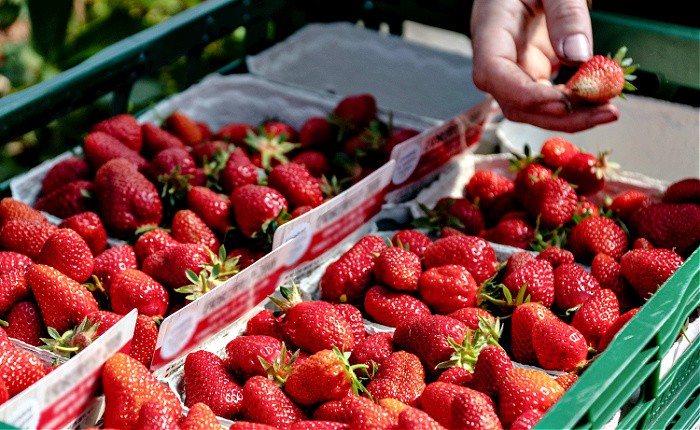
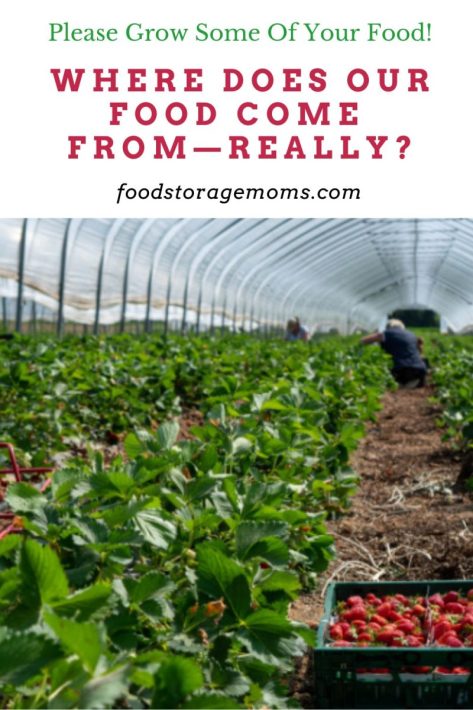
Copyright Images: Strawberries Growing AdobeStock_204557171 by Pavel, Strawberries Harvested AdobeStock_204556931 by Pavel
The post Where Does Our Food Come From, Really? appeared first on Food Storage Moms.
from Food Storage Moms
No comments:
Post a Comment