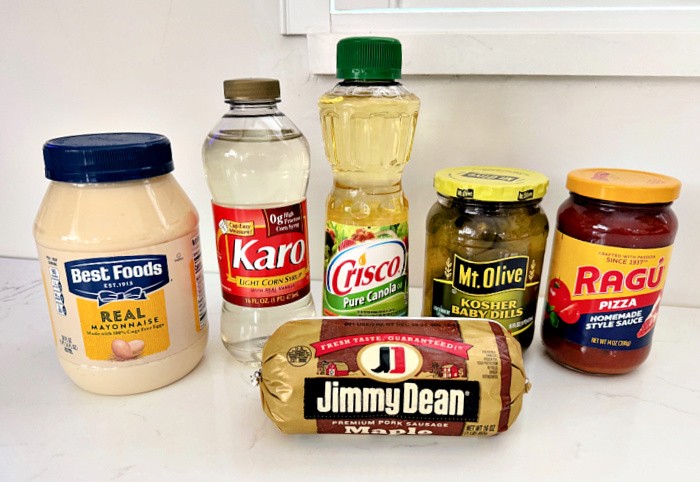
Processed food is any food that has been altered from its natural state through methods like canning, freezing, refrigerating, dehydrating, or adding preservatives, flavoring, and other chemical additives. While minimal processing, like washing, cutting, or freezing vegetables, is relatively harmless, ultra-processed foods (UPFs) are a different story entirely.
Introduction: What Is Processed Food and Why Should You Care
Ultra-processed foods are industrial formulations made mostly from substances extracted from foods (oils, fats, sugar, starch, and proteins) and additives such as artificial colors, flavors, emulsifiers, and preservatives. Think: chips, soda, packaged cookies, instant noodles, hot dogs, frozen meals, and fast food.
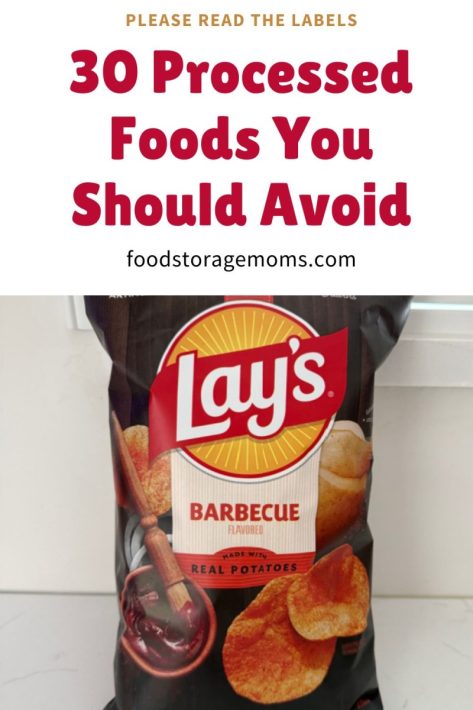
Understanding what’s in processed food and how to read food labels is one of the most powerful steps you can take for your long-term health. I confess, these are my favorite potato chips. There, I said it. They are perfect with onion dip as well.
Part 1: What’s Actually in Processed Food? Learn to Read the Label
Before diving into the 30 reasons, you need to know what you’re looking for and avoid for your long term health. Here’s what to watch out for on ingredient labels:
Hidden Sugars — Over 60 Names
Sugar hides under dozens of names on ingredient labels. Common ones include:
- High fructose corn syrup (HFCS)
- Cane juice / evaporated cane juice
- Dextrose, maltose, fructose, sucrose
- Maltodextrin
- Corn syrup solids
- Barley malt syrup
- Fruit juice concentrate
Label tip: Ingredients are listed in order by weight. If sugar (by any name) appears in the first three ingredients, the product is high in sugar.
Unhealthy Fats to Watch For
- Partially hydrogenated oils: a source of trans fats, strongly linked to heart disease
- Interesterified fats: a newer trans fat replacement that may raise blood sugar
- Palm oil/palm kernel oil: high in saturated fat
- Cottonseed oil, soybean oil, canola oil: often highly refined and oxidized
Label tip: Even if a label says “0g trans fat,” it can legally contain up to 0.5g per serving. Check for “partially hydrogenated” in the ingredient list.
Artificial Additives: The Alphabet Soup
| Additive | What It Is | Found In |
|---|---|---|
| MSG (E621) | Flavor enhancer | Chips, soups, fast food |
| BHA / BHT (E320/E321) | Synthetic preservatives | Cereals, crackers, oils |
| Sodium nitrite (E250) | Preservative & color fixative | Deli meats, hot dogs, bacon |
| Carrageenan (E407) | Thickener | Dairy alternatives, deli meat |
| TBHQ | Antioxidant preservative | Fast food, crackers |
| Artificial colors (Red 40, Yellow 5, Blue 1) | Dyes | Candy, drinks, cereals |
| Potassium bromate | Flour improver | Bread, baked goods |
| Propyl gallate | Preservative | Meat products, frying oils |
Sodium Overload
Many processed foods are extremely high in sodium. The American Heart Association recommends no more than 2,300 mg of sodium per day, yet a single serving of canned soup can contain 900–1,200 mg.
Label tip: Look at the % Daily Value (%DV) for sodium. 5% or less is low; 20% or more is high.
Refined Grains and Starches
Whole grains have been stripped of fiber and nutrients to become white flour, white rice, or cornstarch. These are rapidly digested and spike blood sugar.
Label tip: “Enriched flour” means nutrients were removed, and a few synthetic vitamins were added back; it’s not the same as whole-grain flour. Look for “100% whole wheat” or “whole grain” as the first ingredient.
Part 2: 30 Reasons to Avoid Processed Food
1: It Spikes Your Blood Sugar
Ultra-processed foods are loaded with refined carbohydrates and added sugars that rapidly spike blood glucose. Over time, repeated blood sugar spikes contribute to insulin resistance and type 2 diabetes.
2: It’s Engineered to Be Addictive
Food scientists design processed foods to hit the “bliss point”, the perfect combination of sugar, fat, and salt that overrides your brain’s natural satiety signals. This activates dopamine pathways, similar to those activated by addictive substances.
3: It Causes Chronic Inflammation
Refined oils, trans fats, and artificial additives promote systemic inflammation — the root cause of heart disease, cancer, arthritis, and Alzheimer’s disease.
4: It’s Nutritionally Empty
Processing destroys naturally occurring vitamins, minerals, antioxidants, and phytonutrients. What’s added back is a poor substitute for what nature provided.
5: It’s Loaded With Hidden Sodium
Excess sodium raises blood pressure, strains your kidneys, and dramatically increases the risk of stroke and heart disease. Most Americans consume nearly twice the recommended daily sodium intake, largely from processed foods.
6: It Damages Your Gut Microbiome
Artificial sweeteners, emulsifiers, and preservatives like carrageenan and polysorbate 80 disrupt the gut microbiome, the community of beneficial bacteria essential for immunity, mood, and metabolism.
7: It Contains Harmful Preservatives
Chemicals like BHA, BHT, and TBHQ are used to extend the shelf life of food products, but are classified as possible carcinogens. BHA is listed as “reasonably anticipated to be a human carcinogen” by the U.S. National Toxicology Program.
8: Artificial Colors Are Linked to Behavioral Problems in Children
Dyes like Red 40, Yellow 5, and Yellow 6 have been linked to hyperactivity and ADHD symptoms in children. The European Union requires warning labels on foods containing these dyes.
9: It Promotes Obesity
Ultra-processed foods are calorie-dense but not filling. They bypass the hormonal signals (leptin and ghrelin) that signal to your brain that you’re full, leading to chronic overconsumption and weight gain.
10: It Increases Your Risk of Heart Disease
Trans fats, refined carbohydrates, excessive sodium, and inflammatory vegetable oils all independently raise the risk of cardiovascular disease, and processed foods often contain all of them simultaneously.
11: It Contains Endocrine Disruptors
Bisphenol A (BPA) from can linings, phthalates from plastic packaging, and certain food dyes act as endocrine disruptors, interfering with hormones responsible for reproduction, metabolism, and development.
12: Nitrites in Processed Meats Are Linked to Cancer
Sodium nitrite, used in bacon, hot dogs, and deli meats, forms carcinogenic nitrosamines during cooking and digestion. The World Health Organization classifies processed meats as Group 1 carcinogens, meaning there is sufficient evidence that they cause colorectal cancer.
13: It Causes Energy Crashes
The blood sugar spike from processed food is always followed by a crash, leaving you tired, foggy, and craving more sugar. This cycle perpetuates fatigue and poor concentration throughout the day.
14: It Contributes to Non-Alcoholic Fatty Liver Disease (NAFLD)
High fructose corn syrup is metabolized almost exclusively in the liver and converted into fat. Chronic HFCS consumption is a leading driver of fatty liver disease even in people who don’t drink alcohol.
15: It Accelerates Aging
Advanced glycation end products (AGEs) form when sugars bond with proteins or fats during high-heat processing. AGEs accumulate in the body, damaging collagen and elastin, accelerating skin aging, and contributing to chronic disease.
16: It Weakens Your Immune System
A diet high in processed foods depletes zinc, vitamin D, vitamin C, and other nutrients essential for immune function. It also disrupts the gut microbiome, which houses roughly 70% of your immune system.
17: Artificial Sweeteners May Disrupt Metabolism
Sweeteners like aspartame, sucralose, and saccharin alter gut bacteria composition and may paradoxically increase cravings for sweets and promote weight gain despite having no calories.
18: It’s Linked to Depression and Anxiety
Multiple large studies show a strong association between diets high in ultra-processed foods and increased rates of depression, anxiety, and psychological distress. Gut-brain axis disruption plays a major role.
19: It Raises Your Risk of Type 2 Diabetes
Beyond blood sugar spikes, the combination of inflammation, gut microbiome disruption, and excess body fat from processed food intake significantly elevates the risk of developing type 2 diabetes.
20: It Contains Acrylamide — A Probable Carcinogen
Acrylamide forms naturally in starchy foods cooked at high temperatures, including chips, French fries, breakfast cereals, and crackers. The International Agency for Research on Cancer (IARC) classifies acrylamide as a probable human carcinogen.
21: It Drives Overconsumption
Studies show that people eating ultra-processed diets consume, on average, 500 more calories per day than people eating unprocessed diets, even when given equal access to food and told to eat as desired.
22: It Disrupts Sleep
High sugar and refined carbohydrate intake reduces sleep quality by interfering with slow-wave (deep) sleep. Poor sleep then increases cravings for processed food the next day, creating a vicious cycle.
23: Emulsifiers Damage the Intestinal Lining
Food emulsifiers like polysorbate 80 and carboxymethylcellulose (added to extend shelf life and improve texture) have been shown in studies to erode the protective mucus layer of the intestine, increasing gut permeability (“leaky gut”) and promoting inflammation.
24: It Contributes to Tooth Decay
Sugary and starchy processed foods feed cavity-causing bacteria in your mouth. The sticky nature of many processed foods means they cling to teeth longer than whole foods, compounding the damage.
25: It Contains Genetically Modified Organisms (GMOs) — Often Unlabeled
Much of the corn, soy, and canola in processed foods comes from genetically modified crops. While GMO safety is debated, many consumers prefer to avoid them, but without careful label reading, it’s nearly impossible to do so.
26: It Harms Your Kidneys
High sodium, high phosphate additives (used as preservatives and leavening agents), and excess protein from processed meats put a significant strain on kidney function over time.
27: It Trains Your Palate Away From Real Food
Regular consumption of hyperpalatable processed foods recalibrates your taste buds. Real, whole foods begin to taste bland or unsatisfying, making it harder to maintain a healthy diet.
28: The Packaging Itself Is a Problem
Processed foods come in packaging that leaches chemicals (BPA, phthalates, PFAS, “forever chemicals”) into the food, especially when heated. The environmental impact of single-use packaging also makes processed food a major contributor to plastic pollution.
29: It’s Linked to Dementia and Cognitive Decline
Diets high in ultra-processed foods are associated with accelerated cognitive decline and increased risk of dementia. Neuroinflammation, insulin resistance in the brain, and micronutrient deficiencies all play a role.
30: It Creates a Cycle of Poor Health That’s Hard to Break
Perhaps the most insidious reason of all: processed food is designed to be eaten continuously. Its effects on gut bacteria, hormones, brain chemistry, and taste perception make it increasingly difficult to choose healthier alternatives, trapping people in a cycle of poor health.
Part 3: How to Start Eating Less Processed Food
Master the 5-Ingredient Rule
If a product has more than five ingredients, especially ones you can’t pronounce, put it back on the shelf.
Shop the Perimeter of the Grocery Store
Fresh produce, meats, fish, and dairy are typically found around the edges of the store. The center aisles are where most ultra-processed foods are displayed.
Cook More at Home
Preparing meals from whole ingredients gives you full control over what goes into your food. Batch cooking on weekends can make weeknight meals just as convenient as processed alternatives.
Upgrade Your Snacks
Replace chips and cookies with nuts, seeds, fresh fruit, hard-boiled eggs, or cut vegetables with hummus.
Read Every Label Before You Buy
Use these four checks:
- Ingredient count: fewer is better
- Sugar content: aim for less than 5g added sugar per serving
- Sodium: less than 600mg per serving
- Fat type: avoid “partially hydrogenated” and look for whole food fat sources
Final Word
The evidence is overwhelming: ultra-processed foods are one of the most significant threats to modern public health. From inflammation and obesity to cancer risk and cognitive decline, the consequences of a diet dominated by processed food are profound and far-reaching.
But the good news is that every meal is an opportunity to make a better choice. You don’t have to overhaul your diet overnight. Start by reading labels, swapping out one or two processed items per week, and cooking at home more often. Small, consistent changes add up to dramatic improvements in health over time. Your body was designed to run on real food. Give it what it deserves. May God bless this world, Linda
The post 30 Processed Foods You Should Avoid appeared first on Food Storage Moms.
from Food Storage Moms
No comments:
Post a Comment