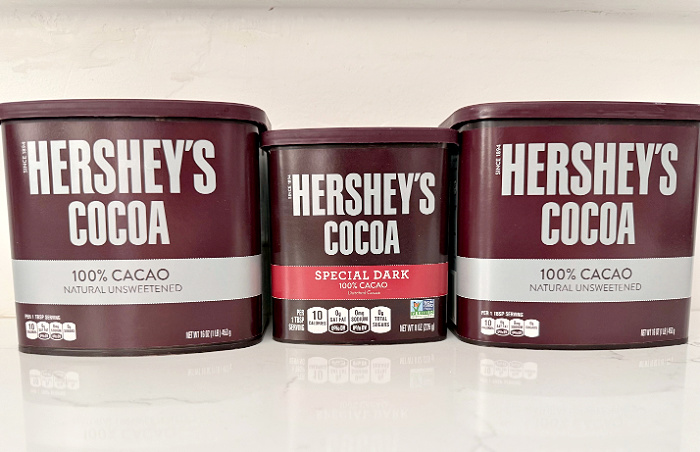
If we have a war: Stock unsweetened cocoa. If you have been paying attention to the conversations happening around emergency preparedness, you already know that families everywhere are starting to think more seriously about what belongs in a well-stocked pantry. People are buying extra rice, dried beans, canned vegetables, and water storage containers. Those are all smart choices. But there is one item that consistently gets overlooked, and it deserves a permanent place on every emergency supply list: unsweetened cocoa powder.
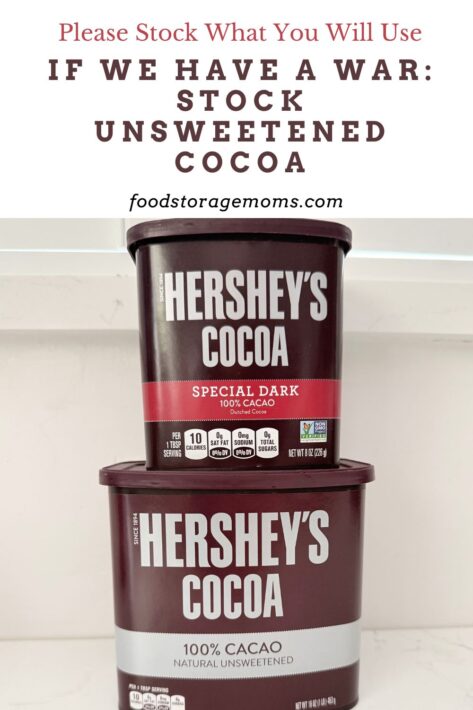
Yes, really. Cocoa powder. Not hot chocolate mix. Not chocolate chips. Pure, unsweetened, 100% cocoa powder. This humble brown powder punches far above its weight in terms of survival nutrition, shelf life, morale, and versatility. Let us talk about why. I found the cheapest place to purchase the one with only cocoa in it was on May 29, 2026, at Walmart.com. I’m having six delivered to my home. There is a huge difference in pricing across stores.
Kitchen Items
What Is Unsweetened Cocoa Powder?
Unsweetened cocoa powder is made by pressing fermented and roasted cacao beans until most of the fat (cocoa butter) is removed. What remains is ground into a fine, intensely flavored powder. It contains no added sugar, no milk solids, and no artificial flavors.
There are two main types:
Natural cocoa powder is lighter in color and slightly acidic. It reacts with baking soda in recipes and has a sharp, fruity chocolate flavor.
Dutch-processed cocoa powder has been treated with an alkali solution to neutralize its acidity. It is darker and milder, and it dissolves more smoothly. It is the variety most often used in European chocolate recipes.
For emergency preparedness, either variety works beautifully. If you can only find one, natural cocoa powder is usually more affordable and more widely available.
Why Unsweetened Cocoa Powder Belongs in a War or Emergency Supply Cache
It Has an Exceptionally Long Shelf Life
One of the most important qualities of any emergency food is how long it stays usable. Unsweetened cocoa powder, stored properly in a cool, dry place in an airtight container, can last anywhere from two to five years or longer. Some sources note that while cocoa may lose some flavor potency over time, it rarely becomes unsafe to consume well past its printed date. Compare that to crackers, cooking oils, or even pasta, and cocoa powder starts to look like a pantry superstar.
For maximum longevity, store it in a sealed glass jar or a Mylar bag with an oxygen absorber, away from heat and light.
It is nutrient-dense
Cocoa powder is not just a flavoring agent. It is genuinely nutritious. A two-tablespoon serving of unsweetened cocoa powder contains meaningful amounts of iron, magnesium, zinc, and copper, all of which are essential minerals that can become hard to obtain in a limited food environment. It also contains fiber, which supports digestive health, and flavonoids, which are plant compounds associated with cardiovascular and cognitive benefits.
In a war or disaster scenario where food variety is limited, having a concentrated source of micronutrients in powder form is genuinely valuable. You are not just adding flavor. You are adding nutritional depth to meals that might otherwise be monotonous and incomplete.
It Supports Mental Health and Morale
This point should not be underestimated. In times of genuine crisis, food is not just fuel. It is comfort. It is a signal to your brain and your nervous system that things are okay enough to enjoy something good. Hot chocolate on a cold morning during a blackout. Chocolate pudding made from shelf-stable milk and cocoa. A warm, sweet drink for the children to hold.
Research consistently shows that chocolate consumption (even in small amounts) can have a positive effect on mood, largely due to compounds like theobromine and phenylethylamine, as well as the simple psychological comfort of enjoying something that feels like a treat. When stress is high and uncertainty is everywhere, that matters more than people often admit.
It Is Incredibly Versatile
This is where unsweetened cocoa powder really earns its place in the emergency pantry. Unlike most emergency foods, which serve one purpose and one purpose only, cocoa powder can be used in dozens of ways. More on that in the next section.
It Is Affordable and Compact
A one-pound container of unsweetened cocoa powder costs just a few dollars and takes up very little space. For families with limited storage, this is a significant advantage. You are getting tremendous value in a compact package. A single pound of cocoa powder can make well over 50 servings of hot chocolate, dozens of batches of brownies, countless sauces, and much more.
15 Ways to Use Unsweetened Cocoa Powder in an Emergency
You might be surprised at just how many practical uses this one ingredient has, especially when your food options are limited, and you need to make the most of what you have.
1. Hot Cocoa
The most obvious use. Mix cocoa powder with hot water, sugar (or honey), and a pinch of salt. Add powdered or shelf-stable milk if you have it. This is warming and comforting, and it provides a small energy boost. Children and adults alike respond to it.
2. Chocolate Pudding
Combine cocoa powder with shelf-stable milk (or reconstituted powdered milk), sugar, cornstarch, and a bit of butter or oil. Stir over heat until thick. This makes a genuinely delicious dessert out of pantry staples.
3. Brownies from Scratch
If you have flour, sugar, eggs, oil, and cocoa powder, you can make brownies. Even over a camp stove or a makeshift Dutch oven, chocolate brownies are entirely possible and will do wonders for household morale.
4. Chocolate Oatmeal
Stir a tablespoon of cocoa powder into a bowl of cooked oatmeal along with sugar and a splash of vanilla extract. This transforms plain oatmeal into something children will eagerly eat.
5. Mole Sauce
In traditional Mexican cooking, mole sauce combines cocoa with chiles, garlic, cumin, and other spices. You can make a simplified version using canned tomatoes, dried chiles, and cocoa powder. Serve over rice or beans for a deeply flavorful, nutrient-rich meal.
6. Cocoa-Rubbed Meat
Cocoa powder makes an outstanding dry rub for meat. Combined with salt, pepper, garlic powder, and smoked paprika, it creates a deep, savory crust on beef, pork, or venison. The chocolate flavor is subtle in the final dish but adds remarkable complexity.
7. Chocolate Rice Pudding
Cooked rice, sugar, shelf-stable milk, and cocoa powder come together into a dessert that is both filling and satisfying. It stretches rice into something that feels like an actual treat.
8. Cocoa-Spiced Beans
A tablespoon of cocoa powder added to a pot of black beans or chili adds richness and depth without making the dish taste like chocolate. Many chili recipes call for this technique, and it works beautifully.
9. Chocolate Tortillas or Flatbreads
Mix a tablespoon of cocoa and a little sugar into your flour or cornmeal flatbread dough for a lightly sweet, slightly chocolatey bread that pairs wonderfully with peanut butter or honey.
10. Energy Balls or No-Bake Bars
If you have oats, peanut butter, honey, and cocoa powder, you can roll these together into no-bake energy balls. They require no heat, can be stored at room temperature for several days, and are packed with calories and protein.
11. Chocolate Gravy
A traditional Southern staple, chocolate gravy is made from cocoa powder, flour, sugar, butter, and milk. Served over biscuits, it is a comforting and calorie-rich breakfast that children tend to love.
12. Hot Mocha Drink
If you are storing instant coffee or coffee beans, combine a shot of strong coffee with hot cocoa for a mocha-style drink. Caffeine and warmth can help adults maintain alertness and focus during difficult days.
13. Chocolate Pancakes
Add two tablespoons of cocoa powder to your pancake batter. These cook just like regular pancakes and taste like a treat even without syrup.
14. Cocoa Body Scrub or Skin Paste
This one might seem unusual, but in a grid-down situation, cocoa powder has known benefits as a mild skin treatment. When mixed with coconut or olive oil and sugar, it can be used as a skin scrub. This is not a medical treatment, but small comforts and basic self-care matter in prolonged stressful situations.
15. Natural Food Coloring and Flavoring
In creative recipes, cocoa powder can be used to naturally tint and flavor everything from homemade pasta to bread dough, giving children something visually interesting and new when the food rotation starts to feel repetitive.
How Much Should You Stock?
For a family of four preparing for three months of disruption, a reasonable starting point is four to six pounds of unsweetened cocoa powder. That sounds like a lot until you consider that a pound costs only a few dollars and takes up less space than a large coffee mug. Spread across three months, four pounds gives you generous room to use it daily in small amounts across cooking and beverages.
If you are just beginning your emergency pantry, start with one or two pounds and rotate them into your everyday cooking now. Get comfortable using cocoa powder regularly so you know exactly how it behaves in your recipes before a crisis demands you figure it out under pressure.
What to Look for When Buying
When you shop for unsweetened cocoa powder, read the label carefully. The ingredient list should say nothing but cocoa or cocoa processed with alkali. Avoid anything with added sugar, dairy, artificial flavors, or preservatives. Those products are meant for convenient single-purpose uses, not for the flexible pantry cooking that emergency preparedness requires.
Popular brands widely available in the United States include Hershey’s Special Dark, Ghirardelli Unsweetened Cocoa, Rodelle, and Valrhona for higher-end cooking. For bulk buying, restaurant supply stores and online retailers often offer two-pound and five-pound bags at substantial savings per ounce. Please note that Ghirardelli Hot Cocoa was recalled due to Salmonella. FDA Ghirardelli Recall. Amazon contacted me to get a refund since I have purchased many packages of it over the years.
Storing Your Cocoa Powder Correctly
To get the longest possible shelf life out of your cocoa powder:
Transfer it from its original cardboard container into an airtight glass or food-grade plastic container as soon as you open it.
Store it in a cool, dark place away from heat sources. A pantry, basement shelf, or interior cabinet works well.
Keep it away from moisture at all costs. Even small amounts of water can cause clumping and accelerate spoilage.
Label your container with the purchase date so you can rotate it into regular use before it ages past its prime.
If you are buying large quantities for long-term storage, consider Mylar bags with oxygen absorbers, which can dramatically extend the usable life of dry goods.
Hot Cocoa Bombs Are Easy To Make
Chocolate: Everything You Want to Know
Final Word
Emergency preparedness is not about fear. It is about love. It is about taking care of the people at your table, making sure that even in the most difficult circumstances, you can offer them something nourishing, something warm, something that tastes like home.
Unsweetened cocoa powder is not a glamorous survival supply. It will not make headlines the way freeze-dried meals or water filtration systems do. But in the quiet of a difficult morning, when you stir it into a pot of hot water and hand a cup to your child, you will understand exactly why it earned a place in your pantry. Stock it. Learn to cook with it now. And do not wait until the shelves are empty to wish you had. May God bless this world, Linda
The post If We Have A War: Stock Unsweetened Cocoa appeared first on Food Storage Moms.
from Food Storage Moms
No comments:
Post a Comment