Estimated reading time: 6 minutes
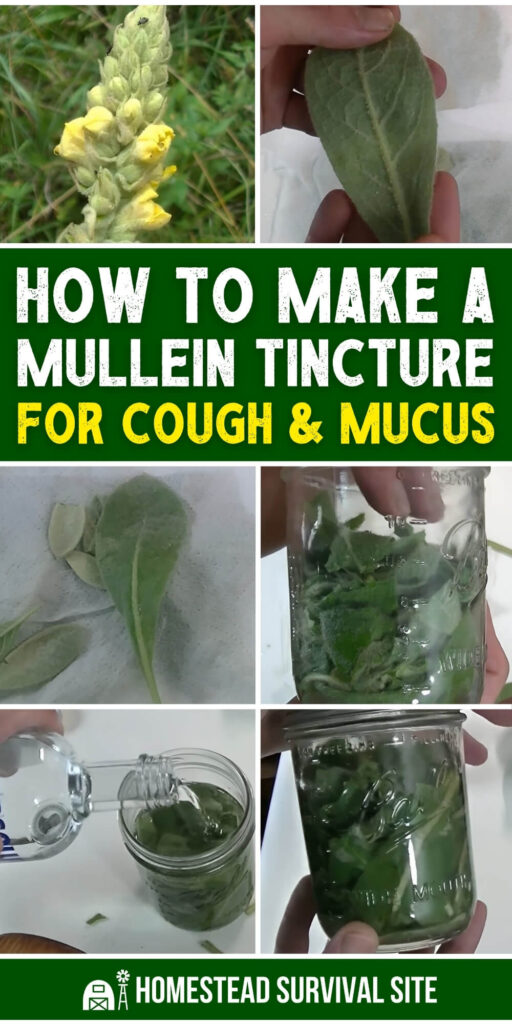
When cold and flu season hits, few wild herbs are as well-known for lung support as mullein (verbascum thapsus). Mullein is that common roadside plant with big, soft, fuzzy leaves and (in its second year) a tall flower spike with small yellow blooms. It's hard to miss once you know what you’re looking for.
So why do so many foragers and herbalists like it?
- Immune and seasonal support: Mullein has a long history of use in traditional herbalism, especially for cough and respiratory irritation.
- Chest congestion relief: It’s widely used as an expectorant, meaning it helps loosen and move stubborn mucus so you can cough it up more effectively.
- Soothing action: Mullein contains mucilage, a soothing plant compound that can help calm irritated tissues in the throat and upper airway, exactly where coughing often starts.
One of the easiest ways to keep mullein on hand is to turn it into a tincture, a concentrated herbal extract made by soaking fresh mullein leaves (and ideally flowers) in alcohol. This creates a shelf-stable remedy you can use during coughs, mucus, and chest congestion without having to brew tea every time.
This particular method comes from a tutorial I found on the YouTube channel Trillium: Wild Edibles, where Josh walks through a simple, practical mullein tincture process. You can watch the video below, but I also typed up the instructions.
Before You Start: A Quick Safety Note
- Correct ID matters: Don’t harvest roadside plants from areas sprayed with herbicides or exposed to heavy traffic pollution. Harvest from clean land you have permission to forage.
- Mullein’s “fuzz” can irritate: The tiny hairs on mullein leaves can be scratchy. Straining well is important, especially if you later make teas or oils.
- Alcohol caution: This tincture uses alcohol as the extractant. Keep it away from kids and follow safe storage practices.
What You’ll Need
- Fresh mullein leaves (and flowers if available)
- A clean mason jar (wide-mouth is easiest)
- Vodka (or other unflavored alcohol 40% ABV or higher)
- Knife/scissors (optional)
- Label + marker
- Fine strainer + cheesecloth (or a coffee filter)
- Dark glass dropper bottles (or small jars) for storing
How to Make Mullein Tincture
Step 1: Harvest mullein (leaves and/or flowers)
You can use leaves and flowers together (ideal), or leaves only, or flowers only.
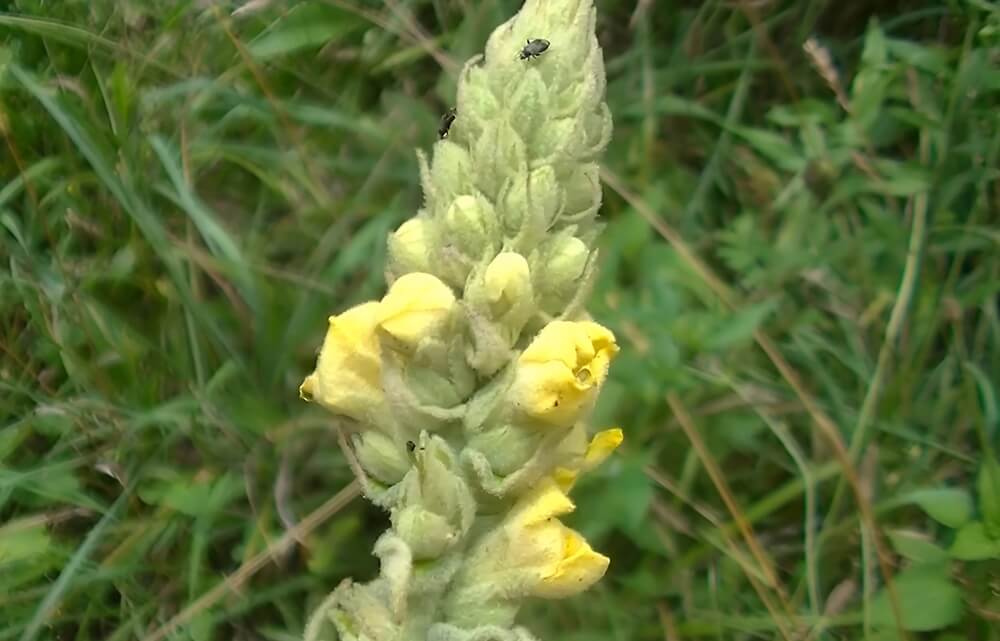
Josh notes that first-year rosette leaves work great (those are the low, ground-level leaves before the plant sends up a flower stalk in year two).
Be sure to choose leaves that are clean and in good condition.
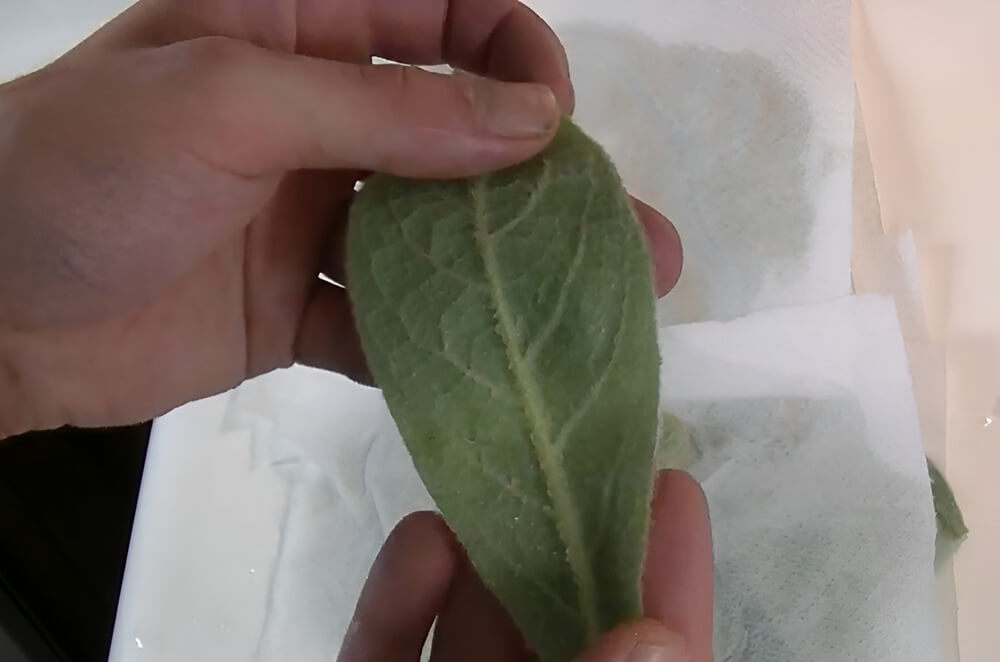
Step 2: Clean and prep the herb
Rinse the mullein and let it dry well.
Trim away the brown and rotting spots, damaged leaves, and bruised flowers (if using flowers).
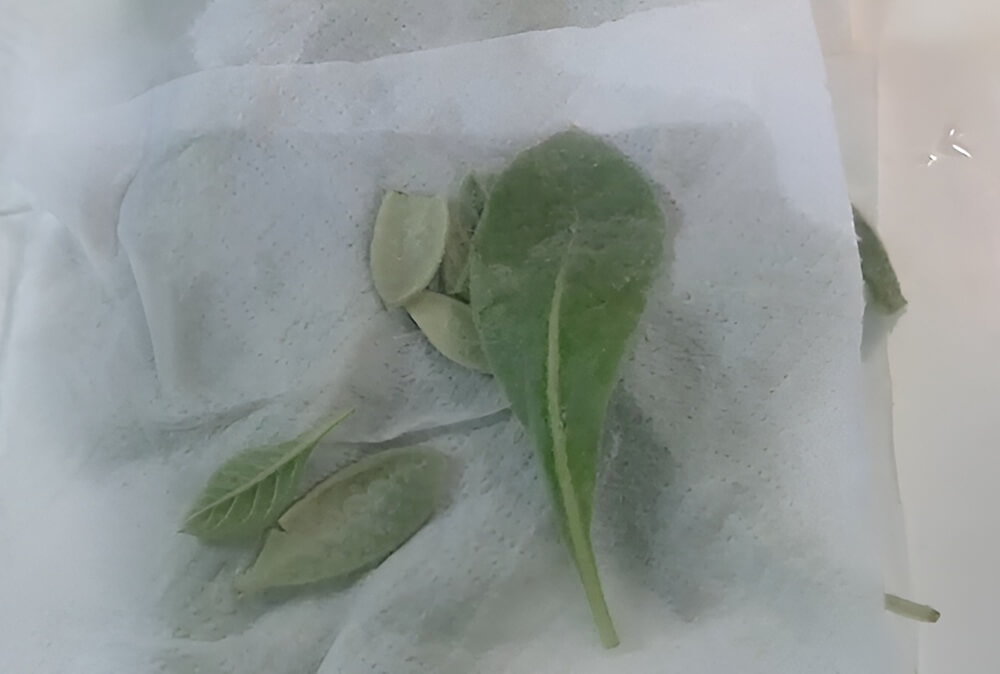
Step 3: Tear or chop the leaves (optional, but helpful)
You have two options: Either leave the leaves whole (which is faster), or tear and chop them up (may extract faster).
Josh prefers tearing and chopping mullein, which he believes makes the tincture more effective.
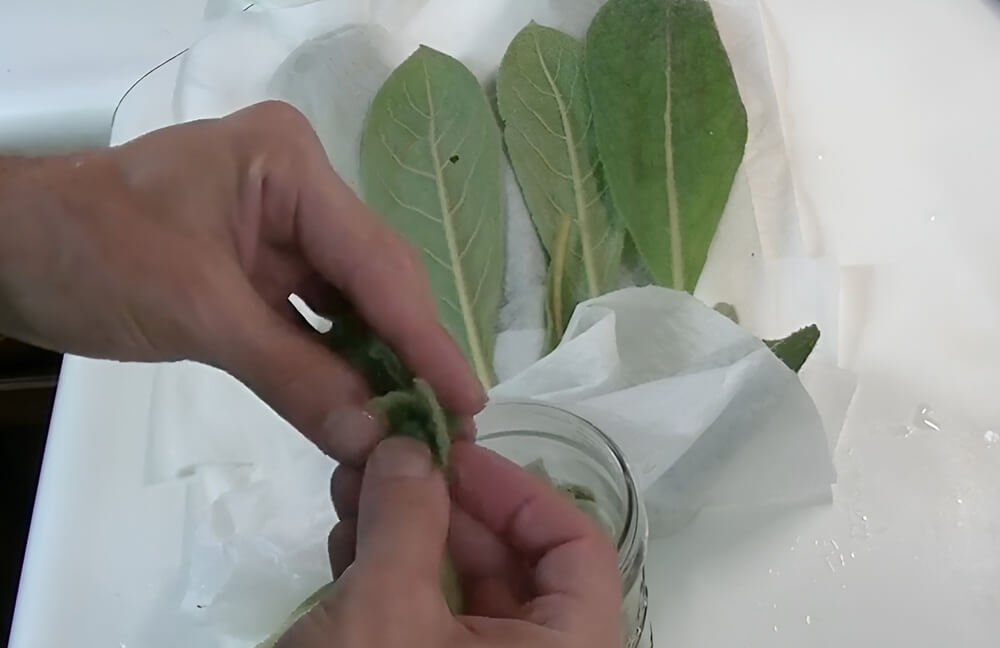
Step 4: Pack 1 cup of fresh mullein into the jar
Add fresh mullein to the jar until you reach about the 1-cup mark.
Pack it tightly so you truly have roughly one cup of herb.
A common guideline is 1 part herb to 2 parts menstruum (alcohol).
In the video, Josh uses a parts-by-volume approach (cups) since weight ounces and fluid ounces don’t match cleanly for leafy herbs.
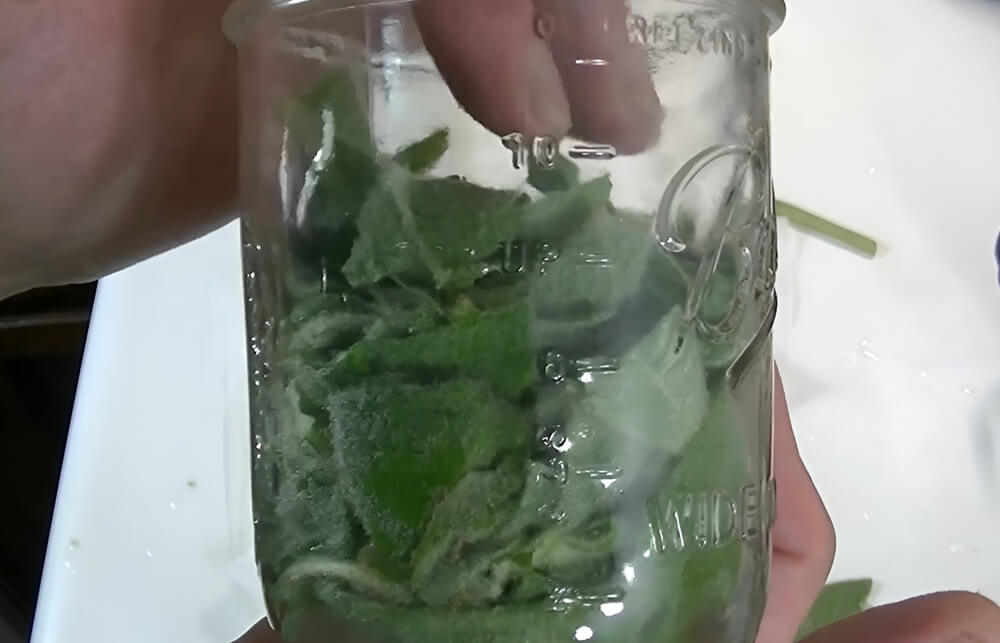
Step 5: Cover completely with alcohol (vodka)
Pour in vodka (or other 40%+ unflavored alcohol) until the herb is fully submerged.
The submerged part is important as exposed plant material can mold.
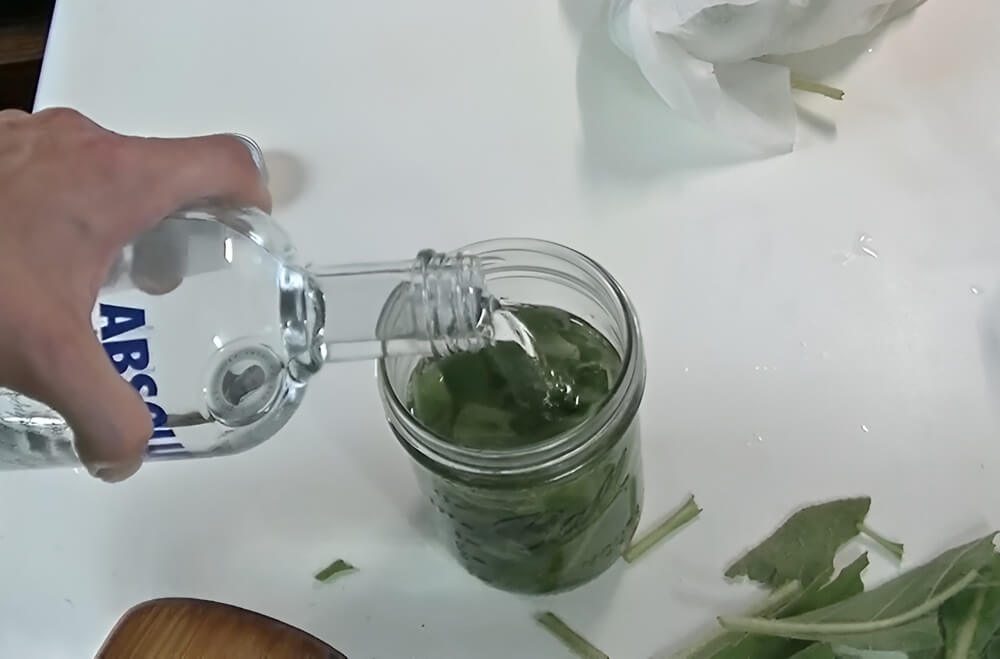
Step 6: Seal, shake, and top off
Put the lid on and shake well.
Let it settle, then press the herb down and ensure it’s still fully covered with alcohol. Add more if needed.
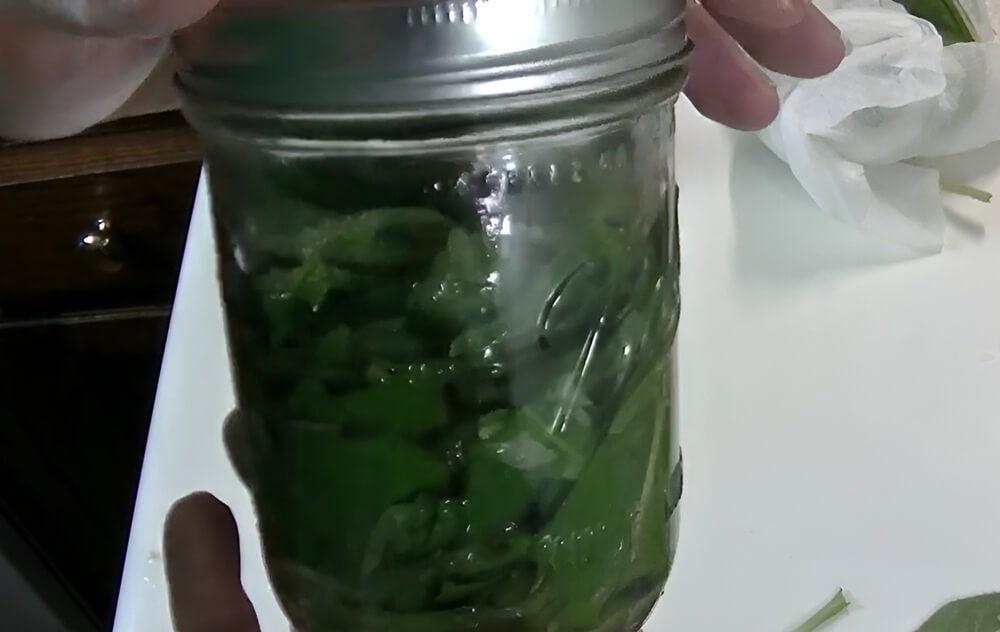
Step 7: Label it clearly
Write on the label:
- “Mullein tincture”
- Date started
- Alcohol used (e.g., vodka 40%)
- Optional: location harvested, leaf/flower used
Step 8: Store in a dark place for 4–8 weeks
Keep the jar in a cool, dark spot (like a cabinet).
Shake once a day (or as often as you remember).
Step 9: Strain and bottle
After 4–8 weeks:
- Strain through a fine strainer, then again through cheesecloth or a coffee filter (this helps catch fine leaf hairs).
- Pour into dark dropper bottles or small jars.
- Label the finished tincture with the bottling date.
Now you’ve got a shelf-stable mullein tincture ready for the season when coughs and mucus show up.
How People Commonly Use Mullein Tincture
Traditionally, mullein tincture is taken in small amounts when coughs, throat irritation, or chest congestion appear. Since individual needs and health conditions vary, follow guidance from a qualified professional if you’re unsure, especially for kids, pregnancy, or medications.
You May Also Like:
The post How to Make a Mullein Tincture for Cough and Mucus appeared first on Homestead Survival Site.
from Homestead Survival Site https://ift.tt/EeTUCGY
No comments:
Post a Comment