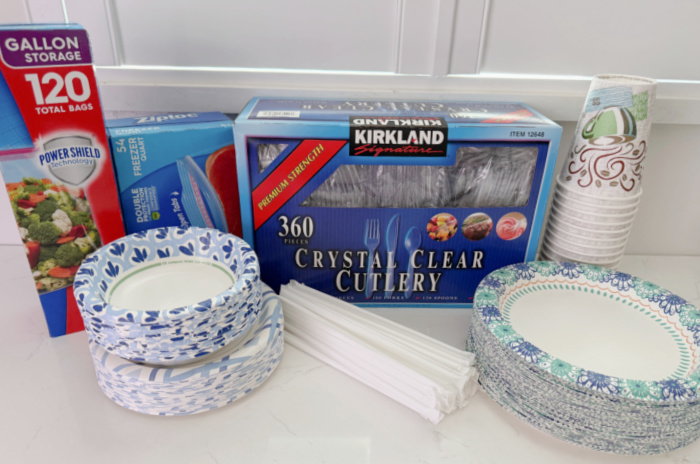
If we have a war: stock paper products now, please. Preparing for the possibility of war or a large-scale national emergency is no longer the territory of conspiracy theorists or extreme survivalists. Governments, emergency management agencies, and disaster preparedness experts worldwide have long recommended that households maintain a meaningful stockpile of essential supplies. Among the most overlooked categories in any emergency preparedness plan are paper products and disposable tableware.
When infrastructure fails, when water supplies become unreliable, when supply chains collapse, and when everyday routines are turned upside down, paper products become some of the most valuable and practical items you can have on hand. This post examines each major category of paper and disposable products you should store and explains in depth why each one matters when conflict or disaster strikes.
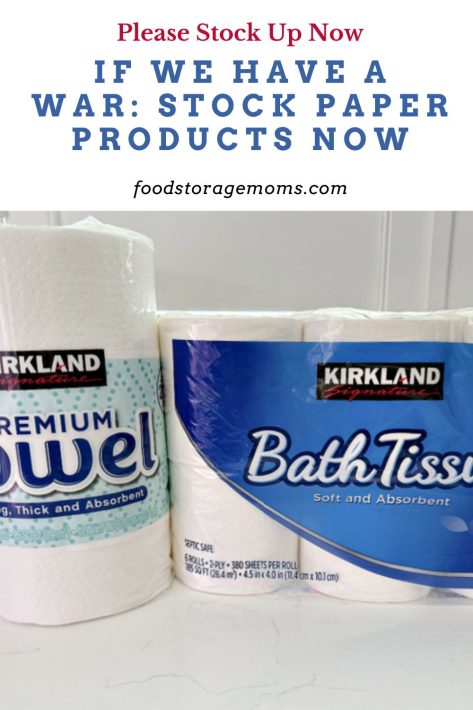
Paper Towels: The Multi-Purpose Emergency Workhorse
Paper towels are one of the single most versatile products you can stockpile in anticipation of a wartime or disaster scenario. In normal life, they serve a basic cleaning function. In an emergency, they become a critical multi-tool that addresses sanitation, first aid, filtration, and personal hygiene all at once.
When clean running water is unavailable or severely restricted, washing cloth towels, rags, and dishcloths becomes nearly impossible. Traditional fabric alternatives require water, soap, and a drying environment; resources that may all be compromised during active conflict or infrastructure breakdown. Paper towels eliminate this problem. They can be used once and discarded, preventing the spread of bacteria and viruses and reducing contamination within a household that may already be under significant stress.
From a sanitation standpoint, paper towels are essential for maintaining clean surfaces when disinfectant supplies are limited. They can be used to wipe down food preparation areas, clean wounds in the absence of proper medical supplies, cover food to prevent airborne contamination, and serve as makeshift filters when boiling or treating water. They can even serve as emergency bandaging material when conventional first-aid supplies have been depleted.
Wartime conditions often bring disease and infection risks that compound the direct dangers of conflict itself. Cholera, dysentery, and other sanitation-related illnesses have historically claimed more lives during wartime than direct combat. Having an abundant supply of paper towels helps a household maintain the baseline level of surface hygiene that helps prevent the spread of these illnesses.
Stock paper towels in both standard rolls and the larger commercial-sized rolls if storage space permits. Vacuum-seal them in bags to protect against moisture and to extend shelf life. A household of four should aim to have a minimum of a three-month supply, though six months to a year is a more resilient target.
Toilet Paper: The Non-Negotiable Necessity
No emergency preparedness conversation is complete without an honest discussion of toilet paper. It may sound mundane, but the absence of toilet paper in a crisis creates immediate and serious problems for hygiene, dignity, and health. The panic buying of toilet paper during the early months of the COVID-19 pandemic gave many people their first real glimpse of what supply chain disruption feels like. In a wartime scenario, that disruption would be far deeper, far longer, and far less predictable.
Toilet paper is a product that most people in the developed world have never had to live without. Its absence forces individuals to improvise in ways that can introduce bacterial contamination, cause skin irritation, and increase the risk of infection. In a household where medical care may not be readily accessible, a simple skin breakdown caused by inadequate hygiene materials can become a serious health issue.
During wartime or severe civil disruption, manufacturing facilities may be shut down or redirected toward military production. Distribution networks are frequently disrupted by infrastructure damage, fuel shortages, and prioritization of military logistics. Retail shelves that empty within days during a pandemic could remain empty for weeks or months during an active conflict.
Toilet paper is also an item that has genuine barter value in a prolonged emergency. It’s lightweight, universally needed, and easy to transport. Storing extra quantities beyond your household’s needs gives you a tangible resource you can exchange for food, medicine, or other critical supplies within your community.
Store toilet paper in a cool, dry location away from direct sunlight. Compression storage bags can significantly reduce the physical space required without compromising the product’s integrity. Aim to store at least 100 rolls per person in your household. Double-ply is preferable for longevity per use, reducing overall consumption over time.
Paper Plates in Various Sizes: Preserving Water and Preventing Disease
Washing dishes requires clean water, dish soap, a clean drying area, and time. In a wartime or emergency environment, all four of those requirements may be compromised simultaneously. Paper plates in a range of sizes solve this problem cleanly and efficiently, allowing a household to continue eating meals without sacrificing large quantities of precious clean water to sanitation.
The importance of having multiple sizes of paper plates can’t be overstated. Small plates serve as versatile surfaces for snacks, condiments, and single-serving items. Medium plates handle most standard meal portions and work well for children. Large plates accommodate full meals, double as serving trays, and provide sufficient surface area for food preparation when counter space or clean preparation surfaces are limited.
In addition to conserving water, paper plates dramatically reduce the risk of cross-contamination in a household dealing with illness. During wartime, disease spreads rapidly in stressed populations. Shared dishes that are improperly cleaned due to limited water or soap become vectors for gastrointestinal illness, which can be debilitating and life-threatening when medical resources are unavailable.
Paper plates also carry a psychological benefit that should not be dismissed. Maintaining some semblance of a normal mealtime routine during a crisis supports mental health and morale. Eating from a proper plate rather than directly from a can or shared pot preserves a sense of normalcy and dignity that matters deeply when everything else in the environment has broken down.
Purchase a mix of standard plate sizes and store them flat in their original packaging inside plastic bins or sealed bags. Coated paper plates have a longer practical shelf life than uncoated varieties and perform better under moderate humidity. A household should aim to maintain at least two plates per person per day for a minimum of 90 days’ supply. Please don’t buy those flimsy white paper plates.
Paper Bowls: Essential for Hot Food and Liquid-Based Meals
While paper plates address the broad category of mealtime needs, paper bowls serve a distinct and equally important function. Many of the most calorie-dense and easily stored emergency foods are best served in bowls: soups, stews, oatmeal, rice dishes, canned beans, and pasta. These foods are both nutritionally valuable in a crisis and poorly suited to flat plate surfaces.
In emergencies, cooking often occurs over open flames, camp stoves, or improvised heat sources. Hot liquid-based foods are ideal for these conditions because they can be prepared in large batches, are easy to portion, are warming and comforting in stressful conditions, and make efficient use of limited cooking fuel. Without paper bowls, households are forced to share and reuse a limited number of bowls, which increases water consumption for washing and the risk of cross-contamination between users.
Paper bowls also serve important secondary uses beyond meals. They serve as containers for sorting and organizing small items, mixing dry ingredients, collecting rainwater for secondary uses, and even as improvised waste containers when other options are unavailable. Their structural integrity, particularly in thicker coated varieties, makes them more versatile than they might initially appear.
Bowls with some degree of grease and liquid resistance are preferable for emergency stockpiling, as they’ll hold up better under actual use conditions with warm or wet contents. Stock bowls in both medium and large sizes to accommodate varying meal types and portion needs. As with plates, calculating two to three bowls per person per day and targeting a ninety-day minimum supply is a reasonable baseline.
Paper Cups: Hydration, Sanitation, and Hygiene Management
Access to clean drinking vessels is one of the most fundamental sanitation requirements during any emergency. Paper cups address this need in a lightweight, space-efficient way, requiring no water for maintenance. When water is being carefully rationed and every drop counts, using paper cups for drinking and personal hygiene tasks eliminates the need to wash reusable cups after each use.
Disease transmission through shared drinking vessels is well documented and historically significant. During wartime and displacement scenarios, outbreaks of illness frequently trace back to contaminated water sources and shared eating and drinking implements. Paper cups provide a per-person, single-use option that dramatically reduces the risk of transmission within a household.
Paper cups have uses that extend beyond drinking. They serve as measuring liquid options when precise quantities of water or other liquids are needed for food preparation or medication. They function as containers for rinsing wounds, administering liquid medications, or providing small animals or children with controlled amounts of water. In dental hygiene routines, which must continue even during emergencies to prevent infection, paper cups support rinsing without the contamination risks of shared reusable cups.
Stock paper cups in multiple sizes. Small bathroom-style cups are ideal for administering medication, rinsing wounds, and dental care. Larger cups in the eight- to sixteen-ounce range meet beverage needs for meals and throughout the day. Both hot and cold-rated varieties are worth maintaining in your stockpile, as the ability to serve warm beverages like tea or broth is an important source of comfort and nutrition during prolonged stress.
Paper cups compress well and store efficiently. Sleeve-wrapped cups take up less space than loose stacks. Store them in a sealed container to prevent moisture absorption, which can cause structural weakening over time. Target a supply of at least five to eight cups per person per day across your size varieties.
Plastic Silverware: Maintaining Safe and Functional Mealtimes
Forks, spoons, and knives are so basic to daily life that their potential absence in an emergency rarely registers as a concern until that emergency is actually underway. Plastic silverware solves the same core problem that paper plates and cups address: it eliminates the need to wash eating utensils with scarce clean water while providing hygienic, individual-use tools for consuming food safely.
In wartime or disaster scenarios where household members may be dealing with illness, injury, or varying degrees of immune compromise, sharing utensils poses a significant health risk. Individual plastic silverware ensures that each person at the table is using tools that have not been in contact with another person’s saliva or hands, unless thoroughly cleaned. This level of separation, which feels trivial during normal times, becomes genuinely important when access to medical care is limited or nonexistent.
Plastic silverware is also relevant to food preparation tasks. Plastic spoons can stir heated foods without conducting heat dangerously. Plastic knives, while not suitable for heavy cutting, handle soft foods, spreading tasks, and general meal assembly adequately. Having a full set of utensil types means that meal preparation doesn’t require constantly cleaning and reusing the same handful of metal implements.
Beyond direct meal use, plastic utensils serve as tools for rationing and measuring food portions, ensuring that limited supplies are distributed equitably among household members. They can also serve as basic implements for medical tasks such as mixing oral rehydration solutions, measuring medication, or preparing food for individuals with specific dietary or health needs.
Heavy-duty plastic silverware is preferable to the lightest bargain varieties. Thicker plastic is less likely to snap under normal use stress and provides a more functional tool under a wider range of conditions. Store plastic silverware in sealed bags or original packaging to keep it clean and dry. A supply of at least three to five complete sets per person per day, covering forks, spoons, and knives, should be maintained for a minimum of ninety days.
Aluminum Foil: The Overlooked Survival Essential
Aluminum foil is one of those products that sits quietly in a kitchen drawer and rarely gets a second thought. In an emergency or wartime scenario, it ranks among the most valuable items in your stockpile. Its versatility spans cooking, food preservation, sanitation, signaling, insulation, and medical improvisation. No other single product at its price point covers so many critical survival functions simultaneously.
Cooking Without Conventional Equipment
When gas lines are severed, the power grid goes down, or conventional kitchen appliances become unusable, cooking methods shift dramatically. Open fires, camp stoves, and improvised heat sources become the norm. Aluminum foil makes cooking over these sources practical and safe. Food wrapped tightly in foil can be placed directly on coals or over an open flame without needing pots, pans, or other cookware. Vegetables, proteins, and starches can all be cooked effectively in foil packets that seal in moisture and heat, producing a full meal with no equipment beyond a heat source. This matters enormously when conventional cookware is unavailable, broken, or too heavy to transport during displacement.
Foil also serves as an improvised oven lining, a drip tray, a makeshift pan, and a reflective surface to direct heat toward food. In situations where fuel is scarce and every BTU counts, foil’s ability to concentrate and retain heat around food reduces cooking time and conserves fuel. That efficiency compounds over weeks and months of emergency conditions into a significant practical advantage.
Food Preservation and Storage
In a crisis, food waste is not a minor inconvenience; it’s a serious threat to survival. Aluminum foil is one of the most effective short-term food preservation tools available. It creates a near airtight seal around cooked or raw food, dramatically slowing oxidation, moisture loss, and contamination by airborne pathogens. When refrigeration is unavailable, properly wrapped food stored in a cool location retains its safety and quality far longer than food left in open containers.
Foil wrapping is particularly valuable for protecting foods that have already been opened from their original packaging. Canned goods that have been partially consumed, dried foods exposed to air, and cooked meals waiting to be eaten later all benefit from tight foil wrapping. In the absence of resealable bags or plastic wrap, which will also degrade over time, aluminum foil serves as a durable, reusable preservation barrier.
Sanitation and Hygiene Applications
Maintaining sanitation standards during a prolonged emergency requires creative use of available materials. Aluminum foil contributes meaningfully to this effort in several ways. It can be shaped into bowls, cups, and plates when disposable tableware supplies run low, providing a non-porous, bacteria-resistant surface that is easy to wipe clean with minimal water. Unlike paper products, foil can be rinsed and reused multiple times before being discarded, extending your overall supply of clean eating surfaces.
Foil can also be used to cover wounds as an emergency barrier against environmental contamination when proper bandaging materials are unavailable. Emergency medical protocols in some contexts include using foil as a reflective covering to reduce heat loss in trauma patients, a technique familiar to anyone who has seen marathon runners wrapped in thin mylar sheets at the finish line. The same principle applies in a crisis setting where hypothermia is a risk.
Insulation and Heat Retention
The thermal reflective properties of aluminum foil have well-documented practical value in survival conditions. Wrapping foil around the interior of a shelter, a sleeping area, or a window significantly reduces heat loss during cold conditions by reflecting body heat toward the occupant. This same principle makes foil useful for keeping cooked food warm when serving conditions are delayed, wrapping water containers to slow temperature change, and insulating pipes or critical equipment against freezing temperatures.
In warmer conditions, foil’s reflective surface can be positioned to deflect solar heat away from a shelter or storage area, helping to keep interior temperatures lower and reducing the risk of heat-related illness for occupants and spoilage for stored food supplies.
Signaling and Navigation
Aluminum foil has a surface that reflects sunlight with considerable intensity. In a scenario where rescue or communication with friendly forces or emergency responders is needed, a sheet of foil can serve as an effective signal mirror. Positioned to catch direct sunlight, it produces a flash visible for significant distances, providing a means of communication that requires no batteries, no electronics, and no infrastructure whatsoever.
Strips of foil attached to visible surfaces can also serve as navigational markers, identifying paths, supply caches, or safe zones for household members or community groups moving through unfamiliar or dangerous territory. This low-tech approach to communication and navigation has genuine value when electronic alternatives have failed.
How Much to Store and How to Store It
Standard household rolls of aluminum foil are inexpensive, compact, and have an effectively unlimited shelf life when stored properly. Heavy-duty foil is preferable for an emergency stockpile, as it holds up better under the physical demands of open-flame cooking and repeated handling. Standard weight foil remains useful for lighter tasks, including food wrapping and improvised surfaces.
Store foil rolls in their original boxes inside a sealed plastic bin to protect the cardboard from moisture. A stockpile of 10 to 15 heavy-duty rolls per household of 4 provides a meaningful reserve for a 3-month emergency. If storage space permits, doubling that quantity costs relatively little and provides substantial additional security. Like all emergency supplies, rotate foil through regular household use and replace what you consume to keep your stockpile fresh and at full strength.
How to Store Paper Products for Maximum Longevity
Knowing what to stock is only half of the preparedness equation. Understanding how to store paper products properly ensures that your investment in emergency supplies remains usable when it’s most needed. Paper products are vulnerable to moisture, pests, mold, and prolonged exposure to ultraviolet light. All of these threats can render an entire stockpile unusable within a matter of months if storage conditions are poor.
The single most important storage principle is keeping paper products dry. Moisture is the primary enemy of any cellulose-based product. Store all paper goods in sealed plastic bins, vacuum-sealed bags, or airtight containers. Even in seemingly dry environments, humidity can fluctuate with the seasons. Silica gel desiccant packets placed inside storage containers provide an additional layer of moisture protection. Please note, I have never done this. If I lived in a humid area, I would consider using this approach to storage.
Store your paper product stockpile away from direct sunlight, which degrades both the paper fibers and any plastic components in packaging over time. A basement, interior closet, or dedicated storage room is ideal. If you’re in a flood-prone area, elevate storage containers off the floor on shelving units. Avoid storing paper products in attics where temperature extremes can accelerate deterioration.
Rotate your stockpile regularly. Label containers with purchase dates and use the oldest supplies first during normal times, replacing what you use to maintain a consistent stock level. This practice, often called first-in-first-out rotation, ensures that your emergency supply never ages beyond practical usability. Products stored under good conditions can remain fully functional for several years beyond their stated shelf dates.
Organize your stockpile by category and keep an inventory list. Knowing exactly what you have and where it’s located eliminates confusion during high-stress situations when decision-making capacity is already taxed. A simple spreadsheet or handwritten log, kept in a waterproof document sleeve alongside your supplies, is sufficient for most households.
Building Your Emergency Paper Product Stockpile: A Practical Starting Point
Beginning a paper product stockpile can feel overwhelming, but the process becomes manageable when approached incrementally. Rather than attempting to purchase several months’ worth of supplies at once, which is both financially stressful and likely to attract attention during periods of social tension, a steady accumulation strategy is more practical and sustainable.
Start by purchasing one extra unit from each product category on every routine shopping trip. Over the course of six to eight weeks, this practice alone will begin building a meaningful reserve without placing significant strain on your household budget. As your baseline supply grows, you can begin purchasing in bulk through warehouse retailers or online suppliers to accelerate the process and reduce per-unit cost if the budget allows.
Prioritize the products that address the most fundamental needs first: toilet paper, paper towels, and paper cups. These three categories address the most basic sanitation and hygiene requirements and should reach a 90-day minimum supply before you allocate additional resources to plates, bowls, and silverware.
Consider the specific needs of everyone in your household when building your stockpile. Households with young children will need to account for higher paper towel use and may benefit from additional small plates and cups. Older household members may require more cups for medication administration. Individuals with dietary restrictions may need specific types of disposable containers. Tailoring your stockpile to your actual household composition makes it far more effective in practice.
Emergency preparedness is ultimately an act of responsibility toward yourself, your family, and your community. Paper products represent a modest financial investment that pays enormous dividends in hygiene, health, and everyday functioning during the most disruptive and dangerous circumstances. The time to build this foundation is now, not when the need has already arrived.
If We Have A War: Stock These Ten Foods Now
If We Have A War: 25 Personal Hygiene Products
Final Word
The categories covered in this post, paper towels, toilet paper, paper plates in various sizes, paper bowls, paper cups, and plastic silverware, collectively form a practical and powerful layer of emergency preparedness that the vast majority of households currently lack. They are affordable, widely available today, and capable of preserving health and functional daily life in circumstances that would otherwise make them very difficult to maintain. Building this stockpile now, methodically and intentionally, is one of the most concrete and impactful steps any household can take toward genuine resilience. May God bless this world, Linda
The post If We Have A War: Stock Paper Products Now appeared first on Food Storage Moms.
from Food Storage Moms
No comments:
Post a Comment