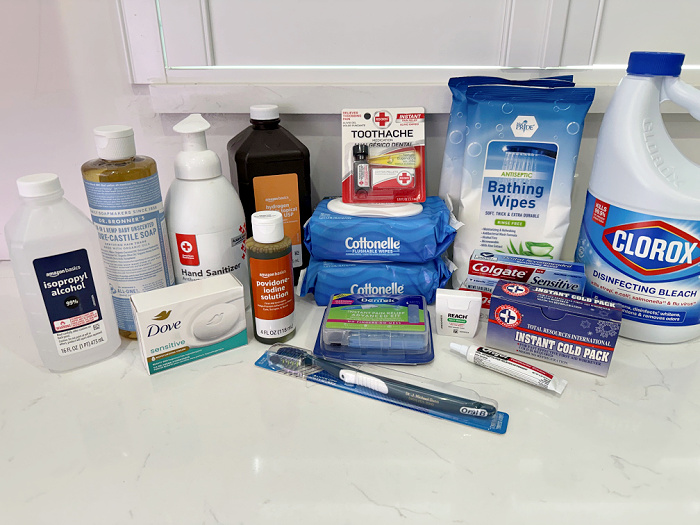
I decided to put together a list of 25 personal hygiene products we may need after an unforeseen disaster, a war, or just everyday life. When conflict erupts, most people think about food, water, and weapons. But experienced preppers and military veterans know that personal hygiene in a war scenario can be the difference between life and death. Disease, infection, and illness kill far more people in wartime than bullets do. Historians estimate that in conflicts before the 20th century, disease accounted for more than two-thirds of all military deaths.
Whether you’re building a war preparedness kit, a bug-out bag, or a long-term survival supply cache, this post covers the 25 most critical personal hygiene products you need to stockpile before a war or societal collapse. Each product is analyzed for its survival value, how much to store, and what alternatives exist when supplies run out.
Why Personal Hygiene Is a Survival Priority in Wartime
When infrastructure collapses, water treatment plants shut down, garbage collection stops, and hospitals overflow; the risk of disease skyrockets. Without proper hygiene, even minor cuts can become fatal infections. Dysentery, cholera, typhus, and skin infections have ended entire military campaigns throughout history. Imodium
Key threats that proper hygiene prevents in war:
- Wound infection and sepsis from untreated cuts or abrasions
- Waterborne illness from contaminated water sources
- Cholera and dysentery from poor sanitation and waste management
- Lice, scabies, and parasitic infections from a lack of bathing
- Dental abscesses that can spread bacteria to the brain and heart
- Psychological breakdown caused by feeling unclean and demoralized
Category 1: Water and Sanitizing Essentials
Sanitation begins with clean hands and disinfected surfaces. These three products form the absolute foundation of any war hygiene kit and should be stocked in larger quantities than anything else on this list.
1. Bar Soap — The Single Most Important Hygiene Item
If you could only stockpile one hygiene product for war, it would be bar soap. Soap is a mechanical disinfectant; it breaks down the fatty membranes of bacteria and viruses, physically removing them from skin. Unlike antibacterial products that can breed resistance, plain soap works against nearly every pathogen. Bars of Soap
- Prevents wound infection when used to clean injuries before bandaging
- Reduces transmission of contagious diseases in crowded shelter conditions
- Lasts 2 to 5 years when stored properly in a cool, dry place
- One bar lasts approximately 2 to 4 weeks with daily use
How much to stockpile: Minimum 1 bar per person per month. For a family of 4 preparing for a 6-month scenario, store at least 24 bars.
Survival alternative: Wood ash lye soap can be made from scratch if supplies run out; a critical skill to learn before any crisis.
2. Hand Sanitizer (60% Alcohol or Higher)
When clean water is unavailable for handwashing, alcohol-based hand sanitizer is the next best defense. At 60% alcohol or higher, it kills 99.9% of common bacteria and many viruses within 30 seconds of application. Hand Sanitizer
- Use before eating, after bathroom use, and after treating wounds
- Bottles last indefinitely if sealed; gel formulations may lose potency in 2 to 3 years as alcohol evaporates
- Store in sealed containers away from heat and sunlight
- Doubles as a fire starter in survival scenarios; a valuable dual-use item
How much to stockpile: At least one 1-liter bottle per person per month. Consider bulk gallon jugs for refilling smaller containers.
3. Bleach (Unscented Sodium Hypochlorite)
Unscented liquid bleach is one of the most versatile survival products available. In a war scenario, it serves triple duty: water purification, surface disinfection, and wound-area sanitization when properly diluted. Bleach Healthcare Professional
- Water purification: 8 drops per gallon of clear water, 16 drops for cloudy water
- Surface disinfection: 1 tablespoon per gallon of water kills most pathogens
- Shelf life is 6 to 12 months at full strength; rotate stock every 6 to 9 months
- Store in original sealed containers in a cool, dark location
Critical warning: Never mix bleach with ammonia or vinegar. This creates toxic chloramine gas that can be fatal even in small enclosed spaces.
Category 2: Dental Care — Preventing Life-Threatening Infections
Dental problems are among the most devastating and underestimated threats in survival situations. An untreated abscessed tooth can spread bacteria to the brain, heart, and lungs, all of which can be fatal. Without access to a dentist in wartime, prevention is everything. DenTek Instant Pain Relief
4. Toothbrush and Toothpaste
Oral bacteria are directly linked to systemic infections. Brushing twice daily removes biofilm that harbors harmful bacteria. Store extra toothbrushes; they wear out in 3 months with regular use, and in survival conditions, you may use them more frequently or for wound cleaning as well.
- Fluoride toothpaste prevents cavities that lead to painful and dangerous infections
- Toothbrushes: stock 2 to 3 per person per year
- Toothpaste is shelf-stable for 2 to 4 years when stored sealed
- Baking soda is an excellent backup: mildly abrasive, neutralizes acid, and has a 5-plus year shelf life
5. Dental Floss
Dental floss is a wildly underrated survival item. Beyond dental hygiene, waxed dental floss is one of the strongest fine threads available; it can be used to suture wounds in extreme emergencies, repair gear, set snares, and secure splints. Many containers hold hundreds of feet of usable cordage.
Stock tip: Choose waxed, unflavored floss. It resists moisture better and has more survival utility than flavored varieties. Shelf life is essentially indefinite when stored dry.
6. Temporary Dental Repair Kit
Over-the-counter dental cement kits, such as Dentemp or Recapit, allow you to temporarily re-cement crowns, caps, and fillings that fall out. A lost filling exposes a nerve; excruciatingly painful and impossible to ignore even in a survival situation. These kits are inexpensive and lightweight, and they could spare you days of debilitating pain when dental care is unavailable. Dental Filling Repair
How much to stockpile: At least 2-3 kits per person. They have a shelf life of 3 to 5 years and take up almost no space in any survival kit.
7. Mouthwash or Antiseptic Rinse
When dental infections are a real possibility, an antiseptic mouthwash such as chlorhexidine gluconate significantly reduces oral bacteria more than brushing alone. It is particularly important after any dental injury or a loose filling.
- Chlorhexidine mouthwash is more effective than a standard alcohol-based rinse for killing gum-disease bacteria
- Diluted hydrogen peroxide (1 part 3% peroxide to 1 part water) is a highly effective improvised rinse
- Salt water rinses reduce gum inflammation and are a zero-cost backup requiring only salt
Category 3: Wound Care and Antiseptics
In a war environment, cuts, scrapes, and puncture wounds are constant risks. Without antibiotics or access to a hospital, your ability to clean and protect wounds is the only thing standing between a minor injury and a life-threatening infection.
8. Antiseptic Solution (Povidone-Iodine / Betadine)
Povidone-iodine is the gold-standard antiseptic for wound care in austere environments. It kills bacteria, viruses, fungi, and spores; a true broad-spectrum antiseptic that outperforms most over-the-counter alternatives. Povidone-Iodine
- Dilute to 0.5% to 1% for wound irrigation; the concentrated 10% solution can damage tissue
- Doubles as a water purification agent when diluted to a 2% solution
- Shelf life of 2 to 5 years when stored sealed and away from light
- Stock both the solution and pre-saturated scrub pads for field use
9. Hydrogen Peroxide (3%)
While modern wound care guidelines prefer saline for deep wounds, 3% hydrogen peroxide remains invaluable for surface decontamination and shelter disinfection. It kills anaerobic bacteria by releasing oxygen on contact with organic tissue.
Storage note: Hydrogen peroxide degrades rapidly once opened. Buy in small bottles and rotate stock every 6 months. Unopened bottles last approximately 3 years.
10. Gauze Pads and Medical Tape
Keeping wounds covered and protected is as important as cleaning them. Exposed wounds attract flies, accumulate dirt, and face constant risk of re-contamination. Sterile gauze pads in multiple sizes: 2×2, 4×4, and 4×8 inches; cover the full range of wound sizes you are likely to encounter.
- Store in vacuum-sealed bags inside your kit to prevent moisture contamination
- Medical paper tape is gentler on skin during long-term use than plastic tape
- Israeli bandages (pressure dressings) handle large lacerations and gunshot wounds
- Stock enough for at least 30 days of daily dressing changes per person
11. Antibiotic Ointment (Triple Antibiotic / Neosporin)
A triple antibiotic ointment containing bacitracin, neomycin, and polymyxin B forms a protective barrier over wounds while actively killing bacteria. It dramatically reduces infection rates and prevents scab hardening, which can reopen wounds. A small tube goes a long way — most minor wounds need only a pea-sized amount per dressing change.
Shelf life tip: Many preppers report that antibiotic ointments remain effective well past their labeled 2- to 3-year expiration when stored in cool, dark conditions. Rotate when possible, but never discard in a true emergency.
Category 4: Feminine Hygiene and Bodily Care
Bodily hygiene in austere conditions requires products that function without running water, electricity, or regular resupply. Items in this category are consistently the first to disappear from store shelves in any emergency and must be stockpiled well in advance.
12. Menstrual Pads and Tampons
For any household that includes people who menstruate, menstrual products are a non-negotiable supply need. Beyond their primary use, large absorbent pads make excellent improvised wound dressings; they are designed to absorb blood efficiently and withstand applied pressure.
- Stock 3 to 6 months of normal usage per person
- Store in waterproof containers; moisture destroys absorbent products
- Menstrual cups are a reusable, long-term alternative requiring only soap and water to clean
- Period underwear is another washable option that survives frequent hand-washing
13. Wet Wipes and Baby Wipes
When water is scarce, wet wipes become one of the most valuable hygiene items in your kit. Military personnel refer to these as combat baths; a full-body wipe-down removes enough bacteria and grime to significantly reduce the risk of infection and maintain morale during extended operations. Rinse Free Shower Wipes
- Unscented, alcohol-free baby wipes are gentler on sensitive skin and mucous membranes
- Sealed packages last 2 to 3 years; opened packs dry out in days; keep a rubber band tightly wrapped around any opened pack
- One pack of 80 wipes per person per week covers basic hygiene when bathing is not possible
- Avoid flushable wipes; they block improvised sanitation systems
14. Disposable Nitrile Gloves
Nitrile gloves are essential for anyone providing wound care or handling bodily fluids. They protect both the caregiver and patient from cross-contamination. Unlike latex, nitrile resists many chemicals and is safe for people with latex allergies, which is important when medical screening is unavailable. Nitrile Gloves
Stock in quantity: Boxes of 100 gloves are inexpensive and take up minimal space. Store at least 5-10 boxes per household. Nitrile maintains its integrity for 5 or more years in its original packaging, away from heat and UV light.
Category 5: Hair, Skin, and Pest Control
Skin and scalp health directly affect your ability to function and stay healthy under stress. Parasites and fungi thrive in the crowded, unsanitary conditions that define wartime. The products in this category address those threats and also provide meaningful morale benefits. Dry Shampoo
15. Shampoo and No-Rinse Shampoo
Scalp health is directly tied to overall health. An unclean scalp breeds bacteria, increases the risk of head lice, and causes painful scalp sores. No-rinse shampoo cleans hair without requiring water, making it the ideal solution in water-scarce environments.
- Hospital-grade no-rinse shampoo designed for bedridden patients works exceptionally well in disaster scenarios
- Standard shampoo works fine when water is available; no-rinse is the critical backup
- Baby shampoo is gentle enough for cleaning around scalp wounds
- Keeping hair tied back at all times is a practical lice prevention measure
16. Lice Treatment Kit
Head lice and body lice are among the most common threats in wartime crowding scenarios. Lice spread rapidly through shared shelter, clothing, and close quarters, exactly the conditions of refugee situations, bunkers, and emergency barracks. Body lice are known vectors for typhus, trench fever, and relapsing fever, all of which can be fatal without medical treatment. Lice Treatment
What to stock: Permethrin-based treatments plus fine-tooth nit combs. Permethrin spray also treats clothing and bedding, providing ongoing protection between treatments.
17. Petroleum Jelly (Vaseline)
Petroleum jelly is one of the most multi-purpose products in any survival kit. Its primary hygiene function is to protect cracked or irritated skin from infection, particularly on the hands, feet, and lips, which are prone to cracking in harsh outdoor conditions. Cracked skin is an open door for bacteria.
- Creates an occlusive barrier over minor cuts, reducing infection risk while wounds heal
- Prevents and treats chafing; critical for anyone walking long distances with heavy loads
- Cotton balls soaked in petroleum jelly are among the most effective fire starters available
- Lubricates tool mechanisms, zipper pulls, and gear components in wet conditions
- Shelf life is nearly indefinite when stored in sealed containers
18. Foot Powder and Antifungal Powder
Trench foot, athlete’s foot, and fungal nail infections have incapacitated soldiers throughout history. When wearing the same boots for days or weeks without changing socks, moisture buildup creates a breeding ground for fungi and bacteria that can progress to severe tissue damage.
Military protocol: Apply foot powder every morning and inspect feet daily. Rotate socks and allow boots to dry whenever possible. Miconazole-based antifungal powders provide both moisture control and antifungal protection in a single product.
Category 6: Sanitation and Waste Management
Improper human waste disposal is the number one cause of disease outbreaks in disaster and war scenarios. When municipal sewage fails, your ability to manage waste hygienically is what separates a safe shelter from a disease vector.
19. Toilet Paper
Toilet paper was the first item to disappear from store shelves in 2020, and it would be the same in any war scenario. Inadequate hygiene in this area leads to infections, hemorrhoids, and urinary tract infections that can become serious medical problems without access to antibiotics.
- Compressed paper bricks hold 3 to 4 times as much as regular rolls in the same storage space
- Portable travel bidets (simple squeeze bottles) dramatically reduce toilet paper consumption
- Washable cloth wipes are the ultimate long-term reusable solution
- In a true shortage, large smooth leaves, moss, and snow serve as natural substitutes
20. Portable Toilet and Waste Bags
A portable toilet bucket system with heavy-duty waste bags and waste-treatment powder is non-negotiable for any group-shelter scenario. Feces contaminate water supplies, attract flies, and spread cholera, typhoid, and dysentery; diseases that can sweep through a shelter population within days.
What to use: Products like Poo Powder and WAG bags contain enzymes and gelling agents that deodorize and partially treat waste, making it safer to dispose of. Stock at least 1 bag per person per day.
21. Laundry Soap Bars or Powder
Clean clothing is not a luxury in survival; it is a medical necessity. Clothing saturated with sweat, blood, and waste harbors pathogenic bacteria that continually recontaminate the skin. A laundry soap bar can wash clothing by hand in any water source, requires no electricity or equipment, and lasts for months.
- Fels-Naptha, Zote, and Foca are effective bar soaps that double as laundry soap
- Powdered laundry detergent has a much longer shelf life than liquid: 5 or more years versus 6 to 12 months
- A 5-gallon bucket and washboard allow effective hand-washing of clothes without running water
- Paracord hang-dry lines work in any location for drying clothes after washing
Category 7: Specialized Survival Hygiene Tools
These final four products address threats unique to war and disaster scenarios — respiratory hazards, insect-borne disease, water safety, and sun exposure that are minor inconveniences in normal life but become dangerous when medical care is unavailable.
22. Water Purification Tablets
Drinking contaminated water is one of the fastest ways to become incapacitated in a survival situation. Water purification tablets are lightweight, inexpensive, and can make virtually any water source safe to drink within minutes, requiring zero fuel or equipment.
- Chlorine dioxide tablets, such as Aquatabs and Potable Aqua, kill bacteria, viruses, and Giardia
- More effective than iodine tablets and leaves significantly less aftertaste
- Each tablet treats approximately 1 liter of water; stock 1,000 or more tablets per person for a 6-month supply
- Pair with a quality water filter for complete multi-stage protection – I like the filter products from Big Berkey and PortaWell when it comes to effective filtering of contaminated water.
23. N95 and KN95 Respirator Masks
Respiratory protection is critical during and after bombing campaigns when airborne dust, asbestos, smoke, and pathogens fill the air. War-destroyed infrastructure frequently releases toxic materials into the environment. N95 masks also reduce transmission of airborne respiratory illnesses that spread rapidly in crowded shelter conditions. The Salt Lake City area in Utah is experiencing some air contamination from the dry lakebed and winds due to the drought. Be prepared with masks in case the situation gets worse.
Advanced option: Full-face respirators with P100 filters are appropriate for sustained heavy contamination, chemical attack situations, or search-and-rescue work in collapsed buildings. Store masks in their original sealed packaging to maintain effectiveness for 5 or more years.
24. Insect Repellent (DEET or Picaridin)
Malaria, West Nile virus, dengue fever, Lyme disease, and Rocky Mountain spotted fever are all transmitted by insects. In a war scenario where medical care is unavailable, any of these diseases could prove fatal. DEET at 30-50% concentration and picaridin at 20% are the two most effective insect repellents available without a prescription.
- Apply to all exposed skin and clothing before dusk and dawn when mosquitoes are most active
- Permethrin-treated clothing provides all-day protection without skin application
- Mosquito netting over sleeping areas dramatically reduces nighttime bite exposure
- Citronella candles provide supplemental but not primary protection
25. Sunscreen (SPF 30 or Higher)
Extended outdoor exposure without sunscreen can lead to severe sunburn, which weakens the skin barrier, causes dehydration, and impairs your ability to function. In snow, water, or high-altitude environments, UV exposure is significantly amplified. Sunburn in a survival situation is not just uncomfortable; it is a medical condition that consumes calories, fluids, and morale.
Best choice: Broad-spectrum SPF 50 mineral sunscreen using zinc oxide or titanium dioxide. These are more heat-stable than chemical sunscreens, and zinc oxide doubles as a wound barrier and anti-chafe cream. My husband, Mark, has light, sensitive skin. When he plays golf, he applies Age Shield Face sunscreen from Neutrogena, which has SPF 70 protection. He pays particular attention to his ears, neck, face, and exposed arms. On very hot days, he applies it to his legs. He uses Blistex SPF 15 medicated lip balm for his lips, which are known to blister when unprotected. Age Shield Face Neutrogena
Master War Hygiene Stockpile Checklist
Quantities listed are per person for a 3-month supply.
| Product | Category | Qty / 3 Months | Shelf Life |
|---|---|---|---|
| Bar Soap | Sanitizing | 12 bars | 2–5 years |
| Hand Sanitizer | Sanitizing | 3 liters | 2–3 years |
| Bleach (unscented) | Sanitizing | 4 gallons | 6–12 months |
| Toothbrush | Dental | 6 brushes | Indefinite |
| Toothpaste | Dental | 6 tubes | 2–4 years |
| Dental Floss | Dental | 12 containers | Indefinite |
| Temp. Dental Kit | Dental | 2 kits | 3–5 years |
| Mouthwash / Antiseptic Rinse | Dental | 6 bottles | 2–3 years |
| Povidone-Iodine | Wound Care | 6 bottles | 2–5 years |
| Hydrogen Peroxide 3% | Wound Care | 12 bottles | 3 years |
| Gauze Pads (4×4) | Wound Care | 200 pads | 5+ years |
| Antibiotic Ointment | Wound Care | 12 tubes | 3+ years |
| Menstrual Products | Feminine | 3–6 month supply | 5+ years |
| Wet Wipes | Body Care | 20 packs | 2–3 years |
| Nitrile Gloves | Protection | 500 gloves | 5+ years |
| No-Rinse Shampoo | Hair Care | 6 bottles | 3 years |
| Lice Treatment Kit | Pest Control | 2 kits | 2–3 years |
| Petroleum Jelly | Skin Care | 6 jars | Indefinite |
| Foot / Antifungal Powder | Foot Care | 6 containers | 3+ years |
| Toilet Paper | Sanitation | 200 rolls | Indefinite |
| Waste Bags (WAG) | Sanitation | 100 bags | Indefinite |
| Laundry Soap | Sanitation | 10 lbs | 5+ years |
| Water Purif. Tablets | Water Safety | 1,000 tablets | 4–5 years |
| N95 / KN95 Masks | Respiratory | 50 masks | 5+ years |
| Insect Repellent | Pest Control | 6 bottles | 3 years |
| Sunscreen SPF 50 | Skin Care | 6 bottles | 2–3 years |
How to Store Your War Hygiene Supplies
Proper storage is what separates a functional survival kit from a useless pile of expired goods. Follow these principles to maximize the lifespan and reliability of every product you stockpile.
- Cool and Dark: Store hygiene supplies between 50 and 70 degrees Fahrenheit in a dark place. Heat and light degrade almost every product on this list.
- Dry: Use airtight containers, vacuum-seal bags, or Mylar bags with oxygen absorbers for long-term storage.
- Rotation (FIFO): First In, First Out. Always use your oldest stock first and rotate new purchases to the back.
- Waterproofing: In a bugout scenario, double-bag all supplies in zip-lock bags, then place them inside waterproof containers.
- Labeling: Mark every container with the product name and expiration date using a permanent marker.
- Redundancy: Store supplies in multiple locations; your main shelter, a secondary cache, and your bugout bag.
If We Have A War: Stock These Ten Foods Now
If We Have a War: What Skills Will Homemakers Need?
Final Word
In a war or grid-down scenario, the person who maintains rigorous hygiene practices has an enormous survival advantage. Disease, infection, and preventable illness claim far more lives than direct combat. The 25 products in this post are not luxuries; they are life-saving tools.
Start building your hygiene stockpile today, before a crisis forces you to scramble. Prioritize the basics like soap, antiseptics, dental care, and sanitation, and expand from there. Learn improvised alternatives for each product so that when supplies eventually run out, you have the knowledge and skills to continue protecting yourself and your family. Prepare now. Stay clean. Stay alive. May God bless this world, Linda
The post If We Have A War: 25 Personal Hygiene Products appeared first on Food Storage Moms.
from Food Storage Moms
No comments:
Post a Comment