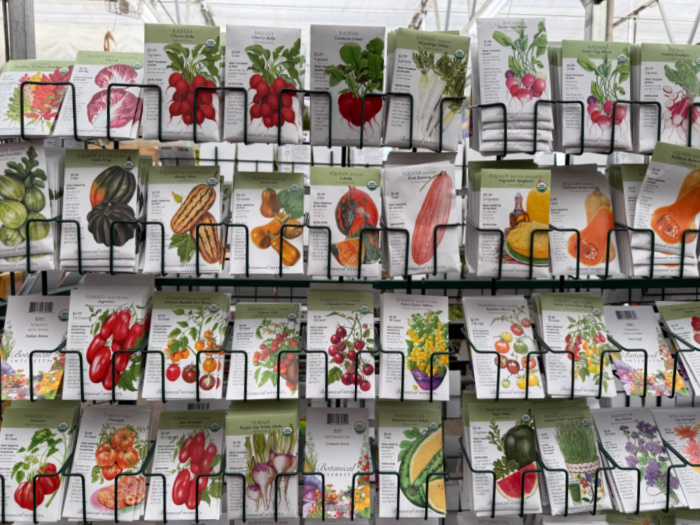
If we have a war, what you need to grow food. When the shelves run empty and supply chains collapse, the people who survive are the ones who know how to grow their own food. A war or large-scale crisis can disrupt grocery distribution within days. Whether you have a backyard garden, a community plot, or even a few raised beds, building your food-growing knowledge and gathering the right tools now could mean the difference between eating and going hungry. This post covers almost everything you need to get started, from the ground beneath your feet to the tools in your hands.
Starting with the Soil: Your Most Important Resource
No garden survives without good soil. In a crisis scenario, your soil is your lifeline, and understanding it is the first skill worth developing. Healthy garden soil is loose, dark, and full of organic matter. It drains well but holds enough moisture to keep roots fed between waterings. Before you plant a single seed, get your hands in the ground and assess what you are working with.
Sandy soil drains too fast and holds few nutrients. Clay soil holds too much water and becomes compacted. Loamy soil is the ideal balance. If you’re not starting with loamy soil, you’ll need to amend it, which is a task you can absolutely accomplish with the right materials.
Testing your soil pH is also worth doing if you can. Most vegetables prefer a pH between 6.0 and 7.0. If your soil is too acidic, you can raise the pH with lime. If it’s too alkaline, sulfur can bring it back into range.
Soil Amendments That Will Transform Your Garden
Soil amendments are materials worked into the earth to improve its structure, fertility, or drainage. Stocking up on these now, or learning how to make them yourself, is one of the smartest forms of crisis preparation.
Compost is the king of all soil amendments. It adds nutrients, improves drainage in clay soils, helps sandy soils retain moisture, and introduces beneficial microorganisms. You can make compost for free from kitchen scraps, grass clippings, and dried leaves. During a long-term crisis, your compost pile becomes a nutrient-recycling system that costs nothing.
Aged manure from chickens, cows, horses, or rabbits is another powerful amendment. It adds nitrogen and organic matter. Never apply fresh manure directly to beds where you’re growing food, as it can introduce pathogens. Let it age for at least three to six months first.
Wood ash is a useful amendment if you’re burning wood for heat. It raises soil pH and adds potassium and calcium. Use it sparingly and work it in well.
Peat moss or coconut coir can help loosen dense clay soils and improve their structure. Coconut coir is a more sustainable option and holds moisture well without becoming waterlogged. Coconut Coir
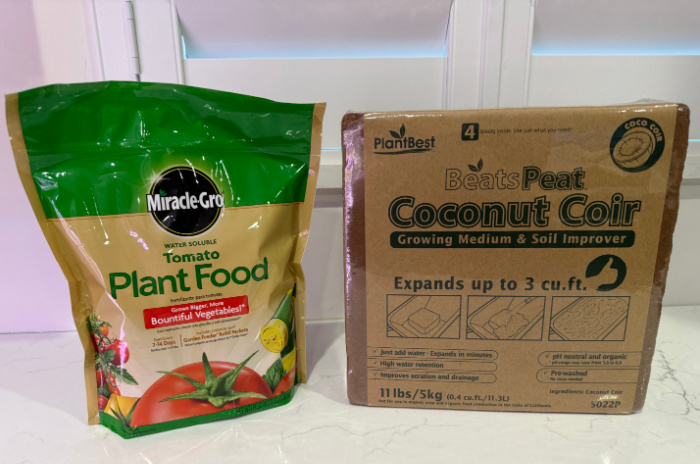
Bone meal adds phosphorus, which supports strong root development and flowering. Blood meal adds nitrogen and is particularly useful for leafy greens like lettuce, spinach, and kale. Bone Meal
If supply chains are cut off, your long-term amendment strategy should revolve around compost, animal manure, and wood ash. These are the amendments you can produce or source locally without any commercial infrastructure.
Garden Gloves: Protecting Your Most Essential Tools
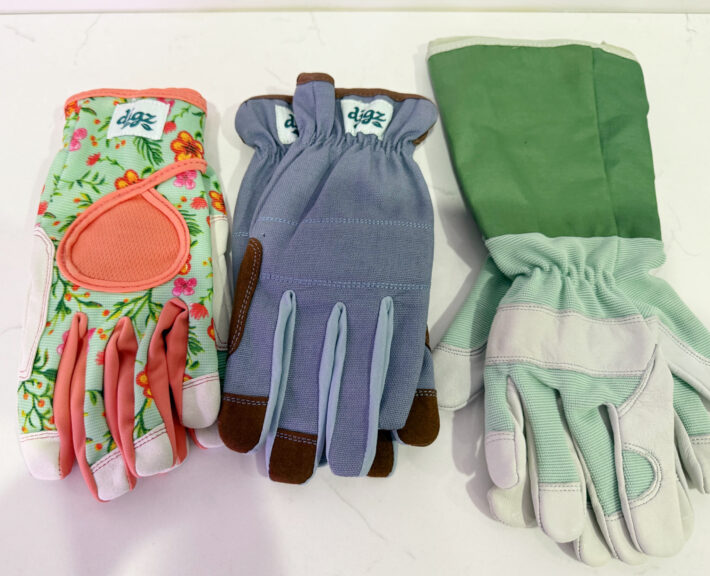
Your hands are your most important tools, and in a crisis, an infected cut or a broken nail bed is no minor inconvenience. It can take you out of work when you can least afford it. A good pair of garden gloves is not optional equipment. It’s protective gear.
Look for gloves that are durable but allow enough dexterity to handle seeds, transplants, and delicate weeding tasks. Leather palm gloves are excellent for heavy digging and moving sharp debris. Nitrile-coated gloves offer good grip and puncture resistance while still allowing fine motor control. For general use, a mid-weight pair with a reinforced palm and breathable back fabric is the most versatile option.
Stock more than one pair. Gloves wear out faster than you expect, especially if you’re gardening every day. Having backup pairs stored in a dry location is a practical form of preparedness. Digz Garden Gloves
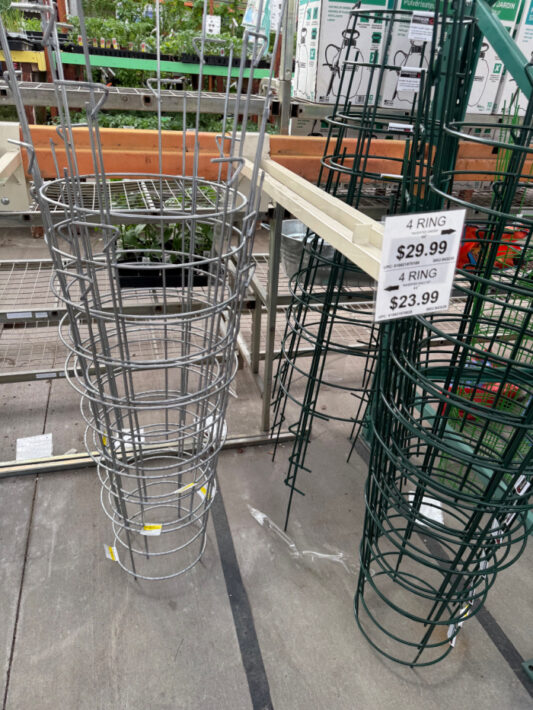
Tomato Cages: Vertical Growing for Maximum Yield
Tomatoes are one of the most calorie-dense and versatile vegetables you can grow in a survival garden. They’re productive over a long growing season, can be preserved by canning or drying, and provide vitamins that are critical when other food sources are scarce. However, tomato plants need support as they grow; without it, they sprawl across the ground, become more susceptible to disease, and produce far less fruit.
Tomato cages solve this problem by training the plant to grow upward. This improves air circulation around the foliage, keeps the fruit off the damp soil, and makes harvesting significantly easier. Standard wire tomato cages from a garden center work well for smaller varieties. For larger indeterminate tomatoes, which keep growing and producing until frost, you may want heavier-gauge cages or stakes with twine.
In a crisis scenario, tomato cages can be improvised from fencing wire, rebar, or even sturdy sticks lashed together. The concept matters more than the specific product. Your goal is to get the plant vertical.
Using a Hod to Gather Your Harvest Efficiently
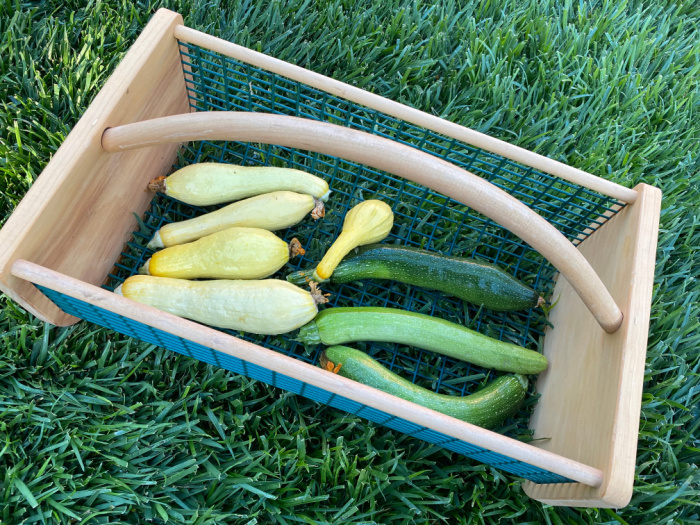
A garden hod is a slatted wooden or wire basket traditionally used to gather freshly harvested vegetables. It may be one of the most underrated tools in a productive garden. Unlike a bucket or solid container, a hod lets you rinse your vegetables right in the basket, and the water drains through the slats as you carry your harvest to the kitchen.
In a busy survival garden where you’re harvesting beans, tomatoes, squash, leafy greens, and root vegetables on a rotating schedule, a hod dramatically speeds up the post-harvest process. You pick directly into the hod, carry it to a water source, rinse, and your vegetables are clean and ready to store or cook. It saves trips, saves time, and keeps your produce off the dirt.
A well-made wooden hod will last for many years with minimal care. You can also find lighter, easier-to-clean wire versions. Keep one hung near your garden entrance so it’s always at hand when you head out to harvest. HOD Basket
Small Garden Hand Tools: The Everyday Workhorses
When you think about garden tools for a survival situation, you might picture large equipment. But the tools you’ll reach for every single day are the small ones. Hand tools are indispensable for the close, precise work that keeps a vegetable garden productive.
A hand trowel is the most fundamental of these. You’ll use it to transplant seedlings, dig planting holes, and scoop amendments into beds. Choose a trowel with a solid metal blade attached firmly to the handle, rather than one riveted in a way that loosens over time. A stainless steel head will resist rust far longer than a carbon steel one.
A hand cultivator, which looks like a small claw, is essential for breaking up the soil surface between rows, working in amendments, and uprooting small weeds before they establish. This tool does the same work as a full-size tiller in a small footprint, and it’s gentle enough to use close to plant roots without disturbing them.
A hand weeder, sometimes called a dandelion digger or Cape Cod weeder, allows you to get beneath the root of a weed and extract it cleanly. In a survival garden, weeding is not cosmetic maintenance. Weeds compete directly with your food crops for water, nutrients, and light. Staying ahead of them with a good hand weeder is critical to maintaining yield.
The Small Pitchfork: Heavy Work Without a Big Footprint
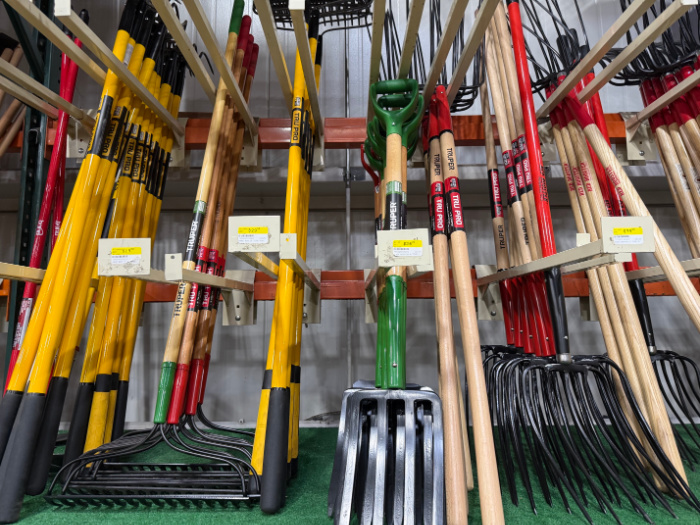
A small pitchfork, often called a border fork or hand fork, is one of the most useful tools in a compact garden toolkit. Where a full-size digging fork would be overkill in a raised bed or a tight row, a small pitchfork gives you the mechanical advantage to break up compacted soil, turn compost, and loosen root vegetables at harvest without disturbing the surrounding plants.
When amending your beds, a small pitchfork is the right tool for working compost or other organic material down into the upper several inches of soil. The tines penetrate where a flat spade would just skim the surface. If you’re harvesting root crops like carrots, parsnips, or beets, sliding the tines in alongside the roots and gently levering them out pulls them out cleanly without breaking or bruising them.
In a long-term food growing situation, you’ll use your small pitchfork almost daily during soil preparation and harvest seasons. It’s a tool worth investing in. Look for forged steel tines rather than stamped steel, which can bend under pressure. A comfortable handle length that matches your working posture will save your back over hundreds of hours of use.
The Small Rake: Seedbed Preparation and Surface Care
A small rake, whether a shrub rake or a short-handled bow rake, is the finishing tool that gets your garden beds ready for planting. After you’ve turned your soil and worked in amendments, the surface needs to be leveled and broken into fine, even particles so that seeds make good contact with the soil and germinate reliably.
A small rake is also invaluable for clearing debris from bed surfaces, smoothing out footprints and disturbances between plantings, and spreading a thin layer of mulch evenly around transplants. In tight spaces where a full-size rake would be unwieldy, a compact version gives you full control.
Look for a rake with a head between eight and twelve inches wide, which is manageable in narrow beds and rows. Tines should be firmly attached and evenly spaced. Like all your metal tools, wipe the head clean and apply a light coat of oil periodically to prevent rust, especially if you’re storing tools over a wet winter.
Building Your Crisis Garden Toolkit Now
The time to gather your tools and improve your soil is before you need them urgently. Start by working amendments into your beds this season. Build a compost pile and let it develop. Pick up a quality pair of garden gloves, a hand trowel, a cultivator, a small pitchfork, and a small rake. Add a “Hod” to your setup, along with a handful of tomato cages, for your next summer planting.
None of this requires a large investment or a lot of space. A focused, well-equipped kitchen garden measuring even a few hundred square feet can produce a meaningful portion of a family’s caloric and nutritional needs, especially if you grow calorie-dense crops like tomatoes, squash, potatoes, and beans alongside greens and herbs.
Growing your own food is a skill that takes seasons to develop. The gardeners best positioned for a crisis are those who started practicing years before they needed to rely on what they grew. Start now, build your toolkit, feed your soil, and learn the rhythms of a productive garden while the stakes are low.
If we have a war, what you need to grow food is an important issue to deal with now. When the shelves run empty and supply chains collapse, the people who survive are the ones who know how to grow their own food. A war or large-scale crisis can disrupt grocery distribution within days.
Final Word
There is no guarantee of peace. There never has been. History is a long record of ordinary people caught off guard by extraordinary disruptions, and the ones who endured were rarely the ones who waited for someone else to solve the problem. They were the ones with dirty hands and full root cellars.
A garden isn’t a political statement. It’s not a gesture of fear. It’s the oldest form of self-reliance human beings have ever practiced, and it’s available to nearly anyone willing to bend down and work the earth. The tools described in this guide are not survival fantasy gear. They are the same implements gardeners have used for generations to feed their families through hard times.
You don’t need a farm. You don’t need perfect soil or a sprawling backyard. You need a patch of ground, a willingness to learn, and the foresight to begin before you’re desperate. Amend your soil this season. Learn which vegetables produce the most calories per square foot. Get comfortable with your tools. Grow something this year, even if it’s small, even if it fails the first time.
If you don’t have access to garden space, try growing food in pots large enough to accommodate the roots of the produce you’re trying to grow. I’ve always tried to grow my food products in pots that are at least 18 inches deep. Small plants can grow together, where larger ones may need their own pot. You’ll need to hand water them if the only space is an apartment deck, but that’s ok and a good way to learn.
The seeds you plant today are an investment in a version of yourself that is harder to frighten, harder to starve, and more capable than the one standing in a checkout line hoping the shelves stay stocked. That version of yourself is worth growing, too. Start digging. May God bless this world, Linda
The post If We Have A War: What You Need To Grow Food appeared first on Food Storage Moms.
from Food Storage Moms
No comments:
Post a Comment