Let’s talk about some smart ways to store food in a small home. If you live in a small home, apartment, or tiny house, you already know the struggle. Pantry space is limited, closets are packed, and the idea of building up a meaningful food storage inventory feels impossible when you can barely fit a week’s worth of groceries. But here’s the truth: a small home doesn’t have to mean a small food supply. With a little creativity and some strategic thinking, you can store more than you ever thought possible.
Why Food Storage Matters Even in Small Spaces
Before diving into the how, it’s worth pausing on the why. Food storage is not just for people with sprawling basements or rural homesteads. Whether you’re preparing for natural disasters, job loss, unexpected illness, or simply trying to save money by buying in bulk, having a food reserve provides genuine peace of mind. And the people who benefit most from a well-stocked pantry are often the ones who feel they have the least room for one.
The key mindset shift is this: you don’t need a dedicated storage room. You need to look at your existing space differently.
Use Vertical Space Aggressively
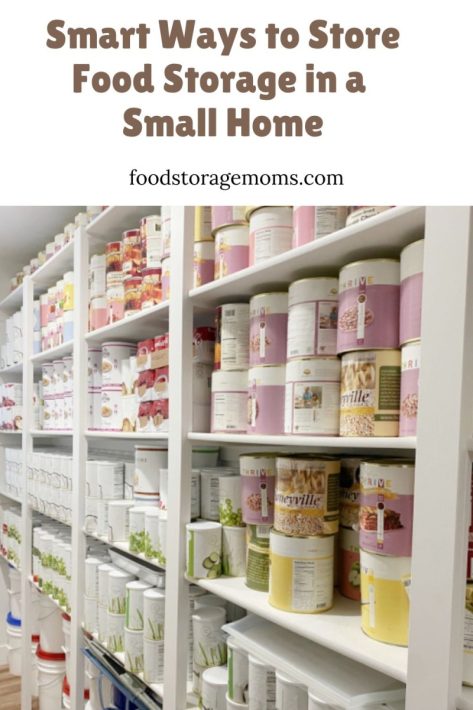
Most small homes waste the most valuable real estate in the house: the walls. From floor to ceiling, vertical space is your best friend when square footage is limited. Installing tall shelving units in a kitchen corner, hallway, or even a bedroom closet can dramatically increase your storage capacity without taking up much additional floor space.
Open shelving in the kitchen, for example, can hold canned goods, dry beans, rice, and other shelf-stable items in an organized and accessible way. Stack cans in rows, label everything clearly, and rotate older items to the front so nothing gets forgotten. If you go this route, consider using shelf risers or stepped organizers to maximize how much you can see and reach at a glance.
Think Under the Bed
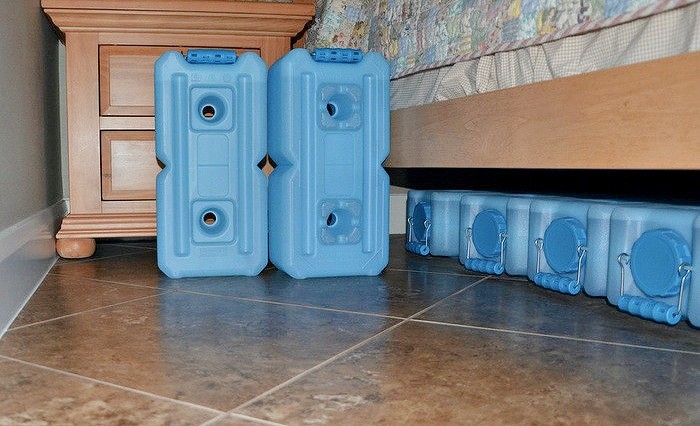
The space under your bed is one of the most underutilized areas in any home. Shallow rolling bins and flat storage containers are designed specifically for this purpose and can hold a surprising amount of dry goods when packed thoughtfully. Airtight containers keep out pests and moisture, which is essential for storing rice, oats, flour, pasta, and similar staples.
Bed risers can give you even more clearance if needed. Some people invest in a bed frame with built-in drawers for storage, which is especially smart for studio apartments or single-room living situations.
Repurpose Closet Space Strategically
Not every closet needs to be full of clothing. If you have a coat closet near the front door, a linen closet with extra capacity, or even a guest room closet that rarely gets used, consider dedicating a portion of it to food storage.
Stackable clear bins work well here because they let you see what you have without pulling everything out. Wire shelving or over-the-door organizers can transform the inside of a closet door into useful storage for spices, canned goods, snacks, and smaller packaged items.
The “Store What You Eat” Philosophy
One of the most practical principles for small-space food storage is to only store what your household actually eats. It sounds simple, but many people make the mistake of buying bulk foods they think they should have rather than items they genuinely use. This leads to wasted money, expired food, and storage space filled with unwanted items.
Take stock of what your family eats regularly. Build your storage around those items first. If you eat rice and beans several times a week, those go at the top of your list. If you love canned tomatoes and use them in half your meals, stock up on those. A food storage reserve built around real eating habits is one you’ll actually rotate and maintain.
Furniture That Does Double Duty
In a small home, every piece of furniture should ideally serve more than one purpose. Ottomans with interior storage, benches with lift-up seats, and coffee tables with lower shelves can all hold canned goods, packaged foods, or dry staples without anyone knowing or caring.
Some families use a decorative trunk or chest as a coffee table or entry bench, storing food inside it. Others line the bottom of a wardrobe with canned goods, then stack clothing on top. Get creative and look at every piece of furniture as a potential storage opportunity.
Dedicated Pantry Cabinets in Non-Traditional Rooms
Who says a pantry has to be in the kitchen? In small homes, a tall pantry cabinet or armoire placed in a dining area, laundry room, or hallway can serve as an excellent food storage solution. IKEA and similar retailers sell tall, narrow cabinet units that work beautifully for this purpose and can blend into a room’s decor with minimal disruption.
This approach is particularly useful if your kitchen cabinets are already at capacity. Moving overflow dry goods and canned items to a separate cabinet elsewhere in the home frees up your kitchen for everyday cooking essentials while still keeping your food storage organized and accessible.
Staircase Storage and Other Hidden Gems
If your home has a staircase, there may be accessible storage space built into the risers or underneath the stairs that you’re not using. Some homes already have this built in; others can be retrofitted with pull-out drawers or simple shelving.
Other hidden storage spots worth considering include: the tops of kitchen cabinets for lighter items, deep corners with rotating lazy Susans, the inside of bathroom cabinet doors, and the gap between your refrigerator and the wall. None of these spaces is large on its own, but together they add up to meaningful capacity.
Buckets, Mylar Bags, and Long-Term Storage Options
For longer-term food storage in tight quarters, food-grade five-gallon buckets are among the most space-efficient options. They stack cleanly, seal tightly, and can hold large quantities of rice, wheat, oats, and other dry goods. A stack of three or four buckets takes up a small footprint and can be tucked in a closet corner, under a staircase, or along a bedroom wall.
Mylar bags with oxygen absorbers used inside these buckets can extend shelf life to anywhere from five to twenty-five years, depending on the food, which means you can build your storage gradually without worrying about constant rotation. Please note oxygen absorbers CANNOT be used in sugar or salt. They will become heavy bricks.
Keep It Organized and Rotating
Whatever storage system you create, organization and rotation are what make it sustainable. Label everything with the date of purchase, store newer items at the back, and use older items first. This is called the first-in, first-out method, and it prevents waste while keeping your supply fresh.
Spend a few minutes every month or so doing a quick inventory check. Note what’s running low, what’s nearing its expiration date, and what you haven’t touched in a while. Adjust your shopping and storage habits accordingly.
Start Small and Build Gradually
If you’re new to food storage and feeling overwhelmed, the most important thing is to simply start. You don’t need to transform your entire home at once. Add a few extra cans to your cart each week. Find one unused shelf or corner and dedicate it to dry goods. Buy a bag of rice or a container of oats and tuck it away in a cool, dry place.
Over time, small steps add up to a meaningful reserve. Living in a small home is not a barrier to preparedness. It’s just an invitation to be a little more thoughtful about how you use the space you have.
The Best Containers for Food Storage and Why Choosing the Right One Makes All the Difference
Walk down any kitchen aisle or scroll through a home organization website, and you’ll quickly realize there is no shortage of containers claiming to be the best option for storing food. The choices are overwhelming, and without a clear understanding of what each type does well, it’s easy to spend money on the wrong thing. Whether you’re building a long-term food storage supply, organizing your everyday pantry, or trying to keep bulk purchases fresh, the container you choose matters more than most people realize.
Why the Right Container Is Not Just About Looks
It’s tempting to choose storage containers based on aesthetics alone. Matching glass jars lined up on a shelf look beautiful, and there’s a reason pantry organization has become such a popular corner of the internet. But the function of a container comes first, especially when food preservation is the goal.
The right container protects your food from four main enemies: air, moisture, light, and pests. A container that fails on any one of those fronts can lead to spoiled food, lost money, and a storage system that slowly works against you instead of for you. Understanding what each material and style offers helps you make choices that actually serve your household. I love glass containers, but I live in an area where earthquakes are the first disaster we expect. Glass is awesome, but it is also breakable. Use bungies to secure your hard-earned food.
Food-Grade Plastic Containers
Food-grade plastic is one of the most common and affordable options for home food storage, and when used correctly, it works very well. The key phrase here is food-grade, which means the plastic has been tested and approved for contact with food without leaching harmful chemicals. Look for containers labeled BPA-free and check the recycling number on the bottom; numbers 2, 4, and 5 are generally considered the safest choices.
Plastic containers come in an enormous range of sizes, from small snack containers to large five-gallon buckets designed specifically for bulk dry goods. For everyday pantry staples like flour, sugar, oats, and cereal, airtight plastic canisters with locking lids are practical and affordable. For longer-term storage, food-grade five-gallon buckets with gamma seal lids are a favorite among preparedness communities because they stack efficiently, seal tightly, and hold a large volume of food. I buy these: 5-Gallon Buckets with Gamma Lids (all are color-coded). For my storage, blue is sugar, yellow is pasta, red is hard white wheat, and bread flour. Green is for cleaning solutions/detergents.
The main drawback of plastic is that it can absorb odors over time, is not ideal for very long-term storage without additional measures like Mylar bag liners, and can degrade if exposed to direct sunlight over many years.
Glass Jars and Canisters
Glass is a longtime favorite for pantry storage and for good reason. It doesn’t absorb odors, it doesn’t leach anything into your food, it’s easy to clean thoroughly, and it lets you see exactly what you have at a glance. Wide-mouth mason jars, in particular, are incredibly versatile and come in sizes ranging from half a pint to a half gallon.
For dry goods such as rice, pasta, lentils, spices, nuts, and coffee, glass jars with tight-fitting lids offer excellent protection from air and moisture. They’re also a great option for foods you cycle through regularly because they’re easy to clean and refill. Some people use a vacuum sealer attachment designed for mason jars. Mason Jar Sealer.
In case you missed this post: Dicorain™ A New Way To Vacuum-Seal Some Foods.
The downsides are weight and fragility. Glass is heavier than plastic, which matters when you’re stacking containers or storing things in upper cabinets. It also breaks if dropped, which is worth considering if you have young children or limited shelf space. Glass is also not ideal for very long-term storage of large quantities simply because of the cost and space involved.
Mylar Bags
Mylar bags are a staple of serious long-term food storage and among the most effective options for preserving dry goods for years or even decades. Made from a metallic polyester film, Mylar creates a near-impermeable barrier against oxygen, moisture, and light; the three things most responsible for degrading shelf-stable foods over time.
Used in combination with oxygen absorbers, Mylar bags can extend the shelf life of dry goods such as white rice, hard red wheat, and dried beans by as much as 20-30 years, depending on the food and storage conditions. The bags are heat-sealed using a flat iron, hair straightener, or impulse sealer, creating an airtight closure that no zip-lock or snap lid can match.
Mylar bags are most commonly stored in food-grade plastic buckets to protect them from punctures and to make stacking easier. They come in a wide range of sizes, from small one-quart bags for spices and smaller quantities, to large one-gallon and five-gallon bags for bulk staples. For anyone serious about building a deep pantry or emergency food supply, Mylar bags, combined with oxygen absorbers and food-grade buckets, form the gold standard for dry food storage.
Please note, I don’t use Mylar bags; it’s a personal preference.
Airtight Canisters and Vacuum-Seal Containers
For everyday pantry use, airtight canisters are among the most practical options available. These are the containers most people picture when they think of an organized kitchen with uniform, stackable options, and designed to keep contents fresh between uses. Materials include plastic, glass, stainless steel, and ceramic, each with its own advantages.
Vacuum-seal containers take this a step further by allowing you to remove air from the container before closing it, either with a hand pump or an electric vacuum sealer. Removing oxygen slows oxidation and inhibits the growth of mold and bacteria, which meaningfully extends the freshness of many foods. These are particularly useful for coffee, nuts, dried fruit, flour, and other items that you use regularly but want to stay fresh as long as possible. Please note, I still put all my nuts in the freezer. They can become rancid very quickly.
The limitation of standard airtight canisters and even vacuum containers is that they are best suited for medium-term storage, weeks to months, rather than years. They’re not a substitute for Mylar bags or buckets for true long-term food preservation.
Oxygen Absorbers and Their Role
While not containers themselves, oxygen absorbers are worth understanding because they work hand in hand with food storage containers to dramatically improve shelf life. These small packets contain iron powder that reacts with oxygen inside a sealed container, effectively removing it from the environment in which your food is stored.
They’re used inside Mylar bags before heat-sealing and can also be used in glass mason jars with vacuum-seal lids. The size of the oxygen absorber needed depends on the container volume and the type of food being stored. Using too small an absorber leaves residual oxygen; using too large sizes wastes money but does no harm.
Oxygen absorbers are inexpensive, widely available online and in preparedness stores, and are one of the most cost-effective tools you can add to your food storage system.
Canned Goods and Commercial Packaging
It’s worth mentioning that commercially canned goods are themselves excellent food storage containers. The metal cans used in store-bought beans, tomatoes, soups, and vegetables are designed for long-term preservation and are extremely durable. Properly stored in a cool, dry location away from direct light, most commercially canned foods remain safe and nutritious well beyond their printed best-by dates. Please remember that tomato products are trickier because of their acidity.
For many households, building a food storage inventory that relies heavily on commercially canned goods is entirely practical, affordable, and effective. The containers are already sealed, labeled, and stackable, which makes organization and rotation straightforward.
Matching the Container to the Food
One of the most useful habits you can develop is matching the type of container to the specific food and storage goal. Here is a simple way to think about it: for everyday pantry use and short to medium-term storage, airtight canisters and glass jars work beautifully. For medium to long-term storage of bulk dry goods, food-grade plastic buckets with secure lids are practical and affordable. For true long-term storage meant to last five years or more, Mylar bags with oxygen absorbers inside food-grade buckets are the most reliable choice.
Mixing and matching these systems based on your actual needs is smarter than trying to standardize everything into one container type. Before investing in a full set of containers, take inventory of what you’re actually storing and how long you want it to last. Start with a small selection of each type and see what works best for your space, habits, and budget. Buy food-grade only, check that lids seal properly before relying on them, and always label containers with the contents and date they were filled.
Containers for Food Storage You Need
Final Word
A good container system is one you’ll actually use and maintain. The best setup in the world doesn’t help if it’s too complicated to keep up with. Keep it simple, stay consistent, and your food storage will work hard for you for years to come. May God bless this world, Linda
The post Smart Ways to Store Food Storage in a Small Home appeared first on Food Storage Moms.
from Food Storage Moms
No comments:
Post a Comment