If we have a war: “Stock These Ten Foods Now!” In an era of rising geopolitical tensions, supply chain fragility, and unpredictable global conflict, the question of food security is no longer the domain of fringe survivalists. It’s a practical consideration for every household. History has shown, repeatedly and without mercy, that war disrupts supply chains overnight. Grocery store shelves that appear fully stocked on a Monday can be stripped bare by Wednesday. Trucks stop running. Ports close. Farmers flee. Distribution networks collapse.
Preparing your food supply before a crisis hits is not paranoia. It’s the same logic behind carrying a spare tire or buying homeowner’s insurance. You hope you never need it. You’re deeply grateful when you do. Yes, we’ll need water. I recommend 4 gallons per person per day to cover hydration, cooking, personal hygiene, and limited laundry needs. The American Red Cross recommends 1 gallon per person per day. You decide. The American Red Cross.
This post covers the ten most important foods to stock right now, why each one deserves a place on the shelf, how much you should realistically store, and how to store them correctly so they don’t go to waste. These are not random pantry items. They are time-tested, calorie-dense, nutritionally critical staples that have sustained populations through every major conflict in modern history, from World War II rationing in Britain to the sieges of the 20th century’s bloodiest urban battles. Read carefully. Act soon.
Why Food Preparedness Matters More Than Ever
1. White Rice
Why White Rice Belongs at the Top of Every List
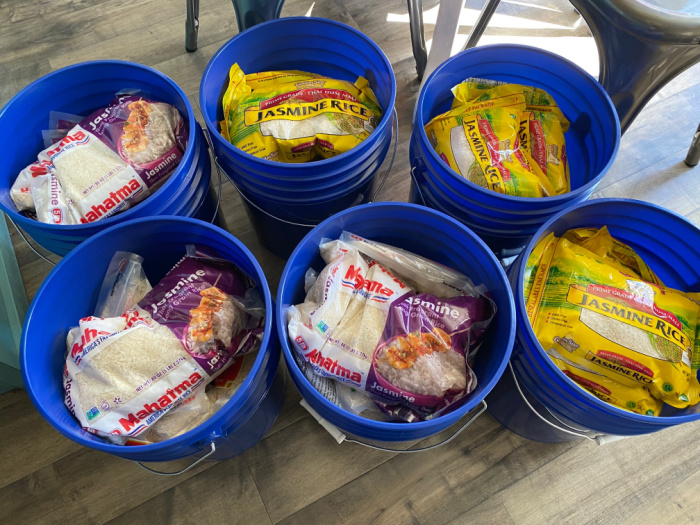
White rice is the single most efficient food you can store for survival purposes. It delivers high caloric density, stores for extraordinarily long periods when packaged correctly, costs very little per pound, and is universally palatable across virtually every culture and age group. A 50-pound bag of white rice costs roughly the same as two or three restaurant meals, yet it can provide hundreds of servings of energy-sustaining carbohydrates.
During wartime, your body’s primary need is calories. Keeping your energy up affects every decision you make, every distance you can travel, and every hour you can function under stress. Rice delivers those calories reliably.
How Long Does White Rice Last?
Properly stored white rice in sealed, oxygen-free containers can last 25 to 30 years. This is not an exaggeration. The key is removing oxygen from the storage environment. Oxygen accelerates rancidity and creates conditions for insect infestation. Use mylar bags with oxygen absorbers inside food-grade buckets for maximum shelf life.
Brown rice, by contrast, retains its bran layer, which contains oils that go rancid within 6 to 12 months. For long-term emergency storage, white rice is the correct choice.
How Much to Store
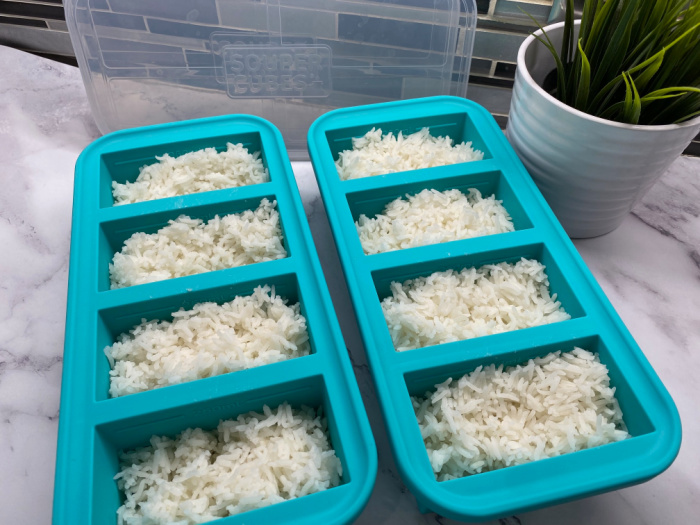
Emergency preparedness guidelines generally recommend 1 pound of dry rice per person per day as part of a survival diet. For a family of four over 90 days, that means roughly 360 pounds of rice. Start with what you can afford and build from there. Even 50 pounds is a meaningful start. I freeze so many things in these Souper Cubes (these are 1-Cup). In my meal prep efforts, I cook the rice and then store it in these cubes for easy access from the freezer.
2. Hard Red or Hard White Wheat Berries
The Forgotten Foundation of Food Security
Wheat berries, meaning whole, unprocessed wheat kernels, are one of the most underrated items in emergency food storage. Unlike flour, which goes stale within months, wheat berries can be stored for 25 to 30 years in sealed containers. When you’re ready to use them, you grind them into fresh flour using a hand-crank or electric grain mill.
This distinction matters enormously in a prolonged war scenario. Fresh-ground flour produces far more nutritious bread than shelf-stable processed flour, and the ability to grind your own grain means you control your food supply far longer than anyone relying on pre-processed products.
What You Can Make from Wheat Berries
With wheat berries and a grain mill, you can produce flour for bread, tortillas, pasta, pancakes, and crackers, as well as thickening agents for soups and stews. A single grain mill is a multi-generational investment that pays dividends across every food crisis imaginable.
Storage and Investment Notes
Store wheat berries in sealed Mylar bags with oxygen absorbers inside hard plastic or metal containers. Hard red wheat has a slightly higher protein content and a more robust, nutty flavor. Hard white wheat produces a milder, lighter flour closer to what most people are accustomed to in store-bought products. Investing in a quality hand-crank grain mill, capable of operating without electricity, should accompany any serious wheat berry stockpile.
3. Dried Beans and Legumes
Protein and Fiber When Meat Is Gone
In virtually every documented food crisis throughout history, meat disappears from civilian diets quickly. Animals require enormous resources to raise and maintain. Supply chains for animal protein are long, complex, and fragile. Dried beans and legumes, by contrast, are compact, storable, and capable of providing the protein, fiber, and complex carbohydrates that keep the human body functioning at its best.
Pinto beans, black beans, kidney beans, lentils, split peas, and chickpeas are all excellent choices. Lentils are particularly valuable because they cook quickly without pre-soaking, conserving both fuel, water, and time in a crisis.
The Nutritional Case for Beans in a War Diet
Beans paired with rice create a complete protein profile, meaning together they supply all essential amino acids the human body can’t produce on its own. This combination has sustained populations across Latin America, Asia, and the Middle East for centuries. It’s not accidental. It’s nutritional wisdom encoded over generations of survival.
Beyond protein, beans provide iron, magnesium, potassium, and significant dietary fiber, all of which become harder to source when fresh produce disappears from the market.
Shelf Life and Storage
Dried beans stored in sealed, oxygen-free containers last 25 to 30 years, though beans older than 8 to 10 years may require longer cooking times to reach a palatable texture. Store a variety of foods to prevent flavor fatigue, which can become a real psychological challenge during extended crises.
4. Canned Meat and Fish
Why Animal Protein Needs a Place on Your Emergency Shelf
While dried beans fill much of the protein gap, canned meat and fish provide a crucial psychological and nutritional boost during extended emergencies. Canned tuna, salmon, sardines, chicken, and beef offer complete proteins alongside critical micronutrients, including B12, zinc, and omega-3 fatty acids, nutrients that can’t be obtained from plant foods alone.
Sardines and canned salmon deserve particular attention. They’re among the most nutrient-dense foods available in shelf-stable form, providing not only protein but calcium from their edible bones, vitamin D, and the long-chain omega-3 fatty acids associated with brain function and cardiovascular health. In a prolonged crisis, cognitive function and mood stability matter as much as caloric intake.
Rotation Strategy for Canned Meats
Canned meats typically carry best-by dates ranging from 2 to 5 years, though properly stored cans often remain safe and nutritionally adequate well beyond that window. The rule of thumb from food scientists is that commercially sealed cans remain safe indefinitely as long as the can shows no swelling, rust, denting at the seams, or off odors upon opening.
Build your rotation system by placing newer purchases behind older stock and consuming the oldest cans first. This first-in, first-out approach prevents waste and ensures you’re always eating from a fresh reserve.
5. Cooking Oils and Fats
The Most Overlooked Category in Emergency Food Planning
Ask most people what they would stockpile for a war emergency, and they will list grains, beans, and canned goods. Very few will spontaneously mention cooking oil, and that’s a dangerous oversight. Fats are calorie-dense, essential for cooking most foods, and critically important for absorbing fat-soluble vitamins A, D, E, and K. A diet stripped of dietary fat leads to deficiency diseases, cognitive impairment, and hormonal disruption within weeks.
During World War II, cooking fats were among the most tightly rationed commodities in both Britain and the United States. Their absence was felt immediately and acutely in every household.
Which Oils Store Best
Refined coconut oil and ghee (clarified butter) are the gold standard for long-term fat storage. Refined coconut oil stores for 2 to 5 years at room temperature, resists rancidity thanks to its high saturated fat content, and serves a dual purpose as a cooking fat and a skin moisturizer. Ghee stores similarly well and provides the rich fat profile necessary to cook grains and legumes well.
Extra virgin olive oil, when sealed, stores for 18 to 24 months and should be kept in a dark, cool location. Refined vegetable oils like canola and sunflower have shorter shelf lives and go rancid more quickly, making them less ideal for a long-term emergency pantry.
6. Salt
The Mineral That Built Civilizations and Saved Armies
Salt is not glamorous. It won’t generate excitement when you mention it in a preparedness conversation. But throughout human history, salt has been so critical to survival that it was used as currency, fought over in military campaigns, and, in its absence, has caused the collapse of armies and civilian populations alike.
Salt serves three irreplaceable functions in an emergency pantry. First, it’s essential for human health. The body can’t manufacture sodium, and without it, blood pressure collapses, muscle function deteriorates, and nerve signals fail. Second, it preserves food. Salt-curing meat, fermenting vegetables, and brining are ancient technologies for extending the usability of perishable foods without refrigeration. Third, it makes food edible. A diet of plain rice and beans, consumed day after day under stress and exhaustion, becomes psychologically unbearable without salt to add flavor.
How Much Salt to Store and What Type
Store plain, non-iodized canning and pickling salt for food preservation purposes and iodized table salt for dietary consumption. Iodized salt prevents iodine deficiency, which causes goiter and thyroid dysfunction, a meaningful health risk when access to diverse foods is cut off for months.
Fifty pounds of salt costs only a few dollars and stores indefinitely when kept dry. There’s no rational argument against stocking a substantial supply.
7. Honey
Nature’s Immortal Sweetener and Medicine Cabinet
Archaeologists have found honey in Egyptian tombs that remained perfectly edible after 3,000 years. This is not a metaphor or an exaggeration. Honey’s unique chemical composition, its low moisture content, high sugar concentration, and naturally acidic pH create an environment in which bacteria and mold simply can’t survive.
In an emergency context, honey provides multiple categories of value simultaneously. It’s a caloric sweetener that improves the palatability of otherwise monotonous foods. It serves as a natural wound dressing with documented antimicrobial properties and was historically used on battlefield wounds before the advent of antibiotics. It can be used as a cough suppressant and throat soother. It provides a rapid source of simple sugars for energy in situations where someone is experiencing blood sugar crashes from inadequate nutrition.
What to Buy and How to Store It
Purchase raw, unfiltered honey in sealed glass jars or food-grade plastic containers. Avoid highly processed commercial honey products. Raw honey may crystallize over time, which is a normal physical process and not a sign of spoilage. Simply warm the container gently in a bowl of warm water to liquefy crystallized honey. Store away from direct heat and sunlight.
8. Multivitamins and Vitamin Supplements
Food Is Not Enough: The Micronutrient Crisis in Every War
This entry expands the traditional definition of food storage, but it belongs on this list because no discussion of wartime nutrition is honest without it. Every documented major conflict of the 20th century produced civilian populations suffering from specific vitamin and mineral deficiencies, not from a lack of calories alone, but from a collapse of dietary variety.
Scurvy, caused by vitamin C deficiency, appeared in besieged populations within weeks of fresh produce disappearing. Pellagra, from niacin deficiency, devastated communities relying too heavily on corn without adequate dietary diversity. Beriberi from thiamine deficiency, rickets from vitamin D deficiency, and night blindness from vitamin A deficiency have all appeared in historical wartime food crises.
A quality multivitamin doesn’t replace food. But it provides a meaningful nutritional safety net when the variety of your diet collapses to a handful of shelf-stable staples.
What Supplements to Prioritize
Stock a high-quality general multivitamin for each person in your household, vitamin C in chewable or powder form, vitamin D3, and a fish oil supplement. If you have infants, young children, or pregnant women in your household, their specific supplementation needs, particularly folate, iron, and vitamin D, require additional planning. Store supplements in a cool, dark location and replace them according to their expiration dates, as potency degrades over time.
9. Instant Oats and Other Rolled Grains
Fast-Cooking Fuel for Uncertain Conditions
In a crisis, cooking fuel is a scarce and precious resource. Every minute of burning propane, wood, or cooking fuel is a calculation. Instant oats and rolled grains cook in minutes, sometimes with nothing more than hot water, making them among the most fuel-efficient calorie sources available.
Beyond fuel efficiency, oats provide soluble fiber, which supports gut health and cardiovascular function; B vitamins, essential for energy metabolism; iron; magnesium; and satiety, making them genuinely satisfying despite their simplicity. A bowl of cooked oats with a drizzle of honey and a pinch of salt is a genuinely nourishing meal that children and adults alike will accept without complaint.
Storage Details and Quantities
Rolled oats store for 2 to 4 years in their original packaging and up to 30 years when sealed in mylar bags with oxygen absorbers. Instant oats have a slightly shorter shelf life due to their increased surface area from processing. Store both varieties to give yourself flexibility depending on fuel availability. A family of four eating oats for breakfast daily for 90 days requires approximately 45 to 60 pounds of oats.
10. Hard Liquor and Vinegar
Two Non-Food Items That Belong in Your Food Pantry
This final entry covers two items that are not foods in the traditional sense but earn their place in any serious emergency pantry through sheer versatility.
Distilled spirits at 40 percent alcohol or higher, think vodka, whiskey, or grain alcohol, serve as antiseptics for wound care, barter currency in collapsed economies, fire starters, and morale boosters in extreme stress situations. Their role as a trade good can’t be understated. Throughout every documented wartime black market economy, alcohol has been among the most universally valued commodities.
Distilled white vinegar and apple cider vinegar serve parallel multipurpose functions. Vinegar preserves food through pickling, extending the usability of any vegetables or proteins you have access to. It serves as a household disinfectant, a cleaning agent, a hair rinse that keeps the scalp healthy when shampoo is unavailable, a fabric softener, and an ingredient in home remedies for digestive upset. Apple cider vinegar, with its active cultures, supports gut health through its probiotic content.
Storage Considerations
Distilled spirits can be stored indefinitely in sealed glass bottles. Vinegar stores indefinitely and actually improves in flavor and acidity concentration over time. Both are fairly inexpensive and compact, and provide outsized value per dollar and per pound of storage space.
Final Word
The foods outlined in this post are not unusual or difficult to source. Every item on this list is available today at grocery stores, warehouse retailers, and online suppliers. The challenge isn’t finding them. The challenge is to act before the moment arrives, when everyone else is trying to find them simultaneously. A useful framework for building your emergency pantry is the three-month rule: stock enough food to sustain your household for 90 days without resupply.
This covers the duration of most acute supply chain disruptions and provides a meaningful buffer against the impacts of regional conflict. Beyond 90 days, the calculus changes, and your focus would shift from storage to food production, but a 90-day reserve puts you ahead of the overwhelming majority of households in any developed country. Start with rice and beans. Add salt and oil. Build from there. The cost of preparation is trivial compared to the cost of being unprepared when the moment finally demands it. May God bless this world, Linda
The post If We Have A War: Stock These Ten Foods Now appeared first on Food Storage Moms.
from Food Storage Moms
No comments:
Post a Comment