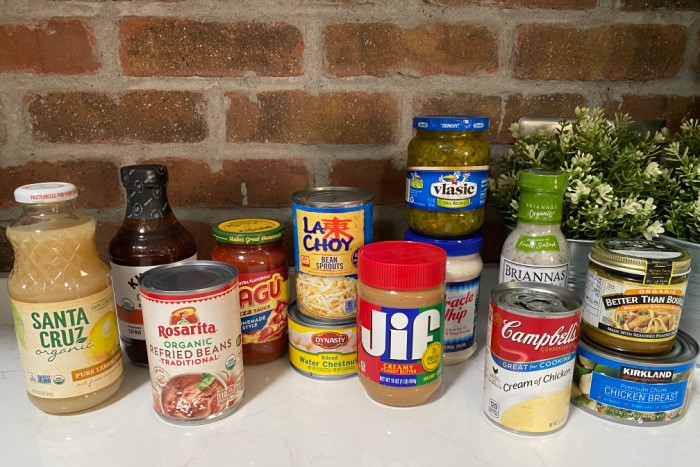
Today, I decided to share my thoughts on Food Storage: What I Stock and Why. Here’s the deal: We all have ideas for food storage, but we also have different budgets. Some people believe in food storage, and others wonder why we stock extra items in our pantries. I get it: We see the grocery stores filled to the brim with the items we love to buy.
But now, the stores are not always filled like in years past. Is it the extreme weather we’ve had, the lack of workers to pick the crops, or the fact that we’re running out of truckers to transport our food and other critical items we depend on? There are shortages of metal to make the cans for some of the items we need, and then sickness has taken out a few workers here and there.
Why You Must Stock Food and Water Now, Not Later
Emergencies don’t wait for a convenient time. Storms, power outages, job loss, illness, and supply chain hiccups can happen without warning, and when they do, store shelves empty out fast. I’ve seen it happen again and again, whether it’s a winter storm shutting down roads for days or a simple supply delay that leaves shelves bare for a week. Unless you’ve prepared for the various emergencies likely to come your way, if you wait until the news tells you something is coming, you’re already behind everyone else who prepared ahead of time.
Water is even more urgent than food. Your body can survive weeks without food but only a few days without water. City water systems can fail during storms, earthquakes, or infrastructure problems, and boil water notices happen more often than most people realize. A simple supply of clean water stored now means your family is never caught without something so basic and so necessary.
Building your food storage isn’t about fear. It’s about peace of mind. When you have a pantry stocked with the basics your family eats every day, you’re not scrambling during a crisis. You’re calm, prepared, and able to help your neighbors too. Every can, every bag of rice, every jug of water you set aside today is one less thing you’ll have to worry about tomorrow.
Start small if you need to. Add a few extra items each time you shop. The goal isn’t to do it all in one day, but to keep moving forward until you have the peace of mind that comes from being ready.
Shortages
We’ve seen shortages of canning supplies, dehydrators, water bath canners, and pressure canners in years past. I’ve seen gas shortages, sugar shortages, and extreme weather that affected our food chain.
Now, cyberattacks are becoming more real. I have a friend, Hank Brown, whom I’ve talked with many times about these types of attacks for a few years. He’s a cyberattack warfare specialist, and he tells me we’ve seen more reports of cyberattacks than we care to talk about.
Hank has written two books I highly recommend: Plan Bravo Book 1 and Plan Bravo Book 2. He’s the real deal, my friends. You need to read his biography on Amazon. He’s intelligent and amazing, and as I said, he’s the real deal.
Hank and I discussed how often we’ve read the book “Light Out” by Ted Koppel. I’m reading it again as I write this. I learn something new each time. So, this is why I stock food and emergency preparedness items. It’s been my way of life, and I hope you’re also stocking those items you use often.
Most of you are prepared in many ways, and I tip my hat to you. We can’t depend on the government; we must care for ourselves. So we all prep to a certain degree, right? Let me share what I stock and why. I’m only talking about food storage today.
Please remember water is a must, but you know that. Here’s how to store water in case you missed this post: How To Store Water-Pros And Cons
Food Storage: What I Stock and Why
Short-Term Bulk Food
We all need short-term food storage. It can be 12 months to 8 years, give or take. It all depends on the brand you’ve purchased. The reason I stock these items is that I cook from scratch, and these make up some of “my home grocery store.”
I can make bread, tortillas, hamburger buns, sourdough bread, biscuits, and crepes with flour, which is on the top of this list. And don’t forget pancakes and waffles.
If you stock pasta, you can make spaghetti, mac and cheese, soups, and just about any casserole that calls for pasta. If you have the other items shown, you can add them to breakfast meals, carrots in soups, and so much more. Instant mashed potatoes are a great addition to a last-minute fried chicken or roast beef dinner.
I’ll only use the powdered butter; scrambled eggs or whole eggs should an emergency arise, and only for baking. The only eggs I’ll eat out of a package are OvaEasy Eggs; they’re real eggs, but they have a short shelf-life as well. And they are costly.
- White Flour
- Pasta
- Dehydrated Items:
- Carrots
- Mashed Potatoes
- Hashbrowns
- Scrambled Eggs
- Whole eggs
- Butter Powder
Pros of Short-Term Food:
- They’re cheaper.
- More people can afford these.
Cons of Short-Term Food:
- Typically, the dehydrated foods must be cooked using extra fuel.
- Shorter shelf life.
Long-term Food
I mainly have Thrive Life long-term freeze-dried food, which, under really cool temperatures, will last for 25 years. I don’t keep my heat and air conditioning at 65 degrees, so the 25 years will shrink to 15 or so years; it’s anyone’s guess. I’m fine with this; I feel better having freeze-dried food over dehydrated food.
Mark and I purchased it many years ago when the prices were more affordable. I can’t recommend buying freeze-dried food right now. The prices are ridiculously high, and I’m not sure they’ll come back down anytime soon.
You may want to invest in “meals in buckets,” most of which are inexpensive and easy to store. They wouldn’t be my first choice, but whatever works for you, do it so you at least have some food stored away.
I was at Costco the other day, and a couple was loading several of them on a flatbed, lots of them. I thought to myself, I hope they looked at the contents.
Let’s talk about wheat: you must have a wheat grinder in order to use the wheat for bread. Of course, you can crack it for cereal if you have the right kind of grinder. Some wheat grinders ONLY grind the wheat for flour. Some crack it and grind other non-oily grains. Please research BEFORE you jump in and buy one.
Wheat Grinders
I have a KOMO Classic (currently sold out) and a hand wheat grinder made by the GrainMaker in Montana. I was blessed to learn how to grind when I was about 5 years old with a very old wheat grinder. BUT, I learned to make bread. I have to thank my mother, who’s now in heaven, for teaching me the gift of making bread, biscuits, and tortillas, to name just a few things.
Now, let’s talk beans. My favorite beans are black and pinto. You can make refried beans, soups, beans with rice- you name it; the possibilities are unlimited. Mark and I can eat steamed white rice just about every night; we love it so much. Add some meat, salad, spices, sauces, or salsa, and we’re good to go.
Freeze-Dried Meats
I don’t use my freeze-dried meats at all, and now that they are even more expensive, they are like GOLD! The prices are out of reach right now. When I used to teach food storage classes, I had opened them and served them to people, so I learned what they taste like. They’re great for casseroles; I’ll leave it at that.
Freeze-Dried Vegetables
Now, let’s talk about freeze-dried vegetables. I really like these, but since they’re so expensive, I started occasionally buying the “pantry size” cans. I’ve realized I don’t need a #10 can for some of my stored items. I’m sad to report that ThriveLife has closed and shut down. I’ve recommended their freeze-dried products for years.
I only use the pantry-size green onions and jalapeno peppers. If by chance I need to make some “Soup In A Mix” jars, I’ll open a #10 can of freeze-dried onions or celery.
Freeze-Dried Fruits
It’s nice to know I have vegetables at my fingertips if I need them without having to go to the store. Now, onto the fruits, you would love freeze-dried fruits. My grandkids love the pineapple; it’s a great snack and a healthy treat right out of the can.
Every once in a while, I run out of milk- rarely- but if Mark needs milk for his cereal and bananas, we make instant milk. I don’t drink much milk, but it’s fine if it’s very cold and poured over sweet cereal with sliced bananas on top. Enough said. Check out below what I have on my storage shelves:
- Wheat berries (I prefer Hard White Wheat)
- Black Beans
- Pinto Beans
- White Rice
- Freeze-dried Meat:
- Beef
- Chicken
- Sausage
- Freeze-dried Vegetables:
- Cauliflower
- Celery
- Corn
- Green beans
- Green onions
- Mushrooms
- Onions
- Peas
- Red bell peppers
- Green bell peppers
- Green chili peppers
- Tomatoes
- Potato chunks
- Spinach
- Freeze-dried Fruits:
- Apples
- Bananas
- Blackberries
- Blueberries
- Cherries
- Grapes
- Mangoes
- Peaches
- Pears
- Pineapples
- Raspberries
- Strawberries
- Freeze-dried Dairy:
- Freeze-dried cheese
- Thrive Milk (Thrive Life has closed and shut down)
- Butter (only 5 years)
Pros of Freeze-Dried Food:
- You can eat it right out of the can, typically.
- No fuel is needed to prepare it.
- Has a longer shelf life if stored properly.
Cons of Freeze-Dried Food:
- Expensive
Freezer Food
This is one more way to store food. It’s nice to have extra items we need without having to head to the store. We can thaw some meat and make a meal whenever we want. If you have other items you store in the freezer, let me know, and I’ll add them to my list.
I buy a lot of frozen chopped onions and cut-up bell peppers and freeze them. I can make fajitas in minutes and for a fraction of the cost compared to what we’d spend if we ate out.
- Beef
- Chicken
- Pork Tenderloin
- Grated Cheese
- Butter
- Vegetables
- Fruits
- Nuts
- Cornmeal
- Breadcrumbs
- Yeast
- Dough Enhancer
- Wheat Gluten
- Flour Tortillas
Pros of Freezer Food:
- Extends the life of meats.
- Extends the life of grated cheese.
- Protects nuts from going rancid.
- We can buy things when they go on sale and stock up on items like butter and bacon.
- Keeps cornmeal and breadcrumbs fresher longer.
Cons of Freezer Food:
- If we lose power, we can lose most everything in the freezer. Yes, we can pressure cook the meat, but that takes time and fuel. Mark and I have decided we’ll have a BBQ with our neighbors if we lose power for an extended period of time. I’m buying less and less meat; the cost is too high for our budget.
Refrigerator Food
We need these, but they don’t have a long shelf life. Rotate as needed.
- Eggs
- Milk
- Buttermilk
- Juice
- Condiments
- Cheese
- Salsa
- Salad dressing
- Mayo
- Miracle Whip
- Mustard
- Pickles
- Relish
- Lemon Juice
- Soy Sauce
- Worcestershire Sauce
Food in the Pantry
Life is wonderful if we have a home stocked with food; please keep prepping. We must learn to store food when the cost is more affordable since food prices keep going up, and it looks like they will for some time going forward. God help us all. Please pray for our country; it’s in need of repair, literally. Please remember, add one can a week; if you have the money for two cans or more, do it.
You’ll be so glad you have extra. We mustn’t boast about what we have; I’m sharing my thoughts to help others- that’s how I roll. If you look at this list, you know what meals you can make at the last minute, right? This is why we have our own small grocery store at home. If we have a garden, we will have fruits and vegetables as well.
- Cans or bottles of meat
- Cans or bottled fruits
- Cans or bottles of vegetables
- Beans
- Sauces
- Spaghetti Sauce
- Pizza Sauce
- Salsa
- Syrup
- Baking Supplies:
- Flour
- Sugar
- Baking Powder
- Baking soda
- Cornstarch
- Spices
- Salt
- White Sugar
- Brown sugar
- Powdered sugar
- Honey
- Molasses
- Oils
- Vinegar
- Chocolate
- Unsweetened cocoa
- Miscellaneous:
- Peanut butter & Jam
- Dog or cat food
- Water enhancers
- Popcorn
- Garden Seeds
- Coffee
- Teas (several varieties)
- Hot Chocolate
- Tang
Final Word
My hope for today is that by sharing my ideas on Food Storage: What I Stock and Why, you’ll see it’s easy to store food and that there are so many choices. You don’t need to buy a pallet of food or MRE’s to have for any unforeseen emergency. Please stock and rotate the food you’ll eat and enjoy.
We must teach our kids and grandkids that cooking from scratch is a skill they need. If a disaster hits, those restaurants and drive-throughs with fast food will be non-existent. Please keep prepping; you know we must. May God bless this world, Linda
The post Food Storage: What I Stock and Why appeared first on Food Storage Moms.
from Food Storage Moms
No comments:
Post a Comment