
Have you made some pioneer recipes that your ancestors made many years ago? They didn’t have the ingredients we have today, so they had to make do with what they had. And make do is what they did for sure. They had to fill their bellies because they were traveling in covered wagons, in most cases, with limited access to the General Store, back in the day. I updated this post last night; we need to take cooking from scratch seriously. We all know hard times are coming. My close friend, CA, mentioned to me, “Failure to plan on your part is not an emergency on my part.” I told her I want to frame this slogan.
The most common attribution is to Bob Carter, credited with the original phrasing “poor planning on your part does not constitute an emergency on my part.” But the true origin is murky. It likely traces back to a saying used in business and military circles in the 1980s, and it became widely popular in the 1990s among IT professionals and consultants. So there’s no single confirmed author, just a common attribution to Bob Carter.
Whether it was the Oregon Trail, the Mormon Trail, or another destination, meal planning was tough during pioneer times.
Plus, even when they reached their destination, it could have been months or years before regular food supplies or merchant stores were readily available to purchase ingredients to make their favorite dish.

Why Every Family Should Learn To Cook From Scratch
Our pioneer ancestors had no choice but to cook from scratch. They grew what they ate, stretched every ingredient, and used meat sparingly because it was expensive and hard to keep without refrigeration. Today we have grocery stores full of convenience, but the lessons our great-grandparents lived by are becoming necessary again. Learning to cook from scratch is not just a nostalgic hobby. It’s a practical skill that protects your family’s budget and your family’s health.
When you cook using raw ingredients rather than relying on packaged or processed foods, you control exactly what goes into your family’s meals. You also stretch your grocery dollar much further. A bag of dried beans, a sack of flour, and a box of oats cost a fraction of what you’d pay for the equivalent in pre-made or packaged foods, and they last on your shelf far longer.
Meat has become one of the most expensive parts of the family budget. Beef prices climbed over twelve percent in the past year, and the USDA expects beef costs to keep rising through the rest of 2026 because the national cattle herd is near its smallest size in decades. That means fewer cattle available, which pushes prices higher no matter how much demand there is. Our pioneer families understood this instinctively. Meat was treated as a flavoring and a special occasion food, not the center of every meal. Recipes stretched a small amount of meat across a large pot of soup, stew, or beans, filling the family up on grains, legumes, and vegetables instead.
Bringing that mindset back into your kitchen today can make a real difference in your grocery bill. Try meatless bean soups, hearty grain-based dishes, and stews where a small amount of meat flavors a much larger pot. Your family gets a filling, nutritious meal, and you’re not paying premium prices for a pound of ground beef in every single dish.
So why do grocery prices keep climbing even when the news says inflation has cooled down? There are a few real reasons behind it.
First, prices are sticky on the way up and slow to come back down. Once a manufacturer or store raises a price, it rarely drops back to its starting level, even after the costs that caused the increase have eased. A loaf of bread that jumped in price a few years ago tends to stay near that higher price even after wheat costs settle.
Second, weather keeps disrupting the food supply. Drought and water shortages in major farming regions are driving up the cost of beef, vegetables, and other staples. When crops fail, or herds shrink due to weather, the reduced supply pushes prices higher at the store. Besides drought, many Midwestern states have been hit with unusually heavy rainy periods this year, washing out fields already planted.
Third, tariffs and higher costs for fuel, packaging, and imported ingredients are adding real dollars to family grocery bills every year, and those costs get passed straight through to the shelf price.
Fourth, and this is where your own habits matter most, families have shifted the way they shop. More households are stocking up when they see a good price, buying in bulk, and building a pantry instead of making frequent small trips. This is smart, and it’s exactly what our pioneer ancestors did out of necessity. But it also means demand for shelf-stable staples like flour, rice, beans, and canned goods stays high, which can keep prices firm even when other categories ease.
This is exactly why learning to cook from scratch matters so much right now. When you know how to turn basic pantry staples into nourishing meals, you’re not at the mercy of rising prices for pre-made convenience foods or expensive cuts of meat. You can shop sales, stock your pantry with staples that store well, and turn simple ingredients into meals that feed your family for a fraction of the cost.
Our pioneer ancestors passed down these skills because their survival depended on them. Today, learning to cook from scratch and using meat wisely isn’t about survival in the same way, but it’s one of the smartest things you can do to protect your family’s budget and your family’s health for years to come.
I sometimes think we’ll make these recipes again if and when we have a grid down, additional disasters, or whatever emergency you believe will happen. And they will happen, trust me.
For example, our power grid in the US is so outdated that it’ll take several years to upgrade or replace, if it can be replaced at all. Power outages are reported almost daily somewhere in the US. All the reported wildfires this year also contribute to power outages affecting thousands of families.
These pioneer recipes are well known, but I want to put them in printable form so you, my readers, can print them now before you need them. This is a post I wrote some years ago, but I felt the need to update it now in light of the challenges I’m reading about on social media and hearing about on TV.
Of course, if you cook from scratch, you know several recipes to get you by if the grocery stores are shut down for days, weeks, or months. Lodge Dutch Oven Cooking Chart
Kitchen Items Needed:
- Danish Whisk
- Dutch Oven
- Skillet
- Cast Iron Griddle
- Mixing Bowls
- Spatula
- Measuring Spoons and Cups
- Biscuit Cutter
- Cookie Sheet
Typical Ingredients:
- Cornmeal
- Salt
- Baking Soda
- Molasses
- Buttermilk
- Eggs
- Rice
- Raisins
- Vanilla
- Cinnamon
- Baking Powder
- Oil/Lard
- Flour
- Brown Sugar (1/4 cup molasses per one cup white sugar)
- Potatoes
- Milk or Cream
Pioneer Recipes
Mormon Johnny Cake
Bread is a staple in every era we read about. We all love bread as comfort food, which we know will fill us. If you have an iron pan or skillet, you can cook a variety of meals at home or outdoors.
The batter for this recipe is pretty simple to throw together with a small bowl or pot, a spatula, and all the ingredients on hand.

Mormon Johnny Cake
Ingredients
- 2 cups cornmeal
- 1/2 cup flour
- 1 teaspoon baking soda
- 1 teaspoon salt
- 2 cups buttermilk
- 2 tablespoons molasses
- 2 eggs (optional for fluffy cake)
Instructions
- Combine the dry ingredients and add the buttermilk and molasses.
- Add eggs if desired. Cook on a hot, greased cast-iron pan for about 20 minutes.
Spotted Pup
Breakfast is an important meal, no matter who you are and where you live. I love using a Dutch oven to cook meals; this is a great example. The ingredients in this recipe make for a flavorful, sweet meal everyone will enjoy!

Spotted Pup
Ingredients
- 2 cups cooked rice
- 1-1/3 cups milk
- 1/2 cup brown sugar
- 1 tablespoon butter
- 1 teaspoon vanilla
- 1 teaspoon cinnamon
- 1/2 cup raisins
- 2 eggs, slightly beaten
Instructions
- Preheat a seasoned Dutch oven to 300°F (150°C) and add ingredients as stated.
- Stir the eggs in quickly, or you will have scrambled eggs. Cook until the eggs are cooked through.
- This was served for breakfast, lunch, or dinner. This recipe makes a bowl of sweet rice and fills the belly.
Soda Biscuits
My family always made soda biscuits. There’s something awesome about making homemade biscuits. Did you grow up making them? I sure did. We would lather them with butter and homemade jam.
We’d also make bacon or chipped beef gravy to pour over biscuits a few times weekly for dinner. As long as you have some flour available, you can mix up a bread of your choice, and family members of all ages generally like biscuits.

Soda Biscuits
Ingredients
- 3/4 cup milk
- 1/2 teaspoon salt
- 1-1/2 teaspoons baking soda
- 2 cups flour
- 1/3 cup oil
Instructions
- Combine the ingredients, and roll them out onto a floured board. Cut with an un-floured biscuit cutter.
- Bake in a Dutch oven or on an ungreased cookie sheet at 425°F (218°C) for 10-12 minutes, or until golden brown.
Honey Candy
My church group used to pull this honey candy all the time. Those were great times when people socialized with one another. I miss those days. Having something sweet to look forward to is always welcome after a hard day on the trail or in the office.
This recipe is fun to make as a family team, whether around the kitchen table or the back of a covered wagon.

Honey Candy
Ingredients
- 2 cups honey
- 1 cup sugar
- 1 cup cream
Instructions
- Combine the ingredients and cook to a hardball stage.
- You can test the syrup for a hardball stage by drizzling a small amount into a cold cup of water. If a ball forms, it's ready.
- Pour onto buttered platters.
- Let it cool until your greased hands can start pulling it in sections, until it reaches a light golden color. Cut into pieces.
Potato Cakes
This is one of the recipes my family made frequently. It’s genuinely a cheap and filling meal. I grew up drizzling honey on mine. How did you eat yours? Life is so good with good friends and delicious food.
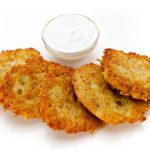
Potato Cakes
Ingredients
- 6 potatoes, peeled and grated
- 1/2 cup milk or cream
- 2 tablespoons salt
- 1 cup flour
- 2 eggs, slightly beaten
Instructions
- Combine the ingredients, and scoop 1/8 cup onto a hot, greased griddle.
- Turn the potato cakes halfway through cooking so each side browns.
- Bake until light and golden brown in a greased cast iron pan. I grew up serving honey over my potato cakes.
Norwegian Lefse
Lefse is one of my favorite recipes, which my great-grandmother, Danny, a pioneer ancestor from Norway, taught me. I loved Danny, who reminded me of being this special pioneer woman. I enjoy my Lefse spread with butter and brown sugar, but my family prefers white sugar. My mouth is watering right now.
It’s all about memories, right? My husband hadn’t heard of Lefse until I introduced him to this recipe. We’d make it on weekend mornings when our kids were young, and they loved it! My Lefse Post

Norwegian Lefse
Ingredients
- 4 cups mashed potatoes
- 3 tablespoons butter
- 2 teaspoons sugar
- 1/2 cup sweet cream
- 2 teaspoons salt
- 1 cup flour (approximately-enough to roll lefse thin)
Instructions
- Boil the peeled potatoes, and mash very fine and fluffy.
- Add the cream, butter, sugar, and salt. Beat again until light and fluffy. Add flour just before rolling out.
- Roll a piece of the dough as for pie crust, rolling as thin as possible.
- Bake in a frying pan until light brown, flipping to cook both sides. When baked, place them on a plate with a cloth between them to keep them from drying out.
Bacon or Sausage Gravy
Biscuits and gravy are a favorite; I probably eat more than I should. This combination is one I grew up with because they were cheap to make, and my mom could stretch a meal with more flour and milk.
I actually went to several restaurants with a friend when we lived in Southern Utah to see who made the best sausage and biscuits. We decided it was a restaurant called Black Bear Diner. They were awesome!

Bacon or Sausage Gravy
Ingredients
- 1/2 cup butter
- 1 cup flour
- 1/2 gallon of milk
- 1 pound bacon or sausage
- sugar to taste (optional)
- salt and pepper to taste
Instructions
- Grab a frying pan and brown the bacon or sausage. Set the meat aside.
- Add the butter to the same pan and let it melt.
- Add the flour to make a roux with butter or bacon grease. When the roux is smooth, add the milk and stir until completely cooked through.
- Add the bacon bits or sausage pieces. Salt and pepper to taste. I add a little sugar; it is optional.
Some other old-time recipes you may want to research and make are hasty pudding, cornmeal mush, hard tack, Mormon gravy, corn dodgers, beef jerky, pemmican (dried meat), and apple pie, a US favorite. How To Make Hardtack.
Final Word
I hope this gives you a little more encouragement to lean into scratch cooking in your own kitchen. Our pioneer ancestors knew how to make the most of every ingredient, and that wisdom is just as valuable today as it was back then. I feel strongly about learning to cook inexpensive meals because I believe hard times are coming. Please teach your family how to cook from scratch. Learning how to cook these pioneer recipes would be an excellent start for any family wanting to be thrifty and self-reliant during tough times, as all preppers do. Thanks for prepping. May God bless this world. Linda
Copyright Images: Corn Bread Depositphotos_144909879_S By urban_light, Potato Pancakes Depositphotos_32744069_S By artcasta, Lefse On A Plate AdobeStock_73840057 By alkerk, Honey and Honeycomb AdobeStock_84586165 By BillionPhotos, Dinner Biscuits with Butter Depositphotos_3014825_S By rojoimages, Sausage and Biscuits Depositphotos_2705980_S By rojoimages, Rice Pudding In Bowl Depositphotos_139499888_S By studioM
The post Pioneer Recipes Everyone Should Know How To Make appeared first on Food Storage Moms.
from Food Storage Moms
No comments:
Post a Comment