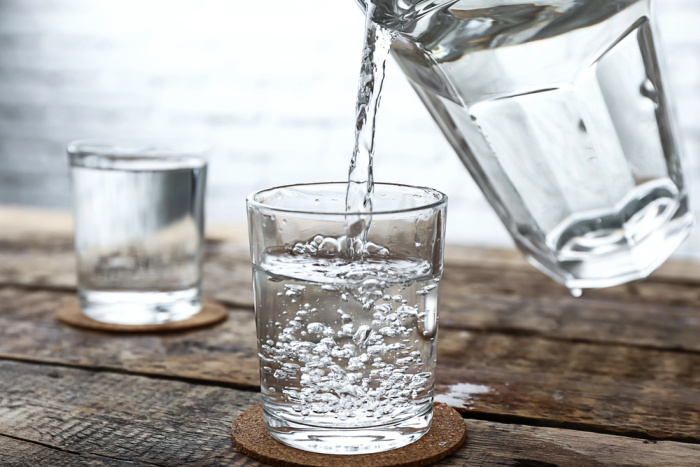
Water: Are we running out of it? Every morning I turn on my kitchen tap without a second thought, and I would bet you do the same thing. Water just comes out. It’s easy to forget that clean water is not something we’re guaranteed forever. As a family that believes in being prepared, I think it’s worth pausing to ask some honest questions. Do we have a water shortage? Are we wasting water? Is water scarcity real? The answers may surprise you, and they’re worth thinking about the next time you turn on that tap.
Only a Sliver of Our Water Is Actually Usable
Here’s a fact that stopped me in my tracks. Only 3 percent of all water on the planet is freshwater, and of that small fraction, about 2.5 percent is locked away in glaciers, ice caps, and underground aquifers, leaving roughly 0.5 percent of the Earth’s total water as accessible freshwater in lakes, rivers, wetlands, and shallow groundwater. That’s an incredibly small slice of the planet’s water supply that all of humanity, animals, and crops depend on.
Undrinkable Water Is a Daily Reality for Many
It’s easy to assume clean water is something everyone has access to, but that’s far from true. Around one in four people worldwide lack access to safely managed drinking water, meaning their water isn’t reliably safe, available at home, or free from contamination. In parts of the world, families walk miles for water that would never pass a basic safety test in our own kitchens. That’s something worth contemplating, and worth teaching our children to be grateful for.
Empty Aquifers Are a Slow-Motion Crisis
Aquifers are underground layers of rock and soil that store groundwater, and many of us rely on them without ever thinking about where our well or municipal water actually comes from. The world’s thirty largest aquifers supply about 40 percent of global groundwater use, and 60 percent of them are being drained faster than they can naturally refill. Groundwater depletion rates have climbed by 50 percent since 1990, and about 2.1 billion people depend on groundwater for their drinking water. These underground reserves took centuries, sometimes millennia, to fill. Once they’re gone, they don’t completely come back quickly, if ever.
Leaking Pipes Waste More Than We Realize
Water waste isn’t only about long showers or watering the lawn at noon with the water quickly evaporating. A huge amount of treated, drinkable water never even reaches a faucet because it leaks out of aging pipes long before it gets there, and here in the United States, the numbers are hard to believe. The nation’s drinking water system relies on more than 2.2 million miles of underground pipes, and much of it was laid down 50 or more years ago, right after World War II. In some older cities, water mainlines are pushing a century old.
Because of that aging network, the country loses nearly 20 percent of its treated water before it ever reaches a home or business. That works out to somewhere between 2 trillion and 2.1 trillion gallons of clean, already treated water lost every single year, which experts say is enough to supply more than 30 million households for an entire year. On an average day, that’s nearly 6.75 billion gallons slipping away underground, unseen and unused. Somewhere in the country, a water main breaks roughly every two minutes, and there are an estimated 240,000 water main breaks every year nationwide. All of that lost water costs utilities, and ultimately customers, more than six billion dollars annually.
It is a quiet kind of waste. Nobody sees a puddle forming in their yard when a pipe cracks three feet underground on a street a mile away, but it adds up to a staggering amount of clean water lost every single day, water that was already pumped, filtered, and treated before it disappeared into the ground.
Rivers Are Being Shared by Too Many Hands
Rivers don’t respect state lines or country borders, and that’s part of the problem. Of the world’s 30 largest rivers, which supply water to about 4 billion people, roughly a quarter are now experiencing declining flows. Two-thirds of the world’s largest rivers are no longer free-flowing. When farms, cities, and industries upstream all draw from the same river, there’s simply less left for the communities downstream. This is already causing real tension between states and even between countries.
Waterborne Diseases Still Threaten Families
Clean water isn’t just about convenience. It’s about health and survival. About 1.8 billion people drink water from sources contaminated with human waste, significantly increasing the risk of waterborne disease. Illnesses like cholera, dysentery, and typhoid spread quickly through contaminated water, especially among young children and older adults. This is one more reason why having a reliable, safe source of water at home, along with a backup plan, matters so much for our families.
So, Are We Running Out of Water?
The honest answer is complicated. We aren’t running out of water in the sense that the Earth’s water simply disappears. Water moves through a cycle. But we’re absolutely running out of easily accessible, clean, affordable freshwater in many regions, and that shortage is growing. By 2050, nearly five billion people are expected to live in areas facing high water stress. Three billion people already live in areas where total water storage is declining, and more than half of the world’s food is produced in those same stressed regions. That’s not a distant problem for someone else to solve. That’s a real and growing concern for our children and grandchildren.
Simple Ways Our Families Can Be Part of the Solution
We may not be able to fix aquifers or rivers on our own, but there’s still plenty we can do at home. Fix that dripping faucet instead of letting it run for months. Store water properly for emergencies so a boil water notice or a broken pipe doesn’t catch you off guard. Water your garden in the early morning or evening rather than during the heat of the day. Teach your children why turning off the tap while brushing their teeth actually matters. Small habits, repeated across millions of homes, genuinely add up.
Your Family Water Storage Checklist
Since so much of this comes back to having your own safe water supply on hand, here’s a simple checklist to get your family started or to check up on what you already have stored.
Store at least one gallon of water per person per day, and plan for a minimum of two weeks per person if you have the space. You know my thoughts: I tell my readers that 4 gallons per person per day is a more realistic goal when prepping for emergencies. I get thirsty thinking of just one gallon of water per day. We need water for proper hydration, cooking our food, basic personal hygiene, and limited laundry chores.
Don’t forget your pets. They need water too, and it’s easy to overlook them when you’re planning. We just found out Stella, our Shih Tzu, has gained too much weight. She’s now on a diet. Every pet needs water: Dogs need one ounce of water per pound per day. So hefty, Stella now needs 14 ounces of water each day.
Use food-grade water storage containers, and avoid reusing containers that once held milk or juice, since they’re hard to fully clean.
Keep stored water away from direct sunlight and away from harsh chemicals, gasoline, or cleaning supplies.
Rotate your water supply roughly every six months to a year if you’re storing plain tap water in containers, or check the expiration date if you’re using commercially bottled water.
Have a way to purify water on hand as a backup, such as water purification tablets, a reliable filter, or the ability to safely boil water. I have both Big Berkey and PortaWell water filtering systems. They’re great if you feel the water might be questionable and needs to be filtered effectively. You can check out my posts on how to properly filter and store water for emergencies.
Keep a few cases of bottled water in your vehicle or car trunk, especially if you travel through rural areas or during extreme heat.
Label your containers with the date you filled them so you always know when it’s time to rotate your supply.
Lake Powell and Lake Mead: Water and Power Crisis
Is There a Water Shortage Where You Live?
Final Word
Water is one of those blessings we so easily take for granted until it’s not there. I believe part of being a prepared family isn’t living in fear, but living with awareness and gratitude, and taking small, steady steps to be good stewards of what we’ve been given. The next time you turn on your tap, I hope you’ll pause for just a moment and remember how precious that simple stream of clean water really is. May God bless this world, Linda
Copyright Images: Filling Glass Of Tap Water Depositphotos_4466899_S, Water With Water Jug Depositphotos_221729546_S
The post Water: Are We Running Out Of It? appeared first on Food Storage Moms.
from Food Storage Moms
No comments:
Post a Comment